
Are Praying Mantises Good Pets? Pros and Cons Explained
Published on: December 2, 2025 | Last Updated: December 2, 2025
Written By: Rowan Hale
Hello, mantis friend! Have you ever watched a praying mantis sit perfectly still, its slender arms folded as if in quiet thought? That moment of calm focus can make you forget the busy world outside, drawing you into a tiny, green-hued universe.
Praying mantises can be excellent pets for the right person, offering a unique window into insect behavior, but they require specific care that isn’t for everyone.
Deciding if a mantis fits your life means looking beyond their graceful appearance to the daily realities of keeping them. Their world is one of subtle needs and quiet rewards, best suited for those who find joy in careful observation.
To guide you, here are the key points we’ll explore together:
- The clear advantages: minimal space needs, relatively low cost, and the fascinating daily ritual of their hunting and molting.
- The important drawbacks: naturally short lifespans, precise humidity control, and their nature as look-but-don’t-touch pets.
- Personal keeper insights, like caring for my own Ghost Mantis, Luna, whose leafy frills taught me the value of a patient eye.
- Straightforward steps to create a safe, comfortable home, using simple items you might already have on hand.
The Gentle World of Pet Mantises: A Unique Companion
Welcoming a praying mantis into your life is less about traditional pet ownership and more about curating a small, living piece of the wild. Their companionship is a quiet pact of observation, where you become the student of their intricate, slow-motion world. Unlike pets that demand constant interaction, a mantis offers a presence that is both serene and profoundly captivating. They’re not friendly in the traditional sense, but you can learn to read their temperament through posture and how they react to touch. With patience, many observers find that mantises reveal calm, purposeful behavior rather than overt affection.
I often think of my Ghost Mantis, Luna, who would spend hours perched on a twig, her misty brown frills blending with the leaves. There is a deep calm in watching her tilt her head with such thoughtful precision, as if calculating the physics of the air itself. This gentle world requires no loud noises or big spaces, just a willingness to appreciate the subtle drama of molting, hunting, and simply being.
The Bright Side: Key Advantages of a Pet Mantis
Choosing a mantis as a pet brings a suite of benefits that fit neatly into modern, busy lives. These creatures offer a unique blend of low maintenance and high fascination, making them ideal for first-time insect keepers or those seeking a tranquil hobby. What makes praying mantises truly special is their distinctive characteristics, such as camouflage, precise hunting forelegs, and intriguing life cycles. These traits add a captivating layer to a simple, low-maintenance pet. Let’s explore why so many find them utterly rewarding.
Pros at a Glance
Here is a quick summary of the standout benefits:
- Remarkably quiet and produce no odour.
- Minimal space requirements-a well-set-up terrarium is enough.
- Feeding costs are low, typically just live insects like fruit flies or crickets.
- Fascinating behaviours to observe, from meticulous grooming to dramatic molts.
- Shorter commitment compared to many pets, with lifespans often under a year.
Quiet Observation and Natural Beauty
A mantis enclosure becomes a living diorama, a source of endless quiet wonder. You will find yourself lost in the details: the way their forelegs fold in prayer, the shimmer of their exoskeleton under light, or the sudden, lightning-fast strike at prey. Their beauty is architectural and ever-changing. To connect that wonder to care, create a naturalistic, safe habitat for your praying mantis. Include safe, sturdy plants or realistic substitutes, plus good ventilation and ample hiding spots.
My Giant Asian Mantis, Moss, is a vibrant emerald statue when still, but watching him explore a new branch reveals a curious, almost playful energy. This balance of stillness and sudden action provides a calming focus that can lower stress and bring a touch of wild beauty to any room. You are not just keeping a pet; you are fostering a tiny, personal ecosystem.
Straightforward Care Routine
Caring for a mantis is wonderfully manageable once you know the basics. The routine revolves around three simple pillars: proper housing, appropriate food, and consistent humidity. It is a rhythm that quickly becomes second nature.
Here is a typical weekly care schedule:
- Housing: A ventilated glass or mesh terrarium, about three times the mantis’s height. Add sticks and fake plants for climbing and hiding.
- Feeding: Offer live prey like fruit flies for nymphs or crickets for adults, usually every two to three days. Remove uneaten food to keep the enclosure clean.
- Humidity: Lightly mist the enclosure with warm water every day or two. This helps with molting and mimics their natural, dewy environment.
When my Orchid Mantis, Sprig, was young, a simple misting bottle and a small tub of fruit flies were all we needed. This simplicity means you can provide excellent care without it becoming a chore, leaving more time to simply enjoy your pet’s company.
The Realistic View: Challenges of Mantis Ownership
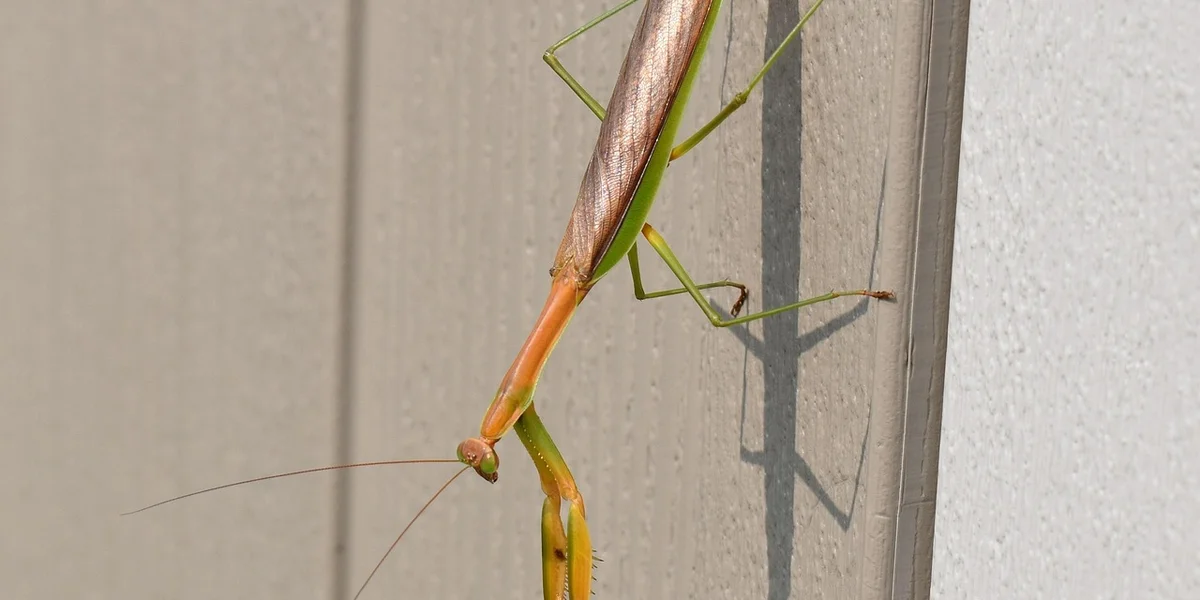
We cherish our mantises for their serene presence, but caring for them honestly means acknowledging the hurdles too. This realistic view isn’t meant to discourage you, but to prepare you for a rewarding journey that demands attentiveness.
Cons to Consider Seriously
Think of these points as the gentle shadows that make the bright moments shine brighter. Being aware of these aspects helps you become a more confident and capable mantis keeper from day one.
- Their time with you is brief: Most pet mantises complete their life cycle within 6 to 12 months, a short but intense companionship.
- You must keep live food: Their predatory wiring means they only recognize moving meals, requiring a steady supply of feeder insects.
- Their health hinges on humidity: Getting the moisture level wrong can lead to fatal molting issues or dehydration.
- They are delicate living sculptures: A fall from the side of their enclosure or rough handling can easily injure their slender bodies.
- Interaction is observational: Your joy comes from quiet watching, not tactile play or traditional pet affection.
Addressing each of these points with a plan turns potential stressors into simple, manageable parts of your routine.
The Short Lifespan and Emotional Cycle
From a tiny, ant-like nymph to a majestic adult, a mantis’s life moves with a quiet, rapid rhythm. This condensed timeline invites you to appreciate each small victory and natural change with deep focus.
My giant Asian mantis, Moss, lived vibrantly for just seven months after his final molt. We celebrated each successful shed, knowing it brought him closer to his end. Females, like my ghost mantis Luna, may grace you a little longer, but the arc remains the same.
You become a steward of their entire story, which is beautiful and poignant. This cycle teaches a gentle lesson in caring for something fragile and fleeting, finding joy in the daily details of their existence.
When they slow down, refusing food and resting more, it’s a natural process. Your role shifts to providing comfort and peace in their final days.
Living with a Predator: The Live Food Requirement
This is the most instinctive part of mantis care: you are keeping a hunter. Accepting the live food requirement means stepping into a small-scale ecosystem right on your desk or shelf.
We start our nymphs on pinhead crickets or flightless fruit flies, often cultured in a spare jar. For adults, we offer larger crickets or dubia roaches, always fed with care using tweezers.
Watching my orchid mantis, Sprig, unfold her petals and strike is mesmerizing. But a mismatched meal can be dangerous. Prey should never be larger than the space between your mantis’s eyes to prevent injury and ensure a clean catch.
It’s a weekly commitment to maintain your feeder insect supply. For some, this feels like a bridge to the natural world; for others, it’s an adjustment. Either way, it’s the heartbeat of mantis keeping.
Choosing Your Green Companion: Species for Beginners
Stepping into the world of mantis-keeping can feel like opening a storybook full of strange and beautiful creatures. The key to a joyful first experience is matching your expectations with a species whose care aligns comfortably with your new-keeper rhythm. We always suggest starting with a hardier, more forgiving type-it builds confidence for both you and your tiny green friend.
Popular Pet Mantis Species Compared
Not all mantises are created equal when it comes to beginner-friendliness. Their needs for humidity, heat, and prey size can vary as much as their appearances. For beginners, choosing the right mantis species makes all the difference. Here’s a quiet look at some of the most recommended first companions.
| Species | Appearance & Temperament | Ideal For Beginners Because… | Special Notes |
|---|---|---|---|
| Chinese Mantis (Tenodera sinensis) | Slender, long; green or tan. Curious and often bold. | Very hardy, tolerates a range of humidity, readily eats. | Our Moss is this species; his energy is a daily delight. Can grow quite large. |
| Ghost Mantis (Phyllocrania paradoxa) | Small, with stunning leaf-like frills. Calm, slow-moving, rarely aggressive. | Peaceful nature, lower space needs, stunning camouflage artist. | Our Luna is a ghost; her thoughtful, almost shy demeanour is perfect for quiet observation. |
| Giant Asian Mantis (Hierodula membranacea) | Large, robust, and vividly green. A confident, striking display animal. | Hardy, has a fantastic appetite, and is forgiving of minor husbandry fluctuations. | A wonderful choice if you want a larger, more interactive presence in your room. |
| European Mantis (Mantis religiosa) | Classic praying mantis shape, usually bright green. Active and engaging. | Widely kept, with straightforward care requirements well-documented online. | Often available, making it a classic and accessible first pet. |
While the orchid mantis captures every heart with its flower-petal legs, we gently steer new keepers away for their first attempt. Their specific, higher-humidity needs and more delicate constitution make them a project for a second or third mantis, once your care routine feels like second nature. My own Sprig is a wonder, but her enclosure requires a watchful eye I wouldn’t have managed as a novice.
Where to Find Your Mantis
Finding a healthy mantis is the first real step in your journey together. The goal is to source from someone who has raised them with care, not taken them from the wild.
- Specialist Breeders and Online Stores: This is often the most reliable route. Reputable breeders sell captive-bred nymphs (juveniles) and can offer exact species identification, age, and care advice. You support a passionate keeper and get a mantis accustomed to life in an enclosure.
- Invertebrate or Reptile Expos: These events are fantastic. You can meet breeders face-to-face, see the mantises in person, and ask all your questions on the spot. The buzz of the hall, the soft rustle of crickets, and rows of tiny terrariums make for a memorable day out.
- What to Avoid: We strongly advise against catching a wild mantis to keep as a pet. Wild individuals can carry parasites, struggle to adapt to captivity, and their removal impacts local ecosystems. It’s a far kinder practice to admire them in your garden and welcome a captive-bred one into your home.
When you make contact with a seller, don’t be shy to ask questions. Inquire about the mantis’s current feeding schedule, its last molt, and the breeder’s recommended setup. A good source will be happy to share this information—it shows they care about where their mantises end up. It’s that first quiet pact of good keeping. If you’re considering breeding, ask for guidance on setting up a perfect breeding enclosure for mantises—proper dimensions, ventilation, and space for mating. A knowledgeable breeder can help you plan a safe, thriving environment for both adults and nymphs.
Foundations of Care: Habitat, Feeding, and Daily Life
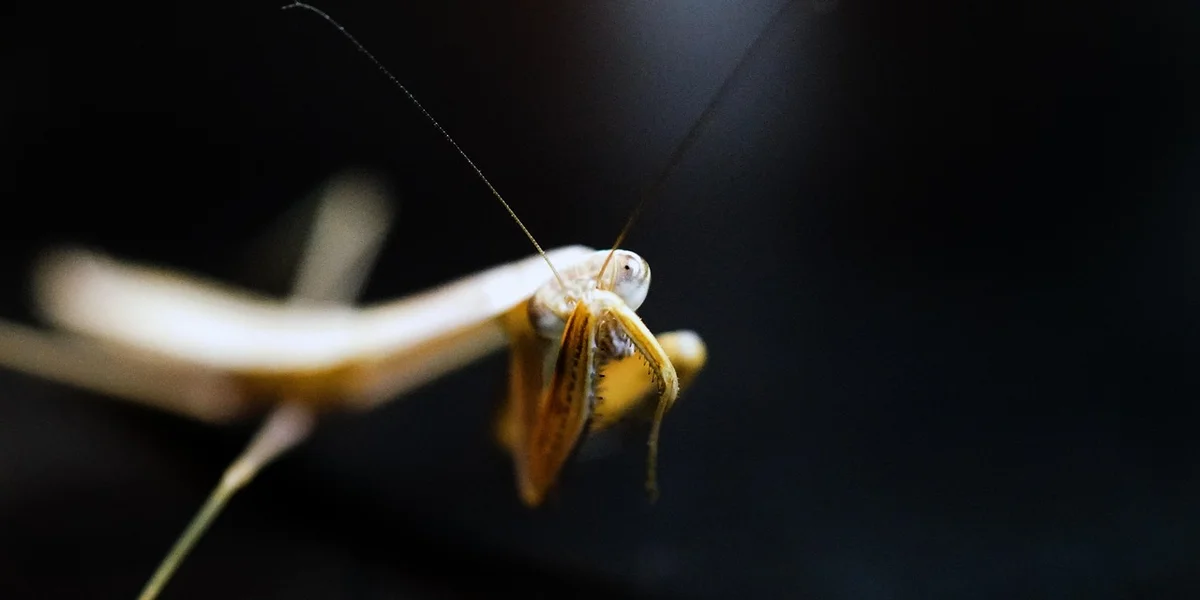
Building a Safe and Stimulating Enclosure
Think of your mantis’s home as a miniature biome-a secure, breathable space that mimics the gentle clutter of a sun-dappled garden. A proper enclosure isn’t just a container; it’s the foundation for your mantis’s wellbeing, affecting everything from successful molts to its daily curiosity. For my ghost mantis, Luna, a tall, mesh-sided terrarium provides the airflow and climbing surfaces her delicate, leaf-like body needs.
Start with the basics. A habitat for a single adult mantis should be at least three times its length in height and twice in width. Good ventilation is non-negotiable to prevent stagnant, mould-prone air. We often use a fine mesh lid or side panels on a glass or acrylic tank. Line the bottom with a simple, absorbent substrate like coconut fibre or peat moss, which helps maintain humidity without fuss.
Now, add the furnishings that turn a cage into a home. Mantises are ambush predators who feel secure with plenty of perch points and light cover.
- Twigs and branches: Arrange a variety of diameters, anchored securely, to create a climbing network.
- Artificial or pet-safe plants: Silk or plastic leaves offer hiding spots and mimic natural foliage.
- Ceiling access: Ensure the top has mesh or a textured surface for hanging during molting.
Avoid any adhesive tapes, sharp edges, or toxic materials, as a mantis’s exoskeleton is surprisingly delicate against such hazards. For Moss, my energetic Giant Asian, I used sterilised driftwood and fake vines, watching him explore every new pathway with quiet focus.
The Rhythm of Feeding and Maintenance
Caring for a mantis settles into a gentle, predictable cadence that becomes a soothing part of your week. Their feeding schedule is less about strict clocks and more about observing their abdomen—a slightly plump, rounded shape means they’re content, while a flat, skinny one signals hunger. Most juveniles eat every two to three days, while adults may dine just once or twice a week.
Offer live prey appropriate to your mantis’s size. Fruit flies for tiny nymphs, moving up to crickets, moths, or flies for larger species. I always gut-load feeder insects with nutritious greens before offering them to Sprig, my orchid mantis, to pass on those vitamins. This approach is a key element of the ultimate guide to gut-loading feeder insects for mantises. It explains which greens and supplements maximize nutrition and how long to gut-load before feeding. Never leave uneaten, aggressive prey like large crickets in the enclosure overnight, as they can harm a resting mantis.
Maintenance revolves around moisture and cleanliness. Mantises drink from droplets, so a light misting of the enclosure walls and plants with dechlorinated, lukewarm water every other day is perfect. This daily mist provides hydration and creates the humid microclimate that supports healthy skin shedding. A quick weekly tidy-removing old prey remnants and molted skin-keeps the space fresh. I use a soft paintbrush to gently coax mantises aside whilst I spot-clean, a method that minimises stress for both keeper and insect.
Gentle Interaction and Health Signs
Interaction with a praying mantis is a lesson in quiet observation rather than hands-on play. These are pets you watch and learn from, their stillness teaching patience and their hunting strikes revealing a hidden world of precision. When you do handle them, let the mantis walk onto your hand voluntarily, supporting its body from below and avoiding sudden movements. Learn how to handle and interact with your praying mantis safely to ensure a stress-free experience for both you and your insect pet.
Watch for the clear signs of a thriving mantis. A healthy individual is alert, with bright, complex eyes that track movement. It should grasp perches firmly and show interest in food when offered. Regular, successful molts-where the old skin splits cleanly away-are brilliant indicators of good humidity and nutrition. After molting, give your mantis at least 24 hours of complete solitude so its new exoskeleton can harden properly.
Be mindful of warning signs that suggest discomfort or illness. These can include:
- Lethargy or falling from perches frequently.
- Discoloration or black spots on the body, which may signal a fungal issue.
- A refusal to eat for multiple feeding cycles, especially if the abdomen is thin.
- Difficulty shedding, with old skin stuck to limbs.
My approach is always one of preventative care. By maintaining that consistent rhythm of feeding, misting, and observation, you’ll come to know your mantis’s normal behaviour intimately, making it easier to spot when something is amiss. It’s a quiet partnership, built on respect for their delicate, fascinating nature.
Is a Praying Mantis the Right Pet for Your Home?
Picture a quiet afternoon, sunlight filtering through the leaves of a houseplant, and there on a branch sits your mantis, still as a jade carving. Bringing one into your home isn’t about cuddles or playtime; it’s about sharing space with a fascinating, miniature predator. Choosing a mantis means committing to a pet that offers wonder through observation, not interaction. We find it helps to ask yourself a few quiet questions: do you have a calm spot for a small enclosure, can you provide live food, and does the idea of caring for a fragile, fleeting life appeal to you?
Best Fit: The Ideal Mantis Keeper
The perfect mantis keeper often has a patient, observant nature, much like the insects themselves. They appreciate the subtle drama of a well-kept terrarium-the gentle misting, the careful placement of a new twig, the silent watch for a molt. Your lifestyle is a key fit if you enjoy low-maintenance routines and find joy in small, daily moments of natural beauty. From my time with Moss, my energetic Giant Asian Mantis, I learned that the ideal keeper is part scientist, part artist, and entirely comfortable with a pet that prefers to be admired from a slight distance.
Consider these traits that often make for a happy pairing:
- A quiet home environment without loud noises or frequent vibrations that can stress a mantis.
- The ability to maintain a simple, consistent care schedule for feeding and misting.
- A fascination with insect behavior and life cycles, enjoying the process as much as the pet.
- Comfort with handling live feeder insects like fruit flies or crickets.
For Families and First-Time Keepers
For families, a mantis can be a brilliant first pet, teaching responsibility and the rhythms of nature without the demands of a dog or cat. Supervised care transforms feeding time into a live science lesson, sparking curiosity about ecosystems and predator-prey relationships. My ghost mantis, Luna, with her thoughtful head tilts, became a gentle ambassador for my younger relatives, showing them that stillness can be just as captivating as activity.
Here’s a simple breakdown to help families and beginners weigh their choice:
| Consideration | Why It Matters |
| Supervision Required | Children should always be guided during handling or feeding to protect the delicate mantis. |
| Lifespan Awareness | Most mantises live less than a year, offering a manageable commitment but requiring gentle conversations about life cycles. |
| Minimal Allergens | Unlike furry pets, mantises don’t shed dander, making them a good option for sensitive households. |
| Cost and Setup | Start-up is affordable-a spare fish tank or large jar can become a first home, keeping initial investment low. |
Final Weighing: Making Your Decision
Making your choice comes down to matching your expectations with the quiet reality of mantis care. It’s not for everyone, but for the right person, it’s a deeply rewarding niche. Think of this decision as preparing a small, safe world for a creature that will ask for little but give you a window into an entire micro-wilderness.
Walk through these points to find your answer:
- Assess your time: Can you spare 10 minutes daily for misting and a few minutes every other day for feeding?
- Consider your space: Do you have a secure, warm shelf or table away from direct drafts or sunlight?
- Reflect on your goals: Are you seeking a hands-off pet that teaches patience and observation?
- Source your supplies: Is there a local shop or online supplier for feeder insects and enclosure furnishings?
Remember Sprig, my shy Orchid Mantis, who taught me that success lies in attentive, calm consistency. If your answers lean toward a serene, watchful partnership, a praying mantis might just be the perfect, green-hearted addition to your home.
FAQs on Mantis
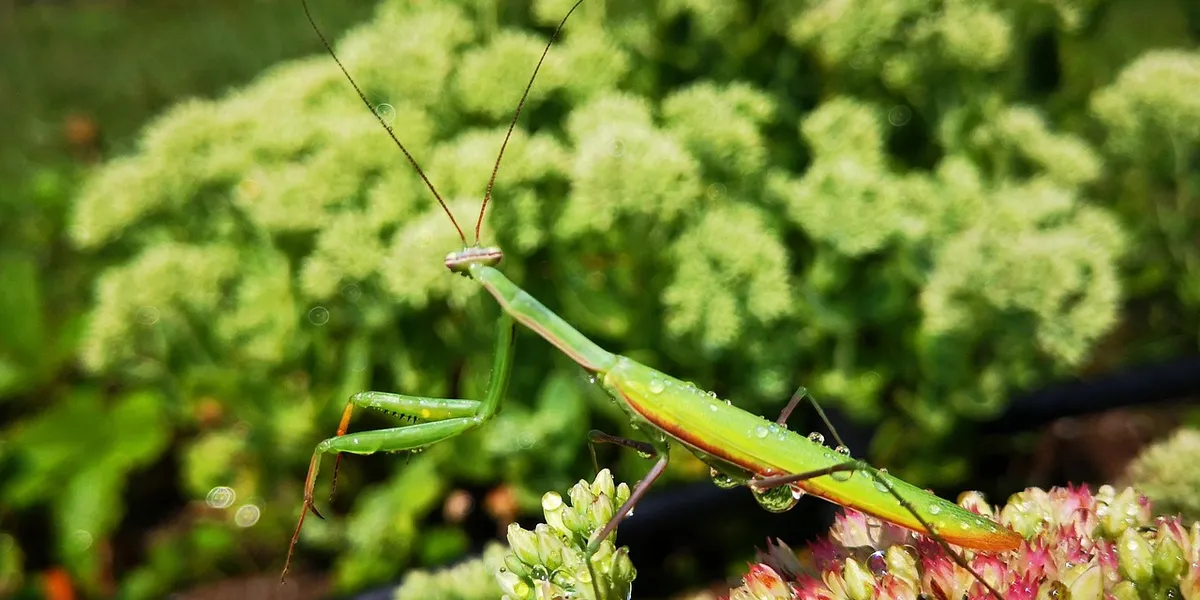
Can I buy a praying mantis at Petsmart or similar large pet store chains?
Praying mantises are seldom available at general pet retailers like Petsmart, as they are considered niche exotic pets. You will have more success sourcing them from specialized online breeders, invertebrate expos, or dedicated insect pet shops. For a trusted buyers guide on where to buy pet praying mantises, consult our guide. It reviews reputable sources and covers shipping practices and care considerations.
What is the typical price range for a pet praying mantis and its care?
The mantis itself usually costs $10 to $40, depending on species and age. Ongoing care expenses are minimal, with live food and occasional supplies adding up to around $10 to $20 monthly.
How can I locate praying mantis breeders or sellers in my local area, like near Detroit, MI?
Search for regional reptile and invertebrate expos, or use online platforms like FaunaClassifieds and specialized Facebook groups for mantis enthusiasts. For precise locations such as Detroit, MI, checking local breeder directories or asking in community forums can yield specific, trustworthy sellers.
Your Mantis Journey Awaits
Choosing a praying mantis means welcoming a captivating, low-maintenance pet that thrives on observation rather than interaction. Your key to a happy mantis lies in preparing a secure, humidity-controlled home and committing to a diet of appropriate live insects, offered with patience and care. Ensuring proper habitat conditions is crucial for their well-being.
Embrace this role as a quiet guardian, where your dedication to learning defines their wellbeing. True care continues beyond setup-it’s in the daily watchfulness and the joyful pursuit of knowledge that lets your mantis flourish for its entire, remarkable life.
Further Reading & Sources
- Garden Dilemmas, Delights & Discoveries, Ask Mary Stone Praying Mantises Beneficial or Bad – Garden Dilemmas, Delights & Discoveries, Ask Mary Stone
- Should You Keep a Praying Mantis as a Pet?
- Should I Release Praying Mantis into My Garden? | Extension
- Praying Mantis: Friend or Foe? – The Observant Gardener
Rowan Hale is a lifelong insect enthusiast who fell in love with mantises for their calm presence, alien elegance, and surprising personalities. After years of keeping and raising a variety of species, Rowan shares practical tips, creative insights, and real-world experience to help others enjoy the quiet magic of mantis care. From setting up the perfect enclosure to understanding their subtle behaviors, Rowan invites readers into a gentle, curious world where every tiny movement feels like a discovery.
First-Time Mantis Owners