
Are Flower Mantis Species Real? Uncovering the Truth About These Insects
Hello, mantis friend! Have you ever spotted an insect that seems to have petals instead of legs, blending so perfectly into a garden that it’s nearly invisible?
Yes, flower mantis species are absolutely real, and they showcase one of nature’s most stunning examples of mimicry.
Yet, their existence isn’t always straightforward-many people mistake them for myths or confuse them with other insects due to their incredible disguises.
In this article, we’ll clear up the confusion and guide you through the fascinating world of these camouflaged hunters.
- Learn what makes a mantis a “flower” species and how their mimicry helps them survive.
- Discover real examples, like the orchid mantis, and how to identify them in the wild or as pets.
- Understand the science behind their appearance and why some misconceptions persist.
- Get tips on appreciating these insects responsibly, whether you’re a curious observer or a budding keeper.
Unveiling the Reality of Flower Mantis Species
Are Flower Mantises Real Insects?
Yes, flower mantises are absolutely real and not just figments of imagination or digital creations. These insects belong to specific genera like Hymenopus and Creobroter, with the Orchid Mantis (Hymenopus coronatus) being a stunning example that mimics orchid blossoms. We’ve cared for mantises like Sprig, our juvenile Orchid Mantis, whose pink and white marbling looks like delicate petals under soft light. They are true members of the mantis family, evolving over millennia to blend into floral environments. Unlike common green mantids, flower mantises exhibit specialised body shapes and colours that make them masters of disguise in the wild.
- Orchid Mantis (Hymenopus coronatus): Found in Southeast Asia, with petal-like legs and a pink-white hue.
- Jeweled Flower Mantis (Creobroter gemmatus): Native to India and Sri Lanka, featuring vibrant spots and a compact size.
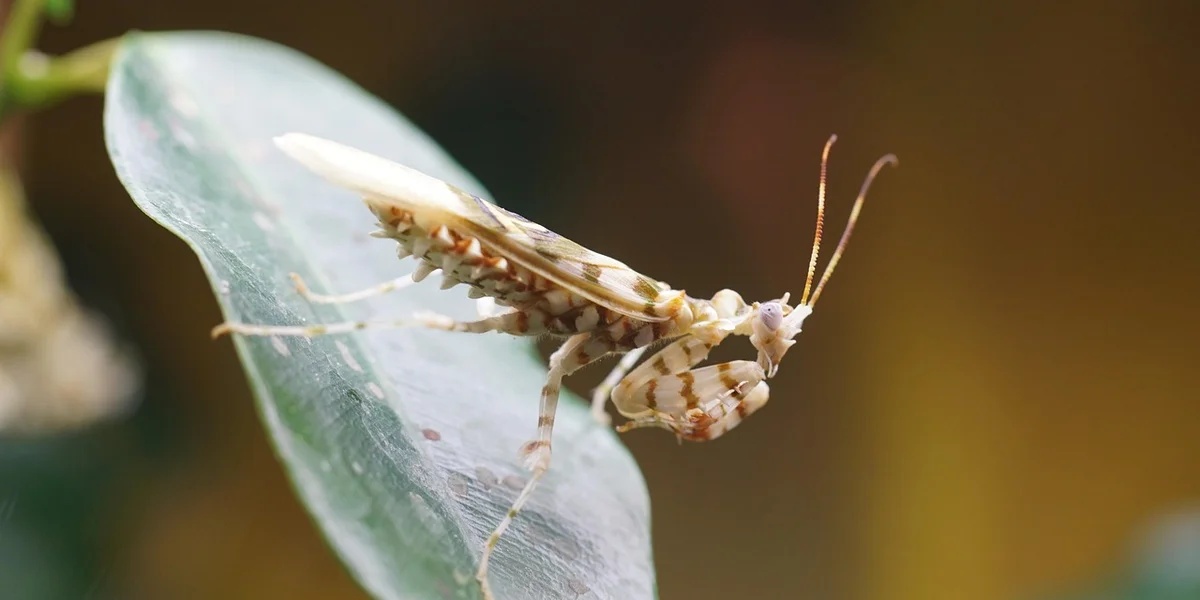
- Spiny Flower Mantis (Pseudocreobotra wahlbergii): Hails from Africa, adorned with eye-like patterns and spiny protrusions.
Many newcomers mistake them for artificial decor, but observing their subtle movements-like Sprig’s slow tilt of the head before striking-confirms their living nature. Their reality is grounded in scientific classification and observable behaviour in both wild and captive settings.
Natural Habitats and Global Distribution
Flower mantises thrive in warm, humid regions where flowers abound, primarily across tropical and subtropical zones. You’ll find them in Southeast Asian rainforests, such as Malaysia and Indonesia, where dense foliage and blooming orchids provide perfect hiding spots. In our experience, maintaining a terrarium that mimics these conditions-think high humidity and plenty of live plants-helps them feel at home. They often perch on stems or leaves, blending seamlessly into the environment. African species, like the Spiny Flower Mantis, inhabit savannas and forest edges, adapting to seasonal changes. Their distribution spans from India to parts of Australia, with each species favouring microhabitats rich in insect prey and floral cover.
- Southeast Asia: Lush, humid forests with abundant orchids and insects.
- Africa: Grasslands and wooded areas, often near water sources.
- Australia and surrounding islands: Coastal regions with diverse flora.
We’ve noticed that in captivity, replicating this with misting and live plants encourages natural behaviours, much like Moss, our Giant Asian Mantis, enjoys exploring fresh branches. Understanding their native ranges guides proper care, ensuring they receive the warmth and moisture they evolved with.
Evolution of Camouflage Deception
The evolution of flower mantis camouflage is a fascinating tale of survival through deception. Over generations, these mantises developed flower-like appearances to avoid predators and ambush prey more effectively. This mimicry isn’t just visual; it includes behavioural traits, such as swaying gently to imitate a blossom in the breeze. We’ve watched Luna, our Ghost Mantis, use her leaflike frills to disappear into foliage, a trick honed by evolution. Natural selection favoured individuals whose colours and shapes matched local flowers, leading to diverse forms across regions. This adaptation reduces their visibility to birds and larger insects while luring pollinators like bees within striking distance.
- Initial variation: Random mutations produced flower-like traits in ancestral mantises.
- Selective pressure: Predators overlooked better-camouflaged individuals, allowing them to reproduce.
- Behavioural reinforcement: Mantises learned to position themselves on flowers for optimal hunting.
In our terrariums, we see this legacy in how they choose perches that enhance their disguise. Their evolution showcases nature’s ingenuity, turning simple insects into living art through gradual, adaptive changes.
Understanding Flower Mantis Mimicry and Behavior
How Flower Mantises Use Camouflage
Flower mantises employ camouflage as both a shield and a weapon, blending into their surroundings to stay safe and hunt efficiently. They position themselves on or near flowers, using their petal-shaped legs and colouration to appear harmless to passing insects. For instance, Sprig, our Orchid Mantis, will remain motionless for hours, only twitching her antennae like a flower’s stamen. When prey approaches, she strikes with lightning speed, a behaviour we’ve seen in many species. This disguise also protects them from predators; birds might overlook them as inedible plant parts. Their camouflage isn’t static-they adjust their posture and location based on light and environment, much like how Moss shifts on branches to catch the sun. This adaptive coloration is crucial for their survival, and you can learn more about it in this detailed guide.
- Visual mimicry: Body shapes and colours mimic specific flowers, such as orchids or daisies.
- Behavioural mimicry: Swaying movements imitate flowers swaying in wind, attracting curious prey.
- Environmental integration: Choosing perches that match their appearance, like white flowers for pale mantises.
We recommend providing varied foliage in enclosures to support this natural behaviour. Observing their stealth in action reminds us how this clever adaptation boosts their survival in the wild and in our care.
Behavioral Biology in Daily Life
In daily life, flower mantises display a range of behaviours rooted in their biology, from feeding rituals to molting cycles. They are sit-and-wait predators, conserving energy by staying still until prey ventures close, then using their raptorial forelegs to snatch it swiftly. We’ve noted that Luna, with her slow, deliberate movements, typifies this patience, often waiting days between meals. Molting is a critical period; they seek secure spots and avoid disturbance, emerging with brighter colours and larger size. Their daily routine includes basking under gentle heat sources to regulate body temperature and misting sessions to maintain hydration, much like their wild counterparts enjoying morning dew.
- Feeding: Ambush tactics target flies, moths, and other small insects; we feed ours live prey twice a week.
- Molting: Occurs every few weeks in juveniles; provide sturdy branches for support and high humidity.
- Social behaviour: Generally solitary; house them alone to prevent cannibalism, a common trait.
We’ve found that mimicking natural light cycles with a day-night rhythm reduces stress. Understanding these daily habits helps us create a nurturing environment where flower mantises can thrive, reflecting their innate biological rhythms.
Common Flower Mantis Species for Pet Care
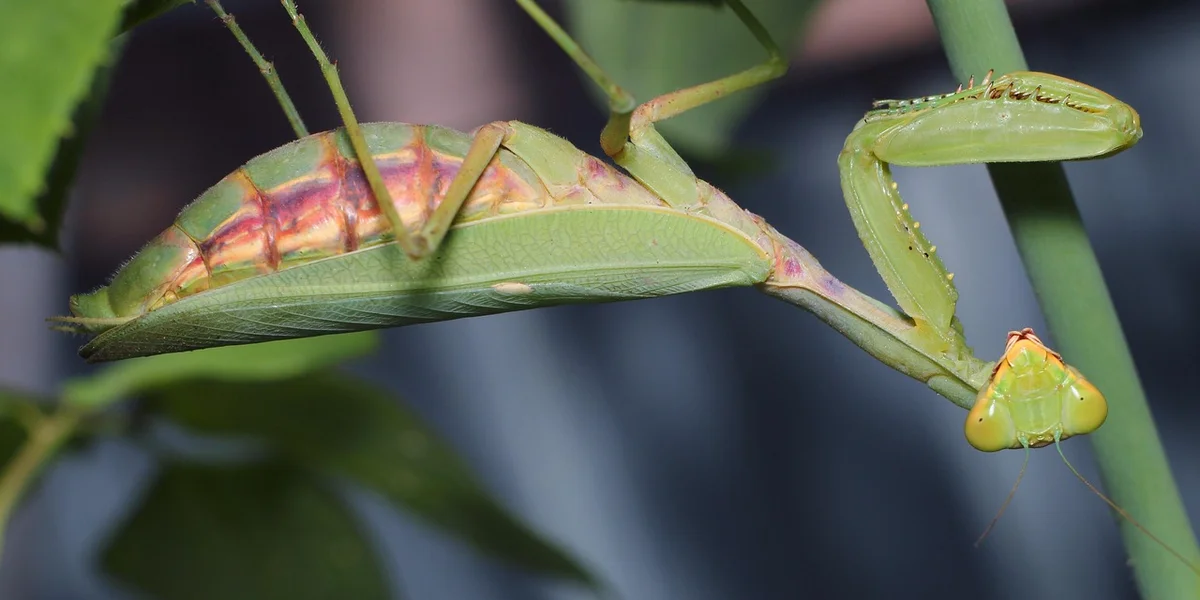
Orchid Mantis (Hymenopus coronatus)
Orchid Mantises boast petal-like legs and soft pink-white hues that mimic tropical blossoms. Their stunning appearance makes them a favourite among keepers, but they require attentive care to thrive in captivity. We find their delicate movements and patient hunting style utterly captivating, much like our own Sprig, who perches quietly before striking at passing flies.
These mantises prefer warm, humid environments similar to their native Southeast Asian habitats. Maintaining consistent humidity around 60-80% helps prevent dehydration and supports their vibrant colouration. A well-ventilated terrarium with live plants like orchids or ferns mimics the natural settings they adore.
- Size: Females reach about 6-7 cm, while males are smaller and more slender.
- Temperament: Generally calm but can be shy; handle minimally to reduce stress.
- Lifespan: Females live 8-12 months, males slightly shorter.
Other Noteworthy Species
Beyond Orchid Mantises, several flower-mimicking species offer unique charm for enthusiasts. Each species brings distinct colours and behaviours, enriching your keeping experience with variety and learning opportunities. We often rotate between different types to appreciate their individual quirks and needs.
- Devil’s Flower Mantis (Idolomantis diabolica): Large and dramatic with spiny projections; best for experienced keepers due to specific humidity needs.
- Spiny Flower Mantis (Pseudocreobotra wahlbergii): Compact with eye-catching spiral patterns; hardy and great for beginners.
- Indian Flower Mantis (Creobroter gemmatus): Vibrant green with jewel-like markings; active and fun to observe during feedings.
Choosing a species depends on your experience level and setup. Research each one’s requirements to ensure a happy, healthy life in your care. We’ve found that starting with simpler species builds confidence before moving to more delicate varieties.
Essential Care for Flower Mantis Pets
Setting Up the Perfect Habitat
A proper enclosure is the foundation of your mantis’s well-being. Select a tall, mesh-sided terrarium that allows for climbing and easy molting, as flower mantises love vertical space. Different mantis species have different enclosure needs, so choose a setup tailored to the species you keep. Research the enclosure guidelines for your specific mantis before buying. We use containers around 30 cm tall for adults, filled with safe, non-toxic plants and branches.
- Choose an enclosure with good ventilation to prevent mold and stagnation.
- Add a substrate like coconut fibre or sphagnum moss to retain moisture.
- Include artificial or live plants for hiding and perching; avoid sharp edges.
Decorate with thin twigs and silk flowers to encourage natural behaviours. Regularly check for hazards like loose lids or gaps where tiny mantises could escape. Our setup for Moss includes a small potted plant he often explores after misting.
Humidity and Temperature Control
Flower mantises thrive in stable, warm conditions with moderate humidity. Aim for temperatures between 24-30°C during the day, dropping slightly at night to mimic natural cycles. We use a low-wattage heat lamp or mat, always monitored with a thermometer to avoid overheating. Lighting and heating requirements are part of the ideal care: maintain a regular day–night cycle to mimic natural conditions. Use a low-intensity light during the day to support activity without overheating. For more detailed information, you can visit lighting and heating requirements.
- Humidity: Keep levels at 50-70% for most species; mist lightly once or twice daily.
- Tools: Use a hygrometer to track humidity and adjust misting frequency as needed.
- Tips: Place water dishes or damp sponges in the enclosure for a humidity boost without over-wetting.
Watch for condensation on the walls-it’s a sign you’re on the right track. Consistent humidity prevents molting issues and keeps your mantis’s skin supple and healthy. In our terrariums, the gentle mist brings out the earthy scent of the substrate, much like a morning dew.
Feeding and Nutrition Tips
Flower mantises are carnivorous and relish live prey that matches their size. Offer appropriately sized insects like fruit flies for juveniles and crickets or moths for adults, fed every 2-3 days. This approach fits into our praying mantis feeding schedule species comparative guide, which compares meal timing across species. It helps you tailor feeding frequency to your particular mantis. We’ve noticed that varied diets prevent boredom and support vibrant colours.
- Gut-load prey with nutritious foods like carrots or commercial diets before feeding.
- Avoid wild-caught insects to reduce pesticide risks; stick to bred feeders.
- Remove uneaten prey after a few hours to prevent stress or injury to your mantis.
Observe feeding sessions to ensure your mantis is eating well. Healthy flower mantises show eager strikes and steady weight gain, signalling proper nutrition. Luna, our Ghost Mantis, tilts her head thoughtfully before each meal, a behaviour we’ve come to cherish.
Supporting Healthy Molting
Molting is a vulnerable time when your mantis sheds its exoskeleton to grow. Provide plenty of vertical space and secure perches to allow your mantis to hang upside-down safely during molts. To support growing nymphs, use a graduated enclosure system that scales with molts. Begin with smaller spaces for early instars and widen as they mature. We add extra twigs and mesh to our enclosures to give them options.
- Signs of impending molt: Reduced appetite, lethargy, and whitish skin appearance.
- During molt: Avoid disturbances and ensure high humidity to ease the process.
- Post-molt: Wait 1-2 days before offering food to let the new exoskeleton harden.
Keep the environment calm and mist lightly to aid in skin softening. Successful molts result in brighter colours and increased activity, a reward for your careful attention. The soft rustle of shedding skin is a gentle reminder of nature’s rhythms in your home.
Sourcing Flower Mantises Responsibly
Where to Find Healthy Specimens
We often start by looking to specialised breeders who focus on captive-bred flower mantises, as they tend to be healthier and better adapted to life in an enclosure. Choosing a mantis from a reputable source means you’re more likely to get one free from parasites and stress-related issues. Online forums and dedicated insect expos can be treasure troves for connecting with experienced keepers. If you’re aiming to breed mantis species successfully, a concise breeding mantis species step-by-step guide can help. It covers selecting breeding stock, pairing, and caring for hatchlings.
When evaluating a potential mantis, watch for signs of vitality like alertness, smooth limb movement, and a well-fed abdomen. A healthy flower mantis will perch calmly but react to movement, much like our own Luna, who tilts her head thoughtfully before exploring new leaves. Avoid specimens with discoloured spots, damaged wings, or lethargy, as these can indicate underlying health problems.
- Reputable breeders: Seek those with positive reviews and transparent care records.
- Pet stores: Opt for ones with knowledgeable staff and clean, species-appropriate habitats.
- Online sellers: Check for live arrival guarantees and clear photos of the actual mantis.
Inspecting the mantis’s environment before purchase gives clues about its care history. Clean enclosures with fresh foliage and proper humidity levels reflect a keeper’s attention to detail, which often translates to a thriving insect. We’ve found that asking breeders about feeding schedules and molting history can reveal how well the mantis has been nurtured.
Legal and Ethical Considerations
Laws around keeping flower mantises vary by region, with some species protected under CITES due to habitat loss or overcollection. Always verify local regulations before acquiring a flower mantis to ensure you’re not inadvertently supporting illegal trade. In the UK, for instance, certain exotic insects may require permits or fall under wildlife protection acts.
Ethically, we lean towards captive-bred specimens to reduce pressure on wild populations. Wild-caught mantises can struggle with captivity stress and may introduce diseases to other pets, whereas bred ones like Moss adapt more smoothly to home life. Supporting breeders who prioritise sustainability helps conserve these delicate insects for future generations.
- Check CITES listings: Some orchid mantis species are regulated to prevent overharvesting.
- Ask for provenance: Ensure the mantis comes from a legal, traceable source.
- Consider eco-friendly practices: Choose sellers who use recyclable packaging and ethical rearing methods.
We feel a quiet responsibility to protect these insects by making informed choices. By prioritising ethical sourcing, you contribute to a cycle of care that respects both the mantis and its natural world. It’s a small step that echoes the gentle rustle of leaves in a well-tended terrarium, where every life is valued.
Breeding and Conservation Insights
Basics of Breeding Flower Mantises
Breeding flower mantises begins with ensuring both male and female are healthy and well-fed, typically after their final molt. Introduce the pair slowly in a spacious enclosure to minimise aggression, as males can be skittish around larger females. We’ve observed that misting the area lightly can create a calming, humid atmosphere that encourages natural behaviour.
Mating often involves the male cautiously approaching the female, sometimes over several hours. Successful pairings result in the female producing an ootheca, or egg case, which she attaches securely to a branch or enclosure wall. With Sprig, our orchid mantis, we noted she preferred sheltered spots with gentle airflow for her eggs.
- Pre-breeding care: Feed both mantises generously for a week to build energy reserves.
- Introduction: Place the male near the female during her less active periods, like early evening.
- Post-mating: Separate the pair immediately to prevent cannibalism, and provide the female with extra nutrition.
- Egg care: Keep the ootheca in a humid, warm environment until nymphs hatch in a few weeks.
Caring for the nymphs requires tiny food sources like fruit flies and consistent moisture. Newly hatched flower mantises are fragile, so we use fine misting bottles to hydrate them without overwhelming their delicate bodies. Watching them grow from minuscule replicas to full-sized adults feels like tending a living garden, each stage a quiet marvel.
Role in Insect Diversity and Conservation
Flower mantises play a subtle yet vital role in their ecosystems, often acting as pollinators and pest controllers in tropical habitats. Their camouflage not only hides them from predators but also allows them to ambush insects that might harm native plants, supporting biodiversity. In regions like Southeast Asia, where many species originate, they contribute to the balance of insect communities.
Captive breeding programmes help safeguard species threatened by deforestation and climate change. By raising flower mantises in controlled environments, we reduce the demand for wild collection and preserve genetic diversity. Our work with species like the ghost mantis has shown how even small-scale efforts can echo in broader conservation circles.
- Pollination aid: Some flower mantises inadvertently transfer pollen while hunting on blossoms.
- Pest management: They naturally control populations of smaller insects, reducing need for pesticides.
- Education and awareness: Sharing breeding successes inspires others to value insect conservation.
We see each bred mantis as a thread in the tapestry of insect life, woven with care and respect. Engaging in responsible breeding not only enriches your own experience but also helps ensure these captivating insects thrive for years to come. Following an ethical guide for mantises, line breeding and selective breeding should balance trait goals with animal welfare. These approaches prioritize health, genetic diversity, and transparent stewardship. It’s a gentle reminder that our actions, however small, can nurture the quiet wonders of the natural world.
Common Mantis Queries
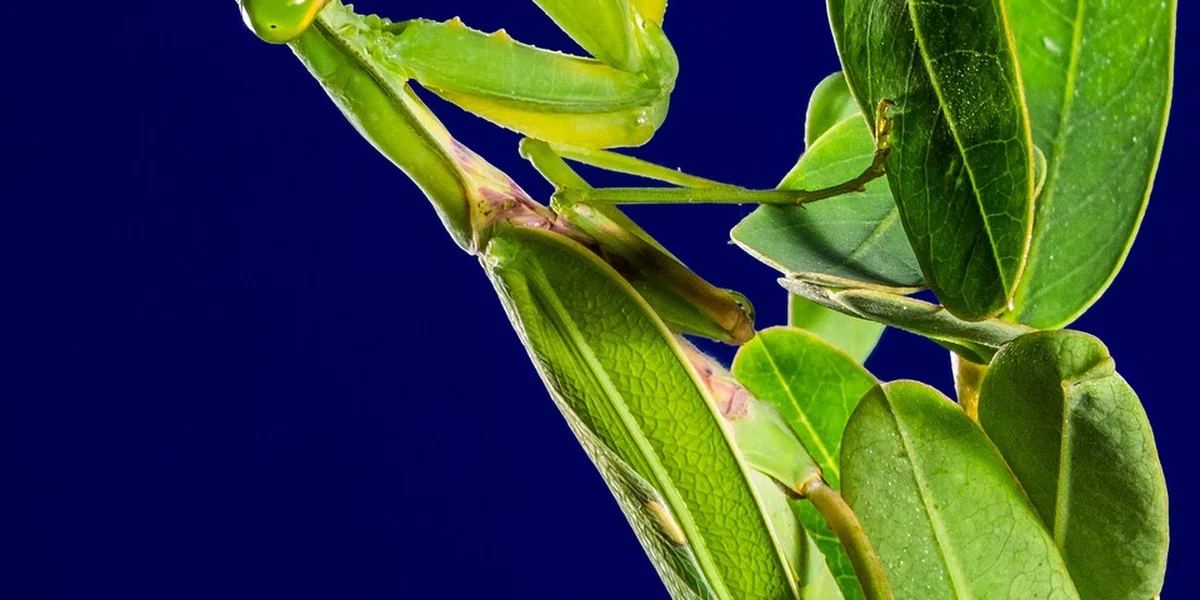
Is a flower mantis real?
Yes, flower mantises are genuine insects and not mythical creatures. They are a group of praying mantises renowned for their incredible floral mimicry.
What is a flower mantis?
A flower mantis is a type of praying mantis that has evolved to mimic the appearance of flowers. This disguise serves as both a highly effective hunting tool and a defense mechanism against predators.
Do flower mantises exist in the wild?
Absolutely, flower mantises are naturally occurring and inhabit various wild ecosystems. They are primarily found in the warm, humid tropical regions of Asia and Africa. In terms of natural habitat distribution, mantises are tied to vegetation-rich areas where they camouflage on flowers and leaves. Many species are found in forests, meadows, and shrublands, following flowering plant communities.
A Gentle Farewell on Flower Mantis Reality
Flower mantis species are wonderfully real, with their care focusing on high humidity environments and a steady supply of small prey like fruit flies. We find that mimicking their native tropical settings through daily misting and secure enclosures brings out their best health and natural behaviors.
Embrace responsible ownership by always sourcing mantises ethically and observing their unique needs closely. Keeping a curious mind and learning from fellow enthusiasts enriches your journey as a caring mantis keeper.
Further Reading & Sources
- Flower mantis – Wikipedia
- Hymenopus coronatus – Wikipedia
- Flower Mantis Natural History | Hymenopodidae
- Pseudocreobotra wahlbergi – Wikipedia
Rowan Hale is a lifelong insect enthusiast who fell in love with mantises for their calm presence, alien elegance, and surprising personalities. After years of keeping and raising a variety of species, Rowan shares practical tips, creative insights, and real-world experience to help others enjoy the quiet magic of mantis care. From setting up the perfect enclosure to understanding their subtle behaviors, Rowan invites readers into a gentle, curious world where every tiny movement feels like a discovery.
Rare Species