
A Guide to Identifying Common Feeder Insect Pests (Mites, Gnats)
Hello mantis friend,
There’s a special kind of peace that settles in when you’re tending to your feeders, the earthy scent of bran filling the air as you prepare a nutritious meal for your mantis.
That quiet moment can be disrupted by the sudden appearance of tiny, uninvited guests scurrying or flying around your insect colonies.
Recognising these common pests early is your first and most powerful line of defence in protecting your feeder insects and, by extension, your beloved mantis.
While they may seem insignificant at first, a small infestation can quickly spiral, affecting the health of your entire culture.
We’ll help you spot the subtle signs and understand the simple steps to manage them.
Here is a quick look at what we will cover:
- The two main culprits: grain mites and fungus gnats.
- How to tell them apart with a simple visual guide.
- Early warning signs that often go unnoticed.
- Practical, immediate actions you can take.
Meet the Tiny Troublemakers: Common Pests in Mantis Enclosures
-
We often find mites and gnats sneaking into our mantis homes, much like uninvited guests at a quiet garden party. These tiny intruders thrive in the same warm, humid environments we create for our mantises, making vigilance key to a healthy enclosure.
-
Soil mites and fungus gnats are the usual suspects, both dwelling in the substrate and feeding on decaying matter. Soil mites help break down waste but can overpopulate, while fungus gnats target mold and fungi, signalling excess moisture.
-
They flourish in damp, poorly ventilated spaces with moldy organic debris, such as overwatered soil or leftover food. Keeping humidity balanced and substrate clean prevents these pests from settling in and disrupting your mantis’s peace. To keep your habitat clean, establish a quick weekly wipe-down and substrate check. This helps prevent mold and pests from creeping in.
Recognising the Red Flags: Visual Signs of Infestation
-
Start by examining your mantis closely for mites clinging to its legs or body, especially after handling. Early detection lets you address issues before they stress your pet, much like we did with Moss when he showed signs of discomfort.
-
Watch for adult gnats buzzing near the enclosure or their pale larvae wriggling in moist substrate. Spotting these early warnings helps you act quickly to restore a safe, pest-free habitat.
-
Check for fuzzy mold patches on surfaces or unusual mantis behaviour, such as rubbing limbs repeatedly. These signs often point to underlying humidity problems that need immediate attention.
Mite-Specific Symptoms
-
Mites appear as minuscule moving dots on your mantis’s skin or tank walls, often in clusters. If you notice your mantis’s skin darkening or it seems irritated, mites might be the cause, as we saw with Sprig during a minor outbreak.
-
Look for any redness or agitation in your pet, which can indicate mite bites or discomfort. Regular inspections help catch these tiny pests before they become a bigger issue.
Gnat-Specific Clues
-
Adult gnats flit around the enclosure, while their larvae squirm in wet soil, resembling tiny white worms. Seeing these wrigglers is a clear signal to adjust your watering routine and improve ventilation.
-
Gnats are directly linked to overwatering and high humidity levels, which create ideal breeding grounds. Reducing moisture and adding dry top layers can swiftly curb gnat populations in your setup.
Getting a Closer Look: Steps for Pest Identification
-
Grab a magnifying glass and carefully examine your feeder insects under good light. This simple tool lets you spot tiny pests, like mites clinging to cricket legs or gnats buzzing near the substrate, before they become a bigger issue. Look for slow-moving dots or winged insects that don’t belong. If any have escaped into your house, calmly corral them back to the enclosure or dispose of them to prevent indoor pests. Also check doors and windows for gaps to prevent future escapes.
-
Take notes or photos of what you see and cross-reference with trusted online forums or pet mantis care guides. Comparing your findings to images and descriptions from experienced keepers helps you accurately name the pest and understand its habits. We often use community resources to confirm whether those little specks are harmless or harmful. These notes can also help you spot the most common health and behavior issues in pet mantises. Look for signs like lethargy or missed molts.
-
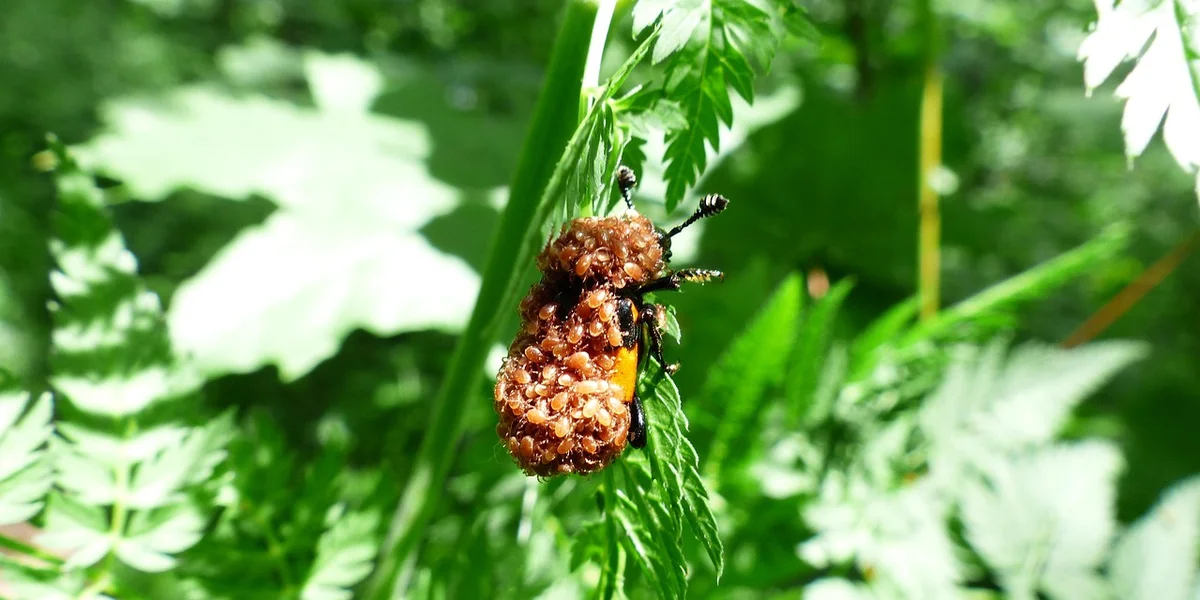
Learn to tell apart benign soil mites from problematic species like grain mites. Harmless soil mites are usually fast-moving and pale, while harmful ones may cluster on insects or leave webbing. If you see mites only in the substrate and not on your mantis or feeders, they might just be part of the enclosure’s micro-ecosystem.
Using Sticky Traps for Gnat Detection
-
Place yellow sticky traps near the enclosure’s ventilation areas or on the lid to attract and catch adult gnats. These traps work wonders because gnats are drawn to the colour, making it easy to monitor and reduce their numbers without chemicals. Change the traps weekly to keep them effective.
-
Always choose non-toxic, adhesive-only traps that are safe for mantises. We avoid any traps with pesticides or strong scents to prevent harm to your pet, like my Ghost Mantis Luna who stays curious but unharmed near them. Look for brands labelled pet-safe or designed for organic gardening.
Taking Action: Safe and Effective Pest Management
-
Remove all infested substrate and feeder insects right away, and replace with fresh, sterile materials. Quick removal stops pests from spreading and gives your mantis a clean start, much like when I had to clear out Moss’s enclosure after a mite scare. Dispose of the old substrate in a sealed bag to prevent reinfestation. This is part of a safe, step-by-step guide to removing and relocating praying mantises. By following these steps, you can minimize stress for your mantis and ensure a safe transfer.
-
Apply cultural controls by lowering humidity levels and cleaning the enclosure thoroughly with warm water. Reducing moisture and wiping down surfaces disrupts pest breeding cycles, keeping gnats and mites from coming back. For a praying mantis enclosure, maintain a steady, species-appropriate humidity level. Use a hygrometer to monitor and adjust humidity as needed. Let the enclosure dry completely before reintroducing your mantis.
-
Consider adding beneficial organisms like predatory mites if the infestation persists. These tiny allies naturally prey on pest mites without harming your mantis, offering a gentle, biological solution. Introduce them sparingly and monitor how they interact with your setup. Similarly, when introducing a new plant to the enclosure, quarantine it and inspect for pests. Rinse or wash the plant and ensure it’s pesticide-free before placing it inside.
When to Use Integrated Pest Management
-
Combine methods like substrate changes, humidity control, and beneficials for stubborn infestations. Using multiple approaches together tackles pests from different angles, increasing your chances of success without over-relying on one tactic. For example, pairing sticky traps with cleaner habits can clear out gnats faster.
-
Focus on moisture control as a core strategy, since many pests thrive in damp conditions. Keeping the enclosure slightly drier and well-ventilated makes it less inviting for mites and gnats to settle in. We adjust misting schedules based on the season to maintain that balance.
Staying One Step Ahead: Prevention Strategies for a Pest-Free Home
Creating a safe space for your mantis starts with smart habits that keep tiny invaders at bay. We build strong defences through simple, consistent routines that protect our pets from the start. To support a healthy mantis, pair these routines with a naturalistic safe habitat that mirrors its wild environment. A well-designed enclosure reduces stress and keeps hazards out.
Quarantine New Feeder Insects
Always isolate new feeder insects for at least three days before offering them. This waiting period lets you spot any mites or gnats hitching a ride on their new hosts.
- Keep new insects in a separate, clean container with plain substrate
- Watch for tiny moving specks or unusual behaviour during this time
- Only introduce feeders that appear active and pest-free after observation
Manage Humidity and Moisture
Most pest insects thrive in damp conditions that mimic their natural breeding grounds. Controlling moisture levels creates an environment where pests struggle to establish themselves.
- Mist lightly rather than soaking the enclosure
- Allow the substrate surface to dry between waterings
- Provide better ventilation if condensation persists on glass walls
Regular Cleaning and Inspection
Weekly maintenance prevents small issues from becoming big problems. Removing old food and waste regularly eliminates the resources pests need to multiply.
- Spot-clean daily by removing uneaten feeder insects
- Change substrate completely every 4-6 weeks
- Wipe down enclosure surfaces with warm water during full cleanings
Routine Checks and Early Intervention
Establishing a simple weekly inspection takes just minutes but makes all the difference. Catching pests early means easier management and less stress for your mantis.
- Check your mantis’s body, especially leg joints and under wings
- Examine feeder insects carefully before offering them
- Look for tiny moving dots on enclosure surfaces and decor
When my Ghost Mantis Luna developed a few mites on her delicate legs, immediate action prevented a full infestation. Quick response at the first sign of trouble saves much effort later.
Handling Tricky Situations: Advanced Tips for Persistent Pests
Even with perfect prevention, sometimes pests find their way in. Knowing how to handle these situations calmly helps you resolve them effectively.
Mites on Mantis Legs
Discovering mites on your mantis can be alarming, but gentle methods usually work. A soft artist’s brush dipped in warm water can carefully dislodge mites without stressing your pet.
- Use a fine paintbrush to gently brush away visible mites
- Offer a shallow dish of warm water for your mantis to walk through
- Consider temporary rehousing while you thoroughly clean the main enclosure
Gnat Larvae in Substrate
Fungus gnat larvae living in damp substrate require more thorough treatment. Complete substrate replacement combined with drying out the enclosure breaks their life cycle.
- Remove all existing substrate immediately
- Clean the empty enclosure with warm, soapy water
- Allow everything to dry completely before adding fresh substrate
When to Seek Additional Help
Some infestations need more experienced perspectives. Online mantis keeping communities offer collective wisdom from keepers who’ve faced similar challenges.
- Consult specialized forums if problems persist after your efforts
- Share clear photos of the pests for accurate identification
- Describe what treatments you’ve already tried to avoid重复 advice
Safe Household Solutions
Many minor pest issues respond well to simple, safe treatments. Warm water rinses and careful manual removal solve most early-stage problems without chemicals.
- Use lukewarm water for gentle cleaning of affected areas
- Manual removal with tweezers for visible pests on enclosure surfaces
- Increase ventilation and reduce humidity as first-line defense
When my Giant Asian Mantis Moss once had a few mites after a cricket feeding, a warm water foot bath and enclosure refresh solved the issue completely. Simple, non-invasive methods often provide the safest and most effective solutions.
Common Mantis Queries
How can I prevent mites and gnats from infesting my mantis enclosure?
Quarantine new feeder insects before introducing them to avoid hitchhiking pests. Maintain balanced humidity and clean the enclosure regularly to disrupt breeding conditions—something that is crucial for healthy feeder insect cultures.
What are the early warning signs of a pest problem?
Watch for tiny moving dots on your mantis or adult gnats buzzing near the tank. Inspect for larvae in moist substrate or any unusual rubbing behavior in your pet.
What safe methods can I use to eliminate pests without chemicals?
Apply non-toxic sticky traps for gnats and use a soft brush with warm water for mites on your mantis. Replace infested substrate and improve ventilation to naturally reduce pest numbers.
Caring for Your Mantis and Their Food
Regularly inspect your feeder insects for tiny mites or buzzing gnats, and store them in clean, dry containers to prevent infestations. This helps prevent common parasite diseases in praying mantises. Keeping feeder insects clean also reduces parasite risk. Quickly remove any contaminated food and adjust your feeding routine to keep your mantis safe from harm.
Responsible mantis care means staying vigilant about pest control and always putting your pet’s health first. We encourage you to keep learning and observing, as each mantis teaches us more about their unique, fascinating world. For a complete handling behavior guide for the care of pet praying mantises, consult our care resources. It covers safe handling and best practices for interaction.
Further Reading & Sources
- Fungus gnat – Wikipedia
- Predatory Mites for Pest Control
- Hypoaspis Miles- fungus gnats
- Bugs for Growers: Control fungus gnats with predatory mites | Bugs for Growers
Rowan Hale is a lifelong insect enthusiast who fell in love with mantises for their calm presence, alien elegance, and surprising personalities. After years of keeping and raising a variety of species, Rowan shares practical tips, creative insights, and real-world experience to help others enjoy the quiet magic of mantis care. From setting up the perfect enclosure to understanding their subtle behaviors, Rowan invites readers into a gentle, curious world where every tiny movement feels like a discovery.
Common Pests