
Phasing Out Fruit Flies: How to Transition Nymphs to Larger Prey
Hello, mantis friend! Watching your tiny nymph eagerly hunt fruit flies is a joy, but soon those little meals won’t satisfy its growing appetite-it’s a natural step in your pet’s journey to adulthood.
Transitioning nymphs to larger prey involves a gentle, gradual shift that supports healthy growth and prevents feeding stress.
This change can feel delicate because young mantises are sensitive; rushing it might lead to refusal or injury.
Here’s a quick look at what we’ll explore:
- Spotting the right time to introduce bigger prey
- Choosing safe, nutritious options beyond fruit flies
- Simple steps for a smooth, stress-free switch
- Tips to monitor your nymph’s response and adjust as needed
Why Transition from Fruit Flies to Larger Prey?
Fruit flies serve as a perfect starter meal for hatchling mantises, but they quickly lose their nutritional edge as your nymph grows. These tiny insects are mostly water and lack the protein density needed to fuel rapid development and strong exoskeleton formation. Many keepers ask: fruit flies vs houseflies—what’s best for nymphs? The answer depends on the nymph’s size and growth stage. Imagine trying to build a house with only sand—it might hold shape at first, but it won’t withstand storms or support added floors.
Larger prey, like houseflies or small crickets, deliver a richer blend of proteins, fats, and minerals that mirror what mantises hunt in the wild. Upgrading their diet ensures your mantis gains the reserves necessary for smooth molting, vibrant coloration, and sustained energy through each growth stage. My own Ghost Mantis, Luna, went from a pale, sluggish nymph to a confident hunter with emerald-flecked wings after we introduced blue bottle flies.
Beyond basic nutrition, varying their prey keeps mantises mentally sharp and physically engaged. Chasing down a buzzing fly or pouncing on a crawling meal encourages natural behaviors that prevent lethargy and support overall well-being. We’ve watched Moss, our Giant Asian Mantis, become more alert and curious whenever his menu changes, tilting his head with focused interest before each strike.
When to Start the Prey Transition
Timing the switch depends heavily on your mantis’s size relative to common fruit flies. A good rule is to introduce larger prey once your nymph’s body length exceeds the fruit fly by about one-and-a-half times-usually around the third or fourth instar stage. At this point, fruit flies become mere snacks rather than sustaining meals, much like offering an adult a handful of raisins for dinner.
Molting cycles offer clear cues for when fruit flies fall short. If your mantis struggles to shed its skin completely or appears weak post-molt, it’s often a sign that its current diet isn’t supporting the energy demands of growth. Juvenile mantises, like our Orchid Mantis Sprig, showed us this firsthand; her molts became quicker and cleaner once we added small moths to her rotation.
Watch for behavioral shifts that signal readiness for heartier fare. Your mantis might start ignoring fruit flies, actively stalking movement outside its enclosure, or displaying more vigorous hunting strikes. These are quiet hints that it’s time to level up their menu for better health and happiness.
Choosing the Right Larger Prey
-
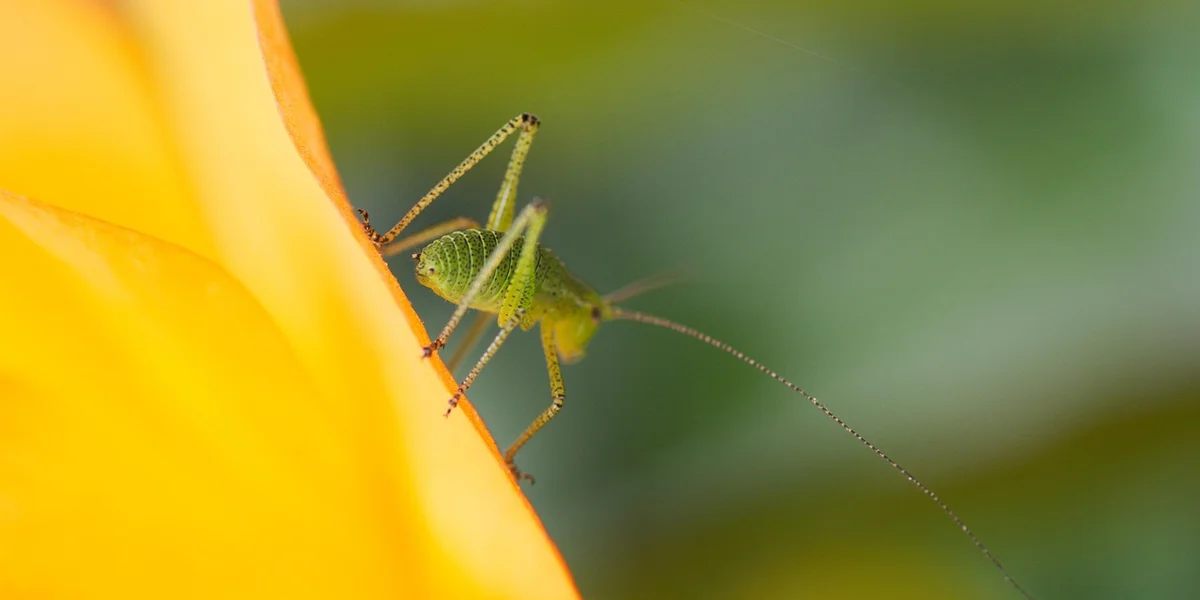
Small crickets make a fantastic next step, as their size-roughly matching the width of your mantis’s thorax-encourages confident strikes without overwhelming tiny nymphs. Their lively movement and soft chirping can spark your mantis’s natural hunting drive, much like it did for Moss, my energetic Giant Asian Mantis. You will find crickets widely available in pet shops, and they are simple to rear in a small container with some egg cartons and veggie scraps.
-
Flightless fruit flies offer a gentle upgrade, being slightly larger than winged varieties but still manageable for hesitant eaters. These tiny insects drift slowly across leaves, giving nymphs like Luna, my observant Ghost Mantis, plenty of time to aim and pounce with precision. Breeding feeder insects at home is straightforward with a culture kit, ensuring a steady, cost-effective food source that reduces trips to the store.
-
Mini mealworms or small dubia roach nymphs provide another option, especially for species that enjoy burrowing or slower-moving prey. Their sturdy bodies are packed with nutrition, and they are less likely to startle a shy mantis during feeding time. Both are quite easy to keep in a small setup with oatmeal or bran, making them a reliable choice for busy keepers.
-
We always consider prey availability and ease of rearing to keep stress low for both you and your mantis. Sticking to insects that are simple to source or breed at home means you can focus more on enjoying your pet’s growth and less on last-minute supply runs. Praying mantises accept a wide range of live insects, forming a comprehensive list you can reference when planning meals. Common options include crickets, fruit flies, mealworms, waxworms, roaches, and other suitably sized prey. Local pet stores often carry small crickets or mealworms, whilst online suppliers offer flightless fruit fly cultures for convenient home delivery.
Step-by-Step Methodology for Weaning Nymphs
-
Begin by placing one or two larger prey items, like a small cricket, into the enclosure alongside your usual fruit flies. This mixed feeding approach lets your mantis explore new options without feeling pressured, much like how Sprig, my juvenile Orchid Mantis, slowly warmed up to crickets after a few shared meals. Keep the fruit flies present so your nymph still has familiar food to fall back on.
-
Adjust the feeding schedule to space out meals slightly, waiting an extra half day between offerings to heighten your mantis’s hunger. A hungrier mantis is more likely to investigate and strike at unfamiliar prey, turning curiosity into successful hunting practice. We have found that this subtle shift encourages nymphs to view larger insects as rewarding opportunities rather than threats.
-
Use gentle techniques to stimulate interest, such as softly wiggling a cricket with feeding tweezers near your mantis’s perch. The slight motion mimics natural prey behavior, often triggering a predatory response without causing stress or fear. You might also try placing the new prey on a fresh leaf or branch where your mantis likes to hunt, adding a touch of environmental enrichment.
-
Gradually reduce the number of fruit flies over several feedings, perhaps offering them only every other time, until your nymph readily accepts the larger prey alone. When weighing feeder options, crickets vs dubia roaches, consider which is more nutritious for your nymph. Crickets typically offer higher protein, while dubia roaches provide more moisture and easier digestion. This phased approach builds confidence steadily, ensuring a smooth transition that supports healthy growth and reduces reliance on tiny insects. Within a week or two, most nymphs will be eagerly chasing down crickets or roaches on their own.
Monitoring Growth and Welfare During Transition
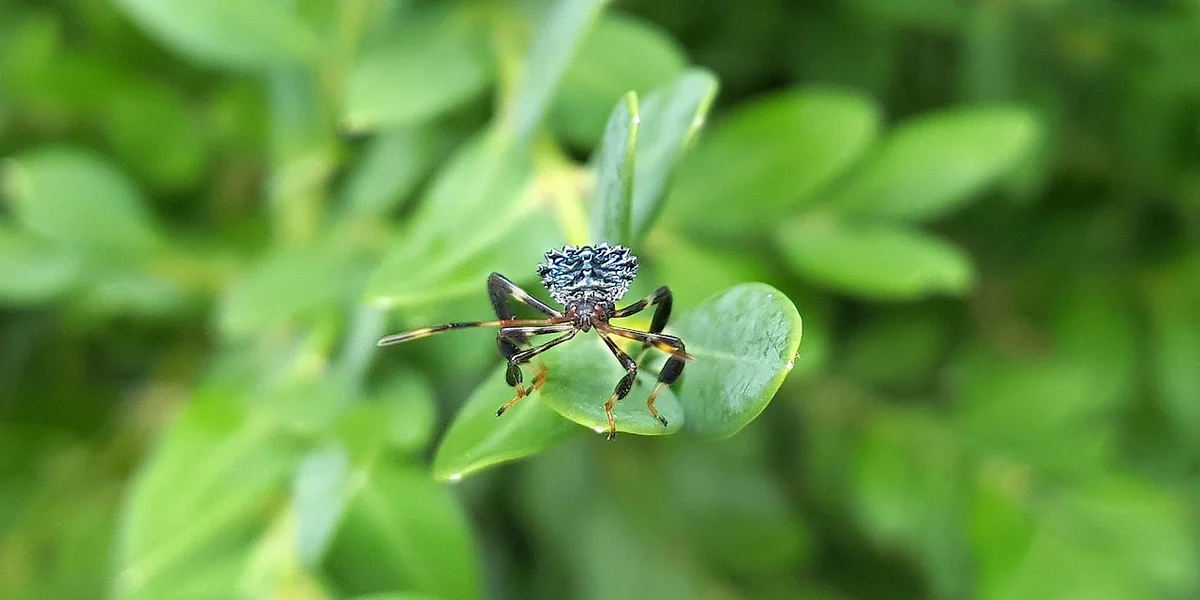
Keeping a close watch on your mantis nymph during this shift to larger prey helps you spot tiny clues about their well-being. Regular observation lets you tune into their needs, turning potential stress into a gentle, guided progression.
Focus on eating habits first-note if they strike eagerly or hesitate, much like how our Ghost Mantis Luna tilts her head thoughtfully before lunging. A healthy appetite often means they’re ready for bigger challenges, while refusal could signal it’s time to slow down.
Activity levels tell another story; watch for normal perching and occasional exploration versus lethargy or frantic movements. Subtle changes, like Moss’s curious patrolling of his branch, indicate comfort, whereas hiding might call for a step back.
- Eating habits: Track how often they accept prey and if they finish meals-consistent feeding is a green light for progression.
- Activity levels: Look for balanced behavior: calm resting mixed with brief, purposeful moves, not constant stillness or agitation.
- Physical signs: Check for plump abdomens and clear eyes; weight loss or dull coloration can hint at underlying issues.
Adjust your approach based on what you see-if stress appears, like repeated food refusal, return to smaller prey for a few days. This flexible strategy prevents overwhelm, allowing your nymph to build confidence at their own pace.
For success, such as steady weight gain and bold strikes, gradually introduce slightly larger insects. Celebrating these small wins, like when Sprig mastered houseflies, reinforces a smooth transition and deepens your bond.
Make monitoring a daily ritual, spending just minutes to note behaviors and tweak care. This consistent attention transforms the prey switch into a nurturing journey, ensuring your mantis stays hearty and content.
Common Challenges in Prey Transition and Solutions
Transitioning nymphs to larger prey isn’t always seamless, but most hurdles have simple fixes. Recognizing common issues early helps you respond with calm, effective solutions that keep your mantis on track. If you’re seeing nymphs die, common culprits include improper humidity or temperature, oversized prey, or unsanitary conditions. Identifying these issues early lets you apply targeted fixes and improve survival.
Refusal to eat is a frequent worry, often due to prey that’s too big or unfamiliar. If your nymph ignores offerings, try downsizing temporarily or switching to a different insect type to spark interest.
Prey size mismatches can intimidate young mantises; aim for food no wider than their head to avoid injury. Using a simple ruler or visual guide ensures safe, manageable meals that encourage natural hunting instincts.
- For slow adapters: Offer prey that’s just a step up from fruit flies, like small crickets, and hand-feed if needed to build trust. Patience pays off, as some individuals, like Moss, may need extra days to adjust without pressure.
- Environmental tweaks: Boost humidity with a light mist before feeding to mimic dew and stimulate appetite. A well-hydrated enclosure can make prey more appealing and reduce stress-related refusals.
- Housing factors: Ensure the habitat isn’t overcrowded or too bare; add twigs or leaves for perching to make hunting feel secure. Proper setup, inspired by Luna’s leafy hideaways, fosters confidence and smoother transitions.
Troubleshoot with gentle persistence-if one method fails, experiment with timing or prey movement. Observing your mantis’s unique preferences, much like Sprig’s shy yet bold feeding style, tailors the process to their personality.
Remember, housing and environment play big roles; a stable, cozy space supports adaptation. Keeping the enclosure clean and at ideal temperatures prevents distractions, letting your nymph focus on growing strong.
Ensuring Proper Nutrition and Diet Progression
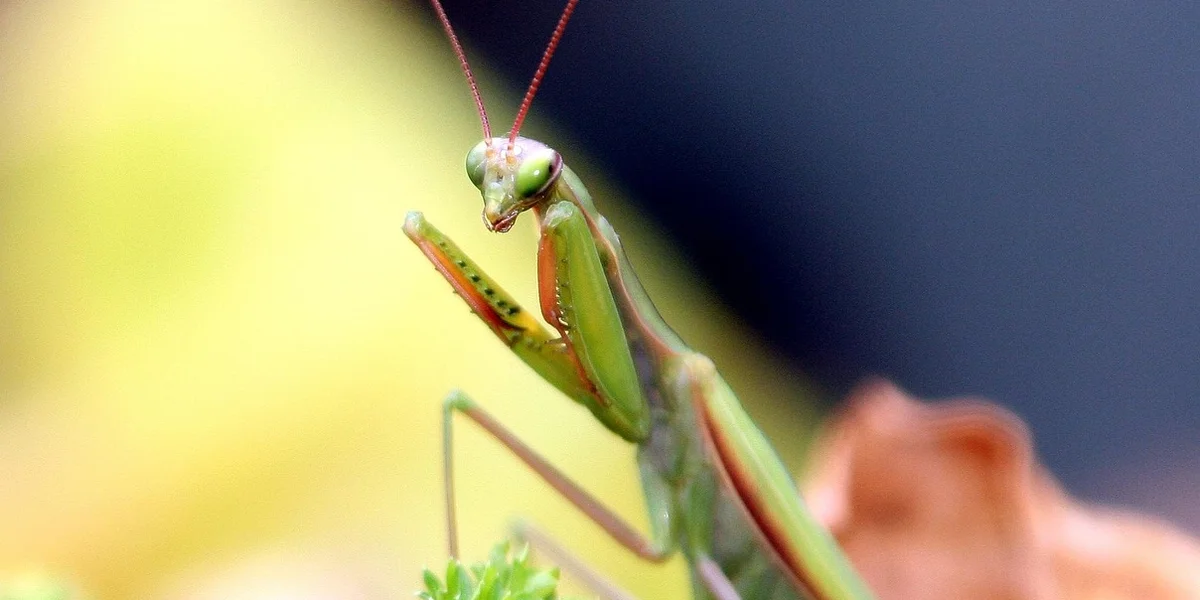
We always start by gut-loading feeder insects with fresh vegetables like carrots or leafy greens for at least a day before offering them to our mantises. In our ultimate guide to gut loading feeder insects for mantises, this step is essential for maximizing nutritional value. This simple step packs their tiny bodies with extra vitamins and minerals, giving your nymph a nutrient-rich meal that supports healthy growth and vibrant colours. For a complete guide, we also cover how to time the feeding and what vegetables and insects pair best for different mantis life stages.
Variety in prey types prevents nutritional gaps and keeps feeding times interesting. Rotating between fruit flies, small crickets, and flightless moths mimics the diverse diet mantises enjoy in the wild, ensuring they receive a full spectrum of essential nutrients.
Larger prey encourages natural hunting behaviours, which is vital for mental stimulation. Watching Luna tilt her head and slowly stalk a cricket provides both physical exercise and cognitive enrichment, making mealtime a engaging activity rather than just a snack.
During the transition, mix smaller and larger prey in the same feeding session to maintain consistent intake. This approach lets your mantis adjust at their own pace while still getting enough food to fuel their development and upcoming molts.
Key Steps for Balanced Diet Progression
- Gut-load insects with high-quality greens or commercial gut-load products 24-48 hours before feeding.
- Introduce one new prey type at a time, like small crickets after fruit flies, to monitor acceptance.
- Offer prey that is no larger than the width between your mantis’s eyes to prevent choking or injury.
- Dust prey with calcium powder weekly to support strong exoskeleton formation.
Housing and Environmental Factors for a Smooth Transition
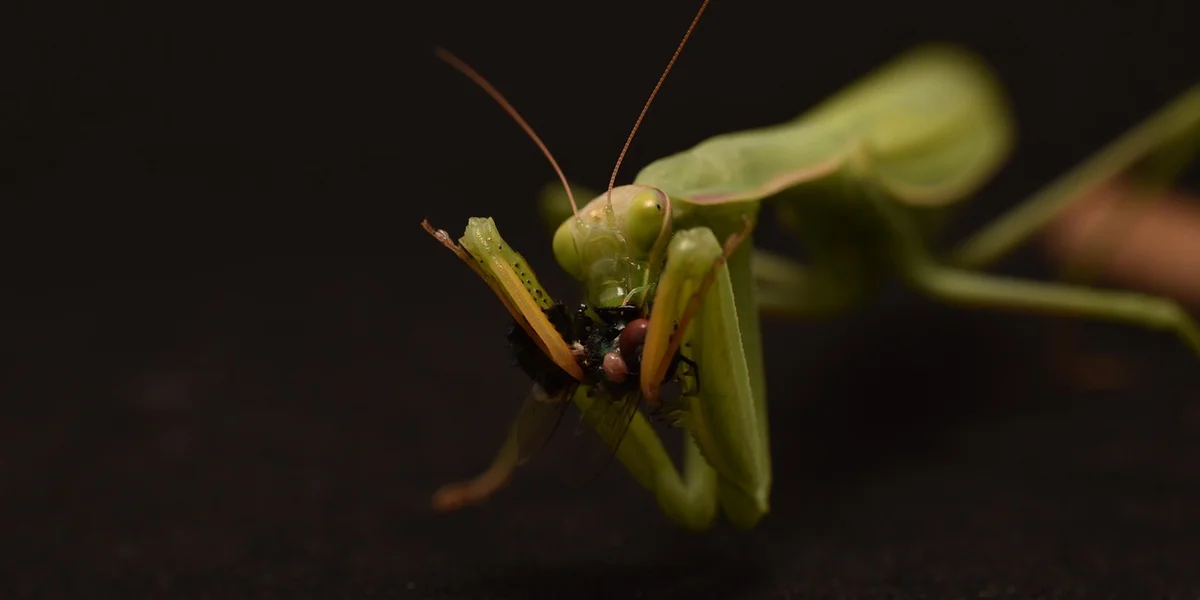
Maintain humidity levels around 60-70% by misting the enclosure lightly each morning. Proper humidity keeps your mantis hydrated and supports easier molting, which is especially critical when they are adjusting to new prey and expending more energy. To set up the perfect humidity level for your praying mantis enclosure, use a hygrometer to monitor the humidity and adjust misting as needed. Regular checks help maintain stability despite changes in temperature or airflow.
Keep temperatures steady between 22-26°C using a small heat mat if needed. Warmth aids digestion and activity, helping your nymph feel confident enough to tackle larger, more mobile insects like houseflies or blue bottle flies.
Good ventilation prevents mould and stale air, which can stress your mantis during weaning. We use enclosures with mesh tops to allow fresh air flow while retaining the gentle humidity that mantises, like our Moss, seem to relish after a hunt.
Clean the habitat thoroughly each week, removing uneaten prey and waste promptly. Sanitation reduces the risk of mites or bacterial growth, creating a safe space where your mantis can focus on learning to catch bigger meals without health distractions. Cleaning is part of maintaining your praying mantis habitat. Regular upkeep helps prevent odors and promotes a healthier, more focused mantis.
Adjustments to Ease the Move to Larger Prey
- Add extra branches or artificial plants to give your mantis more perches for ambushing prey.
- Use a shallow feeding dish for crickets to prevent them from hiding in substrate and stressing your mantis.
- Position the enclosure in a quiet area to minimise disturbances during feeding, as calm surroundings help nymphs build hunting confidence.
- Increase misting frequency slightly if you notice your mantis drinking more often, indicating higher activity levels with new prey.
Questions from Fellow Mantis Friends
What is the fruit fly transition?
The fruit fly transition refers to the metamorphosis process in Drosophila where larvae develop into pupae and then adults. Understanding this cycle helps in managing fruit fly cultures as starter prey for young mantis nymphs.
How do environmental factors influence the fruit fly transition?
Temperature and humidity levels can speed up or delay fruit fly development, affecting their availability as feeder insects. Maintaining optimal conditions in fruit fly cultures ensures a reliable food source during the early stages of mantis growth.
At what developmental times does the fruit fly transition occur?
Fruit fly larvae typically enter the pupal stage around 4-5 days after hatching under ideal conditions. Adults emerge approximately 4 days later, which is useful for planning feeding schedules for mantis nymphs.
Stepping Forward with Your Growing Mantis
Gradually introduce larger prey like houseflies or small crickets when your mantis outgrows fruit flies, ensuring each new food is an appropriate size to prevent stress. Observing your mantis’s feeding response and molting patterns will guide you through this natural progression with confidence.
Responsible mantis care involves adapting to your pet’s needs as it matures, fostering a healthy and engaging environment. We invite you to keep exploring mantis behavior and husbandry tips, deepening the bond with your remarkable insect companion.
Further Reading & Sources
- c h a p t e r Development of the Fruit Fly
- Drosophila melanogaster – Wikipedia
- Fruit Fly Metamorphosis: Life Cycle & Phases of Fruit Flies | Orkin
- The Fruit Fly and the Nymph of Time – Banter Latte
Rowan Hale is a lifelong insect enthusiast who fell in love with mantises for their calm presence, alien elegance, and surprising personalities. After years of keeping and raising a variety of species, Rowan shares practical tips, creative insights, and real-world experience to help others enjoy the quiet magic of mantis care. From setting up the perfect enclosure to understanding their subtle behaviors, Rowan invites readers into a gentle, curious world where every tiny movement feels like a discovery.
Feeding