
Why Did My Male Mantis Die After Mating?
Published on: January 28, 2026 | Last Updated: January 28, 2026
Written By: Rowan Hale
Hello there, fellow mantis friend.
Watching your male mantis pass away shortly after his first successful pairing can be a quiet, bewildering moment. One day he’s a vibrant, curious hunter, and the next, he lies still in his enclosure, his life’s purpose seemingly complete.
The most common reason a male mantis dies after mating is a natural, biologically programmed event called sexual cannibalism, where the female consumes him for nutrients to support her egg development.
But the story is far more nuanced than a simple predator-prey dynamic. His passing can also be influenced by his age, the specific care you provided, and even the subtle stresses of the breeding process itself.
Here’s a quick look at what we’ll explore together:
- The fascinating biology behind the mantis mating ritual and why it sometimes ends this way.
- How to tell the difference between a natural end and a death that could have been prevented.
- Practical steps you can take to give your next male mantis his best chance at a longer life, even after breeding.
Is It Normal for Male Mantises to Die After Mating?
Many new mantis keepers feel a pang of worry when their male passes soon after breeding, but in the wild and captivity, this is a familiar part of the lifecycle for numerous species. While not every male mantis dies post-mating, it’s a natural outcome in many cases, driven by evolutionary traits that prioritize the female’s health and egg production. So why do they die, and when is it most likely to happen? In many mantis species, mantis males die after mating, driven by the energy costs of reproduction and, in some cases, the female’s cannibalistic behavior. We’ve observed this with our own mantises, like Moss, our energetic Giant Asian male, who often showed signs of fatigue after such intense encounters. Think of it as the mantis world’s way of ensuring the next generation thrives, even if it means the male’s role ends abruptly.
In captivity, rates can vary based on species, care, and individual health, so don’t assume it’s inevitable. Providing a stress-free environment and monitoring your male’s condition can sometimes extend his life beyond the mating event. For instance, some males, like those in less cannibalistic species, may live on to mate again if they’re robust and well-cared for.
Key Reasons Behind Male Mantis Death Post-Mating
Sexual Cannibalism and Female Predation
Sexual cannibalism occurs when the female mantis consumes the male during or after mating, a behaviour that provides her with essential nutrients for egg development. This isn’t always aggression; it’s a survival strategy that boosts the female’s chances of producing healthy oothecae (egg cases). In many mantis species, sexual cannibalism provides essential nutrients that support egg development. This helps explain why the behavior is observed in both natural settings and terrarium care. In our terrariums, we’ve seen this with Luna, our Ghost Mantis, who would sometimes turn predatory if she felt underfed. To reduce risks, consider these steps:
- Feed the female a substantial meal, like a gut-loaded cricket, a day before introducing the male.
- Supervise the mating session closely and separate them promptly if the female shows signs of attack.
- Choose a spacious enclosure to give the male escape routes, mimicking natural hiding spots.
Remember, not all females exhibit this behaviour, and well-fed individuals are less likely to resort to cannibalism. By understanding this dynamic, you can better prepare for mating and minimise sudden losses.
Energy Expenditure and Physical Stress
Mating is an incredibly demanding process for male mantises, requiring immense energy for courtship, mounting, and sperm transfer. This physical exertion can leave males weakened, making them susceptible to exhaustion or secondary health issues. Imagine it as a sprint that drains their reserves; after mating, they might struggle to hunt or defend themselves. We’ve noticed this with Sprig, our Orchid Mantis, who would rest for hours post-mating, his movements sluggish. Key factors include:
- High energy output during prolonged mating rituals.
- Potential injuries from the female’s grip or struggles.
- Reduced ability to recover if conditions aren’t optimal.
To support your male, ensure he’s well-fed beforehand and offer easy prey afterwards to help him regain strength. Providing a calm, humid environment post-mating can ease his recovery and prolong his life.
Pre-existing Health Issues or Age
Older males or those with underlying health problems are more likely to succumb after mating due to the added strain. Age-related decline weakens their immune system and resilience, making it harder to bounce back from the physical toll. In our care, we’ve had males who showed subtle signs of illness, like irregular molts or lethargy, before mating that worsened afterwards. Watch for these indicators:
- Difficulty climbing or perching, suggesting muscle weakness.
- Pale coloration or incomplete molts, pointing to nutritional deficits.
- Reduced appetite over time, which can signal internal issues.
Regular health checks and a balanced diet rich in varied insects can help identify and address problems early. Catching these signs beforehand allows you to decide if mating is safe or if rest is needed instead.
Environmental Stress in Captivity
Captive environments that don’t mimic a mantis’s natural habitat can amplify stress, contributing to post-mating mortality. Factors like incorrect humidity, temperature fluctuations, or cramped spaces can overwhelm a male already fatigued from breeding. We’ve found that maintaining a stable setup, with gentle misting and proper ventilation, makes a world of difference for mantises like Moss. Common stressors to avoid: For first-time mantis keepers, avoiding these mistakes makes setup easier. Here are the most common mistakes beginners make when setting up their first mantis habitat.
- Low humidity levels that lead to dehydration and molting issues.
- Extreme temperatures outside the ideal range of 22-28°C.
- Overcrowded enclosures that limit movement and increase anxiety.
Simple adjustments, like using a hygrometer to monitor moisture or adding live plants for cover, can create a soothing space. A well-tended enclosure acts as a sanctuary, reducing external pressures that might tip a weakened male over the edge.
Assessing Your Male Mantis’s Health Before Mating
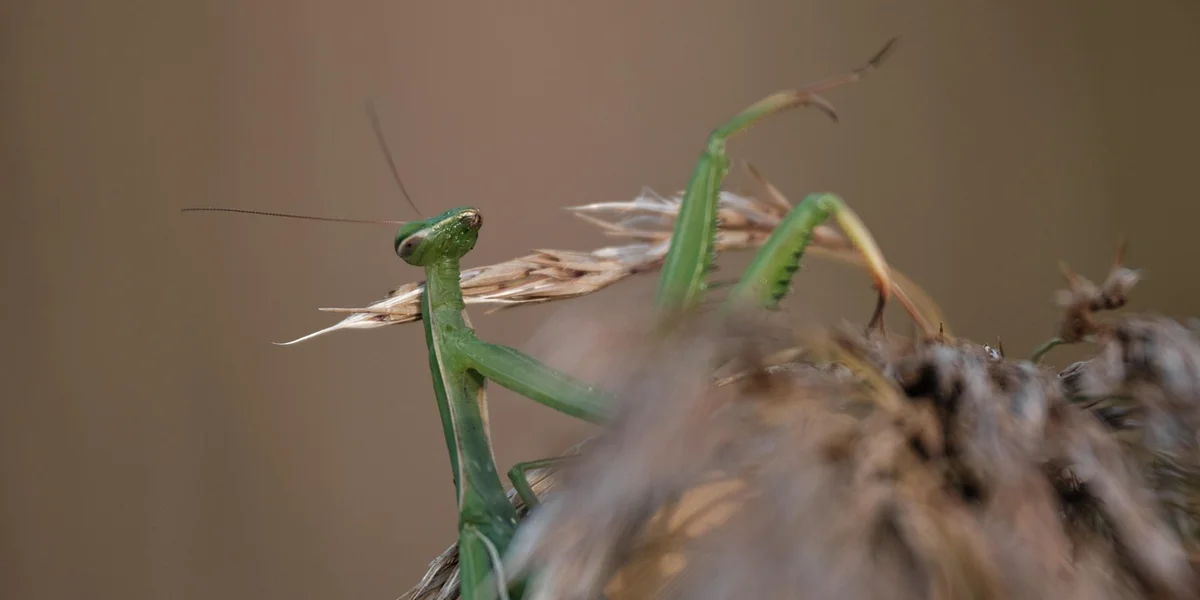
Before introducing your male mantis to a potential mate, take a quiet moment to observe his overall condition. A thorough health check now can help you gauge his resilience and reduce risks during the delicate mating process. Start by watching his daily behaviour—healthy males often perch alertly, groom their antennae, and show interest in movement around them. Once you’ve assessed his condition, plan a cautious, supervised introduction to a compatible female to promote safe mating. Keep the pair in a neutral, secure enclosure and monitor for signs of stress, separating them if needed.
Look closely at his physical state, checking for any missing limbs, dull coloration, or difficulty moving. Males in prime condition tend to have firm, well-hydrated bodies and clear, focused eyes that track prey easily. My own male Moss, a Giant Asian Mantis, always displayed a vibrant green hue and quick reflexes when he was fit for breeding.
Evaluate his feeding response by offering a small, live insect like a fruit fly or cricket. An eager strike and steady consumption signal he has the energy reserves needed for mating. If he ignores food or seems lethargic, it might be best to postpone and focus on building his strength with gentle misting and nutritious meals.
- Check age and maturity-males often mature faster but have shorter adult lifespans, so timing is key.
- Observe activity levels: a healthy male will explore his enclosure and respond to stimuli.
- Ensure proper hydration; slight dew on leaves from misting helps maintain his vigour.
Assessing these factors gives you a clearer picture of his readiness. We find that males who enter mating in peak health cope better with the physical demands and stress involved. This careful prep work supports his well-being and improves the chances of a successful encounter.
Caring for Mantises After Mating
Monitoring the Male for Injuries or Stress
Once mating ends, gently separate the pair to prevent further interaction. Immediately place the male in a calm, familiar enclosure where he can recover without disturbance. Look for any visible injuries, such as bite marks on his thorax or legs, which can occur if the female was aggressive.
Watch for signs of stress like trembling, refusal to eat, or unusual stillness. Males may appear exhausted after mating, so provide a quiet space with easy access to water droplets from light misting. In my care, Moss would often rest for hours post-mating, perching motionless while he regained his energy.
- Inspect his body for wounds; clean any minor abrasions with a damp cotton swab to prevent infection.
- Offer small, easy-to-catch prey like pinhead crickets to encourage eating without strain.
- Keep his environment stable-maintain humidity around 60-70% and avoid sudden temperature changes.
Stress can weaken his immune system, so minimise handling and loud noises. If he shows prolonged lethargy or loss of coordination, it might indicate internal issues requiring gentle supportive care. Most males bounce back with time, but close observation helps you catch problems early.
Supporting the Female Post-Mating
After mating, the female often needs extra nutrition as she may start developing eggs. Increase her feeding frequency with nutrient-rich insects like gut-loaded crickets or small roaches to support ootheca formation. She might display heightened appetite, so offer prey every other day to keep her satisfied and healthy.
Ensure her habitat has suitable surfaces for egg-laying, such as twigs or mesh sides. Maintain slightly higher humidity levels-around 70-80%-to aid in ootheca production and prevent dehydration. My Ghost Mantis, Luna, appreciated a lightly misted enclosure that mimicked the dampness of her natural surroundings.
- Provide a varied diet to boost her vitality; include calcium-dusted insects for strong egg development.
- Monitor her behaviour for signs of stress, like excessive pacing or refusal to eat, which could signal discomfort.
- Keep the enclosure clean to reduce mould risk, especially as humidity rises post-mating.
Females can become more territorial, so limit disturbances and handle her minimally. With attentive care, she can lay fertile oothecae and remain robust, giving you the joy of witnessing the next generation. This balanced approach ensures both mantises receive the support they need after their encounter.
Reducing Risks in Future Mantis Matings
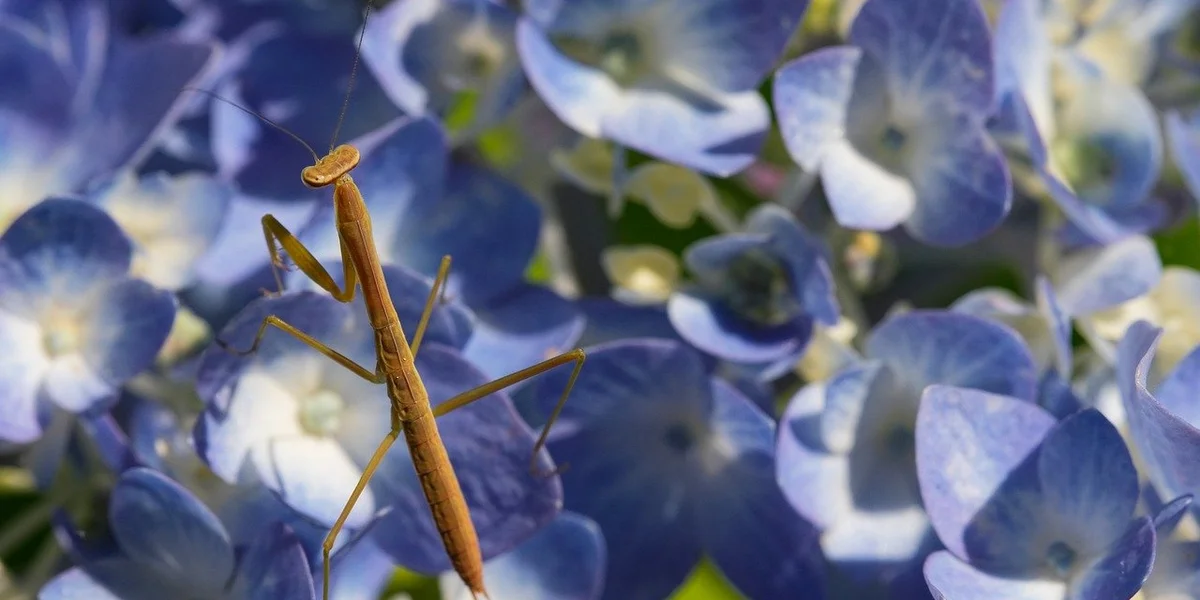
Losing a male mantis after mating can feel heartbreaking, but we can gently adjust our approach to support their well-being. Focus on creating a calm, controlled environment that mimics their natural habitat, reducing stress and increasing the chances of a successful mating. Taken together, these considerations lay the groundwork for a step-by-step guide to breeding mantis species successfully. A clear, humane protocol helps beginners navigate the process and improve outcomes.
Start by choosing the right timing for mating, ideally when both mantises are healthy and well-fed. We find that males who have recently molted and females who are not overly hungry are less likely to encounter aggressive behavior.
Supervise the entire process closely, ready to intervene if needed. Keep a soft spray bottle of warm water nearby to lightly mist the area, adding humidity that soothes their nerves and keeps them hydrated.
- Introduce the male to the female’s enclosure slowly, allowing him to approach at his own pace.
- Ensure the space has plenty of climbing branches and hiding spots, like dried twigs or artificial plants, to prevent feeling trapped.
- Monitor their body language; if the female shows signs of aggression, such as raising her forelegs, separate them gently with a soft brush.
- After mating, offer the male a quiet retreat in his own enclosure with easy access to food and water.
With Moss, my energetic Giant Asian Mantis, I always dim the lights and play soft background sounds to mimic a peaceful forest setting. This subtle shift in atmosphere often leads to smoother interactions and fewer startled movements.
Pay attention to temperature and humidity levels, aiming for a warm, slightly damp environment. A small hygrometer can help you maintain ideal conditions, preventing dehydration or stress-related issues.
Finding Help and Community Advice
When questions arise, turning to fellow mantis enthusiasts can offer comfort and practical solutions. Online communities are filled with keepers who have faced similar challenges and share their firsthand experiences freely. For beginners, using this shared knowledge helps sidestep common pitfalls. It’s also a good idea to review the 15 critical beginner mantis keeper mistakes—avoid them—as you start your journey.
We recommend starting with dedicated forums and social media groups where members post photos, videos, and care logs. These platforms let you ask specific questions, like how to handle a skittish male or what to feed a post-mating mantis, and receive tailored advice quickly.
- Join mantis care groups on Facebook or Reddit, where discussions range from breeding tips to health concerns.
- Explore websites and blogs run by experienced keepers, often featuring detailed guides and personal stories.
- Attend virtual meetups or webinars to connect with experts and ask questions in real-time.
- Share your own journey, including any losses, to learn from others and build a supportive network.
After Luna, my observant Ghost Mantis, had a tricky molt, I found reassurance in a UK-based forum where members exchanged gentle reminders and encouragement. Engaging with these groups can transform uncertainty into confidence, helping you feel less alone in your mantis-keeping journey.
Remember to verify advice by cross-referencing multiple sources and trusting those with a history of successful mantis care. This community-driven approach ensures you receive reliable guidance that respects the delicate nature of these fascinating insects. When creating a mantis-friendly garden, include features that attract beneficial insects and provide shelter.
FAQs on Mantis
What should I do if the female mantis shows aggression after mating?
Gently separate her from the male and place her in a quiet enclosure to minimize stress. Ensure she is well-fed with nutritious prey to reduce cannibalistic urges and monitor her behavior for signs of continued agitation.
How can I tell if the mating was successful and the female will lay fertile eggs?
Look for a gradually swelling abdomen in the female, which often indicates egg development. She may also begin searching for suitable surfaces to deposit an ootheca within a few weeks, though not all matings guarantee fertility. To tell if the eggs are fertile, observe whether nymphs hatch from the ootheca after incubation. Fertile eggs usually yield hatched nymphs, while infertile ones often fail to hatch.
Are there any recommended videos to learn about mantis mating behaviors?
Yes, online video platforms feature clips from reputable mantis keepers that showcase typical mating rituals and post-mating care. Observing these can help you recognize healthy interactions and avoid common pitfalls in your own breeding attempts.
A Keeper’s Parting Thoughts
We advise pre-feeding the female mantis and closely watching their interactions to lower stress during mating. Setting up a secure, calm enclosure helps your male fulfill his natural role while giving him the best shot at a longer life. To achieve a perfect breeding setup, choose a tall, escape-proof enclosure with good ventilation and plenty of plants for cover. Maintain stable temperature and humidity, and provide perches and hiding spots to support natural mating and reduce stress.
Commit to being a thoughtful guardian by always seeking new insights into mantis behaviour and care. Staying curious and connected with other keepers ensures your pet thrives and you grow alongside them. (Learn more about handling and behavior) to give them the best care.
Further Reading & Sources
- How the male mantis avoids being decapitated after mating – The Hindu
- What happens to a male mantis if it somehow escapes and lives after the mating process? – Quora
- How and why does the praying mantis kill the male?
- Do Male Praying Mantises get Eaten after Mating? – Nature for my Soul
Rowan Hale is a lifelong insect enthusiast who fell in love with mantises for their calm presence, alien elegance, and surprising personalities. After years of keeping and raising a variety of species, Rowan shares practical tips, creative insights, and real-world experience to help others enjoy the quiet magic of mantis care. From setting up the perfect enclosure to understanding their subtle behaviors, Rowan invites readers into a gentle, curious world where every tiny movement feels like a discovery.
Common Health Issues