
Bringing Home an Adult Mantis: Your First 72-Hour Acclimation Plan
Published on: January 12, 2026 | Last Updated: January 12, 2026
Written By: Rowan Hale
Hello, mantis friend. That first moment you bring your new, graceful predator home is filled with quiet wonder-and a fair few nerves.
Your first 72 hours are a gentle, step-by-step process of offering security, quiet observation, and patience to help your mantis settle into its new world.
While it seems straightforward, this initial period is delicate. An adult mantis isn’t just adjusting to a new tank; it’s adapting to your home’s unique sounds, scents, and light rhythms.
Our plan focuses on three key areas:
- Creating an immediate safe haven to reduce relocation stress.
- Mastering the art of quiet observation to understand your mantis’s unique personality.
- Introducing food and water only when the time is absolutely right.
We’ll walk through this together, step by quiet step, just as we did with our own mantises, Luna and Moss, when they first arrived.
Pre-Arrival Preparation: Gathering Your Mantis Care Essentials
Getting everything ready before your mantis arrives makes those first days much smoother for both of you. We find that a pre-set habitat reduces stress and lets your new pet settle in faster, much like how my Ghost Mantis, Luna, appreciates a familiar leafy nook after a change.
- Essential Supplies for Adult Mantis Care
- Enclosure: A secure, well-ventilated container like a glass tank or large mason jar, tall enough for molting-aim for at least three times the mantis’s height. My Giant Asian Mantis, Moss, thrives in a 12-inch tall enclosure with a snug-fitting lid to prevent escapes.
- Substrate: Eco-friendly materials such as coconut fiber or sterilized peat moss, which hold moisture and feel soft underfoot. A thin layer, about an inch deep, works beautifully and is easy to replace.
- Hiding Spots: Natural elements like twigs, silk plants, or dried leaves for perching and cover. Luna often tucks herself into dense foliage, her brown frills blending seamlessly with the leaves.
- Water Source: A shallow dish or regular misting with lukewarm water to maintain humidity without drowning risks. A small spray bottle is perfect for gentle spritzes.
- Tools for Humidity and Temperature Control: A hygrometer and thermometer to monitor conditions, plus a misting bottle. Household items like a bowl of warm water nearby can boost humidity in a pinch.
- Steps to Set Up the Habitat Safely
- Select a quiet spot away from direct sun and drafts, placing the enclosure on a stable surface where it won’t be disturbed.
- Spread substrate evenly across the bottom, keeping it shallow to avoid mold and make cleaning simpler.
- Arrange hiding spots and perches at different heights, securing them so they don’t shift. I always test Moss’s branches to ensure they’re firm before he climbs.
- Double-check for gaps or loose lids to prevent escapes; a tight seal is crucial for curious mantises like Sprig, my Orchid Mantis, who loves to explore.
- Lightly mist the enclosure with warm water to establish humidity, then position your monitoring tools for easy reading.
Opting for repurposed jars or biodegradable substrates not only saves money but also aligns with a gentle, earth-conscious approach to pet care.
Day 1: Safe Transport and Gentle Introduction to the New Home
-
Transporting Your Mantis with Care Keep the journey brief and calm, using a small, ventilated container lined with soft paper towel to cushion movements. Avoid sudden shakes or loud noises; when I brought Sprig home, her pink petals stayed still in a padded box, and she arrived relaxed and ready.
-
Introducing the Mantis to Its Enclosure Gently guide your mantis into the habitat using a soft brush or by letting it step from your hand onto a perch. Allow it to explore quietly without interference, and observe from a distance; Luna often pauses, tilting her head as she takes in the new sights and scents.
-
Providing Immediate Comforts Mist the enclosure walls with warm water to offer hydration and boost humidity, ensuring ventilation holes are clear for fresh air flow. This initial care helps your mantis feel secure, much like the humid, earthy aroma of a well-tended terrarium that Moss seems to adore.
Day 2: Observation and Fine-Tuning the Environment
-
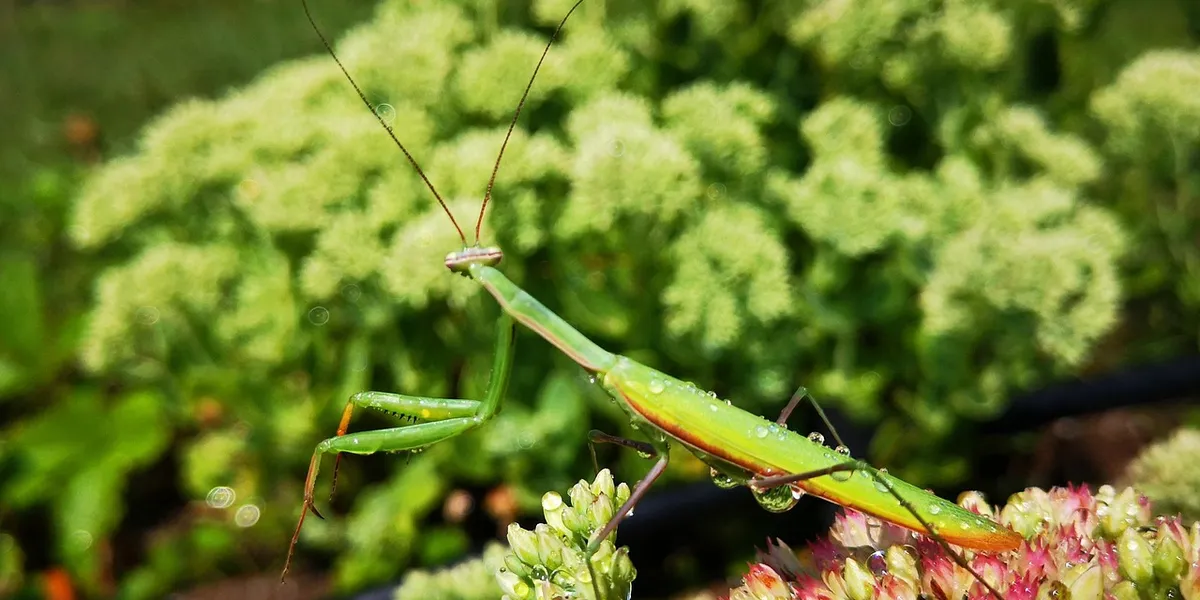
Watch your mantis closely for small signs they are settling in, like gentle movements or changes in posture. A relaxed mantis often holds its body upright with front legs tucked, while a stressed one might flatten against surfaces or remain motionless for long periods. Our Ghost Mantis, Luna, for instance, slowly shifts her leaf-like frills when she feels at ease, a subtle cue we’ve learned to trust over time.
-
Adjust humidity, temperature, or lighting based on what you see. If your mantis seems sluggish or avoids the warm side, nudge the temperature up a degree or two with a low-wattage bulb; if their skin appears dull, a light misting can restore that dewy freshness they crave. We once noticed Moss, our Giant Asian Mantis, perching higher when the enclosure felt too damp, so we reduced misting frequency to match his preference.
-
Keep the enclosure tidy by removing any uneaten prey or debris daily, and place it in a calm spot away from loud sounds. Reducing stressors like sudden vibrations or bright overhead lights helps your mantis feel secure, much like a quiet greenhouse corner shields delicate plants from harsh elements. A simple wipe-down with warm water prevents mold and keeps the space inviting. If you’re aiming to create a bioactive enclosure for your praying mantis, add safe live plants and microfauna. A well-designed bioactive setup provides enrichment and supports natural waste management.
Day 3: Establishing Routine and Beginning Gentle Interaction
-
Offer the first feeding when your mantis appears alert and curious, using prey like small fruit flies or pinhead crickets that are half their head size. Stick to a schedule of every two to three days to avoid overfeeding, and always provide live prey to stimulate their natural hunting instincts. Having a complete feeding schedule helps you stay consistent and prevent missed meals. As your mantis grows, you’ll adjust frequency and prey size accordingly. With Sprig, our Orchid Mantis, we wait until she’s actively scanning her surroundings before dropping in a fly, which she snatches with surprising speed.
-
Begin brief handling sessions only if the mantis is calm and perched, slowly offering your hand for them to walk onto. Limit interactions to five minutes or less to build trust without causing stress, and always support their body to prevent falls. We’ve found that Moss enjoys short climbs on our fingers, but we never force it if he retreats-patience is key here.
-
Maintain a consistent lighting cycle of 12 hours on and 12 hours off to mimic natural day and night rhythms. To create a day-night cycle for your praying mantis, use a timer or smart plug to automate the 12/12 schedule. Automated lighting helps mimic natural rhythms and supports the mantis’s activity and growth. Regular enclosure upkeep, such as refreshing water droplets and checking for mold, ensures a healthy habitat that supports your mantis’s well-being long-term. A quick daily check keeps everything running smoothly, much like tending a miniature ecosystem.
Feeding and Hydration During the Acclimation Period
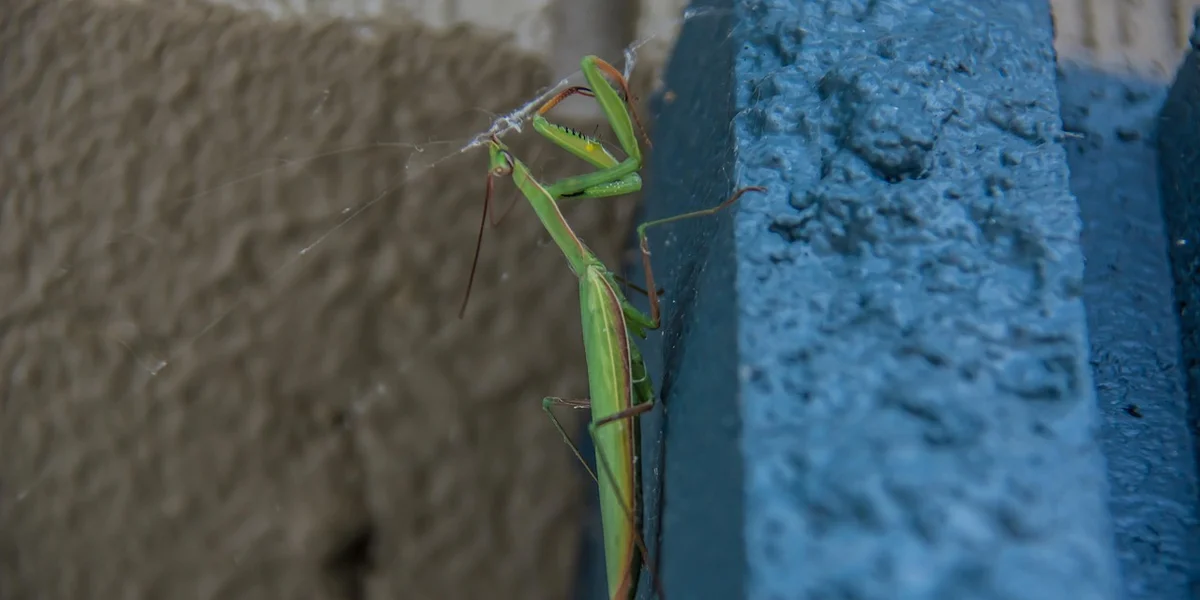
Your new mantis might not feel like eating right away, and that’s perfectly normal as they settle in. Offer small, easy-to-catch prey to encourage feeding without overwhelming them. For a complete diet feeding guide, you’ll learn what to feed, how much, and how often to keep them healthy.
Appropriate Prey Types and Sizes
Adult mantises thrive on live insects that match their size and energy levels. Choose prey no larger than the space between their front legs to prevent injury or stress. Want a comprehensive list of their prey? Mantises eat a wide range of live insects, from flies and crickets to beetles and moths.
- Fruit flies or small crickets work well for delicate species like Ghost Mantises.
- House flies or medium crickets suit robust types such as Giant Asian Mantises.
- Avoid hard-shelled beetles or aggressive insects that could harm your mantis.
In my time with Moss, my Giant Asian Mantis, he’d eagerly snatch house flies mid-air but turn his head at anything too bulky. Observing their reactions helps you tailor meals to their preferences.
Suggested Feeding Schedule
Stick to a gentle routine to build trust and routine. Feed every two to three days, offering one or two prey items per session.
- Day 1: Skip feeding to let them acclimate without pressure.
- Day 2: Offer a single small insect if they seem alert and curious.
- Day 3: Increase to two prey if they ate well previously.
Luna, my Ghost Mantis, often waits until evening to hunt, her slow movements belying a sharp focus. Patience here pays off with a mantis that feels secure in its new home.
Hydration Methods and Dehydration Signs
Mantises drink from water droplets, not bowls, so misting is your go-to method. Lightly spray the enclosure walls and leaves once or twice daily with lukewarm water. They don’t get water from their food, so regular misting is essential.
- Use a fine mist bottle to create tiny beads they can sip.
- Avoid drenching the habitat, as excess moisture invites mold.
Watch for dehydration clues like a listless stance or skin that looks slightly shriveled. Catching these early lets you adjust misting before health declines.
When Sprig, my Orchid Mantis, perches near freshly misted petals, her delicate sipping is a quiet reminder of how simple care can be. Regular hydration keeps their colors vibrant and movements fluid.
Recognizing Stress and Health Issues in the First 72 Hours
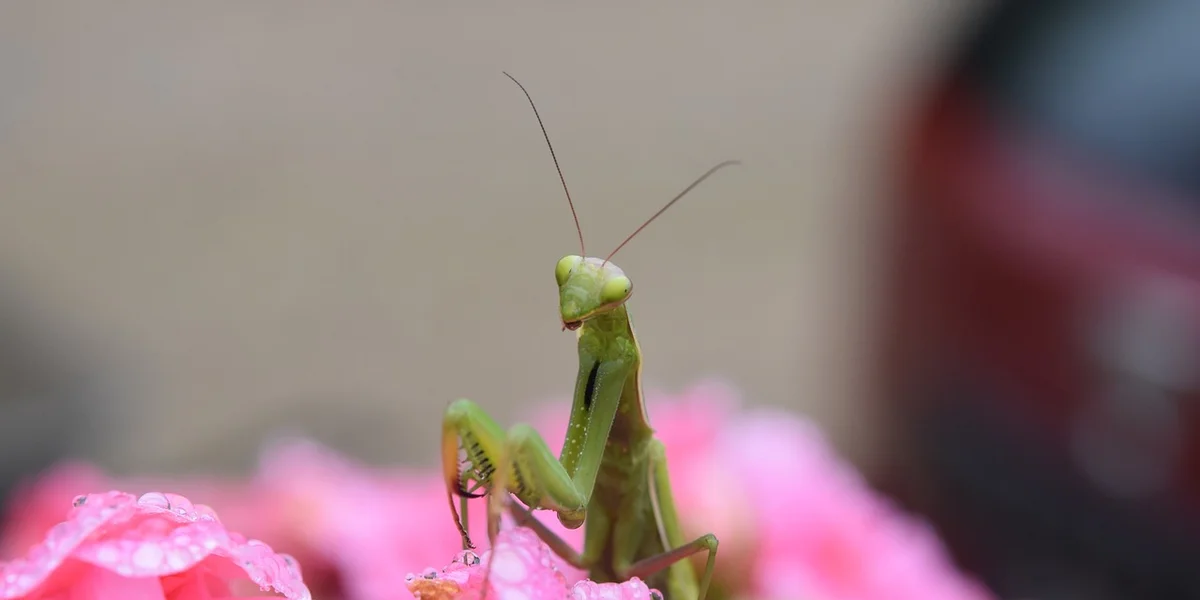
It’s common for mantises to show some stress after a move, but most bounce back quickly with gentle care. Noticing small changes early helps you intervene before problems escalate. Knowing the difference between healthy behavior and red flags can help you act sooner. Early warning signs include lethargy, refusal to eat, or unusual resting postures.
Common Signs of Stress or Illness
Keep an eye out for behaviors that stray from their usual calm demeanor. Refusal to eat for more than a day is a classic red flag that something’s amiss.
- Unusual postures, like clinging upside down for hours without moving.
- Rapid, shallow breathing or twitching limbs.
- Discoloration, such as dark patches or a duller exoskeleton.
Moss once stayed curled in a corner after a noisy delivery, his emerald green fading slightly until I quieted his space. Stress signs often fade once you identify and remove the trigger.
Immediate Steps to Address Issues
If you spot worrying symptoms, start with simple adjustments to their environment. Check temperature and humidity levels first, as imbalances are common culprits.
- Move the enclosure to a quieter, dimmer spot to reduce disturbances.
- Adjust misting frequency if dehydration or excess dampness is suspected.
- Consult experienced keepers or online forums for species-specific advice.
When Luna refused food, I learned that a slight warmth boost from a nearby lamp revived her appetite within hours. Small tweaks can make a big difference in their comfort and recovery.
Remember, you’re not alone in this-many of us have faced similar scares and found solutions through shared stories. Trust your instincts as you learn to read your mantis’s unique signals.
Transitioning to Ongoing Mantis Care After Acclimation
-
Move from the intensive 72-hour watch to a gentle, predictable routine that mirrors your mantis’s natural rhythms. We find that setting fixed days for feeding-like offering fruit flies every three days for Moss-helps create a sense of security and reduces stress. Begin integrating standard care practices, such as consistent misting cycles and ambient temperature checks, while keeping disruptions minimal.
-
Establish a weekly maintenance checklist to keep the enclosure pristine and health signs in clear view. Regularly wipe down surfaces to prevent mold and inspect for any wear in climbing materials, ensuring your mantis’s home remains a safe haven. For detailed cleaning tips, learn how to properly clean and maintain your praying mantis habitat. Watch for vibrant coloration, alert postures, and steady appetite as indicators of well-being, and slowly introduce handling sessions only when your mantis appears curious and calm.
-
Observe your mantis daily, noting little habits-like how Luna tilts her head before striking or Sprig retreats to her favorite leaf. Tailor your care based on these unique traits, adjusting misting frequency or handling opportunities to match their comfort level. This attentive, flexible approach nurtures trust and helps your mantis flourish in the long run.
Common Mantis Queries
How do I know if my mantis is settling in well after the first 72 hours?
Watch for consistent activity, such as exploring the enclosure and accepting food readily. These behaviors indicate that your mantis is adjusting comfortably to its new home. To tell if your praying mantis is hungry or full, watch its feeding cues: a hungry mantis often moves actively and grips prey readily. After a meal, it may rest or show less interest in food, indicating fullness.
What are common handling mistakes to avoid with a new mantis?
Never grab your mantis abruptly or handle it for more than a few minutes at a time. Always allow it to step onto your hand voluntarily to prevent stress and potential injury.
How often should I clean the enclosure during the acclimation period?
Perform light daily cleanings to remove uneaten prey and debris without disrupting the habitat. Wait until after the first week for a full clean to avoid causing unnecessary stress.
Setting the Stage for a Happy Mantis Life
Focus on creating a calm, stable environment with proper humidity and minimal handling to help your mantis settle in. Observing their behaviour closely in these first days allows you to spot any early signs of stress and adjust care quickly. Understanding the signs of stress in praying mantises can help you provide better care.
Being a good mantis keeper means committing to their wellbeing through every stage of life. We encourage you to keep exploring care guides and connecting with fellow enthusiasts to deepen your knowledge and confidence.
Further Reading & Sources
- Mantis Care Sheet | Mantid Forum – Mantis Pet & Breeding Forum
- Keeping Praying Mantis as Pets: The Beginners Guide – PBS Pet Travel
- Praying Mantis Care Guide – The Critter Depot
- Praying Mantid caresheet – Amateur Entomologists’ Society (AES)
Rowan Hale is a lifelong insect enthusiast who fell in love with mantises for their calm presence, alien elegance, and surprising personalities. After years of keeping and raising a variety of species, Rowan shares practical tips, creative insights, and real-world experience to help others enjoy the quiet magic of mantis care. From setting up the perfect enclosure to understanding their subtle behaviors, Rowan invites readers into a gentle, curious world where every tiny movement feels like a discovery.
First-Time Mantis Owners