
What Is the Dead Leaf Mantis Lifespan? (And How to Maximize It)
Published on: January 2, 2026 | Last Updated: January 2, 2026
Written By: Rowan Hale
Hello fellow mantis friend, have you ever watched a Dead Leaf Mantis perch so still it seems to vanish into the foliage, its crumpled wings and muted colors creating a perfect disguise?
The Dead Leaf Mantis typically lives for 6 to 12 months, with females often reaching the longer end of that range while males may have slightly shorter lives.
But that simple number hides a world of nuance-their lifespan dances to the rhythm of care, environment, and tiny daily choices we make as keepers.
We will walk you through the gentle art of extending those precious months together, covering:
- Key factors that shape their lifespan from nymph to adult
- Step-by-step habitat setup to mimic their natural humid forests
- Feeding routines that support robust health and vitality
- Common missteps to sidestep for a thriving, content mantis
What Is the Typical Dead Leaf Mantis Lifespan?
In captivity, the dead leaf mantis, Deroplatys desiccata, generally lives between 6 and 12 months from hatching to adulthood. With attentive care, many keepers find their mantises thriving closer to that full year mark, offering a rewarding window into their unique behaviors.
- Average lifespan ranges from 6 to 12 months, influenced by factors like diet, humidity, and overall enclosure conditions.
- Some individuals may reach up to 14 months if kept in near-perfect environments, though this is less common.
When compared to other pet mantis species, the dead leaf mantis fits a typical pattern. For instance, the Chinese mantis often lives 6-12 months, while the Ghost mantis can reach 8-12 months, showing how species-specific traits play a role.
- Chinese mantis: 6-12 months, known for hardiness but shorter lives if stressed.
- Ghost mantis: 8-12 months, with slower movements and lower energy needs.
- Orchid mantis: 6-10 months, more delicate and sensitive to environmental changes.
Species-specific traits, like the dead leaf mantis’s camouflage and sedentary nature, can affect its lifespan by reducing stress and predation risks. Captive care impact is huge-consistent misting, proper feeding, and stable temperatures directly extend their lives by mimicking their natural habitat.
Male vs. Female Lifespan: Key Differences
Female dead leaf mantises often outlive males, with females typically reaching 10-12 months and males around 6-8 months. This difference stems from females’ larger size and greater energy reserves, which help them withstand the demands of reproduction.
Breeding and egg-laying can shorten a female’s life expectancy due to the physical strain of producing oothecae. If she lays multiple egg cases, it may drain her resources, so we recommend limiting breeding sessions to preserve her health.
- Females invest significant energy into egg production, which can lead to earlier decline if not managed.
- Males, after mating, often experience a rapid drop in vitality and may not live much longer.
Growth rate and size correlations show that females undergo more molts and grow larger, contributing to their longer lifespan. Larger females tend to have slower metabolisms, allowing them to conserve energy and age more gracefully than their smaller male counterparts.
Life Stages: From Nymph to Adult
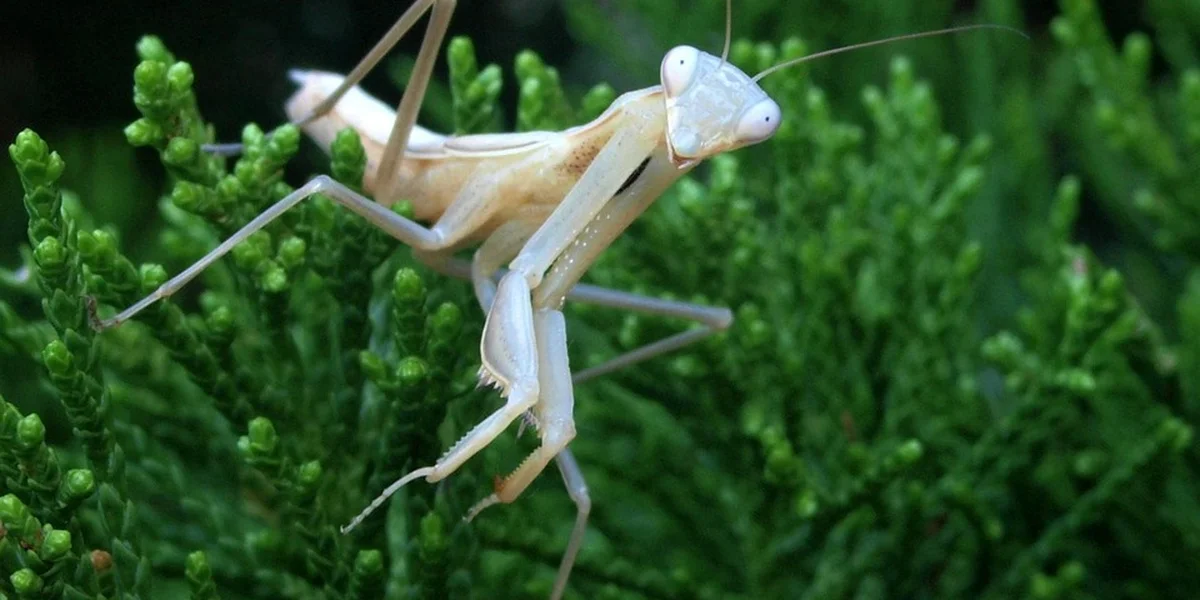
Your dead leaf mantis begins life as a tiny nymph, hatching from an ootheca and embarking on a series of molts called instars. Each molt is a delicate dance where your mantis sheds its old skin to reveal a larger, more vibrant version underneath. We often watch our Ghost Mantis, Luna, during this phase-she becomes still, almost meditative, as her body prepares for the transformation.
These instars are crucial building blocks for a long life. Every successful molt strengthens their exoskeleton and boosts their ability to hunt and thrive. Nymphs might go through six to eight instars before reaching adulthood, with each stage adding weeks or months to their overall timeline. A smooth progression here sets the stage for a robust adult phase.
Molting isn’t without risks, though. Failed molts are a common hurdle, often triggered by low humidity or sudden disturbances. When a mantis struggles to free itself, it can lead to deformities or even shorten its lifespan. We’ve learned to keep the enclosure misted and quiet during these times, giving our mantises the peace they need to emerge safely and proper care afterward.
Factors That Shape Your Mantis’s Lifespan
Several elements work together to influence how long your mantis lives. Temperature, humidity, diet, and stress levels form the core of their well-being. For instance, Moss, our Giant Asian Mantis, perks up in warm, humid conditions that mimic his natural habitat, while a dry or chilly space can slow him down.
- Temperature: Aim for 75-85°F (24-29°C) to keep their metabolism steady.
- Humidity: Maintain 60-80% levels to support molting and prevent dehydration.
- Diet: Offer live prey like fruit flies or crickets regularly for balanced nutrition.
- Stress: Minimize handling and loud noises to keep them calm and healthy.
Beyond the basics, enclosure size and lighting play subtle but vital roles. A spacious tank with vertical climbing branches reduces stress and encourages natural behaviors. Proper lighting cycles-mimicking day and night-help regulate their activity and rest periods, much like in the wild.
Predators and disease are other concerns to watch for. Keep other pets away and avoid overcrowding to prevent accidents or illness. Regular cleaning is essential for a clean, well-maintained praying mantis habitat. Simple steps, like cleaning the enclosure weekly and adding fresh plants, can ward off mites and bacterial growth. It also helps you spot issues early and keep conditions stable. Environmental enrichment, such as varied perches and hiding spots, keeps your mantis engaged and less prone to stress-related issues.
We’ve found that a little attention to these details goes a long way. By creating a stable, enriching environment, you give your mantis the best chance at a full, vibrant life. To support this, create a naturalistic, safe habitat for your praying mantis. A setup with safe plants and hiding places helps mimic its wild environment and reduces stress.
7 Steps to Maximize Your Dead Leaf Mantis’s Lifespan
-
Set up the ideal enclosure with proper size and climbing space.
Choose a tall terrarium that’s at least three times your mantis’s length in height, as Dead Leaf Mantises love to climb and molt safely from high perches. Enclosure choice should be species-specific, since different praying mantis species vary in size and climbing needs. We use enclosures with mesh lids and sides to give them plenty of grip, and add twisted branches or artificial vines for natural climbing routes. A spacious, vertical home reduces injury risks and encourages healthy molting behavior.
-
Maintain consistent humidity and temperature for optimal health.
Keep humidity between 60% and 80% using a simple spray bottle to mist the enclosure lightly each morning and evening. Aim for temperatures around 23-28°C, which you can achieve with a small heat mat placed on one side of the tank. Steady warmth and moisture help your mantis digest food properly and avoid dehydration.
-
Establish a balanced diet with appropriate feeding frequency.
Offer live prey like fruit flies or small crickets every two to three days, making sure the food is no larger than your mantis’s head to prevent choking. We’ve noticed that Moss, our Giant Asian Mantis, stays lively when his meals are varied and dusted with calcium powder occasionally. Regular, sized-right feedings support strong growth and energy levels throughout their life, but it’s important to follow a consistent feeding schedule to achieve the best results.
-
Provide clean water sources and regular misting.
Mist the enclosure walls and leaves daily so your mantis can drink droplets, and avoid leaving standing water that might harbor bacteria. A gentle spritz in the early hours mimics dew and keeps the air fresh. Consistent misting ensures your mantis stays hydrated without the need for messy water dishes.
-
Reduce stress through quiet, dark environments and gentle handling.
Place the enclosure in a calm spot away from loud noises and bright lights, and handle your mantis sparingly with slow movements to avoid startling them. We keep Luna’s tank in a shaded corner where she can perch undisturbed. Minimising disturbances helps your mantis feel secure and conserves their energy for molting and feeding.
-
Monitor health closely for early signs of issues.
Check daily for changes like lethargy, loss of appetite, or difficulty molting, and keep a simple journal to track their behavior. If you spot something unusual, like a mantis hanging low or refusing food, adjust care quickly. Early detection lets you address problems before they become serious health threats.
-
Enhance well-being with natural decor and stimulation.
Add dried leaves, bark, and live plants to create an enriching environment that encourages natural hunting and hiding behaviors. Our Sprig loves exploring new twigs and foliage, which keeps her active and engaged. Natural setups stimulate your mantis’s instincts and promote mental and physical vitality. Live plants are safe plants for mantis enclosures when grown without pesticides. They also help maintain humidity and provide camouflage and enrichment.
Recognizing Signs of Aging in Your Mantis
-
Describe physical and behavioral changes as mantises age.
As your Dead Leaf Mantis grows older, you might see slower movements, faded colouration, or a reluctance to hunt. They may spend more time resting and less time exploring, and their molting cycles can become irregular or stop altogether. These subtle shifts often signal that your mantis is entering its later stages of life.
-
Include tips on adjusting care for older individuals.
Reduce handling and offer softer, smaller prey that’s easier to catch and digest. Keep the enclosure extra clean to prevent infections, and ensure humidity stays stable to support their aging exoskeleton. Tailoring care to their changing needs helps maintain comfort and quality of life in their senior days.
-
Mention when to seek help for common age-related concerns.
If your mantis shows signs of severe weakness, persistent lethargy, or trouble shedding skin, consult a specialised invertebrate vet or experienced keeper online. For issues like stuck molts or loss of coordination, gentle interventions like raised humidity might help. Reaching out for advice early can provide solutions that ease your mantis through age-related challenges.
Caring for Your Mantis in Its Final Days
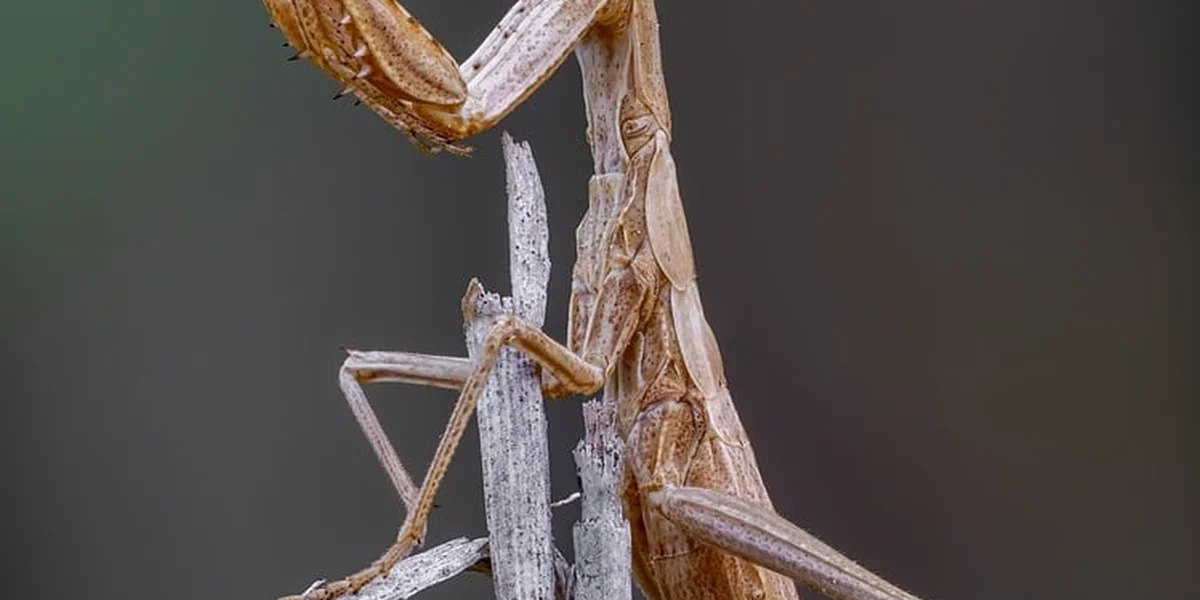
When your dead leaf mantis enters its twilight phase, you might notice subtle shifts-less interest in food, slower movements, or more time spent resting. Creating a peaceful environment is key to ensuring their comfort during this natural stage of life. We’ve found that small adjustments can make a big difference in their quality of life, drawing from our own experiences with mantises like Luna, whose gentle demeanor reminded us to approach each day with patience.
-
For comfort measures and habitat adjustments, focus on reducing stressors. Keep the enclosure clean but avoid frequent rearrangements that might startle them. Maintain stable humidity around 70-80% with gentle misting, as sudden changes can cause discomfort. Offer shallow water dishes or lightly mist leaves for easy drinking, and consider lowering the temperature slightly if they seem too warm. Our Moss appreciated a quiet corner with soft foliage to cling to, which helped him feel secure.
-
Humane considerations involve watching for signs of distress, such as inability to move or prolonged lack of appetite. If euthanasia becomes necessary, the freezer method is widely accepted as a peaceful way to ease their passing without pain. Always handle your mantis gently and avoid forcing feedings; sometimes, the kindest choice is to let nature take its course while providing a calm space.
-
Reassurance on natural aging processes comes from understanding that slowing down is normal for older mantises. Recognizing end-of-life decline in elderly mantises means watching for slower movement and reduced feeding, then adjusting care to minimize stress. Their lifespan, though short, follows a beautiful cycle that doesn’t require intervention unless they show clear suffering. We’ve seen many, like Sprig, live out their days contentedly, reminding us that a well-cared-for mantis often passes peacefully in its own time.
Is a Dead Leaf Mantis a Good Pet for You?

Deciding if a dead leaf mantis fits your lifestyle means weighing their unique needs against the joys they bring. These insects thrive with attentive care, offering a window into nature’s subtle wonders right in your home. From our time with various species, we’ve learned that their calm presence can be deeply rewarding for those who appreciate quiet companionship.
-
Care requirements include maintaining high humidity levels of 70-80% and temperatures between 75-85°F, along with regular feedings of live prey like fruit flies. Females typically live 12-18 months, while males have a shorter span of 6-8 months, so plan for this difference in longevity. A well-set-up terrarium with branches and hiding spots mimics their natural habitat, reducing stress and promoting health.
-
Pros like their unique appearance and calm demeanor make them stand out. Their leaf-like camouflage is not just for show-it allows for fascinating observations as they blend into their surroundings. They’re generally low-energy pets that don’t demand constant interaction, ideal for beginners or those with busy schedules who still want a touch of wild beauty.
-
Cons such as specific humidity needs and shorter male lifespan require extra attention. High humidity can lead to mold if ventilation isn’t managed, adding a layer of daily maintenance to prevent issues. Males’ brief lives might be disappointing if you’re seeking a long-term pet, but their vibrant activity often makes every moment worthwhile.
Questions from Fellow Mantis Friends
How does handling impact the lifespan of a dead leaf mantis?
Frequent handling can increase stress levels, potentially shortening their lifespan by disrupting molting and feeding behaviors. Limiting interactions to essential care helps maintain their calm and supports a longer, healthier life.
What common health issues can reduce a mantis’s lifespan?
Failed molts from improper humidity and bacterial infections due to dirty enclosures are frequent culprits that can cut a mantis’s life short. Addressing these through consistent habitat upkeep and early intervention can prevent premature decline.
Does the origin (wild-caught vs. captive-bred) affect the dead leaf mantis lifespan?
Captive-bred mantises typically live longer because they are raised in optimized conditions without exposure to wild stressors or parasites. Wild-caught individuals may have shorter lifespans due to previous environmental challenges or health compromises.
Your Dead Leaf Mantis’s Lifelong Journey
To help your mantis thrive, focus on providing a stable, humid habitat with proper ventilation and a diet of live prey suited to its size. These essential habitat requirements are what help keep a praying mantis healthy. Meeting these needs is key to maintaining health and regular moulting. Regularly observing your mantis’s behaviour and moulting cycles allows you to spot any health concerns early and adjust care promptly.
Responsible mantis keeping means committing to their well-being through every life stage, from nymph to adult. We encourage you to keep learning and sharing experiences with fellow enthusiasts, as each mantis teaches us something new about these fascinating creatures.
Further Reading & Sources
- Dead Leaf Mantis: A Complete Deroplatys Lobata Care Guide!
- Dead leaf mantis – Wikipedia
- Dead Leaf Mantis – Deroplatys desiccata | Keeping Insects
- Deroplatys Desiccata: A Giant Dead Leaf Mantis Care Guide!
Rowan Hale is a lifelong insect enthusiast who fell in love with mantises for their calm presence, alien elegance, and surprising personalities. After years of keeping and raising a variety of species, Rowan shares practical tips, creative insights, and real-world experience to help others enjoy the quiet magic of mantis care. From setting up the perfect enclosure to understanding their subtle behaviors, Rowan invites readers into a gentle, curious world where every tiny movement feels like a discovery.
Preventative Care