
Mantis Habitat Showdown: DIY Enclosure vs Commercial Kit
Published on: December 26, 2025 | Last Updated: December 26, 2025
Written By: Rowan Hale
Hello there, mantis friend. Is your new green companion eyeing you from a temporary jar, waiting for you to choose their forever home?
The best choice between a DIY mantis enclosure and a commercial kit depends entirely on your budget, your time, and the specific needs of your unique mantis species.
This isn’t a simple one-size-fits-all decision. It’s a balance between creative freedom and ready-made convenience, between upfront savings and long-term practicality.
Here’s a quick preview of what we’ll explore together:
- The true, often hidden, cost of building your own habitat from scratch.
- What commercial kits include-and what crucial items they often leave out.
- How your mantis’s behavior and size directly influence the ideal home.
- Our personal experiences with both methods, including the wins and the lessons learned.
Cost Comparison: DIY Enclosure vs Commercial Kit
When you’re setting up a home for your mantis, the cost can vary widely between building your own enclosure and buying a ready-made kit. Initial setup for a DIY habitat often starts around £10 to £30, using items like plastic containers, mesh netting, and simple tools you might already have at home. Ongoing expenses are minimal-perhaps a few pounds for occasional replacements like substrate or decor-but hidden fees can pop up if you need to buy specialised tools or spend hours crafting it just right.
Commercial kits, on the other hand, typically range from £20 to £50 or more upfront, covering everything from the enclosure itself to basic accessories. Ongoing costs are low since most kits include fit-for-use parts, though hidden fees might include shipping charges or the need for extra items like humidity gauges down the line. We’ve found that budget constraints often push new keepers toward DIY solutions, especially if you’re handy with repurposing household items.
| Option | Initial Cost (Average) | Ongoing Expenses | Hidden Fees |
|---|---|---|---|
| DIY Enclosure | £10 – £30 | Low (e.g., substrate, food) | Tools, time investment |
| Commercial Kit | £20 – £50+ | Minimal (included accessories) | Shipping, potential upgrades |
If money is tight, consider affordable DIY tips like using a large glass jar with drilled ventilation holes or upcycling an old terrarium. We once set up a cosy home for our Ghost Mantis, Luna, in a repurposed sweet jar-it cost almost nothing and kept her safe and content. Remember, a smaller budget doesn’t mean sacrificing quality; focus on sturdy materials and proper ventilation to keep your mantis thriving.
Benefits of Choosing a Commercial Mantis Habitat
Opting for a commercial kit brings several perks that can make mantis care smoother, especially for beginners. Ready-made designs mean you can skip the guesswork and have a habitat set up in minutes, with built-in safety features like secure lids and smooth edges to prevent escapes or injuries. These kits often come with accessories tailored for mantis needs, such as climbing branches and feeding dishes, reducing the time you’d spend sourcing each part separately. Still, it’s worth running through a healthy pet mantis supplies checklist to confirm you have all essentials—habitat, humidity control, temperature, live prey, and a clean water source. A quick checklist helps ensure nothing important is missing, even with a ready-made kit.
- Ease of setup: Just unbox and assemble, perfect for busy keepers.
- Built-in safety: Features like locking mechanisms protect curious mantises.
- Included accessories: Many kits have ventilation mesh, perches, and water dishes.
- Reduced build time: No cutting or gluing-ideal for quick starts.
Commercial enclosures are designed with common species in mind, ensuring the size and airflow suit mantises like Giant Asians or Orchid varieties. Our male Giant Asian, Moss, settled right into a pre-made kit with its ample vertical space, which encouraged his natural climbing behaviour without any fuss. Species-specific enclosures matter, since different mantises have different size and behavior needs. When choosing, pick an enclosure labeled for the exact species you plan to keep. For those new to mantis care, these kits offer peace of mind, letting you focus on bonding with your pet rather than troubleshooting enclosure issues.
Advantages of Building Your Own DIY Mantis Enclosure

Crafting your own mantis home lets you tailor every detail to your pet’s unique personality and needs. You gain full control over dimensions and layout, which helps match the enclosure to your mantis’s natural behaviors like climbing or hiding. For instance, my Ghost Mantis Luna prefers taller spaces with delicate fronds to blend into, so I built her a slender, vertical habitat that mimics her wild environment.
Material selection plays a big role in how well your enclosure holds humidity and stands up to daily use. Glass offers excellent clarity and weight for stability, but acrylic is lighter and easier to drill for custom vents. Plastic containers, like those repurposed from household items, provide affordability and decent moisture retention, though they may scratch over time.
Building a basic DIY enclosure is straightforward if you follow these steps for ventilation and flexibility. Start by choosing a container that’s at least three times your mantis’s length in height to allow room for molting. You can craft the enclosure from everyday materials—think a clear plastic storage bin with a breathable mesh lid. This approach keeps costs down and makes it easy to tailor the habitat to your mantis using items you already have at home.
- Drill small holes in the lid and upper sides for cross-ventilation, avoiding large gaps that could let tiny feeders escape.
- Add a removable mesh or fabric top to maintain airflow while keeping humidity adjustable with light misting.
- Incorporate modular elements like magnetic perches or slide-out panels, so you can rearrange decor without stressing your mantis during cleanings.
Key Factors in Enclosure Design: Size, Shape, and Materials
Selecting the right size depends heavily on your mantis species and its life stage, as juveniles need less space than adults. A good rule is to provide an enclosure height that’s double the mantis’s body length to support safe molting and exploration. For example, Orchid Mantises like Sprig thrive in taller setups with ample vertical room for their delicate movements.
Shape directly affects how your mantis behaves and how long it lives, with each design offering distinct pros and cons. Tall, narrow enclosures encourage natural climbing and reduce fall risks, while wider ones might suit species that hunt more actively on the ground.
- Tall cylindrical shapes mimic tree habitats and improve molting success by giving plenty of hanging space.
- Rectangular designs offer more floor area for decorating but can limit vertical movement if too short.
- Rounded corners in some containers prevent mantises from getting stuck, though they might reduce usable perching spots.
Materials vary in safety, insulation, and cleaning ease, so picking the right one ensures your mantis stays healthy. We always prioritize non-toxic, smooth surfaces that won’t harm your pet during climbs or feedings.
- Glass maintains humidity well and resists scratches, but it’s heavy and can crack if handled roughly.
- Acrylic is lightweight and offers good visibility, yet it may warp in high heat and requires gentle cleaning to avoid clouding.
- Plastic is budget-friendly and easy to modify, though it might not hold humidity as steadily and can degrade with frequent disinfecting.
Choosing the Right Enclosure Size and Shape
Vertical space is critical for molting, as mantises need to hang freely to shed their old skin without obstructions. Ensure the height allows your mantis to dangle fully extended, plus a few extra inches for a safe drop zone. With Moss, my Giant Asian Mantis, I learned that a taller enclosure reduced his molting struggles and let him perch comfortably after meals.
Shape influences longevity by minimizing stress; for instance, Ghost Mantises benefit from enclosures with multiple anchor points for webbing. Orchid Mantises, like Sprig, do best in ornate setups with curved elements that support their flower-like camouflage. Avoid overly complex shapes that make cleaning difficult or trap moisture in corners.
Material Options and Their Impact
Glass, acrylic, and plastic each bring unique advantages for humidity control and how clearly you can observe your mantis. Glass enclosures hold moisture consistently, which is ideal for species needing higher humidity levels. Acrylic offers similar benefits with less weight, making it easier to move for spot-cleaning or rearranging your space.
Durability and weight affect daily handling; heavier materials like glass provide stability but limit portability. Lighter options, such as acrylic or high-quality plastic, are great for shelves or rooms where you might need to shift the enclosure often. When you’re choosing for a praying mantis, people often ask about the pros and cons of glass versus mesh enclosures. Glass provides clear visibility and stability but limited ventilation, while mesh offers better airflow but can increase the risk of escapes. Always test materials for sharp edges or residues that could irritate your mantis’s delicate exoskeleton.
Ventilation, Humidity, and Temperature Control
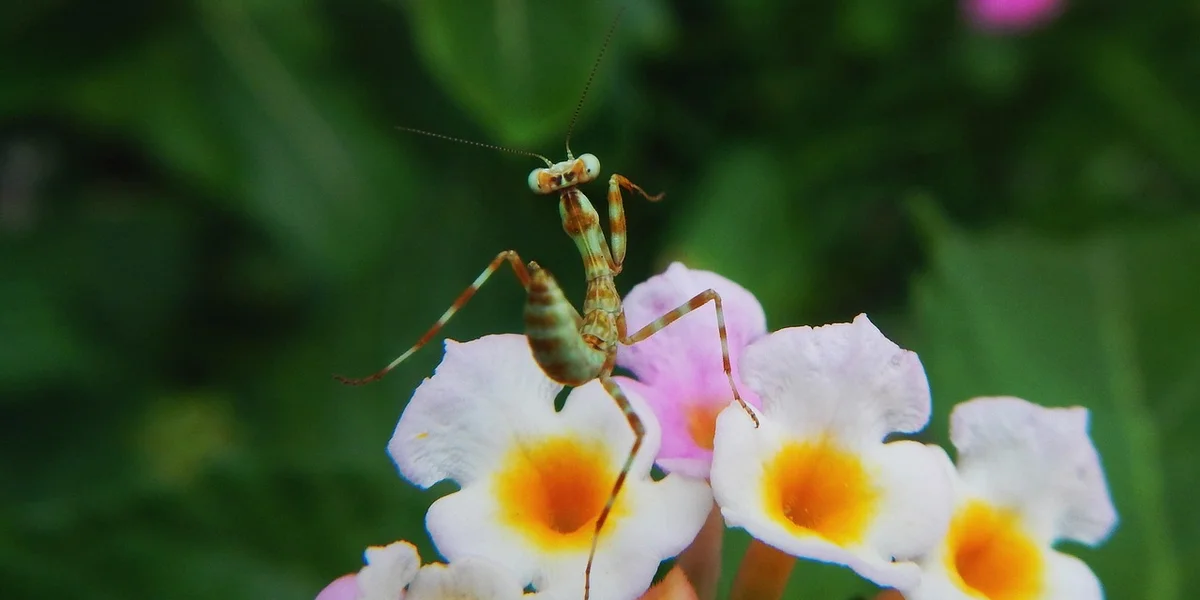
Good ventilation keeps your mantis habitat fresh and mold-free, much like a gentle breeze rustling through leaves in a terrarium. We recommend using mesh or screen-covered areas to allow air exchange while preventing stagnant, humid pockets that encourage fungal growth. For most species, aim for humidity levels between 50% and 70% and temperatures from 22°C to 28°C, which mimic their natural tropical environments. To ensure you are properly ventilating a praying mantis enclosure, maintain steady airflow and avoid strong drafts. This helps keep the enclosure comfortable and reduces the risk of mold and respiratory issues.
Monitoring these conditions is straightforward with a simple digital hygrometer and thermometer placed inside the enclosure. Regular checks help you spot changes early, allowing for quick adjustments like misting with lukewarm water or moving the habitat away from direct sunlight. DIY setups often require more hands-on tweaking, whereas commercial kits might include built-in vents or humidity trays for easier control.
- For DIY enclosures, drill small holes in plastic or glass sides and top, ensuring they’re covered with fine mesh to keep pests out.
- Commercial options typically feature pre-designed ventilation panels; follow the manufacturer’s guide to avoid over-ventilating.
- Step-by-step setup: Start by positioning the enclosure in a stable, draft-free area, then test airflow by observing how quickly mist dissipates.
Ventilation Setup and Safety
Balancing airflow means choosing between screen lids for maximum circulation or solid lids with strategic vents to retain moisture. A screen lid offers excellent air movement but may dry out the habitat faster, so pair it with frequent, light misting sessions. Drafts from open windows or air conditioning can stress your mantis, causing them to become lethargic or refuse food.
- Incorporate screen lids by securing them with clips to prevent escapes, and add a small solid section if humidity drops too low.
- Avoid drafts by placing enclosures on interior walls, away from vents or doors, and use a soft cloth to block excessive airflow if needed.
- For both DIY and commercial types, check for gaps where drafts might enter, sealing them with non-toxic aquarium silicone.
Maintaining Ideal Humidity and Temperature
Boosting humidity is as simple as misting the enclosure walls and decor with warm water once or twice daily, creating a dewy, rainforest-like atmosphere. We find that placing a shallow water dish near a heat source gently elevates moisture levels without making things soggy. Temperature stability comes from using an under-tank heater or a low-wattage bulb on a thermostat, set to avoid sudden spikes or drops.
Species like our Orchid Mantis, Sprig, thrive in higher humidity around 70%, while others, such as the Giant Asian Mantis Moss, prefer it slightly lower. Enclosure materials play a big role; glass holds humidity well but needs careful ventilation, whereas mesh or acrylic varieties offer better airflow but may require more frequent misting. Adjust your approach based on your mantis’s behavior-if they’re often perched near dry areas, it’s a sign to up the humidity.
- Simple methods: Use a spray bottle with filtered water for misting, and add sphagnum moss to substrate for natural moisture retention.
- Stabilize temperature by insulating the enclosure with a towel during cooler nights or using a fan-free space heater in the room.
- Materials comparison: Glass enclosures maintain consistent climates, ideal for humidity-sensitive species, while DIY plastic bins can be modified with heat mats for custom warmth.
Maintenance and Cleaning Considerations
Keeping your mantis home clean prevents health issues and makes for a happier pet, much like tidying a miniature garden. We suggest spot-cleaning waste and old prey every few days, with a full substrate change and decor scrub every three to four weeks. Learn how to clean and maintain your praying mantis habitat. DIY habitats often allow for easy disassembly and customization, but commercial kits might have seamless designs that reduce cleaning time.
Comparing the two, DIY enclosures let you choose materials that are simple to wipe down, like smooth plastic, whereas commercial ones may include specialized parts that need gentle handling. Routine maintenance in a DIY setup might take a bit more effort initially, but it pays off in long-term adaptability and cost savings. Here’s a quick-reference list to keep things on track without overwhelm.
- Daily: Check for uneaten food, mold spots, or excessive moisture.
- Weekly: Remove any soiled substrate, wipe down surfaces with a damp cloth, and inspect decor for damage.
- Monthly: Perform a deep clean by replacing all substrate, sterilizing items with a vinegar solution, and air-drying thoroughly.
Cleaning Steps and Substrate Choices
Safe cleaning starts with non-toxic methods to protect your mantis from harsh chemicals. Follow these numbered steps to ensure a thorough yet gentle process that maintains your enclosure’s natural feel. Begin by relocating your mantis to a temporary container with a secure lid, like a small jar with ventilation holes.
- Remove all decor, substrate, and any uneaten prey from the enclosure.
- Dispose of old substrate responsibly, and rinse decor under warm water to loosen debris.
- Clean surfaces with a mix of one part white vinegar to three parts water, using a soft cloth to avoid scratches.
- Rinse everything thoroughly with clean water to remove any residue, and allow it to air-dry completely before reassembling.
- Add fresh substrate and reposition decor, ensuring there are no sharp edges that could harm your mantis.
Substrate choices greatly influence cleanliness and appeal; coconut fiber is excellent for moisture control and mimics forest floors, while paper towels offer a sterile, easy-to-replace option. We prefer coconut fiber for its ability to absorb excess humidity and reduce odor, making deep cleans less frequent. For a more naturalistic look, mix in dried leaves or bark, but avoid materials that might mold quickly in high-humidity setups. Speaking of a substrate showdown—coconut fiber vs sphagnum moss vs paper towel—each option has its trade-offs. Sphagnum moss retains moisture well, paper towels are sterile and disposable, and coconut fiber balances moisture control with odor reduction.
- Substrate options: Coconut coir for humidity retention, orchid bark for drainage, or simple paper towels for beginner-friendly maintenance.
- Aid cleanliness by choosing substrates that are easy to spot-clean and replace, reducing the risk of bacterial buildup.
- Naturalistic appeal comes from layering substrates with leaf litter or moss, which also provides enrichment for your mantis to explore.
Safety and Species Suitability

Creating a secure home for your mantis starts with recognizing potential dangers and respecting their natural behaviors. We always check for hazards like sharp edges from cut materials, pesticide residues on decor, or tiny gaps that could let a curious mantis slip out. These are some common mistakes to avoid when setting up your first mantis habitat.
- Common enclosure hazards include sharp plastic or glass edges from DIY projects, chemical traces on store-bought plants, and loose-fitting lids that invite escape attempts. In our setups, we sand down any rough spots and quarantine new plants to avoid introducing toxins.
- Mantises are solitary by nature and should never share an enclosure. Housing them together can trigger territorial disputes or cannibalism, as we learned when Moss, our Giant Asian Mantis, became agitated near another mantis during a brief misplacement.
- Signs of stress from poor conditions include frequent pacing, darkened coloration, or refusing food. If you notice these, improve ventilation, adjust humidity with a light mist, or add more climbing branches to help your mantis feel at ease.
Hazard Prevention and Stress Indicators
Staying vigilant about risks in both DIY and commercial kits keeps your mantis safe and content. Regularly inspect for loose wires in mesh lids or unstable structures that might collapse during molting.
- In DIY builds, watch for toxic adhesives, uneven surfaces that could injure delicate legs, or inadequate ventilation. Commercial kits might have flimsy doors or mesh that’s too coarse, allowing smaller prey insects to wander out.
- For safe transfers, use a soft paintbrush to gently guide your mantis into its new home, and let it acclimate for a day before feeding. We always place a temporary cover over openings to prevent jumps or falls during the move.
Aesthetics and Customization Options

Designing a beautiful enclosure isn’t just about looks—it’s about crafting a space that supports your mantis’s well-being. We love blending live plants and natural decor to mimic their wild habitats, while keeping everything easy to clean and maintain. For a more immersive setup, you can extend this approach to create a bioactive enclosure for your mantis by incorporating safe microfauna to help with waste and soil health. This creates a natural, self-sustaining habitat that encourages wild behaviors.
- To create a naturalistic environment, incorporate live plants like pothos or ferns that boost humidity and provide hiding spots. Just ensure leaves are pesticide-free and arrangements allow for simple spot-cleaning to prevent mold growth.
- DIY setups offer endless flexibility with custom colors, backgrounds, and sizes, whereas commercial kits often come in standard designs with limited modification options. We’ve painted DIY enclosures with non-toxic paints to match room decor, something rarely possible with pre-made kits.
- Ideal plant types and decor include sturdy branches for perching, silk flowers for visual appeal, and moss mats that retain moisture without complicating upkeep. Avoid overly dense arrangements that make it hard to monitor your mantis or remove uneaten prey.
Naturalistic Setup and Plant Selection
Choosing the right plants and layout balances beauty with practicality, making daily care a breeze. Low-maintenance options like snake plants or air plants add greenery and help regulate humidity with minimal watering.
- We recommend integrating plants by potting them in separate containers within the enclosure, which makes it simpler to replace or clean without disturbing your mantis. This approach also lets you rotate decor to keep the environment stimulating for species like Sprig, our Orchid Mantis, who enjoys exploring new textures.
- Balance aesthetics with practical needs by positioning feeding stations on open surfaces away from dense foliage. This reduces the chance of prey insects hiding and ensures your mantis can hunt efficiently without stress.
Common Mantis Queries
What feeding station setup works best to minimize escape risk?
Use a shallow, smooth-sided dish placed centrally in the enclosure to contain prey and prevent climbing escapes. Ensure the station is away from climbing surfaces and check regularly for any gaps where insects could hide or flee.
What are the pros and cons of using a screen lid versus a solid lid for airflow?
Screen lids offer superior ventilation to prevent mold but can rapidly decrease humidity, requiring more frequent misting. Solid lids help retain moisture better but may need added vents to avoid stagnant air and ensure your mantis stays healthy.
Can mantises be kept in a community enclosure or should they be solitary, and why?
Mantises must be housed alone due to their highly territorial and cannibalistic nature. Keeping them solitary prevents stress, injury, and ensures each mantis can molt and feed safely without competition.
Crafting a Comfortable Home for Your Mantis
Your mantis’s well-being hinges on selecting an enclosure that suits both your lifestyle and their natural instincts. To create a naturalistic, safe habitat for your praying mantis, mimic their native environment with safe plants, branches, and proper ventilation. DIY habitats offer unmatched customization and budget-friendly options, while commercial kits deliver convenience and proven safety features right out of the box.
Responsible mantis ownership means committing to ongoing observation and learning as your pet grows. We encourage you to stay curious, ask questions, and deepen your knowledge to provide the best possible care throughout your mantis’s life.
Further Reading & Sources
- Customizable Praying Mantis Enclosure Kit | Bantam-V2 Mantis
- Praying Mantis Enclosure Diy
- DIY Mantis Enclosure Ideas | EmethZoo
- How to Set up a Praying Mantis Habitat (Step-by-Step) – Insect Keeper
Rowan Hale is a lifelong insect enthusiast who fell in love with mantises for their calm presence, alien elegance, and surprising personalities. After years of keeping and raising a variety of species, Rowan shares practical tips, creative insights, and real-world experience to help others enjoy the quiet magic of mantis care. From setting up the perfect enclosure to understanding their subtle behaviors, Rowan invites readers into a gentle, curious world where every tiny movement feels like a discovery.
Terrarium Types