
Your First Pet Mantis: A Week-by-Week Care Guide for New Owners
Published on: December 6, 2025 | Last Updated: December 6, 2025
Written By: Rowan Hale
Hello there, fellow mantis friend! Have you ever seen a praying mantis sitting perfectly still, like a living piece of carved jade, and wondered what it would be like to care for one?
This week-by-week guide will be your calm companion, showing you exactly what to do and expect during those crucial first weeks with your new insect pet.
While mantis care has its details-from humidity levels to molt timing-it’s far from overwhelming when taken step by step. Here’s a quick glimpse of what we’ll cover together.
- How to create a safe, comfortable home from day one.
- A clear feeding plan that matches your mantis’s growth.
- Simple signs to watch for that tell you your pet is healthy and happy.
- Gentle adjustments to make as your mantis changes each week.
Welcome Home: Beginning Your Mantis Keeping Journey
What to Expect in Your First Weeks Together
The first days with your mantis feel like sharing a room with a quiet, curious roommate. You’ll notice long stretches of perfect stillness, broken by moments of delicate exploration as your mantis maps every twig and leaf. My ghost mantis Luna spent her initial week perched high on a vine, her brown, leaflike body barely shifting in the soft air currents. This behaviour is not boredom; it’s a sign of careful adjustment to new sights, smells, and sounds.
Your mantis may not eat immediately, and that’s quite alright. A brief fasting period is common after the journey, as their tiny systems recalibrate to a stable home. Watch for subtle cues of comfort: evening grooming sessions where they clean their forelegs like tiny cats, or that alert, forward-facing posture when you approach. We find joy in these small, shared routines.
Gathering Your Essential Supplies
Think of your supply list as crafting a miniature biome. Each item supports a specific need, from humidity to hunting, creating a secure foundation for your keeping journey. This is the supplies you do need for a healthy pet mantis checklist—a complete checklist to guide your prep. Keep it handy as you gather supplies and track readiness. Here are the core components to source before your mantis arrives:
- Ventilated Enclosure: A mesh or acrylic terrarium, tall for climbing, with secure closures to prevent adventurous escapes.
- Natural Substrate: A layer of coconut coir or sphagnum moss retains moisture and offers a soft landing for any falls.
- Branching Structures: Clean, pesticide-free twigs, vines, or silk plants provide essential perches and hiding spots.
- Precision Climate Tools: A digital thermometer and hygrometer are your eyes for the invisible factors of heat and moisture.
- Gentle Misting System: A fine spray bottle filled with dechlorinated water mimics morning dew and aids hydration.
- Appropriate Live Food: Flightless fruit flies or small crickets, cultured fresh, form the basis of a healthy diet.
When I set up for Moss, my Giant Asian mantis, I included a curled piece of cork bark he uses as a private lookout. Personalising the space with safe, simple decor helps your mantis feel ownership of its new territory.
Week One: The Settling-In Period
Step 1: Preparing the Perfect Enclosure
Choosing and Setting Up Your Terrarium
Select a home that prioritises vertical space and airflow. A good rule is to choose an enclosure at least three times the height of your adult mantis, allowing room for molting and natural climbing behaviours. For my climbers like Moss, a mesh-sided habitat prevents condensation and lets them grip easily. If you use glass, ensure vents are on opposite sides to encourage a gentle through-draft.
Setup is a calming, creative process. Anchor your climbing structures firmly into the substrate to create a stable network of pathways, varying the angles and heights. I often weave a few artificial leaves through the branches for my orchid mantis Sprig; she blends into the soft pinks and whites, feeling hidden and secure. Avoid overcrowding-a few well-placed pieces are better than a cluttered jungle.
Dialing in Temperature and Humidity
These two factors are the silent guardians of mantis health. Most temperate species thrive in a daytime temperature range of 23°C to 26°C, with a slight drop at night that mimics natural cycles. Achieve this with a small, low-wattage heat mat placed on one side of the enclosure, never underneath, to create a gentle warmth gradient. Temperature gradients are crucial for mantises to self-regulate their body temperature.
Humidity supports respiration and successful skin shedding. Target a humidity level between 60% and 80%, measured by your hygrometer, adjusting with light mists when the air feels dry. I listen for the faint patter of water droplets on Sprig’s leaves-a sound that signals a humid, comfortable microclimate. If levels fall too low, a temporary cover over part of the mesh top can help, but always allow for fresh air exchange.
Step 2: The First Introduction and Health Check
Introduce your mantis to its new home with slow, deliberate movements. Let the travel container rest inside the room for an hour so the interior climate stabilises, preventing thermal shock. If you are transferring between enclosures, keep the move brief and calm with a secure transfer container. Have the destination enclosure prepared so you can release directly into it. Open it inside the prepared terrarium or a large, clear tub to minimise chase scenes. Gently coax your mantis onto a stick or your hand — they often step on willingly if you are calm.
Once inside, give them space while you perform a visual health check. Look for clear, bulging eyes, a full set of undamaged limbs that move freely, and an abdomen that appears plump but not distended. My Luna had a bent antenna when she arrived, which straightened after her first molt. Make notes of any quirks; they become part of your mantis’s unique story.
Step 3: The First Feeding
Offer the first meal about a day after settlement. Use prey that is smaller than the width of your mantis’s head, like fruit flies for nymphs, to ensure an easy, safe capture. I introduce food using soft-tipped tweezers, wiggling the insect slightly to trigger that lightning-fast strike. For shy individuals, simply release a few prey items into the enclosure and retreat.
Success might not be immediate. If the prey is ignored, remove it after thirty minutes to prevent it from bothering your mantis, and try again the next day. I found Sprig would only eat after dusk, her pink form almost glowing in the low light as she hunted. This first feeding teaches you about your mantis’s personal rhythms and preferences.
Week Two: Building Confidence and Routine
Establishing a Feeding Schedule
Now your mantis is settled, a reliable feeding rhythm brings calm to your week. Think of meal times as gentle punctuation marks in your mantis’s day-predictable, quiet moments that build trust.
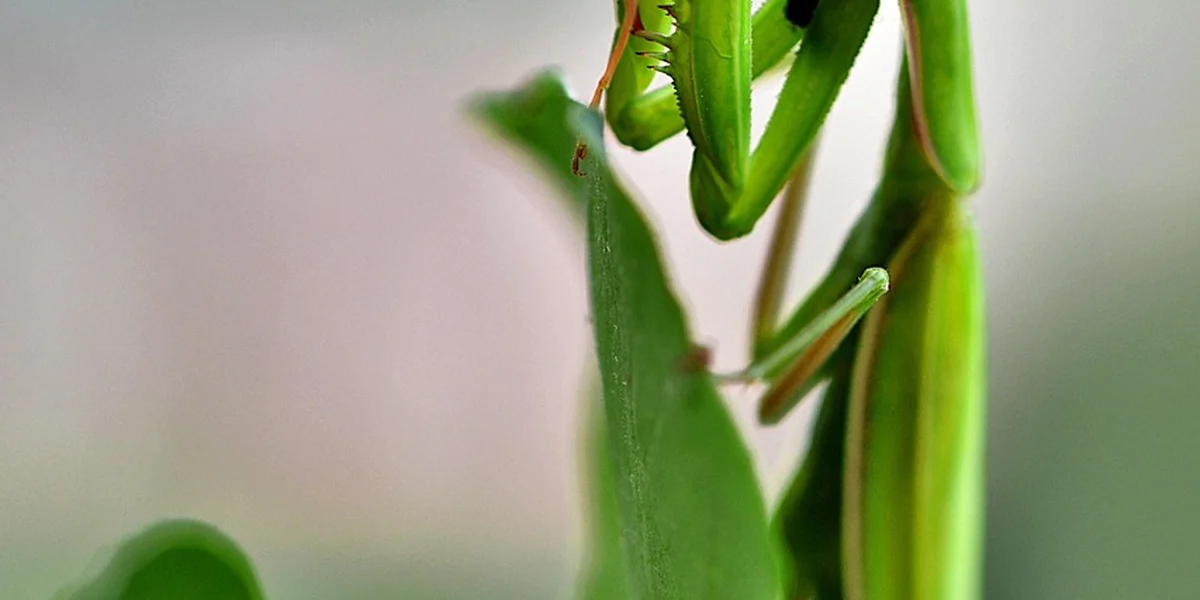
Most nymphs thrive on two small feedings, like fruit flies or pinhead crickets, every three to four days. Watch the abdomen; a slightly plump, rounded shape means they are content. A skinny, tapered abdomen signals hunger.
Our Ghost Mantis, Luna, teaches patience. She observes her fruit flies with a slow, thoughtful tilt before striking. Your mantis’s unique personality will guide you to adjust portions and timing.
- Offer food in the late afternoon or early evening when mantises are most alert.
- Use feeding tongs to place prey gently on the enclosure wall or near the mantis.
- Remove any uneaten live prey after an hour to prevent stress or nibbling on your pet.
- Keep a simple journal: note the date, what was eaten, and your mantis’s energy level.
This routine becomes a quiet dialogue between you and your insect companion.
Early Signs of Growth and Premolt
Around this week, you might notice subtle shifts in behaviour and appearance. These are quiet heralds of growth, a process as fascinating as it is fragile.
Your mantis will eat ravenously for a day or two, then suddenly refuse food. They may seek a high spot and hang motionless, often upside down. The exoskeleton takes on a dull, almost hazy look, and the joints might appear slightly swollen.
When our Giant Asian, Moss, entered premolt, his vibrant green dimmed to a matte jade. He spent a full day perfectly still, like a statue among the leaves. During this phase, your most important job is to do less-disturbance can lead to a fatal fall.
- Stop all handling immediately.
- Mist the enclosure lightly to raise humidity, which softens the old skin.
- Ensure plenty of secure, vertical climbing space for the molting hang.
- Resist the urge to check every few minutes; give them the gift of stillness.
The molting itself is quick, often under an hour. Afterwards, your mantis will be soft, pale, and vulnerable. Leave them be for at least twenty-four hours as their new exoskeleton hardens.
Your First Gentle Interactions
This week, you can begin forming a bond through brief, calm encounters. Start by simply resting your hand, palm up, inside the enclosure for a few minutes each day.
Let your mantis observe you. They may slowly lean forward, testing the air with their antennae. Curiosity, not force, should invite the first step. Move with a slow, steady grace, as if you are part of the scenery.
With our juvenile Orchid Mantis, Sprig, we found success by offering a finger beside her front legs whilst she perched. Always let the mantis initiate contact and climb onto you at their own pace.
- Choose a quiet time of day when your mantis is alert but not hunting.
- Work over a soft surface, like a bed or table, in case of a fall.
- Support their body from below; never grab from above or pinch the thorax.
- Keep sessions short-just two to three minutes is plenty for a first outing.
These moments build a quiet understanding. You are not a handler, but a trusted part of their world.
Weeks Three & Four: Navigating the First Molt
This period is a quiet milestone. Your mantis will prepare for its first molt with you, a fragile and fascinating process. This first shed is a test of your habitat’s safety and your patience, where stillness is the greatest form of care.
The Molting Process: What to Watch For
Molting, or ecdysis, is how your mantis grows. Its hard exoskeleton doesn’t stretch, so it must be cast off to reveal a larger, soft one underneath. The signs are subtle but clear if you know where to look.
You will notice a change in behaviour first. Your once-active nymph may become very still, refusing food for a day or two. A fasting mantis is often a mantis preparing for the immense effort of shedding its skin.
Physically, the abdomen may look plump and the overall colour can appear slightly duller. The most telling sign is when you find your mantis hanging upside down from the lid or a branch, completely motionless. This is the pre-molt stance. Do not disturb it.
The shedding itself is a delicate ballet:
- The Split: The old skin cracks along the back of the thorax, right behind the head.
- The Escape: Slowly, with gentle wiggles, your mantis pulls its entire body-legs, antennae, and all-out of the old casing.
- The Wait: The new exoskeleton is soft and pale. Your mantis will hang, utterly vulnerable, as it pumps fluid to expand its body and the new shell hardens.
My Ghost mantis, Luna, looked like a pale, damp ghost of herself during this time, her usually crisp frills soft and drooping until they firmed up. The entire process, from hanging to being mobile again, can take several hours, and silence is its best companion.
Post-Molt Care for Your Growing Mantis
The hours and days after a molt are critical. Your mantis is soft, clumsy, and incredibly susceptible to falls or injury.
Your immediate focus is humidity. Soft skin needs moisture to harden properly without sticking or deforming. Gently mist the sides of the enclosure with warm water, creating a humid microclimate without spraying your mantis directly. A temporary boost can be achieved by placing a damp (not wet) paper towel on the enclosure floor.
Resist the urge to feed. A mantis cannot hunt with a soft mouth, and prey insects can actually harm it. After a molt, some mantises may fast for several days while the new exoskeleton hardens and they regain energy. Wait at least 24-48 hours after the molt, until the exoskeleton has darkened and hardened completely. You’ll know it’s ready when it starts to groom itself and shows interest in movement again.
Carefully remove the old, papery skin (the exuvia) from the enclosure once your mantis has moved away. It’s a wonderful keepsake to mark this growth. Check your mantis for any signs of a bad molt, such as a bent abdomen or a leg stuck in the old skin—these issues are rare with good humidity but require gentle, informed intervention if they occur. If you notice that your mantis’ wings are deformed after molting, this can indicate a problematic molt or improper humidity. Allow time for the wings to dry and expand, and seek guidance if the deformity persists.
Adjusting Care for a Larger Nymph
Success! Your mantis is now officially one instar older. With new size comes small but meaningful adjustments to its daily life.
First, consider the prey. A larger nymph can handle slightly bigger food. If you were feeding fruit flies, you might now move to small green bottle flies or house flies. The golden rule is that prey should never be larger than the space between your mantis’s front arms, or spiny raptorial forelegs.
Look at your enclosure with fresh eyes. Is there still plenty of vertical climbing space from the floor to the ceiling? Can it hang fully extended for its next molt? If things are getting cramped, it might be time to plan for its next, slightly larger home.
Handling, if you do so, can be gently resumed once the mantis is fully hardened. Let it walk onto your finger; avoid picking it up from above. This post-molt period builds a deeper bond, as you’ve successfully stewarded your pet through its most vulnerable natural cycle. After molting, give it time to harden with minimal handling. Keep the enclosure steady and provide a calm, humidity-friendly environment. Watch as its colours become more vibrant and its movements gain new confidence—a quiet reward for your attentive care.
Week Five and Beyond: Maturing Care Needs
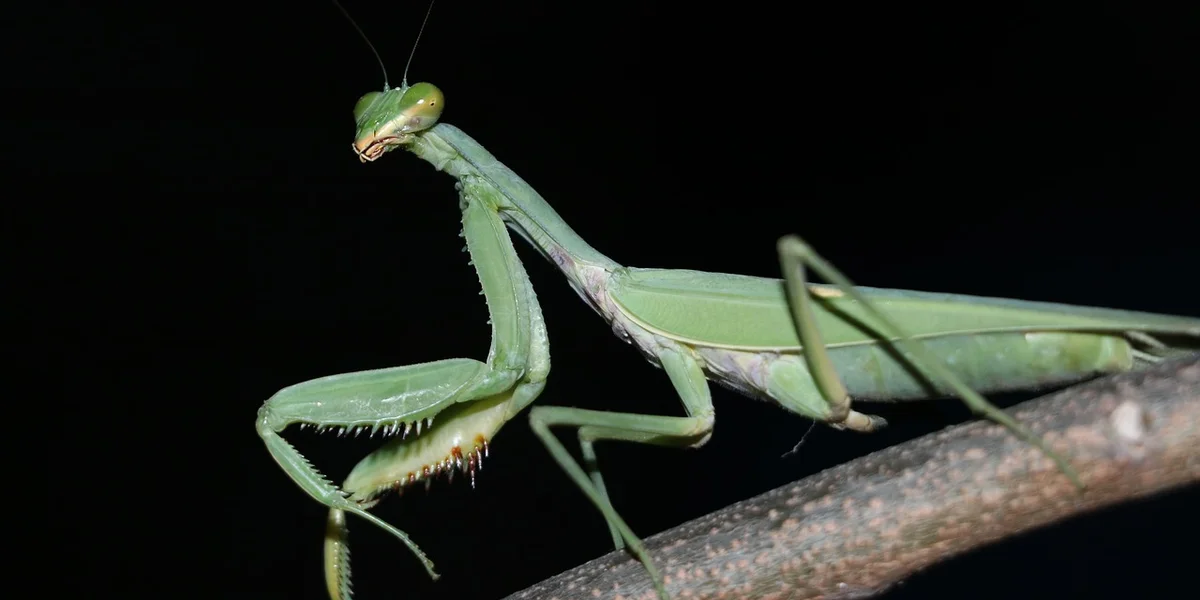
Your mantis is no longer a tiny nymph; it’s entering a spirited juvenile phase where growth feels visible almost daily. As they age, their behavior often shifts—from curious, quick-moving nymphs to more deliberate, territory-aware adults. This period asks for a gentle shift in your routine, focusing on consistent nourishment, a pristine habitat, and keen observation for those first adult traits. We find it a deeply rewarding time, watching personality flourish alongside physical form.
Feeding Your Juvenile Mantis
Appetites increase as your mantis builds mass for its final molts. Offer prey every two to three days, choosing insects about half the size of your mantis’s body length to prevent strain. This is part of a complete feeding schedule you should follow. Keep an eye on growth and adjust frequency as your mantis matures. A varied diet supports robust health-think small crickets, blue bottle flies, or roach nymphs.
Watch for that distinctive hunting stance, a stilled patience followed by a lightning-fast grab. Our Moss, a juvenile Giant Asian at this stage, would perch on a twig for hours, his emerald body poised until a fly wandered too close. Remove any uneaten live prey after a few hours to keep stress low.
- Prey Size Guide: Fruit flies for the smallest juveniles; houseflies or small crickets for larger ones.
- Feeding Frequency: Every 48-72 hours, adjusting if the abdomen looks overly slim or plump.
- Safety First: Source feeders from reputable suppliers to avoid pesticide exposure, a silent risk with wild-caught food.
After a hearty meal, you might notice a contented stillness, a quiet digesting period. This is the perfect moment to check the enclosure’s humidity with a light mist, mimicking a soft morning dew.
Enclosure Maintenance and Deep Cleaning
With more eating comes more waste, making weekly spot-cleaning and a monthly deep clean vital. A clean home prevents mold growth and keeps your mantis feeling secure in its territory. Start by gently coaxing your mantis onto a spare stick or your hand, placing it in a secure, temporary jar with ventilation.
We use a simple solution of white vinegar and warm water for wiping down walls and decor. Rinse every surface thoroughly with clean water and allow it to air-dry completely before returning your mantis-dampness can chill their delicate bodies. Replace substrate like coconut fiber or paper towel to freshen the floor.
- Relocate your mantis to a safe holding container.
- Remove all decor, substrate, and any uneaten prey.
- Wipe the enclosure with a vinegar-water mix (1 part vinegar to 3 parts water).
- Rinse well and dry fully with a clean cloth or air drying.
- Add new substrate and reposition clean decor, ensuring climbing spaces are secure.
For our Ghost Mantis Luna, we time cleans for her quieter days, when she’s less active. Her enclosure gets a wipe-down every Friday, a rhythm that keeps her delicate frills free from debris without causing her stress.
Monitoring Adult Characteristics
Now, look closely for the subtle signs that adulthood is on the horizon. Wing buds become more pronounced on the thorax, looking like tiny folded packets waiting to unfurl. Colours often deepen or change; our Sprig’s pale pinks warmed to a vivid floral hue weeks before her final molt.
Males typically develop longer, feathery antennae and a slimmer abdomen. Females grow broader and stockier, their abdomens preparing for potential egg-laying later on. You’ll notice longer intervals between molts as maturity approaches.
- Visual Cues: Increased size, defined wing pads, more vibrant or stable coloration.
- Behavioral Shifts: Possibly more perchiness or heightened alertness; males may become more restless.
- Molting Watch: Pre-molt signs include refusal of food and hanging still for extended periods. Ensure humidity is slightly elevated then.
This monitoring isn’t just about biology; it’s about connection. Noticing these small changes deepens your bond, turning care into a shared, quiet journey toward adulthood. Keep a simple journal if you like-a note on size, a date of a molt, a change in appetite. These details become a cherished record.
Essential Long-Term Health and Wellness
Looking after your mantis for the long haul is about nurturing a quiet, consistent routine that supports their natural rhythms. Think of it as tending a tiny, living garden where your attentive care helps everything flourish. We will explore how to monitor their health, craft an engaging home, and interact with grace as they reach adulthood.
Routine Health Checks: What Normal Looks Like
Make a habit of observing your mantis during daily feeding or misting times. Familiarity with their usual behaviour lets you spot subtle shifts that might need attention. A healthy mantis should appear alert and coordinated.
Check for these positive signs each week:
- Clear Eyes: Their compound eyes should look shiny and black, not cloudy or sunken.
- Strong Grip: Feet should hold perches securely; a weak grasp can signal weakness.
- Regular Appetite: Most adults take prey eagerly every few days. My ghost mantis, Luna, has a predictable rhythm-she refuses food for a day before molting, then is ravenous afterwards.
- Smooth Exoskeleton: The skin should be intact, without cracks or odd patches. After a molt, it hardens to a firm, vibrant colour within a day.
Note any changes in movement or posture. A mantis that stays low in the enclosure or drags its abdomen might be feeling unwell. Trust your instincts; you become the expert on your specific pet.
Creating a Stimulating Environment
A dynamic habitat prevents boredom and encourages natural behaviours like hunting and exploring. Rotate décor every few weeks to introduce new shapes and climbing challenges. This keeps their minds active and bodies exercised.
Use a mix of natural elements to build a rich landscape. I often add fresh twigs from my garden, baked in the oven to sterilise them, for Moss to investigate. Here’s how to enhance their space:
- Add Height: Install branches at different angles to create a network of pathways.
- Include Textures: Safe materials like cork bark, dried seed pods, or smooth stones offer variety.
- Simulate Cover: A large, clean leaf or a piece of mesh can provide a sense of security and a perch for molting.
Consider the sensory experience of the enclosure. Light misting not only boosts humidity but also brings the earthy scent of damp soil, which seems to calm my mantises. Avoid cluttering the space-allow room for them to stretch and move freely.
Handling Your Adult Pet Mantis
Interaction should always be on the mantis’s terms, focused on their comfort. Approach slowly and let them walk onto your hand voluntarily, using a gentle finger as a bridge. This builds trust without causing stress.
Follow these steps for safe handling:
- Wash your hands with warm water to remove any scents and ensure they are completely dry.
- Guide your mantis onto your hand in their enclosure, avoiding sudden movements.
- Keep handling sessions brief, under five minutes, and always close to a soft surface like a table.
- Return them home if they show signs of agitation, such as rearing up or fluttering wings.
Respect their individual personality. My orchid mantis, Sprig, prefers to observe from a distance, while Moss will readily explore my sleeve. Handling is a privilege, not a requirement, and doing it correctly deepens your connection to their quiet world.
Questions from Fellow Mantis Friends
Where can I find a trustworthy, detailed mantis care sheet in PDF format?
Reputable invertebrate forums and specialist breeder websites often host free, downloadable PDF care sheets. Always cross-reference the information with multiple trusted sources to ensure it’s accurate and up-to-date for your specific mantis species. If you’re new to mantises, start by choosing a beginner-friendly species. Picking a hardy, easy-to-care-for mantis will make it easier to apply the care sheets and establish a healthy setup.
How do I adjust care for a baby mantis during the winter months?
Winter care primarily focuses on combating dry indoor air by monitoring humidity more closely with your hygrometer. You may need to mist more frequently and ensure the enclosure is away from cold drafts while maintaining its gentle heat gradient.
As a total beginner, what is the single most important element of mantis setup?
Beyond the physical supplies, the most critical element is patience and observation during the initial setup phase. Carefully watching your mantis’s behavior will tell you more about its comfort with the temperature, humidity, and layout than any general guide can. Avoid common mistakes when setting up your first mantis habitat. Keep the enclosure appropriately sized and maintain stable temperature and humidity.
Your Mantis Journey Has Just Begun
Caring for your first mantis is a gentle rhythm of quiet observation, misting, and feeding that builds a beautiful, simple routine. By following a weekly schedule, you provide the stability of proper humidity, safe meals, and a secure environment that allows their unique personality to flourish.
This thoughtful care is the foundation of a long, healthy life for your delicate companion. We encourage you to see each day as a chance to learn more, observing the subtle details of their behavior and growing your knowledge alongside your remarkable pet.
Further Reading & Sources
- Mantis Care Sheet | Mantid Forum – Mantis Pet & Breeding Forum
- General Mantis Care – Praying mantis care sheet and feeding
- How to Care for a Praying Mantis : 4 Steps – Instructables
- Terrarium Instructions and Mantis Care
Rowan Hale is a lifelong insect enthusiast who fell in love with mantises for their calm presence, alien elegance, and surprising personalities. After years of keeping and raising a variety of species, Rowan shares practical tips, creative insights, and real-world experience to help others enjoy the quiet magic of mantis care. From setting up the perfect enclosure to understanding their subtle behaviors, Rowan invites readers into a gentle, curious world where every tiny movement feels like a discovery.
First-Time Mantis Owners