
Praying Mantis Habitat Setup: Space, Humidity, and Warmth
Published on: December 4, 2025 | Last Updated: December 4, 2025
Written By: Rowan Hale
Hello, fellow mantis friend. There’s a quiet nobility to watching a mantis in its home, a miniature world of stillness and sudden, precise movement.
A truly healthy mantis needs a habitat that provides just three things: enough space to molt safely, the right humidity to breathe and shed, and consistent warmth to power its elegant machinery.
Getting this balance right feels less like a technical manual and more like learning the rhythm of a tiny, living ecosystem. It’s about creating a space where your mantis can perform its natural behaviours-from the delicate ritual of molting to the patient, statuesque hunt.
Think of these as your core principles for a thriving mantis:
- A tall enclosure for safe climbing and molting.
- Controlled humidity levels, often managed with gentle misting.
- A reliable heat source to create a comfortable temperature gradient.
The Core Foundation: Understanding Your Mantis’s Needs
Think of your mantis’s habitat not as a simple cage, but as a complete, living micro-environment. This small world needs to be safe, stable, and gently stimulating, mimicking the pockets of nature where mantises thrive. It’s the stage for everything from a successful molt to the quiet observation of passing prey. To achieve this, create a naturalistic and safe habitat for your praying mantis.
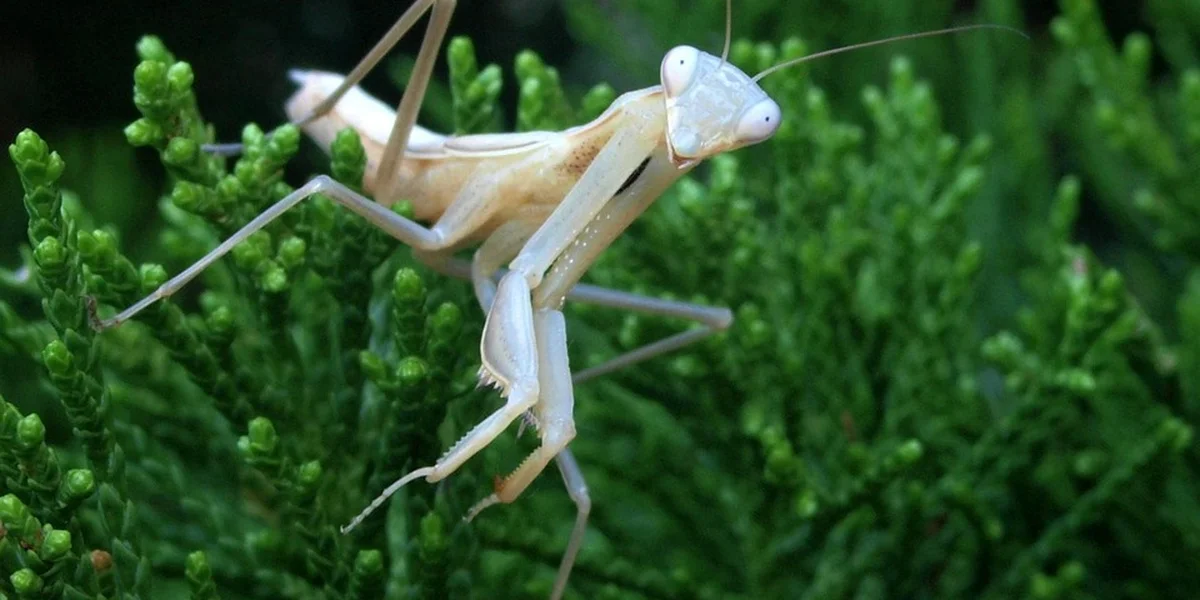
Replicating key natural elements isn’t just about looks; it’s foundational for health. Proper humidity keeps their delicate exoskeleton flexible for shedding, while the right textures and perches support their instinct to climb and hunt. For mental well-being, a few leaves or twigs offer hiding spots, reducing stress and encouraging natural behaviors. My ghost mantis, Luna, always seems more at ease when she can disappear into a frond of artificial foliage, her brown coloring blending perfectly.
A basic “kit” sold for children often prioritizes visibility over comfort. These temporary setups usually lack the vertical space and ventilation a mantis requires for a long, healthy life. A dedicated pet enclosure, in contrast, is designed with your mantis’s biology in mind, transforming a container into a proper home. DIY mantis enclosures can often provide better accommodations than commercial kits.
Choosing and Sizing Your Mantis Enclosure
Finding the Perfect Fit: Enclosure Size and Shape
-
The most reliable rule is to ensure the enclosure height is at least three times the length of your mantis from head to abdomen. This gives them ample room to hang upside-down for molting, which is a non-negotiable need for growth. A cramped space risks a failed molt, which can be fatal.
-
You’ll typically choose between mesh cubes and glass terrariums. Mesh cubes offer superb airflow, preventing stagnant air and mold, which is ideal for species from drier climates. Glass terrariums hold humidity much better, perfect for tropical varieties like orchid mantises, but require more careful ventilation management to avoid condensation buildup.
-
Always run a safety check on materials. Avoid enclosures with toxic sealants or paints, ensure any mesh is fine enough to prevent escapes of tiny feeders, and check for smooth edges that won’t snag delicate legs. The closure must be secure; mantises are clever escape artists.
Where to Find a Suitable Home
-
Purpose-built mantis habitats are available online from specialist invertebrate shops. When browsing product listings, look for clear dimensions, material descriptions, and reviews that mention ventilation and assembly ease. A good listing will often specify which mantis species the enclosure is suited for. For best results, choose enclosures explicitly labeled for your mantis species to ensure the size and features match that species’ needs. This helps prevent enclosure-related stress and supports healthy growth.
-
Creating a DIY habitat has a lovely, personal appeal and can be very budget-friendly. A large, clean mason jar or a clear plastic container with a ventilated lid can become a perfect temporary home for a juvenile mantis. Just add some mesh or fabric for the lid, a few safe sticks, and you have a simple, observable starter space. My first mantis, Moss, lived happily in a converted critter keeper until he outgrew it. As your mantis nymph grows, you can transition to a graduated enclosure system with staged container sizes. This approach helps accommodate molts and keeps the nymph comfortable and easy to observe.
Building the Interior: Substrate, Climbing, and Hiding
The Base Layer: Choosing a Substrate
Think of substrate as the foundation of your mantis’s world, a soft carpet that does more than just look nice. Choosing the right base layer quietly supports their health by managing humidity and providing a safe landing spot for those occasional tumbles. It’s one of those small details that makes a big difference in their daily comfort.
- Purposes of substrate: moisture retention for gentle humidity, cushioning for falls, and natural aesthetics for a calming environment.
- Safe, pesticide-free options: we find coconut fiber (coir) holds moisture well, peat moss is excellent for acidity, orchid bark adds texture, or a simple paper towel for easy cleaning in nymph enclosures.
- What to avoid: steer clear of garden soils with fertilizers or additives like perlite and vermiculite, which can be harmful if ingested during grooming.
For my ghost mantis Luna, a thin layer of coconut fiber in her terrarium helps mimic the damp forest floor she’d naturally find. You can test substrate by feeling it between your fingers-it should be loose, hold a bit of moisture without being soggy, and have that earthy, fresh scent after a light misting.
Furnishing for Fitness and Comfort
Once your base is set, it’s time to craft a three-dimensional playground. Mantises are arboreal creatures, meaning their happiness and physical well-being depend heavily on what they can climb, cling to, and hide behind. Watching them navigate their furnished home is a joy, like seeing a tiny acrobat in its own miniature jungle.
- Primary need: provide an abundance of thin branches, twigs, and stems from safe trees like oak or birch, giving them plenty of options for climbing and, crucially, hanging upside-down securely when it’s time to molt.
- Secondary need: add soft foliage, silk plants, or dried leaves to create cozy hiding spots, which reduce stress and offer visual security, especially for shyer species like orchid mantises.
- Arrangement tips: create a “habitat map” by positioning vertical climbing paths that reach the enclosure top and horizontal perches near the top for basking and observing their territory.
My giant Asian mantis, Moss, spends his mornings perched on a slender hazel twig I positioned diagonally across his tank. We arrange furnishings to allow for a clear molting space underneath the highest perch, ensuring nothing obstructs that vital, delicate process. The soft rustle of leaves when he moves adds a peaceful, natural sound to the room.
Climate Control: Temperature, Humidity, and Light
Maintaining Warmth and Stability
Think of your mantis’s home as a tiny, personal spring meadow-always pleasantly warm, never scorching or chilly. Stability is the secret; sudden changes in heat can be more harmful than a slightly imperfect temperature. If the enclosure gets too cold or too hot, the mantis can become sluggish, refuse to molt, or die from stress. Maintaining a steady temperature helps prevent these problems.
-
For common pet species like Ghost, Giant Asian, or Chinese mantises, aim for daytime temperatures of 72°F to 85°F (22°C to 29°C). Our Ghost mantis, Luna, is content at 75°F, whilst Moss, the Giant Asian, seems most lively when the mercury touches 80°F. A simple digital thermometer placed mid-enclosure gives you peace of mind.
-
Safe heating is about gentle, ambient warmth. We use a low-wattage heat mat attached to the side of the enclosure, never underneath, to prevent uncomfortable hot spots. A small space heater for the room can also work if it maintains a steady temperature without drafts.
-
Avoid temperature swings at all costs. Direct sunlight or a hot desk lamp can create dangerous spikes that stress your mantis and interfere with critical processes like molting. Keep the habitat in a stable room corner, away from windows and direct heat sources.
Mastering Humidity and Hydration
Humidity is the invisible embrace that keeps your mantis hydrated and helps it shed its skin. Getting this right feels less like science and more like tending a miniature, leafy greenhouse.
-
Forget water dishes. We provide all necessary hydration through gentle, daily misting with lukewarm water, creating a fine dew on leaves and mesh for drinking. Watch for your mantis to lean forward and sip-it’s a quiet, rewarding moment.
-
Target humidity levels depend on your mantis’s origin. Orchid mantises like Sprig thrive at 60-70% humidity, while Ghost mantises prefer a drier 50-60%. A small hygrometer is your best friend here, letting you adjust with confidence.
-
When a molt is near, boost humidity carefully. We increase misting to twice daily and sometimes drape a damp, breathable cloth over part of the enclosure to form a temporary humidity tent. This extra moisture softens the old exoskeleton for a clean, safe shed.
The Role of Light and Photoperiod
Light tells your mantis when to hunt and when to rest. They need a reliable rhythm, not special equipment or blazing brightness.
-
Mantises require a consistent day/night cycle, or photoperiod, but do not need UVB lighting. Indirect natural light from a nearby window often provides the perfect, gentle cue for their daily routines. To actively create this day/night cycle for your praying mantis, set a timer to provide a gentle dawn and dusk cue with indirect light. This helps establish predictable routines for feeding and activity. Just ensure the sun’s rays never heat the enclosure directly.
-
In darker spaces, a simple room lamp on a timer works beautifully. We set ours for 12-14 hours of light followed by 10-12 hours of darkness, mimicking the slow turn of the seasons they’d experience in the wild. It’s a set-and-forget system that brings quiet order.
-
Avoid harsh, overhead lights that cause stress. Excessive brightness can make a mantis feel exposed and reluctant to move, so aim for soft, diffused illumination that casts gentle shadows. Think of it as the light under a tree canopy, not a stadium floodlight.
Airflow and Cleanliness: The Invisible Essentials
Think of your mantis’s home as a tiny, living ecosystem where fresh air and a clean space are as vital as food and water. We often focus on what we can see-like branches and leaves-but the health of your mantis hinges on these invisible care pillars.
Ensuring Adequate Ventilation
-
Airflow acts as a silent guardian, whisking away excess moisture that invites mold and the stale air that can stress your mantis’s delicate respiratory system. I learned this with Moss; his energetic climbs seemed sluggish in an enclosure that felt too still, a quick fix with better ventilation restored his lively curiosity.
-
Balancing ventilation with humidity is a gentle dance between mesh and glass. A mesh lid offers excellent air exchange but can let humidity escape, whilst a glass terrarium holds moisture but may trap air. For species like Luna, my ghost mantis who enjoys higher humidity, I use a glass tank with a fitted mesh panel on top-this lets the air move without drying out her leafy world.
-
A simple check involves placing your hand near the enclosure’s vents; you should feel a faint, fresh movement of air, not a stagnant pocket. Another sign is condensation; a slight mist on the glass in the morning is fine, but if it lingers all day, you might need a bit more airflow.
Maintaining a Clean Habitat
-
The weekly spot-clean is a quiet ritual that keeps the habitat healthy and pleasant. Using soft tweezers, gently remove any uneaten insect parts, shed skin, or mantis waste. This prevents bacterial growth and deters pesky fruit flies. I do this for Sprig every Sunday, and it keeps her orchid-pink home pristine.
-
Plan a deep clean every four to six weeks, or right after a final molt, to give your mantis a fresh start. Carefully relocate your mantis to a secure temporary jar. Remove and replace the substrate, then wash decor like sticks and fake plants with warm water-avoid soaps or chemicals. Let everything air-dry completely before reassembling the enclosure.
-
Wipe the exterior glass with a damp, soft cloth and a drop of vinegar for a streak-free view. Clean glass lets you observe those magical moments, like a mantis grooming her antennae or poised in a perfect hunt, without any smudges in the way.
Bringing It All Together: Your Habitat Setup Guide
Setting up a mantis home feels a bit like crafting a miniature forest world—one where every detail supports your insect’s quiet life. Taking it step-by-step removes the guesswork and lets you build a secure, comfortable space right from the start. To avoid common mistakes when setting up your first mantis habitat, keep the enclosure well-ventilated and monitor humidity. With these basics in place, your mantis will have a stable, thriving home.
-
Step 1: Assemble your empty, clean enclosure in its permanent, draft-free location.
Choose your spot before you add anything inside. A quiet corner away from vents, doors, and direct sun is perfect. A draft-free zone prevents your mantis from getting chilled, which is vital for digestion and a smooth molt. Give the empty tank a wipe with a damp cloth to clear any dust; I always do this for Luna’s terrarium to keep her delicate world pristine.
-
Step 2: Add your chosen, slightly dampened substrate to the bottom.
Take a handful of coconut fibre or orchid bark and mist it until it feels like a wrung-out sponge-damp to the touch but not dripping. This lightly damp base acts as a gentle humidity reservoir without risking soggy conditions that could invite mold. Spread an inch or two across the floor; that earthy, fresh scent is the first sign your habitat is coming alive.
-
Step 3: Securely anchor your main climbing branches, ensuring they reach the top.
Mantises spend most of their time climbing and hanging, especially before a molt. Use cork bark or sterilised twigs, and press them firmly into the substrate or attach them with aquarium-safe glue. Your main branch should touch the enclosure ceiling, giving your mantis a high perch to survey its domain and a secure anchor point for shedding its skin. I watch Moss, my Giant Asian, test every new branch with careful steps.
-
Step 4: Add secondary foliage and hiding spots, but avoid overcrowding.
Silk or live plants like pothos add visual breaks and offer shy moments. Tuck in a piece of curved bark or a small foliage cluster for cover. Think of it as creating little nooks for privacy, not a dense jungle that makes hunting or movement difficult. Leave open spaces for your mantis to stalk prey and stretch its legs freely.
-
Step 5: Install your thermometer and hygrometer, then add your heat source if needed.
Place your monitors at mantis-level, on the side or back wall. For species like Orchid Mantids that need extra warmth, a small heat mat on one side of the enclosure works well. Always place any heat source on the outside of the tank to prevent accidental burns and create a gentle temperature gradient. This lets your mantis choose its comfort zone, much like Sprig seeks out warm spots under her lamp.
-
Step 6: Introduce your mantis gently, allow it to settle, and begin your misting routine.
Let your mantis walk from your hand onto a branch, avoiding any grabs or pokes. Close the lid and give it a good hour of quiet. Then, with a fine spray bottle, mist one side of the enclosure lightly to form dew-like droplets for drinking. This first mist marks the start of your daily care rhythm, a quiet moment that helps your new friend feel at home.
FAQs on Mantis
What is a praying mantis habitat kit?
A praying mantis habitat kit is a pre-packaged set designed for easy setup, often including a small enclosure and basic decor. These kits are convenient for beginners but typically lack the height and ventilation essential for a mantis’s long-term health and molting needs. There are different types of praying mantis enclosures, from tall mesh habitats to glass terrariums. The best choice depends on the species, size, and your ability to maintain humidity and ventilation.
What is a praying mantis habitat for kids?
A praying mantis habitat for kids is simplified for educational use, focusing on visibility and short-term observation. However, it usually falls short on providing adequate space for climbing and proper humidity control, making it unsuitable for permanent pet care. That naturally leads to the broader question of whether praying mantises are good pets. A concise pros-and-cons explanation helps families decide if they fit their classroom or home needs.
Where can I buy a praying mantis habitat?
You can purchase dedicated mantis enclosures from online specialty shops that cater to invertebrate pets and exotic keepers. For more budget-friendly options, consider checking local pet stores or sourcing materials for a DIY setup from craft or hardware stores. If you enjoy hands-on projects, you can also create a mantis enclosure from everyday materials at home. Repurposed items like clear plastic bins or mesh containers can serve as a budget-friendly DIY enclosure.
Crafting a Comfortable Home: Key Takeaways
Focus on a secure, ventilated enclosure that maintains steady warmth and gentle humidity to support your mantis’s basic health. Adding climbing branches, safe foliage, and hiding spots creates a enriching environment that minimizes stress and encourages natural behaviors like hunting and molting.
Owning a mantis is a gentle partnership that deepens with your attentive care and willingness to learn. We always keep an eye on our own mantises, like Moss with his curious explorations, and find that staying curious about their subtle cues is the heart of good keeping.
Further Reading & Sources
- How to Set up a Praying Mantis Habitat (Step-by-Step) – Insect Keeper
- 3 Ways to Make a Praying Mantis Habitat – wikiHow
- How to make a habitat for a praying mantis – USMANTIS
- How to Care for a Praying Mantis : 4 Steps – Instructables
Rowan Hale is a lifelong insect enthusiast who fell in love with mantises for their calm presence, alien elegance, and surprising personalities. After years of keeping and raising a variety of species, Rowan shares practical tips, creative insights, and real-world experience to help others enjoy the quiet magic of mantis care. From setting up the perfect enclosure to understanding their subtle behaviors, Rowan invites readers into a gentle, curious world where every tiny movement feels like a discovery.
Temperature and Humidity