
Your First Pet Mantis: A Week-by-Week Care Guide for New Owners
Published on: December 6, 2025 | Last Updated: December 6, 2025
Written By: Rowan Hale
Hello, mantis friend! Picture a slender green form waiting on a branch, so still it seems part of the leaves, with eyes that watch your every move like tiny, curious planets. Bringing a pet mantis home is an invitation into a world of quiet wonder and gentle routine.
This guide offers a clear, week-by-week path to care for your new mantis, blending practical steps with the calm reassurance of hands-on experience.
Caring for a mantis is simple but precise, with details like the humid breath of a morning misting or the timing of a molt that shape their well-being. With a little attention, you can create a thriving mini-habitat where your mantis feels secure and content.
In the coming weeks, you will focus on a few key areas:
- Week One centers on habitat: setting up an enclosure with proper ventilation, perches, and humidity levels.
- Weeks Two and Three establish routine: feeding live prey like fruit flies and observing your mantis’s behavior closely.
- Beyond that, you will learn ongoing care: from handling with care to spotting the signs of a healthy molt.
Before Week One: Preparing Your Mantis’s Home
Your mantis’s arrival is a quiet thrill, but its success hinges on the home you build first. A perfectly prepared enclosure is the single greatest gift you can give your new pet, turning potential stress into instant comfort from the moment they arrive. For breeders, the enclosure lays the groundwork for a healthy breeding setup. We’ll show you how to set up a perfect breeding enclosure for mantises, with tips on space, ventilation, and humidity to support mating and egg production. We’ll walk through every element, from the foundation up, so their new world is a haven of stability.
Choosing the Right Enclosure and Foundation
Think of the terrarium as your mantis’s entire universe – it needs to be secure, breathable, and appropriately sized. For most beginners, a simple mesh or acrylic cage designed for invertebrates is the most reliable starting point, offering the visibility and ventilation a mantis craves. When choosing between glass and mesh, consider airflow and containment. Glass preserves humidity and is easy to clean but can limit ventilation; mesh gives better airflow but requires caution to prevent escapes. Glass jars can work in a pinch for very young nymphs, but proper cross-ventilation is non-negotiable for long-term health.
Terrarium Size and Ventilation Essentials
Size is less about floor space and everything about height. A mantis needs room to hang upside-down to molt successfully. A good rule is an enclosure at least three times the mantis’s length in height and twice its length in width. For a young nymph, a 12-ounce deli cup with a mesh lid is perfect; an adult may need a 12-inch tall terrarium.
Ventilation prevents the stale, damp air that breeds mold and bacteria. Look for enclosures with mesh panels on at least two sides, not just the top, to create a gentle cross-breeze that mimics natural air flow. This constant refresh keeps the climate healthy without drastic dries or soaks.
Substrate Options: From Coco Peat to Paper Towels
The floor of your enclosure manages moisture and aids cleaning. Here are the most common choices:
- Coco Peat (Coir): Our top recommendation for its natural look and excellent humidity retention. It’s a loose, earthy substrate you lightly dampen. It feels like forest floor underfoot and helps maintain stable moisture levels. Just ensure it doesn’t stay soggy.
- Paper Towels: The ultimate simple, hygienic option. Lay down two sheets, mist them lightly. You can see everything-droppings, leftover prey-making spot-cleaning a breeze, especially during the first delicate weeks.
- Sphagnum Moss: A beautiful, moisture-wicking option you can place in clumps. It holds humidity wonderfully and gives a naturalistic feel, but it can be trickier to clean thoroughly.
Start with paper towels for week one for simplicity, then consider switching to coco peat once you’re in a routine.
Creating the Perfect Climate
Mantises are ectotherms, relying on their environment to regulate body temperature. Your goal isn’t to replicate a specific jungle, but to create a stable, gentle gradient within their home where they can find their comfort zone. This is achieved with two simple tools: a heat source and a mister.
Ideal Humidity and Temperature Ranges
Needs vary slightly by species, but here’s a safe baseline for common beginner mantises like the Giant Asian or Ghost mantis. These essential habitat requirements help ensure a healthy praying mantis.
| Life Stage / Species | Daytime Temperature | Nighttime Drop | Humidity Level |
|---|---|---|---|
| Nymph (All Species) | 22°C – 26°C (72°F – 79°F) | Can drop to 18°C (64°F) | 60% – 70% |
| Adult (Tropical) | 24°C – 28°C (75°F – 82°F) | Can drop to 20°C (68°F) | 50% – 60% |
| Adult (Temperate) | 20°C – 24°C (68°F – 75°F) | Can drop to 16°C (60°F) | 40% – 50% |
Notice the need for a slight nighttime temperature drop-this natural cycle is vital for their metabolism and overall well-being.
Simple, Low-Cost Monitoring Tools
You don’t need a lab. A small, adhesive thermometer/hygrometer combo placed at mid-height in the enclosure is perfect. For heat, a small under-tank heat mat placed on one side only creates that essential warm-to-cool gradient. Never place the heat mat inside or on top of the cage, as this can cause severe burns.
For humidity, a clean spray bottle with lukewarm water is your best friend. A light misting once, sometimes twice, daily that gently beads on the walls is far better than one heavy drenching that soaks the substrate. Watch your hygrometer-if it reads high, skip a misting; if low, add a light spritz.
Week One: Acclimation and First Introductions
The first seven days are a quiet dance of observation and gentle routine. Your primary job this week is not to interact, but to provide unwavering consistency, allowing your mantis to map its new territory in peace. Resist the urge to handle them; let security blossom from predictable care.
Safe Arrival and Initial Handling
When the post arrives, bring the package inside immediately. Follow these steps for a smooth transition:
- Unpack in a small, enclosed room like a bathroom to prevent escapes if startled.
- Open the shipping container slowly next to the prepared, open enclosure.
- Gently tip the contents, allowing the mantis to walk out on its own onto a stick or the enclosure wall. If needed, use a soft paintbrush to coax them.
- Secure the lid and simply observe. They may spend hours motionless, recalibrating-this is completely normal and a sign they are processing their new surroundings.
Limit any handling to absolute necessity, using your hands as a slow-moving bridge, not a grabbing tool.
The First Feedings: Prey Size and Frequency
A hungry mantis is a healthy mantis, but overfeeding is a common beginner misstep. Prey should never be larger than the space between your mantis’s eyes—this prevents injury and ensures they can successfully capture and consume it. For tiny nymphs, this means microscopic meals. Power feeding can stress a nymph and disrupt molts. Stick to tiny, frequent meals to avoid these dangers of overfeeding mantis nymphs.
Identifying and Sourcing Prey Insects
Live prey is non-negotiable; it triggers their hunting instinct. Here are the best starters:
- Flightless Fruit Flies (Drosophila hydei or melanogaster): The staple for nymphs. You can buy a cultured cup online. They’re harmless, easy for the mantis to catch, and nutrient-rich.
- Pinhead Crickets: Newly hatched crickets are another good option. Source them from reputable suppliers to ensure they are gut-loaded (fed nutritious food) and free of pesticides.
- Green Bottle Fly Spikes: You can refrigerate the pupae and hatch out flies as needed. They provide excellent movement to stimulate feeding.
Avoid wild-caught insects, which can carry parasites or chemical residues.
Establishing a Week One Feeding Routine
Start 24-48 hours after arrival, allowing them to settle. A sample schedule for a nymph:
- Day 1-2: Settlement period. No food, just misting.
- Day 3: Introduce 2-3 fruit flies into the enclosure in the early evening, when mantises are most active.
- Day 5: Observe their abdomen. If it looks plump, wait. If slim, offer another 2-3 flies.
- Day 7: Offer another small feeding, again based on abdomen size.
Always remove any uneaten live prey after 24 hours, as roaming crickets or flies can stress or even nibble on a molting mantis. Watch for that distinctive, deliberate strike-it’s a sure sign your care is building a confident hunter.
Weeks Two and Three: Routine, Growth, and Watchful Eyes
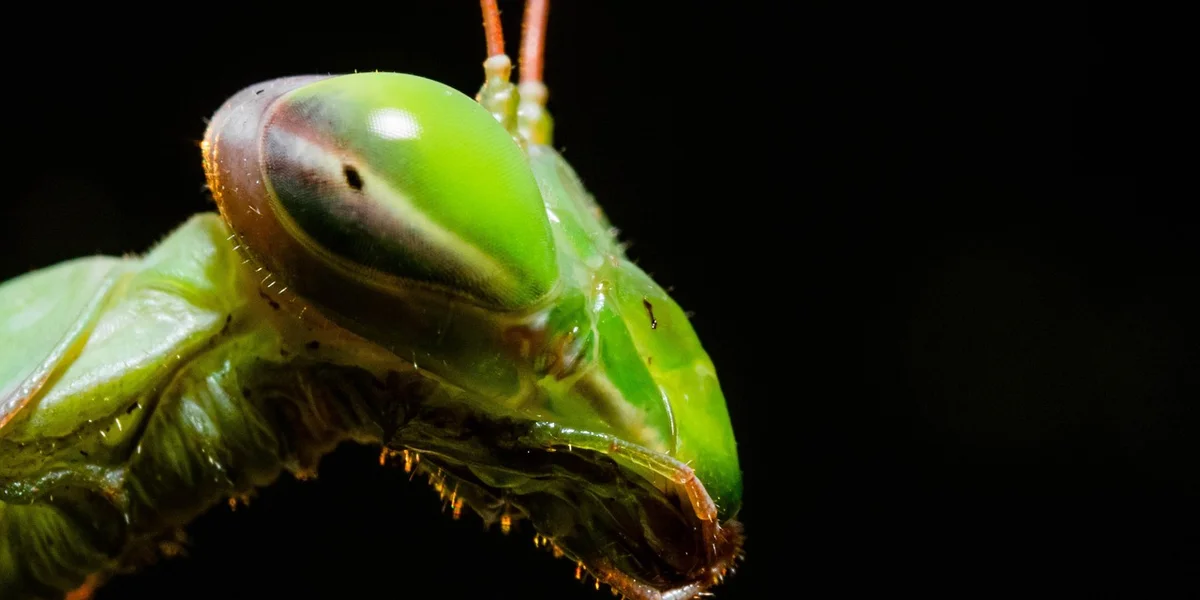
These weeks are where the magic of connection and rhythm truly begins. Your mantis is settling in, and you are finding your stride as a keeper. This period is about building a predictable, gentle routine that supports their quiet growth and prepares you for one of nature’s most fascinating processes: the molt.
You will notice subtle changes in appetite and activity, tiny clues that speak volumes about their wellbeing. We will focus on adjusting care, watching for those clues, and adding simple touches to their world.
Fine-Tuning Your Care Schedule
Your initial cautious routine can now evolve in sync with your mantis’s development. Consistency is your greatest tool for building a mantis’s confidence and health.
Think of it like tuning an instrument-small adjustments create a harmonious environment. A steady, predictable schedule reduces stress for your mantis, making them more likely to perch openly and display natural behaviors.
Here is a simple comparison of how your routine might shift from that careful first week into the more established rhythm of week three.
| Care Aspect | Week One (Acclimation) | Weeks Two & Three (Establishment) |
|---|---|---|
| Feeding | Small, frequent meals (e.g., pinhead crickets, flightless fruit flies). Offering food daily to gauge appetite. | Larger prey offered every 2-3 days (e.g., small crickets, houseflies). Portion size matches the width of the mantis’s thorax. |
| Misting | Light, cautious misting once daily to provide drinking water without over-humidifying. | Misting once daily, but observing enclosure dryness. You may lightly spray a second time if the substrate feels dry or before a suspected molt. |
| Observation | General health checks: Is it moving? Drinking? Perched securely? | Targeted observation: Monitoring abdomen plumpness, watching for pre-molt behaviors, noting favorite perches. |
| Enrichment | Minimal disturbance; letting the mantis explore its basic setup. | Introducing one new, safe element weekly: a freshly cut branch, a new silk leaf, or moving a feeder to a different spot to encourage gentle exploration. |
Recognizing Healthy Development and Early Molt Signs
A growing mantis will shed its skin, or molt, several times before reaching adulthood. This is a vulnerable and critical time. Learning to recognize the signs of an approaching molt is the single most important skill you will develop in these early weeks. Watch for the earliest signs of molting trouble, such as a drop in appetite, lethargy, or refusal to move. If you notice a molt stall or the insect becoming stuck, address it promptly to reduce risk.
Your mantis will tell you it is preparing, not with sounds, but with a clear shift in its demeanor and appearance. Spotting these cues allows you to create the perfect, undisturbed conditions for a successful shed.
Behavioral Changes: Appetite Loss and Lethargy
Do not be alarmed if your once-eager hunter suddenly ignores a plump cricket wandering right past its claws. A sharp decrease in appetite is one of the most reliable early warnings.
This fasting is completely normal; their body is preparing for the complex work of splitting and wriggling out of the old exoskeleton, and a full abdomen can complicate that process.
You might also see a noticeable slowdown. My ghost mantis, Luna, becomes almost statuesque in the days before a molt, choosing one high perch and staying there for hours, moving only with a slow, deliberate grace. This conservation of energy is a wise strategy, not a sign of illness.
Physical Cues: Plum Color and Restlessness
Look closely at your mantis’s body. In the final day or two before the molt, the old exoskeleton may appear slightly dull or cloudy. The wings buds on nymphs can look swollen and more pronounced. These changes are among the most reliable signs that a molt is imminent. Recognizing them helps you prepare for the molt and protect your mantis during this vulnerable time.
Some mantises, particularly younger nymphs, take on a slightly “plump” or rounded appearance as they fill with fluid to help pressure the old skin open. You may then see a short phase of restless climbing, as the mantis seeks the perfect, secure hanging spot from which to dive into its transformation.
This is your signal to ensure the humidity is a touch higher and to double-check that the enclosure has plenty of stable anchor points at the top. A simple piece of mesh or a sturdy twig reaching the ceiling can make all the difference. My giant Asian mantis, Moss, always chooses the highest possible point, hanging upside-down from the mesh lid like a tiny green acrobat waiting for the curtain to rise.
The First Molt: A Delicate Transition
Watching your mantis prepare for its first shed is a mix of awe and quiet anxiety, a natural rite of passage that feels profoundly personal. This isn’t merely a growth spurt; it’s a complete physiological overhaul where the insect you know temporarily dissolves its outer form to emerge anew. We recall Moss, our energetic Giant Asian male, transforming into a still, emerald pendant for three days before his final adult molt.
Navigating this period successfully means understanding the signs, preparing the space, and mastering the art of doing nothing. Your calm, prepared presence is the greatest gift you can offer during this fragile time.
Understanding the Molting Process
Imagine wearing a plaster cast that suddenly becomes too small; molting is your mantis’s only way to escape that rigid shell. They build a new, soft exoskeleton underneath the old one, then split it open and carefully step out. The process is driven by hormones and requires a precise balance of humidity and stillness.
It’s rather like a butterfly emerging, but with far more intricate legs and arms to extricate without a single tear. If the old skin is too dry or the mantis is disturbed, it can become trapped, leading to life-long mobility issues.
Creating a Safe Molting Environment
In the days leading up to the molt, your focus shifts from general care to creating a perfect, secure nursery. Small adjustments to humidity and furniture make the difference between a smooth shed and a stressful struggle. Follow these steps once you notice your mantis refusing food and becoming lethargic.
- Gradually increase enclosure humidity. Begin lightly misting with warm water twice daily to soften the old exoskeleton, making it easier to split.
- Verify all climbing surfaces are secure and textured. Your mantis needs to hang upside down from a sturdy perch, so check branches and mesh are firmly attached.
- Eliminate potential disturbances. Move the habitat to a quiet corner, away from drafts, direct sunlight, and household vibrations like loud music or slamming doors.
Humidity Spikes and Perfect Perches
A slight, temporary boost in moisture is the secret to a clean split. You can create a gentle humidity spike without making the entire enclosure damp and chilly. For our Ghost mantis Luna, we’d place a small cup of very warm water inside her terrarium for an hour, watching the mist rise around her like a private cloud.
- Drape a slightly damp, breathable cloth over part of the enclosure lid for a few hours.
- Use a fine-mist sprayer to target the air around your mantis’s favourite hangout, avoiding spraying them directly.
- A damp sphagnum moss patch placed in a corner releases moisture slowly and provides a soft landing spot just in case.
The right perch is just as critical as humidity. Look for branches with a rough bark or twists that offer multiple gripping angles for tiny tarsi. Sprig, our Orchid mantis, always sought out the slender, knobbly vine in her home, which gave her plenty of purchase for her delicate grip.
What to Do (and Not Do) During the Molt
When the molt begins, your mantis will hang motionless, then slowly arch its back as the old skin splits. This is the moment for absolute stillness on your part-no photos, no poking, just patient observation from a distance. Any sudden movement or sound can cause a fatal fall.
- Do not handle your mantis for at least 24 hours before you suspect a molt and for 48 hours after it completes. Their new body is soft and easily deformed.
- Do not offer food. Prey insects can harass or even injure a molting mantis. Remove any live food well in advance.
- Ensure a quiet, dim environment. Draw the curtains if needed and resist the urge to check on them every few minutes. Trust the process.
A successful molt concludes with your mantis hanging limply, then gradually pumping fluid into its new limbs to expand them. You’ll witness a slow, beautiful unfurling as it rests, allowing its new exoskeleton to harden into a protective suit. Once it starts grooming its antennae and moving with confidence, you can breathe a sigh of relief and return to normal care routines, knowing you’re providing the best care for a praying mantis after molting.
Navigating Common Hurdles in Early Mantis Care
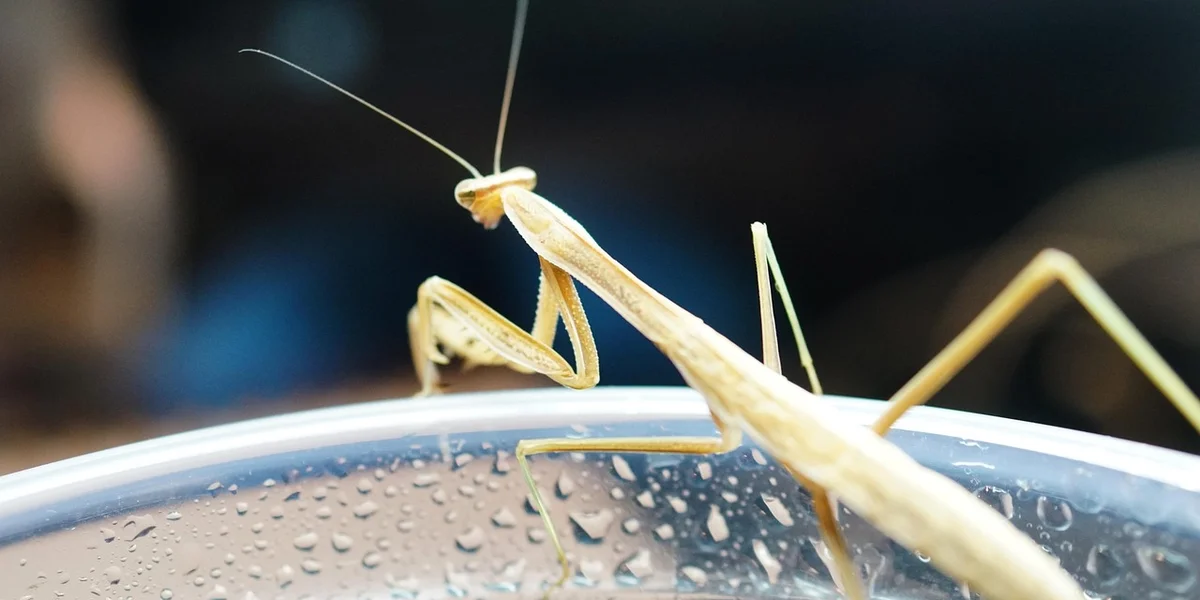
Even with the best setup, your new companion might face a small challenge or two. Seeing your mantis act differently can be worrying, but most early issues have straightforward, gentle solutions that you can handle at home. We will walk through some common scenarios, from picky eating to a dusty enclosure, giving you the confidence to be your mantis’s best caretaker.
Feeding and Hydration Troubleshooting
When your mantis turns away from food or seems listless, it’s easy to fear the worst. More often than not, the cause is a simple mismatch between their needs and what we’re offering, or a sign of a natural process like molting. Use this table to quickly match symptoms with likely causes and calm, effective actions. For a comprehensive approach, check out The Ultimate Mantis Health Troubleshooting Checklist.
| Symptom | Potential Cause | Action to Take |
|---|---|---|
| Ignoring or fleeing from prey | Prey is too large or active; mantis is in pre-molt (about to shed skin). | Offer a smaller, quieter insect like a fruit fly. Check for a plump, opaque abdomen and stillness-signs of an impending molt. Remove live prey and wait. |
| Striking but not eating prey | Prey might be unpalatable or the mantis is simply not hungry. | Try a different feeder insect species. If the mantis has a nicely rounded abdomen, it may just be full. Remove uneaten prey after 15-20 minutes. |
| Not drinking from droplets | Droplets are too large or placed poorly; enclosure humidity is too high. | Mist the sides and leaves in very fine droplets, not directly on the mantis. Ensure the enclosure has good air flow to prevent stuffiness. |
| Constantly hanging at the water dish | Severe dehydration; the enclosure environment is too dry. | Gently mist the enclosure more frequently. Offer a drop of water on a clean paintbrush tip near its mouth for immediate relief. Review your humidity levels. |
Enclosure and Health Concerns
A clean and safe home is the foundation of good health. Small problems like mold or mites can appear quickly, but with regular observation and gentle maintenance, you can keep your terrarium a fresh, healthy ecosystem. A little spot-cleaning during your daily check-in makes a world of difference.
Dealing with Common Pests and Mold
Spotting tiny, moving specks or a fuzzy white patch can be alarming. These intruders often come in with feeder insects or moist, decaying matter, but they are manageable without harsh chemicals. The goal is to reset the balance without stressing your mantis.
- For soil mites or grain beetles: Remove any uneaten prey immediately. Take out all décor and substrate. Wash the enclosure with warm water and a drop of dish soap, rinse thoroughly, and bake the substrate in the oven at 120°C for 30 minutes to kill any eggs. Rehouse your mantis temporarily in a clean, ventilated container.
- For fuzzy white mold: Increase ventilation slightly. Use a cotton swab dipped in a diluted vinegar solution (one part vinegar to three parts water) to spot-treat the moldy area on décor, then wipe with a water-dampened swab. Replace moldy substrate promptly.
- Prevention is key: Remove frass (droppings) and old food remains every other day. Ensure your substrate is damp but not soggy, and that your enclosure has both humid and drier areas.
Responding to Minor Injuries and Stress
A fall during a misting or a mismolted, bent limb can happen. Mantises are resilient, and creating a quiet, simplified recovery space gives them the best chance to heal naturally. My mantis Moss once took a tumble and spent a week in a soft-lined jar before climbing perfectly again.
- Secure a recovery space: Move the injured mantis to a smaller, well-ventilated container lined with paper towel or a soft cloth. Include just one or two easy-to-grip sticks placed low to the ground.
- Minimize stress: Keep this recovery container in a quiet, dim area. Limit handling and offer food only with soft-tipped tweezers, holding it very still right in front of them.
- Support hydration and molting: Gently mist the sides of the recovery container daily. If the mantis is due to molt again, the next molt can often completely correct a bent limb. Ensure humidity is perfect to ease this process.
- Practice patience: Healing takes time in the insect world. Observe daily for signs of improvement, like resumed grooming or interest in food, which are positive indicators of recovery.
Enrichment and Gentle Bonding Beyond the Basics
Once feeding and misting feel routine, we open the door to the deeper, quieter joys of companionship. Enrichment and gentle bonding transform basic care into a shared rhythm, helping your mantis thrive through each growth stage into adulthood. This phase is about reading their subtle cues, crafting a stimulating home, and celebrating the unique individual in your care.
Safe Handling and Building Trust
Handling is less about holding and more about inviting. A positive approach builds trust slowly, turning potential stress into calm connection. Follow this numbered guide for gradual, respectful sessions that put your mantis at ease.
- Start by sitting calmly near the enclosure for a few minutes each day, letting your mantis grow accustomed to your presence without direct interaction.
- Gently open the habitat and offer the back of your hand or a soft paintbrush as a stationary platform, allowing them to step onto it voluntarily.
- Keep initial sessions brief-just two to three minutes-and always handle them over a soft surface like a bed or table in case of a fall.
- Read their body language closely: relaxed antennae and slow movements mean comfort, while a defensive stance with raised forearms means stop immediately.
- Always end by guiding them back onto a familiar branch or leaf inside their home, reinforcing it as a safe haven.
With my ghost mantis Luna, I learned to wait for her characteristic head tilt-a silent yes-before she would gracefully climb aboard.
Adding Enrichment to the Terrarium
A dynamic habitat prevents boredom and encourages natural behaviors. Simple, rotating elements keep your mantis mentally engaged and physically active. Introduce pesticide-free branches for climbing, dried oak or beech leaves for hiding, and silk flowers for visual texture.
Change one or two items every fortnight to spark curiosity. This gentle rotation mimics natural micro-changes in their environment, much like how my giant Asian mantis Moss would investigate a new twig with immediate fascination. Ensure all materials are rinsed with warm water and thoroughly dried to maintain a clean, mould-free space.
DIY Enrichment Ideas from Household Items
Creating a stimulating space doesn’t require a trip to the shop. Many everyday items can be repurposed into safe, engaging fixtures with a little creativity. Here are a few cost-free ideas to try.
- Transform a clean, dry jam jar into a secluded hide by placing it on its side and partially burying it in substrate.
- Weave natural jute or cotton string between enclosure frames to create a custom climbing web.
- Use sections of a bamboo placemat, cut to size, as versatile platforms or leaning ramps.
- Arrange smooth, boiled river stones in a corner to create a basking area that holds gentle warmth.
Always avoid painted, plasticky, or aromatic materials that could off-gas or be nibbled on.
Observing Your Mantis’s Unique Personality
Daily observation is the heart of mindful keeping. Spending five quiet minutes watching your mantis reveals a world of individual preference and character. Note their favourite perch-is it the highest point or a shaded leaf? Watch their hunting style: a patient ambush or an active pursuit?
Keep a small notebook to jot down these details. These patterns help you anticipate needs, like when they seek solitude and stillness before a molt. My orchid mantis Sprig, for instance, has a particular fondness for feeding in the late afternoon, a routine that now shapes our day. This attentive watching turns care into a quiet, reciprocal dialogue.
Questions from Fellow Mantis Friends
Where can I find a PDF care sheet for praying mantises?
Reputable invertebrate specialty websites and enthusiast breeding forums often offer downloadable PDF care sheets for specific mantis species. These resources are excellent for printing a quick-reference guide to supplement the detailed, week-by-week approach in this article. To tailor feeding routines, a praying mantis feeding schedule species comparative guide can help you compare prey types and feeding frequencies across species. Used alongside the care sheets, it makes it easier to adapt the week-by-week plan to your mantis’s specific needs.
How do you care for baby praying mantises in winter?
Caring for nymphs in winter primarily involves maintaining stable indoor temperatures and humidity, as dry, heated air can be challenging. You may need to mist more frequently and ensure the enclosure is away from cold drafts while using a small heat mat to maintain the necessary gentle warmth.
What is the care and setup for a praying mantis for beginners?
A beginner’s setup focuses on a properly ventilated enclosure, safe substrate, and creating a stable climate with simple tools like a spray bottle and thermometer. The core routine involves feeding appropriately sized live prey and providing diligent observation, which is fully detailed in the weekly stages of the main guide.
Your Gentle Path Forward with a Pet Mantis
Stick with that steady, week-by-week rhythm of checking humidity, offering food, and simply watching-this consistent care builds a foundation where your mantis can truly thrive. By tuning into the small details, like the quiet way my Ghost Mantis Luna prepares to molt or the eager hunt of Moss the Giant Asian, you learn to anticipate your own mantis’s needs before they become problems.
Keeping a mantis is a quiet promise to provide a safe, enriching micro-habitat for its entire life, a responsibility that deepens the bond you share. A key part of that promise is creating a naturalistic, safe habitat for your praying mantis. You can tailor the enclosure with real plants, safe substrate, and appropriate perches to resemble its wild home. Let your curiosity grow alongside your mantis, perhaps by noting its unique behaviors or gently researching species-specific traits, as each discovery makes you a more attentive and confident keeper.
Further Reading & Sources
- Mantis Care Sheet | Mantid Forum – Mantis Pet & Breeding Forum
- General Mantis Care – Praying mantis care sheet and feeding
- How to Care for a Praying Mantis : 4 Steps – Instructables
- Terrarium Instructions and Mantis Care
Rowan Hale is a lifelong insect enthusiast who fell in love with mantises for their calm presence, alien elegance, and surprising personalities. After years of keeping and raising a variety of species, Rowan shares practical tips, creative insights, and real-world experience to help others enjoy the quiet magic of mantis care. From setting up the perfect enclosure to understanding their subtle behaviors, Rowan invites readers into a gentle, curious world where every tiny movement feels like a discovery.
First-Time Mantis Owners