
Are Praying Mantises Good Pets? A Keeper’s Balanced Perspective
Published on: December 2, 2025 | Last Updated: December 2, 2025
Written By: Rowan Hale
Hello fellow mantis friend, picture the quiet grace of a praying mantis perched on a branch, its green form blending into the leaves like a living sculpture. From my own terrarium, watching Luna, my Ghost Mantis, tilt her head with thoughtful curiosity reminds me why these insects captivate so many.
Yes, praying mantises can be wonderful pets for the right person, offering a unique, low-maintenance window into insect behavior, but they are not traditional companions and demand specific care.
We find the answer is beautifully nuanced, depending entirely on what you seek in a pet. It’s a choice that blends simple joys with precise responsibilities.
To guide your thinking, here are the core insights we’ll explore in detail:
- Praying mantises are cost-effective and need minimal space, perfect for apartments or small rooms.
- Their lifespans are brief, typically several months to a year, which shapes the keeper’s experience.
- Care requires attention to humidity, temperature, and a steady supply of live feeder insects.
- Observing their molting, hunting, and quiet presence offers deep, educational rewards.
The Quiet Charm: What Makes a Praying Mantis a Fascinating Pet?
Owning a praying mantis is less about play and more about peaceful observation. Their world unfolds in slow, deliberate motions, offering a calming counterpoint to our busy lives. You might find yourself captivated by the gentle way they sway in a breeze, or the sudden, electric snap of a foreleg capturing prey. These traits—triangular heads with forward-facing eyes, flexible necks, and raptorial forelegs—are what make praying mantises so special.
Forget the noise and mess of furry friends. A mantis brings a library-quiet presence, with only the soft rustle of leaves or the tap of feet on glass to mark their movements. They ask for little: a safe space, the right humidity, and a few live insects each week. This makes them a brilliant choice for flats, offices, or anyone seeking a pet that fits around their schedule, not the other way round.
More Than Just an Insect
These creatures carry distinct personalities that become clear with patient watching. My ghost mantis, Luna, has a shy, almost thoughtful demeanor, often pausing for minutes before taking a single step. Compare that to Moss, my giant Asian mantis, who boldly patrols his enclosure with lively curiosity.
Building a rapport with them is a subtle art. They may grow accustomed to your presence, learning to step onto your hand without fear, which feels like a quiet triumph. This relationship is built on consistent, gentle interaction rather than overt affection.
A Glimpse into a Miniature World
Mantis care invites you to become a steward of a tiny, living ecosystem. Designing an enclosure with moss, branches, and live plants is a deeply satisfying creative act. You learn to balance moisture and airflow, watching how water droplets cling to leaves like morning dew.
This hobby naturally fosters mindfulness. Your carefully crafted terrarium becomes a dynamic art piece, changing with each successful molt and new plant growth. It teaches you to appreciate the intricate beauty of life on a small, detailed scale.
Weighing the Scale: Honest Pros and Cons of Mantis Ownership
Making an informed choice means looking clearly at both sides of the coin. Reflecting on these points will help you see if a mantis aligns with your expectations and daily routine. We’ve laid out the key benefits and drawbacks to give you a balanced view.
The Bright Side: Pros of a Pet Mantis
- Generally low maintenance: Their care routine is simple once set up, focusing on feeding, misting, and enclosure cleaning.
- Quiet and exceptionally clean: They produce minimal waste and operate in near silence, perfect for shared living spaces.
- High educational value: Observing their hunting techniques, molts, and behaviors offers a front-row seat to insect biology.
- Natural pest control for feeders: They help manage populations of fruit flies or crickets you might culture at home.
- Minimal space requirements: A compact terrarium on a shelf or desk is all the room they need to thrive.
- Stunning visual variety: From the flower-like orchid mantis to the bark-mimicking dead leaf mantis, their forms are endlessly fascinating.
- Rewarding growth cycles: Witnessing a perfect molt, where they emerge soft and new, is a unique joy for the keeper.
The Realistic Side: Cons to Consider Sincerely
- Relatively short lifespan: Many species live only 6 to 12 months, which can be emotionally challenging.
- Necessity of live prey: They typically only eat moving insects, a requirement that not all owners are comfortable with.
- Specific humidity and temperature needs: Creating and maintaining the right climate requires attention and sometimes special equipment.
- Fragility during molts: They are extremely vulnerable when shedding their exoskeleton and can be injured by falls or incorrect humidity.
- Limited handling interaction: They are observational pets; too much handling can cause stress or physical harm.
- Potential for sudden health issues: Problems like dehydration or impaction can arise quickly and need immediate care.
- Emotional preparation needed: Their brief lives mean the keeper’s journey with them is intense but fleeting.
Is a Mantis Right for You? A Personal Suitability Checklist
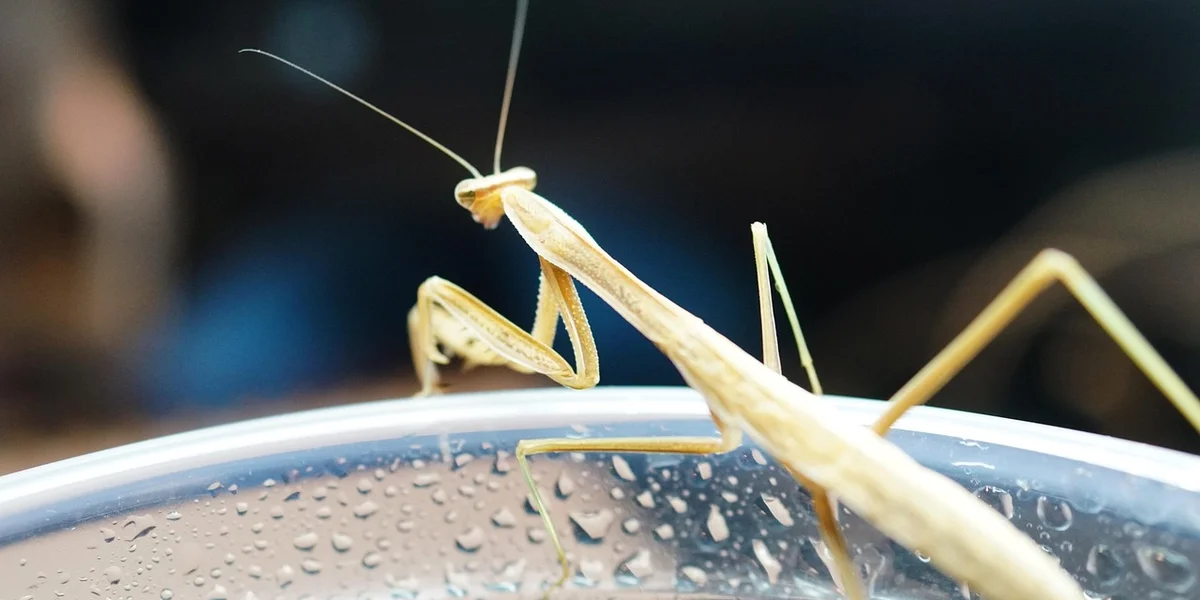
Let’s walk through a few gentle questions together, picturing your daily routine alongside a mantis’s quiet world. This simple self-assessment helps you see if your life has the soft spaces where a mantis might comfortably perch.
- Does the idea of feeding live insects, like crickets or fruit flies, feel manageable, or does it bring a wave of hesitation?
- Can you spare five to ten minutes most days for misting an enclosure and observing your pet’s well-being?
- Are you looking for a companion to watch and learn from, rather than one to cuddle or play with actively?
- Is your home generally peaceful, without loud noises or constant vibrations that could stress a delicate insect?
- Do you have a shelf or desk corner that can safely host a small, escape-proof terrarium?
- How do you feel about the natural cycle of life, including molting and a relatively short lifespan?
Picture this: whilst you read a book, your mantis, like Luna my Ghost Mantis, might simply tilt her head, a silent green statue in her own miniature jungle. If these scenes spark curiosity more than concern, you might be wonderfully suited.
Your Lifestyle and the Mantis Match
Your comfort with live prey is the most personal factor to weigh. Mantises need moving food, and sourcing crickets or culturing fruit flies becomes part of your weekly rhythm.
Time commitment is minimal but beautifully consistent. We’re talking quick daily checks for humidity and weekly feedings-similar to caring for a fascinating, living ornament.
These are pets of profound observation, not hands-on play. You’ll cherish moments watching Moss explore, but handling is rare and always gentle to avoid startling them.
Mantises are ideal for quiet, compact living spaces. Their enclosures are small, and they thrive in calm environments, making them perfect for flats or rooms where louder pets wouldn’t fit.
Patience for their subtle behaviours rewards you with a unique connection. From the delicate rustle of a molt to the precise strike at prey, the joy is in the quiet details.
Beginner-Friendly or Best for Experienced Keepers?
Many mantis species are exceptionally beginner-friendly with just a bit of upfront reading. Start with hardy, adaptable types like the Giant Asian mantis or the gentle Ghost Mantis. When choosing the right mantis species for beginners, look for easy-care, forgiving options. That selection sets new hobbyists up for success.
My Moss, a Giant Asian, was my first mantis-his robust nature forgave my early learning curves. Ghost Mantises, like Luna, move slowly and are less prone to stress, easing you into the keeper’s role.
Some species, whilst breathtaking, ask for more experienced hands. The Orchid Mantis, like my Sprig, requires precise humidity and temperature control that can overwhelm a novice.
- Top Beginner Picks: Giant Asian Mantis, Ghost Mantis, and European Mantis. They tolerate minor fluctuations in care.
- Consider Later: Orchid Mantises, Devil’s Flower Mantises. Their care needs are more specific and demanding.
With good research and a calm approach, most people can successfully care for a beginner species right from the start. Choose a resilient friend, and let your confidence grow alongside them.
Core Care Foundations: Housing, Climate, and Feeding
Think of mantis care as a three-legged stool: housing, climate, and feeding. When these three pillars are stable, your mantis thrives with a quiet confidence that’s a joy to observe. We’ll walk through each one step-by-step, turning what might seem complex into a simple, manageable routine you can master in no time.
Creating a Safe Haven: Enclosure Essentials
Your mantis’s home is its entire world, so getting it right is our first priority. Unlike many pets, mantises need height far more than floor space. A tall, well-ventilated enclosure allows them to climb, hang upside-down to molt, and survey their domain from a safe perch. These are essential habitat requirements for a healthy praying mantis. Providing height, ventilation, and secure perches helps support proper molts and active behavior. A simple mesh or acrylic terrarium works beautifully, and for smaller nymphs, a large, well-ventilated jar is a perfect temporary nursery.
Decor isn’t just for looks; it’s for function. Bare walls can stress a mantis, leaving it with nowhere to hide or grip. My ghost mantis, Luna, spends hours camouflaged among the twigs and leaves, feeling secure. Filling the space with climbable branches, artificial or safe live plants, and a textured ceiling gives your mantis the environment it instinctively seeks.
Here’s a simple checklist for your first setup:
- Enclosure: A tall container, at least 3 times the mantis’s length in height. Ensure excellent cross-ventilation.
- Substrate: A inch or two of coconut fibre, soil, or paper towel to hold moisture and cushion any falls.
- Climbing Structures: Clean, bark-free twigs, bamboo skewers, or bendy vines arranged at various angles.
- Ceiling: Mesh or a textured lid for secure hanging during molting.
- Plants: Safe, pesticide-free artificial foliage or live plants like pothos or spider plants for cover.
Mastering Humidity and Temperature
Getting the climate right is about mimicking the gentle, humid pockets of air a mantis would find in a garden. Humidity supports successful molting, preventing your mantis from getting stuck in its old skin, while consistent warmth keeps its metabolism active for feeding and growth. You don’t need expensive gear; a simple spray bottle and a basic thermometer-hygrometer are your best friends.
For most common species like the Giant Asian, aim for a humidity between 50-70%. You maintain this with a light morning misting of the enclosure walls and foliage with dechlorinated water. Watch for the fine beads of water on the mesh; that’s your sign the humidity is just right. The enclosure should dry out almost completely before the next misting to prevent mold.
Room temperature is often sufficient, but a steady range of 72-82°F (22-28°C) is ideal. If your room is cooler, a small low-wattage heat mat on the side of the enclosure (never underneath) can provide a gentle gradient. Always place a heat mat on the side, not the bottom, to allow your mantis to move away from the warmth and prevent dangerous overheating from below. Proper heating is crucial for mantis health.
The Lifeline: Diet and Live Prey
This is the aspect that gives most new keepers pause, but with clear parameters, it becomes a straightforward part of the routine. Praying mantises are obligate carnivores, meaning they require live, moving prey to trigger their hunting instinct. They assess depth and distance before striking, a hallmark of their hunting behavior. The key is matching the prey size to your mantis—offering food no larger than the space between its front arms.
Start small with flightless fruit flies for hatchlings, moving to pinhead crickets, and later to small roaches or moths for adults. My energetic male Moss eagerly tackles appropriately sized crickets. Gut-loading your feeder insects with nutritious vegetables like carrot or leafy greens 24 hours before feeding effectively passes that nutrition on to your mantis. This approach is part of the ultimate guide to gut-loading feeder insects for mantises. Following these steps helps maximize nutrition transfer to your pet.
Follow a simple schedule based on life stage:
- Nymphs (L1-L3): Offer a few fruit flies or similar tiny prey every 1-2 days.
- Juveniles: Feed one appropriately-sized prey item every 2-3 days.
- Adults: Feed one larger prey item every 3-4 days. Adult females often eat more than males.
Always remove uneaten live prey after a few hours to prevent it from stressing or nibbling on your mantis. Observing a successful hunt is a fascinating glimpse into the precise, patient world of your pet, connecting you directly to its natural behaviours.
Finding Your Green Companion: Species and Acquisition
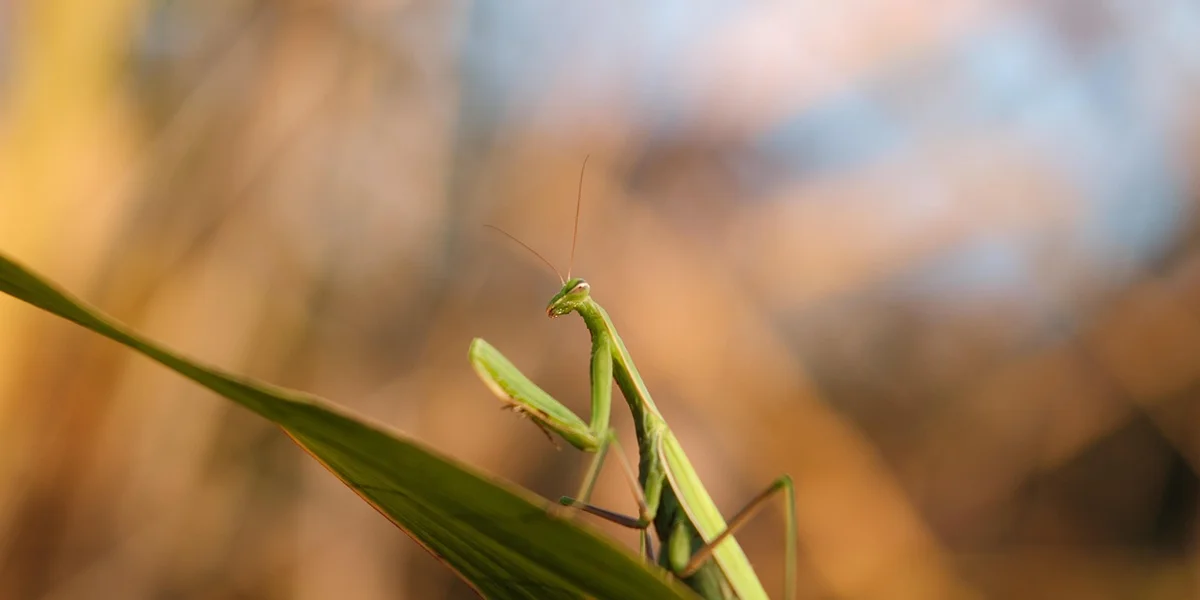
Moving from curiosity to caretaker is a gentle leap, one we can take together with mindful preparation. Your journey begins with selecting a mantis sourced ethically and chosen for health, ensuring a foundation of trust and well-being from the very first day. Think of it as inviting a quiet guest into your home-you want them to arrive comfortable, secure, and ready to settle in.
We find the most rewarding partnerships start with a good match, much like pairing a plant with the right pot. By considering a species’ natural temperament and care needs alongside your own routine, you create a harmonious space where both you and your mantis can flourish. Let’s walk through these initial choices, step by step.
Choosing Your First Pet Mantis Species
For your first foray into mantis keeping, certain species stand out as particularly forgiving and calm companions. These beginner-friendly mantises often have docile natures and straightforward care routines, allowing you to focus on the joy of observation without overwhelming detail. Here’s a look at a few common favourites, each with its own personality. When you set up, create a naturalistic, safe habitat that mirrors their native environment. Provide a branchy enclosure with safe plants and good airflow to support natural behaviors.
- Ghost Mantis (Phyllocrania paradoxa): Delicate and leaf-like, Ghost Mantises are wonderfully placid and move with a slow, thoughtful grace. They thrive in smaller enclosures and typically live 8-12 months as adults. My own Ghost Mantis, Luna, has that misty brown colour and a habit of tilting her head as if pondering the world.
- Giant Asian Mantis (Hierodula membranacea): Vibrantly green and often more energetic, these mantises are robust and engaging, making them a delight for those who enjoy a curious pet. Care is relatively simple, with a lifespan around a year. Moss, my Giant Asian male, is endlessly inquisitive, always first to climb a new twig.
- European Mantis (Mantis religiosa): Hardy and adaptable, these are classic garden residents that adjust well to captivity. Their temperament is generally steady, though some individuals can be feisty, and they share a similar lifespan. You might find “praying mantis pets for sale” listings for this species from breeders specialising in native insects.
Each species brings a different rhythm to your daily life, from the phantom-like stillness of the Ghost to the bright curiosity of the Giant Asian. Selecting one that resonates with your patience and interest makes all the difference in building a confident start.
Bringing Your Mantis Home
With a species in mind, the next step is acquiring your mantis from a source that values its welfare. Reputable breeders, whether found online or at local events, are your best bet for a healthy nymph or adult, as they raise their mantises with dedicated, knowledgeable care. We advise steering clear of general pet shops, as their focus is rarely on invertebrates, and health histories can be uncertain.
Look for dedicated online invertebrate shops, breeders with positive keeper reviews, or local reptile and invertebrate expos where you can speak directly with the seller. When choosing an individual, a healthy mantis will have clear, alert eyes, move its head and limbs purposefully, and show no signs of injury or unusual discolouration. A plump abdomen often indicates recent feeding, which is a good sign.
Transport your new friend in a small, secure container with air holes, lined with a soft paper towel to prevent slipping. Keep the journey short and the container away from extreme temperatures, ensuring a calm transition to its new environment. I transported my Orchid Mantis, Sprig, in a simple mason jar with punctured lid, and she arrived as serene as a dewdrop.
Follow these simple steps for a smooth arrival:
- Gently observe the mantis at the point of sale, noting its activity level and response to nearby movement.
- Request information from the breeder on its last meal and any recent molts to understand its current cycle.
- Secure the transport container firmly and minimise travel time to reduce stress.
- Once home, place the mantis directly into its prepared enclosure and allow it several hours of quiet before offering food or water.
This careful approach from acquisition to acclimation shows respect for your mantis’s delicate nature, setting the stage for a trusting and fascinating relationship.
Living in Harmony: Handling, Molting, and Daily Joy
-
Moving into an ongoing relationship with your mantis means tuning into its quiet world of safe interaction and natural behaviors. We build harmony not through constant contact, but by becoming attentive students of its gentle, deliberate ways.
The Art of Gentle Handling
Handling a praying mantis is a delicate dance of mutual respect. Always let the mantis initiate contact by walking onto your offered hand or finger at its own pace. Sudden movements or reaching from above can trigger a fear response, as they perceive threats from overhead. To handle and interact with your praying mantis safely, keep movements slow and predictable. Watch for signs of stress, and give the mantis space if needed.
Reading body language is your guide to a positive experience. A content mantis moves slowly and may clean its forelegs, while a defensive one will rear up, spread its arms, and sway. My Ghost Mantis, Luna, often tilts her head thoughtfully before deciding to step onto me-a sign I’ve learned to wait for.
Follow these steps for safe, brief handling sessions:
- Approach the enclosure calmly and open it slowly to avoid startling your mantis.
- Place your hand, palm up, gently in front of the mantis. Allow it to see and sense you.
- Let the mantis walk onto you. Never pick it up or grasp it; its body is fragile.
- Keep handling to a stable, seated area over a soft surface, like a bed or carpet, in case of a fall.
- Limit sessions to just a few minutes, once or twice a week, for enrichment only.
- Return your mantis gently by letting it walk back onto a branch or enclosure side.
Handling is a privilege for bonding and enrichment, not a requirement for affection-mantises are observational pets, not cuddly companions.
Supporting the Sacred Molt
Molting is a vulnerable, awe-inspiring process where your mantis sheds its exoskeleton to grow. Creating a safe, humid environment is the single most important thing you can do to support a successful molt. So, does molting really work? With proper humidity and care, most mantises molt successfully and continue to grow.
In the days before a molt, you might notice your mantis refusing food, becoming lethargic, and its colors appearing dull or cloudy. These are clear signs to stop all handling and minimize disturbances in the enclosure. Gently increase humidity by misting the sides with warm water, which helps soften the old skin.
Ensure the enclosure has sturdy vertical elements-like twigs, mesh, or tall plants-for the mantis to hang from upside down. During the molt, which can take hours, the mantis will hang still and silent; any interruption can be fatal.
- Do not offer food 24-48 hours before or after the molt. The new exoskeleton needs time to harden.
- Keep the enclosure in a quiet, vibration-free spot. Avoid bright lights or sudden temperature changes.
- After molting, provide a light mist on nearby leaves for drinking, but wait until the mantis is fully hardened before introducing prey.
Watching my Orchid Mantis, Sprig, emerge from her old skin was like seeing a soft, pink blossom unfurl. Patience and a still, humid space are your mantis’s greatest allies during this sacred time.
Enrichment Through Observation
Deep connection with your mantis often comes from quiet watching, not direct interaction. Enrichment through observation satisfies their natural curiosity and deepens your appreciation for their intricate behaviors.
Vary the feeder insects you offer, such as switching between fruit flies, small crickets, or moths. Different prey stimulates their hunting instincts and provides mental stimulation, preventing boredom. Just ensure the food is appropriately sized-no larger than the mantis’s head.
Once in a while, rearrange enclosure decor gently, adding a new branch or shifting a faux plant. This offers novel exploration without stress, mimicking the slight changes they’d encounter in the wild. I do this sparingly with Moss’s home; he always inspects the new layout with deliberate, curious steps.
Spend time simply observing your mantis’s daily rituals. You might witness it grooming its antennae with delicate care, scanning for movement with a slow head turn, or basking under the warmth of its lamp. These moments are windows into a calm, focused world.
Observation teaches us that caring for a mantis is often about providing a stable stage for their natural drama to unfold, not about directing the play.
FAQs on Mantis
Where is the best place to buy a pet praying mantis?
Reputable online invertebrate breeders and local reptile expos are ideal, as they offer healthy, well-cared-for specimens. General pet shops are not recommended due to inconsistent quality and lack of specialized knowledge.
What is the typical price range for a pet praying mantis?
Common species like Ghost or Giant Asian mantises usually cost between $20 to $50, with nymphs being less expensive than adults. Additional expenses may include shipping fees and enclosure setup, which can vary based on source and location.
How can I find praying mantis pets for sale in the USA?
Search for dedicated online retailers and breeders within the U.S. who ship nationwide, ensuring they prioritize ethical practices. For local options, check reptile and invertebrate expos in major cities or join online mantis keeper communities for trusted recommendations.
Your Mantis Journey Awaits
Praying mantises offer a unique, observation-based pet experience that rewards attentive keepers with fascinating behaviors, from meticulous grooming to patient hunting. To ensure their well-being, focus on providing a secure, appropriately sized enclosure with proper humidity, temperature, and a steady supply of live prey like fruit flies or crickets. This care for a pet praying mantis complete handling behavior guide covers safe handling and behavior cues. It helps you interact calmly and responsibly with your mantis.
Responsible mantis keeping means embracing the role of a gentle guardian, always ready to learn more about their molting cycles, species-specific needs, and subtle health cues. We find that joining online forums or local groups enriches your practice, turning simple care into a shared, ever-evolving dialogue about these quiet companions.
Further Reading & Sources
- PanTerra Pets – Praying Mantises, Terrariums & Supplies
- r/mantids on Reddit: Total and complete beginner, looking to find out whether a mantis would be a suitable pet!
- Top 5 Praying mantis as pets, for beginners and for those who want the best experience
- Keeping non-native praying mantis as pets … – Facebook
Rowan Hale is a lifelong insect enthusiast who fell in love with mantises for their calm presence, alien elegance, and surprising personalities. After years of keeping and raising a variety of species, Rowan shares practical tips, creative insights, and real-world experience to help others enjoy the quiet magic of mantis care. From setting up the perfect enclosure to understanding their subtle behaviors, Rowan invites readers into a gentle, curious world where every tiny movement feels like a discovery.
First-Time Mantis Owners