
Essential Habitat Requirements for a Healthy Praying Mantis
Published on: December 4, 2025 | Last Updated: December 4, 2025
Written By: Rowan Hale
Greetings, fellow mantis friend! Have you ever noticed how a praying mantis can sit so still it becomes part of the scenery, a living sculpture among the leaves? That serene patience is a sign of a creature perfectly in tune with its surroundings, and our job is to recreate that harmony at home.
The key habitat requirements for a healthy praying mantis are a secure and well-ventilated enclosure, consistent humidity from regular misting, stable warm temperatures, and plenty of climbing space for hunting and safe molting. It’s not just a container; it’s a miniature world you build with thoughtful attention.
My ghost mantis, Luna, with her delicate, leaflike frills, taught me this firsthand. Her successful molts always depended on that gentle, humid air in her tank, a lesson in how precise these needs truly are.
While it might seem straightforward, each element interlocks like puzzle pieces. We’ll break down these requirements into simple, actionable steps you can follow with confidence.
- Selecting the right enclosure size and material for safety and visibility.
- Managing humidity levels through mindful misting and substrate choices.
- Maintaining ideal temperature ranges to support activity and digestion.
- Providing branches and foliage for perching, hunting, and critical molting.
The Heart of the Home: Choosing and Sizing Your Mantis Enclosure
Selecting your mantis’s enclosure feels a bit like choosing their first flat. We want it to be secure, comfortable, and suited to their very specific lifestyle. Getting this foundation right makes every other aspect of care so much simpler. Different mantis species have distinct enclosure needs, so choose a setup tailored to the species you plan to keep. This species-specific choice helps ensure proper space, airflow, and safety for your mantis.
Why Height Trumps Width Every Time
Imagine your mantis as a little acrobat who lives in the treetops. In the wild, they spend their days climbing stems and hanging from leaves. Their most critical life events, like molting, require them to hang upside-down from a secure perch, often for hours. A tall enclosure gives them the space to do this safely without their back touching the floor. To create a naturalistic, safe habitat for your praying mantis, add branches and leafy greens that mimic their treetop world. A well-designed enclosure with secure perches and good ventilation reduces stress and aids safe molting.
My ghost mantis, Luna, always seeks the highest point in her terrarium, perching like a silent, leafy statue. When she molted last month, she needed every centimetre of that vertical drop to wriggle free of her old skin. A wide, shallow tank would have spelled disaster. A good rule is an enclosure height at least three times your mantis’s body length.
- Prioritise vertical space for climbing and successful molts.
- Choose enclosures that are taller than they are wide.
- A height of 20-30 cm is often perfect for most common species.
Breathable Walls: The Critical Role of Ventilation and Mesh
Stale, damp air is a mantis keeper’s quiet enemy. Without good airflow, humidity pools, leading to mould on décor and respiratory issues for your pet. Proper ventilation whisks away excess moisture and ensures a constant supply of fresh air, mimicking a gentle breeze through foliage.
Mesh panels are the heroes here. My giant Asian mantis, Moss, lives in a terrarium with fine metal mesh on two sides. I can hear the soft sigh of air moving through it, and his environment always feels fresh. Avoid solid plastic or glass boxes with only a few small holes. Look for enclosures with large mesh sections or fabric mesh lids.
- Mesh sides or lids prevent stagnant air and mould growth.
- Fine mesh keeps even the tiniest fruit fly feeders contained.
- Combine good ventilation with your misting routine for a healthy, balanced atmosphere.
Crafting the Perfect Climate: Temperature and Humidity Control
Think of this as setting the thermostat for a tiny, living greenhouse. Mantises rely on their environment to regulate their body temperature and hydration. We aim to create a stable, gentle climate that lets them thrive.
Creating a Gentle Temperature Gradient
Mantises are not like us; they can’t generate their own heat. They bask to warm up and seek shade to cool down. To support that, create a vertical temperature gradient in your mantis enclosure: top warm, bottom cool. Place a gentle heat source at the top to establish this gradient. By providing a slight temperature range across the enclosure, you give your mantis the choice to find their perfect comfort zone.
For my orchid mantis, Sprig, I use a small, low-wattage heat mat placed on one side of her enclosure’s exterior. This creates a warm end around 24-26°C and a cooler end near room temperature. She often starts her day in the warmth and retreats to the cooler leaves later. Never place heat sources inside where they can cause burns.
- Place a heat mat or ceramic heat emitter on one side only.
- Use a thermometer to monitor both the warm and cool areas.
- Allow for a drop of a few degrees at night to mimic natural cycles.
The Art of Humidity: Misting, Peaks, and Valleys
Humidity isn’t about keeping things constantly wet. It’s about rhythm-short, humid peaks followed by drier valleys. This cycle provides drinking water and aids molting, while the dry periods keep the enclosure healthy and mould-free.
I mist Luna’s home lightly each morning. For a moment, the air carries that humid, earthy scent of damp soil and plants. She’ll drink droplets from the leaves, and the humidity spikes. Then, over the day, it gently falls as ventilation does its work. This is the natural ebb and flow they need.
- Use a fine spray bottle with lukewarm water to mist the enclosure walls and décor.
- Target a humidity peak right after misting, letting it taper off over 12-24 hours.
- Adjust frequency based on species; desert types need less, tropical ones like Sprig need more frequent misting.
Furnishing for Life: Substrate, Foliage, and Enrichment
A Safe Foundation: Choosing Your Substrate
Think of your substrate as the quiet, supportive floor of your mantis’s world, influencing humidity and safety with every step. A good substrate absorbs moisture slowly, helping maintain that gentle, humid air your mantis needs for smooth molts.
Coconut coir, often called eco-earth, is a popular choice for its soft texture and natural water retention. It feels like damp forest soil underfoot, holding just enough moisture without becoming soggy or prone to mould.
You might also consider organic peat moss or sterilised leaf litter for a more varied, natural look. Always avoid any substrate with added fertilisers, perlite, or bright coloured dyes, as these can harm your mantis if accidentally ingested.
In my own enclosures, I use a blend of coconut coir and sphagnum moss for nymphs like Sprig. The moss weaves through the coir, creating tiny pockets of humidity that mimic the dew-laden undergrowth of a real habitat.
- Coconut Coir: Renewable, holds moisture well, and is soft for landing.
- Sphagnum Moss: Boosts humidity naturally and adds visual depth.
- Paper Towel: A simple, sterile option for very young mantises, making daily checks a breeze.
Change the substrate every few months or if you notice any damp, unpleasant odours. A fresh base keeps the enclosure healthy and prevents any unseen mites or mould from taking hold.
Branching Out: Perches, Hiding Spots, and Climbing Frames
Mantises are climbers by nature, spending their days perched and observing from above. Offering a variety of branches and frames encourages natural behaviour and provides essential exercise for their agile legs.
Seek out thin, sturdy twigs from untreated trees like apple or hazel, scrubbing them clean with warm water. Arrange these at different angles to create a complex, engaging landscape for exploration and hunting practice.
Include vertical elements like bamboo skewers or mesh panels anchored to the sides. These give your mantis a secure grip for hanging upside-down, a non-negotiable position for safe molting.
My male Giant Asian, Moss, adores a twisted grapevine branch I added last month. He uses it as his main highway, scampering up and down with a focus that reminds me of a tiny, green acrobat.
- Secure all perches firmly to prevent slips that could startle or injure your mantis.
- Place one main perch near the warmth source, allowing easy basking after meals.
- Add hiding spots like small cork bark tubes or silk leaves for privacy during rest or pre-molt.
Rotate or introduce new structures occasionally to spark curiosity. This simple change can reduce boredom and promote natural stalking instincts, keeping your mantis alert and content.
The Living Touch: Using Pesticide-Free Plants
Live plants bring a slice of the outdoors inside, softening the enclosure with growth and gentle humidity. They work silently, releasing moisture into the air and offering fresh, safe leaves for your mantis to rest upon. It’s essential to choose the right plants to ensure a safe environment.
The critical rule is to use only plants guaranteed free from pesticides, insecticides, or systemic chemicals. Even a tiny residue on a leaf can transfer to your mantis’s skin or food, leading to slow, preventable illness.
We source plants from organic nurseries or grow our own from cuttings weeks in advance. This waiting period lets any hidden treatments dissipate, ensuring the plant is truly safe for your delicate predator.
In Luna’s terrarium, a small pothos vine trails beside her favourite perch. Its broad, heart-shaped leaves catch the light and hold water droplets, creating perfect drinking stations after misting.
- Pothos (Epipremnum aureum): Tough, fast-growing, and thrives in humid, low-light spaces.
- Spider Plant (Chlorophytum comosum): Non-toxic, with arching leaves that provide excellent cover.
- Safe Ferns: Like maidenhair, they add lush texture and love consistent moisture.
Gently mist the plants along with the enclosure to keep them perky. Their living presence turns a simple container into a thriving micro-ecosystem, full of calming, green vitality.
The Daily and Weekly Rhythm: Maintenance for a Healthy Habitat
Your Misting and Watering Routine
Think of misting as a gentle rain shower for your mantis’s private world, a daily ritual that quenches thirst and sets the humidity just right. We always use lukewarm water that’s been left out overnight to let chlorine evaporate, filling a small spray bottle for a fine, gentle mist. This mimics the natural dew your mantis would sip from leaves in the wild, and it’s a calm way to start the day together.
Watch how your mantis reacts after a light spraying; some will drink eagerly, while others simply enjoy the humid air. My Ghost Mantis Luna leans into the moisture with a slow, deliberate tilt of her head, often sipping droplets from her forearms. For most species, a light mist once or twice a day keeps things balanced without soaking the enclosure.
- Spray the sides and decor of the habitat, avoiding direct streams that might startle your pet.
- Use a hygrometer to monitor levels; many mantises feel comfortable between 50% and 70% humidity.
- Adjust frequency with the seasons-more often in dry, heated rooms, less in naturally humid spaces.
- Offer hydration through fresh, water-misted leaves or a tiny bottle cap filled with pebbles and water for safety.
Listen for the soft patter of droplets on leaves and notice the clean, earthy smell that rises. This isn’t just about water; it’s a daily connection that lets you check on your mantis’s wellbeing and mood. With Sprig, my Orchid Mantis, I often see her pale petals perk up after a morning mist, as if she’s blooming in the damp air.
Keeping It Clean: Spot-Cleaning and Deep Cleaning
A tidy enclosure prevents mold and keeps your mantis feeling secure, much like we appreciate a neat living space. Spot-cleaning is a quick, daily habit where you remove leftover food, molted skin, and droppings with soft tweezers or a small brush. It takes mere moments but stops bacteria from building up and makes the habitat smell fresh.
For a deeper clean, aim for every week or two, depending on how active your mantis is. I gently move Moss to a spare jar with a twig whilst I clean his main home with warm water and a cloth, never using harsh chemicals. Let everything dry completely in the air before returning him; even a hint of damp can encourage unwanted fungus.
- Prepare a temporary container with air holes and a familiar stick or leaf for your mantis to cling to.
- Take out all decorations and substrate, brushing off any debris into a bin.
- Wash items with warm water; a soft toothbrush helps scrub corners without damage.
- Dry each piece thoroughly with a clean towel or by airing on a rack.
- Reassemble the habitat, adding new substrate if needed, and guide your mantis back calmly.
This routine feels like tending a miniature ecosystem, where every wipe and refresh matters. Keeping a consistent schedule reduces stress for your mantis and helps you spot small changes, like a torn netting or a wobbly perch, before they become issues. You’ll find that a clean home encourages natural behaviours, from perching proudly to hunting with focus.
Special Considerations for Nymphs and Delicate Species
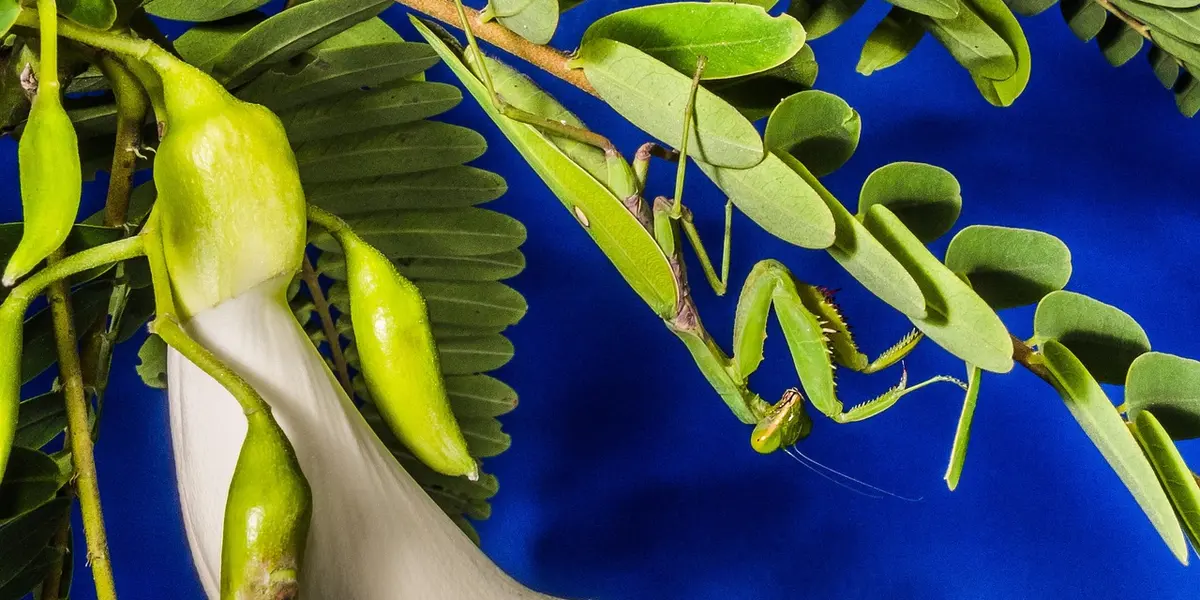
Caring for young nymphs or more fragile mantis types asks for a gentler, more observant approach.
Their success hinges on subtle adjustments to their environment, mirroring the sheltered nooks they’d find in the wild.
Setting Up a Secure Nursery for Tiny Nymphs
Those first few instars are a delicate time, where a safe space is everything.
Think of the nursery as a padded playroom-it must prevent injury, contain tiny prey, and support the awkward beauty of a moult.
We use clear plastic containers, like large deli cups or small terrariums, so we can watch their progress without disturbance.
Ventilation is key; cover large openings with a fine mesh, like organza or nylon stocking, to keep fruit flies in and drafts out.
Here is a simple setup we’ve relied on for nymphs like Sprig in her earliest days:
- Choose a container three to four times the nymph’s length in height.
- Place a damp, unbleached paper towel on the floor for humidity and easy cleaning.
- Add a few slender sticks or soft plastic plants, secured to the sides, for climbing and hanging upside down to moult.
- Mist lightly with warm water once a day, avoiding direct spray on the mantis itself.
Feed them pinhead crickets or flightless fruit flies, offering just one or two at a time to avoid overwhelming them.
Always remove uneaten prey after a few hours to keep the nursery calm and clean.
Microclimates for Specialists: Orchids, Ghosts, and Others
Some mantises aren’t just pets; they are living art that demands a specific atmosphere.
Creating a microclimate is about steady, gentle consistency, not drastic changes.
Our Orchid, Sprig, and Ghost, Luna, taught us that each species has a sweet spot for humidity and air flow.
Invest in a small digital hygrometer and thermometer-it takes the guesswork out of maintaining their perfect world.
Consider these needs for common delicate species:
- Orchid Mantis: They crave humidity near 70-80%. We achieve this with daily, fine misting and live moisture-loving plants like pothos. Provide plenty of white or pink floral decor for perching.
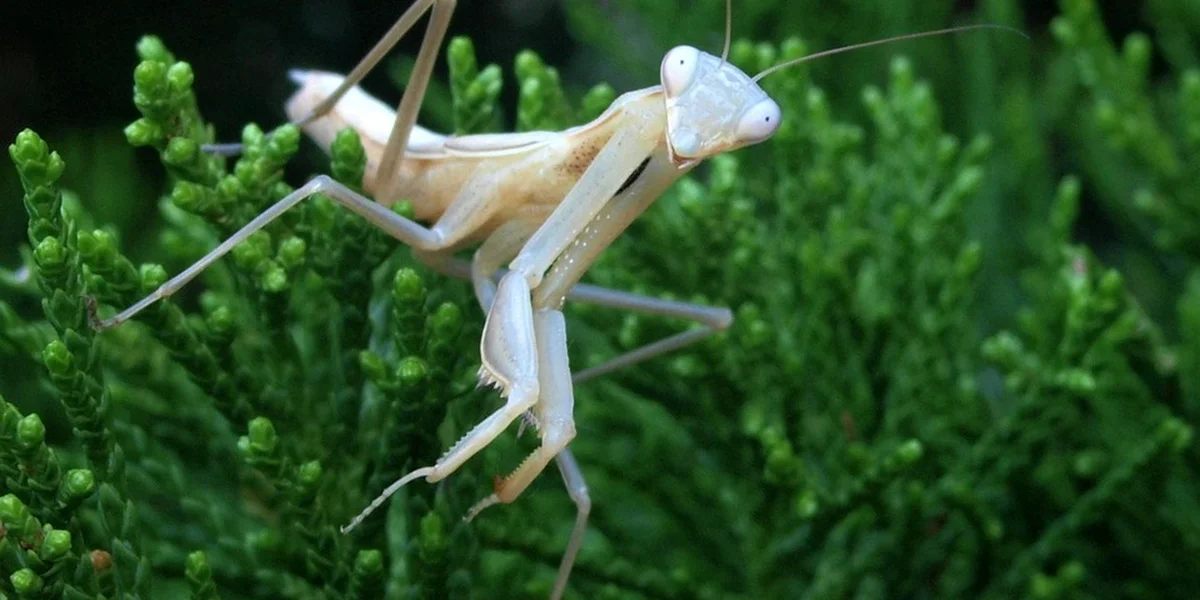
- Ghost Mantis: A bit drier, around 50-60% humidity suits them. Use well-ventilated enclosures with dried leaves and twigs. Luna spends hours motionless, resembling a crumpled leaf in the dappled light.
- Thistle Mantis and other small species: They often need slightly warmer temperatures, around 75-80°F (24-27°C), achieved with a low-wattage heat mat on one side of the enclosure.
For all microclimates, mist with lukewarm, dechlorinated water early in the day so surfaces dry slightly by evening.
This daily rhythm prevents stagnant moisture and mimics the fresh dew of a morning garden.
Arrange foliage to create gradient zones, letting your mantis choose between a slightly warmer or more humid corner. Mantis nymphs need steady temperature and adequate humidity to molt and grow, so observe their preferences and adjust the enclosure accordingly.
Watch their behaviour; if they are always perched in one specific spot, it’s a quiet clue about their comfort preferences.
Solving Common Habitat Challenges
Even a carefully prepared enclosure can sometimes drift out of balance, leaving your mantis feeling less than its best. Spotting these subtle shifts early lets you make gentle corrections before a small issue becomes a worry. Think of it like tending a tiny garden; a watchful eye and a few thoughtful tweaks keep everything thriving. Understanding these subtle shifts ties directly into the idea of the top 10 enclosure setup mistakes that secretly stress your mantis. By catching and correcting them early, you prevent hidden stress and keep your mantis thriving.
Signs Your Habitat Might Be Off: Condensation, Mold, and Lethargy
Your mantis can’t tell you it’s uncomfortable, but its home and behaviour send clear signals. Learning to read these signs is the first step toward creating a consistently healthy environment. We often notice them during routine checks, like when we see our Ghost mantis, Luna, perched unusually still for hours. These patterns can indicate stress. By noting signs of mantis stress such as an unusually still posture, changes in feeding, or avoidance of normal activity, you can tell if your mantis is stressed.
Persistent condensation on the glass, especially hours after misting, whispers that humidity is trapped. This constant dampness doesn’t just block your view; it invites mold to settle on decor and feeder remains. You might spot fuzzy white or grey patches, a sure sign the air is too still and wet.
Watch your mantis’s energy levels closely. A noticeable slump in activity, like a once-curious mantis refusing food or barely moving, often points to environmental stress. My Giant Asian male, Moss, once spent a whole day anchored to one twig when his air felt too thick and heavy for him.
- Condensation: Look for water droplets that won’t clear. It means evaporation is too slow.
- Mold: Check damp corners and under leaves for coloured fuzz. It thrives in stale air.
- Lethargy: Note if your mantis ignores prey, stays low, or moves sluggishly. It’s a quiet plea for change.
DIY Adjustments for Humidity and Airflow
You can often restore balance with items from around your home, no special kit required. Small, incremental changes work far better than sudden overhauls, keeping your mantis calm through the process. The goal is a gentle cycle of fresh, moist air, like a soft breeze through a fern grove.
For excess humidity, think about air movement. Creating more ventilation is a simple fix; just add a few extra small holes near the top of the enclosure using a warm needle or drill bit. I did this for Sprig’s terrarium when her orchid bark stayed too damp, and the difference was immediate.
- Reduce misting frequency slightly, and aim the spray at one side only.
- Place a small, breathable cloth over part of the mesh lid to absorb excess moisture from the air.
- Switch to a shallower water dish or remove it entirely if you’re misting regularly.
If the air feels too dry and crisp, boost moisture gently. Try a humidity hide: a small plastic container with a damp paper towel inside and an entry hole cut in the side. This gives your mantis a personal spa corner to visit when it needs a humid boost.
- Warm your misting water a little; it creates a finer, more lingering cloud that humidifies better.
- Group potted, mantis-safe plants together; their natural transpiration raises local humidity.
- Cover part of the ventilation mesh with cling film for a few hours, but never seal it completely.
Listen to the enclosure after changes. You want to hear the soft rustle of leaves drying, not the silence of stagnant air or the drip of constant water. It’s a delicate balance, but with patience, you’ll find the sweet spot where your mantis stands alert, ready to explore its perfectly tuned world. To set up a perfect humidity level, keep a hygrometer in the enclosure. Adjust misting so the air stays evenly moist but not soggy.
Questions from Fellow Mantis Friends
Are commercial mantis habitat kits worth it?
Commercial kits can be a convenient starting point for beginners, offering a complete set of essential components. However, they may require modifications, like adding more climbing structures or adjusting ventilation, to perfectly suit your specific mantis species. It’s also beneficial to compare the costs and benefits of these kits to DIY enclosures.
Can I build a suitable mantis habitat myself?
Absolutely, a DIY habitat can be very rewarding and cost-effective using items like a mesh-sided critter keeper or a repurposed, well-ventilated container. The key is ensuring all materials are safe, non-toxic, and assembled to provide the crucial vertical climbing space.
Do I need to consider a ‘habitat map’ for my pet mantis?
While not a literal map, planning the layout is vital; think of it as zoning the enclosure for different activities like basking, hiding, and molting. This intentional design helps prevent stress by providing clear temperature gradients and secure perches at various heights.
Caring for Your Mantis: A Gentle Recap
Focus on providing a secure, well-ventilated enclosure with stable warmth, moderate humidity, and plenty of vertical space for climbing and molting. Your careful setup-from the substrate choice to branch placement-directly supports their natural behaviors, ensuring they feel safe enough to hunt, rest, and grow without stress.
Being a thoughtful mantis keeper involves regular observation and a willingness to adapt care routines as your pet matures. We build trust with these quiet companions by staying informed, appreciating their unique habits, and cherishing the calm they bring into our homes. For a complete handling and behavior guide for pet praying mantises, this resource offers practical tips on safe handling and care. It helps you recognize stress cues and tailor your interactions accordingly.
Further Reading & Sources
- Praying Mantis – Facts, Diet & Habitat Information
- Praying Mantids – Wisconsin Horticulture
- Should You Keep a Praying Mantis as a Pet?
- Praying Mantis Habitat, Predators, Prey & Facts
Rowan Hale is a lifelong insect enthusiast who fell in love with mantises for their calm presence, alien elegance, and surprising personalities. After years of keeping and raising a variety of species, Rowan shares practical tips, creative insights, and real-world experience to help others enjoy the quiet magic of mantis care. From setting up the perfect enclosure to understanding their subtle behaviors, Rowan invites readers into a gentle, curious world where every tiny movement feels like a discovery.
Temperature and Humidity