
Praying Mantis Habitat Essentials: Building a Healthy Home for Your Insect
Published on: December 4, 2025 | Last Updated: December 4, 2025
Written By: Rowan Hale
Hello, mantis friend! Have you ever noticed your mantis sitting perfectly still, like a tiny green statue lost in thought? That peaceful pose isn’t just luck-it’s a sign of a creature content in its space, and crafting that space is our first act of care.
The essential habitat requirements for a healthy praying mantis are a secure and appropriately sized enclosure, carefully managed humidity and temperature, and safe, enriching furnishings that mimic their natural world. Getting these elements right transforms a simple container into a sanctuary where your mantis can thrive, molt safely, and display its full, fascinating behaviors.
While it might seem straightforward, a mantis habitat is a delicate balance of micro-climates and textures. Think of it as building a miniature ecosystem where every choice, from the type of lid to the spray of water, supports their delicate health. We’ve learned this through tending to our own mantises, like Luna, our Ghost Mantis, who thrives in her humid, leafy nook, or Moss, the Giant Asian, who loves to explore every new branch we offer.
To make it simple, here are the key areas we’ll explore together in this guide:
- Enclosure Selection: Choosing the right home-size, security, and ventilation are everything.
- Climate Control: Mastering humidity levels and maintaining gentle warmth for comfort and successful molts.
- Habitat Furnishings: Adding safe branches, foliage, and substrates for climbing, hiding, and hunting.
- Daily & Weekly Care: Simple routines for misting, feeding, and keeping the environment clean and stress-free.
The Foundation: Understanding Basic Mantis Habitat Needs
Creating a proper home for your praying mantis is a gentle act of care that sets the stage for their entire life. A thoughtfully prepared habitat does more than house your mantis; it fosters their natural behaviours, supports healthy moults, and becomes a cornerstone for their longevity. We like to think of it as crafting a tiny, living world where every element has a purpose—especially when you create a naturalistic and safe habitat.
Watch a mantis like our ghost mantis, Luna, in a well-set space. Her movements are calm and deliberate, perched on a branch with her leaflike frills blending into the foliage. This peaceful display is only possible when three core pillars are in place: a secure enclosure, a correct climate, and an enriching interior. Together, they create an environment where stress is low and instinct can flourish.
- A Secure Enclosure: This is your first duty of care. A safe, escape-proof home prevents accidents and gives your mantis the confidence to explore. It is especially vital during moulting, when they are soft and vulnerable.
- Correct Climate: Mantises rely on external warmth and moisture. Maintaining the right temperature and humidity range mimics their native habitat, aiding everything from digestion to the delicate process of shedding old skin.
- Enriching Interior: Bare walls are a missed opportunity. Adding branches, leaves, and climbing surfaces turns a container into a territory. It provides exercise, hunting perches, and hiding spots that make your mantis feel at home.
Choosing Your Mantis’s Home: Enclosures Explained
Your choice of enclosure is the literal framework for your mantis’s world. The goal is to find a balance between ventilation for fresh air, visibility for your enjoyment, and security for your mantis’s peace of mind. You will commonly encounter three main types, each with a different character. For many hobbyists, the decision comes down to a DIY enclosure vs a commercial kit, weighing cost against what you get in ventilation, visibility, and security. A quick cost-benefit breakdown can guide you to the right choice for your mantis and your budget.
Glass terrariums offer a crystal-clear view and excel at retaining humidity, which is lovely for species that enjoy a moist, tropical feel. Mesh cages, often made of fine screen, provide unbeatable airflow to keep things fresh and mould-free. Acrylic boxes are a lightweight middle ground, with good clarity and often clever designs. Whichever you choose, a front-opening design is a tremendous help for daily care, allowing you to offer food or mist without looming from above.
When selecting size, always prioritise height over floor space. Mantises are arboreal creatures; they climb, hang, and moult from the top. An enclosure should be tall enough to allow your mantis to hang fully stretched for moulting, with plenty of room above. For growing mantis nymphs, use a graduated enclosure system: start with smaller, tall enclosures and progressively increase height as they molt. This staged setup helps you provide the right space at each instar while keeping ventilation and safety in check. Commercial habitat kits can be a convenient start, but inspect them for adequate ventilation holes and smooth, safe interiors. A beautiful home need not be costly—simplicity and safety always come first.
Getting the Size and Ventilation Right
Providing ample space is a direct gift to your mantis’s wellbeing. Use this simple chart as a guide, matching the enclosure height to your mantis’s expected adult length. These dimensions give them room to climb, hunt, and complete their critical moults without hindrance.
| Mantis Adult Length | Minimum Enclosure Height |
|---|---|
| Up to 2 inches (5 cm) | 6 inches (15 cm) |
| 2 to 4 inches (5-10 cm) | 12 inches (30 cm) |
| Over 4 inches (10 cm) | 18 inches (45 cm) or more |
Ventilation works hand-in-hand with size to maintain a healthy atmosphere. Steady, gentle airflow prevents stagnant, humid pockets where mould and harmful bacteria can grow. Mesh sides offer constant air exchange, perfect for species from drier climates. Glass tanks often feature adjustable lid vents, letting you fine-tune humidity by opening or closing them slightly. For our giant Asian mantis, Moss, we opted for a mesh enclosure to replicate the fresh, moving air he would find in the wild, and it keeps his energy levels high.
Mesh, Glass, or DIY: A Keeper’s Comparison
To help you weigh your options, here is a straightforward look at the trade-offs between mesh and glass, plus a word on simple DIY solutions.
- Mesh Cages or Enclosures
- Pros: Superior airflow, greatly reduces mould risk, lightweight and easy to move, often very affordable.
- Cons: Humidity can drop rapidly, requiring more frequent misting; offers less insulation from room temperature changes.
- Glass Terrariums
- Pros: Excellent at maintaining stable humidity levels, provides unobstructed viewing, holds heat more consistently.
- Cons: Can become too humid or hot if not ventilated properly; heavier and more fragile than other options.
If you are starting on a budget, a praying mantis habitat diy project can be both rewarding and effective. A clean, clear plastic container with small holes drilled in the lid and upper sides can make a secure, temporary home. We used a large mason jar with a mesh cover for our orchid mantis, Sprig, when she was small. Different mantis species can require different enclosures. For example, tiny nymphs may do well in small, ventilated containers, while larger arboreal species need taller terrariums with perches. The principle is universal: ensure any homemade enclosure has secure ventilation, no sharp edges, and enough height for your mantis to thrive.
Creating the Interior: From Substrate to Sky-High Perches

Picture your mantis enclosure as a gentle, vertical woodland. These insects live life upwards, relying on sturdy climbs for everything from hunting to the delicate process of shedding their skin. A well-structured interior mimics their natural world, turning a simple container into a secure home. I often see my Moss, a vibrant Giant Asian mantis, survey his domain from the highest branch, a quiet green statue against the glass. Let’s build that world together, step by step.
Step 1: Laying a Safe and Functional Substrate
The floor of your habitat is more than just a base; it’s a humidity helper and a cleanliness keeper. Your choice here directly supports successful molting by maintaining that crucial, gentle moisture in the air. We want materials that feel softly damp to the touch, not wet or dusty. Avoid any garden soil or plain sand, as these can compact, mold, or harbor pesticides harmful to your pet.
Here are our top, keeper-tested choices:
- Coconut Fiber (Coir): This earthy, brown substrate is a favourite for good reason. It holds moisture well, gives a natural look, and is generally safe if ingested during feeding.
- Peat Moss: Excellent for humidity retention, it creates that forest-floor feel. Ensure it’s additive-free and not too acidic for a balanced environment.
- Plain Paper Towels: For beginners or nursing mantises, this is a brilliant, simple option. Laying down fresh paper towels weekly makes health checks and cleanup remarkably easy. They provide a stable surface and can be lightly misted.
Step 2: Adding Branches and Climbing Structures
Now, we build the skyline. Mantises need a variety of perches at different heights and thicknesses. Securely anchoring your branches prevents falls that could injure your mantis, especially during a vulnerable molt. Use a hot glue gun or aquarium-safe silicone to fix sticks to the sides or back of the enclosure. Always sanitise found branches by baking them in a low oven or soaking in a mild bleach solution, then rinsing thoroughly.
Create a three-dimensional playground with:
- Thin, twiggy sticks for smaller mantises like Ghosts to cling to.
- Sturdier, bark-covered branches for larger species to climb and hang from.
- Curved vines or bamboo shoots to add interesting pathways and resting spots.
My Luna, a Ghost mantis, adores a particular forked twig; she’ll sit there for hours, her frilled legs poised like she’s part of the wood itself.
Step 3: Incorporating Foliage and Hiding Spots
Leaves and decor are not just for show-they offer essential cover. A few well-placed hiding spots reduce stress for your mantis, giving it a safe retreat to feel secure. This is especially important for shyer species or after a big meal. You can use clean, pesticide-free real plants like pothos or safe ferns, or opt for durable silk foliage from a craft shop.
When arranging your greenery, think about these points:
- Drape leaves near the top and middle of the climbing structures to create partial cover.
- Ensure the foliage doesn’t completely block the ventilation or light.
- Leave some open spaces for easy movement and hunting.
Silk plants work beautifully for this; they’re easy to clean and pose no risk of pests. My juvenile Orchid mantis, Sprig, vanishes into a cluster of silk blooms, her pink and white colours becoming a perfect, peaceful disguise. A little clutter is a good thing, making your mantis feel at home in its own tiny, leafy canopy.
Mastering the Climate: Temperature, Humidity, and Airflow
Think of your mantis enclosure as a tiny, personal greenhouse. The goal is to recreate the gentle, spring-like conditions of their natural world-warm but not hot, humid but not wet, with a soft breath of air moving through. Getting this trifecta right is the silent foundation of their health, influencing everything from successful molts to their daily appetite and activity.
When these elements fall out of balance, your mantis will feel it. Too cold, and they become sluggish, refusing food. Too dry, and their next molt can become a dangerous, sticky trap. Stagnant, muggy air, on the other hand, invites mold and respiratory troubles.
Temperature: Providing Consistent Warmth
Most common pet mantis species, like our energetic Moss (the Giant Asian), thrive in a cozy temperature range of 22°C to 28°C (72°F to 82°F). This is comfortably warm room temperature for us, but consistency is key. A sudden draft from a window or a direct blast from a heater can cause more stress than a slow, slight dip in the thermometer.
Achieving this is often simpler than you might think. Start by placing the enclosure in a warm room, away from drafty doors or windows. For extra assurance, a small, low-wattage heat mat placed on one side of the tank’s exterior works wonders. This creates a gentle temperature gradient, letting your mantis choose its perfect spot.
We never recommend heat lamps or placing any heat source inside the enclosure, as these can easily overheat and desiccate your delicate pet.
Humidity: The Art of Misting and Moisture
Humidity is how your mantis drinks. They lap up tiny droplets from leaves and enclosure walls, so regular misting with lukewarm, dechlorinated water is your primary tool. Aim for a light, fine mist that settles like morning dew, not a soaking rain that leaves puddles. A small spray bottle is your best friend here.
Ideal humidity often sits between 50% and 70%, but it will naturally spike after misting and then gently fall. A simple, inexpensive hygrometer stuck to the outside of the tank helps you keep track. Signs of trouble are clear: a mantis repeatedly drinking or a failed, crumpled molt often points to air that’s too dry. Condensation constantly dripping down the walls or a fuzzy white mold growth signals an environment that’s too damp and needs more ventilation.
For our Ghost Mantis, Luna, we mist lightly every other day, watching the droplets bead on her leafy frills before she meticulously cleans them off.
Lighting and Daily Rhythms
Praying mantises do not require special UVB lighting like some reptiles. Their needs are beautifully straightforward: a regular day and night cycle. This natural rhythm regulates their internal clock, telling them when to be active hunters and when to rest, motionless as a statue on a branch. To create a day-night cycle for your praying mantis, use a timer to provide consistent lighting, about 12 hours on and 12 hours off. This simple setup helps keep their rhythm in sync and supports natural behavior.
Indirect natural light from a nearby window is perfect, or the ambient light from a room lamp during the day. Avoid placing the enclosure in harsh, direct sunlight, which can rapidly turn the small space into an oven. At night, ensure the room is dark. The quiet of darkness is when you might hear the soft rustle of a molt beginning or see your mantis in a state of deep, still rest.
The Care Rhythm: Feeding, Cleaning, and Observation
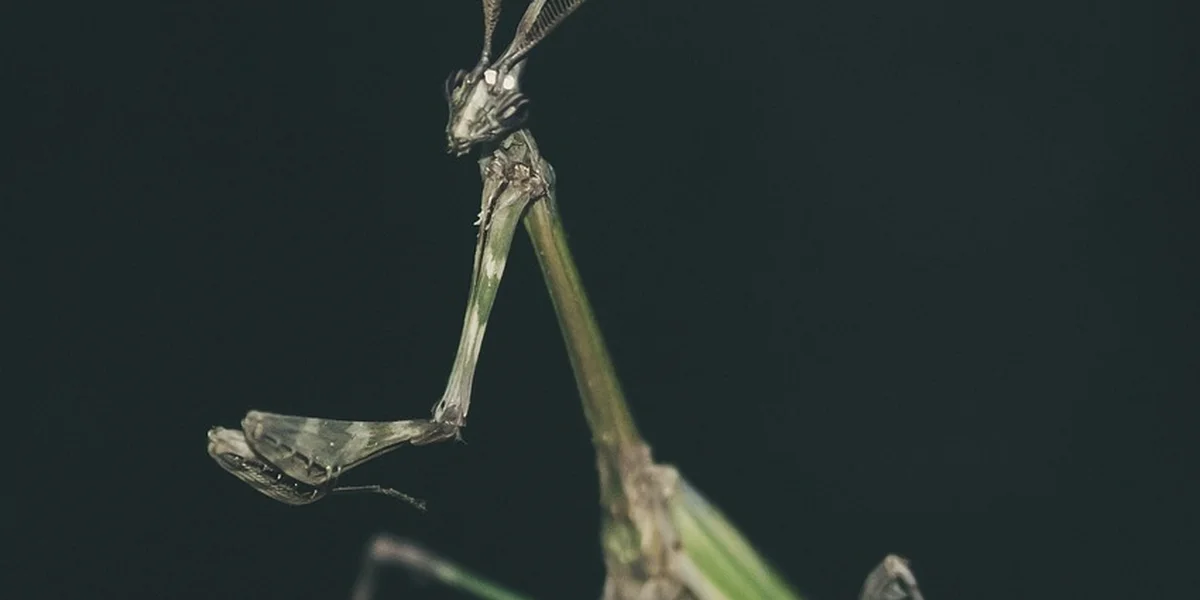
Think of your mantis care as a gentle, predictable rhythm, not a strict schedule. This daily and weekly cadence of feeding, misting, and watching is what transforms a simple enclosure into a thriving, healthy home. A clean habitat is directly tied to your feeding habits; leftover prey can decompose surprisingly fast in the warm, humid air your mantis loves, leading to potential mold or bacterial issues. Your most important tool isn’t your misting bottle-it’s your eyes. A few minutes of quiet observation each day lets you learn your mantis’s normal behavior, so you can spot the slightest change in appetite, movement, or appearance instantly.
Feeding and Hydration Practices
Feeding time is the highlight of the day for both keeper and mantis. We’ve talked about suitable prey, but how you offer it matters just as much. The best method is to introduce live food directly into the enclosure using soft-tipped tweezers, placing the insect on a perch near your mantis. This mimics natural hunting and prevents prey from hiding in the substrate. My ghost mantis, Luna, will often tilt her head, considering the offering for a moment before her lightning-fast grab. Ensuring you feed according to your mantis species’ needs is equally important, so make sure to check out the feeding schedule by species to keep her well-fed and healthy.
Hydration comes from two sources: the body fluids of their prey and gentle misting. Lightly mist the side walls and leaves of the enclosure once a day, preferably in the morning, to create droplets for drinking. Avoid spraying your mantis directly, as some find it stressful. Watch closely; you’ll often see them delicately sipping water from a leaf, their tiny mouthparts moving softly. A well-fed and hydrated mantis is a content mantis, and a content mantis keeps its home cleaner.
Keeping a Clean Environment
A clean enclosure is a safe enclosure. This doesn’t mean sterile, but rather free of waste that can spoil the delicate environment. Your cleaning routine has two parts: daily spot-checks and a weekly refresh. It’s a simple ritual that becomes second nature.
Here is a straightforward routine to follow:
- Daily: After feeding, check for any uneaten prey. Remove it after 24 hours if untouched. Use tweezers to pluck out any obvious frass (mantis droppings) or shed skin fragments from molting.
- Every 3-4 Days: Do a more thorough check. Look under leaves and along the bottom for missed waste. If you use a simple substrate like paper towel, this is when you’d replace it.
- Weekly: Perform a full habitat refresh. Gently move your mantis to a secure temporary container. Remove all decor, rinse it with warm water, and pat it dry. Completely replace the substrate. Wipe down the interior glass with a damp cloth to remove water marks. Then, reassemble everything, making sure branches and plants are firmly placed.
This weekly reset prevents the slow buildup of waste and allows you to inspect every corner of the habitat for security and cleanliness. When I return Moss, my Giant Asian mantis, to his freshly cleaned home, he always spends the first hour meticulously exploring every inch, as if approving the housekeeping.
Tailoring the Space: Notes for Different Mantis Species
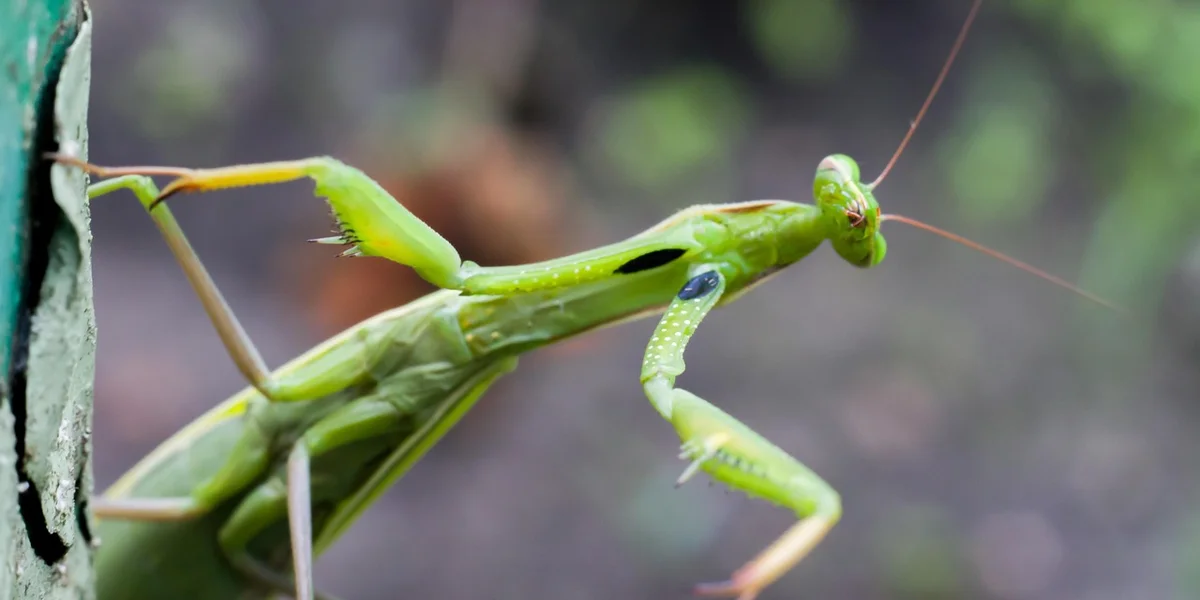
Think of a mantis habitat like a custom-made suit-it needs to fit the wearer perfectly. While core care principles apply to all, subtle shifts in humidity, heat, and space make a world of difference for each species’ comfort and health.
| Species | Personal Mantis & Trait | Key Habitat Shift | Keeper’s Note |
|---|---|---|---|
| Ghost Mantis | Luna – misty brown, leaflike frills, thoughtfully slow | Higher humidity (70-80%), stable warmth, soft ventilation | Her enclosure feels like a damp forest floor; I mist lightly each morning and use a screen top for gentle air flow. |
| Giant Asian Mantis | Moss – vivid emerald, energetic and curious | Adaptable to moderate humidity (50-60%), appreciates vertical space | Moss thrives in room conditions but loves a tall terrarium stuffed with twigs and leaves to explore. |
| Orchid Mantis | Sprig – pink and white marbling, shy yet bold when feeding | High humidity (60-80%), consistent warmth, visual enrichment | Sprig’s home stays toasty with a low-wattage heat mat, and I add silk flowers for her to blend into, which seems to ease her shyness. |
Watch for the small signs: Luna’s frills plump up with moisture, Moss stalks his territory with vigor, and Sprig’s colors deepen when her environment feels just right. These quiet cues guide your adjustments better than any rigid rule.
Simple Projects: DIY and Kid-Friendly Habitat Ideas
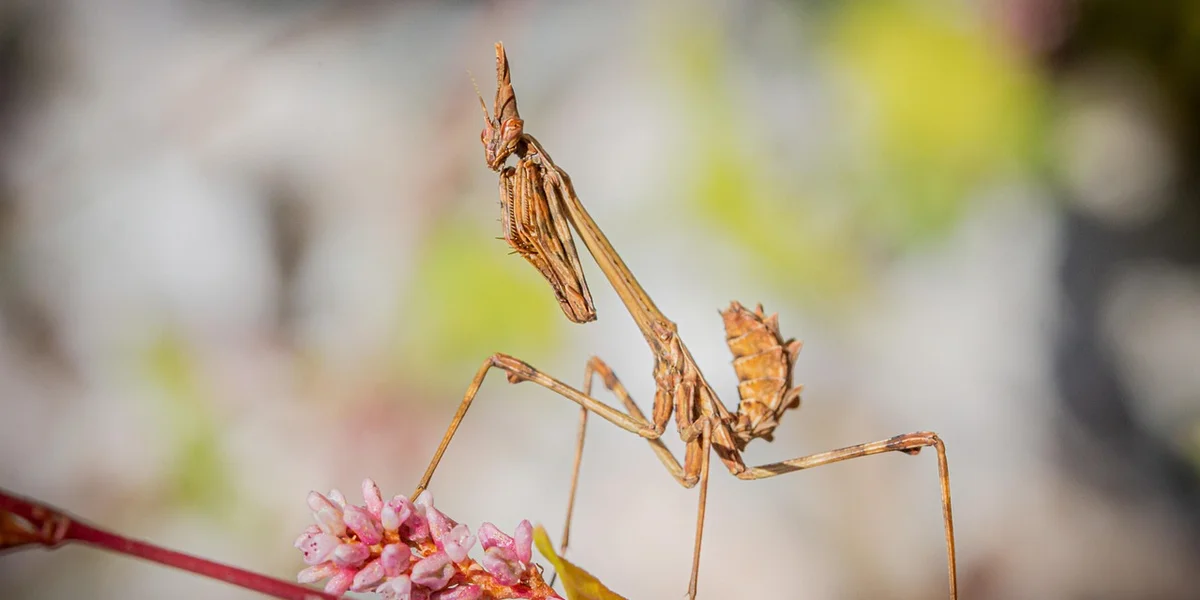
Creating a first home for your mantis doesn’t require fancy equipment or a big budget. With a few safe, repurposed items from around the house, you can build a perfect observation post that teaches respect and wonder for these living sculptures. It’s a wonderful way to involve young enthusiasts, turning care into a hands-on lesson about nature’s delicate balance.
I remember setting up a temporary home for Moss, my Giant Asian mantis, in a large, clear mason jar whilst his permanent enclosure was being cleaned. The simplicity of the jar offered a crystal-clear view of his every move, from grooming his antennae to the careful way he tested each new twig with his front legs. That humble jar taught me more about his daily rhythms than any elaborate setup could have.
Starting with a Simple Container Home
A clean, clear plastic container or a large glass jar with a secure, ventilated lid makes a brilliant starter habitat. Ensure the lid has small holes punched in it for air-a warm paperclip heated gently over a candle can melt perfect, safe holes without sharp edges. This setup is ideal for a young nymph or a calm adult like a Ghost Mantis, providing safety for the mantis and a safe, mess-free project for little hands.
Line the bottom with a piece of paper towel or a thin layer of sterile soil for easy cleaning. Add a few twigs from untreated trees or stems from fake plants, arranging them so your mantis has plenty of perches at different heights. Mist the sides lightly with warm water to create humidity, and watch as your mantis explores its new, simple world.
Household Items for a Quick Habitat
Look around your home with a creative eye-many everyday objects can find a second life in mantis care. Repurposing items not only saves resources but also sparks creativity in designing a unique living space. Here is a short list of safe, common items you can use:
- Clear plastic deli containers or large yogurt pots: Rinse thoroughly, and use a mesh scrap or netting secured with a rubber band for ventilation.
- Chopsticks or bamboo skewers: Perfect for creating climbing structures and perches; just sand any rough ends.
- Small, clean shot glasses or bottle caps: Ideal for holding a drop of honey-water treat or as a stable base for a fresh flower.
- Old sheer tights or stockings: Stretch a piece over the container opening for excellent, escape-proof ventilation.
- Pebbles from the garden: Boil them for ten minutes to sterilize, then use to weigh down lighter decorations.
When my orchid mantis, Sprig, was small, her favourite perch was a simple bamboo skewer leaned against the side of a plastic container. She would sit there for hours, her pink and white petals almost glowing, teaching us the value of stillness and observation.
Focusing on Safety and Learning
For a truly kid-friendly project, prioritise safety and clear visibility above all else. Supervise any cutting or hole-punching, and always handle the mantis gently, if at all, to avoid stress for the insect and nervous fingers. Use containers with smooth interiors to prevent tiny claws from getting caught.
Turn the setup into a quiet science lesson. Encourage young keepers to note the mantis’s favourite perch, count how many times it sheds its skin, or observe how it drinks water droplets from the leaves. This daily check-in, done with soft voices and calm movements, builds a routine of responsible care.
Finally, place the finished habitat in a quiet spot away from direct sun and drafts. Be mindful of common mistakes beginners make when setting up their first mantis habitat, such as exposing the enclosure to direct sun or drafts. A stable environment in a peaceful corner allows your mantis to feel secure, giving you a front-row seat to the fascinating world of a miniature predator at rest.
FAQs on Mantis
What should I look for in a praying mantis habitat kit?
Prioritize kits that offer excellent ventilation and are at least three times the height of your mantis for safe molting. Many kits provide a basic setup, but you may need to supplement with additional climbing branches and foliage for enrichment.
Do praying mantises have specific geographic habitat requirements I should mimic?
Yes, different species originate from various global regions, which influences their ideal climate in captivity. Researching your mantis’s native range helps you accurately replicate the necessary temperature and humidity levels in its enclosure.
Where is the best place to buy a praying mantis habitat for sale?
Specialty online pet retailers, reptile supply stores, and dedicated invertebrate shops often sell suitable enclosures. Always verify product dimensions and ventilation features to ensure they meet the essential needs for your specific mantis species. When choosing enclosures, match the size and enclosure type to the enclosure by mantis species, since different mantis species have varying space and climbing needs. Consider researching the species’ natural habitat to guide features like vertical space and ventilation requirements.
Creating a Lifelong Home: Final Reflections
Your mantis thrives in a calm, spacious enclosure that mirrors the gentle humidity and climbing opportunities of their natural world. Mimicking these conditions with regular misting and safe, live food turns a simple habitat into a secure space for growth and delicate molting. A praying mantis bioactive enclosure adds safe plants and microfauna to enrich behavior and support natural waste cycling. This setup creates a more resilient, low-maintenance habitat.
We see responsible ownership as a quiet commitment to observing and adapting to your mantis’s unique needs each day. Embrace the ongoing journey of learning; connecting with experienced keepers can reveal new, thoughtful ways to enrich your pet’s life.
Further Reading & Sources
- How to Care for a Praying Mantis : 4 Steps – Instructables
- Praying Mantids – Wisconsin Horticulture
- Praying Mantis | National Geographic Kids
- Praying Mantis Habitat, Predators, Prey & Facts
Rowan Hale is a lifelong insect enthusiast who fell in love with mantises for their calm presence, alien elegance, and surprising personalities. After years of keeping and raising a variety of species, Rowan shares practical tips, creative insights, and real-world experience to help others enjoy the quiet magic of mantis care. From setting up the perfect enclosure to understanding their subtle behaviors, Rowan invites readers into a gentle, curious world where every tiny movement feels like a discovery.
Temperature and Humidity