
Essential Habitat Requirements for a Healthy Praying Mantis
Published on: December 4, 2025 | Last Updated: December 4, 2025
Written By: Rowan Hale
Hello, fellow mantis friend! There’s a gentle wonder in observing a praying mantis-the way it sits like a living leaf, patiently waiting, or the delicate click of its grasp as it catches its meal.
A healthy praying mantis needs a home that thoughtfully replicates its natural world, focusing on secure space, consistent warmth, balanced humidity, and safe, engaging surroundings.
But crafting that perfect environment is more nuanced than it first appears; it’s a gentle dance of elements that keeps your mantis content. Think of it as building a tiny, self-sustaining ecosystem. Here are the core pillars we’ll explore together:
- A properly sized and ventilated enclosure for security and movement.
- Stable temperature gradients to support digestion and activity.
- Precise humidity levels for successful molting and overall health.
- Thoughtful decor and substrate that provide enrichment and safety.
The Core Climate: Mastering Temperature, Humidity, and Light
Think of your mantis’s habitat as a tiny, personal weather system. Getting these three elements-warmth, moisture, and light-in harmony creates the foundation for everything from successful feeding to the delicate drama of a moult. It’s less about complex gadgets and more about consistent, gentle observation.
Getting Temperature Just Right
Most common pet mantis species thrive in a steady, room-like warmth. Aim for a gradient between 20°C and 26°C (68°F to 79°F), with the sweet spot often right in the middle. Avoid placing the enclosure in direct sunlight, which can create deadly oven-like conditions, or in drafty spots near windows or air vents.
We’ve found a simple, low-wattage heat mat placed on one side of the enclosure (never underneath) works wonders for creating a gentle gradient. My Ghost mantis, Luna, often chooses to bask near the warmed glass after a misting, her frilled arms outstretched just so.
- Room Temperature is Usually Enough: A consistently warm room often eliminates the need for extra heating.
- Create a Gradient: If using supplemental heat, place it on one side so your mantis can choose its comfort zone.
- Monitor with a Gauge: A small digital thermometer inside the enclosure is your best friend for peace of mind.
- Night-time Dips are Natural: A slight temperature drop at night is normal and often beneficial, mimicking their natural environment.
Balancing Humidity for Health and Molting
Humidity is the silent partner in your mantis’s health, crucial for breathing and absolutely critical for shedding its old skin. The ideal level is a moving target, shifting between a general daytime range and brief, higher spikes around misting time. For many species, maintaining 50-60% relative humidity is a good baseline.
Too little moisture leads to a disastrous stuck moult, where the mantis cannot free itself from its old exoskeleton. Too much invites mould and bacterial growth. We achieve balance not with constant high humidity, but through a cycle of drying out and rehydration.
Misting: Your Mantis’s Water Source
Mantises drink from droplets on leaves and the enclosure walls; they do not use a water bowl. Many keepers wonder how often they need water; a complete hydration guide covers their moisture needs. This information helps tailor misting to your enclosure’s humidity. Light, daily misting with lukewarm, dechlorinated water provides hydration and boosts humidity for moulting. Use a fine spray bottle and aim for a gentle dew, not a soaking downpour.
- Mist in the morning or early evening, simulating natural dew.
- Focus on the sides of the enclosure and any foliage, creating droplets your mantis can drink.
- Allow the habitat to dry out almost completely before the next misting. This cycle prevents mould.
- Increase misting frequency slightly when you notice pre-moult signs: lethargy, cloudy eyes, and refusal of food.
Watch your mantis after misting. My Giant Asian, Moss, will often amble over to a shimmering droplet and sip delicately, his antennae twitching with each tiny movement.
Choosing and Preparing the Perfect Enclosure
The enclosure is your mantis’s entire world. Selecting the right one is less about size and more about providing secure surfaces for climbing and hanging upside-down—a non-negotiable requirement for moulting. There are several enclosure types to choose from. Each type offers different ventilation, humidity, and accessibility. A classic mesh or ventilated acrylic terrarium, at least three times the mantis’s length in height, is ideal.
Fill the vertical space with soft, stable climbing structures. We use preserved oak branches, twisty grapevine, and artificial plants with broad leaves. Avoid anything sticky or sharp. The ceiling must have a mesh or textured area from which the mantis can suspend itself when the time comes to shed.
Ventilation: The Breath of the Habitat
Stagnant, moist air is a recipe for trouble. Excellent cross-ventilation is paramount, allowing fresh air to circulate while maintaining humidity. Mesh-sided enclosures or those with large mesh panels on at least two sides are perfect.
- Prevent Fungal Issues: Good airflow keeps the enclosure fresh and discourages mould growth on substrates and decor.
- Avoid Condensation: If the glass is constantly fogged, you need more ventilation to balance the humidity.
- Secure Mesh: Ensure the mesh is fine enough that tiny feeder insects cannot escape, but large enough for air to pass through freely.
Safe Spaces and Predator Protection
Despite being predators, mantises can feel exposed. Providing visual barriers and hiding spots reduces stress and creates a more natural, engaging environment. A little clutter is a good thing here.
We add soft silk or plastic leaves near the top for perching and partial concealment. A piece of cork bark leaning against the side offers a quiet retreat. Remember, the greatest predator risk often comes from within the home: other pets. Always place the enclosure out of reach of curious cats or dogs, in a calm, low-traffic area where your mantis can observe its domain in peace.
Creating a Comfortable Interior: Substrate, Plants, and Climbing Surfaces
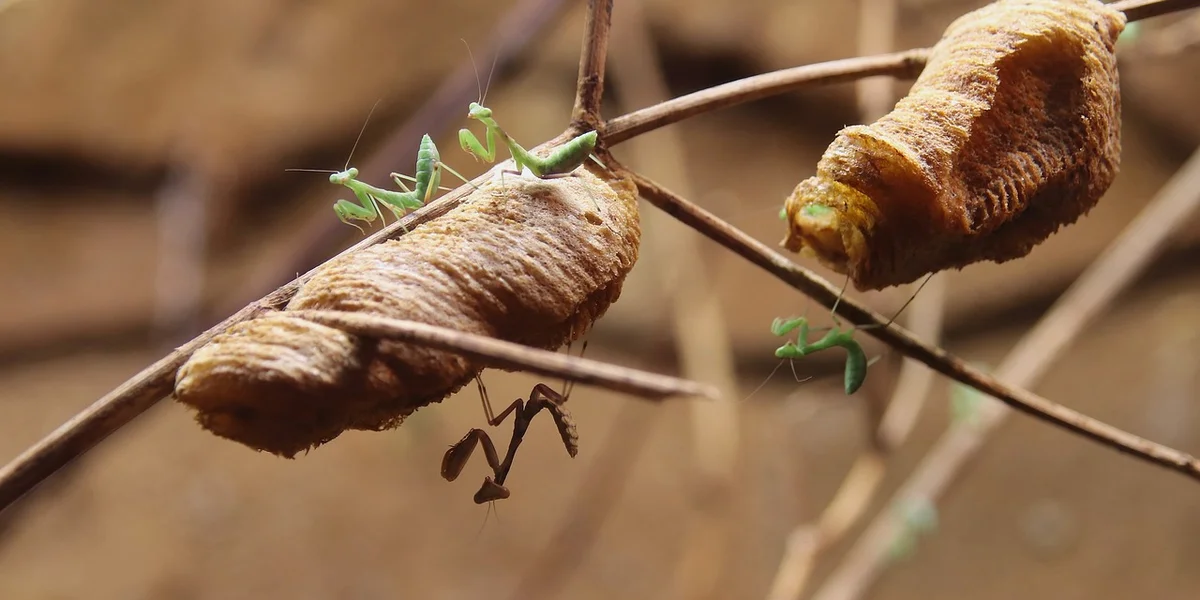
Imagine your mantis enclosure as a miniature ecosystem, where the ground underfoot and the branches overhead shape daily life. We build this interior not just for looks, but to support natural behaviors like climbing, hiding, and the delicate process of molting. A thoughtfully furnished habitat reduces stress and lets your mantis thrive, turning a simple container into a secure home. For a true bioactive enclosure for your praying mantis, add live plants, beneficial microfauna, and a layered substrate to support a self-sustaining miniature ecosystem. This setup helps maintain humidity, encourage natural foraging, and keep the enclosure clean.
Selecting the Right Substrate
Substrate is the foundation of your habitat, influencing humidity and cleanliness. Choose a material that holds moisture without becoming soggy, creating a gentle microclimate for your mantis. For my ghost mantis, Luna, I use coconut fiber because it feels like soft, damp earth and helps maintain the humid air she prefers.
Here are common substrate options, each with its own benefits:
- Coconut Fiber (Coir): Holds humidity well, is digestibly safe if accidentally ingested, and gives a natural forest-floor appearance. It’s my top choice for most species.
- Peat Moss: Similar to coconut fiber but ensure it’s chemical-free. It can acidify slightly, which some keepers like for mimicking certain environments.
- Paper Towels: A simple, sterile option perfect for young nymphs or quarantine setups. They make spot-cleaning effortless, as you can just replace the top layer.
- Sphagnum Moss: Excellent for boosting humidity in dry corners. I often tuck a small clump near the heat source for my orchid mantis, Sprig, who enjoys the extra dampness.
Avoid gravel, sand, or any sharp-edged materials that could harm delicate feet. Layer your substrate about an inch deep to allow for light misting without pooling water at the bottom. Remember, the goal is a stable base that quietly supports the environment above.
Furnishing with Foliage and Perches
Mantises are arboreal creatures, spending most of their time off the ground. Vertical space is far more valuable than floor space, so fill it with plenty of climbing options. When my giant Asian mantis, Moss, explores a new network of twigs, his movements are deliberate and curious, like a tiny explorer in a green jungle.
Start with sturdy branches or twigs collected from pesticide-free trees. Bake them in a low oven for an hour to sanitize. Arrange them at varying angles and heights, creating a ladder system that reaches almost to the enclosure top. This gives your mantis multiple pathways and perches for hunting and resting. As your mantis nymphs grow, the graduated enclosure setup provides space for molts and increased mobility. A tiered arrangement makes observation and feeding easier as the group expands.
Add foliage for cover and enrichment:
- Artificial Plants: Silk or plastic vines and leaves are easy to clean and provide instant hiding spots. They offer visual security without the care demands of live plants.
- Live Plants: Pothos, spider plants, or bromeliads can boost humidity and air quality. Ensure they are non-toxic and planted in organic soil. Their living presence adds a calming, natural rhythm to the habitat.
- Textured Bark and Cork Rounds: These provide rough surfaces for gripping and dark crevices for retreat. I often see Luna tucked behind a cork piece, her leafy camouflage making her nearly invisible.
Include several anchor points near the top where your mantis can hang upside-down for molting. This is non-negotiable-a safe, unobstructed molting space can mean the difference between a successful shed and a life-threatening mishap. Listen for the soft rustle of leaves as your mantis moves; that sound is the heartbeat of a comfortable home.
Daily and Weekly Care: Feeding, Water, and Cleanliness
Think of these tasks as gentle rhythms in your mantis’s week, quiet rituals that build trust and wellbeing.
By weaving feeding, hydration, and cleaning into a predictable pattern, you create a sanctuary where your mantis can thrive without worry.
The Feeding Routine
Feeding a praying mantis is less about a strict schedule and more about reading its subtle cues.
An abdomen that looks plump, like a tiny green pea pod, usually means your mantis is content and well-fed.
Young nymphs need food almost daily, whilst adults often eat every two to four days. Our Moss, the Giant Asian mantis, would perk up and start scanning his enclosure every third afternoon, a clear sign he was hunting.
Offer live prey that is smaller than your mantis’s head. Good options include:
- Fruit flies for tiny nymphs.
- Pinhead crickets or small roaches for juveniles.
- House flies, blue bottle flies, or small moths for adults.
We use soft-tipped tweezers to offer food, which helps prevent escapes and lets us monitor intake.
Always remove uneaten prey after a few hours to keep your mantis from feeling harassed in its own home.
Watch for that iconic strike-a blur of movement followed by a soft, crinkling munch. Our Ghost mantis, Luna, eats with deliberate calm, holding her cricket like a precious prize.
Maintaining a Pristine Home
A clean enclosure stops mold and bacteria, which are silent threats in a humid environment.
Your weekly tidy-up is a simple act of care that mirrors the freshness of a dew-covered leaf at dawn.
We break maintenance into daily glances and a proper weekly clean.
Daily: Quickly check for leftover prey, shed skin (exuvia), and waste (frass). A light misting with warm water provides drinkable droplets.
Weekly: This is your chance for a thorough refresh. Follow these steps:
- Gently move your mantis to a secure temporary jar with a ventilated lid.
- Remove all decor, like sticks and fake plants.
- Wipe the enclosure walls with a damp paper towel to clear residue.
- Replace the substrate if you use one; paper towel is an easy, cheap liner we often choose.
- Clean decor with hot water, let it dry completely, then reassemble the habitat.
- Return your mantis carefully, and give the leaves a final light mist.
That earthy, rain-fresh scent after misting is a sign of perfect humidity. Our Orchid mantis, Sprig, always explores her freshly arranged branches with renewed curiosity.
Never use soaps or chemicals; warm water and elbow grease are all you need for a pristine, safe home.
Tailoring the Habitat for a Healthy Praying Mantis
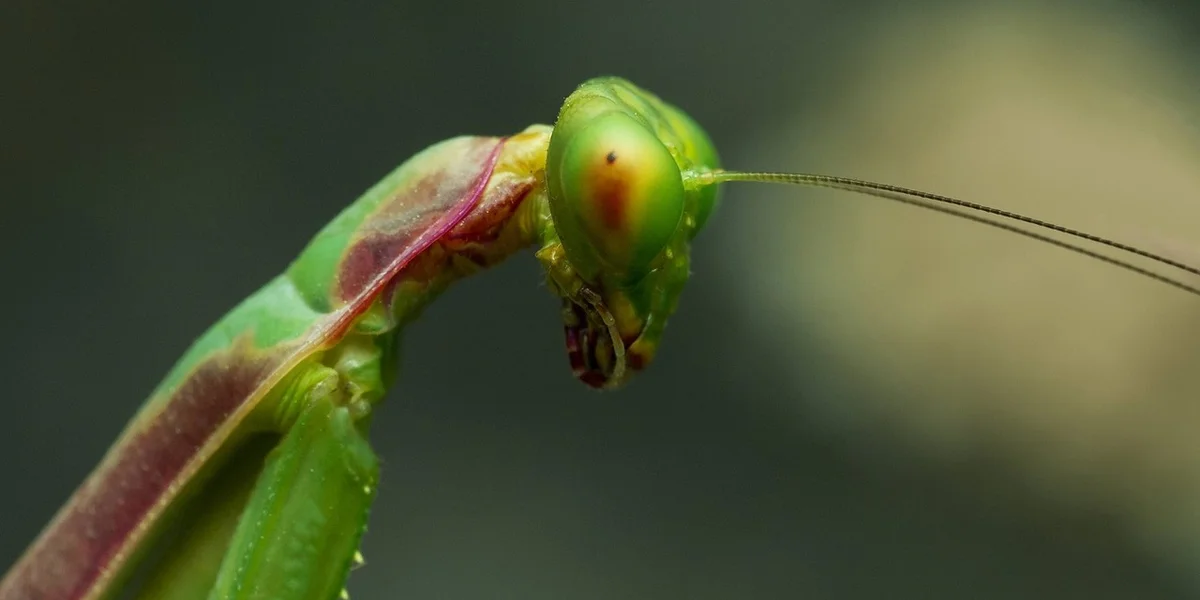
Creating a one-size-fits-all enclosure is like planting a cactus in a rainforest-it might survive, but it will never truly thrive. The most attentive mantis care comes from observing your individual insect and adapting its world as it grows and through its unique instincts. We shift the furniture, so to speak, to match their changing size, mobility, and even their personality.
From Nymph to Adult: Adjusting the Setup
Watching a mantis grow from a speck-sized nymph to a majestic adult is one of the great joys of keeping them. Their home must evolve with them. Think of a nymph’s enclosure as a delicate nursery, and an adult’s as a sturdy studio apartment.
For tiny nymphs, especially in their first few instars, the primary concern is safety and finding food. A tall deli cup or a small critter keeper is perfect. You must line the top with a fine mesh, like organza or sheer tulle, so their tiny feet can grip and they cannot escape through ventilation holes meant for larger insects. Keep decorations minimal-a single twig and perhaps a leaf-to make spotting pinhead crickets or fruit flies easier for them.
As they molt and grow, you can graduate them to a permanent adult enclosure. The upgrade timing is key. I moved my Ghost Mantis, Luna, into her final terrarium after her fourth molt, when she was sturdy enough to handle the space. Key adjustments include:
- Increasing ventilation area as they require more air flow.
- Adding more and varied climbing structures, ensuring branches reach the top for molting.
- Switching to a deeper, secure substrate to support heavier live plants or to cushion any falls.
Molting is the most critical time. Regardless of stage, the mantis must hang upside down from a secure perch with enough clearance below for its old skin to fall away. A cramped nymph will struggle to molt, and a fall during this soft-shelled period can be fatal, so always check for adequate vertical space. Even with proper space, it’s important to recognize signs of molting difficulties early on. The humid, earthy scent of a lightly misted enclosure just before a molt helps ease the old skin off.
Species-Specific Considerations
Beyond life stage, the mantis species itself dictates its perfect habitat. A Giant Asian Mantis and an Orchid Mantis have needs as different as a sunflower and a violet. Where they live also shapes their care, since different mantis species occupy a range of habitats from tropical forests to arid scrublands. Knowing their home environment helps you match enclosure, humidity, and temperature. Here’s how to cater to some common types.
For larger, active species like the Giant Asian or African Mantis, think spacious and robust. My male Giant Asian, Moss, used every inch of his 12-inch tall enclosure. They need strong, branched sticks and a focus on horizontal space for exploring and hunting. Good cross-ventilation is vital to prevent stagnant air.
Delicate, cryptic species like the Ghost Mantis or Dead Leaf Mantis prefer a different approach. They are ambush predators, not active hunters. Their enclosures should be filled with fine, twiggy branches, dried leaves, and foliage that mimics the forest litter they naturally vanish into. Luna would perch motionless for days, a soft brown statue amidst the twigs, only her head turning slowly. Higher humidity is often needed to replicate their tropical forest-floor homes.
The spectacular Orchid Mantis requires specialized care. My juvenile, Sprig, lived in a tall, flower-filled terrarium. They need blooming orchids or similar broad-petaled flowers (real or very realistic silk) to perch on and camouflage against. Warmth and consistently high humidity are non-negotiable, mimicking the steamy Asian rainforests they call home. Their delicate, petal-like frills are stunning but demand pristine air flow to prevent fungal issues.
Use this simple guide to compare core needs:
| Species Type | Enclosure Focus | Key Habitat Element | Humidity Need |
|---|---|---|---|
| Large & Active (e.g., Giant Asian) | Space & Ventilation | Sturdy climbing frames | Moderate |
| Cryptic & Delicate (e.g., Ghost Mantis) | Clutter & Camouflage | Fine twigs, leaf litter | Moderate to High |
| Floral Specialists (e.g., Orchid Mantis) | Heat & Humidity | Live or silk flowers | High |
The final, most important tool is your own observation. Notice where your mantis prefers to sit, how it drinks water droplets, and its success in hunting. A perfectly tailored habitat is one your mantis uses confidently, displaying natural behaviors in a space that feels, to them, like a safe and familiar corner of the world. As you design, avoid common mantis habitat setup mistakes—overcrowding the enclosure, incorrect humidity, or placing it in direct drafts. Keep observing to adjust and refine the space to support natural behaviors.
DIY Habitat Projects and Solving Common Problems
Simple DIY Enclosure Ideas
Creating a cozy home for your mantis doesn’t require a fancy kit; often, items from around your house work beautifully. A well-ventilated, secure space that mimics their natural nooks is far more valuable than an expensive tank. We find joy in crafting these little worlds, and your mantis will thrive in a thoughtfully assembled environment.
Let’s start with a classic: the upcycled large jar or plastic food container. For a quick, temporary home or a nursery for a tiny nymph, a clean one-gallon glass jar with a mesh or fabric lid secured by a rubber band is perfect. I housed Sprig in a similar setup during her early juvenile stages, and the clear walls let me admire her pink marbling as she perched on a twig.
Here is a simple step-by-step guide for a basic DIY enclosure:
- Choose a clear container deep enough for molting-at least three times your mantis’s length.
- Poke or drill small air holes in the sides and lid for cross-ventilation, ensuring they are smaller than your mantis’s head.
- Add a safe substrate like peat-free soil, coconut fiber, or even paper towel for easy cleaning.
- Place a few clean, slender branches or artificial plants for climbing and hanging.
- Secure the lid tightly-mantises are clever escape artists!
Another favorite is the mesh-and-frame cage, ideal for species like Moss who adore airflow. You can build a simple frame from untreated wood or PVC pipes and stretch fine insect mesh over it, creating a lightweight and breathable mansion. This design helps prevent stagnant air and mold, common issues in sealed spaces.
Habitat Troubleshooting Guide
Even the best habitats can have hiccups, but most problems have straightforward fixes. Spotting issues early is key to keeping your mantis content and healthy. We’ve all faced a mysterious mold patch or a pet that refuses to eat, and a calm approach usually solves it.
Use this guide to diagnose and mend common enclosure troubles:
- Problem: White fuzz or damp spots on decor or substrate (Mold).
Solution: Reduce misting frequency slightly and improve ventilation. Remove affected material immediately and replace it with fresh, dry substrate. - Problem: Mantis clinging to the lid constantly, rarely exploring.
Solution: The habitat might be too humid or warm at the bottom. Check your heat source and ensure a gentle temperature gradient. Add more climbing variety at different heights. - Problem: Refusal to eat or sluggish behavior.
Solution: First, ensure prey is an appropriate size. Then, check for impending molt-they often fast before shedding. Provide a quiet, secure space and avoid handling. - Problem: Condensation pooling on the walls.
Solution: This signals excessive humidity. Wipe the walls dry, increase air flow with more holes, and mist less heavily, targeting only one section of the enclosure.
Sometimes, the issue is a simple matter of adjustment. Luna, my Ghost Mantis, once became very still for days; turning her enclosure slightly away from direct sunlight restored her calm, observant demeanor. Pay attention to those subtle changes in posture and activity.
For persistent problems, consider this quick-check list:
- Is the temperature steady between 22-28°C (72-82°F) for most species?
- Is humidity provided by light, daily misting with warm water, not a water bowl?
- Are all materials non-toxic and free from sharp edges?
- Is the enclosure placed in a low-traffic area away from loud noises and drafts?
Getting the balance right feels like tending a miniature garden. With a little patience and these DIY solutions, you can create a thriving, problem-free home that lets your mantis live its best, leaf-like life. Regular cleaning and habitat maintenance keep the enclosure safe and thriving. Wipe surfaces, refresh substrate, and monitor humidity to prevent mold and pests.
Questions from Fellow Mantis Friends
Is a pre-made praying mantis habitat kit a good choice for beginners?
Pre-made kits can be an excellent starting point as they often include the essential enclosure, substrate, and decor. However, you may need to supplement them with additional climbing material or adjust ventilation to perfectly match your specific mantis species’ needs. This decision also ties into a broader cost-benefit discussion of mantis habitats, comparing DIY enclosure options to commercial kits. A quick breakdown can help weigh upfront costs, ongoing maintenance, and customization potential for your particular setup.
How can I make a praying mantis habitat safe and engaging for a child?
Focus on a secure, escape-proof enclosure with very clear walls for easy viewing and simple, sturdy decor. Engaging a child involves letting them assist with safe tasks like light misting and observing feeding, always under direct adult supervision.
Where is the best place to buy a praying mantis habitat for sale?
Specialized online reptile and invertebrate shops typically offer the best selection of suitable, well-ventilated enclosures. You can also find appropriate tanks or terrariums at general pet stores, but always ensure the dimensions and ventilation meet the core requirements outlined in our guide.
Creating a Sanctuary for Your Mantis
By focusing on the core pillars of a secure, well-ventilated enclosure, stable warmth, gentle humidity, and plenty of climbing space, we can offer a mantis a home where it feels safe enough to display its full, fascinating behaviour. The right habitat isn’t just a container; it’s an active effort to mimic the subtle security and sensory richness of their natural world, from the texture of a branch to the soft morning mist.
Keeping a mantis is a quiet exercise in stewardship, a promise to provide consistent, attentive care that respects their delicate nature. Your journey as a keeper grows alongside your mantis, so cherish the learning process, observe its unique personality, and let your care be guided by patience and reliable resources.
Further Reading & Sources
- Praying Mantis – Facts, Diet & Habitat Information
- Mantis – Wikipedia
- Praying Mantids – Wisconsin Horticulture
- Should You Keep a Praying Mantis as a Pet?
Rowan Hale is a lifelong insect enthusiast who fell in love with mantises for their calm presence, alien elegance, and surprising personalities. After years of keeping and raising a variety of species, Rowan shares practical tips, creative insights, and real-world experience to help others enjoy the quiet magic of mantis care. From setting up the perfect enclosure to understanding their subtle behaviors, Rowan invites readers into a gentle, curious world where every tiny movement feels like a discovery.
Temperature and Humidity