
Essential Habitat Requirements for a Healthy Praying Mantis
Published on: December 4, 2025 | Last Updated: December 4, 2025
Written By: Rowan Hale
Hello there, mantis friend! Have you ever seen a praying mantis sit so still it seems part of the foliage, a quiet green statue watching the world with calm, curious eyes? Bringing that wild grace indoors is a joy, but it asks for a thoughtful touch.
A healthy praying mantis needs a habitat that provides security, proper airflow, steady warmth, balanced humidity, and furnishings that encourage natural climbing and hunting behaviors.
Crafting this space is more nuanced than it first appears, blending practical care with a keeper’s gentle observation. To guide you, here are the core pieces we’ll gently fit together:
- A secure enclosure with excellent ventilation to prevent stagnant air.
- Stable, species-appropriate warmth to support energy and successful molting.
- Carefully managed humidity levels, often boosted with warm water mists.
- Natural decor like twigs and leaves for perching, hiding, and exploring.
The Perfect Enclosure: Finding the Right Mantis Home
Guidance:
Think of your mantis’s enclosure as a miniature ecosystem tailored to their needs. Its core purpose is to offer safety from escapes and falls, ample vertical space for the delicate molting process, and a stable microclimate that mirrors their natural environment. We want our mantis friends to feel secure enough to exhibit their natural behaviours, from patient hunting to that dramatic, head-first shed.
Choosing the right type is your first step. Here’s a friendly comparison of the most common homes we keepers use:
- Mesh Cages: Excellent ventilation is the star here, reducing mold risk significantly. They are lightweight and provide great visibility, but their open design can make consistent humidity a challenge, requiring more attentive misting. Ensure the mesh is fine enough to prevent tiny nymphs from slipping through.
- Glass Terrariums: These offer crystal-clear viewing and excel at retaining moisture for humidity-loving species. The trade-off is airflow; a full glass box can become stagnant without a mesh lid or side vents to create a healthy cross-breeze. They are heavier and can be prone to condensation if not ventilated well.
- Plastic Containers: Affordable and wonderfully adaptable, think Kritter Keepers or DIY storage bins. You can easily customise ventilation with drilled holes, and they hold humidity better than mesh whilst being durable and simple to clean. Visibility might not be as sharp as glass, but for functionality, they are a top choice.
Size matters, but in a specific way. Height is the most critical dimension, as mantises need to hang freely from the ceiling to molt successfully. A simple rule is an enclosure at least three times your mantis’s length in height. For a tiny nymph, a large deli cup with a ventilated lid is perfect. For an adult like my Moss, his Giant Asian frame is happiest in a terrarium around 30 centimetres tall.
Finally, focus on these non-negotiable features. A secure, locking lid is essential-these intelligent insects are masterful at finding gaps and can push open loose covers. Ventilation should be ample but sized appropriately for your mantis’s life stage. Easy access, through front doors or a fully removable top, makes routine cleaning and feeding a gentle, stress-free process for both of you.
Climate Control: Balancing Warmth, Moisture, and Airflow
Guidance:
-
Temperature:
Creating a slight temperature gradient allows your mantis to thermoregulate, moving to warmer or cooler spots as needed. Most common species do beautifully in a range of 21°C to 29°C (70°F to 85°F), with a natural, gentle drop at night. Use a heat mat placed on the side of the enclosure or a low-wattage bulb above, always monitored by a reliable thermometer. Avoid heating from below, as it can dry out the substrate and create dangerous hot spots. Ensure you heat the enclosure properly to maintain an optimal environment for your mantis.
-
Humidity:
This invisible moisture in the air is the unsung hero of a clean molt. Proper humidity softens the old exoskeleton, allowing it to split and slide off without trapping your mantis. Aim for a range of 40% to 60% for many temperate species, adjusting higher for tropical ones like Orchid Mantises. Achieve this by lightly misting the enclosure’s foliage and walls with warm water once or twice daily. Let the habitat dry out somewhat between mistings to prevent constant dampness, which invites mold and mites.
-
Ventilation:
Fresh air circulation is what prevents your careful climate work from going sour. Good ventilation wards off fungal growth and respiratory issues by ensuring stale, moist air is constantly replaced. Balance is key; pair your misting routine with cross-ventilation from mesh panels on opposite sides or a screened lid. In my glass setup for Luna, her Ghost Mantis frills stay perky thanks to a mesh top that lets humidity rise while drawing in fresh air.
Furnishing the Interior: Substrate, Perches, and Hideaways

Think of your mantis enclosure as a tiny, living diorama—every element you add should serve a purpose, creating a secure and stimulating home. We aim to mimic the textures and opportunities of their natural world, right down to the soft floor beneath their feet and the twigs they cling to. You can bring this idea to life with a DIY mantis enclosure made from everyday materials. Start with safe, inexpensive components you already have at home.
Choosing the Right Substrate
The base layer of your habitat is more than just decoration; it’s a functional foundation that affects humidity and safety. A proper substrate acts like a gentle sponge, holding moisture to boost humidity levels without making the enclosure soggy. It also cushions those occasional tumbles, especially for clumsy juveniles or mantises mid-molt.
Stick to these simple, safe options that have worked well in our own terrariums:
- Paper Towel: Unbeatable for beginners. It’s cheap, easy to replace, and lets you monitor cleanliness at a glance. I often use this for nymphs like Sprig was, as it prevents tiny legs from getting stuck.
- Coconut Fiber (Coir): Our go-to for a natural, earthy look. It holds humidity beautifully and has a soft, loose texture. You can almost smell the forest floor when it’s freshly dampened.
- Sphagnum Moss: A superb choice for species that crave higher humidity. It feels lush and springy underfoot and helps maintain that delicate, moist atmosphere ghost mantises like Luna adore.
Climbing Structures and Perches: The Vertical Highway
Mantises are born climbers, and vertical space is non-negotiable for their wellbeing. Without ample things to grip and climb, a mantis can become stressed, inactive, and may even struggle to molt properly. They need a clear, unobstructed path from the top of the enclosure to hang upside-down when it’s time to shed their old skin.
Select materials that are safe, secure, and varied in width:
- Collected sticks (baked in the oven for 30 minutes at 100°C to sterilise them)
- Bamboo skewers or garden canes
- Artificial vines or silk plants with sturdy stems
Arrange them like a miniature jungle gym. Create a network of perches that criss-cross at different heights, ensuring your mantis can always find a comfortable lookout spot. My male Giant Asian, Moss, spends hours patrolling his favourite bamboo cane, which we’ve angled from the floor to the mesh ceiling.
Foliage and Hiding Spots: Security and Ambush Points
Plant cover transforms an empty cage into a home, providing crucial psychological comfort. Dense foliage, whether real or artificial, gives your mantis a place to retreat and feel hidden, which dramatically reduces stress. It also sets the stage for natural hunting behaviour, offering perfect ambush points where they can wait motionless, like a green statue.
Silk plants are a fantastic low-maintenance choice-they’re easy to clean and won’t introduce pests. If you fancy a DIY project, try crafting a simple hide from a half-buried clay flower pot or a curled piece of cork bark. Even a little tent made from a folded, clean paper towel can give a nervous juvenile a quick sense of security. Watch how your mantis uses these spaces; our Orchid mantis, Sprig, often vanishes into her pink silk blossoms, only her watchful eyes peeking out.
The Daily Rhythm: Light, Water, and Feeding in the Habitat
Creating a healthy habitat isn’t just about the space itself—it’s about the gentle, daily patterns of light, moisture, and food that make your mantis feel at home. If you notice signs of stress—like rapid movement, lethargy, or a reluctance to eat—these can indicate a habitat issue. We’ll show you how to read those signals and adjust light, humidity, and space to fix the habitat. We’ll walk through these rhythms together, focusing on simple, keeper-tested methods that keep your pet calm and thriving.
Guidance:
-
Lighting: Mantises need a clear day and night cycle, but they are delicate creatures of shaded undergrowth.
Direct, hot sunlight streaming into an enclosure can quickly create dangerous overheating, much like a magnifying glass on a leaf. I always place Luna’s terrarium where it receives bright but indirect natural light, such as near a window with a sheer curtain. A standard room lamp switched on during daytime hours works perfectly if natural light is scarce. There’s no need for special UVB bulbs; these insects get all they require from a gentle, consistent light schedule that mimics a soft dawn and dusk.
-
Water Source: Your mantis will not drink from a bowl but from tiny droplets that form on leaves and mesh.
Misting is your primary tool, and doing it safely is key. Use distilled or dechlorinated water at room temperature to prevent any chemical irritation. Lightly spray the enclosure walls and foliage once a day, or every other day, until you see a fine dew settle-this mimics a natural morning and provides drinking opportunities. Aim the mist away from your mantis directly; a sudden spray can startle them, and we want to encourage calm, lapping sips from the leaves. Watching Moss tilt his head to catch a droplet is a quiet joy of the daily routine.
- Frequency: Daily in drier rooms, every two days in more humid spaces.
- Water Type: Distilled or tap water left out for 24 hours to evaporate chlorine.
- Method: Spray the habitat’s interior surfaces, not the insect.
-
Prey Availability: A well-set habitat turns feeding time into a successful hunt, not a stressful chase.
The branches and perches you provide are more than decor-they are strategic ambush points. A mantis like Sprig relies on stable footing to remain perfectly still before striking, so ensure vines and sticks are securely anchored. Prey size is critical for safety; offer food items no larger than the space between your mantis’s front arms. A cricket that’s too big can injure your pet during a struggle, whilst prey that’s too small may go unnoticed and later bother a molting mantis. Always remove any uneaten live prey after a few hours to keep the peace.
Tailoring the Habitat for Different Mantis Species
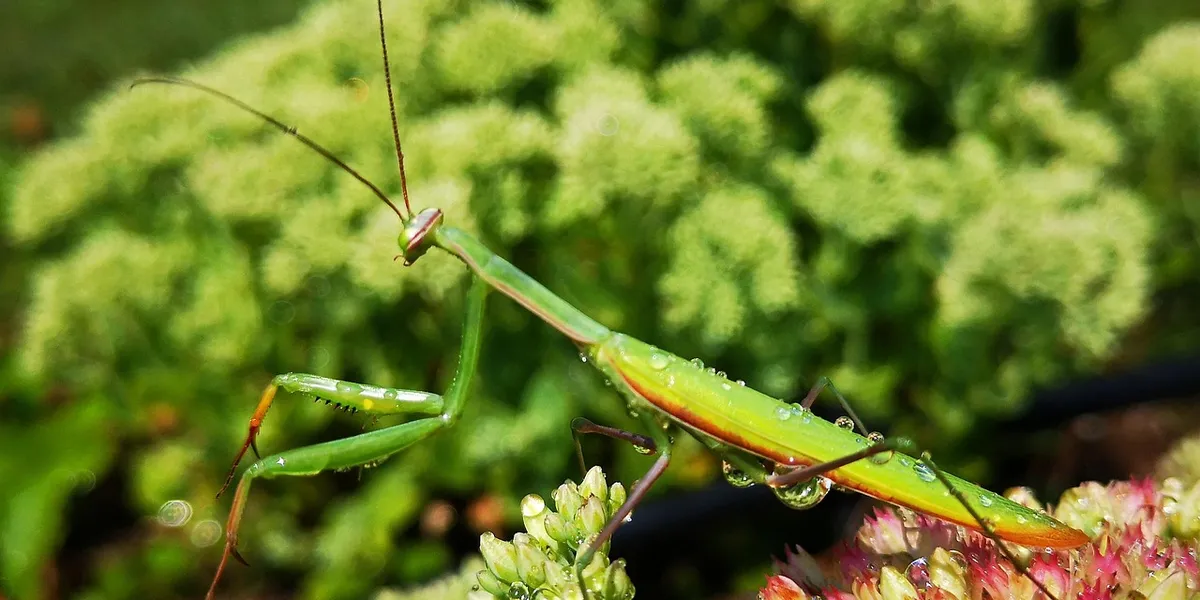
When we plan a mantis enclosure, thinking about “must-haves” changes with each species. The perfect home for one type might feel completely wrong for another, much like choosing between a cosy forest nook or a sun-drenched meadow. Your care shifts from general rules to personalised touches that match their wild roots.
Seeing the Difference Through Common Pets
Let’s compare two favourites to show how needs diverge. This side-by-side look makes things clear.
- Ghost Mantis (Phyllocrania paradoxa)
- Higher Humidity: They thrive in a consistently damp, leafy microclimate. Think 60-70% humidity for that vital, misty air.
- More Foliage: Plenty of delicate leaves, twigs, and hiding spots are non-negotiable for their masterful disguise.
- Moderate Warmth: A steady, gentle warmth around 22-26°C (72-79°F) keeps them content and active.
- Giant Asian Mantis (Hierodula membranacea)
- Larger Enclosure: These bold hunters need vertical space to climb and explore without feeling cramped.
- Sturdier Perches: Strong branches and broad leaves are essential to hold their impressive size and weight.
- Slightly Warmer Basking Area: A localised warm spot reaching 28-30°C (82-86°F) aids their metabolism and appetite.
My Ghost mantis, Luna, embodies this need for subtlety. She becomes a living part of the foliage, her muted browns and patient stillness relying on that humid, cluttered environment. Moss, my Giant Asian male, demands a different stage-his vibrant green body and quick movements call for open climbs and robust furniture.
Let Native Habitats Guide Your Hand
Your best resource is a peek into your mantis’s original home. Researching whether they come from a steamy jungle or a drier scrubland gives you the blueprint for everything from misting schedules to décor density. A few minutes learning about their natural range transforms your care from standard to specifically splendid.
Habitat Health Check: Spotting and Solving Common Problems
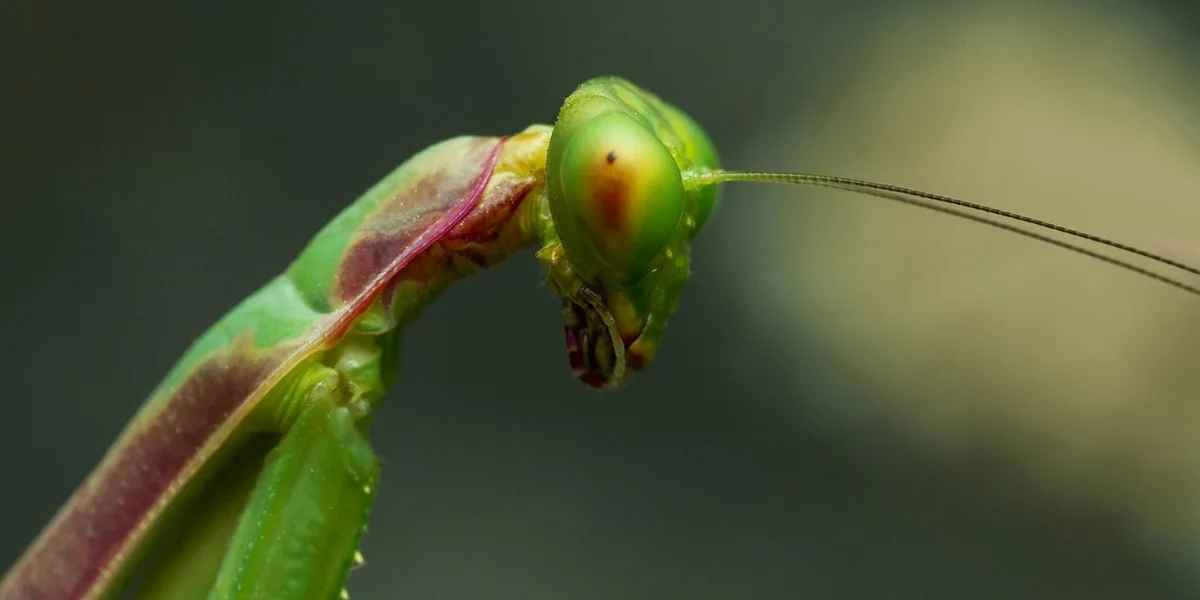
Your mantis speaks through quiet behaviour, not words. We learn their language by watching for small changes in their daily rhythm. It is like noticing the first subtle wilt on a fern frond.
Attentive care means spotting these gentle signals before they become urgent worries.
Guidance:
These common signs tell you the habitat needs your attention. Each one links to a simple environmental fix.
Reading the Signs: From Problem to Solution
-
Watch for a refusal to eat. This often means the air is too cold or dry for proper digestion. Luna will ignore her flies if her corner drops below a cozy warmth. Gently raise the temperature to 24-28°C (75-82°F) and mist the enclosure with lukewarm water.
-
Lethargy or unusual stillness suggests your mantis is too chilly or the humidity has dipped. They are creatures of warm, moist air. Moss becomes a little green statue when his heat lamp is too far away. Provide a gentle heat source on one side and mist lightly each morning to mimic fresh dew.
-
A failed molt is a direct call for more humidity. Dry air makes the old skin brittle and hard to shed. Sprig needed our help creating a more humid microclimate near her favourite perch. Increase misting frequency to reach 60-70% humidity when a molt seems near and ensure plenty of vertical grip space.
-
Constant climbing at the top of the enclosure usually points to poor ventilation or damp substrate below. They seek fresher, drier air. Add more mesh ventilation near the base and consider a drier substrate like coconut coir to create a humidity gradient.
The Heart of Habitat Health: A Clean Home
A pristine enclosure prevents mites and stops mould spores from settling. We treat cleaning not as a chore, but as a calming ritual for our mantises and ourselves.
Regular maintenance is the simplest, most effective shield against common health issues.
Follow this straightforward schedule to keep their world fresh and safe:
-
Daily: Remove any uneaten prey insects and visible droppings. This daily tidy prevents decay and keeps the air clean.
-
Weekly: Wipe the interior glass or plastic with a damp cloth. Check leaves and branches for any fuzzy mould spots. A weekly wipe-down maintains a hygienic surface without harsh chemicals.
-
Monthly: Perform a full clean. Replace all substrate, wash decor in hot water, and let everything air dry completely. This monthly reset ensures no pests or pathogens can establish a foothold.
Building a Mantis Habitat on a Budget: Simple DIY Ideas
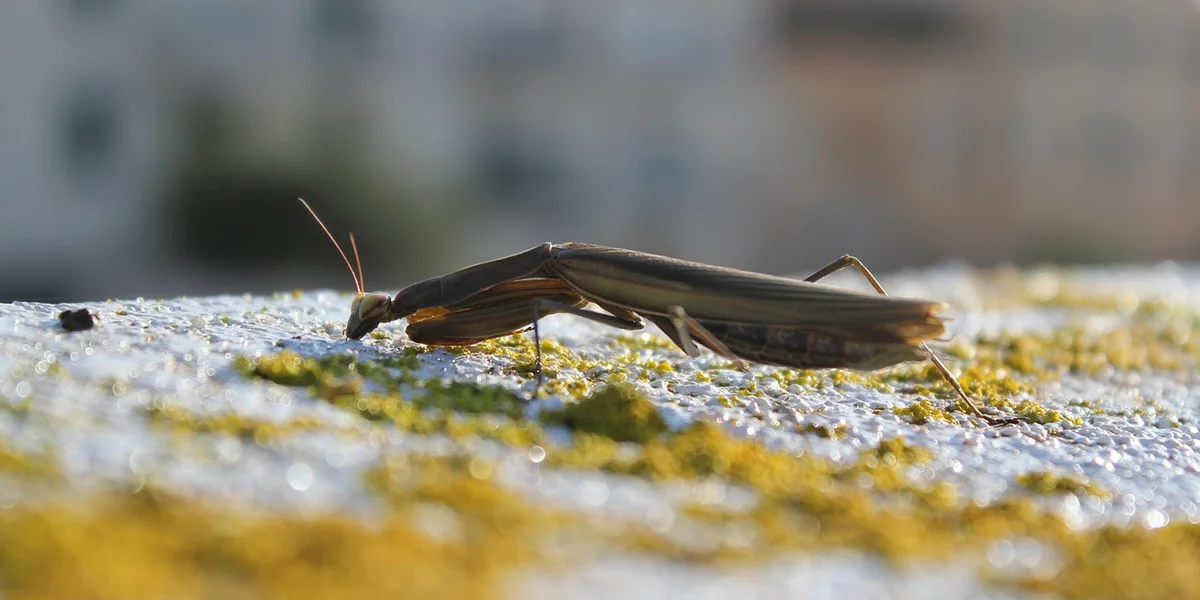
You do not need to spend a fortune to give your praying mantis a safe and stimulating home. Many everyday items can be repurposed into a perfect enclosure with just a little care. To create a naturalistic safe habitat for your praying mantis, include live plants and natural branches to mimic their forest environment. This helps reduce stress and supports natural hunting and molting behaviors. We have successfully raised several mantises, like young Luna, in homemade setups that provided everything they needed to thrive.
Turning a Jar or Container into a Nymph Nursery
A clean, large glass jar or plastic food container is ideal for housing mantis nymphs temporarily. I used a simple mason jar for Luna when she was a tiny ghost mantis, and it kept her secure. Always ensure the lid allows for air flow by poking small holes in plastic or securing fine mesh with an elastic band.
Place a paper towel or a thin layer of coconut fibre at the bottom to absorb moisture. Lightly mist the sides each morning to create a gentle humidity. This mimics the dewy, sheltered spaces young mantises naturally inhabit, keeping them hydrated and calm.
Finding Free and Safe Decorations
Look to your garden or local park for natural décor that costs nothing. Twigs from fruit trees or sturdy stems can be baked in your oven to sterilise them. Bake collected branches at 100°C for about an hour to kill any pests or mould, making them safe for climbing.
You can also use dried leaves, pine cones, or seed pods after a good rinse and dry. For Moss, my giant Asian mantis, I often gather birch twigs-he loves perching on their textured bark. These natural elements add visual interest and provide essential climbing surfaces for your mantis.
How DIY Compares to Commercial Habitat Kits
Commercial praying mantis kits are convenient, but building your own allows for customisation and can save you money. Kits typically include a mesh cage, substrate, and some décor, which is handy for beginners. However, a DIY habitat lets you adjust ventilation and humidity precisely, which is vital for species like Sprig, my orchid mantis. It’s especially beneficial when creating a bioactive enclosure for your praying mantis.
Consider this comparison to see what fits your situation best:
| Aspect | DIY Habitat | Commercial Kit |
|---|---|---|
| Cost | Very low, often using recycled items | Higher initial investment |
| Flexibility | You can tailor size and features | Design is fixed by the manufacturer |
| Best For | Nymphs, temporary housing, or specific species needs | Adult mantises when you want a ready-made solution |
| Preparation Time | Requires some gathering and assembly | Quick setup out of the box |
The choice often comes down to your mantis’s life stage and how hands-on you wish to be with their care.
Your Basic, Cost-Effective Starter Shopping List
If you are starting from scratch, this simple list will help you assemble a functional habitat without breaking the bank. Most items can be found in your home or at a local hardware shop for just a few pounds.
- A large, clear container or glass jar with a secure lid
- Fine insect mesh or old tights for ventilation
- Paper towels or a small bag of coco coir for substrate
- A small spray bottle for daily misting with warm water
- A handful of sterilised twigs and branches for perches
- Artificial silk leaves or clean, dry magnolia leaves for cover
With these basic supplies, you can create a welcoming environment that supports your mantis’s health and natural behaviours. For a healthy pet mantis, follow a complete supplies checklist to ensure you have everything you need. This quick guide covers the essential items you do need for optimal care.
Questions from Fellow Mantis Friends
Is a praying mantis habitat kit a good option for beginners?
Yes, a commercial praying mantis habitat kit is an excellent starting point as it includes essential components like a ventilated enclosure and basic décor. It simplifies the initial setup, allowing you to focus on learning daily care routines for your new pet. From there, many keepers like to run a simple cost-benefit breakdown comparing DIY enclosures to commercial kits. This helps you decide what fits your budget and goals while weighing materials, durability, and ongoing costs.
Where can I find a praying mantis habitat for sale?
Praying mantis habitats are sold by specialty invertebrate pet retailers, reptile supply shops, and major online marketplaces. It’s crucial to choose a seller with positive reviews who can provide guidance on selecting the right enclosure size and type for your specific mantis species.
How does a praying mantis habitat map help me as an owner?
Researching a praying mantis habitat map for your pet’s species reveals its native climate, such as tropical or temperate zones. This knowledge directly informs your setup, helping you accurately replicate the necessary temperature and humidity gradients in captivity.
Stewarding Your Mantis’s World
Keep your mantis’s home roomy, well-ventilated, and softly humid, with plenty of twigs and leaves to climb. A thoughtfully prepared habitat is the quiet cornerstone that supports everything from successful molts to lively hunting displays. Avoid common mistakes when setting up your first mantis habitat, like crowding or too-dry air. Getting these basics right helps prevent stress and failed molts.
Embrace your role as a gentle observer, ready to adjust care as your mantis grows and changes. We believe the journey of learning never truly ends, and each day with your insect offers a fresh chance to understand its unique world better.
Further Reading & Sources
- How to Care for a Praying Mantis : 4 Steps – Instructables
- Praying Mantis | National Geographic Kids
- Best Host Plants for Praying Mantis – Insect Lore
- Mantis – Wikipedia
Rowan Hale is a lifelong insect enthusiast who fell in love with mantises for their calm presence, alien elegance, and surprising personalities. After years of keeping and raising a variety of species, Rowan shares practical tips, creative insights, and real-world experience to help others enjoy the quiet magic of mantis care. From setting up the perfect enclosure to understanding their subtle behaviors, Rowan invites readers into a gentle, curious world where every tiny movement feels like a discovery.
Temperature and Humidity