
Are Praying Mantises Good Pets? Pros and Cons Explained
Published on: December 2, 2025 | Last Updated: December 2, 2025
Written By: Rowan Hale
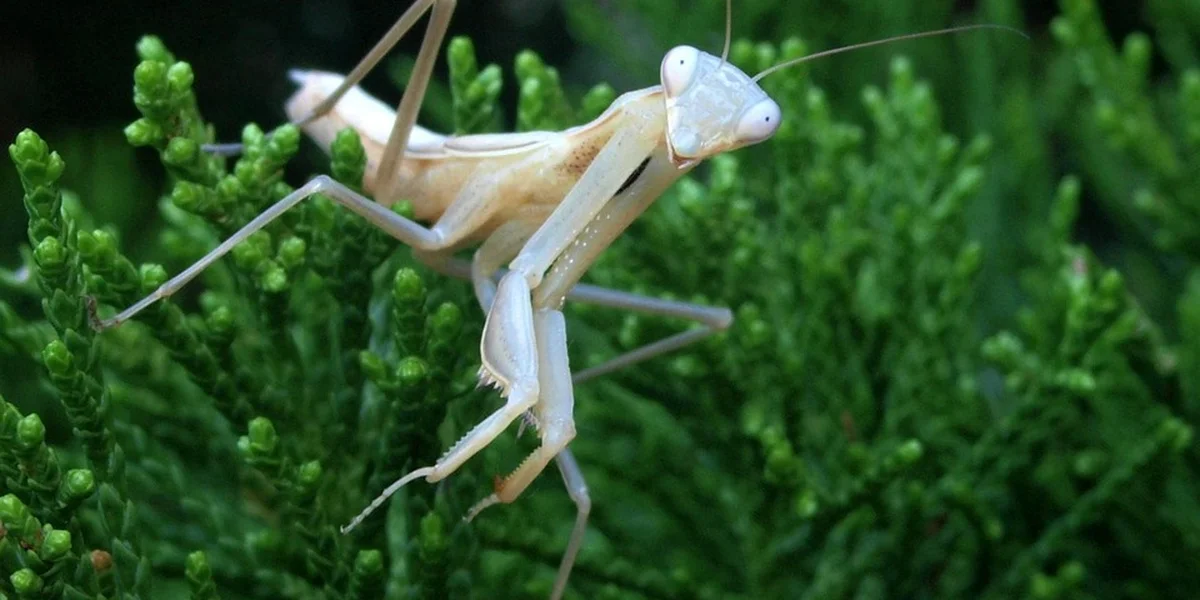
Greetings, mantis friend. There’s a gentle magic in sharing your space with a creature that looks carved from jade and moves with silent, deliberate grace. Picture my Ghost Mantis Luna, misty brown and leaflike, tilting her head as if pondering the world.
Yes, praying mantises can make captivating and low-maintenance pets for the right person, but they come with unique challenges that require thoughtful consideration. It’s a choice that blends wonder with practical care.
This question doesn’t have a simple answer. Whether a mantis is a good pet depends deeply on your lifestyle, patience, and what you seek in a companion. We’re here to walk through every detail, from setup to daily routines.
Key takeaways to guide your decision:
- Mantises are quiet, space-efficient pets ideal for apartments or desks, needing just a small enclosure.
- They offer daily lessons in patience and observation, but their lifespan is often less than a year, which can be bittersweet.
- Feeding involves live insects like fruit flies, and maintaining proper humidity is crucial for their health and molting.
- Each species has its own temperament-some, like Luna, are calm and slow, while others, like my Giant Asian Moss, are lively explorers.
The Unique Appeal of a Pet Praying Mantis
There is a quiet magic to sharing your space with a praying mantis. Unlike a barking dog or a chirping bird, their presence is a soft whisper in the room. You become a witness to a miniature world of precise movement and patient observation. Their appeal lies in this subtlety-the way our mantis Luna will tilt her ghostly head, processing the world with a calm intelligence, or how Moss explores a new branch with the focus of a tiny explorer.
We find their uniqueness in everyday moments. Watch for the delicate rustle of shedding skin during a molt, or the sudden, lightning-fast strike at a passing fruit fly. Each mantis has a distinct personality, from the shy curiosity of a juvenile to the regal stillness of an adult. They teach us to appreciate slow, deliberate life, turning a simple enclosure into a window onto natural artistry.
Weighing the Pros: Why Mantises Make Captivating Pets
For those curious about insect keeping, mantises offer a compelling set of advantages. They bridge the gap between a hands-off observation tank and a pet you can genuinely interact with. Their pros make them an excellent choice for busy households or first-time invertebrate owners. If you’re curious about feeding, there’s a comprehensive list of the insects mantises eat to guide your choices. Understanding their diet helps you plan a simple, healthy feeding routine. Let’s look at what makes them so rewarding.
Low Maintenance and Cost-Effective Care
One of the strongest benefits is how little they demand. A mantis won’t need walking, grooming, or constant attention. Their care routine fits neatly into a few minutes each day, perfect for modern lifestyles. The startup and ongoing costs are remarkably low, especially when compared to furry pets.
Consider these straightforward needs:
- Housing: A well-ventilated container like a mesh cage or large jar often works. You can create a suitable home for less than the price of a good book.
- Feeding: They eat live insects like fruit flies or crickets. A small culture from a pet shop can last weeks, costing pennies per feeding.
- Time: Daily care involves a quick misting for humidity and offering food every few days. It’s a peaceful ritual, not a chore.
We’ve raised mantises like Sprig in simple, planted terrariums that need only weekly tidying. This minimalism lets you focus on enjoyment, not endless upkeep. Their low environmental footprint and small space requirements add to the ease.
A Living Art Piece: Display and Behavior
Beyond easy care, a mantis is dynamic decoration. Their forms are nature’s sculpture-from the flower-like petals of an Orchid mantis to the twig-like camouflage of a Ghost. Every pose is a study in balance and grace, transforming their enclosure into a living diorama. We often catch ourselves simply watching Moss, his emerald body a vivid spot of green against the leaves.
Their behaviour provides endless fascination. You’ll see intricate rituals unfold:
- The Praying Pose: That iconic stance isn’t just for show. It’s a state of relaxed alertness, a sign your mantis feels safe and content in its home.
- The Hunt: Watching them track and capture prey is a masterclass in precision. It’s swift, efficient, and a raw glimpse into natural instincts.
- Molting: The process of shedding its exoskeleton is a vulnerable, transformative act. Providing the right humidity for a successful molt feels like a gentle achievement.
This combination of beauty and action offers a calming, educational focus that screens and gadgets cannot match. It’s a personal slice of the wild, thriving quietly on your desk or shelf.
Considering the Cons: Challenges in Mantis Keeping
While these insects captivate with their quiet grace, keeping them asks for a specific kind of commitment. We must approach their care with clear eyes, acknowledging the hurdles that come with such a unique pet.
The Short but Sweet Lifespan
Most pet mantises live between six months and a year, a blink compared to dogs or cats. This condensed timeline makes every moment-from clumsy nymph to stately adult-feel intensely meaningful.
My own Moss, a Giant Asian male, lived vibrantly for just eight months. His passing was a gentle reminder that their beauty is often fleeting, like a summer bloom.
Lifespans vary widely by species and sex. Females generally outlive males, with some like the Chinese mantis seeing a full year, while many males fade after their final molt.
- Ghost mantises, like my Luna, often complete their cycle in 7-9 months.
- Orchid mantises may live slightly longer in captivity, up to a year with perfect care.
- The entire journey from hatching to senescence happens right before your eyes.
This brevity can be challenging for a keeper’s heart. We find solace in providing such a complete, enriching life within their short season.
The Reality of Live Insect Diets
Your mantis cannot eat prepared pellets or fruits; it requires live, moving prey. This fundamental need is the most common surprise for new owners and demands practical preparation.
Watching my juvenile Orchid, Sprig, stalk a fruit fly was a lesson in patience. You become a provider of tiny, active lives to sustain another, a core responsibility of mantis keeping.
Managing this diet is straightforward with a simple system. Start small with cultured insects and scale up as your mantis grows.
- Begin with flightless fruit flies or pinhead crickets for hatchlings.
- Move to larger feeders like blue bottle flies or small locusts for adults.
- Always source feeders from reputable suppliers to avoid pesticides.
Keeping live food at home might seem daunting. Maintaining a small fruit fly culture in a mason jar on the countertop simplifies daily feedings immensely.
- Gut-load your feeders with nutritious vegetables 24 hours before offering them.
- Remove any uneaten prey after a few hours to prevent it from bothering your mantis.
- Use soft-tipped tweezers to offer insects if your mantis is shy or in a small enclosure.
Some keepers feel a twinge at feeding live insects. Seeing your mantis engage in this natural, instinctual behavior is a key part of witnessing its authentic world.
Is a Praying Mantis the Right Pet for You?
For the Patient Observer vs. The Hands-On Companion
Your ideal pet often mirrors your own daily tempo. We must ask if you find peace in watching life unfold quietly or if you crave a companion for regular touch and interaction. Praying mantises exist in a realm of deliberate slowness, making them a profound match for the patient observer.
Patient observers are those who cherish subtlety. You might enjoy noting the dew-like condensation after morning misting or the precise angle a mantis holds its raptorial arms before striking. This pet rewards you with quiet moments, like watching my ghost mantis Luna tilt her head as a fly buzzes past her enclosure. Her movements are slow, calculated, and utterly mesmerising if you give them your full attention.
If you dream of a hands-on pet, consider what that truly means with an insect. Mantises are fragile beings; they are not built for frequent cuddles or prolonged handling sessions. Think of them more as temporary visitors to your hand, not permanent residents. My energetic Moss will explore a offered finger, but he always signals when he’s ready to return home by moving toward a familiar branch.
Let’s compare these two approaches to see where you might fit.
- For the Patient Observer: Your joy comes from custodial care and witness. You will provide a thriving habitat, offer food, and watch the natural drama. The magic is in the molts, the patient hunts, and the gentle sway of a mantis in the breeze from a vent.
- For the Hands-On Companion: Your interaction is brief and always on the mantis’s terms. You can offer your hand as a climbing frame for a few minutes, using a soft paintbrush to guide them if needed. The connection is in that short, careful contact, not in constant play.
Reflect on your own expectations. Do you have a calm window in your day for quiet study? Or does your heart sink at the idea of a pet you cannot regularly hold? A mantis will not greet you at the door or seek your affection, but it will display incredible natural behaviours right before your eyes.
Many new keepers start with hands-on hopes, only to find themselves transformed into dedicated observers. The patient watch over a mantis like Sprig, my orchid mantis, as she patiently awaits prey is a lesson in focus. Allow yourself to be drawn into their world, and you will find a deeply satisfying pet that redefines companionship.
Your First Steps into Mantis Care
Selecting Your Mantis: Species and Sources
Choosing your first mantis feels like picking a quiet companion from a miniature jungle. For beginners, choosing the right mantis species is essential. We recommend starting with a hardy, calm species that forgives the small learning curves of a new keeper. Your first mantis should be a teacher, showing you the rhythms of their life without overwhelming stress. Think about your lifestyle—do you want a pet that moves like a slow, leafy ghost, or one that perches boldly, watching the world with bright, curious eyes?
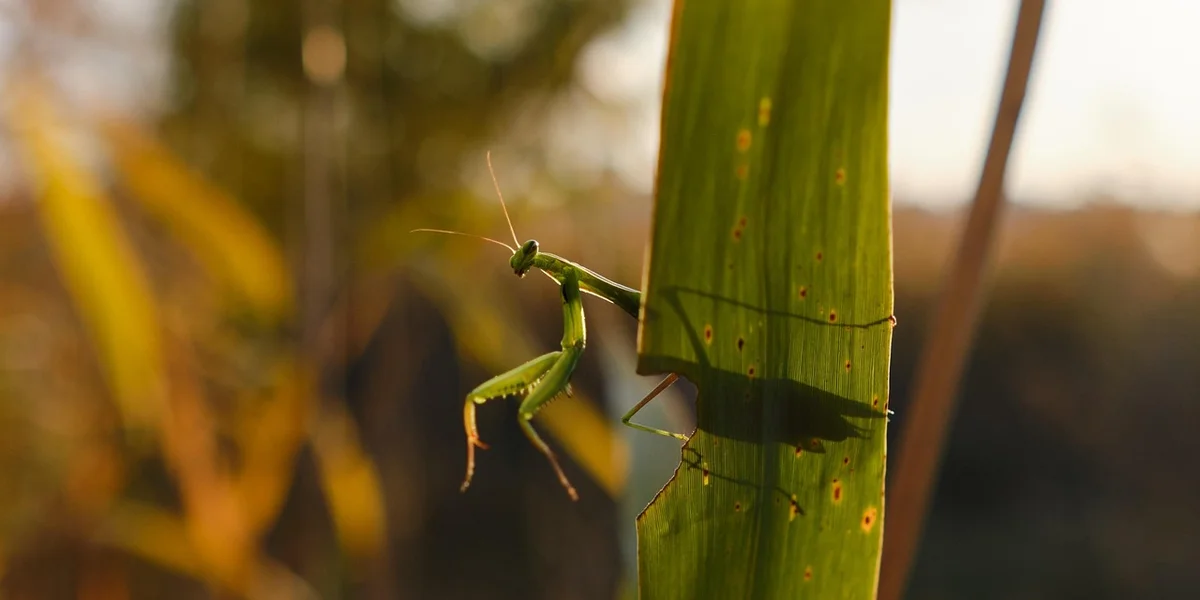
From our experience, a few species stand out for beginners. The Ghost Mantis, with its delicate, crumpled-leaf appearance, is wonderfully placid and thrives in simple setups. My own Ghost Mantis, Luna, moves with such gentle deliberation that cleaning her enclosure feels like sharing a space with a living piece of art. The Giant Asian Mantis is another excellent choice; they are robust, eager eaters, and their vibrant green color brings a flash of life to any room. Moss, a male Giant Asian, was always the first to investigate a new twig or droplet of water.
- Ghost Mantis (Phyllocrania paradoxa): Misty brown colors, slow-moving, and prefers moderate humidity. Perfect for those who enjoy observational pets.
- Giant Asian Mantis (Hierodula membranacea): Vibrant green, more active, and handles slight humidity variations well. A great choice for hands-off interaction.
- Chinese Mantis (Tenodera sinensis): Larger and readily available. They are hardy but can be more skittish, suited for keepers ready for a bigger insect.
Finding a healthy mantis is just as important as picking the right species. Always source your mantis from a reputable breeder who can answer questions about its age, feeding history, and molt cycle. We avoid collecting wild mantises, as they can carry parasites or stress from relocation. Many trusted breeders sell online, shipping nymphs in secure containers with clear care instructions. Look for breeders who communicate openly-a quick chat about their breeding practices tells you everything about how they value their insects.
Setting Up a Simple, Safe Habitat
Your mantis’s home doesn’t need to be complex, but it must be safe and thoughtful. A simple glass or mesh enclosure, about three times the mantis’s height in length and width, gives them room to climb and hunt. The goal is to mimic a tiny slice of their natural world-secure, humid, and full of places to perch. To create a naturalistic, safe habitat for your praying mantis, add realistic branches and foliage. Keep humidity steady and provide varied perches. We often use a large mason jar or a small terrarium for juveniles, upgrading as they grow. The soft click of the lid closing should mean security, not confinement.
Let’s build that habitat step-by-step. You can gather most items from around your home or a local garden centre.
- Base Layer: Start with a substrate of coconut fibre or peat moss. This holds moisture for humidity and gives a natural, earthy floor. A layer about an inch deep is plenty.
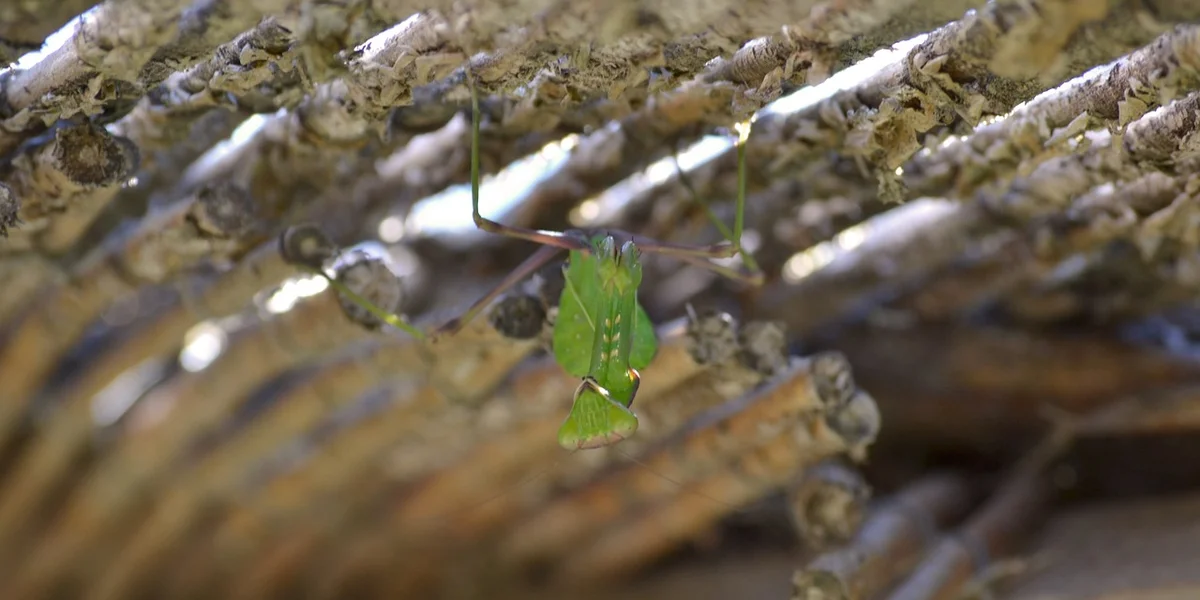
- Climbing Structures: Add several clean twigs, thin branches, or artificial plants. Arrange them to reach the top, creating a network for climbing and molting. Your mantis will spend most of its time hanging upside down, waiting.
- Ventilation and Lid: Ensure the enclosure has a mesh or perforated lid for fresh air. Stagnant air invites mold, but a gentle cross-breeze keeps the environment fresh. A secure latch prevents any curious escapes.
- Humidity Helper: A small spray bottle with lukewarm water is your best tool. Lightly mist one side of the enclosure every day or two; you want beaded water on the leaves, not a soaked substrate. The air should smell faintly of damp soil after misting.
- Warmth: Most mantises enjoy room temperature, around 20-25°C. If your home is cool, a small heat mat on one side of the enclosure creates a gentle warmth gradient. Always place it on the outside to prevent burns.
Watch how your mantis uses the space. A happy mantis will move between perches, clean its forearms, and strike at prey with precision. Regular, gentle maintenance—removing old food, refreshing water droplets, and checking for clear molt space—becomes a quiet ritual of care. Keeping the habitat clean is part of maintaining your praying mantis home. A tidy enclosure helps prevent mold, pests, and stress, making care easier and your mantis healthier. Avoid overcrowding the habitat; a few well-placed branches are better than a tangled jungle where your pet can get lost.
Safety checks are a daily habit. Look for any sharp edges on decorations and ensure the lid fits snugly. We learned this with Sprig, our Orchid Mantis, who once found a tiny gap in a mesh lid; now, all our enclosures get a careful finger-test around the seams. A simple, well-set habitat reduces stress for both you and your mantis, letting their unique personality shine through in the calm of your home.
Core Principles of Praying Mantis Care
Caring for a praying mantis feels less like traditional pet keeping and more like guardianship over a miniature, living sculpture. Success comes from respecting their wild instincts while providing a safe, stable environment that meets their biological needs. We focus on three pillars: feeding, molting, and handling, each woven into a gentle daily rhythm. This is part of the care for pet praying mantis complete handling behavior guide. It walks you through safe handling techniques and the behavior cues to watch for.
Think of your mantis as a quiet observer, one who teaches patience through its still, watchful presence. Your role is to be a attentive caretaker, learning their subtle cues for hunger, discomfort, or contentment. From our ghost mantis Luna’s delicate movements to Moss’s energetic explorations, each mantis offers a lesson in calm, focused care.
Feeding Your Mantis: A Natural Rhythm
Feeding is not merely a chore; it’s a fascinating glimpse into their predatory world. Mantises are visual hunters, so their food must be alive and moving to trigger a strike. Offering still or dead insects will leave them uninterested and hungry. For a complete diet, our feeding guide covers prey variety, sizes, and feeding frequency. It also explains what to feed at each life stage to keep mantises healthy.
Prey size is critical-too large can injure your mantis, whilst too small may not be seen. Here’s a simple guide based on life stage:
- Nymphs (baby mantises): Pinhead crickets or flightless fruit flies. Feed every 1-2 days.
- Juveniles: Small crickets, houseflies, or blue bottle flies. Feed every 2-3 days.
- Adults: Large crickets, moths, or occasional roaches. Feed every 3-4 days.
We often use soft-tipped tweezers to offer food, which reduces escapees and lets us monitor intake. Remove uneaten prey after a few hours to prevent stress or injury, especially from crickets that might nibble on a resting mantis. Watching Sprig, our orchid mantis, carefully stalk a fly reminds us that this feeding rhythm is their ancient dance, one we merely facilitate.
The Delicate Dance of Molting
Molting is the process where your mantis sheds its old exoskeleton to grow, a vulnerable and miraculous time. Signs your mantis is preparing to molt include refusing food, hanging upside down more often, and a general lethargy. If you’re wondering what to look for as signs that a praying mantis is about to molt, these indicators can help you anticipate the change. Being aware of these signs helps you prepare its enclosure and minimize stress during the molt. It’s a period that demands extra stillness from you as the keeper.
To support a successful molt, follow these steps:
- Boost humidity gently by misting the enclosure with warm water a day before. This softens the old skin.
- Ensure plenty of climbing space from the ceiling, like mesh or twigs, so they can hang freely.
- Do not disturb or handle them once they start. Any interruption can cause a fatal fall or a stuck molt.
- Leave the old skin in place after molting-they may eat it for nutrients.
After molting, their new body is soft and pale, hardening over hours. Wait at least 24-48 hours before offering food again, as their jaws need time to solidify. I recall Luna’s last molt, where she emerged like a damp, crumpled leaf before unfolding into her graceful form-a quiet reminder of nature’s precise engineering.
Handling with Care: Minimizing Stress
Handling can be a sweet way to bond, but it must be done with utmost gentleness and respect for their stress levels. Always let the mantis walk onto your hand voluntarily; never grab or pinch their delicate body. Use a slow, steady approach, offering your finger near their front legs. To safely handle and interact with your praying mantis, observe its cues and move slowly. If the mantis shows signs of stress, pause and give it space to settle.
Keep handling sessions short, perhaps five minutes, and avoid it during these times:
- Within 48 hours after molting
- During feeding or when they are hunting
- If they show stress signs like a curled abdomen, rapid swaying, or striking at the air
Create a calm environment by handling them in a secure, quiet room without loud noises or drafts. Regular, gentle handling can acclimate some mantises to human presence, but always watch their response-each has its own personality. Moss, for instance, became quite curious and would explore our hands, whilst Sprig prefers to watch from a distance. Their comfort always comes first.
Living with a Mantis: Behavior, Health, and Harmony
Reading Your Mantis’s Body Language
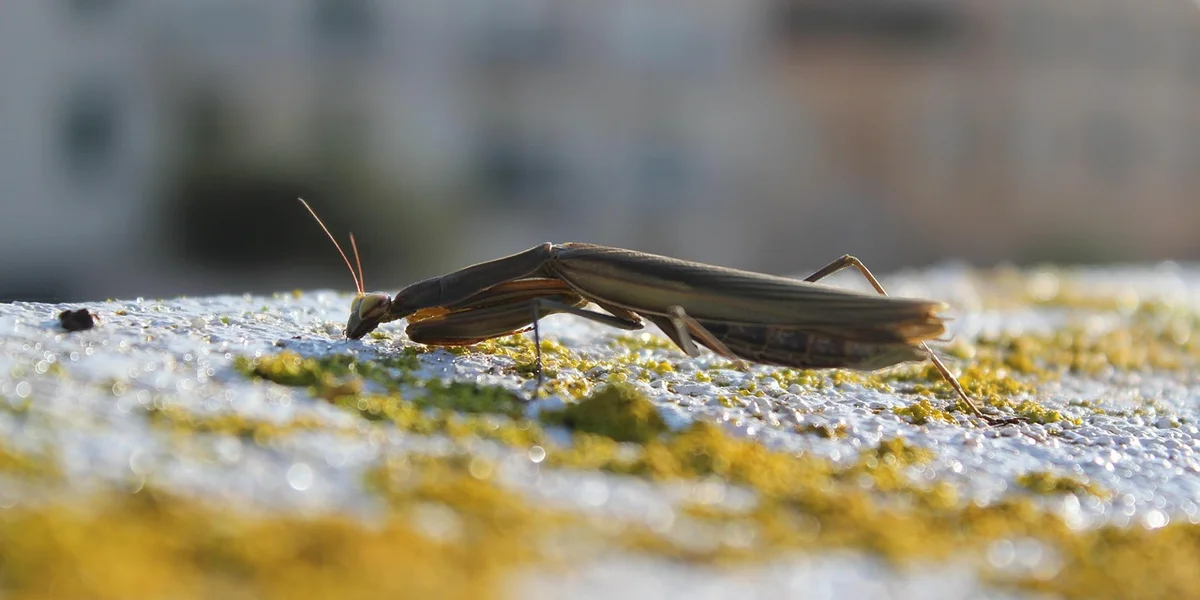
Your mantis speaks volumes without a sound, using subtle shifts in posture and movement that tell you how it feels. Learning this quiet language lets you see the world through their eyes, building a deeper bond day by day. Watch for the gentle sway when they hunt, a hypnotic dance that mimics leaves in the breeze.
Notice the careful grooming of antennae with delicate forelegs, a sign of contentment much like a cat washing its paws. My ghost mantis, Luna, will often pause mid-clean to tilt her head, as if listening to the humidity in the air around her. This calm ritual means her environment feels safe and familiar.
Here are key behaviours to recognise:
- The Hunting Stance: Front legs raised, body still as stone-this is focus. You might see a slight tremor in the abdomen, a coiled spring ready to strike.
- Defensive Posturing: Wings flared, body raised high, and forearms spread wide. It shouts “back off” without a whisper. This is common during unexpected disturbances.
- Molting Signals: They become lethargic, refuse food, and hang upside-down. The skin takes on a cloudy, dull look. Listen for the soft, papery rustle as the old exoskeleton splits.
- Curiosity or Alertness: A slow head turn towards movement, like my giant Asian mantis, Moss, who tracks my finger with rapt attention. It shows engagement with their surroundings.
Between these moments, they might bask under warmth with arms folded, a picture of insect serenity. Each posture is a chapter in their daily story, waiting for you to read it. Pay attention to the rhythm of their days-the quiet periods are just as meaningful as the active bursts.
When to Seek Help: Health Concerns
Mantises are resilient, but they can’t tell us when they’re poorly. Spotting trouble early makes all the difference. A sudden change in habit is your first and best clue that something might be amiss. Trust your instincts; you know your pet’s normal rhythms better than anyone.
Watch for these warning signs that warrant a closer look:
- Prolonged Lethargy: More than a day of unusual stillness, especially if they’re not in pre-molt. A healthy mantis should have periods of alert activity.
- Refusal to Eat: Skipping one meal can be normal, but rejecting prey for several days in a row, particularly for a juvenile, is a red flag.
- Visible Damage or Discolouration: Black spots on the body, a crumpled wing after molt, or a persistent dull, darkened hue. My orchid mantis, Sprig, once had a faint grey patch that signaled a need for more humidity.
- Difficulty Moving or Climbing: A stumble or fall isn’t always a crisis, but consistent clumsiness can point to weakness or injury.
- Abdominal Swelling or Discharge: Unusual bloating or any sticky residue around the mouthparts requires immediate attention.
If you notice any of these, don’t panic. First, check the basics. Is the enclosure warm enough? Is the humidity right? Could a recent molt have gone awry? Sometimes, a simple tweak-like moving the heat lamp slightly or offering a different feeder insect-can work wonders.
For persistent issues, especially after environmental fixes, seek advice from a vet experienced with invertebrates or a trusted breeder. Having a specialist’s contact to hand before you need it is a small step that brings great peace of mind. Whilst many ailments are preventable with proper care, acting quickly is your kindest tool when prevention falls short.
Common Mantis Queries
Where is the best place to buy a pet praying mantis?
The best sources are specialized online breeders and reputable invertebrate pet shops, which often offer a wider selection of healthy captive-bred nymphs. Avoid large chain pet stores and never capture from the wild, as wild mantises can carry parasites and struggle to adapt.
What is a good beginner species of praying mantis to get?
Ideal starter species include the hardy and calm Ghost Mantis or the robust and vivid Giant Asian Mantis. These species are more forgiving of minor care fluctuations and readily available from breeders, making your first experience more successful.
How much does it cost to buy and keep a pet mantis?
The mantis itself is often very affordable, typically ranging from $20 to $50 for a nymph from a common species. Your main costs will be the initial setup for the habitat and a consistent supply of appropriate live feeder insects.
Your Gentle Companion Awaits
We find the best mantis care balances a secure, humid home with a steady supply of small live food, watching their world more than we intrude. By matching your lifestyle to a calm species like a Ghost Mantis or a more active type like a Giant Asian, you set the stage for a rewarding, low-maintenance relationship.
Owning a mantis is a continuous lesson in attention and respect for their delicate, predatory nature. We encourage you to observe each molt and feeding with a curious eye, always seeking new knowledge from trusted keepers and care resources to support your pet’s wellbeing. For a clearer understanding of feeding needs across species, our praying mantis feeding schedule species comparative guide can help you tailor meals to your mantis’s specific type. The guide also highlights feeding frequency and portion sizes to support healthy digestion across common species.
Further Reading & Sources
- Garden Dilemmas, Delights & Discoveries, Ask Mary Stone Praying Mantises Beneficial or Bad – Garden Dilemmas, Delights & Discoveries, Ask Mary Stone
- Should You Keep a Praying Mantis as a Pet?
- Praying Mantis: Friend or Foe? – The Observant Gardener
- Should I Release Praying Mantis into My Garden? | Extension
Rowan Hale is a lifelong insect enthusiast who fell in love with mantises for their calm presence, alien elegance, and surprising personalities. After years of keeping and raising a variety of species, Rowan shares practical tips, creative insights, and real-world experience to help others enjoy the quiet magic of mantis care. From setting up the perfect enclosure to understanding their subtle behaviors, Rowan invites readers into a gentle, curious world where every tiny movement feels like a discovery.
First-Time Mantis Owners