
Essential Habitat Requirements for a Healthy Praying Mantis
Published on: December 4, 2025 | Last Updated: December 4, 2025
Written By: Rowan Hale
Hello there, fellow mantis friend.
Have you ever watched a praying mantis perch in perfect stillness, its form a quiet green statue, and wondered what it takes to make such a creature truly thrive in your care?
The essential habitat requirements for a healthy praying mantis are a secure, well-ventilated enclosure, precise temperature and humidity control, safe climbing furnishings, and access to appropriate prey.
But crafting that perfect home is a gentle art, more nuanced than simply placing your mantis in a jar. It’s about recreating a slice of their natural world-a micro-habitat where every detail, from the soft rustle of leaves to the humid morning mist, supports their well-being.
Here are the key elements we’ll walk through together:
- Selecting the right enclosure: size, material, and ventilation.
- Mastering temperature gradients and humidity levels for your specific mantis species.
- Choosing safe, enriching furnishings like branches and substrates.
- Establishing reliable routines for feeding, watering, and habitat maintenance.
The Foundation: Selecting and Sizing Your Enclosure
Think of your mantis’s enclosure as their whole world, a tiny stage where every climb, hunt, and delicate molt unfolds. Getting this foundation right is the first step toward a thriving pet, transforming a simple cage into a secure and stimulating home. Consider turning it into a bioactive enclosure for your praying mantis, with live plants and microfauna to mimic its natural habitat. This setup supports natural behaviors and helps keep the enclosure cleaner and healthier.
We prioritise three elements: ample vertical room for molting, secure ventilation that allows air flow but prevents escapes, and dimensions that suit your mantis from wriggling nymph to elegant adult. Common choices like mesh cages and glass terrariums each bring different benefits and safety considerations to the table.
| Enclosure Type | Pros | Cons |
|---|---|---|
| Mesh or Screen Cages | Superior airflow, very lightweight, and simple to clean. | Small nymphs may escape through gaps; humidity can drop quickly. |
| Glass Terrariums (with mesh lid) | Excellent humidity retention, provides clear viewing, and feels very secure. | Heavier weight; requires diligent ventilation to prevent stagnant air and mold. |
Getting the Size and Shape Right
Height matters far more than floor space. Picture the enclosure as a slender, vertical tower-your mantis needs that clear drop space to hang freely and shed its old skin without obstruction.
For most popular species, aim for a height at least three times the mantis’s body length and a width about double. My Ghost Mantis, Luna, lives contentedly in a mesh home 30cm tall, giving her plenty of room to perch and ponder her next move.
Ensuring Safety and Proper Ventilation
Safety begins with a meticulous check for escape routes. Run your finger along every seam and lid closure, ensuring no gap exists that’s wider than your mantis’s head. Good ventilation is non-negotiable; it whisks away stale air, discourages mold, and supports healthy respiration.
You can safely repurpose items like a large glass jar with a breathable mesh fabric secured over the top. Just double-check that the fabric is taut and fine-weave, creating a secure, airy temporary haven for a young nymph.
Creating the Perfect Climate: Temperature and Humidity
Temperature and humidity are the silent partners in your mantis’s wellbeing, creating a balanced microclimate. For common pets like the Giant Asian or Orchid Mantis, target a daytime warmth of 72-85°F (22-29°C) and a humidity range of 50-70% relative humidity. Different temperature and humidity needs do vary among mantis species. Always tailor care to the species you keep and consult species-specific guidelines.
Arm yourself with a simple digital thermometer and a hygrometer to keep track. Stability is key-avoid placing the enclosure in direct sun or drafty corridors where conditions swing wildly.
- Position the enclosure in a quiet, room-temperature spot in your home.
- Add a small, low-wattage heat mat to the outside back or side wall to create a gentle warmth gradient.
- Place your thermometer and hygrometer inside at mantis level, checking them each day.
- Use a fine misting bottle with lukewarm water to lightly spray the enclosure interior, avoiding direct sprays on your mantis.
Managing Warmth for Activity and Digestion
Warmth directly fuels your mantis’s energy for hunting and properly digesting meals. You might notice your mantis become still and reluctant to eat if their space is too cool, much like we slow down on a chilly morning. If a mantis gets too cold or too hot, it can affect their health significantly.
I use a small heat mat for my energetic male Moss, who often chooses to bask on the warmed side after feeding. Always place heating elements outside the enclosure and monitor closely to prevent overheating, which can be as harmful as the cold.
Mastering Humidity for Hydration and Molting
Humidity keeps your mantis hydrated and is the unsung hero of a successful molt. When the air carries enough moisture, it softens the old exoskeleton, letting your mantis emerge smoothly and without injury.
A light misting once or twice daily usually suffices, creating beads of water on leaves for drinking. For a humidity boost, try placing a small dish of water with pebbles in the enclosure, but be vigilant to avoid soggy substrate that invites mold.
Building a Natural Foundation: Substrate and Flooring
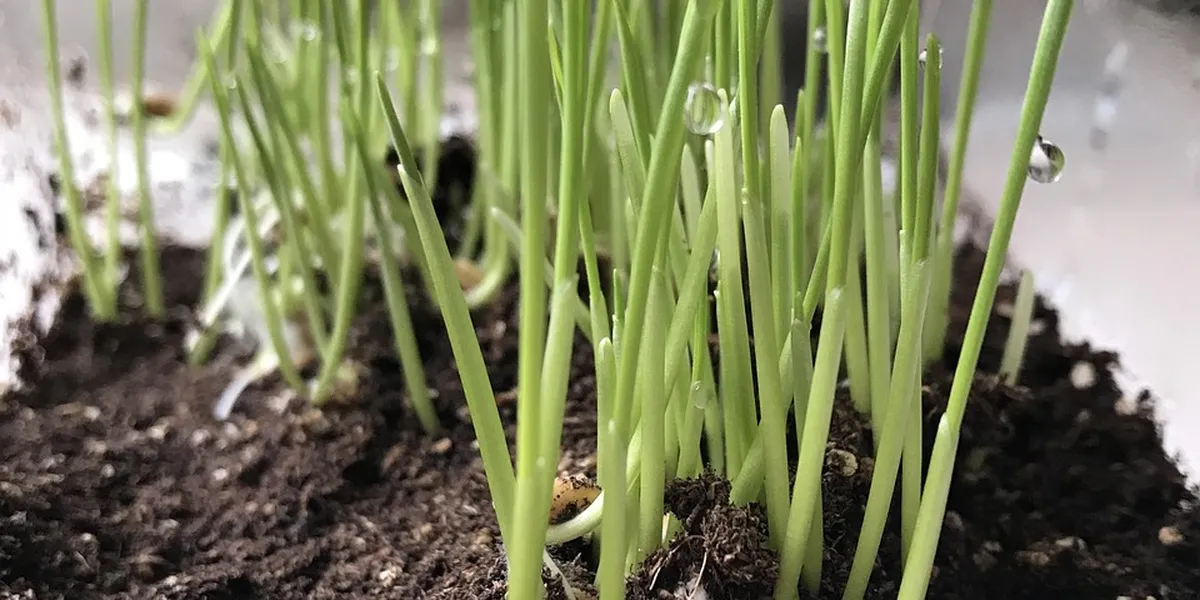
Think of your mantis’s enclosure floor as more than just a backdrop; it’s a living, breathing part of their micro-world. A proper substrate works quietly in the background, supporting their health in ways you might not immediately see. Choosing the right floor covering is your first step in replicating a slice of the natural world, providing safety, humidity, and a clean stage for your mantis’s daily life.
The Quiet Work of a Good Substrate
Why does this layer matter so much? It serves three silent purposes that keep your mantis thriving. First, it acts as a humble humidity reservoir. As you mist the enclosure, a good substrate will gently release that moisture back into the air, preventing the environment from becoming too dry between sprays. Second, it offers a soft landing pad for any occasional tumbles, especially during molting when your mantis is at its most vulnerable. Finally, it makes your cleaning routine simpler and safer, allowing you to spot-clean waste without disturbing the entire habitat.
My Ghost Mantis, Luna, taught me the value of this cushioning firsthand. After a misting, she once lost her footing on a bare glass surface-a gentle lesson in providing a secure, textured floor. A soft substrate isn’t a luxury; it’s a fundamental safety net for a creature that spends its life navigating vertical and sometimes slippery surfaces.
Comparing Your Substrate Options
Not all floorings are created equal, and your choice can depend on your mantis species and your own routine. Here’s a look at the most common and reliable options.
Coconut fiber (coir) is a favourite for many keepers, and for good reason. It’s excellent at retaining moisture to boost humidity, is soft underfoot, and is generally free of pesticides. You can buy it in compact bricks that expand with water. Moss, my Giant Asian mantis, seems to enjoy the earthy, loose texture for his cautious explorations.
Organic, additive-free potting soil is another superb choice. Ensure it has no fertilizers or perlite. It creates a wonderfully natural look and holds humidity well. The key is sourcing it from a trusted supplier to guarantee it’s clean and chemical-free.
Plain paper towel is the beginner’s champion. It’s incredibly simple to replace, making cleanliness a breeze, and it allows you to easily monitor for mites or unusual waste. Its downside is it doesn’t aid humidity, so you’ll rely more on frequent misting in a well-ventilated tank.
Substrate Quick-Reference Guide
| Substrate Type | Best For | Note |
|---|---|---|
| Coconut Fiber (Coir) | Most species, especially those needing higher humidity (e.g., Orchid Mantis). | Great moisture retention. Ensure it’s fully rinsed and expanded to avoid dust. |
| Organic Potting Soil | Naturalistic set-ups and larger enclosures. | Must be 100% organic with no added fertilizers or pesticides. |
| Paper Towel | Nymphs, quarantine enclosures, or keepers preferring ultimate simplicity. | Change frequently. Does not help with humidity control. |
| Sphagnum Moss | Topping another substrate for extra humidity pockets. | Use as a layer on top of soil or coir, not alone. |
Layering and Maintaining a Clean Home
A depth of about one to two inches is perfect for most enclosures. This gives enough material to hold moisture without being so deep it risks trapping uneaten prey. The process of keeping it clean is straightforward and gentle.
We recommend spot-cleaning as your daily or weekly habit. Simply use a pair of tweezers or a small spoon to remove any visible boluses (waste pellets) or deceased feeder insects. This minimal disturbance helps keep the environment stable and stress-free for your mantis. Regular spot-cleaning also helps prevent common parasite and disease risks by reducing waste buildup. It minimizes mold and bacterial growth that can affect mantises.
Every few months, or if you ever notice any signs of mold or mites, perform a full substrate change. Gently relocate your mantis to a temporary holding jar, remove all the old substrate, and wash the enclosure with warm water. Never use soaps or chemicals. This routine refresh is the cornerstone of a parasites-free habitat, ensuring your pet’s home remains as pristine and healthy as the day they moved in. Add fresh, slightly dampened substrate, let everything settle, and welcome your mantis back to its refreshed domain.
Designing a Mantis-Friendly Interior: Foliage and Decor
Transforming an empty enclosure into a mantis home is where the real magic happens. We are building a vertical playground that supports every part of their life, from stealthy hunting to delicate molting. My ghost mantis, Luna, taught me this; her delicate movements became more assured once her tank was filled with leafy perches and winding branches.
Focus on three interior elements: foliage for cover, structures for climbing, and shelters for retreat. Together, they create a stimulating landscape that prevents boredom and mimics the dense, layered environments mantises evolved in. Each vine or twig you add becomes a potential anchor for the critical, upside-down hanging process of shedding skin.
Every material must be safe for your tiny predator. Stick to non-toxic, pesticide-free live plants or smooth-edged artificial ones to avoid any risk of chemical exposure or physical harm. I once used a garden branch for Moss without proper soaking, and his subsequent lethargy was a sharp reminder to always pre-clean wood and foliage.
For a simple project to maximize vertical space, try the “Diagonal Ladder” setup. Take three or four sturdy twigs of different lengths and secure them at alternating angles from the enclosure floor to the lid, using blobs of aquarium silicone at the contact points. This creates a criss-crossing network that encourages natural climbing and offers multiple high points for your mantis to survey its domain.
Choosing and Arranging Foliage and Climbing Structures
Select plants that enjoy the same humid air your mantis needs. Live options like heartleaf philodendron or peace lilies add beauty and help maintain moisture, but ensure they are not toxic if a curious mantis takes a nibble. For a fuss-free alternative, high-quality silk plants with ample leaf coverage work beautifully and are easy to sanitize.
Branches should be your enclosure’s backbone. Choose pieces with natural forks and textures, like oak or hazel, to provide excellent grip for those spiny raptorial legs. Anchor them firmly by burying the ends deep in the substrate or using a dot of hot glue on the enclosure wall for stability.
Weave a pathway network by connecting branches with soft, flexible vines. This layered approach gives your mantis choices, promoting exercise and satisfying their instinct to explore different levels and sightlines. My mantis Moss spends hours traversing his personal vine highway, pausing on specific leaves that seem to be his favorite lookout posts.
Consider adding a carpet of dried leaves, like beech or magnolia, to the enclosure floor. This natural litter holds a whisper of humidity and creates a more complex hunting ground, as prey insects will scuttle through it, triggering your mantis’s predatory focus. It also softens the landscape, making the space feel more complete and secure.
Providing Essential Shelter and Hiding Spots
Even the boldest mantis needs a quiet place to vanish. Shelter is non-negotiable for stress reduction, particularly in the 24 to 48 hours before a molt when your mantis is at its most vulnerable. Luna always seeks the deep shadow of a cork bark piece before her skin splits, needing absolute stillness to emerge successfully.
Create hides from simple, natural materials. A piece of cork bark rolled into a tube or a curved section of coconut shell offers a perfect, snug retreat that feels like a natural crevice. Position these against foliage or at the junction of branches to help your mantis feel camouflaged and protected.
Leaf litter can be stacked or tucked to form instant, temporary hides. These loose arrangements tap into a deep instinct for camouflage, allowing your mantis to rest its vivid green or brown body against a matching background and simply watch the world. My orchid mantis, Sprig, often presses herself into a pile of pink faux petals, becoming nearly invisible.
Think about placement at different heights within the vertical space. Offering a hide near the top gives a secure molting site, while one lower down provides a shaded rest area, giving your mantis full control over its exposure and comfort. This choice empowers them, leading to more confident behavior and a visibly relaxed posture throughout the day.
Lighting and Daily Rhythms: Setting the Cycle
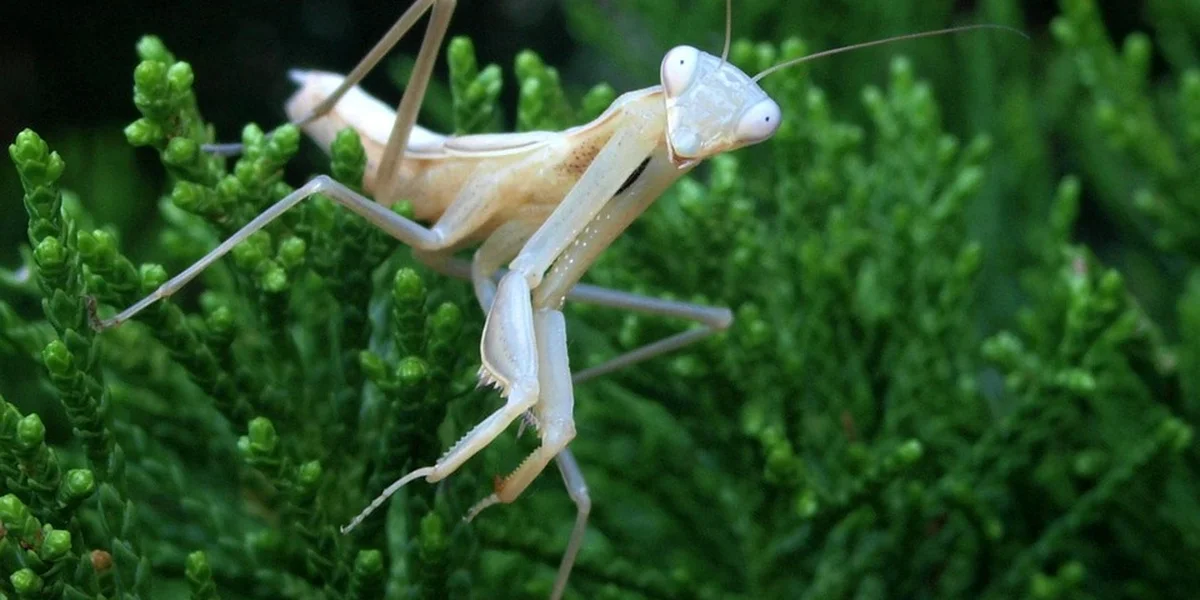
Think of light as your mantis’s invisible clock, governing its moods, hunting times, and sense of calm. A steady rhythm of roughly 12 hours of light and 12 hours of darkness mirrors the natural cycle they’re hardwired to expect, creating a foundation for predictable, stress-free behaviour. You don’t need elaborate setups; consistency is the true cornerstone of their daily rhythm.
The Simple 12/12 Cycle: Why It Works
This balanced cycle tells your mantis when it’s time to be active and alert, and when it’s safe to rest and digest. Inconsistent lighting can confuse them, leading to sluggishness or unnecessary hiding. We achieve this most easily by placing the enclosure in a room with normal household activity and window light, letting dusk and dawn provide the natural cues. For rooms without windows, a simple desk lamp on a timer works wonders.
Do Praying Mantises Need Special UV Light?
Unlike some reptiles, mantises do not require dedicated UVB lighting for calcium metabolism. They get all necessary nutrients from their prey. The primary purpose of light in mantis care is to regulate their circadian rhythm, not to provide a specific spectrum for health. This simplifies your setup considerably, focusing your effort on consistency rather than specialized equipment.
Choosing and Positioning Your Light Source
The goal is gentle, ambient illumination-think of the soft light filtering through leaves, not a spotlight on a stage. Direct, hot sunlight through a window can swiftly turn a ventilated enclosure into a dangerous oven. Always position the habitat away from windows where intense sunbeams can land, opting instead for bright but indirect natural light.
When artificial light is needed, cool-running LED bulbs are ideal. I use a simple, low-wattage LED desk lamp for my ghost mantis, Luna, whose enclosure sits on a bookshelf away from the window. It casts a soft glow that keeps her on rhythm without any worrying heat output.
| Lighting Option | Best For | Key Consideration |
|---|---|---|
| Indirect Natural Daylight | Rooms with good ambient light | Free and natural; must avoid direct sun exposure. |
| Standard Room/ Ceiling Light | Enclosures in frequently used living spaces | Often provides a sufficient cycle if the room lights are turned on and off at regular times. |
| Low-Wattage LED Lamp on Timer | Dark rooms, cabins, or ensuring perfect consistency | Gives you complete control over the cycle with zero risk of heat. |
The Unsung Hero: Using a Timer
Life gets busy, and we might forget to turn a lamp on or off. This is where a plug-in timer becomes your silent partner in care. For a few pounds, a timer automates the entire light cycle, providing your mantis with unwavering routine even when your own schedule changes. It’s the easiest way to guarantee that 12-hour rhythm, offering peace of mind that their world turns reliably, day after day.
My male Giant Asian, Moss, lives in my office. His LED light clicks on with the timer at 7 AM and off at 7 PM, a rhythm so steady I sometimes see him move to his favourite hunting perch moments before the light comes on, as if he’s set his own internal watch.
Lighting, in essence, is about providing gentle predictability. By mimicking the quiet reliability of sunrise and sunset, you create an environment where your mantis feels secure enough to display its full, fascinating natural behaviour.
Sustenance and Habitat Hygiene: Food, Water, and Cleanliness
Keeping your mantis well-fed, hydrated, and living in a clean space forms the gentle rhythm of daily care. This consistent routine builds a foundation for their health, letting you observe their quiet behaviors and subtle changes. We combine these elements because they work together-fresh food provides energy, clean water prevents dehydration, and a tidy habitat stops harmful bacteria before they start.
Suitable feeder insects are the cornerstone of a good diet. Offer prey that is free from pesticides, as these chemicals can be fatal to your mantis. Common and safe choices include: the typical diet of a praying mantis.
- Flightless fruit flies for tiny nymphs.
- Pinhead crickets or small black soldier fly larvae for juveniles.
- Adult crickets, blue bottle flies, or moths for larger mantises.
Clean water comes not from a deep bowl, but from careful misting. A fine spray on the enclosure walls and leaves each morning creates droplets for drinking, much like dew on grass. A shallow dish with pebbles can work for some species, but misting mimics their natural environment best.
Your cleaning routine need not be complex. A simple weekly spot-clean and a deeper monthly refresh will keep the habitat safe. This prevents waste buildup and maintains the humid, earthy scent of a healthy terrarium.
| Mantis Life Stage | Recommended Prey | Feeding Frequency | Personal Note |
|---|---|---|---|
| Hatchling to 3rd Instar (L1-L3) | Flightless Fruit Flies | Daily, 2-3 flies | Sprig, my orchid mantis nymph, would patiently stalk these for minutes. |
| 4th to 6th Instar (L4-L6) | Pinhead Crickets, Small Mealworms | Every 2 to 3 days | Moss, at this stage, became fiercely energetic at feeding time. |
| Subadult to Adult | Adult Crickets, Blue Bottle Flies, Moths | Every 5 to 7 days | Luna, my ghost mantis, often fasts before molting-a normal, quiet pause. |
Ensuring a Reliable Food and Water Source
Gut-loading your feeder insects means feeding them nutritious foods like carrots, oats, or commercial gut-load diet 24 hours before offering them. This process passes vital nutrients to your mantis, turning a simple cricket into a vitamin-packed meal. In the ultimate guide to gut loading for mantises, this step is essential. Properly gut-loaded prey boosts nutrition and feeding success. Always choose prey that is no wider than the space between your mantis’s front legs to prevent injury or refusal.
Hydration is a quiet, often-missed act. Many mantises drink by delicately sipping droplets from leaves or the enclosure mesh. I’ve watched Luna tilt her head to catch a bead of water, her movements slow and precise. Mist with lukewarm water once or twice daily, aiming for a soft glisten without making the substrate soggy. A shallow water dish with clean stones can serve as a backup, but change the water daily to keep it fresh.
Observing feeding behaviors teaches you about their health. A hungry mantis will track movement with keen interest, while a content one may ignore prey. Notice the soft rustle of wings as they capture food-it’s a sign of a successful, natural hunt in their miniature world.
Maintaining a Clean and Safe Habitat
A clean habitat prevents mites, mold, and bacterial growth that can quietly undermine your mantis’s health. Start with spot-cleaning every day or two. Use soft tweezers to remove old prey carcasses, shed skin, and frass (mantis waste), which keeps the air fresh and the space tidy. This quick task takes moments but makes a world of difference, especially when you clean and maintain your praying mantis habitat.
For a deeper clean, follow these steps every three to four weeks:
- Gently move your mantis to a secure temporary container, like a large mason jar with air holes.
- Remove and discard all old substrate, such as coconut fibre or paper towel.
- Wash decor items and the enclosure with a mild soap and warm water. Rinse everything thoroughly to remove all soap residue.
- Dry the enclosure completely, then add new substrate and reposition your clean branches and plants.
- Return your mantis to their refreshed home, watching as they explore the familiar yet clean surroundings.
Disinfecting decor is simple. A soak in a dilute vinegar solution or a scrub with reptile-safe disinfectant works well. Regular cleaning breaks the life cycle of pests and ensures your mantis’s home remains a sanctuary, not a source of stress. I recall how Moss would immediately climb a freshly cleaned vine, his green body vibrant against the clean bark-a small reward for a job done with care.
Questions from Fellow Mantis Friends
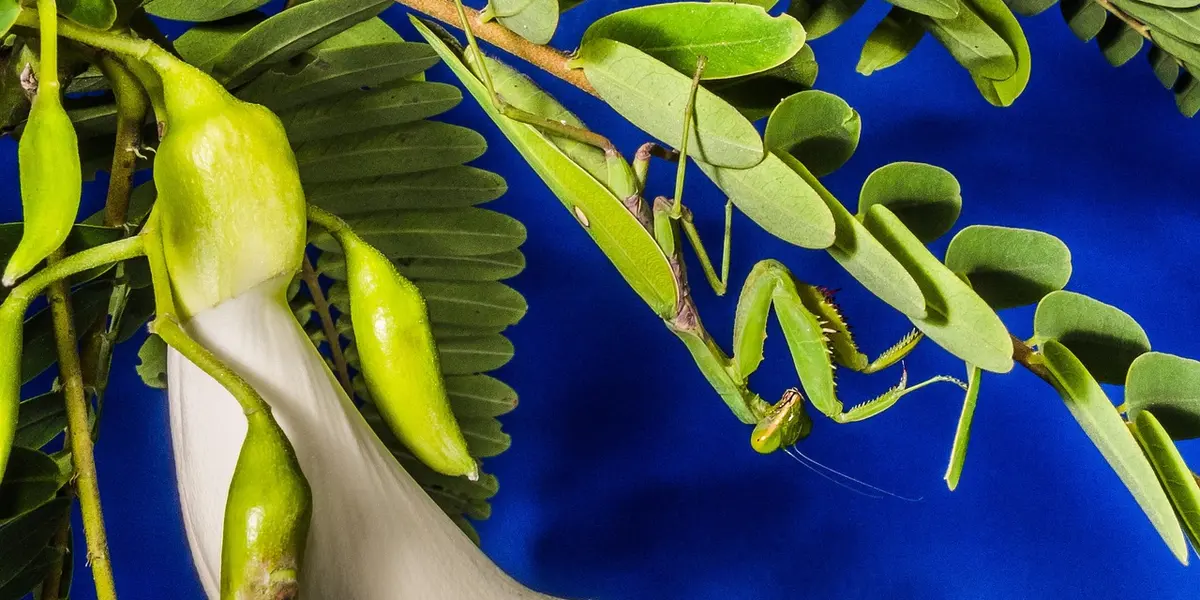
What are the general habitat requirements for mantises?
A healthy mantis habitat requires a secure, well-ventilated enclosure that prioritizes vertical space for molting and climbing. It must also maintain stable temperature and humidity levels, along with safe furnishings and a consistent diet to support natural behaviors. Be mindful of common beginner mistakes when setting up your first mantis habitat. Avoid overcrowding, fluctuating temperatures, and inadequate ventilation by planning your enclosure and monitoring conditions closely.
Do mantises require live plants in their habitat?
Live plants are not mandatory but can aid humidity and provide naturalistic cover, enhancing the enclosure’s microclimate. Non-toxic artificial plants are a practical alternative, offering similar benefits without the maintenance or risk of pesticides.
How often should mantises be fed and watered?
Feeding frequency varies by life stage, from daily for young nymphs to every 5-7 days for adults, using appropriately sized prey. Water is best provided through light daily misting, which creates droplets for drinking while maintaining optimal humidity.
Your Mantis’s Sanctuary: A Parting Thought
Providing a secure, well-ventilated space with balanced warmth and humidity forms the foundation of a thriving mantis home. Consistent routines for misting, feeding, and habitat checks allow your mantis to feel safe and display its natural behaviors. To support this, create a naturalistic, safe habitat for your praying mantis by adding plants and sturdy branches. This helps mimic its wild environment and reduce stress.
Cherish the role of a watchful keeper, ready to adapt your care through each molt and life stage. Staying informed and observant ensures you can offer the best possible life for your fascinating pet, enriching your journey together.
Further Reading & Sources
- Praying Mantis – Facts, Diet & Habitat Information
- Mantis – Wikipedia
- Should You Keep a Praying Mantis as a Pet?
- How to Set up a Praying Mantis Habitat (Step-by-Step) – Insect Keeper
Rowan Hale is a lifelong insect enthusiast who fell in love with mantises for their calm presence, alien elegance, and surprising personalities. After years of keeping and raising a variety of species, Rowan shares practical tips, creative insights, and real-world experience to help others enjoy the quiet magic of mantis care. From setting up the perfect enclosure to understanding their subtle behaviors, Rowan invites readers into a gentle, curious world where every tiny movement feels like a discovery.
Temperature and Humidity