
Are Praying Mantises Good Pets? Pros and Cons Explained
Published on: December 2, 2025 | Last Updated: December 2, 2025
Written By: Rowan Hale
Hello fellow mantis friend,
Picture this: a praying mantis sits perfectly still on a twig, its slender green body a living statue in your terrarium, with only the gentle sway of an antenna betraying its alert presence.
Yes, praying mantises can be delightful pets for those seeking a quiet, low-maintenance companion, but they come with unique challenges that make them a poor fit for some lifestyles.
Deciding if a mantis is right for you isn’t black and white-it depends on your patience, your willingness to learn their subtle needs, and what you hope to gain from pet ownership.
From my time with mantises like Luna, my Ghost Mantis who observes the world with a thoughtful head tilt, I’ve gathered a few core insights to guide you.
- Mantises are incredibly low-maintenance, needing only a small enclosure and food a few times a week, making them ideal for busy or space-conscious keepers.
- They offer a window into fascinating behaviors, from their precise hunting strikes to the delicate, hushed process of molting their skin.
- Their lifespans are often short, typically several months to a year, which can be emotionally challenging for those seeking a long-term pet bond.
- Proper care requires attention to humidity and temperature, a gentle learning curve that rewards careful observation.
The Allure of a Mantis Pet: Key Advantages
Welcoming a praying mantis into your home is like inviting a tiny, living sculpture to share your space. Their presence brings a unique calm, a quiet focus that turns a simple enclosure into a window onto a miniature world.
- Low Maintenance: Care routines are wonderfully simple, centred on weekly feedings and light misting, leaving you more time to observe than to labour.
- Educational Value: Every day offers a front-row seat to natural behaviours, from meticulous grooming to the patient ambush of prey, teaching lessons in biology and ecology.
- Fascinating Behaviour: Each mantis has distinct quirks, like our Ghost Mantis Luna, who tilts her head with such deliberate curiosity before striking at a fruit fly.
Their setup is remarkably space-efficient, often requiring just a corner of a desk or a shelf, which makes them perfect for small homes or busy lifestyles.
Quiet, Low-Maintenance Companions
If you crave a pet that complements a peaceful environment, a mantis fits the bill beautifully. Their daily needs are minimal, revolving around a straightforward feeding schedule and basic habitat upkeep. You might feed them two or three times a week, which is far less demanding than the daily walks or constant attention a dog requires. They produce no noise, save for the faintest rustle of leaves as they move. Their housing is compact; a well-ventilated terrarium no larger than a shoebox can be a palace for them. This makes mantis keeping a serene hobby, ideal for flats, dorms, or any place where quiet is cherished.
A Living Lesson in Patience and Observation
Keeping a mantis slows time down, inviting you to watch and learn from their instinctual grace. You will develop a deeper appreciation for subtlety, whether it is watching a mantis methodically clean its antennae or stalk prey with frozen intensity. We have spent countless quiet moments with our Giant Asian Mantis, Moss, studying his vibrant green form as he explores a new branch. These observations become a personal study in predator patience and the elegant economy of insect movement. It is a hobby that rewards a watchful eye and a calm mind, offering daily reminders of nature’s intricate designs.
Simple and Affordable Initial Setup
You do not need a large budget or specialised kit to create a perfect mantis home. With items you likely already have, you can assemble a safe and stimulating habitat in minutes. You can even fashion a DIY mantis enclosure from everyday materials. Here is a straightforward three-step guide to get you started without fuss:
- Choose Your Enclosure: A large, clean glass jar or a small plastic critter keeper works brilliantly. Just poke small holes in the lid for fresh air.
- Prepare the Interior: Add a layer of damp paper towel or peat moss to the bottom for humidity. Then, arrange a couple of twigs or artificial plants for climbing and perching.
- Finalise the Environment: Give the enclosure a light mist with warm water and place it in a spot with gentle, indirect light. Your mantis now has everything it needs to settle in.
This approach keeps initial costs wonderfully low, often under twenty pounds, while ensuring your new pet feels secure and content.
The Realities of Mantis Keeping: Important Drawbacks
While the joys are many, keeping mantises comes with honest challenges that deserve your consideration. Acknowledging these aspects upfront helps you become a more prepared and compassionate keeper.
- Short Lifespan: Their lives are fleeting, typically lasting 6 to 18 months, which requires a certain emotional readiness for their natural cycle.
- Live Food Necessity: They must hunt live prey, meaning you will need to manage a supply of feeder insects and be comfortable with the process.
- Delicate Constitution: Mantises are fragile and can be stressed by excessive handling; they are observers’ pets, not constant companions.
These points are not meant to discourage, but to paint a full and honest picture of what mantis guardianship truly entails.
A Brief, Beautiful Life
The most poignant reality is the short natural lifespan of these insects. This temporal limit encourages us to value each moment, from the first clumsy nymph steps to the final dignified adult molt. Most common pet species, like the Chinese or European mantis, live about a year, whilst some smaller varieties may have even shorter lives. We frame this not as a loss, but as a concentrated opportunity to witness a complete life journey. It is a gentle lesson in cherishing transient beauty, and many keepers find solace in photographing their mantis’s growth, creating a lasting record of a brief, beautiful life.
The Necessity of Live Prey
Mantises are visual hunters, programmed to respond only to movement. This means their diet must consist of living insects, which can be a practical and emotional consideration for some owners. Suitable feeder options progress from tiny flightless fruit flies for hatchlings to small crickets or dubia roaches for adults. You will feed younger mantises every couple of days, scaling back to once or twice a week as they mature. For those uneasy about handling live prey, fruit fly cultures are a brilliant starting point-they are contained and less active. Keeping a small colony of feeders ensures your mantis dines well and lets you witness their incredible predatory instincts safely.
Delicate Nature and Handling Risks
These creatures are engineered for precision, not for rough and tumble play. Their exoskeletons are surprisingly fragile, and they can become stressed by prolonged or improper contact. Safe, occasional handling is possible if you follow a mindful approach. Here are the key steps for a positive interaction:
- Invite, Do Not Grab: Always let the mantis walk onto your hand or a stick of its own accord. Never pick it up by its body or legs.
- Provide a Stable Path: Keep handling sessions brief, under five minutes, and ensure you are over a soft surface like a bed or table in case of a fall.
- Respect Their Signals: If your mantis starts to sway or actively moves away, return it to its enclosure gently. A defensive pinch from their forelegs is rare and feels like a mild pinch, easily avoided by reading their calm, still posture as a sign of comfort.
With this careful method, you can enjoy the rare privilege of feeling those delicate feet on your skin without causing harm or anxiety.
Choosing Your First Mantis: Beginner-Friendly Species
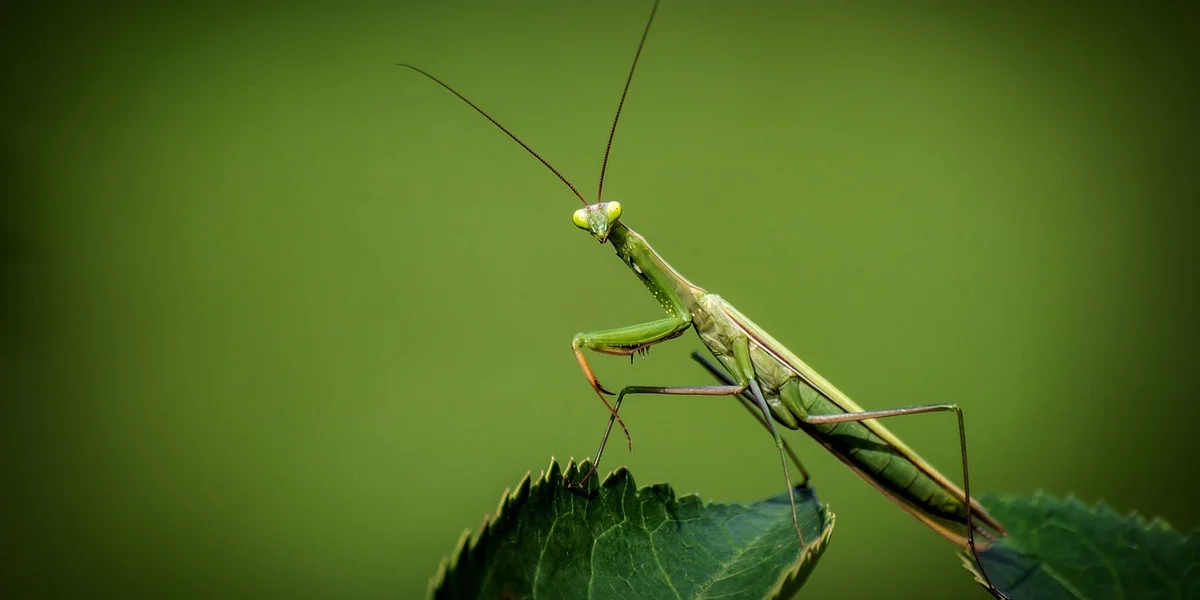
Selecting your first mantis feels like choosing a quiet companion for a shared, gentle adventure. We recommend starting with a species known for its resilience and calm nature, which builds your confidence as a keeper. For beginners, choosing the right mantis species sets the foundation for a rewarding, low-stress experience. To help you see the differences at a glance, here’s a simple comparison of three wonderful options.
| Species | Average Size | Temperament | Care Difficulty |
|---|---|---|---|
| Ghost Mantis | 4-6 cm | Calm, slow-moving | Easy |
| Giant Asian Mantis | 7-10 cm | Curious, eager | Moderate |
| Orchid Mantis | 5-7 cm | Delicate, shy | Advanced |
This table is a helpful start, but each species has its own personality and needs. Let’s explore them closer, with a few notes from our own terrarium friends.
Ghost Mantis: The Gentle Beginner
The Ghost Mantis moves with a slow, leaflike rustle that never feels hurried. Their hardy constitution forgives small mistakes in humidity or feeding schedules, which is a relief for new keepers. They possess a naturally calm demeanor, often perching for hours like a tiny, patient statue. A light daily misting usually keeps them content. Our Ghost Mantis, Luna, has those misty brown frills and a thoughtful way of tilting her head before a strike. She teaches you the rhythms of mantis care without demanding perfection.
Giant Asian Mantis: The Robust Showpiece
If you fancy a larger, more engaging presence, the Giant Asian Mantis is a vivid choice. These mantises are often eager to feed and display a charming curiosity about their world. Their emerald green bodies with pale banding make a striking visual showpiece in any room. Care is straightforward, but they do require a taller enclosure for proper molting and exploration. Our male, Moss, is always the first to investigate a new branch or droplet of water. His energy is infectious, but remember, providing ample space is key to his robust health.
Orchid Mantis: A Beauty for Experienced Hands
With petals of pink and white, the Orchid Mantis is a living flower. Their stunning appearance depends on precise, stable humidity and warm temperatures, which need careful monitoring. They can be shy and are less tolerant of environmental fluctuations. Our juvenile Orchid, Sprig, is a soft marbling of colours, bold only during mealtimes. We often suggest an Orchid Mantis as a second or third pet, after you’ve nurtured a beginner species. This way, you can fully appreciate their delicate beauty without the initial steep learning curve.
Creating a Mantis Sanctuary: Habitat Essentials
Think of your mantis enclosure as a miniature biome, a quiet world built for comfort and instinct. Core components focus on safety, ventilation, and mimicking the textured, leafy spaces where mantises naturally thrive. We use branches for climbing, foliage for stealth, and a soft substrate to hold humidity-each piece working together to reduce stress and encourage natural behaviors.
Setting up this sanctuary is a calming process, much like tending a tiny indoor garden. Follow these straightforward steps to build a secure and stimulating home your mantis will adore. You will need a well-ventilated space, some natural materials, and a gentle touch. For a thriving, bioactive enclosure, add live plants and microfauna. This makes the habitat feel more natural for your praying mantis.
Enclosure Selection and Setup
Here is a simple, numbered guide to assembling your terrarium. Gather your materials first: a suitable cage, coconut fibre substrate, and an assortment of branches and plants.
- Choose a well-ventilated tank or mesh cage. Good airflow is non-negotiable for preventing mold and ensuring your pet breathes easily. A mesh cage or an acrylic terrarium with fine ventilation panels is ideal for most species.
- Add a safe substrate like coconut fibre. This natural bedding holds moisture for humidity and provides a soft landing surface. Avoid soils or sands that could be accidentally eaten during feeding.
- Install climbing structures and hiding spots. Use clean, pesticide-free twigs, bamboo sticks, or driftwood. Add silk or plastic leaves to create dense foliage. These elements give your mantis places to perch, molt safely, and survey its domain.
My Giant Asian Mantis, Moss, spends hours exploring every new branch I add, his emerald body a vibrant contrast against the dark wood. Arranging the interior with vertical and horizontal options lets your mantis choose its favorite lookout spot.
Mastering Temperature and Humidity
Getting the climate right is where your mantis truly settles in. Different species have different needs, but the principles are universal: steady warmth and gentle moisture.
For common beginner species like the Ghost Mantis or Chinese Mantis, maintain a temperature of 22-28°C (72-82°F) and humidity between 50-70%. More exotic types, such as the Orchid Mantis, prefer it warmer at 25-30°C (77-86°F) with humidity around 60-80%.
Practical management is easier than it sounds. Place a small, low-wattage heat mat on one side of the enclosure only. This creates a vital warmth gradient, allowing your mantis to thermoregulate by moving to its preferred spot. For humidity, a light misting with warm water once or twice daily does the trick. Use a fine spray bottle to mimic a gentle rainforest dew-avoid soaking the enclosure.
My Ghost Mantis, Luna, always moves to her favourite cool leaf after a mist, her delicate frills glistening. Monitoring with a simple digital thermometer and hygrometer takes the guesswork out of creating their perfect microclimate.
The Daily Rhythm: Feeding and Care Routine
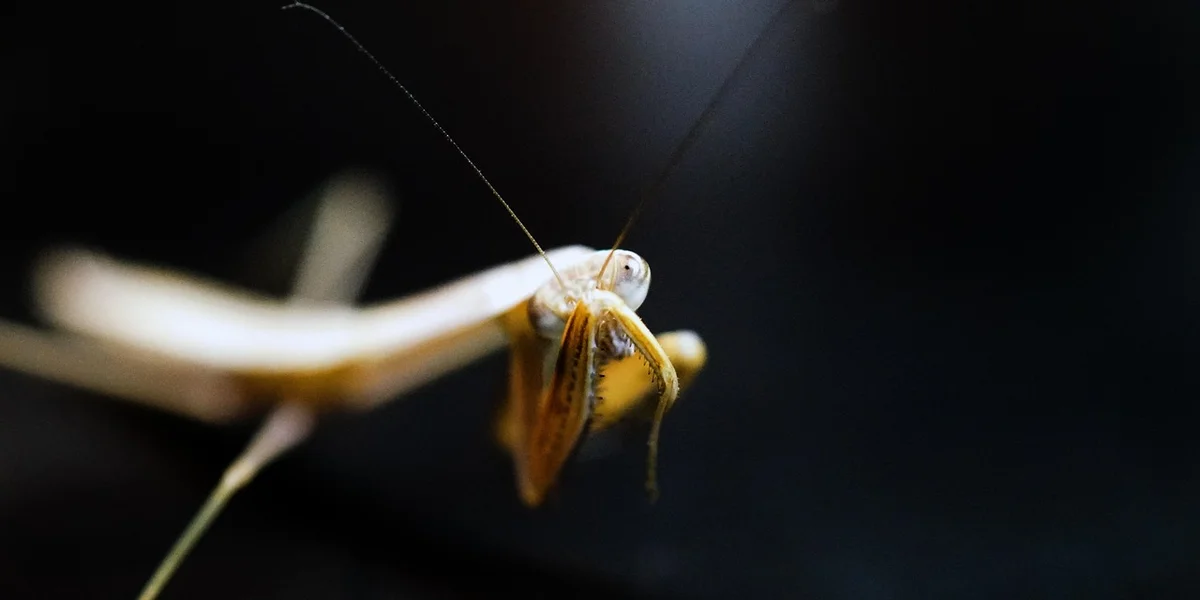
Keeping a praying mantis is about embracing a calm, steady routine. A predictable schedule creates a secure environment where your mantis can focus on growing, hunting, and simply being its fascinating self. Knowing when and how to interact with your mantis is essential for maintaining that environment.
We break care into simple daily and weekly habits. Each one has a clear purpose that mirrors life in the wild.
- Daily Observation: Take a quiet moment to check on your mantis. Look for normal activity and a healthy appetite. This gentle watch helps you spot the subtle signs of an upcoming molt, like reduced movement or a refusal to eat.
- Gentle Misting: Lightly spray the enclosure each day with lukewarm water. This isn’t just about drinking. Maintaining humidity is vital for successful molting, allowing the old skin to slip off easily and safely. My ghost mantis, Luna, often reaches out to taste the morning droplets on her leafy frills.
- Focused Feeding: Offer live prey according to your mantis’s age and hunger. Consistency here prevents underfeeding and keeps their hunting instincts sharp.
- Weekly Habitat Tidy: Remove any leftover food or waste to prevent mould. A clean space reduces stress and disease, letting your mantis thrive in a miniature, healthy ecosystem.
- Environment Refresh: Swap or rearrange climbing sticks and foliage weekly. This small change offers mental stimulation and physical exercise, much like my Giant Asian mantis, Moss, eagerly investigating a new branch.
Diet: What and How Often to Feed
A mantis diet consists solely of live insects. Choosing the right prey size and type is the single biggest factor in your pet’s growth and longevity.
Match the insect to your mantis’s life stage for safe, nutritious meals:
- Young Nymphs (L1-L3): Offer flightless fruit flies or springtails. Their tiny size is perfect for first hunts.
- Growing Juveniles: Introduce small crickets, houseflies, or wax moth larvae. Providing variety here, like the mix of flies and moths my orchid mantis Sprig enjoys, ensures a full spectrum of nutrients for vibrant health.
- Adults: Suitable prey includes medium crickets, roaches, or moths. Avoid hard-bodied insects like adult beetles.
Feeding frequency slows down as your mantis matures. This chart offers a reliable guide:
| Life Stage | Feeding Frequency | Ideal Prey Size |
|---|---|---|
| Nymphs | Every 1-2 days | Smaller than the mantis’s head |
| Juveniles | Every 2-3 days | Roughly the width of the mantis’s thorax |
| Adults | Every 3-4 days | Up to the length of the mantis’s body |
Always remove any uneaten live food after a few hours to keep your mantis from feeling harassed in its own home. A well-fed mantis will have a slightly rounded abdomen, but a lean hunter is a healthy one.
Water and Hydration Without a Bowl
Praying mantises hydrate by sipping water beads from leaves and walls. The misting method is a perfect, natural solution that doubles as a humidity boost for their delicate skin.
The process is wonderfully simple and becomes a peaceful part of your day.
- Fill a small spray bottle with dechlorinated or bottled water. Ordinary tap water can contain minerals and chemicals that are best avoided.
- Lightly mist the enclosure walls, leaves, and decor every one to two days. You want to create a constellation of tiny droplets, not a drenched rainforest.
- Let those droplets cling to surfaces where your mantis can find them. You’ll often see a careful stretch of a foreleg to collect a drink.
This routine of gentle misting supports everything from smooth digestion to the critical shedding process, making it a non-negotiable act of care. In a centrally heated room, you might mist daily, while a naturally humid space may need less frequent attention.
Understanding Mantis Behavior and Social Needs
Praying mantises are observers, not socialites. They live quiet, solitary lives where their world is built on stillness and sudden motion. We often find them perched for hours, their heads turning with deliberate slowness to track a fly or a shift in the light. This isn’t boredom—it’s how they engage with their environment. Their observational nature means they experience the world through patient watching and precise, calculated action. Scientists explain this solitary pattern as a balance between the costs of social living and the benefits of stealth while hunting. When interactions occur, they are typically brief and opportunistic—mating or defending a small territory rather than forming a social network.
While they may learn to recognize your presence as a source of food or gentle interaction, they do not form bonds in the way mammals do. My own mantis, Luna, will often follow my finger with her gaze, but she sees a potential perch or a feeder, not a friend. Their social needs are, frankly, non-existent, which simplifies care but requires a shift in our expectations as keepers.
Learning their body language is your best tool for understanding their comfort. Here are common cues you might notice:
- Raising Forearms: A defensive or threatening posture, often accompanied by a slight sway.
- Slow Head Tilting: A sign of curiosity or assessment, like when Moss examines a new branch.
- Grooming Antennae: A self-comforting behavior, indicating they feel secure in their space.
- Flattening Body: An attempt to appear smaller or blend into a background, showing wariness.
- Sudden, Jerky Movements: Usually a sign of startlement or an attempt to flee an perceived threat.
Why Mantises Live Alone
Mantises are hardwired for solitude. In the wild, meeting another mantis typically means one thing: a meal. This instinctual cannibalism doesn’t disappear in captivity. Housing mantises together, even briefly, invites stress, injury, and almost certain loss. What looks like companionship to us is pure survival pressure to them.
We must remember they are not lonely. A mantis alone in a properly sized enclosure is a content mantis. Attempting to give them a “friend” only forces them into a constant state of alert, which drains their energy and can shorten their lives. Each mantis, from a tiny ghost to a large giant Asian, needs its own private territory to thrive without fear.
Recognizing Stress and Ensuring Enrichment
A stressed mantis is an unhappy one. Key signs include a persistent refusal of food they normally accept, frantic climbing or repeated falling, and excessive hiding. You might also see prolonged defensive posturing when no threat is present. These signs often stem from habitat issues, so fixing the habitat can relieve stress. Adjusting factors like temperature, humidity, lighting, and space can help restore their wellbeing. Catching these signals early lets you adjust their environment before their health declines.
Gentle enrichment can prevent boredom and stimulate their natural behaviors without causing stress. Think of it as redecorating their quiet studio apartment. Every few weeks, you can carefully rearrange a branch or add a new, clean leaf. My juvenile Orchid mantis, Sprig, becomes cautiously inquisitive when her setup changes, exploring the new layout with delicate steps.
Simple enrichment ideas focus on variety and safety:
- Rotate different types of safe, pesticide-free twigs or stems for climbing.
- Occasionally move their feeder dish to a different corner to encourage a short hunt.
- Use a soft misting spray to simulate a gentle rain, which many mantises enjoy.
These small changes offer novel sensory input. The goal is to provide a stimulating habitat that respects their need for calm and security above all else.
Finding Your Mantis: Acquisition and Costs
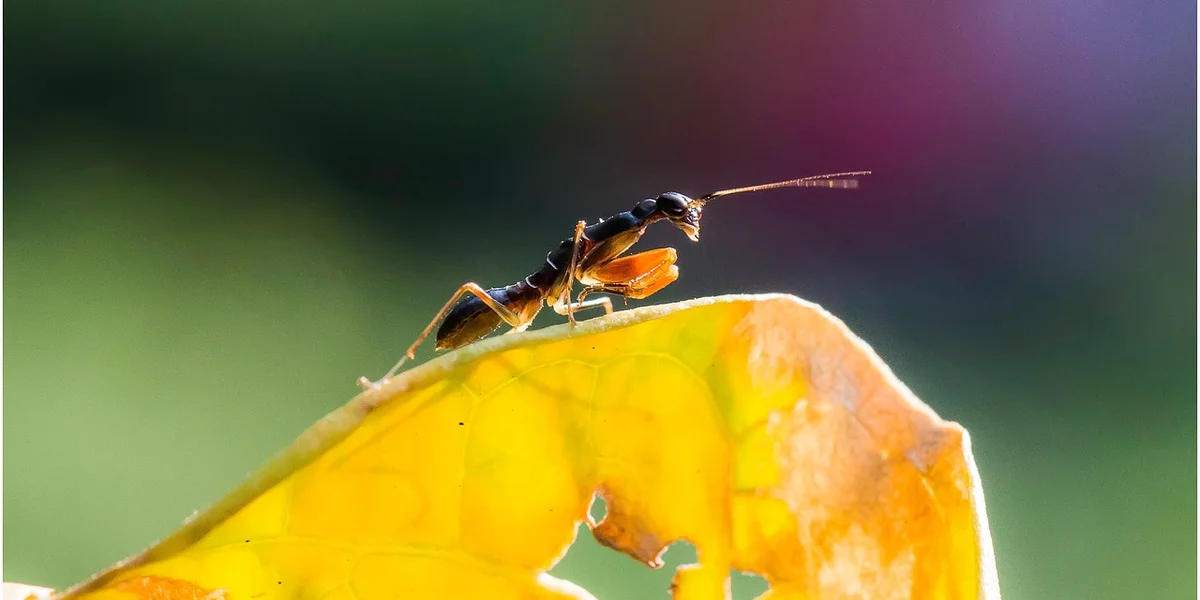
Starting your mantis journey begins with knowing where to find a healthy nymph or adult. We often search “pets for sale near me,” but for these delicate insects, targeted sources work best. Ethical acquisition supports breeders who prioritize the mantis’s wellbeing, giving your new pet a strong start.
You’ll find mantises through reputable online breeders, local exotic pet shops, and reptile expos. Seasonal availability plays a role; many species are more abundant as nymphs in spring and summer. I waited patiently for Moss, my Giant Asian Mantis, to arrive in June-the soft rustle of his shipping cup felt like a summer whisper.
- Reputable Online Breeders: These specialists offer detailed care guides and often ship nationwide with secure packaging.
- Local Exotic Pet Shops: Visiting lets you observe the mantis’s behavior and ask keepers questions face-to-face.
- Reptile Expos: Events where breeders gather, perfect for comparing species like the leafy Ghost Mantis or vibrant Orchid Mantis.
Ethical Sources and What to Expect
Choose specialized online stores or dedicated breeders over general retailers. These sources understand mantis needs, shipping them in ventilated containers with climate control for safety. Online purchases are common and reliable when sellers use insulated boxes and quick delivery.
When Luna, my Ghost Mantis, arrived by post, her cup was nestled in padding like a tiny nest. We opened it slowly, feeling the humid warmth, and she stepped out with a curious tilt of her head. That careful packaging made all the difference.
A Breakdown of Mantis Pet Costs
Mantis keeping is wonderfully affordable, especially compared to many exotic pets. Your main expenses are a one-time setup and minimal weekly food, making it easy on the wallet. Here’s a simple cost overview to plan your budget.
- Insect Price: Ranges from $10 to $50, with common species like the Chinese Mantis at the lower end and rarer ones like the Orchid Mantis higher.
- Enclosure: A basic terrarium or mesh habitat costs $20 to $40, though a large mason jar can serve as a temporary home.
- Ongoing Food Costs: Live feeders like fruit flies or small crickets run a few dollars per week, often available at local pet shops.
All told, you can set up a comfortable home for less than a nice dinner out. Sprig, my Orchid Mantis, thrives in a £30 enclosure, and her weekly meals cost less than a biscuit tin refill.
Legal and Ethical Considerations for Keepers
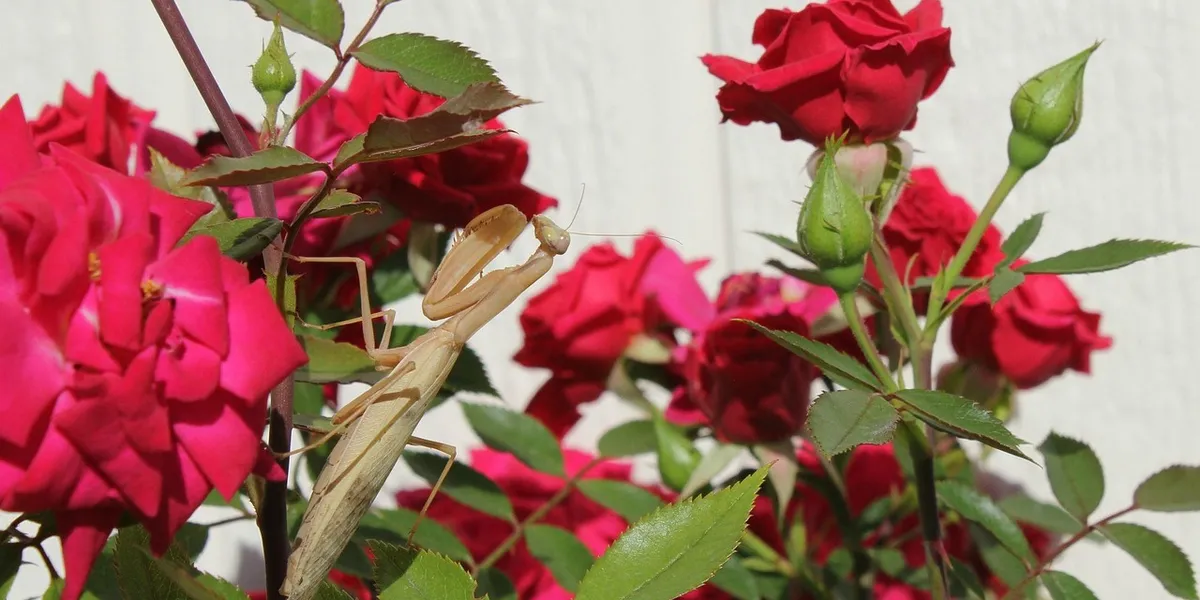
Welcoming a mantis into your home is a delightful commitment, and like any good relationship, it starts with a foundation of respect and responsibility. Before you order that first nymph, taking a quiet moment to consider the legal and ethical landscape is the mark of a thoughtful keeper. It ensures your journey begins on solid, conscientious ground.
- Verify your local and national wildlife laws regarding invertebrate pets.
- Confirm the specific mantis species you desire is legal to import and keep.
- Honestly assess your ability to provide proper care for the insect’s full natural lifespan, which can be over a year for some species.
Checking Local Regulations
Laws can be as varied as mantis species themselves. In many places, common exotic species like the Giant Asian or Ghost Mantis are perfectly fine to keep. However, regulations often tighten around native species, as taking them from the wild can disrupt local ecosystems. We once had to pause our excitement for a local species we spotted, only to find it was protected. A quick check with your national wildlife agency or agricultural department can save you from unintended legal troubles.
The rules may also cover how you acquire your mantis. Importing insects across borders, even within countries, can sometimes require permits to prevent the spread of plant pests or diseases. Reputable breeders will usually be transparent about these requirements, guiding you through a smooth, legal process.
The Keeper’s Promise: Ethical Care
Choosing a mantis is a gentle pact. Their world is the enclosure we build, and their well-being rests entirely in our hands. Ethical care means seeing beyond the insect to the unique life in your care, committing to its comfort from its first delicate molt to its final dignified days. This promise is woven into every daily misting and carefully offered feeder insect.
Part of this promise is choosing where your mantis comes from. We always advocate sourcing from dedicated breeders who raise mantises in captivity, never from wild-caught suppliers. Captive-bred mantises, like our Moss and Luna, are accustomed to human presence, free from parasites, and their purchase supports sustainable hobbyist networks. It’s a simple choice that helps conserve wild populations, leaving them to play their vital role in gardens and meadows where they belong.
Questions from Fellow Mantis Friends
Can I purchase a praying mantis from Petsmart or other large pet store chains?
Large chain stores like Petsmart rarely stock praying mantises due to their specialized care requirements. For a healthy pet, it’s better to seek out reputable online breeders or local exotic pet shops that focus on invertebrates.
How can I find praying mantis pets for sale near Detroit, MI?
Search for regional reptile expos or specialized online breeders who ship to Michigan, ensuring they use safe, insulated packaging. You can also check local exotic pet stores in the Detroit area for availability and ethical sourcing.
What should I look for in a local pet shop when buying a praying mantis?
Choose shops with clean, spacious enclosures and staff who can detail the mantis’s species and care history. Avoid any store where mantises appear stressed or are kept in improper conditions, as this can impact their health.
Your Quiet Companions Await
Keeping a praying mantis means matching your lifestyle to their specific needs-a proper enclosure, the right live food, and gentle, infrequent handling are the pillars of their care. If you find beauty in subtlety and can offer a patient, observant home, then a mantis can be a uniquely rewarding pet if you understand their essential habitat requirements.
Welcome the journey of learning from your insect, noticing the small changes in their behavior and the quiet beauty of their world. By committing to their gentle care, you become a steward for one of nature’s most fascinating, silent architects.
Further Reading & Sources
- Should You Keep a Praying Mantis as a Pet?
- Should You Keep a Praying Mantis as a Pet?
- Do Praying Mantis Make Good Pets? [Pros & Cons] – 903Pets
- What is the best beginner species? | Mantid Forum – Mantis Pet & Breeding Forum
Rowan Hale is a lifelong insect enthusiast who fell in love with mantises for their calm presence, alien elegance, and surprising personalities. After years of keeping and raising a variety of species, Rowan shares practical tips, creative insights, and real-world experience to help others enjoy the quiet magic of mantis care. From setting up the perfect enclosure to understanding their subtle behaviors, Rowan invites readers into a gentle, curious world where every tiny movement feels like a discovery.
First-Time Mantis Owners