
How to Safely Heat a Praying Mantis Enclosure Without Overheating
Published on: October 10, 2026 | Last Updated: October 12, 2026
Written By: Rowan Hale
Hello fellow mantis friend, have you ever noticed your mantis leaning into a sun-warmed patch, only to see it scuttle away when things get too toasty? That delicate dance between warmth and worry is something we’ve all faced with our tiny green companions.
The secret to safely heating a praying mantis enclosure lies in using low-intensity, consistent heat sources and creating a gentle temperature gradient that mimics their natural environment.
Heating isn’t just about adding warmth-it’s a careful balance that, if off, can stress your mantis or cause harm. Overheating risks are real, from dehydration to lethargy, especially for species like my ghost mantis Luna who prefer steady, mild climates.
We’ll guide you through the essentials to keep your mantis thriving:
- Picking gentle heat sources suited for small spaces
- Building a safe temperature gradient for natural behavior
- Using reliable tools to monitor heat levels accurately
- Simple adjustments based on personal keeper experiences
Why Your Mantis Needs the Right Heat
-
Proper temperature helps your mantis digest food smoothly and avoid gut issues. When the heat is steady, their metabolism works efficiently, breaking down prey without delays. We’ve noticed how a warm environment supports molting, allowing the old skin to slip off cleanly and the new one to harden properly. In addition, temperature plays a key role in growth and development. Warmer conditions often speed up growth and shorten time to maturity, while cooler temperatures slow things down.
-
Personal experiences show how warmth boosts activity and well-being. I recall Moss, my Giant Asian mantis, becoming more alert and curious after I adjusted his heat source. He went from resting quietly to eagerly climbing and hunting, which reassured me that even small temperature tweaks make a big difference.
-
Risks from incorrect heat are manageable with attention. Too much warmth can cause dehydration or stress, whilst too little may lead to lethargy and failed molts. If the temperature drops too low, the mantis may become sluggish, stop feeding, and have difficulties with molts. Understanding the consequences of temperature extremes can help ensure you take the necessary steps to maintain a proper environment. By keeping an eye on your mantis’s behaviour, you can quickly spot and fix any temperature problems.
Understanding Temperature Ranges and Gradients
-
Ideal temperatures vary by species, so it’s key to match your mantis’s needs. Humidity matters too, and different species require different humidity ranges alongside temperature. Knowing both helps tailor care. For Ghost Mantises like Luna, aim for 20-28°C daytime and 18-22°C at night. Giant Asian mantises such as Moss do well at 25-30°C daytime and 20-25°C nightly, whilst Orchid Mantises prefer similar ranges with slight adjustments.
-
A heat gradient lets your mantis choose its comfort spot in the enclosure. By creating a warmer area on one side and a cooler zone on the other, your mantis can regulate its body temperature naturally. To create a vertical temperature gradient in your mantis enclosure, position the heat source higher up so the warm zone sits above a cooler area. This allows your mantis to move to its preferred height for comfort. This setup mimics their wild habitat and reduces stress, much like how they’d move between sun and shade outdoors.
-
Refer to this simple table for common species needs:
Species Daytime Temperature Night Temperature Ghost Mantis 20-28°C 18-22°C Giant Asian Mantis 25-30°C 20-25°C Orchid Mantis 25-30°C 20-25°C
Choosing Safe Heating Equipment
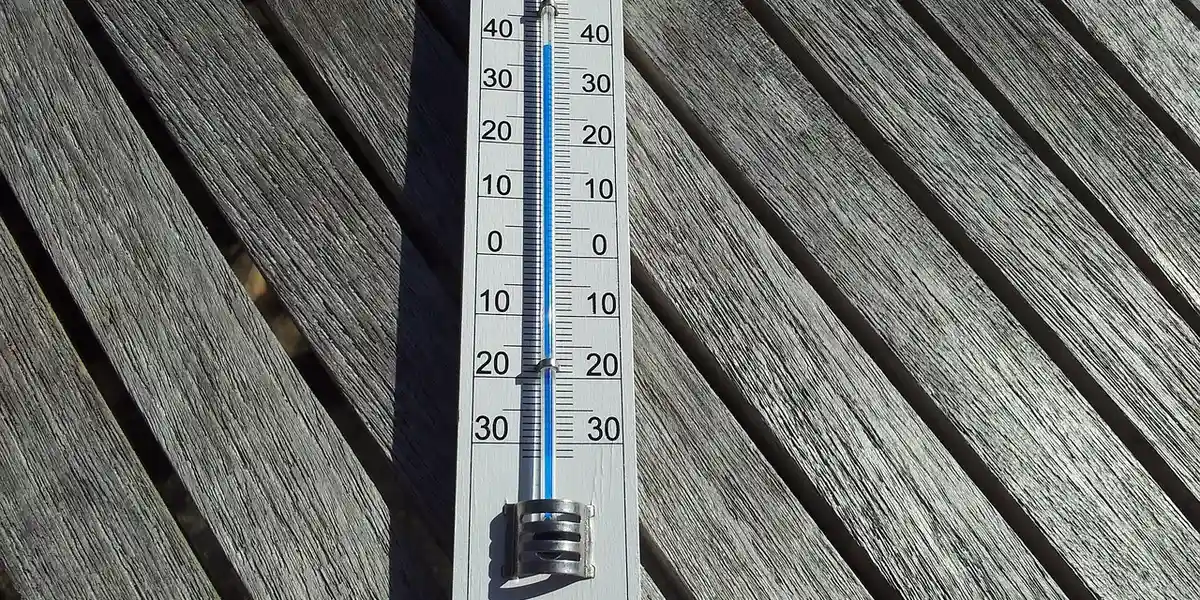
Selecting the right heating gear for your mantis enclosure makes all the difference in their wellbeing. We always start by comparing options that offer steady warmth without sudden spikes, much like the gentle sun in a forest clearing. Our own mantis, Luna, thrives with equipment that mimics her natural environment.
- Compare heat mats, ceramic heat emitters, and heat lamps for safety and efficiency-each suits different needs based on your mantis species and enclosure type.
- Emphasize using thermostats with safety cut-offs to prevent overheating; these devices act as a reliable guardian for your pet’s comfort.
- Recommend digital thermometers and hygrometers for accurate monitoring, as precise data helps you spot trends before they become problems.
Heat Source Options
Let’s break down the common heat sources we’ve tested over the years. Each one brings unique benefits, so picking the right match depends on your mantis’s habits and your setup. For instance, Moss, our Giant Asian Mantis, adores the subtle warmth from a ceramic emitter during his nighttime explorations. That’s where the topic of ideal lighting and heating requirements for a praying mantis comes in. It hinges on species and lifestyle, but the goal is steady warmth and a sensible day-night cycle.
- Heat mats: Best for gentle, consistent warmth; place outside the enclosure to avoid direct contact and reduce burn risks.
- Ceramic heat emitters: Provide heat without light; ideal for night use when mantises are most active and need darkness.
- Heat lamps: Create a basking spot; ensure proper distance to avoid burns and simulate natural sunlight for species like Orchid Mantises.
Essential Monitoring Tools
Keeping an eye on conditions is just as vital as the heat source itself. We rely on a few trusted tools to maintain that perfect balance, much like tending to a delicate terrarium. With Sprig, our juvenile Orchid Mantis, we use these daily to ensure her pink petals stay vibrant.
- Digital thermometers: For precise ambient temperature checks in various spots, helping you map out warm and cool zones.
- Hygrometers: To track humidity levels alongside heat, since moisture and warmth go hand in hand for mantis health.
- IR thermometers: For spot-checking surface temperatures safely, like perches or enclosure walls, without disturbing your mantis.
Step-by-Step Setup for Safe Heating
Setting up heating safely involves a methodical approach to avoid stress. We follow these steps to create a cozy gradient that lets your mantis choose their comfort spot. From our first setup with Luna to Moss’s current home, this process has never failed us.
- Determine target temperatures based on your mantis species and enclosure size; research their native climate for accurate ranges.
- Plan heat source placement to create a natural gradient, avoiding direct contact and ensuring one side stays cooler.
- Install the heat source securely, using non-toxic materials and ensuring good airflow to prevent hot spots.
- Connect to a thermostat with the probe positioned in the warmest area, so it adjusts heat automatically for safety.
- Place monitoring equipment in key spots for regular checks, like near the heat source and in shaded areas.
- Test the setup and make gradual adjustments for acclimation, watching your mantis’s behavior for signs of comfort.
Monitoring Temperature and Humidity Daily

We like to think of this daily check as a gentle ritual, much like tending to a quiet garden. Establishing a consistent morning and evening routine helps you catch small changes before they become big problems. Start by glancing at your thermometer and hygrometer-these little tools are your best friends in mantis care.
- Each morning, note the temperature and humidity levels while you prepare for the day.
- In the evening, do a quick check again, especially after misting or adjusting heat sources.
- Keep a small notebook or use a phone app to log readings, so you spot patterns over time.
Interpreting these numbers is straightforward once you get the hang of it. If temperatures dip below 22°C, consider tweaking your heat mat or adding a gentle lamp for warmth. When humidity drops under 50%, a light misting can perk things up. For readings that swing too high, ease off on heat or increase airflow.
Household items can be lifesavers for quick adjustments. Place a spare mason jar filled with warm water inside the enclosure to boost humidity temporarily. Or, if things get too warm, move the setup to a cooler spot like a shaded shelf. These simple tricks keep your mantis comfortable without fancy gear. To set up the perfect humidity level for your praying mantis enclosure, pair these tricks with a hygrometer and regular misting. Monitor substrate moisture and adjust as needed.
Preventing Overheating: Common Pitfalls and Solutions
Overheating can sneak up quietly, but your mantis will show subtle signs if you know what to look for. Watch for lethargy, where your mantis moves slowly or avoids activity, much like a wilting plant in too much sun. They might also seek out cool corners or hang upside down more often, trying to escape the heat. These can be indicators of stress, similar to the behavioral signs discussed in our guide on how to tell if a praying mantis is stressed.
- Lethargy and reduced appetite are early warnings.
- Panting or rapid mouth movements indicate distress.
- Seeking shaded areas or clinging to cooler surfaces.
Fixing overheating is all about balance and quick action. Improve ventilation by propping open a lid or adding small mesh panels to let stale air escape. If heat sources are too intense, insulate the enclosure with a towel or move it away from direct sunlight. A small fan set on low nearby can help circulate air without creating a draft.
I remember when Luna, my ghost mantis, started acting unusually still one afternoon. Her enclosure had crept past 30°C, and she was tucked in a corner, barely responding. We quickly hooked up a simple thermostat to her heat mat, and within hours, she was back to her curious, head-tilting self. That small device made all the difference, turning a risky situation into a calm, controlled environment.
Common Mantis Queries
What is the best indoor heater for a mantis enclosure?
Low-wattage heat mats or ceramic heat emitters are excellent choices for indoor use as they deliver steady warmth without intense light. Always connect them to a thermostat to maintain safe temperatures and avoid fluctuations.
How do I prevent hot spots when using a mantis enclosure heater?
Position the heater away from direct contact with the enclosure and use a thermostat to control output. Regularly check surface temperatures with an IR thermometer to ensure even heat distribution and no overly warm areas.
Can I rely solely on a heat lamp for indoor mantis heating?
Heat lamps can work but may risk overheating if not monitored closely. Combine them with other sources like heat mats for a balanced setup and use timers to mimic natural day-night cycles.
Your Mantis’s Perfect Warmth
We always pair heat sources with a thermostat to prevent sudden temperature spikes. Providing a gentle gradient from warm to cool lets your mantis find its own comfortable spot throughout the day. Be mindful of lighting duration and humidity, as improper levels are common mistakes keepers make. Avoid abrupt changes and monitor your mantis for signs of stress.
Caring for a mantis means committing to ongoing education and attentive observation. We encourage joining friendly keeper forums and reading updated care sheets to refine your approach as your pet grows. For first-time mantis owners, a week-by-week care guide can help you stay on track. Your first week sets the foundation with simple housing, feeding, and daily observation routines.
Further Reading & Sources
- Mantis Accessory – Habitat Heater – PrayingMantisShop.com
- r/mantids on Reddit: Question about praying mantis enclosure heating
- Praying Mantis Care Guide | Ely Exotics
- 3 Ways to Make a Praying Mantis Habitat – wikiHow
Rowan Hale is a lifelong insect enthusiast who fell in love with mantises for their calm presence, alien elegance, and surprising personalities. After years of keeping and raising a variety of species, Rowan shares practical tips, creative insights, and real-world experience to help others enjoy the quiet magic of mantis care. From setting up the perfect enclosure to understanding their subtle behaviors, Rowan invites readers into a gentle, curious world where every tiny movement feels like a discovery.
Temperature and Humidity