
Common Lighting, Heating, and Humidity Mistakes for Praying Mantis Care
Published on: October 2, 2026 | Last Updated: October 2, 2026
Written By: Rowan Hale
Hello there, mantis friend. Have you ever watched your mantis sit unusually still, refusing its favourite cricket, and wondered if something in its little world was just slightly off?
The most common mistakes in mantis care involve getting the delicate balance of lighting, heating, and humidity wrong, creating an environment that is subtly stressful rather than perfectly peaceful.
It’s a surprisingly complex dance. These three elements are deeply intertwined, and a small misstep with one can quietly unsettle the others.
Here are the key areas we’ll explore to help you create a thriving habitat.
- Why the wrong light can leave your mantis disoriented and stressed.
- How incorrect heating disrupts everything from appetite to molting.
- The delicate role humidity plays in your mantis’s most vulnerable moments.
Getting the Lighting Right for Your Mantis
Proper lighting helps your mantis follow its natural diurnal rhythms, keeping it active during the day and restful at night. Mimicking these light cycles supports healthy hunting, molting, and overall well-being by aligning with their innate behaviors.
Many keepers mistakenly use UVB bulbs, which aren’t necessary for most mantis species and can cause eye strain or stress. Overlooking photoperiods or using harsh, bright lights disrupts their sense of time and can lead to agitation. Do praying mantises need UVB lighting? Not typically; UVB isn’t required for their health and a regular day-night cycle is enough.
Steps to Set Up a Safe Light Schedule
- Select gentle, low-intensity bulbs like soft white LEDs or incandescent options that emit minimal heat.
- Use a timer to replicate day-night cycles, such as 12 hours of light and 12 hours of darkness.
- Position lights outside the enclosure to avoid direct exposure, preventing overheating or burns.
Insufficient lighting or constant illumination can confuse your mantis, making it sluggish or hesitant to feed. From our time with Luna, our Ghost Mantis, we noticed she became more withdrawn when her habitat lacked a clear day-night rhythm, affecting her molting readiness.
Heating Your Mantis Enclosure Without Harm
Stable temperatures and a gentle gradient let your mantis move between warm and cool spots to regulate its body heat. This stability is vital for digestion, energy levels, and successful molting, much like how we adjust our comfort at home.
Common errors include overheating with high-wattage bulbs, which can quickly dry out the enclosure and harm your mantis. Neglecting to use a thermometer or allowing sudden temperature drops from drafts can shock their system and lead to health issues.
Steps for Safe Heating Practices
- Opt for low-wattage heat lamps, around 25-40 watts, placed at one end to create a warm zone.
- Monitor temperatures closely with a digital thermometer, aiming for a range of 22-28°C with a slight drop at night.
- Ensure the enclosure has distinct areas: a warmer top section and a cooler bottom for easy thermoregulation.
Signs of overheating include panting, lethargy, or seeking the enclosure’s coolest corners, while chilling may cause inactivity or molting failures. We once saw Moss, our Giant Asian Mantis, struggle with a partial molt after a nighttime chill, reminding us how delicate their temperature needs are.
Balancing Humidity Levels for Healthy Mantises
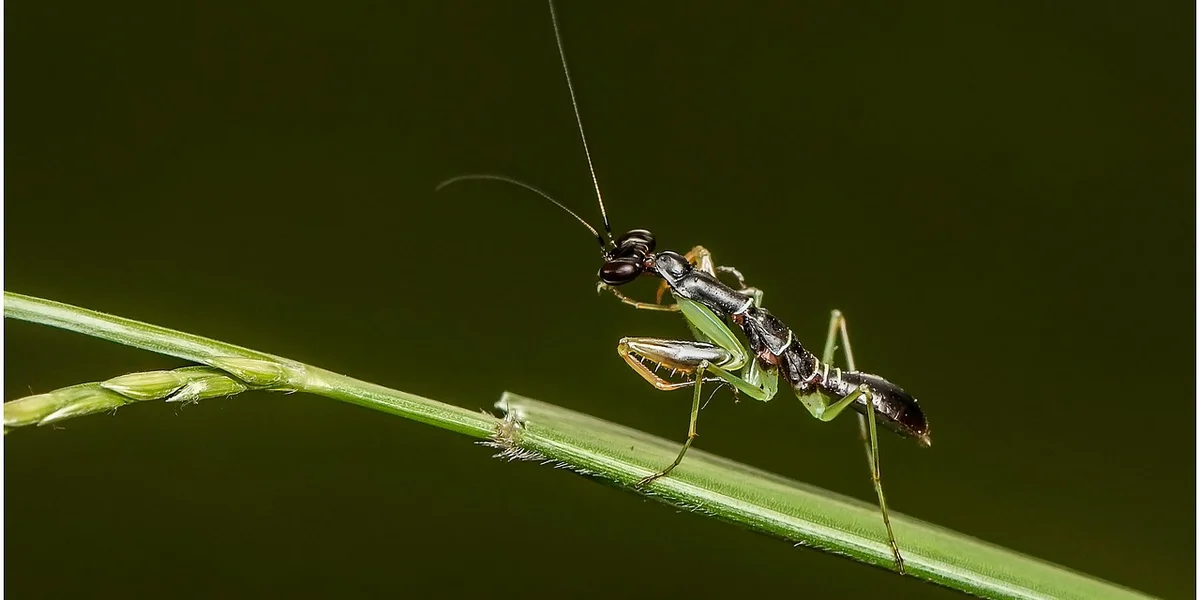
Humidity acts like a gentle, invisible blanket for your mantis, wrapping them in comfort that supports everything from molting to daily hydration. Think of it as the morning dew on leaves-too little, and your mantis might struggle to shed its skin; too much, and you risk mold or respiratory issues. When my Ghost Mantis, Luna, molted, I saw how the right humidity made her movements fluid and her new exoskeleton form perfectly.
Many keepers stumble with humidity by not checking their tools or adjusting for their mantis’s needs. Over-misting can leave droplets everywhere, encouraging condensation that harms delicate wings and skin, especially when over-misting is done. Under-misting might leave your mantis dehydrated, especially during molts when they need extra moisture. Ignoring a hygrometer is like guessing the weather-you might miss the signs until it’s too late.
- Use room-temperature water for misting to avoid startling your mantis with cold shocks.
- Time your misting to mimic natural cycles, such as early morning or dusk, when dew forms in the wild.
- Adjust based on species-for instance, my Orchid Mantis, Sprig, thrives with higher humidity than others.
Substrates and ventilation work together to keep humidity steady without inviting mold. Materials like coconut fiber or sphagnum moss hold moisture well, but pairing them with mesh vents ensures air circulates freely. We often add a layer of moss to our enclosures, which slowly releases humidity and feels soft underfoot for the mantises.
Setting Up an Enclosure That Supports Light, Heat, and Humidity
Your enclosure’s design directly shapes how light, heat, and humidity interact, much like a miniature ecosystem you curate. A well-chosen container with good ventilation helps prevent stagnant air and uneven conditions that stress your mantis. Materials like glass or plastic can trap heat, whilst mesh panels allow for better airflow and humidity control. When choosing an enclosure for praying mantises, weigh the pros and cons of glass versus mesh. Glass looks clear and retains heat but can restrict airflow, while mesh offers better ventilation and humidity control but may be less secure.
Common errors arise from overlooking basic setup principles. Poor air flow leads to stuffy environments where mold and bacteria thrive. Using the wrong substrate, such as one that holds excess water, can create soggy spots. Cramped spaces disrupt the natural gradients of temperature and humidity, making it hard for your mantis to find its comfort zone.
- Select well-ventilated containers, like those with mesh lids or side vents, to promote air exchange.
- Incorporate live plants such as pothos or ferns to naturally boost humidity and provide hiding spots.
- Arrange heaters and lights to distribute warmth evenly, avoiding hot or cold spots in the enclosure.
Simple DIY solutions can transform an ordinary setup into a mantis-friendly habitat. We’ve used household items like a small mesh-covered jar or a repurposed plastic container with drilled holes to improve ventilation. These practical, everyday materials can be repurposed to craft a DIY mantis enclosure. It’s a simple way to tailor ventilation, humidity, and space using items you already have at home. For my Giant Asian Mantis, Moss, adding a shallow water dish with pebbles helped maintain humidity without over-saturating the space.
Spotting Signs of Stress from Poor Environmental Conditions
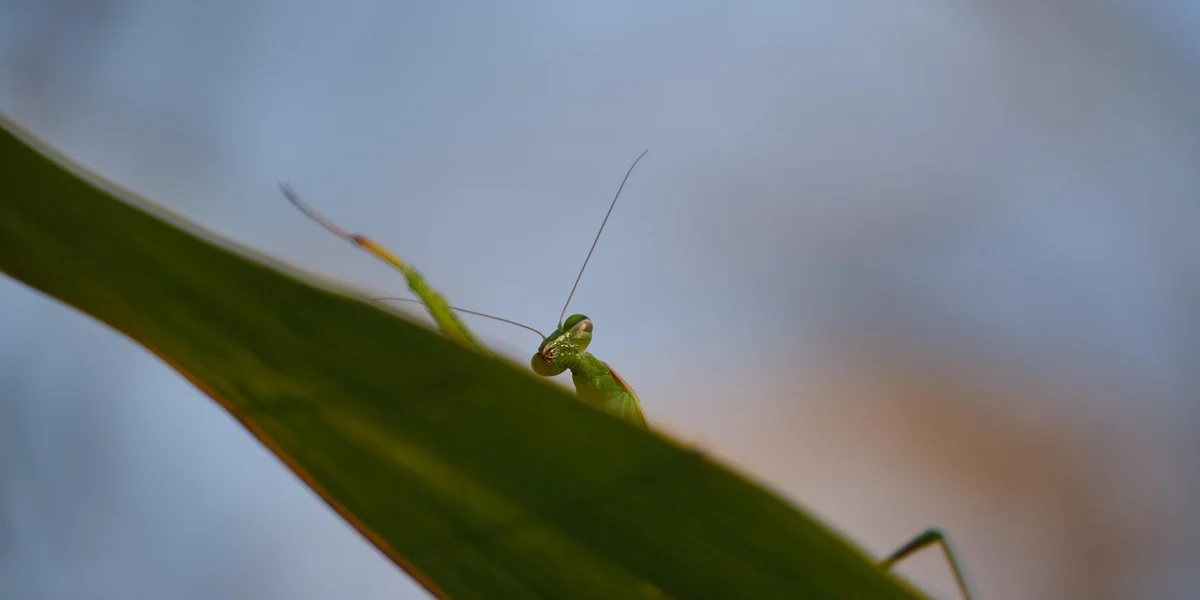
Your mantis might show stress through subtle shifts in behaviour or appearance that signal discomfort. Watch for refusal to eat, which often points to incorrect temperatures making prey unappealing or causing digestive slowdowns. Abnormal molting-like stuck skin or incomplete sheds can stem from low humidity drying out their delicate exoskeletons. Constant hiding instead of perching openly may indicate overly bright lighting or unstable heat sources disrupting their natural rhythms. If you notice these signs, reassess and adjust the mantis’ habitat. Often, correcting temperature, humidity, and lighting resolves stress more effectively than changing diet alone.
Link these symptoms directly to common care mistakes for quick fixes. Curled wings in adult mantises frequently result from low humidity during their final molt, leaving the wings brittle and malformed. Lethargy or sluggish movements often tie to temperatures that are too cool, slowing their metabolism and reducing activity. Pale colouration or excessive agitation might come from intense, direct lighting that lacks a proper day-night cycle, stressing their sensitive eyes.
Troubleshoot stress with gentle, methodical steps to restore balance. Start by checking your equipment: verify thermometer and hygrometer readings against recommended ranges for your mantis species. Adjust parameters gradually-raise humidity by misting with warm water or lower heat by moving lamps farther away, avoiding sudden changes that could shock your pet. Observe daily for improvements, noting small victories like renewed appetite or smoother molts as signs of recovery.
We once noticed our Ghost Mantis, Luna, refusing her favourite fruit flies and staying tucked in a corner for days. A quick check revealed the heat mat was stuck on high, creating a stuffy, overheated zone in her enclosure. After unplugging it and misting lightly with room-temperature water, she slowly resumed her calm, observant perching within forty-eight hours. Another time, Moss, our Giant Asian Mantis, had a partial molt with one leg trapped in old skin; boosting humidity with a damp paper towel lining helped him wriggle free fully by the next morning.
Daily Routines to Keep Your Mantis Thriving
Simple daily checks ensure your mantis enjoys stable light, heat, and moisture levels that mimic their natural habitat. Use a reliable hygrometer and thermometer to verify humidity stays between 50-70% and temperatures match your species’ needs, typically 22-28°C for most common types. Are these the ideal lighting and heating requirements for a praying mantis? For most common species, these ranges cover their needs, with tweaks for specific species. Confirm light cycles with a timer if possible, providing 12 hours of gentle, indirect light followed by 12 hours of darkness to support their circadian rhythms and reduce stress.
Many keepers overlook small details that accumulate into big problems over time. Forgetting night cycles can disrupt feeding and molting patterns, leaving mantises disoriented and anxious. Inconsistent misting leads to dry spells that hinder molting or cause dehydration, while neglecting seasonal adjustments-like adding a small heat source in winter-risks sudden temperature drops that weaken immunity.
Establish step-by-step morning and evening routines to build consistency without overwhelming your schedule. In the morning, mist the enclosure lightly with warm water to spike humidity for an hour, then verify heat sources are functioning properly without creating hot spots. It’s important to know how to maintain the right humidity levels for your mantis’s health. In the evening, ensure dark periods for rest by dimming room lights or covering part of the enclosure, allowing your mantis to settle into a quiet, restorative state. For busy days, set reminders on your phone to glance at the habitat during breaks-it takes just seconds to spot issues early.
These daily habits prevent molting disasters and support vibrant health long-term. Regular monitoring caught a humidity drop for our Orchid Mantis, Sprig, before her molt, letting us adjust with extra misting that gave her the silky-smooth shed she needed. By weaving these checks into your routine, you create a predictable environment where your mantis can focus on growing, hunting, and thriving rather than coping with stress.
FAQs on Mantis
How can overfeeding affect a mantis?
Overfeeding can lead to obesity and digestive issues, making your mantis sluggish and prone to health problems. It may also cause impaction or regurgitation, which can be fatal if not managed properly. Gut impaction can arise from improper feeding practices, including overfeeding. Understanding its causes, symptoms, and prevention strategies can help keep your mantis healthy.
Why should you avoid handling mantises too often?
Frequent handling can stress mantises, triggering defensive behaviors like biting or dropping that may harm them. It also disrupts their natural molting cycles and increases the risk of accidental injury.
How to choose appropriate live prey to avoid digestive issues?
Select prey that is smaller than your mantis’s head to prevent choking and ensure it is gut-loaded with nutritious foods. Avoid wild-caught insects to reduce exposure to pesticides or parasites that could cause digestive distress.
Gentle Guidance for Your Mantis Care Routine
Steer clear of harsh lighting and unstable temperatures to create a safe, natural environment for your mantis. To create a naturalistic, safe habitat for your praying mantis, add branches and foliage that mimic its wild environment. Consistent humidity checks help prevent common pitfalls like dehydration or mold, keeping your pet comfortable and healthy.
We believe that responsible mantis keeping starts with a commitment to lifelong learning and attentive care. Stay engaged with fellow enthusiasts and trusted resources to refine your approach and ensure your mantis thrives for years to come.
Further Reading & Sources
- How to Care for a Praying Mantis : 4 Steps – Instructables
- How to Care for your Praying Mantis Pets | PanTerra Pets
- Do Praying Mantis Need Light? | Keeping Exotic Pets
- Praying Mantis Care Sheet: Setup, Feeding, Maintenance, & More
Rowan Hale is a lifelong insect enthusiast who fell in love with mantises for their calm presence, alien elegance, and surprising personalities. After years of keeping and raising a variety of species, Rowan shares practical tips, creative insights, and real-world experience to help others enjoy the quiet magic of mantis care. From setting up the perfect enclosure to understanding their subtle behaviors, Rowan invites readers into a gentle, curious world where every tiny movement feels like a discovery.
Temperature and Humidity