
Your First Pet Mantis: A Week-by-Week Care Guide for New Owners
Published on: December 6, 2025 | Last Updated: December 6, 2025
Written By: Rowan Hale
Hello, chap! Welcoming a praying mantis into your life is like adopting a tiny, graceful wildflower that watches you back. I still remember the soft rustle of my first mantis, Luna, as she molted in her terrarium-a moment of quiet wonder.
This guide will walk you through each week of your mantis’s early life, from setup to feeding, with clear, calm steps based on years of keeping mantises like my own Moss and Sprig. We’ll make sure you feel confident every step of the way.
While mantis care might seem intricate with its focus on humidity, temperature, and tiny prey, it’s a gentle rhythm that becomes second nature with a bit of guidance. Here are the key takeaways to ease you in:
- How to create a safe, cozy habitat in your first week using simple household items.
- A week-by-week feeding plan tailored to your mantis’s growth and appetite.
- Spotting healthy signs and common issues before they become worries.
- Personal insights on handling and bonding, shared from my keeper’s notebook.
Choosing Your First Mantis Companion
Picking your first mantis feels like welcoming a tiny, quiet guardian into your home—a choice that blends excitement with a gentle responsibility. We find that starting with a hardy, forgiving species builds your confidence and their comfort. Choosing the right species is key for beginners.
Ghost mantises, like my own Luna, are misty-brown phantoms with leaflike frills and a calm, almost thoughtful demeanour. They move slowly, observe everything, and rarely startle, making them superb for first-time keepers who want a low-stress companion.
Giant Asian mantises bring vibrant energy and emerald colour to your shelf. My male Moss is always exploring, his curiosity a joy to watch. They grow larger, handle slight care variations well, and their feeding responses are wonderfully bold for learning the ropes.
Orchid mantises are living art, with petals of pink and white. Sprig, my juvenile, is deceptively shy until mealtime. Their care needs more precision-higher humidity, attentive feeding-so they suit a keeper ready for a beautiful, gentle step up.
Ethically sourcing your mantis means supporting breeders or reputable online shops that raise nymphs with care. Avoid wild-caught adults; captive-bred youngsters adapt better to home life.
When selecting a healthy nymph, look for bright, clear eyes, active leg movement, and a plump abdomen-all signs of a robust start. Avoid any that seem lethargic or have stuck shed on their limbs.
| Species | Typical Lifespan | Adult Size | Humidity Preference |
|---|---|---|---|
| Ghost Mantis | 6 to 8 months | 4-5 cm | 60-70% |
| Giant Asian Mantis | 8 to 12 months | 7-10 cm | 50-60% |
| Orchid Mantis | 6 to 10 months | 5-7 cm | 70-80% |
Preparing a Safe and Cosy Mantis Habitat
Think of setting up the enclosure as crafting a miniature woodland haven—a secure space where your mantis can thrive from the moment they arrive. You can create a DIY mantis enclosure from everyday materials found around the house, turning simple items into a safe habitat. With careful selection of breathable mesh and escape-proof design, it will be ready for your mantis in no time.
Gathering a few key items makes the process smooth: a terrarium, substrate, climbing furniture, and tools for climate control. This foundation prevents stress and supports natural behaviours like hunting and molting.
- Terrarium Size: Aim for a height at least three times your mantis’s adult length. A 15-20 cm tall cube works for most beginners.
- Substrate Options: Coconut fibre or peat moss holds moisture well and gives a soft, natural floor.
- Climbing Branches: Thin twigs, bamboo, or sterilised driftwood provide essential vertical paths.
- Humidity Tools: A fine mist spray bottle is vital. A small hygrometer helps you monitor levels accurately.
- Begin by thoroughly rinsing the empty terrarium with warm water-no soaps or chemicals.
- Add a 2-3 cm layer of your chosen substrate to the bottom for moisture and cushioning.
- Arrange climbing branches diagonally, ensuring they touch both the floor and ceiling for future molts.
- Place a few artificial silk leaves or smooth stones for enrichment, but keep the space open.
- Position your hygrometer and a small thermometer on the side, away from direct mist.
- Give the habitat a light misting and let it sit for a day to stabilise before introducing your mantis.
Daily checks on temperature and humidity become a quiet ritual, like tending a tiny garden. Use your gauges to track conditions, adjusting with more mist or ventilation as needed to match your species’ comfort zone.
Selecting the Right Enclosure and Decor
Your choice of terrarium shapes the little world inside. Glass enclosures with mesh lids offer a balance-they retain humidity while allowing air flow through the top. Full mesh cages are brilliant for ventilation but may need more frequent misting to prevent dryness.
Security is paramount; a snug-fitting lid with fine mesh keeps your mantis safe and prevents feeder insects from escaping. We’ve found that a simple clip-on lid adds peace of mind, especially for active species like the Giant Asian.
Decor should be both pretty and practical. Natural twigs, cork bark, and non-toxic silk plants offer hiding spots and crucial gripping surfaces for molting. Avoid anything with sharp edges or sticky residues. My mantis Moss spends hours perched on a piece of curved birch, surveying his domain.
Humidity and Temperature Control Basics
Stable conditions prevent molting troubles and keep your mantis content. Most species enjoy a gentle temperature range of 22-28°C, which often matches a warm room corner. Different praying mantis species have varying humidity and temperature requirements, so check species-specific guidelines to tailor the enclosure.
A simple trick is to mist with warm water in the mornings, creating a soft, damp rise that mimics natural dew. The earthy scent that follows is a sign your habitat is breathing right. If humidity dips, place a small bottle cap of water in the enclosure or rest a damp sponge on the lid.
For warmth, a low-wattage heat mat on one side of the terrarium creates a gentle gradient. Your mantis will move to find their perfect spot, much like basking in a sunbeam. Avoid direct heat lamps, as they can dry out the air too quickly.
The First 24 Hours: Welcoming Your New Pet
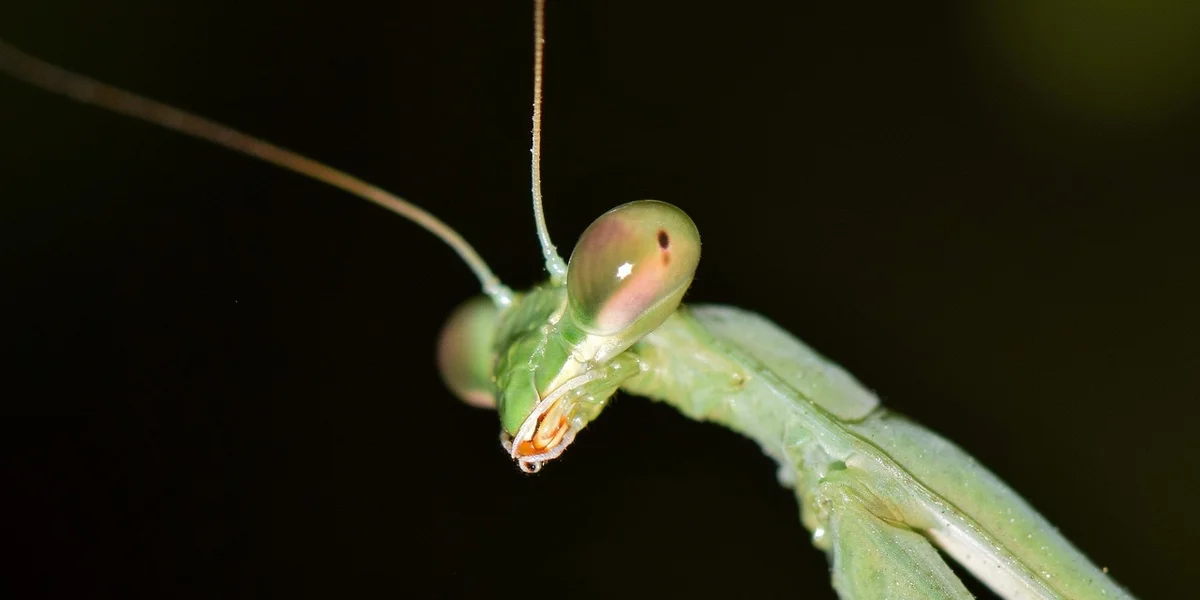
A Gentle Start: Transfer and Adjustment
Your mantis arrives, perhaps in a small deli cup, and the key is slow, quiet confidence. We gently open the enclosure near their new home, using a soft paintbrush or a twig to encourage them to step across-never grabbing or lifting. This patient transfer mimics a natural branch climb, reducing shock and building trust from day one. I remember Luna, my Ghost Mantis, pausing on the brush, her frilled legs testing the air before settling on a fresh leaf. Allow at least a few hours of uninterrupted adjustment; place the habitat in a stable spot and resist the urge to peek too often. Handling can wait until they’ve explored and perched comfortably, which might take a full day.
The First Meal: Offering Live Prey
Once settled, offer a small, live insect like a flightless fruit fly or a pinhead cricket. Size matters-prey should be no larger than the mantis’s head to prevent intimidation or injury. Present the prey gently with long tweezers or by releasing it into the enclosure, watching as your mantis tracks movement with those keen, swiveling eyes. My male Giant Asian, Moss, would tilt his head, a green statue until striking with sudden precision. Signs of successful eating include a firm grasp, rhythmic chewing, and consuming most of the prey. If they refuse, don’t worry; simply remove the insect after an hour and try again tomorrow—sometimes they need a little extra patience to get comfortable, especially if you’re trying to hand tame a skittish mantis.
Spotting Stress and Crafting Calm
Early stress signs include frantic pacing, repeated falls, or hiding at the bottom instead of perching. A mantis that flinches at slight vibrations or refuses food might feel overwhelmed. Creating a quiet environment means choosing a low-traffic room, away from direct sunlight or drafts, where the air feels still and humid like a misty morning. Keep lights dim and noises soft-think of it as crafting a miniature greenhouse sanctuary. For my shy Orchid mantis, Sprig, a draped cloth over one side of her enclosure offered a cozy retreat. Patience here sets the tone for a calm, thriving pet.
Your Week-by-Week Mantis Care Guide
We find the best way to build confidence is by watching your mantis settle into its new home, day by day. Think of this first month as a quiet conversation where you learn its rhythms, from the eager twitch of antennae at feeding time to the still, statuesque poses between meals. Each week brings small changes in behavior and care needs, and noting them down creates a valuable health journal for your green companion.
Week 1: Acclimation and First Feeds
Your mantis is likely feeling a bit shy after the move, so keep things calm and quiet. Start with a simple feeding schedule of one appropriately-sized insect, like a fruit fly or small cricket, every two to three days. Prey should never be larger than the space between your mantis’s eyes to prevent stress or injury.
If, after a few days, your mantis seems alert and curious-slowly tracking your movement with its head-you might try a very short handling session. Gently coax it onto your hand for just a minute or two, always over a soft surface like a bed or sofa in case it decides to jump. Our Ghost Mantis, Luna, would often tilt her head as if deciding whether to step onto a finger, a quirk that told us she was comfortable.
Jot down early behaviors you notice. Does it prefer a certain corner? How quickly does it strike at food? These first notes become your baseline for spotting any changes in health or temperament later on.
Week 2: Establishing Routine and Observation
By now, a weekly spot-clean helps keep the habitat fresh. Each weekend, gently remove any uneaten prey, shed skin, or other debris using long tweezers to avoid startling your mantis. A full substrate change isn’t needed yet, but this routine prevents mold and keeps the air smelling of damp earth rather than decay. For more comprehensive tips, learn how to clean and maintain your praying mantis habitat.
Watch closely during feeding time to assess two key health markers: appetite and hydration. A healthy mantis will eagerly grab offered prey, and its abdomen should look plump but not distended after eating. For hydration, observe if it drinks water droplets after you mist the enclosure; a well-hydrated mantis is more active and alert. You can also check if your mantis is hungry or full for better feeding management.
It’s normal for mantises to have quiet days, but learn to distinguish calm from concern. Prolonged hiding, refusing food for over a week, or a noticeable lack of movement could signal stress or illness, warranting a review of temperature and humidity levels.
Week 3: Molting Signs and Preparation
Around this time, your mantis may be gearing up for its first molt with you. Physical signs include a dulling of color and a slightly swollen abdomen, while behaviorally, it might eat less and seek a high, secure perch. Our Giant Asian mantis, Moss, would always climb to the very top of his twig and sit perfectly still for a day beforehand.
When you see these signs, take two key steps to ensure a safe molt:
- Increase enclosure humidity slightly by misting with warm water once or twice daily, creating a gentle, humid microclimate.
- Double-check that the habitat has plenty of vertical climbing space and a textured ceiling or mesh for it to hang from securely.
The most important thing during the molt itself is to not disturb your mantis at all-no handling, no feeding, and minimal enclosure movement. This process is energy-intensive and delicate; even a slight bump can cause a fall.
Week 4: Post-Molt Recovery and Growth
A successful molt leaves behind a perfect, papery ghost of the old exoskeleton. Your mantis will emerge with a soft, pale body and must be left completely alone for at least 24 to 48 hours while its new skeleton hardens. This is a fragile time; they are vulnerable and often wobbly.
Wait until its coloration darkens and it becomes active again before offering food. Start with an extra-small, slow-moving prey item, like a pinhead cricket, to match its tender new jaws and avoid injury. Proper feeding now supports rapid growth and prepares it for the next stage.
If you notice any issues, like a piece of old skin stuck to a limb, you can help with a soft, damp paintbrush. Gently dab the area with warm water to loosen the skin, but never pull-this can prevent minor problems from becoming major ones like limb loss.
Weeks 5-8: Advanced Care and Enrichment
As your mantis grows, its diet should too. Gradually introduce larger or varied prey, such as blue bottle flies or small roaches, which provide different nutrients and stimulate natural hunting behaviors. Offering a mix prevents dietary boredom and promotes robust health.
Simple enrichment keeps an intelligent mantis engaged. Try quietly rearranging a branch or two in the enclosure, or introduce a new texture like a clean, dry seed pod for it to investigate with its front legs. Our juvenile Orchid mantis, Sprig, would spend hours cautiously exploring a freshly added magnolia leaf.
Start observing traits that indicate adulthood is near. Females generally grow larger and stockier, requiring more frequent feeds, while males tend to be slimmer, more active fliers, and may need a taller enclosure for wing-drying after their final molt. Adjusting care now ensures a smooth transition to their adult life with you.
Understanding Mantis Health and Molting
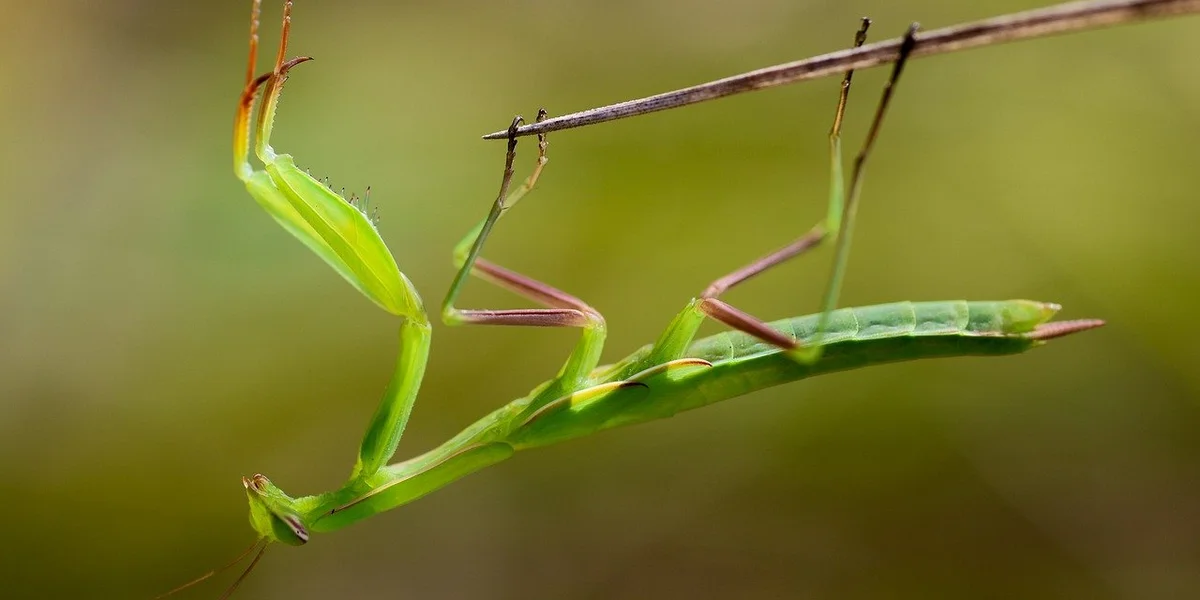
Your mantis communicates through its body, and learning its language is your first step toward confident care. A healthy mantis sits with a relaxed, slightly arched posture, its front legs folded neatly, and its head turning smoothly to follow movement. Watch for gentle antennae waves and deliberate, stable walking.
Signs of a Stressed or Unwell Mantis
Stress often speaks through stillness or frantic motion. Here’s a quick visual guide:
- Healthy Posture: Upright, alert, and ready. Like my Moss, who would perch on a twig tip, surveying his domain with calm curiosity.
- Stressed Posture: Flattened low against a surface, legs splayed. This is a defensive “don’t see me” stance.
- Healthy Movement: Smooth, calculated steps. No shaking or wobbling.
- Stressed Movement: Erratic, jerky scrambling or constant, repetitive swaying.
- Healthy Appetite: Willingness to strike at appropriate prey. A missed strike now and then is normal.
- Warning Sign: Consistently ignoring food for more than 4-5 days when not in pre-molt.
Molting is the most vulnerable and fascinating process in your mantis’s life. They will shed their old exoskeleton to grow a new, larger one, emerging softer and brighter each time. Frequency slows with age—a juvenile may molt every 3-4 weeks, while an adult’s final molt signals maturity. People often wonder how long a molt takes and how often it happens. Generally, each molt lasts several hours to a full day, and the interval between molts lengthens as the insect ages.
How to Support the Molting Cycle
Your role is to provide safety and the right conditions. A week or so before a molt, your mantis may stop eating and become lethargic. This is normal. Increase enclosure humidity slightly with an extra daily mist using lukewarm water, as the soft new skin needs moisture to slide free. Ensure plenty of secure, upside-down hanging space from mesh or sturdy twigs. Most critically, do not disturb or handle your mantis once it enters the hanging phase. This is crucial for successful molting.
Red-Flag Health Issues and First Responses
- Sudden Black or Dark Brown Spots: Can indicate a fungal issue. Isolate, reduce humidity, and ensure superb ventilation.
- Refusal to Eat (Not Pre-Molt): Check temperatures are warm enough. Try offering different prey. A drop of honey on a toothpick can be an energy boost.
- Odd, Wobbly, or Spinning Movements: Potential neurological issue. Remove any climbing hazards to prevent falls and keep the enclosure simple and safe.
- Limp, Unresponsive Grips: Often a sign of dehydration. Offer a gentle mist on the enclosure walls for drinking.
Spotting and Supporting a Healthy Molt
The molting timeline is a quiet drama you witness, not direct. Think of yourself as a stage manager ensuring everything is set.
- The Pre-Molt Hang: Your mantis finds a spot and hangs upside down, completely still. It is now in no condition to eat or be moved. Ensure it is secure.
- The Split & Escape: The old skin splits down the back. You’ll see subtle pulsing as the mantis works its body out, limb by limb. This can take over an hour. Absolute stillness and patience from you is the greatest help you can offer.
- The Post-Molt Wait: The new exoskeleton is pale and soft. Your mantis will hang, allowing it to harden and darken over several hours. Do not offer food during this time.
I remember watching Luna, my Ghost Mantis, during her final molt. She chose a perfect fern frond, hung like a dewdrop, and emerged with her leaflike frills more intricate than ever. That quiet success came from leaving her perfectly alone in a gently misted enclosure.
Common Molting Problems and Solutions
Even with perfect care, challenges can arise. Here’s how to respond gently.
- Incomplete Shed (Skin Stuck): Most common on feet or antennae. Never pull the skin off yourself. Raise humidity significantly by misting warm water nearby (not directly on the mantis) and wait. Often, they will work it free.
- The Fall During Molt: A serious risk. If it happens early, the mantis may right itself and try again. If it happens late, the new, soft body can deform. Place soft, dry paper towel at the enclosure bottom as a safety net. A fallen mantis cannot be helped directly; you must ensure conditions are correct for a second attempt.
- Limb Loss: A mantis may lose a leg if it gets trapped in the old skin. They can adapt remarkably. Future molts may even regenerate a smaller, functional version of the limb.
The key is a calm, prepared environment. Providing ample, textured hanging points and optimal humidity is your best proactive defense against molting troubles. Watch, learn, and let nature’s intricate process unfold.
Maintaining Your Mantis Enclosure
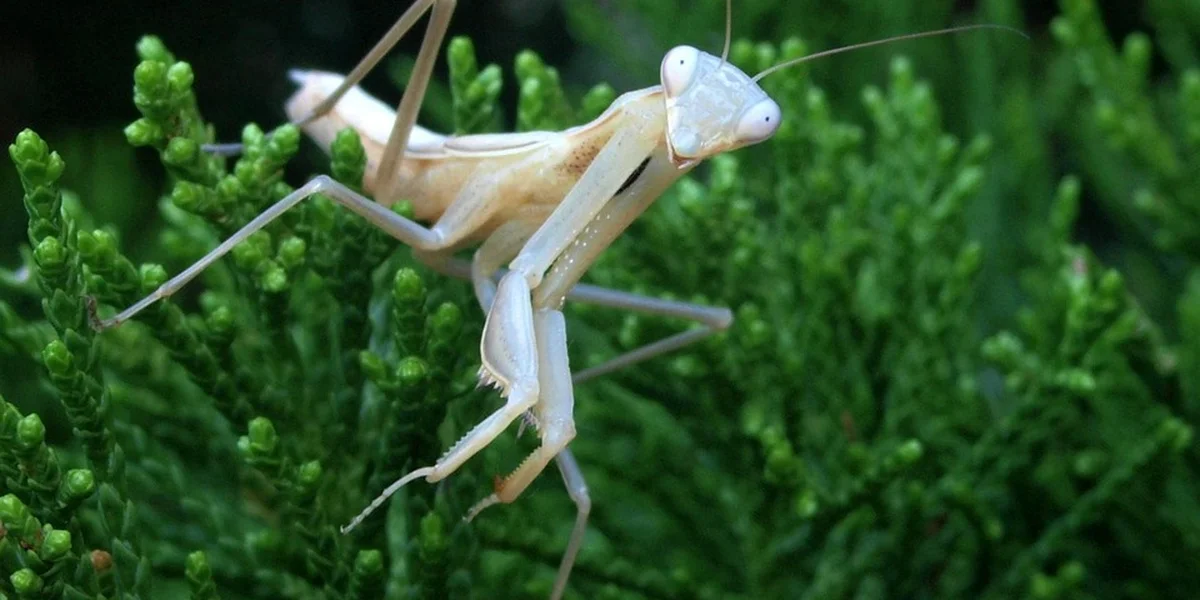
A clean, stable home is the foundation of your mantis’s health. Think of enclosure upkeep not as a chore, but as a quiet, daily ritual that connects you to your pet’s miniature world. A consistent routine prevents problems before they start and gives you a moment to observe your mantis’s fascinating behavior.
Your Daily & Weekly Care Checklist
This simple rhythm will quickly become second nature. My own mantises, like Luna, seem to know the schedule, perching expectantly near the front when misting time arrives.
Daily Tasks (5 Minutes)
- Light Misting: Gently spray one side of the enclosure with lukewarm, dechlorinated water. Aim for fine droplets on the leaves and mesh, not a direct soak. This provides drinking water and a slight humidity boost.
- Quick Health Check: Look for clear eyes, intact limbs, and normal posture. Notice if any feeder insects were left uneaten.
- Waste Spot-Cleaning: Use tweezers to remove any obvious frass (droppings) or feeder remains from the floor or decor.
Weekly Tasks (15-20 Minutes)
- Full Water Refill & Misting: If you use a small water dish, empty, rinse, and refill it with fresh water.
- Thorough Enclosure Inspection: Check for mold growth on any wood or substrate. Look for tiny mites-often signaled by a dusty appearance on the mantis or in corners.
- Feeder Removal: Ensure no live crickets or other feeders are left roaming if your mantis has finished eating, as they can harass a molting mantis.
- Decor Adjustment: Gently rearrange or add climbing sticks and foliage to provide fresh exploration space, which encourages healthy movement.
Deep Cleaning Without the Stress
Every 4 to 6 weeks, or if you spot mold, a full clean is needed. The key is to move your mantis to a temporary, secure holding container first-this keeps them safe and prevents panic. A large, clean deli cup with a ventilated lid and a soft paper towel inside works perfectly.
- Prepare the Temporary Home: Add a twig or crumpled paper towel for your mantis to hold onto in the holding cup. Have your cleaned decor and fresh substrate ready.
- Gently Relocate Your Mantis: Slowly coax your mantis onto your hand or a stick, then guide them into the holding container. Place this cup in a warm, quiet spot.
- Empty and Clean: Discard all old substrate. Wash the empty terrarium with warm water and a drop of pet-safe reptile cage cleaner or diluted white vinegar. Rinse it thoroughly until no scent remains.
- Dry and Rebuild: Dry the enclosure completely with a paper towel. Add new substrate, then reintroduce your cleaned decor, arranging it before your mantis comes home.
- The Grand Return: Gently transfer your mantis back to their fresh, familiar-feeling home. They will often spend the next hour curiously re-exploring every leaf and branch.
Seasonal Adjustments in Your Home
Your central heating and air conditioning change your mantis’s world. Being attuned to these shifts is what separates good care from great, attentive stewardship. A simple thermometer/hygrometer combo inside the enclosure is your best friend here.
Winter (Dry, Cool Indoor Air)
- Humidity Challenge: Heated air saps moisture. You may need to mist lightly twice daily instead of once.
- Temperature Tactics: Keep the enclosure away from drafty windows. If room temps drop below 68°F (20°C), consider a low-wattage heat mat on one side of the tank (never underneath).
- Our Winter Routine: For Moss, our Giant Asian, we move his terrarium to a higher shelf away from cold floors and use a small room humidifier in the corner of the room for ambient moisture.
Summer (Warm, Variable Humidity)
- Ventilation is Vital: Ensure good cross-ventilation to prevent stagnant, overly humid air that breeds mold.
- Avoid Direct Sun: Never place the enclosure in direct sunlight, which can quickly create a deadly oven. Use indirect, bright light.
- Air Conditioning Drafts: Position the habitat away from the direct blast of AC vents, as the sudden cold can shock their system and disrupt feeding.
Listening to your home’s seasonal whispers and responding with small, thoughtful adjustments ensures your mantis thrives year-round in its own quiet, green corner.
Bonding with Your Mantis: Handling and Enrichment
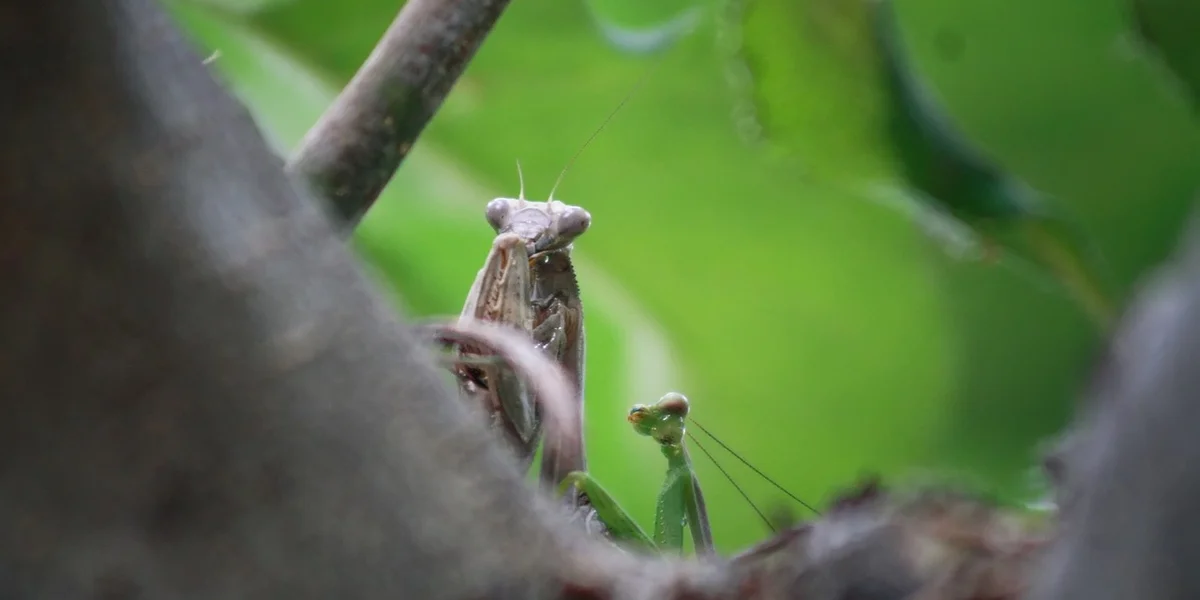
Connecting with your mantis feels like sharing a quiet moment in a sunlit greenhouse, where every movement is slow and intentional. We focus on safe handling that lets the mantis guide the interaction, keeping sessions brief to build positive associations.
Short, gentle encounters help your mantis learn your scent and presence without feeling threatened.
Enrichment activities tap into their wild instincts, turning routine care into engaging play. Try hiding feeder insects under a leaf or introducing a new twig for climbing each week. My ghost mantis, Luna, perks up when I move her favourite vine, her misty brown frills twitching as she surveys the change.
These small puzzles stimulate their minds and encourage natural hunting and exploring behaviours.
Trust grows through consistent, calm interactions over time. Start by offering food from your fingers or tweezers during quiet moments near the enclosure. Sit with your mantis daily, speaking softly so it becomes familiar with your voice and movements.
Patience and routine show your mantis you are a reliable part of its world, not a predator.
Safe Handling Practices for Beginners
Handling your mantis is a delicate dance, best approached with slow, confident steps. Always let your mantis decide to engage, and be ready to stop if it shows any discomfort.
Following a clear routine reduces stress for both you and your mantis, making each session a trust-building exercise.
Here is a simple step-by-step guide to invite your mantis onto your hand and return it safely:
- Wash your hands with warm water and dry them thoroughly to remove any strong scents or residues.
- Open the enclosure slowly and place your hand flat on the bottom, palm up, near the mantis’s perch.
- Gently touch the mantis’s hind legs with a soft paintbrush or your fingertip to encourage it to step forward.
- Allow the mantis to walk onto your hand freely; keep your hand low and avoid sudden lifts or swings.
- To return it, guide the mantis back to a sturdy branch in its home using the same gentle nudging technique.
There are specific times when handling should be avoided to protect your mantis’s well-being. Do not handle your mantis when it is nearing a molt, which you can spot by dull skin and reduced appetite. Avoid contact if your mantis seems unwell, showing signs like lethargy or refusal to eat. If your mantis displays fear—such as rearing back, swaying, or striking out—immediately give it space and try again another day. If you must handle your mantis at all, do so safely: approach slowly, cradle it with both hands, and keep handling brief. Always watch for signs of stress and stop if it struggles or looks uncomfortable.
Recognising and respecting these boundaries prevents injury and helps your mantis feel secure in your care.
Creating a Stimulating Mantis Environment
A vibrant enclosure encourages your mantis to explore, climb, and hunt, much like a miniature jungle gym. You do not need expensive supplies; everyday items can transform their space. Now compare mantis habitats: DIY enclosure vs commercial kit in a quick mantis habitats cost-benefit breakdown. Upfront costs, durability, and ongoing maintenance will guide your choice.
Regular changes to the habitat prevent boredom and promote healthy physical activity, keeping your mantis engaged.
Consider these creative, low-cost ideas for enrichment that encourage natural behaviours:
- Use cleaned branches from your garden, cutting them to different lengths and arranging them at various angles for climbing.
- Place feeder insects in a small, shallow dish or on a high leaf to create a hunting challenge that requires effort and skill.
- Add cork bark rounds or cardboard tubes as hiding spots, rotating them weekly to maintain novelty and intrigue.
- Mist the enclosure at varying times to mimic natural dew, encouraging your mantis to move to preferred humidity zones.
- Introduce non-toxic silk plants or dried flowers for sensory texture; my orchid mantis, Sprig, often rests on pink blossoms that highlight her marbled colours.
These adjustments make the environment dynamic and stimulating. Moss, my giant Asian mantis, eagerly investigates new layouts, his emerald body weaving through fresh greenery with curious energy.
A thoughtfully enriched habitat supports your mantis’s physical health and mental sharpness, fostering a happier, more active pet.
Common Questions from Fellow Mantis Friends
Do I need a different care guide for an Orchid Mantis?
Yes, while the core principles are similar, orchid mantis care demands more precision in humidity and feeding. Their delicate build and specific needs make a dedicated guide for beginners highly valuable for success.
Are there special considerations for keeping a Praying Mantis in California?
Yes, California’s often dry climate requires diligent monitoring and misting to maintain adequate habitat humidity. You should also verify local regulations, as some native mantis species are protected.
What’s the main goal of a general mantis care guide?
A comprehensive guide provides the foundational rhythm of daily and weekly care, helping you anticipate needs like molting. It builds your confidence to then explore the specific nuances of your chosen species.
Your Mantis Care Journey Ahead
Your week-by-week guide has shown how a stable habitat and mindful feeding build a foundation for health. By tuning into your mantis’s daily rhythms-like the soft rustle of molting skin or the stillness before a strike-you become a more attentive keeper.
Keeping a pet mantis is a quiet commitment to another living creature’s well-being. We encourage you to join online forums, read keeper journals, and share stories-just as we learn from Luna’s delicate frills or Sprig’s bold feeding times.
Further Reading & Sources
- Mantis Care Sheet | Mantid Forum – Mantis Pet & Breeding Forum
- General Mantis Care – Praying mantis care sheet and feeding
- How to Care for a Praying Mantis : 4 Steps – Instructables
- Terrarium Instructions and Mantis Care
Rowan Hale is a lifelong insect enthusiast who fell in love with mantises for their calm presence, alien elegance, and surprising personalities. After years of keeping and raising a variety of species, Rowan shares practical tips, creative insights, and real-world experience to help others enjoy the quiet magic of mantis care. From setting up the perfect enclosure to understanding their subtle behaviors, Rowan invites readers into a gentle, curious world where every tiny movement feels like a discovery.
First-Time Mantis Owners