
Your First Pet Mantis: A Week-by-Week Care Guide for New Owners
Published on: December 6, 2025 | Last Updated: December 6, 2025
Written By: Rowan Hale
Hello, fellow mantis friend. Have you ever watched a praying mantis, utterly still on a leaf, and felt a spark of quiet fascination? That spark is the beginning of a wonderful journey.
This guide walks you through your mantis’s first seven days at home, offering calm, step-by-step advice to build your confidence as a new keeper. We know starting out can feel like a delicate balancing act-humidity, temperature, feeding, and handling all need gentle attention.
Think of this first week as a gentle introduction for both of you. To make it simple, here is what you will learn in this guide.
- How to create a safe, comfortable habitat before your mantis arrives.
- A day-by-day plan for settling in, feeding, and building trust.
- How to read your mantis’s subtle body language and behaviours.
- Simple solutions for common beginner questions and worries.
- Personal insights from caring for mantises like Luna, my thoughtful Ghost Mantis, and Moss, my ever-curious Giant Asian.
Let’s begin this quiet adventure together, one careful week at a time.
Week 1: Gathering Your Mantis Starter Kit and Setting Intentions
Before your mantis arrives, we focus on creating a peaceful, ready home. Think of this week as gently preparing a small patch of wilderness in your room. Your starter kit isn’t just a list of items; it’s a promise of safety for your new insect friend.
A simple, well-prepared kit prevents stress and gives your mantis the best start in its new life with you. A complete supplies checklist helps ensure your healthy pet mantis has everything it needs.
Here is a straightforward checklist for your pre-arrival preparation. Gather these items a few days ahead to ensure everything is settled.
- Enclosure: A secure home, like a tall mesh or plastic container, to allow for climbing and proper air flow.
- Substrate: A layer of coconut fibre or paper towel at the bottom to absorb slight moisture and cushion any falls.
- Decor: Clean sticks, twigs, and artificial leaves for perching and hiding, making the space feel natural.
- Misting Bottle: A small spray bottle for fine water droplets, crucial for hydration and humidity.
- Feeder Insects: A culture of tiny, appropriate live food, such as flightless fruit flies, ready for your mantis’s first meal.
Each piece of this kit directly supports your mantis’s instinct to climb, hunt, and thrive in a stable micro-environment.
Choosing the Right Enclosure Setup
Selecting an enclosure is like choosing the right pot for a delicate plant-it needs to suit the inhabitant’s needs. Ventilation and humidity control are the two pillars to consider.
Mesh cages offer superb airflow, perfect for species like my Giant Asian mantis, Moss, who enjoys a drier, breezier atmosphere.
Glass terrariums hold humidity well, ideal for moisture-loving types, but they need careful ventilation to prevent stagnation. Plastic containers are a brilliant, affordable beginner option; they’re lightweight, retain humidity decently, and you can easily add mesh panels for air.
Decorating your terrarium should be a calm, creative process. Follow these steps for a safe and naturalistic setup.
- Sterilise any collected sticks or bark by baking them in a low oven for an hour to remove pests.
- Anchor your tallest branch or stick securely against the back wall, creating a highway for climbing.
- Add silk or plastic plants around the base and mid-levels to provide visual breaks and hiding spots.
- Ensure all decor is stable; a wobbly stick can startle a molting mantis.
A well-decorated enclosure reduces stress by offering plenty of perching options and a sense of security.
Understanding Core Mantis Care: Humidity and Temperature
These two factors are the silent rhythms of your mantis’s world. Most common beginner species, like the Ghost or Giant Asian mantis, enjoy a daytime temperature between 22°C and 28°C (72°F-82°F) and humidity around 60-70%.
Consistency is kinder than perfection; sudden swings in heat or moisture are more troubling than a slightly off reading.
Monitoring doesn’t need fancy gear. A simple digital hygrometer-thermometer stuck to the enclosure side works a treat. For heat, a low-wattage bulb placed near the cage can create a gentle warmth gradient. One of our favourite tricks is placing a small bowl of warm water inside the enclosure for a short while; as it evaporates, it gives a lovely, gentle boost to humidity without over-wetting everything.
Watch for condensation on the walls-a light mist is good, but streams of water mean it’s time to ease up on the spray bottle.
Week 2: The Arrival and First Days with Your New Pet Mantis
The day has come! Your mantis will likely arrive in a small deli cup or vial. The transfer into its permanent home is a moment of quiet trust. Work slowly, in a closed room to prevent escapes, and let gravity be your friend.
Place the new enclosure on its side, open the travel container, and gently coax or tap the mantis onto a stick that bridges the two spaces.
Initial feeding can wait 24 hours to let your pet settle. For hatchlings, offer a few flightless fruit flies. You’ll notice normal behaviours: a lot of perched stillness, slow head turns to watch you, and perhaps a tentative strike at prey. My Ghost mantis, Luna, spent her first two days simply observing, her frilled arms folded as if in deep thought.
This quiet period is not laziness; it’s your mantis mapping its new territory and deciding you are not a threat.
Feeding Your Mantis: First Meals and Hydration
Feeding is a direct conversation with your pet’s instincts. Offer prey that is smaller than the mantis’s head to avoid injury. Match the feeder insect to your mantis’s size for safe, successful meals. This is part of a complete diet feeding guide for praying mantises. Learn more about what to feed, how often, and how to balance nutrients in the full guide.
- Hatchlings (L1-L3): Flightless fruit flies or springtails.
- Juveniles: Pinhead crickets, small dubia roach nymphs, or blue bottle fly spikes.
- Sub-adults & Adults: Larger crickets, houseflies, or small moths.
Your mantis gets most of its water from droplets you provide, not from its food.
Hydration comes from gentle misting. Use your spray bottle to create a fine dew on the enclosure walls and leaves once a day. You might see your mantis lean forward and drink, cleaning its forearms in a delicate motion-a sure sign it’s taking in water.
Daily Health Checks and Behavior Logging
A quick daily glance tells you volumes. A healthy mantis holds an alert, upright posture, has clear eyes, and a body free of dark spots or stuck shed. Regular molting-shedding its old skin-is a brilliant sign of growth.
Keeping a simple journal on your phone or in a notebook helps you spot patterns in appetite and behaviour that are easy to miss day-to-day.
Note the date of each meal, any refused prey, and changes in activity. Did your mantis explore more today? Is it favouring one perch? When my Orchid mantis, Sprig, was a juvenile, her appetite would wane for a day before she molted, a pattern I only caught by logging it. This record becomes a heartfelt story of your pet’s life and a practical tool for its care.
Weeks 3-4: Supporting Growth and the First Molt
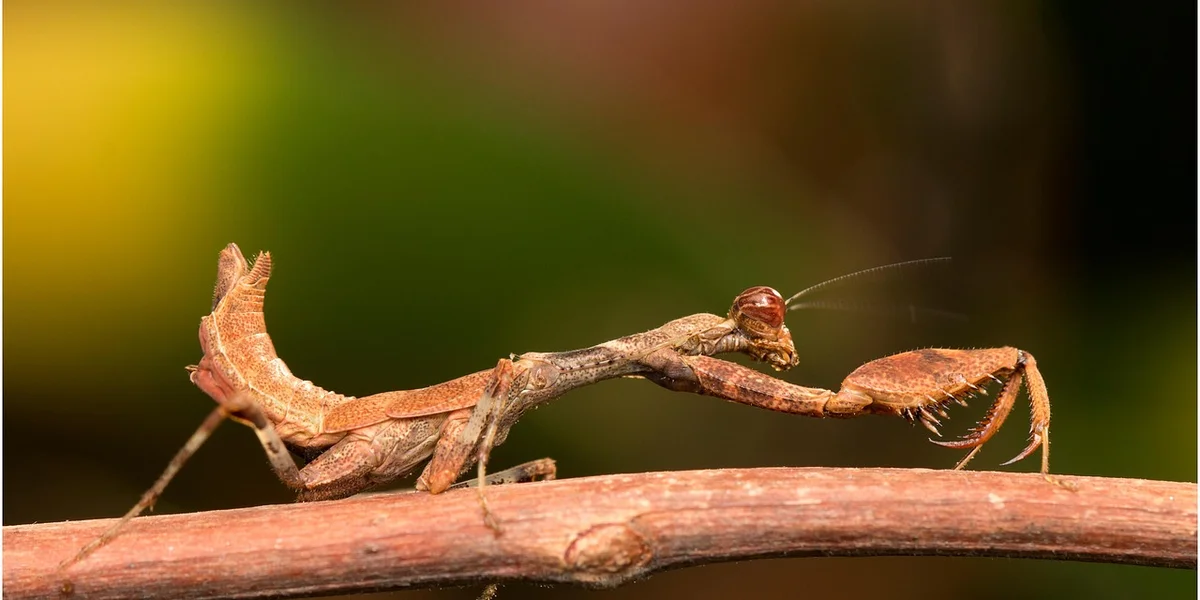
Around this time, your mantis begins its most vulnerable and fascinating transformation. Molting is not just shedding skin; it’s a quiet, delicate rebirth, a slow unfurling from a too-tight shell. Think of it as a soft rustle in the still of night, a patient struggle where your role shifts from feeder to gentle guardian.
Your keen observation is key. Watch for these clear pre-molt signs that signal it’s time to change your care routine:
- Reduced appetite or a complete refusal of food for a day or two.
- Noticeable lethargy, with your mantis sitting still for hours like a green statue.
- Hanging upside-down from the enclosure ceiling or a branch, often in a still, prayer-like pose.
Creating the right environment is your main task. Boost the humidity slightly by adding one extra, fine misting per day, enough to make the leaves glisten without soaking the substrate. This humid, earthy air helps soften the old exoskeleton for a clean break. Above all, promise your mantis peace-no handling, no moving the tank, and a quiet room are non-negotiable.
Mantis Molting: A Step-by-Step Support Guide
-
Step 1: Recognize the pre-molt posture and cease feeding. When you see that telltale upside-down hang, stop offering food immediately. A full abdomen can complicate the shed, so an empty gut is safer. My Giant Asian, Moss, would always find the highest point and freeze, his curiosity replaced by deep concentration.
-
Step 2: Boost enclosure humidity slightly with extra misting. Use lukewarm water in a spray bottle to lightly mist the sides and foliage. Aim for a gentle dew, not droplets that could startle or weigh down your pet.
-
Step 3: Ensure absolute stillness-no handling or enclosure moves. This is the golden rule. Any vibration or disturbance risks a fall or a bad shed. Draw the curtains, mute the tv, and let the process unfold in hushed calm.
-
Step 4: Post-molt care: wait for exoskeleton hardening before offering food. After the shed, your mantis will be soft, pale, and incredibly fragile. Wait a full 24-48 hours until its new coat darkens and hardens. Then, offer a small, slow prey item like a fruit fly or pinhead cricket. For detailed guidance, post-molt care is crucial for the health of your praying mantis.
Adjusting Care After a Successful Shed
-
Each successful molt means your mantis has graduated to a new life stage, called an instar. With this growth comes change. Feeding frequency may increase slightly, and you’ll need to offer slightly larger prey. Check that your enclosure still has ample vertical space for climbing and the next, bigger shed.
-
Post-molt cleaning is a task for gentle hands. After a day or two, you can remove the papery old skin, or exuvia, with soft tweezers. A simple spot-clean with a damp cloth to wipe the glass is far less stressful for your pet than a full habitat breakdown. This way, your mantis can rest and regain its strength in a familiar, calm space.
Weeks 5-6: Establishing a Trusted Care Rhythm
By now, your mantis has settled in, and you can shift from careful setup to a comforting weekly rhythm. A simple schedule brings peace of mind, turning care from a chore into a quiet moment of connection. We find that setting aside time each morning for a light mist and a quick visual check works beautifully, with feeding every three to four days and spot-cleaning of any leftover prey or waste as needed.
This is the perfect time to simply watch and learn your mantis’s unique personality. Notice the deliberate way she scans her domain or the sudden, lightning-fast strike when a fruit fly wanders too close. My ghost mantis, Luna, has a thoughtful pause before she moves, while Moss, my giant Asian, is always on a curious climb. These small behaviors are your reward for consistent care.
If your mantis appears calm and approaches the enclosure front, you might try brief, gentle handling. Always let the mantis walk onto your hand first, and keep sessions short-just a minute or two-to avoid stress. A quiet room and steady movements help build trust, letting you appreciate their delicate weight and intricate details up close.
Fine-Tuning Your Terrarium’s Climate
Small shifts in your home’s environment can affect the terrarium’s humidity and temperature. A quick fix for low humidity is placing a small bowl of warm water inside the enclosure for a few hours, which gently boosts moisture without over-saturating. If things feel too damp, increase ventilation slightly by adjusting the mesh lid or opening a vent for a short while.
Consistency is key to preventing issues like difficult molts or lethargy. We recommend a simple digital hygrometer and thermometer to avoid guesswork; placing it at the mantis’s perch level gives the most accurate reading. For a slight temperature drop at night, moving the enclosure a few feet away from direct room heat often does the trick, mimicking natural cycles.
Diet Diversification and Feeding Tips
Offering a variety of prey supports robust health and mimics natural foraging. Introduce new feeders like small crickets or waxworms one at a time, watching to ensure your mantis accepts them eagerly. My orchid mantis, Sprig, adores the occasional waxworm as a treat, but her staple is still flightless fruit flies. This rotation provides a broader range of nutrients. Praying mantises do eat a wide range of insects, so keeping a comprehensive list can help you choose safe, appropriate prey for your mantis. Tailoring prey to your mantis’s species and size ensures you offer suitable options beyond the basics.
Stay alert for signs that a feeder is too large or that you’re offering food too often. An insect wider than your mantis’s head can cause injury or be refused, leading to wasted prey and unnecessary clutter. To tell if your mantis is hungry or full, observe its feeding response. A hungry mantis will actively lunge at prey, while a full one may ignore or turn away. If your mantis consistently ignores food or has a visibly rounded abdomen, scale back to prevent overfeeding, which can strain their small bodies.
- Ideal prey size: No larger than the space between the mantis’s eyes.
- Signs of a good feeding: A strong, immediate strike and consumption within minutes.
- Simple rule: One appropriately-sized insect per feeding session is plenty for most juveniles and adults.
Weeks 7 and Beyond: Long-Term Mantis Care and Lifespan Considerations
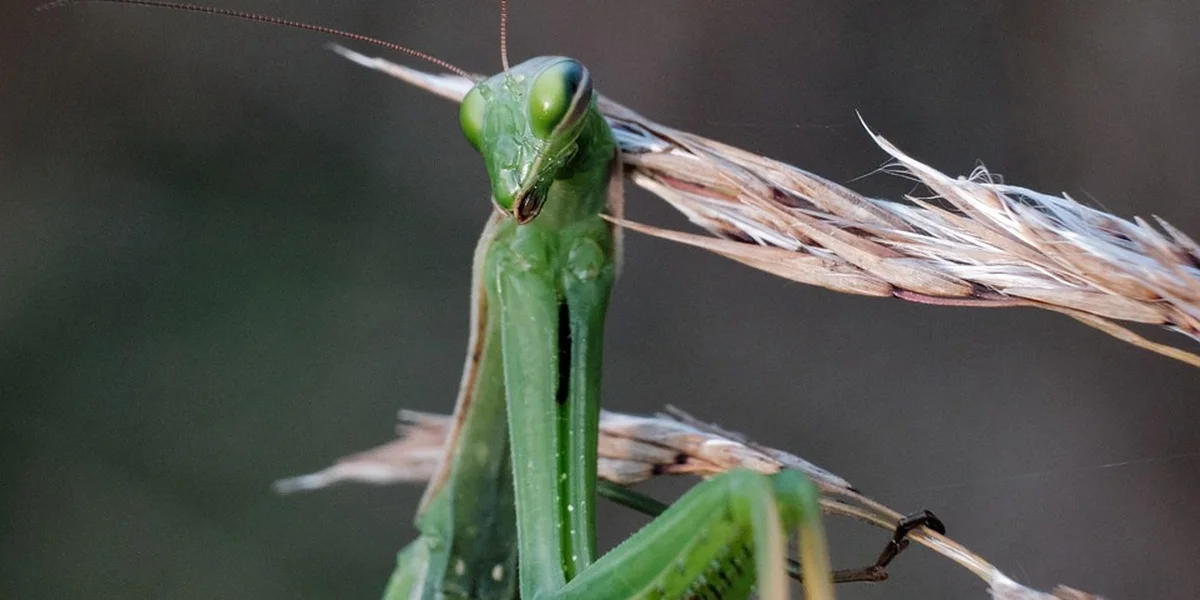
Reaching this stage feels like a quiet milestone; your mantis is no longer a delicate juvenile but a confident adult with new needs and behaviors. This shift requires a gentle update to your care routine, focusing on spacious housing, natural behaviors, and the graceful acceptance of their life cycle. You might notice a settled calm in their movements, a fuller stature, and for some species, the delicate development of wings ready for soft flutters.
As adulthood settles in, two primary changes emerge. First, their enclosure must grow with them-a cramped space can lead to stress and difficulty molting. Second, you may observe instinctual mating rituals if you house a pair, though we often keep them solitary for simplicity. Providing ample vertical climbing space becomes non-negotiable, as adult mantises spend most of their time perched and surveying.
Understanding their lifespan helps us cherish each moment. Most common pet species live 6 to 12 months as adults, with variations:
- Ghost Mantis (like our Luna): Often 8 to 10 months total, with adults living 4 to 6 months.
- Giant Asian Mantis (similar to Moss): Typically 10 to 12 months total, robust and active throughout.
- Orchid Mantis (akin to Sprig): Around 8 months total, their delicate beauty fleeting but vivid.
Fostering realistic expectations lets you plan for their golden months, ensuring comfort and dignity as they age. It’s a bittersweet part of the journey, but one that deepens our respect for these quiet creatures.
If you have a female, she may lay an ootheca-a frothy egg case-even without mating. Ethically, this presents a choice: you can carefully remove and freeze the ootheca to prevent hatching, or commit to raising hundreds of nymphs if incubated. For new owners, we often recommend the former, as raising a brood requires separate enclosures and a steady supply of tiny food, a heartfelt but considerable undertaking.
Preparing for Adult Mantis Housing
Upgrading their home is a bit like moving from a cosy studio to a flat with better views. The key is vertical height; an adult mantis needs an enclosure at least three times its body length tall for safe molting and natural climbing. We’ve found that a mix of sturdy branches and broad leaves mimics their wild habitat, giving them plenty of anchor points.
Compare these common upgrade options, focusing on what suits your mantis species:
- Mesh or Screen Cages: Excellent airflow and easy for climbing, ideal for species like the Giant Asian that enjoy humidity but need ventilation. Ensure the mesh is fine enough to prevent escapes.
- Glass or Acrylic Terrariums: Better for retaining humidity, perfect for Orchid Mantises that thrive in moist, warm conditions. Add a mesh top for air circulation.
- Modified Large Jars or Containers: A budget-friendly stopgap; drill small holes in the lid and add vertical sticks. We used this for Luna during a temporary move, and she adapted well with daily misting.
Always prioritize a secure lid and avoid sharp edges inside that could snag their delicate legs during a climb. A simple setup with height, airflow, and a few hiding spots works wonders for their confidence.
Transferring your mantis should be a calm, slow process to minimise stress. Follow these steps:
- Prepare the new enclosure completely-substrate, branches, water dish-so it’s ready for immediate habitation.
- Gently coax your mantis onto your hand or a soft brush, allowing them to walk on willingly. Avoid grabbing or pinching.
- Place them directly onto a branch in the new home, then close the lid securely. Keep the room quiet and dim for a few hours as they settle.
- Observe from a distance; they might explore immediately or stay still, which is normal. Offer food the next day to encourage routine.
We’ve moved Moss this way several times, and his curious nature meant he was scaling the new vines within minutes, each transfer feeling like a gentle adventure. Patience here builds trust and reduces the risk of injury.
Recognizing Advanced Behaviors and Health Checks
Adult mantises display a range of fascinating behaviors that signal their health and instincts. Wing fluttering, especially in males, is a normal display used for balance or mild threat posturing, often accompanied by a soft, papery rustle. Females may become more sedentary as they prepare to lay an ootheca, carefully shaping the foam-like case on a branch or enclosure wall over several hours.
Other behaviors to note include increased appetite before molting, gentle swaying to mimic foliage, and, in solitary species, a calm indifference to movement outside their space. Our Sprig, for instance, developed a habit of tilting her head after each misting, as if savoring the humid air-a small, personal quirk that made her care feel uniquely rewarding.
Regular health checks ensure any issues are caught early. Set a simple weekly schedule:
- Injury Inspection: Look for missing limbs, dark spots, or difficulty moving. Minor injuries can heal with proper humidity and reduced stress.
- Parasite Watch: Check for tiny mites on the body or enclosure; a damp cloth wipe and thorough habitat cleaning usually resolve this.
- Appetite Monitoring: Note if they refuse food for more than a week, which can indicate aging or illness. Adjust feeding frequency based on their activity level.
- Molting Readiness: Before a final molt, adults may hang upside down for extended periods. Ensure high humidity and no disturbances during this fragile time.
Keeping a quiet log of these observations helps you spot patterns and respond with gentle adjustments, much like noting the subtle changes in a garden through the seasons. This attentive rhythm becomes part of your routine, fostering a deep, quiet bond with your mantis as they navigate adulthood.
Troubleshooting Common Mantis Care Problems
| Issue | Key Signs | Immediate Action |
|---|---|---|
| Molting Difficulties | Hanging upside down for over a day without shedding, visible stuck skin on limbs or head, a limp or wobbly posture. | Gently boost humidity with a light mist nearby, ensure the enclosure is quiet and secure, and avoid any disturbance. |
| Refusal to Eat | Ignoring live prey for 4-5 days, turning away from food offered with tweezers, reduced interest in movement. | Try a different feeder insect, like switching from fruit flies to small crickets, and check the prey size is appropriate. |
| Abnormal Lethargy | Staying still at the enclosure bottom, slow responses to gentle touches, lacking usual daily exploration. | Verify temperature and humidity levels, provide a warm, dimly lit space, and consider a temporary hospital setup. |
When your mantis shows these signs, take a deep breath-many hiccups are fixable with subtle tweaks. From our time with mantises like Sprig, who once refused food for days, we found that a calm, observant approach often turns things around. If problems linger beyond 48 hours or seem severe, reach out to trusted mantis communities for extra guidance.
Addressing Molting Issues and Illness
Catching a troubled molt early can prevent lasting harm. Look for these specific signs in your mantis:
- Stuck skin clinging to legs, antennae, or the head, resembling crumpled, dry parchment.
- Deformed limbs that curl inward or stick out awkwardly after the shed.
- A mantis that falls during the process or struggles to right itself on its back.
Act quickly but with a light touch if you spot these. Increase humidity by misting warm water nearby-avoid spraying directly on the mantis-to help soften and release trapped skin. For bent limbs, resist the urge to adjust them; they might improve as the new exoskeleton hardens. In tougher cases, a hospital container offers a serene spot for recovery.
To create a hospital container, use a small, ventilated jar or box with a secure lid. Line it with a damp paper towel for steady moisture and add a soft cloth or tissue for gentle footing, mimicking a quiet, humid sanctuary. Place it in a warm, shaded area, mist lightly for hydration, and monitor until your mantis perks up, much like we did for Moss after a rough molt.
Feeding and Hydration Challenges
If your mantis becomes a finicky eater, these steps can help revive its interest:
- Vary the prey-swap fruit flies for small crickets, waxworms, or flightless Drosophila to spark curiosity.
- Use feeding tweezers to jiggle the insect near the mantis’s front legs, imitating live movement.
- Check the feeder size; it should be no larger than the space between the mantis’s eyes to avoid fear or harm.
- Assess the environment; a slight warmth boost to 75-80°F can stimulate appetite and energy levels.
Hydration supports every aspect of mantis health, from molting to digestion. Stick to a consistent misting routine, spraying the enclosure lightly once or twice daily with lukewarm water so beads form on leaves and walls. Watch for drinking behaviors, like our ghost mantis Luna who sips delicately from morning droplets, to ensure your mantis stays happily hydrated. However, be cautious not to over-mist, as it can disrupt the humidity balance essential for mantis well-being.
Common Mantis Queries
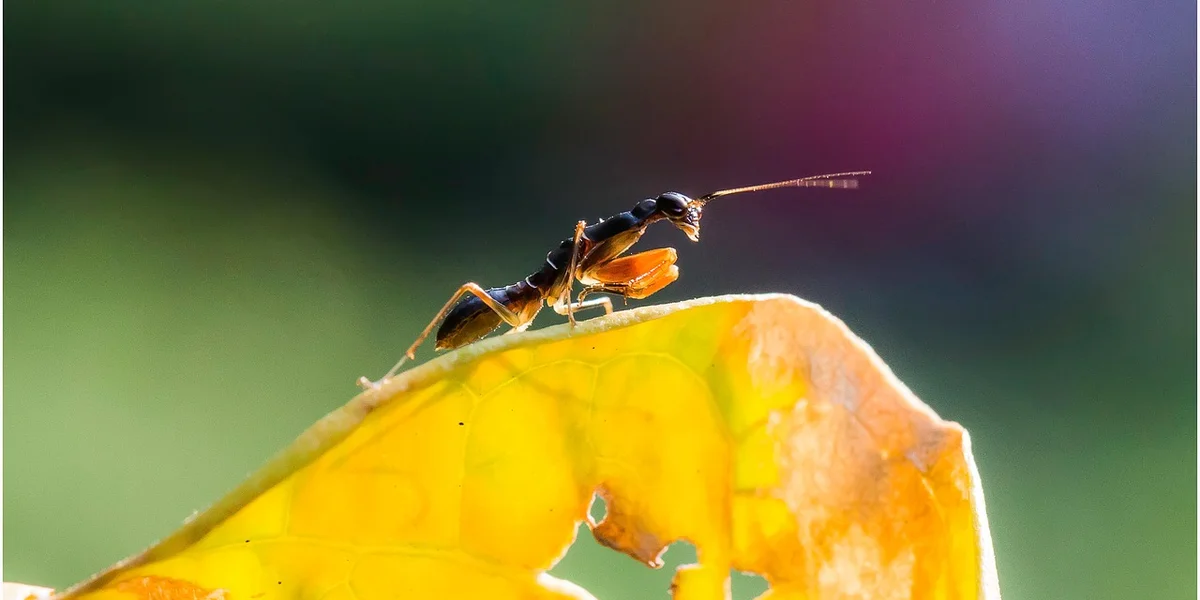
How does caring for an Orchid Mantis differ from other common pet mantis species?
Orchid Mantises need consistently higher humidity and slightly warmer temperatures than hardy species like the Giant Asian Mantis. Decorate their enclosure with abundant foliage and flowers to support their natural camouflage and perching behaviors.
Are there any special considerations for keeping a praying mantis in a dry climate like California?
In arid regions, monitor humidity closely and mist the enclosure more often to prevent dehydration. Consider using a glass terrarium with a mesh lid to better retain moisture while still allowing for essential airflow.
What is the average lifespan of a pet mantis, and how can I ensure it lives a full life?
Pet mantises typically live 6 to 12 months as adults, with variation by species. You can support their longevity by maintaining stable habitat conditions, offering a varied diet, and minimizing stress through gentle handling. These factors can significantly impact the average lifespan of a praying mantis in captivity.
Your Mantis Journey Begins Here
Sticking to a simple weekly routine of gentle misting, thoughtful feeding, and quiet observation builds your confidence and creates a secure, thriving environment for your new companion. The most rewarding part of keeping mantises is learning their unique personalities and quiet rhythms, which unfold beautifully when you provide consistent, calm care.
Owning a mantis is a gentle stewardship, a commitment to respecting a small, fascinating life that depends entirely on your mindful attention. To truly honor this life, create a naturalistic, safe habitat for your praying mantis that imitates its woodland surroundings. We encourage you to stay curious, connect with other keepers, and let the peaceful, focused world of your mantis deepen your appreciation for nature’s smaller wonders.
Further Reading & Sources
- Mantis Care Sheet | Mantid Forum – Mantis Pet & Breeding Forum
- General Mantis Care – Praying mantis care sheet and feeding
- How to Care for a Praying Mantis : 4 Steps – Instructables
- Terrarium Instructions and Mantis Care
Rowan Hale is a lifelong insect enthusiast who fell in love with mantises for their calm presence, alien elegance, and surprising personalities. After years of keeping and raising a variety of species, Rowan shares practical tips, creative insights, and real-world experience to help others enjoy the quiet magic of mantis care. From setting up the perfect enclosure to understanding their subtle behaviors, Rowan invites readers into a gentle, curious world where every tiny movement feels like a discovery.
First-Time Mantis Owners