
What Is the Largest Praying Mantis Species in the World?
Hello there, fellow mantis friend. Have you ever watched a praying mantis perched on a leaf, its spiked forearms folded as if in quiet contemplation, and wondered just how big these fascinating predators can get?
The title for the world’s largest praying mantis is generally awarded to the Giant Asian Mantis, Hierodula membranacea, a species where robust females can reach an impressive 4 to 5 inches (10 to 13 cm) in length.
But the full story of mantis size is wonderfully complex, weaving together factors like gender, wingspan, and sheer body mass. Declaring a single “largest” species requires looking at more than just a ruler.
Here’s a quick glimpse at what we’ll explore:
- The key differences between body length, wingspan, and overall bulk.
- A closer look at the formidable Giant Asian Mantis and other heavyweight contenders.
- Why the female of the species is almost always larger and more powerful.
- How to provide the right care for a larger mantis, from enclosure size to feeding.
Stick with us, and you’ll soon see that in the world of mantises, size tells a captivating story of survival and adaptation.
An Introduction to the World’s Largest Mantises
When we talk about a praying mantis being large, we focus on two main measurements: body length from head to abdomen and wingspan when the wings are fully extended. Body length gives us a sense of their overall stature, while wingspan reveals their impressive reach during flight or displays.
In my own terrarium, Moss-a Giant Asian Mantis-often perches with his wings slightly open, and that subtle span reminds me of a delicate leaf fluttering in a gentle breeze. Observing mantises like him helps us appreciate how size influences their grace and presence in a home setup.
Mantises belong to the order Mantodea, which includes over 2,400 species with diverse sizes and shapes. Understanding a bit of mantis taxonomy lets us see why larger species, like those in the Hierodula or Tenodera genera, stand out for pet keepers.
For those of us caring for mantises, size matters because it affects everything from enclosure space to feeding routines. Larger mantises often need roomier habitats and heartier prey, making them a rewarding choice for enthusiasts ready to step up their care game.
Top Contenders for the Largest Praying Mantis
-
Giant Chinese Mantis (Tenodera sinensis)
Females typically measure 8 to 11 centimetres, while males are smaller at 6 to 8 centimetres. Native to East Asia, they thrive in meadows and gardens, sporting slender green or brown bodies with a distinctive stripe between their eyes. In size, a mature female can stretch as long as a standard smartphone, making them a striking addition to any collection.
-
Giant Asian Mantis (Hierodula membranacea)
Females reach 7 to 10 centimetres, and males range from 6 to 8 centimetres. Hailing from Southeast Asia, they prefer humid forests and are known for their vibrant emerald green colour and robust build. Imagine one resting on your hand-its body might span from your wrist to fingertips, much like Moss, who always seems to command attention with his lively curiosity.
-
African Mantis (Sphodromantis lineola)
Females grow to about 7 to 8 centimetres, with males slightly smaller at 5 to 7 centimetres. Originating from sub-Saharan Africa, they adapt well to savannas and are identified by their mottled brown or green patterns and calm demeanour. Compared to everyday items, an adult female is roughly the length of a teaspoon, offering a manageable yet impressive size for beginners.
Spotlight on the Giant Chinese Mantis
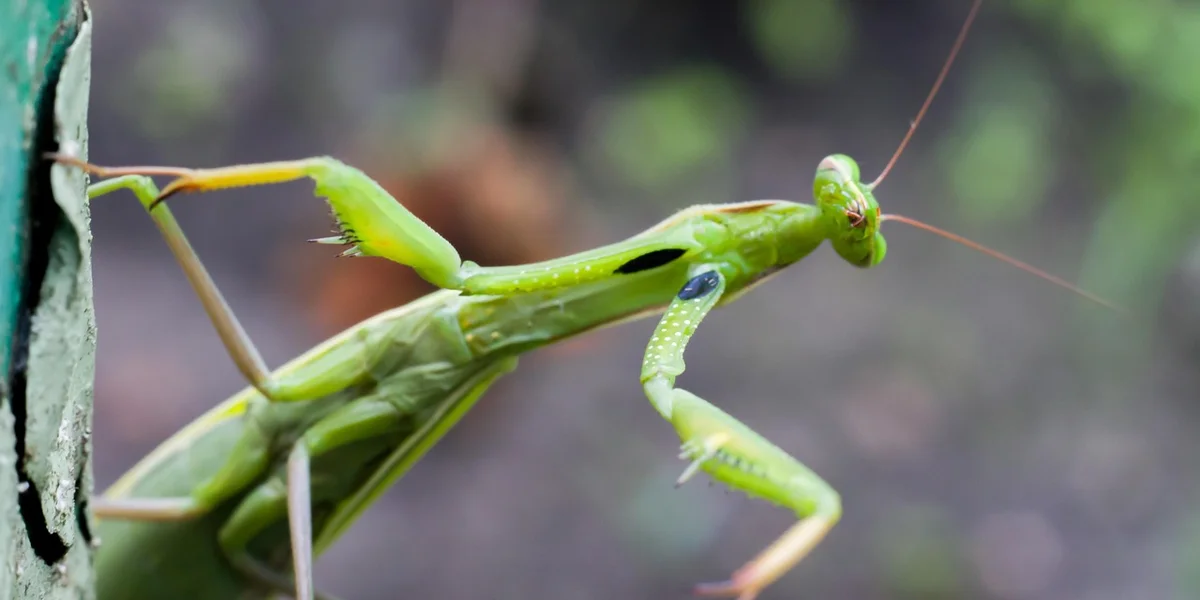
Tenodera sinensis, or the Giant Chinese Mantis, stands out as one of the most impressive species due to its remarkable length. We often find these mantises captivating because of their graceful, elongated bodies that can stretch over 10 centimetres, making them a top choice for pet keepers.
- Appearance: Sporting a slender build with colours that shift from vibrant green to earthy brown, they blend effortlessly into foliage. Their large, watchful eyes and spiny forelegs give them a distinctive, almost regal presence in any enclosure.
- Behaviour: These mantises are masters of patience, perching motionlessly for hours before striking with sudden precision. We’ve noticed how they tilt their heads slightly, as if calculating the perfect moment to ambush prey like flies or small crickets.
- Size Record: Renowned for body length, females of this species can reach up to 11 cm, earning them a place among the largest mantises. This extra size not only aids in hunting larger insects but also in surviving through multiple moults with fewer risks.
In our care, a Giant Chinese Mantis named Willow taught us much about their needs. She eagerly consumed grasshoppers and moths, and during moulting, we maintained high humidity by misting her terrarium daily. Watching her emerge from old skin, soft and new, felt like witnessing a quiet miracle in our own home.
How Big Can Giant Mantises Get? Size Records and Comparisons
Female mantises typically grow larger than males, a trait rooted in their reproductive roles. Larger females can produce more eggs and better safeguard their oothecae, giving them an edge in the wild and in captivity. For instance, in species like the Giant Chinese Mantis, females may be 20-30% longer, which we’ve observed makes them more dominant during feeding times.
While exact records vary, the largest verified praying mantis was a female Tenodera sinensis measuring 11.5 cm in body length. This record highlights how length, rather than bulk, often defines the giants in the mantis world. Other species might be stockier, but the Chinese variety consistently ranks high for sheer linear size. Beyond size, mantises have unique characteristics. Raptorial forelegs and keen camouflage help them ambush prey with remarkable precision.
To help you grasp these dimensions, here’s a table comparing some large mantis species with everyday references:
| Mantis Species | Average Body Length (cm) | Everyday Comparison |
|---|---|---|
| Giant Chinese Mantis | 8-11 | About as long as a typical pencil |
| Giant Asian Mantis | 7-10 | Roughly the length of a credit card |
| African Mantis | 6-9 | Similar to a large paperclip |
When you consider that a common housefly is only 0.6 cm long, a giant mantis seems enormous by comparison. This size allows them to prey on insects much larger than themselves, showcasing their role as efficient predators in miniature ecosystems.
Are Giant Praying Mantises Suitable as Pets?
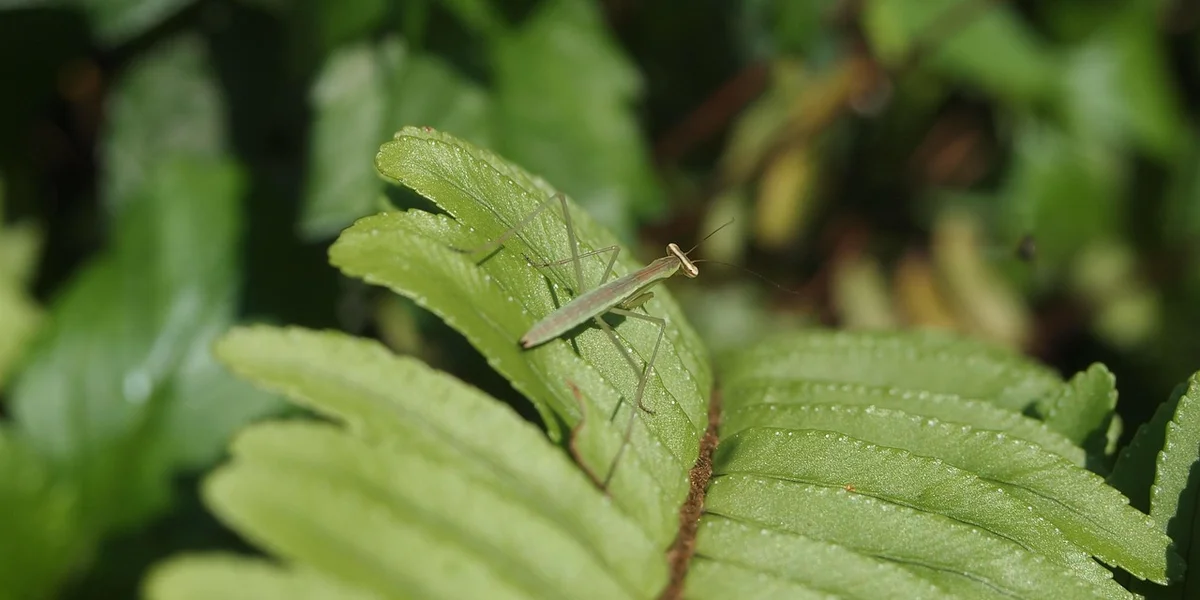
Giant mantises bring a touch of prehistoric wonder into your home, but they require thoughtful consideration before welcoming one.
Their temperament often leans toward the calm and observant, making them fascinating display pets rather than constant handling companions. My own Giant Asian Mantis, Moss, would much rather explore a new branch than be held.
We find their compatibility with home environments is generally good, provided you can meet their specific needs for vertical space and stable humidity.
Temperament and Handling
Most giant species are remarkably docile when they feel secure.
- They may tolerate brief, gentle handling but can become stressed with frequent interaction.
- Their large size means a defensive strike can deliver a noticeable pinch, though it’s rarely serious.
- Smaller species like the Ghost Mantis are often more handleable due to their lesser strength.
Addressing Common Concerns
New keepers often worry about two main aspects: space and food.
- Space needs are manageable but non-negotiable. An adult giant mantis requires an enclosure at least three times its body length in height.
- Feeding large prey like adult crickets or locusts is straightforward once you establish a routine.
- Their impressive size does mean they produce more waste, requiring slightly more frequent enclosure cleaning.
Giant vs. Smaller Species
Choosing between a giant and a smaller mantis depends heavily on your experience and goals.
- For beginners, smaller species like the Ghost or European Mantis offer a gentler introduction to care routines.
- Intermediate keepers will appreciate the grandeur of a giant mantis but must be prepared for its specific needs.
- Giant species typically have shorter lifespans than some smaller ones, a trade-off for their magnificent size.
Caring for a Giant Mantis: A Step-by-Step Guide
Providing proper care for these magnificent insects is a rewarding journey. Follow these steps to ensure your giant mantis thrives.
Enclosure Setup
- Select a tall mesh or well-ventilated glass enclosure at least 30cm tall for most adult giants.
- Ensure cross-ventilation to prevent stagnant air and mold growth.
- Use a safe substrate like coconut fiber or peat moss to help maintain humidity.
- Include plenty of vertical branches and twigs for climbing and molting.
A properly sized and furnished enclosure is the foundation of your mantis’s health and happiness. In fact, many of the top 10 enclosure setup mistakes secretly stress your mantis, often hiding in plain sight. Knowing these pitfalls helps you create a calmer, healthier habitat.
Feeding Routine
- Offer prey no larger than the mantis’s head, such as large crickets, locusts, or roaches.
- Feed juveniles every two to three days and adults two to three times per week.
- Provide hydration through daily light misting of the enclosure walls and foliage.
- Gut-load feeder insects with nutritious greens 24 hours before offering them.
Consistent, appropriately sized meals support steady growth and prevent molting complications.
Molting Support
- Recognize pre-molt signs like refusal of food and hanging motionless for long periods.
- Increase humidity slightly by misting more frequently as the molt approaches.
- Ensure the mantis has a secure, high anchor point from which to hang upside down.
- Do not disturb or handle your mantis during the molting process or for 24-48 hours after.
Successful molting is the most critical and vulnerable event in your mantis’s life cycle.
Health Monitoring
- Watch for lethargy or inability to grip branches, which can indicate weakness or illness.
- Check that the abdomen is plump but not distended, a sign of good nutrition.
- Look for clear, alert eyes and active antennae as indicators of general well-being.
- Note any discoloration or unusual spots on the exoskeleton that might signal infection.
Daily observation helps you catch potential health issues early when they’re most treatable.
Sourcing and Legalities for Keeping Giant Mantises
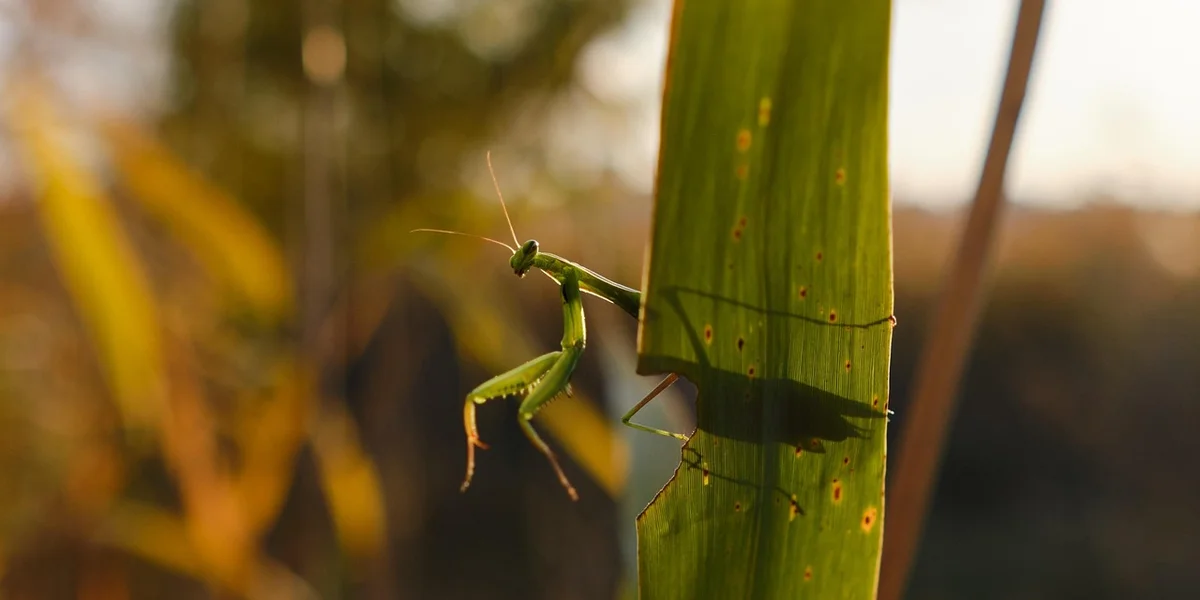
Finding a giant mantis begins with responsible sourcing. We always recommend purchasing from dedicated breeders who raise their insects in captivity, never taking them from the wild. Wild capture harms local ecosystems and often results in a stressed, unhealthy pet that struggles to adapt to life in an enclosure.
Many breeders specialize in magnificent species like the Giant Asian Mantis or the formidable Giant African Mantis. Look for sellers who are transparent about the mantis’s lineage, age, and current health, providing clear photos and answering all your questions patiently. For hobbyist breeders, a basic grasp of mantis genetics primer serves as a practical guide to interpreting lineage and predicting offspring traits. This context makes transparent lineage even more valuable.
Understanding the Legal Landscape
Laws regarding keeping mantises can differ depending on where you live. In many places, like the UK and most of the US, common pet mantis species are perfectly legal to keep without any special permits. Some regions, however, may have restrictions on non-native species to protect local agriculture and wildlife. For a complete guide to praying mantis ownership, including permits and regional rules, see our full guide. It explains how to determine whether you need a permit and how to navigate the application process.
It’s a simple but vital step to check your local regulations before you bring a new pet home. A quick online search for your state or country’s wildlife import laws will give you the peace of mind you need.
Finding a Reputable Community
You don’t have to navigate this journey alone. Excellent online communities and forums are filled with experienced keepers who are eager to share their knowledge and recommend trustworthy breeders. We’ve found our best mantises through word-of-mouth in these groups.
- Mantis Forums and Groups: Dedicated online communities are invaluable. Members often review breeders and share their own positive experiences.
- Specialist Invertebrate Shops: Some physical and online stores focus solely on pet insects and arachnids, ensuring their livestock is healthy and ethically sourced.
- Reputable Breeders: Look for breeders with established, positive reputations. They should be knowledgeable, answer questions thoroughly, and provide healthy, captive-bred nymphs or adults.
Fascinating Facts About the World’s Largest Mantises
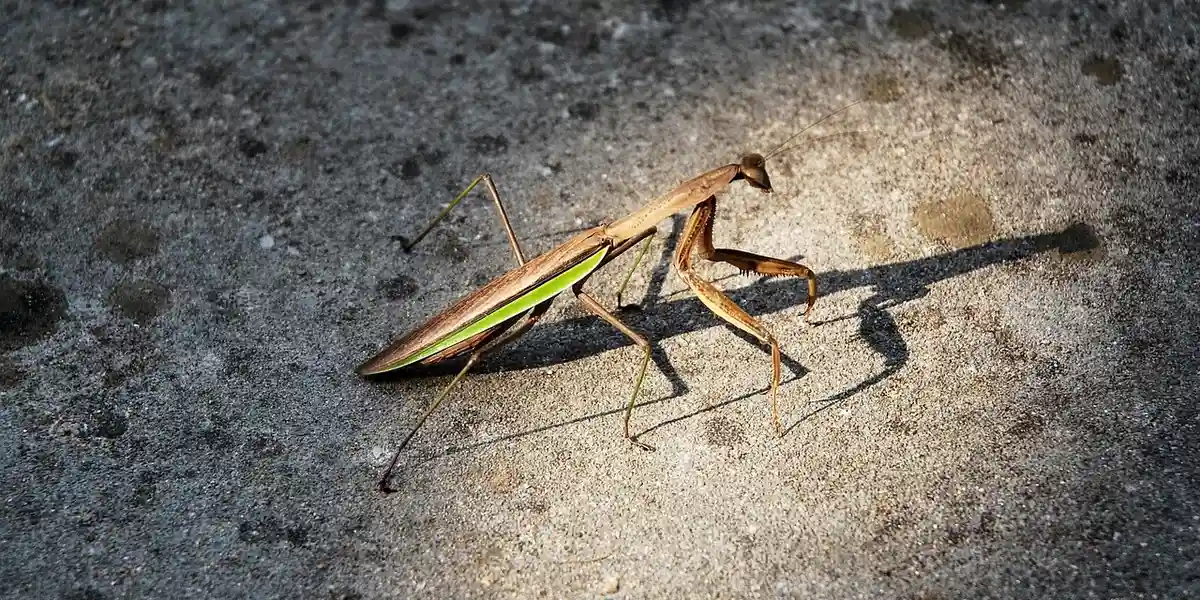
Owning a giant mantis is like having a tiny, prehistoric dragon in your care. Their behaviors are a captivating blend of patient stillness and explosive, calculated violence. My Giant Asian mantis, Moss, will sit for hours, swaying gently like a leaf in the breeze, only to strike at a passing fly with impossible speed.
Predators of the Canopy
These are not passive insects. A large female mantis is a true apex predator within her miniature world, capable of taking down prey much larger than herself. Their hunting method is a masterclass in patience and precision. They use incredible camouflage to remain undetected, tracking their target with head movements so slight they’re almost imperceptible.
When the moment is right, they unleash their spiked forelegs, grabbing the prey in a vice-like grip. The strike is so fast it’s often a blur, over in a fraction of a second.
A Glimpse into the Ancient Past
The mantis form is an ancient and successful one. Fossil records show that mantises very similar to our modern species were alive during the Cretaceous period, over 100 million years ago, sharing the world with dinosaurs. While the largest known fossil mantis, like Santanmantis axelrodi, had a body length of just over an inch, it confirms their long evolutionary history as expert ambush predators.
Myths and Legendary Encounters
The power of a large mantis has inspired awe and stories for centuries. One of the most enduring and verified anecdotes is their ability to catch and consume small birds, like hummingbirds. This is not a common occurrence, but it has been documented with species like the Chinese Mantis in North America. However, if you want to understand how their strength compares to their size, check out this breakdown of their weight capacity and strength.
Their formidable appearance has also woven them into folklore. In some cultures, the mantis is seen as a symbol of stillness and patience, while in others, its predatory nature associates it with stealth and even supernatural power. The name “praying mantis” itself comes from the pious posture of its folded forearms, a beautiful contrast to its deadly purpose, which is explained in detail here.
Questions from Fellow Mantis Friends
What is the largest praying mantis fossil ever found?
The largest known mantis fossil is Santanmantis axelrodi from the Cretaceous period. It measured just over an inch, showing that ancient mantises were often smaller than today’s giants.
What is the largest praying mantis ever recorded?
The record is held by a female Giant Chinese Mantis that measured 11.5 cm in body length. This impressive size makes it one of the longest mantises ever verified.
Can the largest praying mantis species catch a bird?
Yes, large mantis species like the Chinese Mantis have been documented catching and eating small birds like hummingbirds. This is a rare but verified demonstration of their power and hunting prowess. Praying mantises kill birds in certain cases, underscoring their surprising predatory reach.
Your Journey with Giant Mantis Species
We’ve covered how the Chinese Mantis stands as the largest species, needing spacious enclosures and a steady supply of live insects like crickets or flies. Proper humidity and gentle handling are key to preventing molting issues and keeping your mantis content.
Always start with thorough research to match your care routine to your mantis’s specific needs, ensuring a safe and enriching home. For your first pet mantis, a week-by-week care guide for new owners can help you manage the early days with confidence. It covers essential setup, feeding, and handling steps you can follow during the first week. Embrace ongoing learning through trusted sources and fellow keepers to grow alongside your fascinating pet.
Further Reading & Sources
- A new mantis species rises from the ashes of Brazil’s National Museum
- Giant Rainforest Mantis – Hierodula majuscula
- Giant Praying Mantis Species – USMANTIS
- The Invasive Mantis Species | Brandywine Conservancy and Museum of Art
Rowan Hale is a lifelong insect enthusiast who fell in love with mantises for their calm presence, alien elegance, and surprising personalities. After years of keeping and raising a variety of species, Rowan shares practical tips, creative insights, and real-world experience to help others enjoy the quiet magic of mantis care. From setting up the perfect enclosure to understanding their subtle behaviors, Rowan invites readers into a gentle, curious world where every tiny movement feels like a discovery.
Common Species