
What Is the Average Praying Mantis Lifespan in Captivity?
Published on: March 10, 2026 | Last Updated: March 10, 2026
Written By: Rowan Hale
Hello there, fellow mantis friend. Isn’t it remarkable how these miniature, green statues can capture our hearts so completely? From the moment they tilt their heads, observing us with ancient, curious eyes, we find ourselves utterly charmed. Their time with us feels precious, and naturally, we wonder just how long our fascinating companions will be part of our lives.
The average praying mantis lifespan in captivity typically ranges from 6 to 12 months, though this is a general guide and can vary significantly. A mantis’s life is a delicate dance influenced by a handful of crucial factors, making each individual’s journey unique.
It’s not a simple number to pin down, as their longevity is shaped by a beautiful complexity. Think of it less like a countdown and more like tending a special plant-the right conditions help it flourish for its full, natural season.
- The specific species you are caring for is the single biggest factor.
- Whether your mantis is male or female plays a major role in their timeline.
- Your daily care routine-from habitat to meals-directly supports their health and vitality.
Understanding the Average Lifespan of a Pet Mantis
When we talk about the average lifespan of a praying mantis in captivity, we mean the typical life expectancy-how long most mantises live when kept in a safe, controlled home environment. This average gives you a reliable benchmark, helping you plan for your mantis’s care over its lifetime.
In general, pet mantises live between 6 to 12 months from hatching, but this range shifts based on species and care quality. Age at maturity often falls around 4 to 6 months, with the adult lifespan making up the remainder – usually 2 to 6 months of active, vibrant living. To determine your mantis’s age more precisely, track its molts and current instar. Compare its size and wing development to the typical hatchling-to-adult milestones for its species.
Here’s a simple table comparing common pet species to show their typical captive lifespans:
| Species | Typical Captive Lifespan | Age at Maturity | Adult Lifespan |
|---|---|---|---|
| Chinese Mantis | 6-8 months | 4-5 months | 2-3 months |
| European Mantis | 6-10 months | 5-6 months | 1-4 months |
| Ghost Mantis | 8-12 months | 4-5 months | 4-7 months |
| Giant Asian Mantis | 10-14 months | 5-6 months | 5-8 months |
How Species Variation Influences Lifespan
Different mantis species come with their own unique lifespan ranges, shaped by genetics and natural history. For example, the delicate Ghost Mantis tends to live longer in captivity due to its calm nature, whilst the larger Giant Asian Mantis might show more vigor but a slightly shorter peak period.
In many species, female mantises outlive males by a noticeable margin. Females often benefit from investing energy into egg production and care, whereas males may perish soon after mating due to the physical toll and reduced activity. This is especially common in certain species of mantises where males tend to die shortly after mating for reasons often linked to mating stress.
Here are key species with their average lifespans and special care notes to guide your choices:
- Ghost Mantis: 8-12 months; prefers higher humidity and gentle handling-my Ghost Mantis, Luna, thrived in a misty setup with plenty of hiding spots.
- Giant Asian Mantis: 10-14 months; needs a spacious enclosure and varied diet; Moss, my male Giant Asian, was always exploring but required extra warmth.
- Orchid Mantis: 6-9 months; demands precise humidity and temperature control; Sprig, a juvenile Orchid, blossomed with daily misting and soft lighting.
- Chinese Mantis: 6-8 months; hardy and adaptable, ideal for beginners but watch for overfeeding.
Key Factors That Shape Captive Lifespan
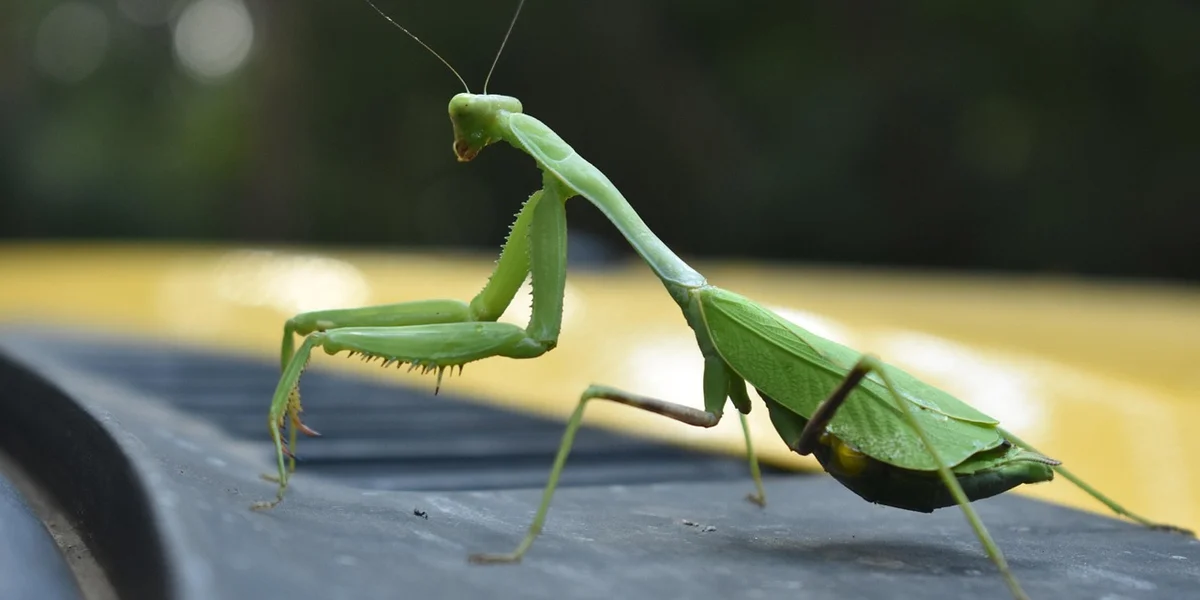
Your mantis’s environment plays a huge role in how long it thrives. We’ve found that mimicking their natural habitat with steady warmth, gentle humidity, and cozy enclosures helps them live fuller, healthier lives. To put this into practice, create a naturalistic habitat for your praying mantis. A well-designed enclosure with hiding spots and good airflow supports their welfare.
Essential Care Elements
Temperature affects everything from digestion to activity levels. Aim for a range of 22-28°C, using a small heat mat on one side to create a warm spot for basking.
Humidity keeps their skin flexible for molting. Light misting once or twice daily maintains that dewy freshness they crave, especially for species like our Ghost Mantis Luna.
Diet should be varied and nutritious. Offer live insects like fruit flies or crickets, dusted with calcium powder every few feedings to support strong exoskeletons.
Enclosure setup needs vertical space for climbing. Include twigs, fake plants, and a mesh lid for ventilation-this prevents mold and gives them room to explore safely.
Lighting from a low-watt bulb or indirect sunlight regulates their day-night cycle. A consistent 12-hour light period helps reduce stress and encourages natural behaviors.
How Molts and Instars Impact Lifespan
Mantises grow through stages called instars, shedding their skin each time. Each successful molt brings them closer to adulthood, but a bad one can shorten their life dramatically.
Young mantises molt more often, needing perfect conditions to avoid getting stuck. Watch for pre-molt signs like refusal to eat and increased stillness—this is when extra humidity matters most.
Steps to Maintain Ideal Conditions
- Check temperature daily with a digital thermometer near their perch.
- Mist the enclosure lightly in the morning to boost humidity without soaking it.
- Clean leftover food and waste weekly to prevent bacteria buildup.
- Observe their behavior after changes-if they avoid a area, adjust the heat or decor.
Following these steps reduces disease risks and keeps your mantis content. Regular, small adjustments are better than sudden fixes, which can shock their delicate systems.
Practical Tips to Extend Your Mantis’s Life
With a bit of attention, you can help your mantis reach its full potential. We’ve seen our mantis Moss thrive by sticking to routines that prioritize his comfort and curiosity.
- Optimize feeding routines with a balanced diet. Feed juveniles every 2-3 days and adults twice a week, alternating prey like flies and moths for variety.
- Create a safe enclosure free from predators and hazards. Use a tall jar or terrarium with smooth sides, and keep it away from other pets or direct drafts.
- Monitor and adjust temperature and humidity regularly. Set reminders to check levels, and use a hygrometer to ensure humidity stays between 50-70% for most species.
- Handle your mantis gently to reduce stress and injury risks. Let them walk onto your hand, support their body, and limit handling to a few minutes when they’re calm.
These habits build a foundation for longevity. Patience and consistency turn simple care into a nurturing ritual that your mantis will thank you for. In our care pet praying mantis complete handling behavior guide, these principles shape safe and respectful handling. Observe body language and respond calmly to support your mantis’ well-being.
Recognizing Signs of Aging and Health Issues
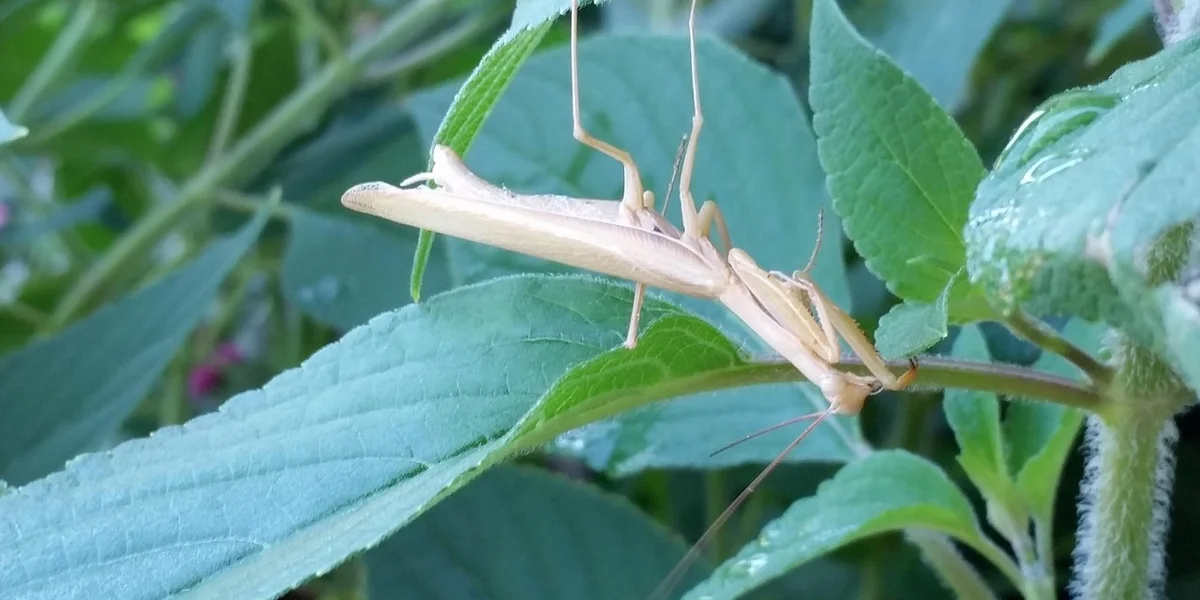
As mantises age, their pace slows, much like the gentle fade of autumn leaves. Noticing these shifts early helps you provide comfort and spot when something’s amiss.
- Common aging signs include less interest in food, slower movements, and resting more often.
- You might see faded colors or a slight tremor in their legs-this is often normal for older mantises.
- Our juvenile Orchid Mantis Sprig showed these traits as she matured, reminding us that aging is a natural part of their cycle.
Early symptoms of disease or molting problems need quick attention. Look for lethargy lasting days, refusal to drink, or a hunched posture that suggests discomfort.
- If a mantis falls during a molt or can’t shed fully, it may indicate low humidity or illness.
- Discolored spots or a swollen abdomen could point to infection or impaction from poor diet.
It’s normal for appetite to wane in senior mantises, but sudden weight loss is a red flag. Trust your instincts-if they seem off, a quiet, warm environment often helps them recover.
Breeding and Its Impact on Lifespan
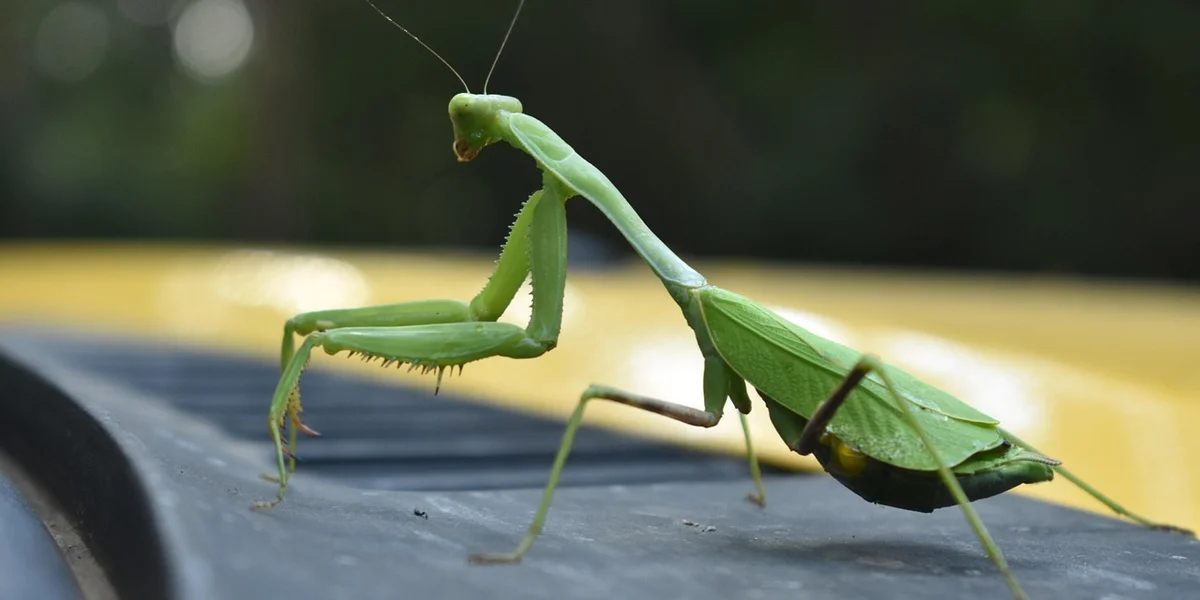
When female mantises begin reproducing, their bodies channel immense energy into creating oothecae-those sturdy, foam-like egg cases you might spot clinging to twigs. This process drains their resources significantly, often shortening their overall lifespan compared to non-breeding females. We’ve noticed that our Ghost Mantis, Luna, slowed down noticeably after her first ootheca, her movements becoming more deliberate as she conserved strength.
- Breeding females typically live several weeks to a few months less than their non-breeding counterparts, depending on species and care.
- Non-breeding mantises, spared the physical toll of egg production, often enjoy longer, more active lives without the same metabolic strain.
Caring for a mantis involved in breeding requires a gentle, attentive approach to support their health through this demanding phase. Offer nutrient-rich feeders like gut-loaded crickets or flightless fruit flies right after ootheca production to help replenish their energy reserves. This approach aligns with the ultimate guide on gut-loading feeder insects for mantises, emphasizing nutrient-rich prey after ootheca and during recovery. Following these principles helps ensure the mantis receives balanced nutrition during this demanding phase. Maintain stable humidity levels with daily, light misting to prevent dehydration, and provide plenty of perches for resting. Avoid handling them during this time to reduce stress, and keep their enclosure in a quiet spot to encourage recovery.
Comparing Captive and Wild Mantis Lifespans
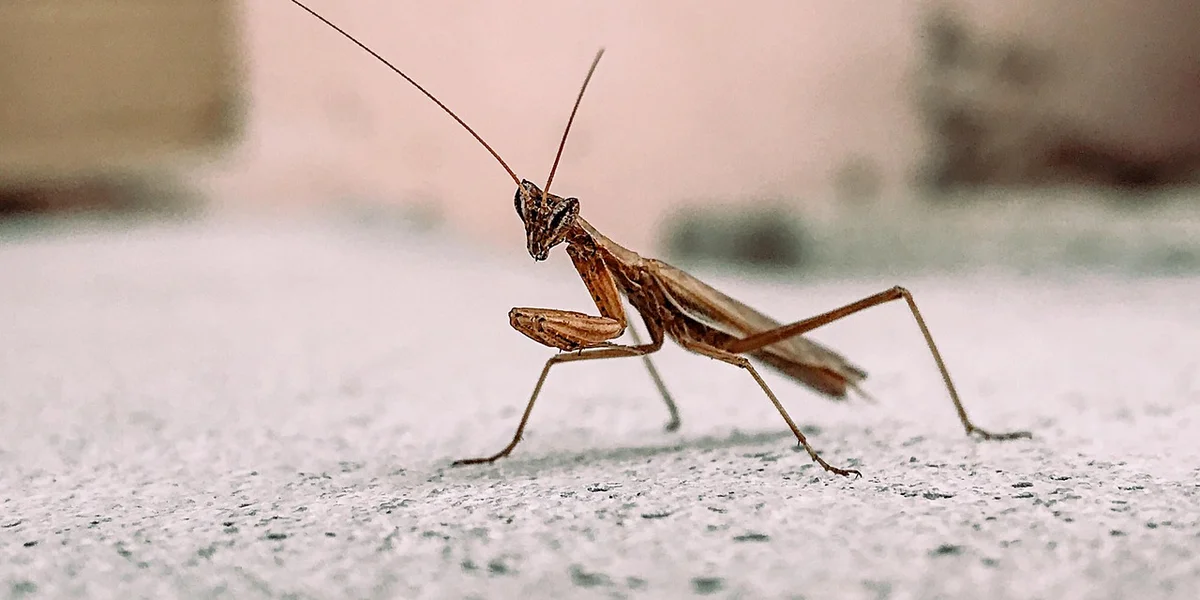
In the wild, mantises face constant threats from predators like birds, spiders, and harsh weather, which can cut their lives short unexpectedly. Captive environments remove these dangers, allowing mantises to focus on growth and molting without the fear of being snatched away. Our Giant Asian Mantis, Moss, thrived in his terrarium, free from the risks that wild mantises encounter daily.
With consistent access to food, ideal temperatures, and protection from parasites, captive mantises often outlive their wild relatives by months. For instance, many species that might survive only 4-6 months in nature can reach 8-12 months or more under careful keeper supervision. This extended lifespan comes from tailored care that mimics their natural needs while eliminating unpredictability.
Environment plays a huge role in shaping these outcomes-think of how a well-maintained habitat supports steady development. In the wild, a sudden cold snap or food shortage can be fatal, but in captivity, we buffer those shocks with heating pads and regular feeding schedules. Observing mantises like Sprig, our Orchid Mantis, bloom in a controlled setting shows how stability fosters longevity, turning fleeting wild existences into enduring captive journeys.
Common Mantis Queries
How does a mantis’s lifespan in captivity compare to one in the wild?
In captivity, mantises are protected from predators and harsh weather, which often allows them to live longer. They benefit from a consistent food supply and controlled environmental conditions that are not guaranteed in nature. If you’re going away on vacation, prepare your mantis habitat in advance. Use an automatic feeder and timers for lighting and heating, or arrange a trusted caregiver to check the enclosure.
Can the local climate, like in California, affect my praying mantis’s lifespan in captivity?
Yes, your local climate can influence care requirements, but an indoor enclosure allows you to control the environment regardless of outdoor conditions. For native species like the California Mantis, replicating local seasonal humidity and temperature indoors can support their natural lifecycle.
What is the single most important thing I can do to maximize my praying mantis’s lifespan in captivity?
Providing a proper and consistent habitat is the most critical factor for longevity. This includes maintaining ideal temperature and humidity levels to ensure successful molts and prevent stress-related health issues.
A Gentle Farewell to Your Mantis Companion
To support a healthy lifespan for your praying mantis, focus on providing a species-suited habitat with stable humidity and temperature. Consistent feeding of appropriate live prey and minimal stress from handling are foundational to their well-being. These essential habitat requirements support a healthy praying mantis. By tuning enclosure conditions, you support their natural behaviors and longevity.
We find that responsible mantis ownership blossoms from a curious, attentive approach to their daily needs. For first-time mantis owners, a week-by-week care guide helps you navigate the early weeks. Embracing ongoing learning through trusted resources and keeper communities ensures your care evolves alongside your pet.
Further Reading & Sources
- Praying Mantis Lifespan: How Long Do Praying Mantis Live? – A-Z Animals
- Should You Keep a Praying Mantis as a Pet?
- Praying Mantis – Facts, Diet & Habitat Information
- Praying Mantis Lifespan – Pest Eraser
Rowan Hale is a lifelong insect enthusiast who fell in love with mantises for their calm presence, alien elegance, and surprising personalities. After years of keeping and raising a variety of species, Rowan shares practical tips, creative insights, and real-world experience to help others enjoy the quiet magic of mantis care. From setting up the perfect enclosure to understanding their subtle behaviors, Rowan invites readers into a gentle, curious world where every tiny movement feels like a discovery.
First-Time Mantis Owners