
Essential Habitat Requirements for a Healthy Praying Mantis
Published on: December 4, 2025 | Last Updated: December 4, 2025
Written By: Rowan Hale
Hello, chap! There’s a quiet magic in caring for a praying mantis, a creature that moves with the patience of a leaf turning in the breeze, much like my Ghost Mantis, Luna, who tilts her head thoughtfully before each gentle strike.
To keep your mantis thriving, you need to provide an enclosure that mimics their natural environment, focusing on space, air flow, moisture, warmth, and places to climb and hide.
But crafting this home isn’t just about picking a cage; it’s a delicate balance of elements that affect everything from molting to hunting, where a missed detail can ripple through their wellbeing.
Let’s walk through the key takeaways so you can start confidently:
- Select a tall, secure enclosure with ample ventilation to prevent stagnant air.
- Manage humidity through gentle misting, tailored to your mantis species.
- Maintain stable warmth, often between 22-28°C, using simple household solutions.
- Furnish with safe branches and foliage for climbing, hiding, and perching.
It’s crucial to choose suitable materials to ensure your mantis feels at home.
Understanding Your Mantis’s Wild Roots
Imagine your mantis in its natural setting, perhaps perched on a wildflower in a meadow, feeling the warm sun and gentle breeze rustle through grass stalks. These wild spaces, from sunny fields to shaded forest edges, are more than just backdrops—they’re blueprints for comfort and safety in captivity. Across the natural habitat distribution of praying mantises, different regions offer distinct microhabitats—from open, sunlit meadows to dense, leafy understories. Understanding these patterns helps us tailor housing and care to match their wild origins.
-
Meadows offer tall, sturdy stems that provide perfect perches for hunting and molting, with open spaces for easy movement. This teaches us that vertical climbing structures are vital in any enclosure.
-
Forest understories, with their dappled light and humid air, give mantises leafy hideaways from birds and harsh weather. Replicating this shelter helps reduce stress, making your mantis feel secure. Plants in the enclosure are safe and beneficial, offering hiding spots and humidity. They help recreate a natural space that supports the mantis’s well-being.
-
Even garden shrubs serve as microhabitats, where dense foliage offers cover and a steady supply of prey. In your home, similar clutter-free but textured decor can mimic this natural security.
Knowing these wild roots directly informs how we set up their enclosures. By copying the shelter, space, and subtle environmental cues from nature, we create a home where mantises can thrive without the pressures of the wild. For instance, our Ghost Mantis, Luna, comes from African shrubs, so she prefers a bit more humidity and finer textures in her tank.
This background isn’t just trivia-it’s a guide. When we understand where a species originates, we can tailor humidity, temperature, and decor to match their innate needs, setting the stage for a healthy, content pet.
Choosing and Sizing the Perfect Enclosure
Think of the enclosure as your mantis’s entire world—a safe haven where every detail matters for their well-being. Getting the size, materials, and airflow right from the start prevents common issues and supports a long, healthy life. You can translate this into a DIY mantis enclosure using everyday materials. A simple build from common household items can work wonders.
Space Requirements and Enclosure Dimensions
Vertical space is absolutely critical for a praying mantis, especially during molting. They need to hang upside down freely, so the enclosure should be at least three times their body length in height to allow for a successful shed. For width, aim for enough room for them to turn around and strike at prey without obstruction. Enclosure size should be chosen with the species in mind, as different mantis species have varied height and space requirements. Start by selecting a species whose enclosure guidelines you can meet, then tailor the tank accordingly.
As mantises grow from delicate nymphs to robust adults, their space needs evolve. Start nymphs in small, secure containers like deli cups to monitor them easily, then upgrade gradually with each molt to prevent escapes and ensure proper development. This naturally leads to creating a graduated enclosure system that expands with each molt. By planning modular containers that increase in size, you can maintain security and proper development as mantises grow. Here’s a simple reference for common species:
| Species | Nymph Enclosure | Adult Enclosure |
|---|---|---|
| Ghost Mantis | 500ml jar with mesh lid | 30cm tall mesh or acrylic cage |
| Giant Asian Mantis | 1L plastic container | 45cm tall terrarium |
| Orchid Mantis | Small net cage | 35cm tall glass tank |
Our Moss, a Giant Asian Mantis, moved from a spacious jar to a taller acrylic home as he grew, which made his final molt smooth and stress-free. Adjusting the enclosure with each life stage mirrors their natural growth and reduces risks during vulnerable times.
Ventilation and Airflow Essentials
Good airflow prevents mold growth and keeps the environment fresh, much like a soft breeze in a meadow. Cross-ventilation, with mesh panels on at least two sides, allows air to circulate without creating harsh drafts that could chill your mantis.
-
Signs of poor ventilation include persistent condensation on the walls, a stale, musty odour, or fuzzy mold spots on decor. Catching these early lets you tweak the setup before health issues arise.
-
For DIY solutions, you can safely add extra mesh vents to plastic containers using a soldering iron or drill small holes-just file edges smooth. Simple modifications like this boost airflow whilst keeping your mantis secure. Proper ventilation is essential for mantis health, preventing mold and ensuring fresh air exchange. Aim for steady airflow without creating drafts that could stress your mantis.
If you’re using a repurposed item, like an old biscuit tin, ensure holes are plentiful and placed for cross-flow. Always test ventilation by misting lightly and watching for quick drying, which indicates healthy air movement.
Enclosure Options: Kits, DIY, and Store-Bought
From ready-made kits to creative DIY builds, there’s an enclosure to suit every keeper’s style and budget. Focus on materials that are safe, easy to clean, and free from pesticides, as mantises are sensitive to chemicals.
-
Acrylic cages offer crystal clarity and are lightweight, but they can scratch easily and may need added vents for optimal airflow. They’re a sleek choice for display, especially for species like Orchid Mantises that enjoy visibility.
-
Glass tanks hold humidity well and provide excellent visibility, yet they can be heavy and may require more frequent cleaning to prevent condensation buildup. These work beautifully for forest species that appreciate stable, moist conditions.
-
Net or mesh cages are superb for airflow and often collapsible for storage, though they might not retain heat or humidity as effectively. They’re ideal for active mantises like Moss, who enjoy climbing and need plenty of air circulation.
For beginners, a habitat kit designed for mantises or small insects can simplify setup with included decor. If you’re crafting a temporary home, a large mason jar with a mesh lid and some twigs makes a charming starter enclosure for nymphs-we used one for Sprig during her juvenile stages. Just remember to upgrade as they grow, ensuring their home evolves with them.
Building a Comfortable Interior Landscape
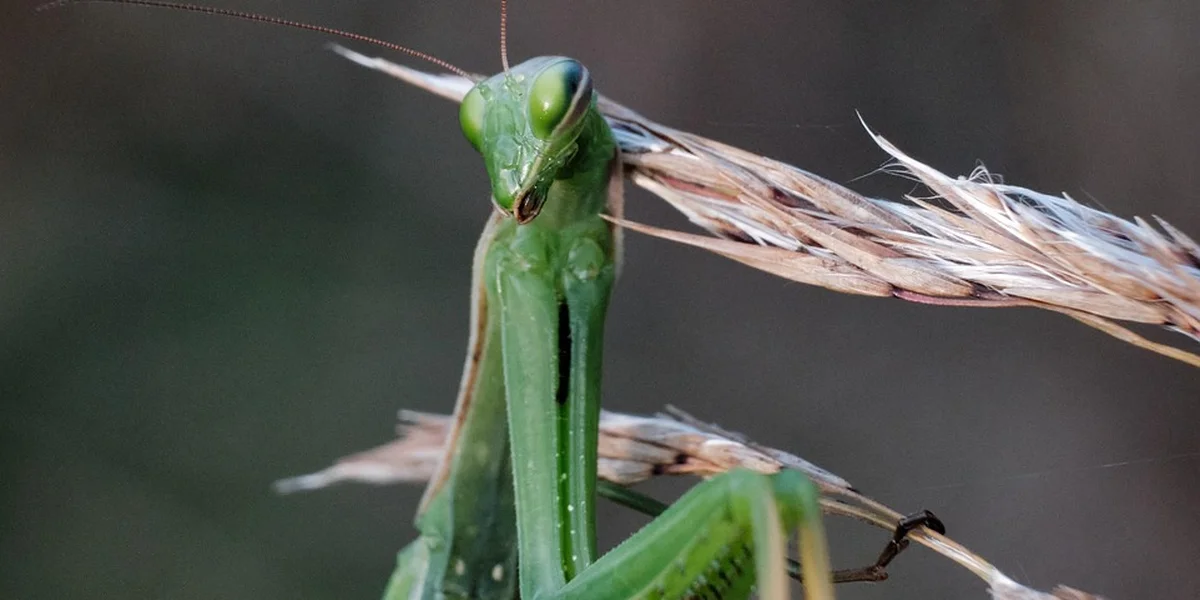
Picture your mantis’s enclosure as a miniature, breathing world where every surface tells a story. We craft this interior not just for looks, but to weave texture and variety into your mantis’s daily life, turning a basic tank into a source of endless enrichment. A naturalistic setup with mixed materials and levels encourages climbing, hiding, and exploring, mirroring the gentle complexity of their wild homes. For a truly engaging habitat, create a bioactive enclosure for your praying mantis with live plants and beneficial microfauna that help balance humidity and waste. This approach adds ongoing daily exploration and a sense of living ecology.
Selecting a Safe Substrate
The substrate is the foundation of your mantis’s universe, needing to hold moisture without becoming a muddy mess. Coconut fibre, or coir, is a superb choice for its spongy texture and ability to maintain humidity, while paper towels offer a simple, sterile option for young nymphs. Avoid any garden soils or commercial potting mixes, as these often harbour hidden pesticides or fertilizers that can harm your mantis through accidental ingestion.
Follow these steps to layer and refresh the substrate safely:
- Spread a layer about 2-3 centimetres deep evenly across the enclosure floor, patting it down gently.
- Mist it lightly with warm water until it feels like a damp sponge-this helps boost ambient humidity without waterlogging.
- Replace the entire substrate every three to four weeks, or immediately if you spot mould or waste, to maintain a clean, healthy base.
Starting with a pesticide-free base is non-negotiable for your mantis’s long-term health, preventing toxins from affecting their delicate systems. I remember Moss, my Giant Asian mantis, becoming sluggish on a suspect soil; switching to pure coconut fibre brought back his lively curiosity in days.
Adding Decorations: Branches, Leaves, and Hiding Spots
Branches and stems form the architecture of your mantis’s domain, so arrange them like a tiny, tangled thicket. Use varying heights and angles to create a network of perches, ensuring some stems are sturdy enough for hanging upside-down-a vital pose for successful molting. For hiding spots, a curled leaf or a piece of cork bark tucked in a corner offers a snug retreat, reducing stress by providing a sense of security.
Introducing plant life, real or artificial, adds layers of visual interest and function:
- Safe live plants like pothos or bromeliads boost humidity and air quality, but always rinse them thoroughly to remove any chemical residues.
- Artificial silk plants are a vibrant, low-maintenance alternative, easy to wipe clean and perfect for adding colour without the risk of overwatering.
This careful arrangement mimics the dense foliage of natural habitats, softening the enclosure’s edges and giving your mantis peaceful places to blend in. My Orchid mantis, Sprig, adores her faux orchid blooms, her pink-and-white marbling disappearing against the petals like a living flower.
Creating Functional Microhabitats
Transform the enclosure into a patchwork of tiny zones, each designed for a specific activity. Design a high, sunny perch near the warmth source for basking, and a densely decorated, shadowy corner for quiet refuge after a meal. My Ghost mantis, Luna, has a favourite fern frond where she sits for hours, her leaflike frills rustling softly as she watches the world-it’s her personal observatory.
Arrange decor to stimulate natural hunting and exploration:
- Place branches and leaves to create obstacle courses for prey, encouraging your mantis to stalk and strike with engaging effort.
- Balance open spaces near perches for easy feeding with clustered areas that invite curious climbing, keeping your mantis physically and mentally active.
The layout directly influences prey availability and your mantis’s willingness to explore, turning routine moments into opportunities for natural behaviour. A thoughtfully crafted microhabitat makes every day a gentle adventure, from the quiet bask in the warm spot to the thrilling pounce from a hidden leaf.
Regulating the Habitat Climate
Temperature and humidity are not separate concerns but dynamic partners in your mantis’s daily life. We approach their balance with a calm, methodical rhythm, much like tending to a miniature greenhouse where every subtle shift matters. Watching these two elements work together lets you create a stable, comforting microclimate that supports everything from feeding to the delicate process of molting.
Temperature Range and Stability
Mantises borrow warmth from their surroundings, so consistency is your greatest gift to them. A stable temperature range prevents metabolic surprises and encourages natural, active behaviors. Here are ideal ranges for a few popular companions, based on years of quiet observation.
| Species | Daytime Range | Nighttime Range |
|---|---|---|
| Ghost Mantis | 22-26°C (72-79°F) | 18-22°C (64-72°F) |
| Giant Asian Mantis | 25-30°C (77-86°F) | 20-25°C (68-77°F) |
| Orchid Mantis | 24-28°C (75-82°F) | 20-24°C (68-75°F) |
These ranges can gently dip in winter, mimicking natural seasonal whispers. Always avoid direct heat from bulbs or lamps, which can scorch delicate limbs and strip away precious humidity.
- Gentle heating methods: A small heat mat on one side of the enclosure creates a warm gradient. Simply adjusting your room’s thermostat a few degrees often works perfectly.
- Observing effects: You’ll see temperature directly influence appetite and movement. My Giant Asian male, Moss, becomes a vibrant, curious explorer when his space nears 26°C, but turns still and thoughtful if it cools too much.
Humidity Levels and Measurement
Humidity is the silent guardian of successful molts and resilient health. Invest in a small digital hygrometer-it’s your window into the invisible moisture your mantis breathes. Most species thrive between 40% and 60% relative humidity, with brief increases to 70-80% when you notice pre-molt stillness.
Mist the enclosure with a fine spray bottle using lukewarm water, targeting leaves and sides early in the day. This gentle misting mimics natural dew and provides drinking droplets without drenching your mantis’s world. My Ghost Mantis, Luna, often extends her forelegs into the soft spray, drinking peacefully.
- Symptoms of imbalance:
- Too dry: Difficulty shedding, lethargy, or a slightly crumpled appearance.
- Too damp: Fuzzy mold spots, a persistent musty scent, or labored breathing.
For a simple DIY boost, use that warm water mister in the evening when the air is cooler. The slightly warmer water creates a finer, longer-lasting vapor that elevates humidity gently overnight, especially helpful for a mantis preparing to molt. It’s a small, household act that makes their world a little softer.
Lighting, Water, and Daily Sustenance

Think of your mantis’s home not just as a container, but as a little world with its own gentle rhythms. These daily cycles of light, moisture, and food are the quiet heartbeat of a content mantis, providing the cues they need to thrive.
Natural Sunlight and Artificial Lighting
Mantises don’t bask like reptiles, but they are deeply attuned to the subtle dance of day and night. Light acts as their primary clock, regulating everything from their alert hunting hours to the precise timing of their delicate molts. A consistent photoperiod tells them when to be active and when to rest, which is vital for reducing stress.
We prefer using indirect, filtered sunlight from a nearby window-never place the enclosure in direct sun, as the glass can quickly create a dangerous oven. For most of us, a simple LED desk lamp or strip light on a timer provides the perfect, controlled solution. Set it for about 12 hours on and 12 hours off to mimic a natural cycle; this consistency is something my Ghost mantis, Luna, seems to appreciate, as she often begins her evening grooming as the lights dim.
- Light directly influences their circadian rhythm; a stable day/night cycle prevents disorientation and supports healthy molting intervals.
- Using an inexpensive plug-in timer for your light source guarantees a consistent photoperiod, even when your own schedule changes.
Water Source and Hydration Methods
In the wild, a mantis sips fresh morning dew from leaves. We replicate this in captivity not with a water bowl, but through careful, gentle misting. This method provides hydration and helps maintain the humidity they need, especially before a molt.
Use a clean spray bottle with fine mist setting, filled with dechlorinated or bottled water. Lightly spray the enclosure walls and foliage in the early morning or early evening, creating tiny droplets for your mantis to drink. Watch for that characteristic head-dipping motion as they sip. My Giant Asian, Moss, will often walk right through the mist, cleaning his forearms like a cat washing its face.
- Mist from a distance to avoid startling your pet, and aim for the surroundings, not the mantis directly, to mimic natural dew formation.
- Drowning is a real risk for these small insects; avoid any open water dishes or puddles of standing water in the enclosure substrate.
Prey Availability and Feeding Zones
Feeding time is enrichment. A successful hunt in a thoughtfully arranged space keeps your mantis mentally and physically stimulated. Creating a designated feeding zone, like a bare twig or a specific leaf, helps you monitor their appetite and prevents feeder insects from vanishing into the substrate. Whenever possible, let them forage for live prey to support natural hunting behavior. Excessive hand feeding can dampen instincts and alter foraging strategies.
Appropriate live prey, like flightless fruit flies for nymphs or crickets for adults, should be introduced carefully. We often feed our Orchid mantis, Sprig, on a broad, clean orchid leaf where she can spot her meal easily against the pale background. This setup turns feeding into a natural behavior, not just a chore.
- To stop prey from hiding, choose a substrate like simple paper towel or smooth sphagnum moss, and always offer prey that is the right size for your mantis to manage confidently.
- A bit of plant diversity, with both broad leaves and fine stems, creates a more engaging landscape for the hunt, allowing your mantis to use its natural ambush tactics.
Special Features for Molting and Breeding
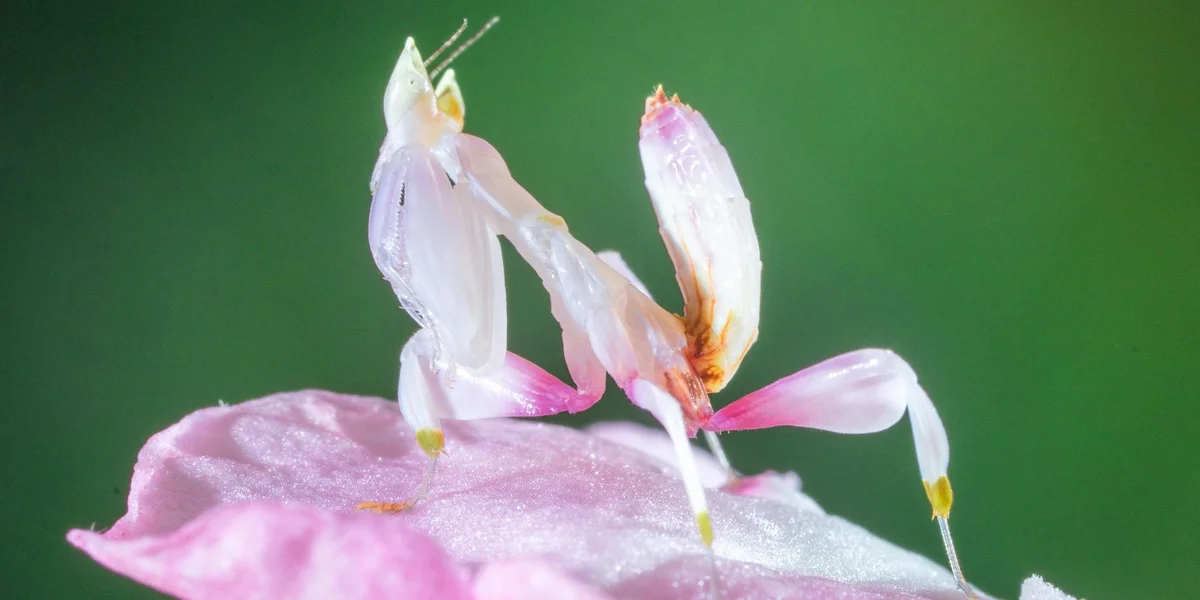
Your mantis will go through natural changes like molting and, potentially, breeding as it matures. With a bit of thoughtful preparation, you can turn these vulnerable periods into smooth, stress-free transitions that mirror the gentle rhythms of nature. We focus on creating a habitat that supports these life stages with calm, attentive care, much like tending a quiet garden corner.
Preparing Molting Spaces
Molting requires a secure, elevated perch with a textured surface for your mantis to grip firmly. Gently boost the humidity a day before the molt by misting with lukewarm water, creating a soft, damp atmosphere that helps the old skin separate easily. Reduce noise and movement around the enclosure, offering a still, peaceful environment where your mantis can focus on this delicate process. Know more about the molting process in praying mantises.
- Inspect all climbing structures to ensure they are stable and provide rough surfaces, such as untreated wood or cork bark, for reliable footing.
- Relocate the habitat to a tranquil spot, away from foot traffic or loud sounds, to minimize disturbances during this sensitive time.
- Watch for pre-molt signs like reduced appetite and a still, hanging posture, then observe quietly from a distance without intervention.
- I recall Sprig, my orchid mantis, choosing a high vine for her molt; she remained motionless for hours before emerging with a fresh, pearlescent coat, a silent victory in our shared space.
Egg Case Placement and Mating Sites
Female mantises lay oothecae-foamy egg cases-that need a firm, vertical surface for attachment, like a sturdy twig or mesh side. Keep humidity steady around the ootheca with light, indirect misting to prevent it from drying out, mimicking the dewy conditions of early morning. If you plan to breed, a spacious setup with visual barriers encourages calm interactions between the pair.
- Attach egg cases to an accessible vertical spot, such as a side branch or enclosure wall, for easy monitoring without needing to move them.
- Provide ample room and shelters like broad leaves or plastic plants, allowing mantises to retreat and feel secure, which supports successful mating behavior.
Maintaining a Clean and Stable Habitat
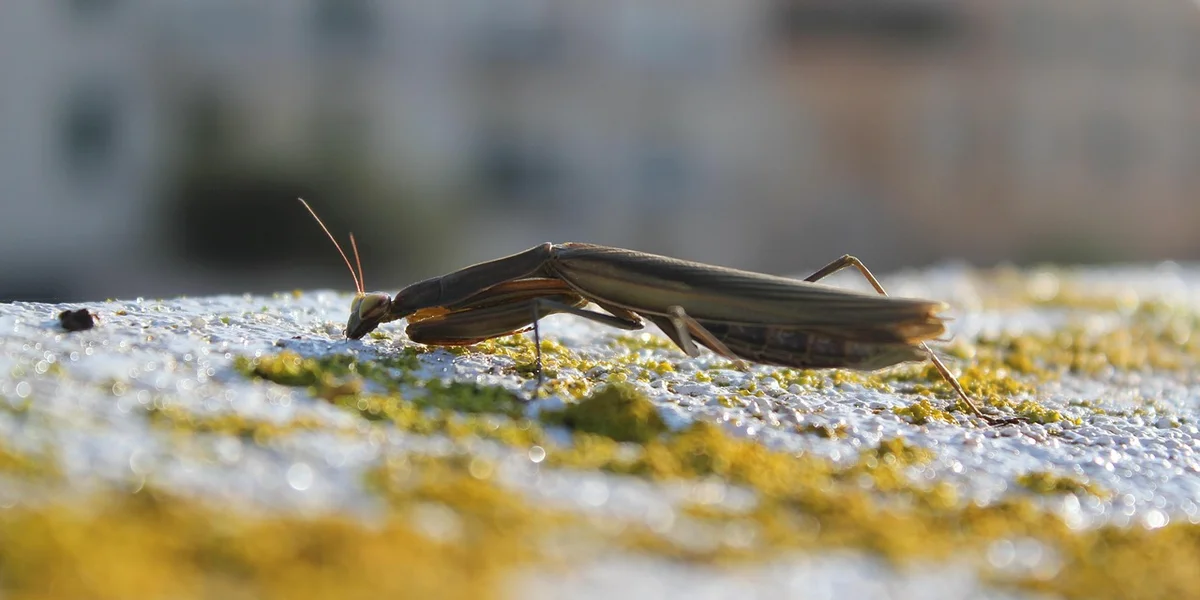
Think of habitat care as a gentle rhythm, like tending a miniature garden each day. This regular touch keeps your mantis’s world fresh and predictable, which quietly supports their wellbeing and reduces stress for you both. We’ve found that a clean enclosure has a soft, earthy scent after misting, a sign that everything is in balance.
Regular Cleaning and Substrate Care
A straightforward schedule turns maintenance into a calm habit. We recommend quick spot-cleaning every day and a complete habitat overhaul once a month to prevent waste accumulation. This routine mimics the slow renewal of their natural environment without causing disruption.
- First, gently move your mantis to a temporary holding jar with a ventilated lid and a small twig inside. Our Ghost Mantis, Luna, will often sit patiently on a stick, watching us work with a curious tilt of her head.
- Carefully empty the old substrate into your compost, then wipe the enclosure’s interior with a cloth dampened with warm water-no detergents needed. This removes any residual moisture or debris that could harbor bacteria.
- Add a generous layer of new, pesticide-free substrate like coconut fiber or sphagnum moss, and reposition decorations with a light touch. Creating gentle slopes and hiding spots gives your mantis a renewed space to explore safely.
After a full clean, wait a few minutes before returning your mantis to let the humidity settle. You’ll often see them investigate the fresh landscape with slow, deliberate steps, which is quite a rewarding sight.
Monitoring for Health and Hazards
Daily visual checks become second nature, helping you catch small issues before they escalate. A stable enclosure is your first defense against common problems, something we’ve learned through caring for mantises like Moss and Sprig. Look for subtle changes that signal it’s time for a tweak.
- Spot early signs of trouble like fuzzy white mold patches on substrate or a musty smell, which can affect your mantis’s respiratory health. These often appear in stagnant, humid corners without enough airflow.
- Check for wear on decor, such as splintering wood or loose mesh, that could snag delicate limbs during a molt. Smooth, secure branches and plants prevent accidental injuries.
- Watch for tiny pests like grain mites, which look like moving dust specks and thrive in leftover food or damp substrate. Consistent cleanliness and removing uneaten prey quickly discourages them.
Good ventilation from a mesh top is key, as it allows moisture to escape without drafts. This balance of airflow and routine cleaning creates a habitat where mold struggles to take hold, keeping your mantis’s home clear and healthy.
Common Mantis Queries
Are praying mantis habitat kits a good choice for beginners?
Yes, a reputable mantis habitat kit is an excellent starter option as it provides compatible components sized correctly for a specific life stage. This eliminates the guesswork in selecting separate items and ensures your new pet has a secure and appropriate home from day one.
What are key safety tips for a DIY praying mantis habitat?
Always use non-toxic materials and ensure all edges, especially on drilled ventilation holes, are filed completely smooth to prevent injury. Thoroughly wash and bake or boil any natural items like branches and twigs to eliminate pesticides, parasites, or mold spores before placing them inside.
Which mantis species is best for a child’s first habitat?
The Ghost Mantis is often recommended for younger enthusiasts due to its docile nature, smaller size, and hardiness. Their fascinating leaf-like appearance and manageable care requirements make them a captivating yet forgiving first pet mantis.
Crafting a Complete Mantis Habitat: Final Thoughts
After keeping mantises for years, I can assure you that a healthy home rests on three simple pillars: a well-ventilated space of the right size, consistent warmth and humidity, and safe structures for climbing and molting. Getting this balance right means your mantis can behave naturally, from peaceful ambushes to the delicate process of shedding its skin.
Responsible mantis keeping is a gentle, ongoing practice of observation and adjustment, much like tending a quiet garden. We encourage you to watch your tiny companion closely, let their behavior guide your care, and always nurture your own knowledge through trusted communities and resources.
Further Reading & Sources
- Praying Mantis – Facts, Diet & Habitat Information
- Praying Mantids – Wisconsin Horticulture
- Should You Keep a Praying Mantis as a Pet?
- Praying Mantis Habitat, Predators, Prey & Facts
Rowan Hale is a lifelong insect enthusiast who fell in love with mantises for their calm presence, alien elegance, and surprising personalities. After years of keeping and raising a variety of species, Rowan shares practical tips, creative insights, and real-world experience to help others enjoy the quiet magic of mantis care. From setting up the perfect enclosure to understanding their subtle behaviors, Rowan invites readers into a gentle, curious world where every tiny movement feels like a discovery.
Temperature and Humidity