
Old World vs. New World Mantis: A Keeper’s Guide
Published on: December 29, 2025 | Last Updated: December 29, 2025
Written By: Rowan Hale
Hello there, mantis friend. Have you ever watched your green hunter perch so still it seems part of the foliage, and wondered about its ancient lineage?
The core difference between Old World and New World mantis species, for a keeper, boils down to one simple but profound trait: Old World mantises lack wings as adults and cannot fly, while New World mantises develop full wings and often take to the air.
But that single distinction unfolds into a beautiful complexity of care, behaviour, and evolutionary history that shapes our entire keeping experience.
Here’s a quick preview of what we’ll explore together:
- The evolutionary split that created two distinct mantis lineages.
- Key physical and behavioural traits unique to each group.
- How these differences directly influence your daily care routine.
- Choosing the right species for your first terrarium.
Understanding Old World and New World Mantis Origins
Old World mantises hail from Africa, Asia, and Europe, where they evolved in diverse climates from arid savannas to lush rainforests. Their natural habitat distribution across these regions helps explain regional diversity in mantis forms and behaviors. By examining where mantises live—from savannas to rainforests—we can understand how habitat shapes their evolution. These regions host mantis families like Mantidae and Empusidae, which often feature stout bodies and spiny forelegs adapted for gripping prey in dense vegetation.
New World species originate from the Americas, thriving in habitats ranging from North American woodlands to South American tropics. Families such as Thespidae and Acanthopidae commonly show slender builds and smoother leg structures, suited for life in open or arboreal settings.
- Chinese Mantis (Tenodera sinensis): Native to Asia, often found in grasslands and gardens.
- European Mantis (Mantis religiosa): Widespread across Europe, preferring meadows and shrublands.
- Carolina Mantis (Stagmomantis carolina): Common in North America, inhabiting fields and urban areas.
- Orchid Mantis (Hymenopus coronatus): From Southeast Asia, camouflaged among flowers in rainforests.
Behavior and Temperament: A Keeper’s Guide
Old World mantises like our Giant Asian, Moss, tend to be more active and assertive, often displaying bold hunting postures with rapid strikes. Their higher aggression means handling requires extra care to avoid defensive bites or escapes. To deal with aggressive, defensive praying mantises, use slow, deliberate movements and limit handling. If a mantis shows signs of stress, give it space and observe from a distance.
New World species, such as the Carolina mantis, generally show calmer demeanours and slower movements, making them safer for gentle interactions. We find they adapt well to occasional handling if introduced patiently from a young age.
- Watch for hunting postures: Observe how your mantis holds its forelegs ready or sways to track prey.
- Note reaction to movement: Gently wave a finger nearby to see if it retreats, ignores, or prepares to strike.
- Assess tolerance to handling: Offer a hand slowly; a mantis that climbs on willingly is likely comfortable.
Camouflage styles deeply affect interaction; Old World mantises like the Ghost species Luna use cryptic browns and leaf-like frills to blend in, often staying still and observant. Their stealthy nature means they may startle easily, so we approach them with quiet movements to build trust.
New World mantises employ brighter colours or floral mimics, such as the Orchid mantis Sprig, who perches openly but remains shy. This visibility can make them seem more approachable, yet they still prefer calm environments without sudden disturbances. Color and pattern often influence survival by helping them camouflage among flowers or leaves. In many mantis species, this camouflage mimicry makes them harder for predators to spot and easier to ambush prey.
Care Requirements: Enclosure, Temperature, and Humidity
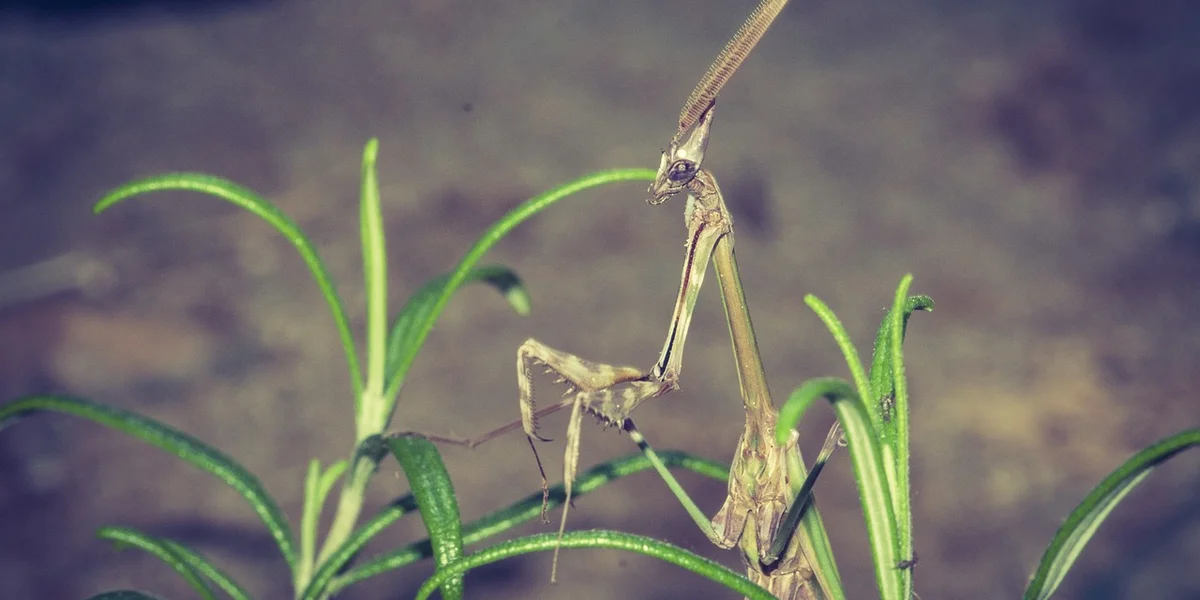
Setting up the right home for your mantis starts with understanding their origins. Old World species, like my Ghost Mantis Luna, often hail from tropical regions where humidity clings to the air, whilst New World mantids might prefer drier, more open spaces.
Enclosure Size, Ventilation, and Substrate
For Old World mantises, choose a tall enclosure—at least three times their body length in height—to support their climbing and molting habits. Good cross-ventilation is vital to prevent mould in their humid environments, so mesh sides work beautifully. To ensure proper ventilation, regularly check that vents are open and unobstructed. Adjust airflow so air circulates without creating cold drafts or drying the enclosure too much.
New World species, such as many found in North America, thrive in slightly shorter enclosures with ample floor space for roaming. We use a simple substrate like coconut fibre or peat moss for moisture retention, topped with dried leaves for a natural feel underfoot.
Ideal Temperature and Humidity Ranges
| Species Type | Temperature Range (°C) | Humidity Range (%) |
|---|---|---|
| Old World Mantis | 24-30 | 60-80 |
| New World Mantis | 22-28 | 40-60 |
Keep a close eye on these ranges; a few degrees or percentage points can make all the difference in your mantis’s comfort and health.
Steps for Setting Up Habitats
- Choose enclosure type based on species origin-tall for arboreal Old World, wider for terrestrial New World.
- Adjust heating with a low-wattage heat mat or lamp, placed to create a gentle gradient.
- Monitor moisture levels with a hygrometer, misting lightly for humidity or providing a water dish for hydration.
Regular checks help you mimic their natural habitat, reducing stress and encouraging natural behaviours.
Feeding and Growth: From Nymph to Adult
Watching a mantis grow from a tiny nymph to a striking adult is one of the joys of keeping them. Their dietary needs shift with each instar, so matching prey size to their current stage prevents struggles during mealtime.
Prey Size, Variety, and Feeding Frequency
For early instar nymphs, offer pinhead crickets or fruit flies every two to three days. As they grow, gradually phase out fruit flies and transition to larger prey. As they mature, introduce larger prey like houseflies or small moths, ensuring variety to mimic wild foraging.
- Nymphs (1st-3rd instar): Feed every 2-3 days with tiny, soft-bodied insects.
- Subadults: Offer prey every 4-5 days, sized no larger than the mantis’s head.
- Adults: Provide food weekly, including occasional treats like waxworms for extra nutrition.
Observing how eagerly they strike tells you if the prey is right-too large, and they might hesitate or avoid it altogether.
Growth Stages and Molting Considerations
Mantises molt several times before adulthood, shedding their exoskeleton to grow. Before a molt, they often refuse food and cling motionless to a branch, their skin taking on a dull, opaque appearance.
Increase humidity slightly during this period to ease the shedding process. After molting, wait a day or two before offering food, as their new exoskeleton needs time to harden.
Steps for a Feeding Routine
- Select appropriate prey based on your mantis’s current size and instar stage.
- Offer food regularly, adjusting frequency as they grow to avoid overfeeding.
- Observe eating habits to ensure they’re consuming prey fully and without difficulty.
This routine builds trust and helps you spot any health issues early, keeping your mantis vibrant through each life stage.
Breeding and Ootheca Care
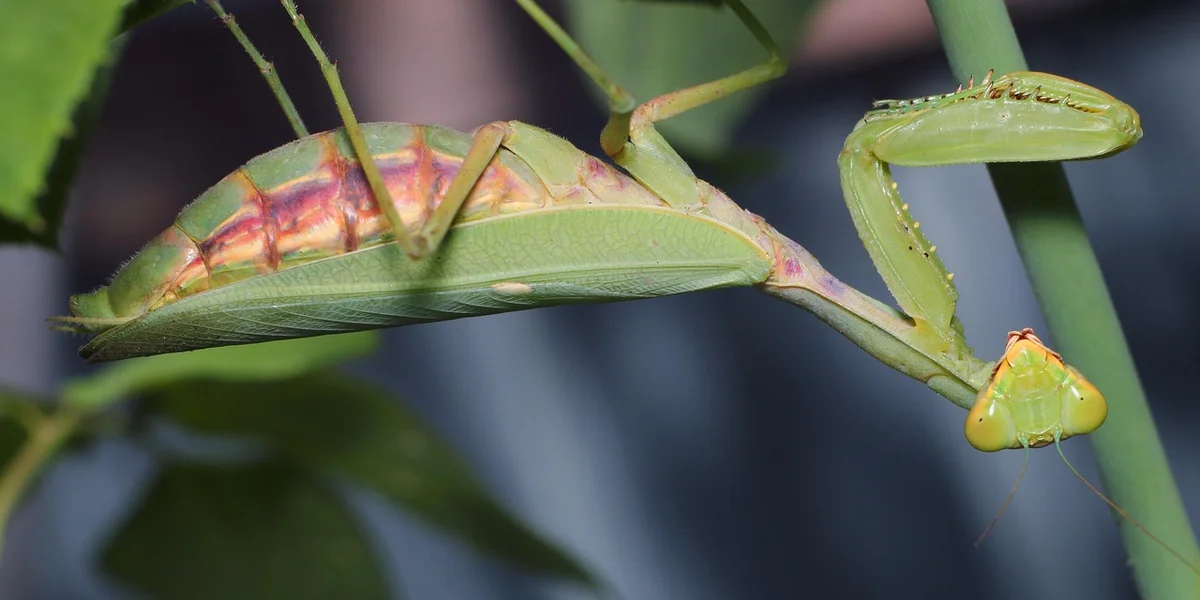
When breeding mantises, Old World species like the Giant Asian or Ghost Mantis often show bold mating rituals, with males approaching females cautiously to avoid becoming a meal. In our care, Luna, a Ghost Mantis, would tilt her head and sway gently before accepting a mate, a dance that highlights their instinctual grace. New World mantises, such as the Carolina Mantis, tend to be less aggressive, with males sometimes surviving multiple encounters if conditions are calm. Their oothecae differ too: Old World egg cases are typically harder and more angular, often attached to sturdy surfaces, while New World ones feel softer and foamier, clinging to leaves or stems with a delicate hold.
Caring for oothecae requires attention to humidity and warmth to mimic natural cycles. We keep egg cases in a well-ventilated container with humidity around 60-70%, misting lightly to prevent drying out without causing mold. Incubation temperatures between 22-26°C work well for most species, and hatching can take weeks to months, depending on the mantis type. Gentle monitoring helps you spot tiny nymphs emerging, ready for their first feed.
- Introduce mates carefully by placing them in a spacious enclosure with plenty of hiding spots to reduce stress.
- Monitor for aggression, stepping in if the female shows signs of attack, like rapid lunges or raised forelegs.
- Protect egg cases by moving them to a separate, humid setup once laid, ensuring they’re undisturbed until hatching.
Choosing Your Mantis: Species for Every Keeper
For beginners, we suggest starting with hardy species that forgive minor mistakes and adapt well to home environments. Old World options like the Ghost Mantis are calm and easy to handle, while New World picks such as the Carolina Mantis thrive on simple diets of fruit flies or small crickets. When choosing the right mantis species for beginners, consider temperament, diet, and enclosure needs to fit your routine. Start with hardy, forgiving species to build confidence. These mantises need basic setups with moderate humidity and regular feeding, making them ideal for your first foray into mantis keeping.
- Beginner-friendly species:
- Ghost Mantis (Old World): Slow-moving, low aggression; mist every other day and feed small insects.
- Carolina Mantis (New World): Resilient, adaptable; keep in room-temperature enclosures with light misting.
- Intermediate species:
- Orchid Mantis (Old World): Requires high humidity and delicate handling; feed flightless fruit flies or small moths.
- Arizona Mantis (New World): Needs warmer temperatures and varied prey; monitor for molting issues.
- Advanced species:
- Devil’s Flower Mantis (Old World): Demands precise humidity and large enclosures; not for handling due to skittish nature.
- Spiny Flower Mantis (Old World): Sensitive to environmental changes; best for keepers with experience in tropical setups.
If you’re moving to intermediate care, species like the Orchid Mantis offer stunning beauty but need consistent warmth and humidity to prevent stress. Our Sprig, an Orchid Mantis, flourished with daily misting and a diet of tiny moths, showing how attentive care brings out their vibrant colors. Advanced keepers might enjoy the challenge of the Devil’s Flower Mantis, which requires spacious habitats and expert handling to avoid injury.
Common Mantis Queries

What is old world mantis?
Old World mantises are species originating from Africa, Asia, and Europe, characterized by their inability to fly as adults due to lacking wings. For keepers, this means providing enclosures with ample climbing space and monitoring their often more assertive hunting behaviors.
What is old world antiques?
This term does not relate to mantis care or species in this context. In pet mantis keeping, ‘Old World’ specifically refers to the geographic origin of certain mantis lineages, not antiques or collectibles.
What is old world fantasy warhammer?
Old World Fantasy Warhammer is a tabletop game setting, which is unrelated to mantis species or their care requirements. For mantis enthusiasts, focusing on actual Old World species like the Ghost or Giant Asian mantis is key for proper keeping.
Your Path to Confident Mantis Keeping
When selecting a mantis, Old World species like our Moss demand sturdy enclosures and minimal handling due to their spirited nature, while New World friends such as Sprig often adapt well to gentle interaction and simpler setups. Matching your experience level to their temperament and needs ensures a harmonious relationship from the start, including choosing the right enclosure.
We encourage every keeper to observe their mantis closely and adjust care routines as you learn more about their preferences and behaviors. Staying informed through reliable sources and fellow enthusiasts helps you provide a safe, enriching home where your pet can flourish. Handling and understanding the behavior of a pet mantis is also crucial.
Further Reading & Sources
- Old World Mantels
- Old World Fireplace Mantle – Cast Stone Surround – Heavy Rustic Fireplace Mantel – Etsy
- Shop Wood Fireplace Mantels | Old World Lumber Co. – – Old World Lumber-Store
- Old World Grand Fireplace Mantle – Cotton & Crete
Rowan Hale is a lifelong insect enthusiast who fell in love with mantises for their calm presence, alien elegance, and surprising personalities. After years of keeping and raising a variety of species, Rowan shares practical tips, creative insights, and real-world experience to help others enjoy the quiet magic of mantis care. From setting up the perfect enclosure to understanding their subtle behaviors, Rowan invites readers into a gentle, curious world where every tiny movement feels like a discovery.
Exotic Mantids