
Is My Mantis Playing Dead? Understanding Thanatosis Behavior
Published on: January 21, 2026 | Last Updated: January 21, 2026
Written By: Rowan Hale
Hello, fellow mantis friend. There’s nothing quite like the heart-skip moment when you check on your pet and find them lying completely still, legs tucked, looking for all the world like a tiny green statue that has tipped over.
Yes, your mantis can play dead; this behavior is called thanatosis, a clever survival tactic where they feign death to confuse predators and perceived threats.
While it’s a natural instinct, the context is everything. Was there a recent molt? A loud noise? A clumsy cricket? Understanding the subtle cues helps you know if your mantis is just being dramatic or signaling something more serious.
Here’s what we’ll explore together:
- Why a mantis chooses to play dead and the science behind this frozen act.
- The clear signs that distinguish thanatosis from illness or injury.
- Practical steps for what you should-and shouldn’t-do when you find your mantis motionless.
- How to create a calm habitat that helps your mantis feel secure enough to drop the act.
What Is Thanatosis in Pet Mantises?
Thanatosis is a natural behavior where your mantis feigns death to protect itself. This defense mechanism involves the insect going completely still, often dropping limply to mimic a lifeless state. It’s not a sign of poor health but a clever survival strategy many mantises use. Among the praying mantis insect bug, thanatosis is a classic example of its stealthy tactics. By freezing and going limp, the mantis can fool predators while staying alert for an escape opportunity.
When a mantis enters thanatosis, its body becomes soft and unresponsive. You might notice it lying motionless on the enclosure floor, with legs tucked in and no reaction to gentle touches. This can last from minutes to hours, depending on the situation.
My ghost mantis, Luna, often displays this when startled by sudden movements. She’ll freeze like a delicate leaf, then gradually “wake up” once she feels safe again. Observing this helps us appreciate how mantises adapt to perceived threats.
- Sudden immobility and limp posture
- No movement even when prodded lightly
- Possible falling from perches or hiding spots
Why Do Praying Mantises Play Dead?
Praying mantises play dead primarily to evade predators or reduce stress. By appearing lifeless, they trick potential threats into losing interest and moving away. This instinct stems from their wild habitats, where avoiding detection is key to survival. Praying mantises are also skilled predators, ambushing and catching a variety of insects with their sharp forelegs. This dual role—being both predator and prey—helps explain why playing dead is just one tactic they use to survive.
Environmental changes often trigger this behavior. Introducing new decor, handling your mantis too much, or loud noises can cause it to freeze up as a protective response. We’ve seen this with Moss, who feigns death during enclosure cleanings before resuming his curious explorations.
Molting periods make mantises especially vulnerable. Playing dead helps them conserve energy and avoid injury while their new exoskeleton hardens. It’s a temporary state that usually passes once they feel secure.
- To escape predators by blending in as inanimate objects
- As a reaction to stress from handling or habitat changes
- During molting to protect their soft, developing bodies
- To avoid conflicts with other insects or conserve resources
Young mantises like Sprig might play dead more often as they learn their surroundings. This behavior typically decreases with age and familiarity, showing how they grow more confident in safe environments. Providing a calm, stable habitat reduces the need for thanatosis over time.
How to Tell If Your Mantis Is Playing Dead or Truly Ill
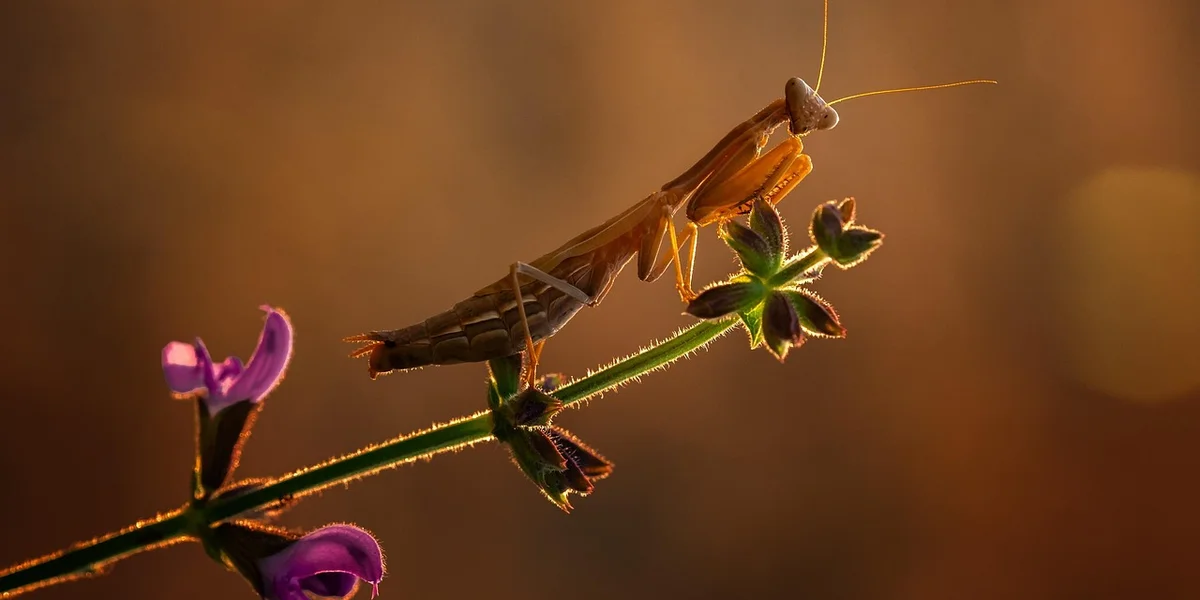
Watching your mantis lie motionless can be unsettling, but knowing the signs helps you respond with care. Look for subtle differences in posture and responsiveness to gauge whether it’s a clever act or a health concern.
Behavioral Clues of Playing Dead
A mantis feigning death often shows controlled stillness rather than weakness. They might stiffen their legs and curl their abdomen slightly, holding a rigid pose that mimics a fallen leaf or twig.
- Sudden immobility when startled, like during handling or enclosure cleaning
- Brief duration, typically lasting a few minutes to an hour before normal activity resumes
- Minimal response to gentle touches-they may twitch antennae or adjust grip but stay put
- Context matters; it often happens after a perceived threat, such as a loud noise or sudden movement
Our Ghost Mantis, Luna, once played dead for twenty minutes after a cricket leaped too close, only to spring back to life when the coast was clear. Her misty brown body blended perfectly with the bark, a testament to how convincing this defense can be.
Signs of Actual Illness
True illness in mantises involves prolonged symptoms and physical decline. An ill mantis may appear limp, struggle to cling to surfaces, or show discoloration on its exoskeleton. Knowing the signs of a healthy mantis can help you identify when there’s a problem early on.
- Lethargy that persists for hours or days, even in a calm environment
- Difficulty moving, such as dragging legs or falling frequently
- Loss of appetite or refusal to eat over multiple feedings
- Visible issues like dark spots, mold, or a sunken abdomen indicating dehydration
Moss, our Giant Asian Mantis, once battled a mild infection that left him listless and off his food for two days. We noticed his usually vibrant green hue dulled, and he clung weakly to his favorite branch instead of exploring.
Quick Comparison Table
| Aspect | Playing Dead | Truly Ill |
|---|---|---|
| Duration | Short, resolves quickly | Long, may worsen over time |
| Posture | Stiff, deliberate pose | Limp, collapsed appearance |
| Response to Stimuli | Minor twitches or adjustments | Little to no reaction |
| Appetite | Returns to normal after episode | Consistently poor or absent |
Trust your observations over time to build confidence in spotting these cues. Mantises are masters of disguise, but illness rarely hides for long.
What to Do When Your Mantis Feigns Death
If your mantis is playing dead, stay calm and give it space to recover naturally. Creating a peaceful environment encourages them to feel safe enough to resume normal behavior. When you need to interact, handle it gently and briefly—support its body with slow, steady movements and avoid squeezing. Let it climb onto your finger or a safe surface instead of grabbing it.
- Step back and avoid handling or poking them, as this can prolong the act.
- Check the enclosure for stressors like bright lights, loud sounds, or other pets nearby, and dim the area if needed.
- Ensure humidity and temperature are within ideal ranges-most species thrive at 70-80°F with moderate misting.
- Offer a quiet observation period of 10-30 minutes; they often “wake up” once they sense no danger.
- After they move, provide a small, easy prey item like a fruit fly to gauge their appetite and health.
We’ve seen Sprig, our Orchid Mantis, “revive” after a gentle misting that mimics a soft rainforest shower. Her pink and white petals seemed to shimmer anew as she slowly uncurled and climbed a nearby stem.
Keep a journal of these episodes to identify patterns or triggers. Recording details like time of day and recent changes helps you understand your mantis’s unique personality and stress points.
If feigning death happens frequently, review their habitat for improvements. Adding more foliage or adjusting placement away from high-traffic areas can reduce anxiety and make your mantis feel more secure.
How Long Does Mantis Thanatosis Typically Last?
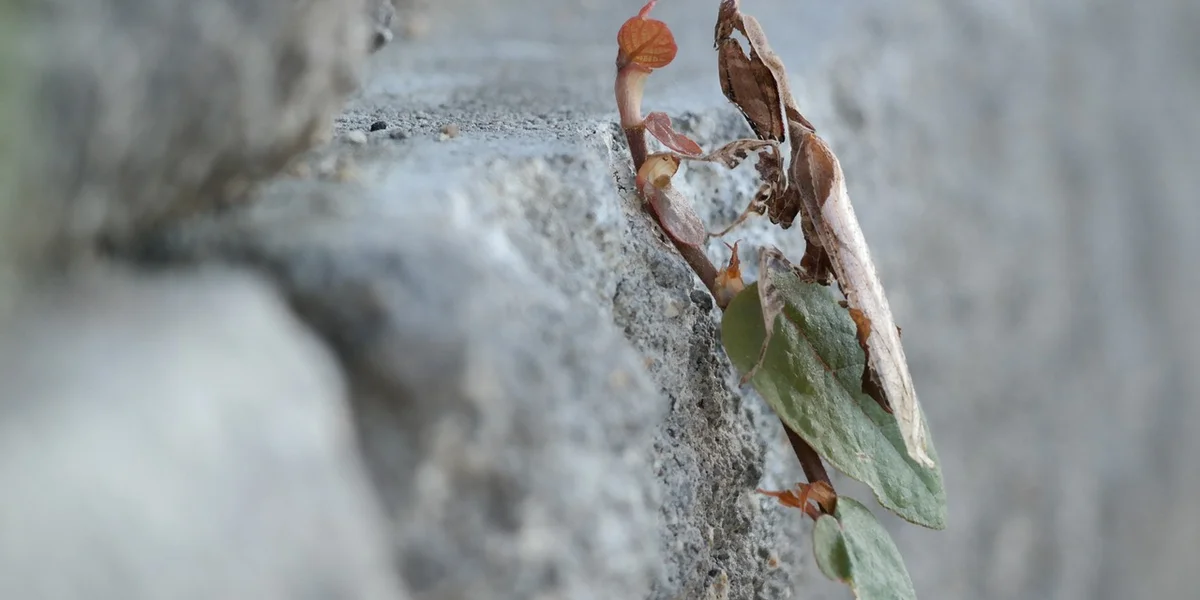
When a mantis plays dead, the duration can vary from a few fleeting minutes to several still hours. We have observed this with our own mantises; Luna, our Ghost Mantis, once remained perfectly motionless for nearly twenty minutes after a sudden noise startled her. The length of this frozen state depends heavily on the individual mantis’s personality and the perceived level of threat.
Younger mantises, or nymphs, often recover more quickly than adults. Their smaller bodies and faster metabolisms seem to pull them out of the trance sooner. An adult mantis, with more life experience and perhaps a more cautious nature, might commit to the act for a longer period, waiting until it is utterly convinced the coast is clear.
Factors That Influence Duration
- Species Temperament: Calmer species like the Ghost Mantis may play dead longer than a bold Giant Asian mantis.
- Environmental Stress: A sudden, loud vibration will likely cause a longer freeze than a gentle shadow passing by.
- Handling: If you continue to touch or disturb the mantis while it is feigning death, it will almost certainly prolong the episode.
- Time of Day: Mantises are more alert during their active hours, so a scare at night might result in a lengthier recovery.
Patience is your greatest tool here. Resist the urge to poke or prod. Simply giving your mantis space and quiet is the fastest way to help it feel safe enough to “wake up.” We once watched our male Moss stay statue-still for over an hour after a cage cleaning, only to spring to life the moment we left the room.
Preventing Play Dead Episodes in Your Pet Mantis
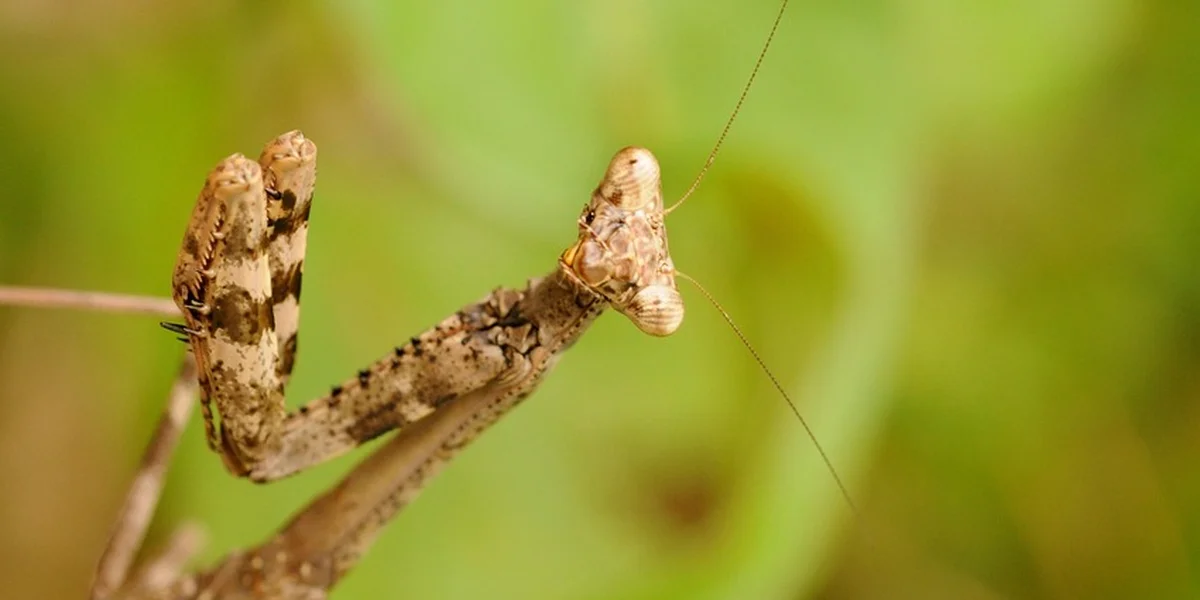
While you cannot eliminate this instinctual behavior completely, you can create an environment where your mantis feels so secure that playing dead becomes a rare event. It is all about building trust and minimizing stress. Think of their enclosure as a private, peaceful studio flat where they are the sole occupant.
The foundation of prevention is a proper habitat setup. A cluttered cage can be as stressful as a barren one. Your mantis needs clear perches at varying heights and plenty of foliage to hide within, creating a landscape that offers both vantage points and retreats. Meeting these essential habitat requirements keeps your praying mantis healthy. A healthy mantis can display natural behaviors like hunting and grooming.
Key Strategies for a Stress-Free Home
- Gentle Handling: Always move slowly and predictably. Let the mantis walk onto your hand rather than picking it up.
- Secure Enclosure: Ensure the lid fits snugly and the enclosure is placed in a low-traffic area away from loud TVs or speakers.
- Consistent Routine: Feed and mist your mantis at roughly the same times each day. Predictability breeds comfort.
- Appropriate Tank Mates: House mantises alone. They are solitary creatures and see other insects, even their own kind, as threats or food.
Pay close attention to how you interact during feeding time. Dropping a loud, buzzing fly directly onto your mantis can be startling. We’ve found that offering pre-killed prey or gently guiding a live insect onto a nearby leaf causes much less drama for our shy Sprig. The goal is to be a source of safety, not surprises.
Finally, learn to read your mantis’s body language. A mantis that is frequently swaying, flinching, or dropping from its perch is telling you it feels insecure. These reactions are classic signs of stress that tell you when a mantis is under pressure. Noticing these subtle signs allows you to adjust its environment before it resorts to playing dead. A calm mantis is a confident mantis, and a confident mantis rarely feels the need to play possum.
Caring for a Mantis After a Thanatosis Episode
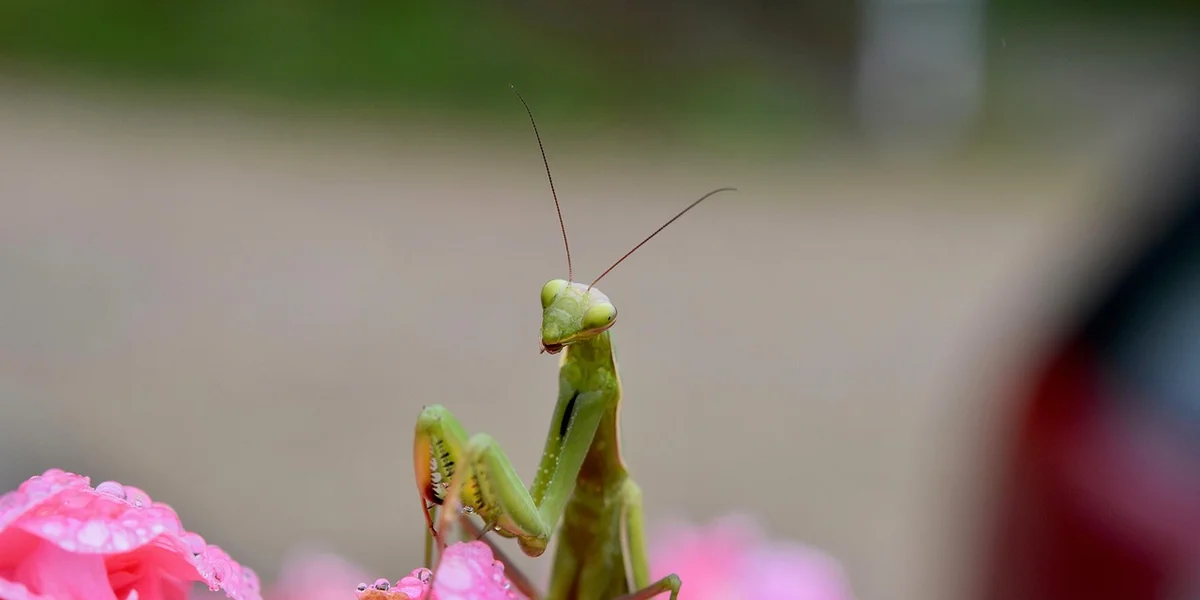
When your mantis snaps out of thanatosis, it might seem a bit dazed or slow to move, much like waking from a deep nap. Gently observe its behavior for a few minutes to ensure it’s regaining its usual alertness without rushing it. We’ve noticed with Moss, our Giant Asian Mantis, that he often perks up after a brief rest in a familiar spot.
Immediate Steps to Take
Start by carefully moving your mantis to a quiet, secure area in its enclosure, away from any disturbances. Check for any signs of stress in mantis, such as torn limbs or unusual posture, which could indicate underlying stress or physical harm. If stress signs appear, it may indicate the habitat needs adjustment. Fixing temperature, humidity, and shelter often reduces stress and supports recovery. Use soft tweezers to offer a drop of water on a leaf—hydration can help soothe them after the episode.
- Place your mantis in a low-traffic part of the habitat, like a sheltered corner with foliage.
- Monitor its breathing and leg movements to confirm it’s recovering steadily.
- Avoid handling for at least an hour to let it settle back into its routine.
Adjusting the Environment for Comfort
Reduce potential stressors by dimming bright lights and ensuring the enclosure isn’t too noisy or exposed. Maintain a stable humidity level around 60-70% by lightly misting the walls with warm water, which can mimic the gentle dampness of a forest floor. From our time with Sprig, the Orchid Mantis, we found that a consistent, humid environment helps prevent repeat episodes by keeping her calm and hydrated.
- Use live plants like pothos or sphagnum moss to create a natural, soothing backdrop.
- Keep the temperature between 22-28°C to avoid sudden chills or overheating.
- Limit loud noises or vibrations near the enclosure, as mantises are sensitive to sudden changes.
Feeding and Recovery Monitoring
Wait until your mantis shows interest in food, usually within a day, before offering small, easy-to-catch prey like fruit flies or pinhead crickets. Watch for normal hunting behaviors, such as tracking movement with its head or assuming a strike pose, to confirm it’s back to its lively self. Luna, our Ghost Mantis, often takes a meal slowly after thanatosis, reminding us to be patient and not force-feed.
- Offer food in the early evening when mantises are most active and alert.
- If it refuses food for over 24 hours, consult a vet specializing in invertebrates.
- Keep a simple journal to note recovery patterns and any triggers you observe.
Long-Term Strategies to Minimize Stress
Regularly assess your mantis’s habitat for overcrowding, improper lighting, or lack of hiding spots, which can lead to repeated thanatosis. Introduce enrichment items, such as twigs for climbing or varied textures, to encourage natural behaviors and reduce boredom-induced stress. We’ve seen Moss thrive with occasional branch rearrangements, making his space feel fresh and engaging without overwhelming him.
- Handle your mantis sparingly and always with clean, gentle hands to build trust.
- Stick to a consistent feeding and misting schedule to create a predictable routine.
- Consider the mantis’s species-specific needs-for example, orchid mantises prefer higher humidity than others.
Questions from Fellow Mantis Friends
Is thanatosis harmful to my mantis?
Thanatosis is a natural defense mechanism and not harmful to your mantis. It is a temporary state that resolves once the perceived threat passes.
How can I tell if my mantis is about to play dead?
Watch for sudden freezing or reduced movement when your mantis is startled. It may also curl its legs or drop from a perch before becoming motionless.
What should I avoid doing when my mantis is feigning death?
Avoid handling or disturbing your mantis, as this can extend the thanatosis episode. Also, keep the environment quiet and calm to help it recover quickly. Extreme temperatures can stress a mantis: too cold or too hot can harm it. Keep the enclosure at a stable, species-appropriate temperature to prevent this.
Embracing Your Mantis’s Quiet Moments
When your mantis appears to play dead, it’s often thanatosis, a harmless defense mechanism. Gently observe from a distance and ensure their habitat remains peaceful to support a quick recovery. If the behavior persists or you notice other warning signs, consult the mantis health troubleshooting checklist to help determine why your mantis is sick and what steps to take next.
Responsible mantis care involves patience and a willingness to learn from each behavior. We find that deepening our knowledge through observation and trusted resources enriches the bond with our pet mantises. For practical steps, a complete handling and behavior guide for caring for a pet praying mantis offers safe techniques. Following it helps minimize stress and support healthy development.
Further Reading & Sources
- A review of thanatosis (death feigning) as an anti-predator behaviour – PMC
- Feeding on toxic prey. The praying mantis (Mantodea) as predator of poisonous butterfly and moth (Lepidoptera) caterpillars | Request PDF
- Phyllocrania paradoxa – Facts, Diet, Habitat & Pictures on Animalia.bio
- Meet the Ghost Mantis, an Elusive Species That Is Mistaken for a Dried Leaf | The Epoch Times
Rowan Hale is a lifelong insect enthusiast who fell in love with mantises for their calm presence, alien elegance, and surprising personalities. After years of keeping and raising a variety of species, Rowan shares practical tips, creative insights, and real-world experience to help others enjoy the quiet magic of mantis care. From setting up the perfect enclosure to understanding their subtle behaviors, Rowan invites readers into a gentle, curious world where every tiny movement feels like a discovery.
Predatory Threats