
I Accidentally Sprayed Cleaner Near My Mantis: What Should I Do?
Published on: January 26, 2026 | Last Updated: January 26, 2026
Written By: Rowan Hale
Hello, fellow mantis friend. That sudden, sharp scent of cleaner in the air near your mantis’s home can send a real jolt of worry straight through you. We’ve been there, watching our own Ghost mantis, Luna, freeze mid-clean when a misplaced spritz changed the room’s atmosphere in an instant.
If you’ve accidentally sprayed cleaner near your mantis, immediately move its enclosure to a well-ventilated, cleaner-free room, then carefully relocate your mantis to a temporary, clean habitat while you thoroughly clean and air out its primary home.
This situation feels complex because a mantis’s respiratory system is incredibly sensitive; what seems like a minor exposure to us can be a significant chemical event for them. Your quick, calm actions now make all the difference.
Here are your immediate priorities:
- Ensure your mantis is breathing fresh air, away from any chemical residue.
- Inspect your pet for any direct contact with the spray or fumes.
- Completely decontaminate its main enclosure before returning it.
- Monitor its behavior closely over the next 24-48 hours for any signs of distress.
These steps fit into the ultimate mantis health troubleshooting checklist for why my mantis is sick. If symptoms persist, seek guidance from an experienced keeper or veterinarian.
Immediate Steps After Accidental Spray Exposure
Step 1: Move Your Mantis to a Safe, Ventilated Space
If you’ve accidentally sprayed cleaner near your mantis, your first move is to gently relocate them to a clean, airy spot away from any lingering fumes. Quickly transfer your mantis using a soft brush or by coaxing them onto your hand, placing them in a temporary container like a spare jar or a well-ventilated enclosure with fresh air. As you interact, keep your movements slow and gentle to minimize stress. Always support their body and avoid grabbing by the legs or squeezing. I’ve done this with Luna, my Ghost Mantis, when a nearby surface got misted—her calm demeanor returned once she was in a safer space, free from any chemical traces.
Choose a location with good cross-ventilation, such as near an open window or in a room with a gentle breeze, but avoid direct drafts that could stress your mantis. This step helps prevent further inhalation or contact with harmful residues, giving your mantis a chance to recover without added pressure. Additionally, ensure the mantis enclosure is properly ventilated with mesh sides or a vented lid. Aim for steady air exchange without strong drafts.
Step 2: Increase Airflow and Remove Contaminants
Once your mantis is secure, focus on clearing the air in the affected area by opening windows or using a low-speed fan placed at a distance. Increasing airflow dilutes and disperses any chemical particles, reducing the risk of respiratory issues for your mantis. Remove any objects or surfaces that might have been sprayed, like decor or feeding dishes, and wipe them down with water if needed before reintroducing them. This careful cleaning and ventilation also helps prevent common parasite and fungal infections by keeping the enclosure dry and less inviting to pests. Regularly check for signs of mites or mold and address moisture quickly to protect your mantis’s health.
For the enclosure itself, if it was exposed, consider replacing substrate or wiping interior surfaces with a damp cloth to eliminate residues. This proactive cleanup minimizes long-term exposure and supports a healthier environment for your mantis to thrive in. To move toward a bioactive enclosure for your praying mantis, you can add a shallow layer of substrate with live plants and a small cleanup crew (springtails, isopods) to help manage waste and humidity. This helps create a balanced, self-sustaining habitat while staying mindful of your mantis’s needs.
Using Water for Gentle Rinsing if Needed
If the cleaner directly contacted your mantis, a gentle rinse with lukewarm water can help wash away contaminants. Use a soft spray bottle or a dropper to apply a light mist of water, focusing on the affected areas without soaking your mantis, as excess moisture can lead to stress or mold. I’ve found that with Moss, my Giant Asian Mantis, a careful rinse after a minor spill helped him shake off residue without any signs of discomfort.
Always use room-temperature water to avoid shocking your mantis, and pat them dry gently with a soft tissue if they seem damp. This method is a safe way to address direct exposure while keeping your mantis calm and secure during the process.
Understanding How Cleaners Affect Mantis Health
Common Toxic Ingredients in Household Sprays
Household cleaners often contain ingredients that can harm mantises through their delicate exoskeletons or respiratory systems. Chemicals like ammonia, bleach, and alcohols are particularly risky because they can cause irritation, breathing difficulties, or even long-term health issues in mantises. For example, fragrances and surfactants in many sprays may disrupt the natural oils on a mantis’s body, leading to dehydration or toxicity.
Here’s a quick list of common offenders to watch out for:
- Ammonia: Can irritate the eyes and respiratory tract, making it hard for mantises to breathe properly.
- Bleach: Its strong oxidizing properties may damage the exoskeleton and internal tissues if inhaled or absorbed.
- Alcohols: These dry out the mantis’s body and can lead to nervous system depression with prolonged exposure.
- Synthetic fragrances: Often contain volatile organic compounds that may cause allergic reactions or respiratory distress.
In my experience, even mild cleaners have affected Sprig, my Orchid Mantis, causing her to become lethargic until the air cleared. Being aware of these ingredients helps you choose pet-safe alternatives and avoid accidental harm in the future.
Observing Your Mantis for Symptoms of Exposure
Early Warning Signs: Irritation and Behavioral Changes
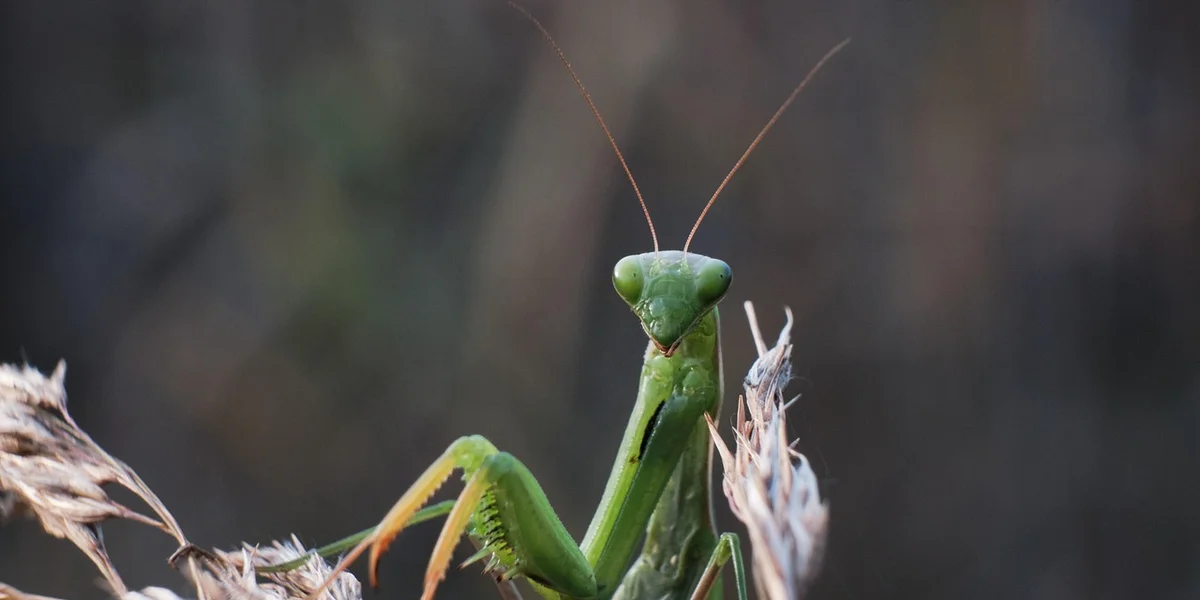
Watch for subtle shifts in how your mantis moves and reacts after exposure to cleaner fumes. You might notice increased grooming, where they rub their antennae or legs repeatedly against surfaces. Early signs often include restlessness, like pacing the enclosure or flicking limbs as if brushing off an irritant. In my time with Luna, my Ghost Mantis, she’d tilt her head and shift uneasily when something bothered her, a quiet signal to check her surroundings.
Look for changes in feeding habits or posture. A mantis that usually stands tall might hunch or avoid perching spots near the contaminated area. These behavioral tweaks are your first clues that something is amiss, so note them down for tracking.
- Excessive grooming or rubbing of body parts
- Restlessness or unusual pacing in the enclosure
- Reduced interest in food or prey items
- Hunched posture or avoidance of certain areas
When Symptoms Escalate: Lethargy and Drying
If early signs go unaddressed, your mantis may show more concerning symptoms like lethargy. They might sit motionless for hours, barely responding to gentle nudges or food offerings. Lethargy often pairs with visible drying, where the exoskeleton loses its supple sheen and appears slightly wrinkled or dull. I recall Moss, my Giant Asian Mantis, once grew still and his vibrant green faded after a mishap; it was a clear call for immediate care.
Monitor for labored breathing or a lack of coordination, which can indicate respiratory distress from chemical irritation. Escalated symptoms require swift action to prevent further harm, so stay vigilant and ready to adjust care.
- Prolonged stillness or lack of movement
- Dry, wrinkled appearance on the body
- Weak responses to stimuli or feeding attempts
- Shallow breathing or unsteady movements
Post-Exposure Care and Home Monitoring
Gentle Hydration and Environmental Adjustments
Begin by gently hydrating your mantis to counteract drying effects. Use a fine mist sprayer with lukewarm, dechlorinated water, aiming lightly around the enclosure rather than directly at your pet. Misting once or twice daily can help restore humidity without overwhelming your mantis, much like a soft dew settling on leaves. For Sprig, my Orchid Mantis, I’d mist early mornings to mimic natural humidity spikes, and she’d slowly regain her perkiness.
Adjust the environment to support recovery. Increase enclosure humidity to 60-70% by adding a damp paper towel or small water dish, and ensure temperatures stay between 22-26°C. Proper ventilation is key to disperse any residual fumes, so crack a window or use a small fan on low setting nearby.
- Mist the enclosure gently with clean water to boost humidity.
- Place a damp sponge or towel inside to maintain moisture levels.
- Check and adjust temperature with a reliable thermometer.
- Ensure good air flow to clear any lingering chemicals.
Daily Checks for Recovery Progress
Set up a simple daily routine to track your mantis’s health. Each morning, observe their activity, appetite, and hydration signs like plumpness in the abdomen. Daily checks help you spot small improvements, such as renewed interest in food or more alert posturing, which signal healing. Keep a notebook to jot down changes; when Luna started hunting again after two days, I knew she was on the mend.
Look for consistent patterns over time, like steady movement or normal molting behaviors if they’re due. Recovery often happens in subtle steps, so patience and regular monitoring are your best tools for a full bounce-back.
- Note activity levels and any return to normal behaviors
- Check for feeding responses and water intake
- Monitor body condition for signs of rehydration
- Watch for molting readiness, as stress can delay it
When to Seek Professional Help for Mantis Poisoning
Identifying Critical Signs That Need Vet Attention
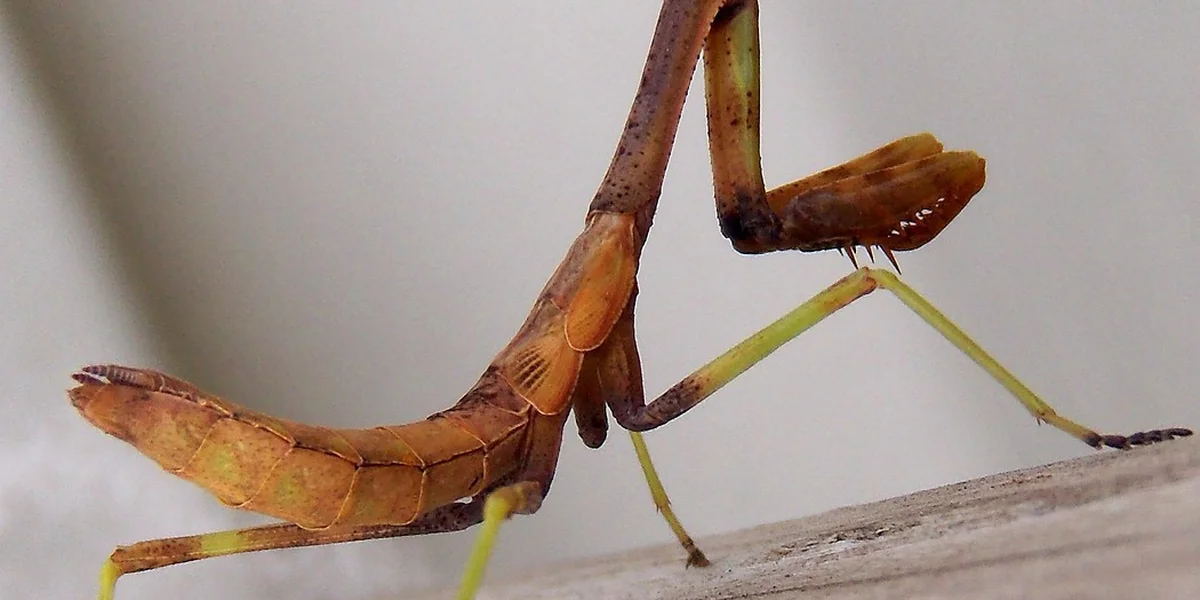
If your mantis shows sudden, severe symptoms after chemical exposure, it might need a vet’s care right away. Watch for persistent lethargy where your mantis stays still for hours, refusing to move even when gently nudged-this isn’t normal resting behavior. Look for tremors or uncontrolled twitching in the legs or body, which can signal nerve damage from toxins.
Other red flags include loss of appetite for more than a day, unusual discoloration on the exoskeleton, or difficulty molting where the old skin doesn’t shed properly. If your mantis struggles to grip surfaces or falls repeatedly, it’s a sign of muscle weakness that warrants professional evaluation. We’ve seen this with Moss, our Giant Asian Mantis, who once became sluggish after a nearby spray incident-quick action made all the difference.
- Labored breathing or audible clicking sounds from the thorax
- Vomiting or regurgitation of food
- Sudden loss of coordination, like stumbling or circling
Contact an exotic pet vet immediately if any of these signs appear, as delays can worsen the outcome. Always have a vet’s number handy, and describe the cleaner type and exposure details for accurate advice.
Decontaminating the Mantis Habitat Safely
Step 1: Remove and Replace Substrate and Decor
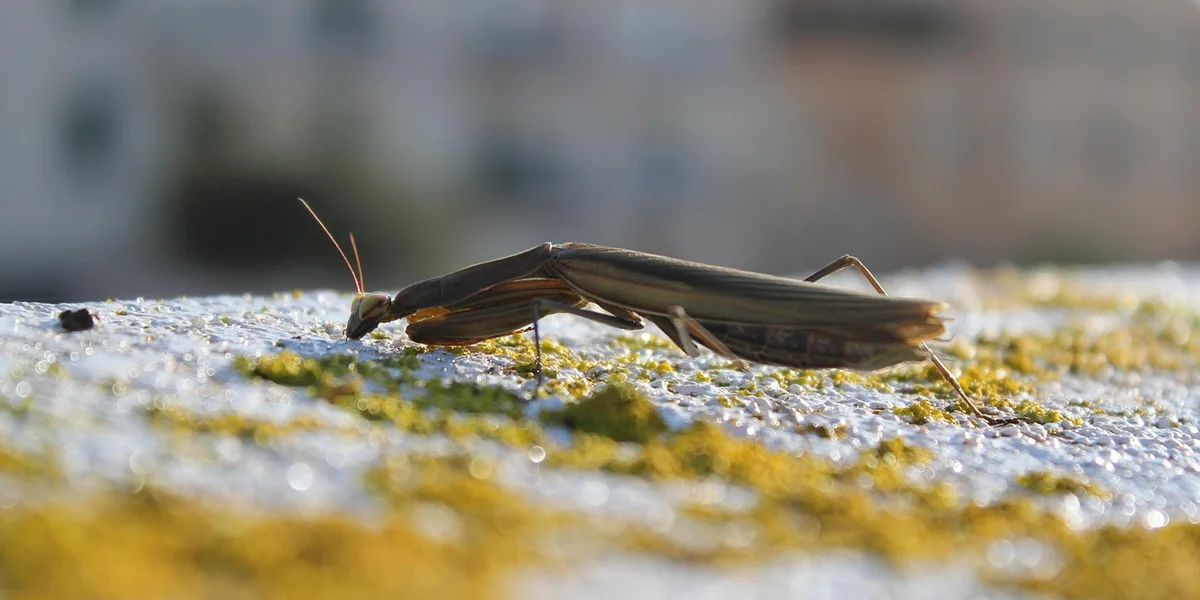
Start by gently relocating your mantis to a temporary, clean container with air holes, like a large mason jar lined with a damp paper towel. Carefully scoop out all old substrate-whether it’s coconut fibre or soil-and dispose of it outdoors to prevent recontamination. These steps are part of a safe remove and relocate guide for praying mantises. Follow a clear, step-by-step process to relocate them with minimal stress. Remove any decor, such as twigs or fake plants, and set them aside for cleaning.
Inspect the enclosure for residue, and use a soft brush to loosen debris. Replace with fresh, chemical-free substrate, lightly misting it to maintain humidity without over-wetting. We often use organic potting mix for Sprig, our Orchid Mantis, as it holds moisture well and feels earthy underfoot.
- Wear gloves to protect your hands from any residual chemicals.
- Rinse new decor in warm water before placing it back.
- Allow the habitat to air out for a few minutes before reintroducing your mantis.
Step 2: Wipe Down Surfaces with Water-Based Solutions
Mix a simple solution of equal parts distilled water and white vinegar in a spray bottle-it’s gentle and effective for breaking down residues. Lightly spray the enclosure’s interior surfaces, then wipe with a soft, lint-free cloth in circular motions to avoid streaks. Avoid harsh scrubbing, as scratches can trap chemicals.
Rinse thoroughly with clean water to remove any vinegar scent, and pat dry with a towel. For stubborn spots, a dab of baking soda paste can help lift grime without risking your mantis’s health. We’ve found that a quick wipe-down keeps Luna’s habitat smelling fresh and safe, much like a dew-kissed leaf in the morning.
- Use separate cloths for cleaning to prevent cross-contamination.
- Check for hidden corners where cleaner might pool.
- Let the enclosure dry completely to avoid mold growth.
Preventing Future Accidents with Smart Cleaning Choices
Opting for Mantis-Friendly Cleaning Products
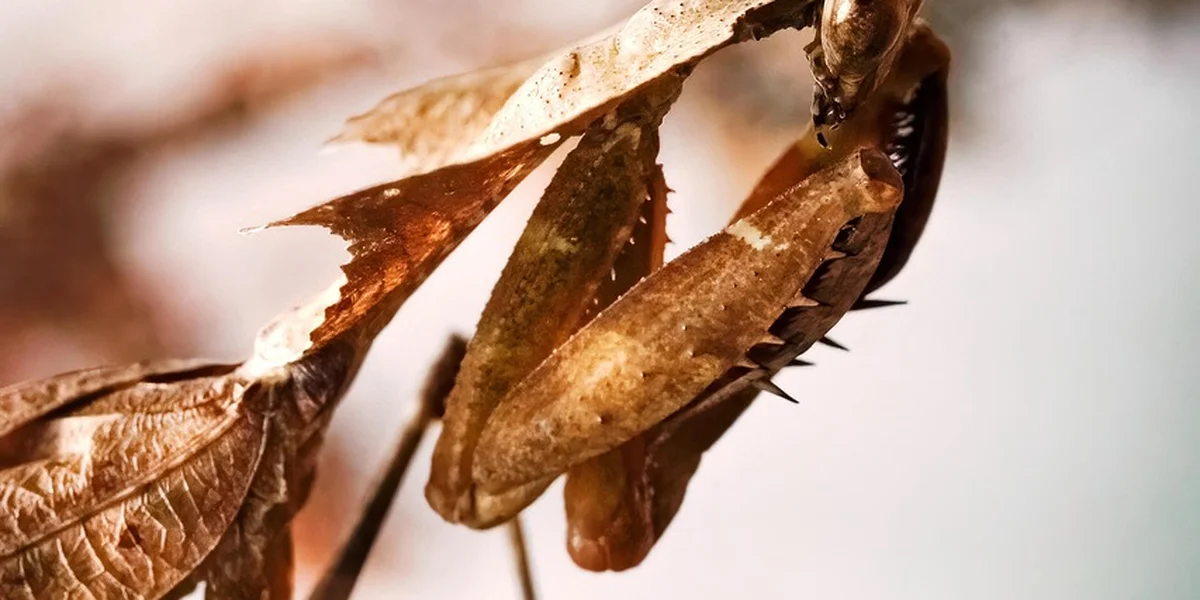
When you reach for a cleaner near your mantis habitat, think of it as choosing a gentle breeze over a chemical storm-your mantis breathes through tiny openings called spiracles, and harsh fumes can overwhelm their delicate systems. Stick to plain water, diluted white vinegar, or specialised pet-safe sprays that list all ingredients clearly, avoiding anything with alcohols, bleaches, or synthetic fragrances. With my Ghost Mantis Luna, I’ve found that a simple mix of one part vinegar to three parts water wiped on surfaces with a soft cloth leaves her home sparkling without any risky residues.
- Water-based misting: Ideal for daily humidity boosts and light cleaning; it mimics natural dew and won’t irritate your mantis.
- Vinegar solutions: Effective for removing mineral deposits or mould; always rinse thoroughly and air-dry before reintroducing your mantis.
- Pet-safe commercial cleaners: Look for plant-based, non-toxic formulas labelled for reptiles or insects, and test a small area first to ensure no adverse reactions.
We often forget that many household cleaners release volatile organic compounds that linger in the air, much like an invisible fog that can stress or harm a perched mantis. By switching to natural options, you create a safer environment that supports your mantis’s health and reduces the chance of respiratory issues. For instance, Moss, my Giant Asian Mantis, perches contentedly when I use warm water for routine wipes-it’s a small change that makes a big difference in his comfort. It’s always crucial to avoid harmful chemicals like pesticides and bug sprays around your praying mantis.
Routine Habitat Maintenance Without Risks
Keeping your mantis enclosure clean doesn’t have to involve risky sprays; instead, adopt a gentle, step-by-step approach that prioritises your pet’s safety. Start by relocating your mantis to a temporary secure container, like a ventilated jar with a soft leaf, before any cleaning begins to prevent accidental exposure. This simple habit ensures they stay calm and undisturbed while you work, much like how I handle Sprig, my Orchid Mantis, during her habitat refreshes—she remains poised and unbothered in her holding space. Knowing the right way to clean your mantis’s enclosure is crucial for their well-being.
- Remove your mantis gently: Use a soft brush or your hand to guide them into a temporary container with airflow and a familiar perch.
- Wipe surfaces with safe solutions: Dampen a cloth with water or diluted vinegar, scrubbing away debris without soaking the enclosure.
- Rinse and dry completely: Ensure no cleaner residue remains by wiping with a water-dampened cloth, then let the habitat air-dry fully to avoid mould.
- Reintroduce your mantis: Place them back once everything is dry and at room temperature, watching for any signs of stress like rapid movement or refusal to eat.
Regular upkeep, such as spot-cleaning leftover prey or replacing substrate every few weeks, helps maintain a healthy habitat without the need for intensive cleaning. Establishing a weekly routine of visual checks and light wiping keeps the enclosure fresh and reduces the buildup that might tempt you to reach for stronger products. We’ve noticed that a consistent schedule not only prevents accidents but also lets you bond with your mantis through calm, predictable interactions.
Common Mantis Queries
Is it necessary to quarantine my mantis after chemical exposure?
Quarantining your mantis in a separate, clean enclosure helps monitor its health without interference from the main habitat. This step allows for focused observation and reduces stress during recovery. To safely transfer a stressed mantis between enclosures, use a clean transfer container and gentle, minimal handling. Prepare both enclosures in advance and minimize transfer time to reduce stress.
Can I use essential oils as natural cleaners near my mantis?
Essential oils should be avoided as they can be toxic and cause respiratory issues in mantises due to their concentrated scents. Opt for safer alternatives like plain water or diluted vinegar to clean surfaces.
How do I know if the cleaner has permanently damaged my mantis’s health?
Permanent damage is uncommon with quick action, but persistent symptoms like ongoing lethargy may indicate long-term effects. Seek advice from an exotic pet vet for a thorough evaluation and care plan.
Keeping Your Mantis Safe
If you accidentally spray cleaner nearby, your first priority is to move your mantis to a temporary, clean container and thoroughly ventilate its main home. Always monitor your mantis closely for any changes in behaviour or appetite over the next few days.
Mistakes happen, but they remind us to be mindful and create a safe space for our delicate pets. Continuing to learn about their specific needs is one of the most rewarding parts of being a mantis keeper.
Further Reading & Sources
- How to Care for a Pet Praying Mantis – PetHelpful
- Taking care of your pet praying mantis | Keeping Insects
- How to Take Care of a Praying Mantis (with Pictures) – wikiHow
- How to Care for your Praying Mantis Pets | PanTerra Pets
Rowan Hale is a lifelong insect enthusiast who fell in love with mantises for their calm presence, alien elegance, and surprising personalities. After years of keeping and raising a variety of species, Rowan shares practical tips, creative insights, and real-world experience to help others enjoy the quiet magic of mantis care. From setting up the perfect enclosure to understanding their subtle behaviors, Rowan invites readers into a gentle, curious world where every tiny movement feels like a discovery.
Treatment Options