
Avoid These 6 Mistakes When Handling Your Praying Mantis
Published on: January 16, 2026 | Last Updated: January 16, 2026
Written By: Rowan Hale
Hello fellow mantis friend,
Have you ever watched a praying mantis cling to your finger with quiet grace, only to feel a twinge of uncertainty about whether you’re doing it right?
Keeping your mantis safe and comfortable boils down to dodging six common handling blunders that many new owners stumble into.
Handling these delicate insects isn’t as straightforward as it looks; their fragile bodies and keen senses demand a gentle, informed touch that respects their natural rhythms.
Here’s a peek at the key areas we’ll explore together:
- Overhandling and causing unnecessary stress
- Using rough or improper gripping techniques
- Missing subtle signs of discomfort or fear
- Handling during sensitive molting periods
- Skipping hand hygiene before contact
- Placing them in risky or unstable environments
Why Gentle Handling Matters for Your Mantis
Gentle handling helps your mantis feel secure and builds a bond of trust over time. This calm approach reduces stress and prevents injuries, making your pet more relaxed during interactions. We’ve found that mantises handled with care are less likely to hide or act defensively, allowing for more peaceful observations. To handle and interact with your praying mantis safely, keep movements slow and steady. Always support the thorax and abdomen, and avoid pinching or squeezing.
Their limbs are incredibly fragile and can easily break if squeezed or mishandled. Falls from even a small height pose a real risk, so always cradle their body softly to avoid accidents. Think of their delicate legs like tiny twigs-they need gentle support to stay intact and healthy.
Observing your mantis closely lets you notice subtle cues about their comfort. By paying attention to their posture and movements, you can create a safe environment that encourages natural behaviour. Essential habitat requirements—such as proper temperature, humidity, enclosure size, and perches—are key to a healthy praying mantis. When these needs are met, your observations reflect true well-being. This mindful care fosters a deeper connection and keeps your mantis content in its home.
Mistake 1: Forcing Your Mantis to Interact
Pushing your mantis to engage when it’s not ready can lead to fear and prolonged stress. Forced handling teaches them to associate you with discomfort, which undermines trust and may cause long-term skittishness. We’ve seen how this approach can make mantises like Sprig, our Orchid Mantis, retreat and avoid contact for days.
Follow these steps for a respectful and patient approach:
- Place your hand near the mantis and wait quietly for it to show interest.
- Allow the mantis to step onto your hand voluntarily without any pressure.
- Move slowly and avoid sudden gestures to keep the experience calm.
Watch for clear signs that your mantis prefers to be left alone:
- Backing away quickly from your approach
- Hissing or producing warning sounds
- Raising forelimbs in a defensive stance
Mistake 2: Picking Up with Bare Hands Incorrectly
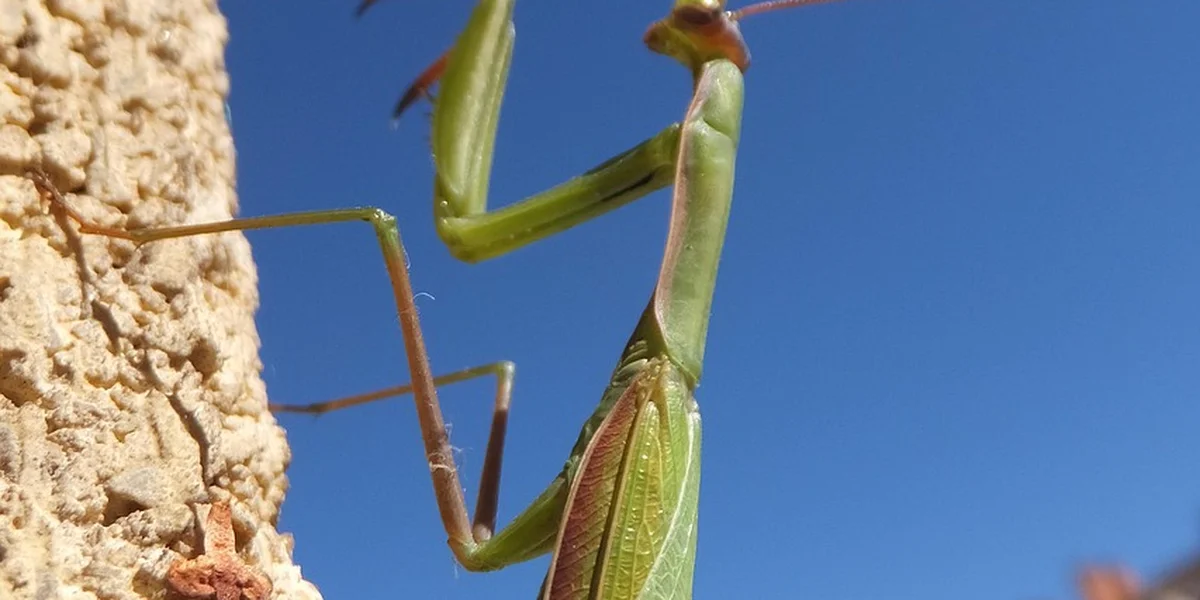
- Rough handling can easily harm your mantis’s delicate body. When you grab them too quickly, they might pinch you or struggle, leading to broken legs or stress. We’ve seen how even a gentle mantis like Luna can react defensively if startled by sudden moves.
- Opt for safe methods like a soft brush or voluntary climbing. Use a small paintbrush to gently guide your mantis onto your hand, or place your palm near them and wait for them to step on willingly. This approach lets them feel secure and in charge of the interaction.
- Slow, gentle movements prevent accidents and build trust. Always approach from the front where they can see you, and avoid any jerky motions. Taking your time helps your mantis relax, much like how Moss prefers a calm hand to explore from.
Mistake 3: Ignoring Your Mantis’s Stress Signals
- Watch for common stress cues like rapid movement or color shifts. If your mantis scurries away frantically, darkens in colour, or refuses food, it’s likely feeling overwhelmed. We notice Sprig turns a paler pink when stressed, a subtle hint to give her space.
- Learn to read their body language for safer interactions. A mantis holding its arms in a defensive pose or vibrating slightly is asking for a break. Interpreting these signs means you only handle them when they’re calm and receptive.
- Stress often ties back to enclosure conditions like temperature or humidity. If the air feels too dry or the heat lamp is too intense, your mantis may become irritable. Check that their habitat mimics a comfortable, humid environment to reduce handling-related anxiety.
Mistake 4: Using Unsafe Tools or Equipment
Many new keepers reach for whatever is handy, but the wrong tools can turn a gentle interaction into a risky moment. Sharp objects like metal tweezers or pointed sticks may seem useful for guiding your mantis, but they can easily puncture their fragile exoskeletons or cause panic. Dirty containers or unwashed hands introduce harmful bacteria that might lead to infections, especially if your mantis has any small cuts from molting.
- Avoid items with rough edges, such as old jars with chips or hard plastic tongs that could squeeze too tightly.
- Steer clear of anything that hasn’t been cleaned recently, as residues from chemicals or previous feedings can irritate your mantis’s skin.
Instead, opt for tools that mimic the softness and safety of their natural environment. Clean, soft brushes-like a small paintbrush for art-allow you to gently nudge your mantis without causing stress or harm. Handled perches, such as a smooth wooden dowel or a branch with a comfortable grip, give your mantis a stable place to climb onto your hand, reducing the chance of sudden falls.
- Choose brushes with natural bristles that feel light against their legs, encouraging calm movement.
- Use perches with textured surfaces for better footing, which helps prevent slips that could lead to leg injuries or shell damage.
By selecting the right equipment, you create a safer handling experience that minimizes fall risks and keeps your mantis secure. This careful approach not only prevents physical injuries but also builds trust, as your mantis learns to associate your presence with comfort rather than danger. I’ve found that Moss, my Giant Asian Mantis, responds much better to a soft brush than any quick hand movements, making our sessions peaceful and predictable.
Mistake 5: Overhandling and Causing Fatigue
It’s tempting to hold your mantis often, but too much handling can lead to stress, exhaustion, and even health problems like reduced appetite or a weakened immune system. Frequent interruptions disrupt their natural behaviors, such as hunting or resting, which are vital for their well-being. Just like us, mantises need quiet time to recharge, and overhandling can leave them feeling overwhelmed and less active.
Adjust how often you handle based on your mantis’s age and species to keep them healthy and happy. Younger mantises, or nymphs, can generally tolerate short sessions a few times a week, as they’re more adaptable and curious. Adults, especially larger species, may prefer less frequent interaction-once a week or even less-to avoid unnecessary strain. For delicate types like Orchid Mantises, limit handling to avoid startling their sensitive nature.
- Nymphs (young mantises): Handle 2-3 times per week for brief periods.
- Adult mantises: Once a week or less, depending on their activity level.
- Species like Ghost Mantises: Handle sparingly due to their calm, slow-moving temperament.
Keep sessions short and positive to build your mantis’s confidence without overwhelming them. Aim for 5-10 minutes at a time, always ending on a calm note, such as letting them climb back into their enclosure on their own. Use gentle movements and avoid sudden changes in light or sound to create a reassuring atmosphere. With Sprig, my Orchid Mantis, I’ve learned that quick, quiet sessions help her feel secure, and she’s more likely to explore willingly next time.
Mistake 6: Neglecting Health Checks Before Handling
We often get excited to interact with our mantises, but skipping a quick health check can lead to unnecessary stress or harm. Taking a moment to assess your mantis’s condition ensures both of you have a calm, safe experience together. It’s especially important to recognize signs of stress in your pet.
- Before handling, gently observe for molting signs like a dull exoskeleton, reduced movement, or hanging upside down-these mean your mantis is preparing to shed and should be left undisturbed. Injuries such as torn limbs or unusual spots need attention first, and any lethargy or lack of appetite could signal illness that handling might worsen.
- Check if your mantis is well-hydrated and recently fed; a dehydrated or hungry mantis is more vulnerable and prone to stress. Handling during these times can disrupt their natural rhythms and increase the risk of falls or agitation.
- A healthy mantis handles more smoothly and shows less stress, making interactions pleasant for both of you. By linking health checks to handling, we build trust and reduce the chance of accidents.
Step-by-Step Guide to Safe Mantis Handling

Handling your mantis can feel like a gentle dance-slow, deliberate movements keep everyone comfortable. Following these steps helps you connect with your mantis while respecting its boundaries and safety. For more detailed guidance, check out our complete handling and behavior guide.
- Approach your mantis slowly from the front, allowing it to see you with its large eyes; this prevents startling it and encourages curiosity rather than fear.
- Offer your hand or a soft tool like a paintbrush for climbing-never grab or pinch, as this can damage delicate legs or wings. Let your mantis choose to step onto you, turning handling into a voluntary interaction.
- Keep sessions short, around five to ten minutes, and end immediately if you notice stress signs like frantic movement, hissing, or attempts to flee. Brief, positive encounters build confidence over time without overwhelming your mantis.
- Return your mantis to its enclosure by gently lowering it onto a familiar perch, minimizing the risk of falls that could cause injury. A smooth return helps your mantis feel secure and ready to settle back in.
Creating a Handling-Friendly Environment
Setting up your mantis enclosure thoughtfully makes a world of difference when it comes to handling. A well-designed habitat helps your mantis feel secure, which means they are more likely to stay calm and cooperative during interactions. Start with sturdy, natural branches or twigs that offer stable perches at varying heights; these give your mantis confident footing and mimic their wild climbing habits. Make sure to follow guidelines on how to create a naturalistic and safe habitat for your praying mantis to ensure their enclosure is both comfortable and secure.
Proper humidity from gentle misting is another key factor. Lightly mist the enclosure walls and foliage once or twice a day to maintain that soft, dewy atmosphere mantises adore. My Ghost Mantis, Luna, perks up when the air feels moist-her delicate frills seem to shimmer, and she moves with a quiet readiness that tells me she is content.
- Choose perches that are broad and textured, like untreated oak or bamboo, to prevent slipping.
- Mist with lukewarm water in the early morning or evening to replicate natural dew cycles.
- Avoid over-misting, which can lead to mould; aim for humidity levels around 60-70% for most species.
Regular cleaning and ample space play a huge role in your mantis’s comfort, especially when you need to move them. Regular cleaning is part of maintaining your praying mantis habitat. Consistent upkeep helps prevent odors and keeps your mantis healthy. A clutter-free enclosure with fresh substrate reduces stress and makes it easier to guide your mantis onto your hand without startling them. Remove uneaten prey and waste promptly to keep the environment hygienic and odour-free.
Give your mantis room to explore and retreat. An enclosure that is too cramped can make your mantis feel trapped, leading to skittish behaviour during handling. For my Giant Asian Mantis, Moss, I noticed he became much more relaxed after I upgraded his home to a taller terrarium with multiple hiding spots; now he often greets me with a curious tilt of his head.
When all these elements align, handling becomes a breeze. Your mantis will associate your presence with comfort, not chaos, making each interaction a peaceful moment for both of you. A calm environment encourages natural behaviours, like gentle grooming or slow exploration, which are signs of a happy, handling-ready mantis.
When to Consult an Experienced Keeper or Vet
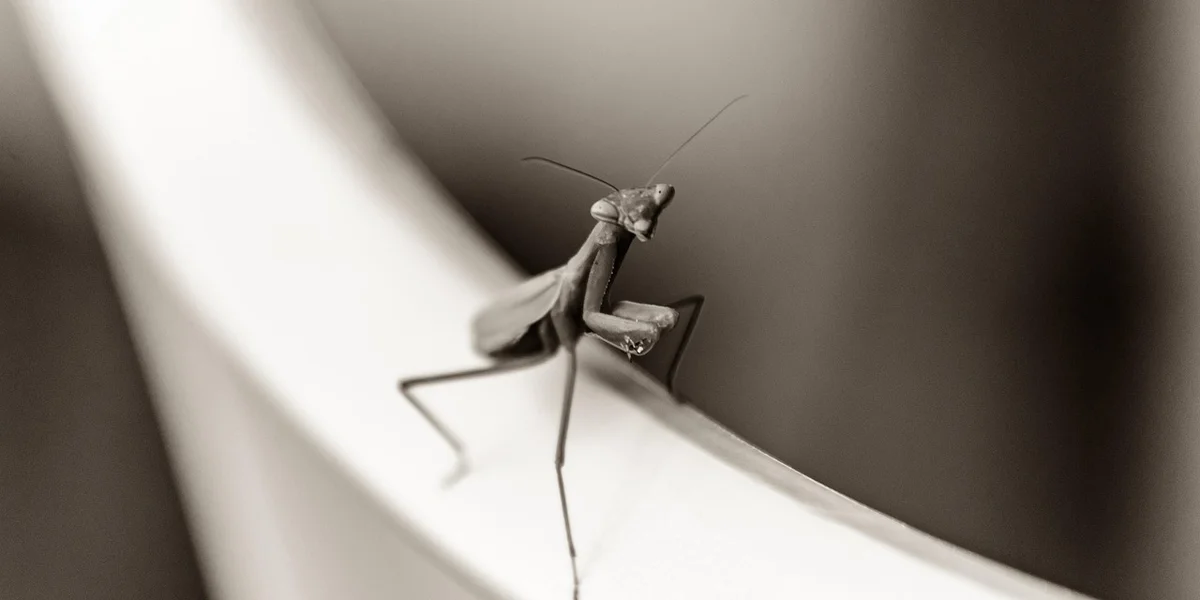
Even with the best care, there are times when seeking outside help is the wisest move. If your mantis shows unusual behaviour, such as refusing food for more than a few days or acting lethargic, it is a signal to reach out for advice. These changes can indicate underlying health issues that affect how safely you can handle them.
- Watch for persistent stress signs: constant hiding, frantic movements, or colour changes that do not match their typical molting cycle.
- Injuries like a bent limb or difficulty molting require prompt attention to prevent further harm.
- Sudden aggression or lack of coordination might point to environmental or dietary problems.
Do not hesitate to consult a keeper with years of experience or a vet specialising in invertebrates. They can offer tailored guidance on handling techniques that account for your mantis’s specific health needs. When my Orchid Mantis, Sprig, had a minor leg injury, a quick chat with a seasoned keeper helped me adjust her enclosure and handling routine to support her recovery.
Asking for help is a strength, not a weakness. Expert input not only resolves immediate concerns but also builds your confidence as a caretaker, ensuring your mantis thrives in the long run. Many online forums and local clubs have friendly communities ready to share insights-we have all been beginners at some point.
Questions from Fellow Mantis Friends
What is the most common mistake in praying mantis handling?
One frequent error is forgetting to wash your hands before handling your mantis. Residues from lotions, food, or other chemicals can be toxic or make their footing unstable.
What is a praying mantis commonly mistaken for?
A praying mantis is often mistaken for a stick insect due to its elongated body and camouflaging behavior. However, mantises have distinct, large raptorial forelegs designed for catching prey, unlike the uniformly thin legs of stick insects. These two insects are often confused, but they aren’t the same. This article explains the key differences between stick bugs and praying mantises.
What does it mean when a praying mantis is mistaken for something else?
This confusion often highlights the mantis’s incredible adaptation for camouflage as a natural survival strategy. It signifies how well they have evolved to blend into their environment to avoid predators and ambush prey. Researchers also explore how color and pattern contribute to camouflage and mimicry as survival strategies. By matching their surroundings—leaves, bark, or flowers—mantises can evade detection and increase their chances to ambush prey.
Gentle Handling for a Happy Mantis
Always handle your mantis with slow, careful movements and provide full body support to prevent falls or stress. For a hand-tame, skittish mantis, let it approach your hand at its own pace and keep sessions brief to build trust. Avoiding common errors like overhandling or disturbing during molting keeps your pet safe and content.
We believe responsible mantis ownership means continually observing and adapting to your pet’s unique needs and behaviours. Deepen your care skills by exploring trusted resources and sharing experiences with fellow enthusiasts.
Further Reading & Sources
- How to Take Care of a Praying Mantis (with Pictures) – wikiHow
- Handling – mantis monarch
- Praying Mantises: More Deadly Than We Knew – The New York Times
- r/mantids on Reddit: Why Mantis Die In Captivity – The Biggest Mistakes Beginner Keepers Make
Rowan Hale is a lifelong insect enthusiast who fell in love with mantises for their calm presence, alien elegance, and surprising personalities. After years of keeping and raising a variety of species, Rowan shares practical tips, creative insights, and real-world experience to help others enjoy the quiet magic of mantis care. From setting up the perfect enclosure to understanding their subtle behaviors, Rowan invites readers into a gentle, curious world where every tiny movement feels like a discovery.
First-Time Mantis Owners