
Clean-Up Crew in a Mantis Enclosure: The Complete Guide
Published on: February 10, 2026 | Last Updated: February 10, 2026
Written By: Rowan Hale
Hello fellow mantis friend. Have you ever peered into your mantis’s home and wondered if there was a simpler way to keep it fresh, a little team of helpers to handle the tidying?
Adding a clean-up crew to your mantis enclosure is a nuanced choice; it offers significant benefits for enclosure hygiene but introduces potential risks that require careful management.
The decision isn’t a simple yes or no, as it weaves together the delicate needs of your predatory mantis with the bustling life of detrivores. We’ll walk through every consideration together.
Here are the key points we’ll explore:
- The tangible benefits a clean-up crew provides for your mantis’s habitat.
- The very real risks and challenges these tiny janitors can present.
- How to choose the safest species for your specific setup.
- A straightforward guide to introducing and managing your crew successfully.
What Is a Clean-Up Crew and How Does It Help Your Mantis?
Imagine a tiny team of helpers quietly working in your mantis enclosure, nibbling away at leftover food bits, mould spots, and other debris that can build up over time. A clean-up crew is a small group of harmless invertebrates, like springtails or isopods, that naturally break down waste and keep the habitat fresh without any fuss from you.
These little critters thrive in the same humid, earthy conditions your mantis loves, and they play a vital role in maintaining a balanced ecosystem right inside the enclosure. By consuming organic matter, they prevent mould growth and reduce the risk of harmful bacteria, which means your mantis enjoys a cleaner, healthier living space and meets its essential habitat requirements.
We’ve found that with our ghost mantis, Luna, adding a few springtails made her home feel more vibrant and required far less frequent tidying on our part. This natural approach mimics the wild, where countless tiny organisms work together to keep environments in harmony.
The Bright Side: Key Benefits of a Clean-Up Crew
Introducing a clean-up crew brings several wonderful advantages that make mantis care simpler and more enjoyable. This is especially true when weighing bioactive versus sterile setups. A carefully chosen cleanup crew can support a bioactive enclosure by breaking down waste and detritus, while sterile setups may require careful planning to prevent unwanted organisms. These benefits not only save you time but also create a safer, more natural home for your mantis to thrive in.
- Reduces maintenance chores: A clean-up crew handles small messes like uneaten prey or droppings, so you spend less time cleaning and more time observing your mantis. We noticed with Moss, our giant Asian mantis, that his enclosure stayed fresher for longer, giving us peace of mind.
- Prevents mould and odours: These tiny workers consume mould spores and decaying matter, which keeps the air in the enclosure clean and free from musty smells. This is especially helpful in humid setups, where mould can quickly become a problem without intervention.
- Supports a healthy ecosystem: By breaking down waste, the crew recycles nutrients and maintains soil quality, much like in a forest floor. This balanced environment reduces stress for your mantis and encourages natural behaviours.
- Eco-friendly and low-cost: Using natural cleaners like springtails is a sustainable choice that avoids chemicals, and they’re often inexpensive to acquire and maintain. It’s a simple way to care for your pet while being kind to the planet.
The Shadow Side: Potential Risks and Drawbacks
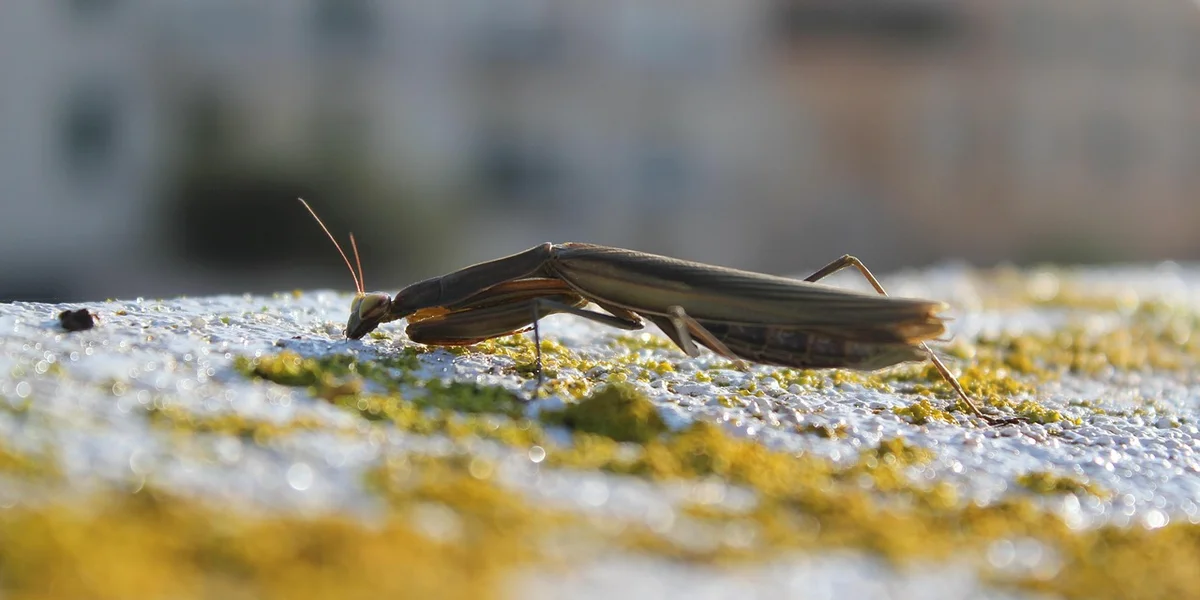
Even the most well-intentioned clean-up crew can bring hidden challenges to your mantis’s world. We’ve found that what seems like a helpful addition can sometimes create more work or stress for both you and your mantis.
Active clean-up crew members, like bustling isopods, might disturb your mantis’s quiet moments. In our enclosures, we’ve noticed mantises like Luna becoming more withdrawn when too many tiny tenants are scurrying about.
- Stress and disturbance: Mantises are solitary hunters who value stillness; a hyperactive crew can make them feel on edge, leading to reduced feeding or hiding.
- Disease and parasites: Introducing outside insects risks bringing in mites or fungi, which could compromise your mantis’s health if not carefully sourced.
- Unintended predation: Some mantises, such as Moss, may view the crew as live prey, but eating them could lead to overconsumption or exposure to harmful residues.
- Overpopulation issues: In humid setups, species like springtails can breed rapidly, overwhelming the space and competing with your mantis for oxygen and resources.
We once had a minor mold outbreak worsen because the clean-up crew couldn’t keep up, reminding us that they’re not a cure-all. Regular monitoring is essential to catch these problems early before they affect your mantis’s well-being. Knowing the signs of a healthy mantis helps you know when to worry.
Is Your Mantis a Good Match for a Clean-Up Crew?
Deciding whether to add a clean-up crew depends on your mantis’s unique personality and environment. We always start by observing how our mantises interact with their surroundings to gauge compatibility. If you plan to keep different mantis species in the same room, you’ll want to assess interspecies compatibility and whether shared space is feasible.
Consider your mantis’s species and age; juveniles and delicate types might find a crew too intrusive. For instance, Sprig, our Orchid Mantis, preferred a sparser setup during molting to avoid any disturbances.
- Assess your mantis’s temperament: Watch for signs of curiosity versus stress when small movements occur; a calm, observant mantis is more likely to adapt.
- Evaluate the enclosure size and conditions: Larger, well-ventilated tanks with stable humidity are better suited for supporting a crew without overcrowding.
- Choose the right crew type: Opt for slower, less intrusive species like certain springtails for nervous mantises, and avoid aggressive cleaners that might nibble on molting skin.
- Monitor initial introductions closely: Add a small number of crew members and watch for changes in your mantis’s behavior over several days to ensure harmony.
From our experience, a trial period helps avoid long-term issues. We’ve learned that matching the crew to your mantis’s needs can turn a potential risk into a beneficial partnership.
Setting Up Your Clean-Up Crew: A Step-by-Step Guide
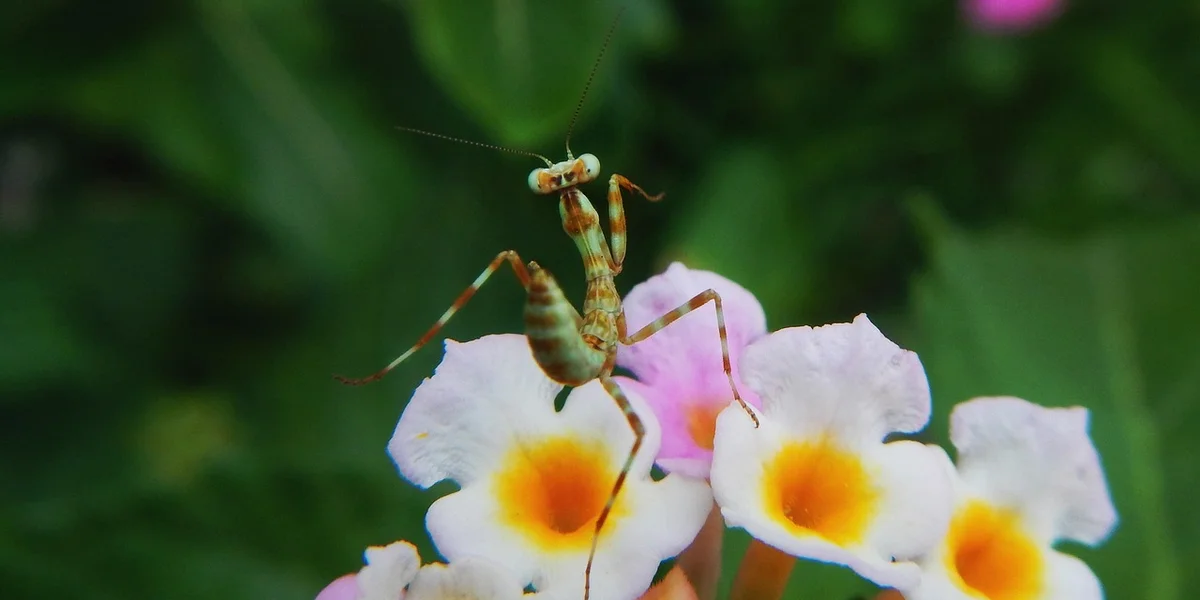
We find that introducing a clean-up crew begins with selecting the right helpers for your mantis home. Springtails and isopods are our top picks because they handle mold and waste without disturbing your mantis. Picture the gentle hum of life in the substrate, tiny workers keeping things fresh and balanced. It’s an essential part of creating a naturalistic and safe habitat for your praying mantis.
- Choose species suited to your enclosure’s humidity and size-springtails thrive in moist setups, while isopods prefer slightly drier spots.
- Prepare the substrate by adding leaf litter and sphagnum moss, which gives the crew hiding places and food sources.
- Gently release the clean-up crew into the enclosure, spreading them evenly to avoid startling your mantis.
- Mist the area lightly to encourage activity, mimicking a soft morning dew in their micro-habitat.
- Observe for a day or two to ensure they settle in and start their cleaning duties.
When we set up Luna’s terrarium, we added a small colony of springtails that quietly managed mold spots. This simple step keeps the environment healthy and reduces your maintenance time. You will notice the earthy scent of a well-tended space, with every element working in harmony.
Managing and Troubleshooting Your Clean-Up Crew
Once your clean-up crew is established, regular checks help them thrive alongside your mantis. Monitor their population weekly to prevent overgrowth, which can compete for resources. We have seen Moss’s enclosure benefit from this balance, with isopods tidying up without overrunning the space.
- If the crew multiplies too quickly, reduce feeding or temporarily remove some individuals to a separate container.
- For underperforming crews, add a bit of fish food or vegetable scraps to boost their activity.
- Watch for any signs of stress in your mantis, such as avoiding certain areas, and adjust the crew size if needed.
- Maintain humidity levels with light misting, as dry conditions can slow down the clean-up process.
In Sprig’s home, a sudden mold outbreak was handled by the springtails after we increased the leaf litter. Keeping a close eye ensures your mantis enjoys a clean, stress-free habitat. The soft rustle of detritivores at work becomes a soothing background to your pet’s daily life.
Common Mantis Queries
Can I use a clean-up crew with any mantis species?
Not all mantis species are suitable for a clean-up crew. More aggressive or highly sensitive species may become stressed or try to prey on the crew. Avoid aggressive species if you want a peaceful environment.
How do I ensure the clean-up crew I introduce is disease-free?
Always purchase clean-up crews from reputable breeders to minimize the risk of parasites. Quarantine new arrivals before adding them to your mantis enclosure to prevent common parasites and diseases.
What is the ideal ratio of clean-up crew to enclosure size?
A small starter colony is sufficient for most standard enclosures. Adjust based on waste levels and crew activity to prevent overpopulation.
Finding Balance in Your Mantis’s Home
Introducing a clean-up crew can ease maintenance and enrich your mantis’s habitat, but it requires thoughtful species selection and regular observation. Regular cleaning and upkeep are essential to maintaining your praying mantis habitat. Always prioritize your mantis’s safety by choosing harmless cleaners and watching for any signs of stress or conflict.
As mantis keepers, we grow by staying curious and open to new care insights that benefit our delicate pets. Embrace the learning process and connect with fellow enthusiasts to deepen your understanding of mantis well-being. For first-time owners, a week-by-week care guide for your first pet mantis can help you navigate the initial days with confidence.
Further Reading & Sources
- r/mantids on Reddit: Mantis enclosure cleaning
- How to Care for your Praying Mantis Pets | PanTerra Pets
- Herps & Inverts | Insects | Mantis Cleaning Frequency
- r/mantids on Reddit: New to mantis ownership (help)
Rowan Hale is a lifelong insect enthusiast who fell in love with mantises for their calm presence, alien elegance, and surprising personalities. After years of keeping and raising a variety of species, Rowan shares practical tips, creative insights, and real-world experience to help others enjoy the quiet magic of mantis care. From setting up the perfect enclosure to understanding their subtle behaviors, Rowan invites readers into a gentle, curious world where every tiny movement feels like a discovery.
Substrate Options