
How to Handle an Aggressive Praying Mantis
Published on: January 31, 2026 | Last Updated: January 31, 2026
Written By: Rowan Hale
Hello, fellow mantis friend. That sudden flare of wings, the sharp strike at the air-it can be startling when your gentle-looking pet transforms into a tiny, armoured gladiator.
Dealing with an aggressive or defensive praying mantis comes down to respecting their boundaries, moving with slow deliberation, and understanding that their behaviour is a form of communication, not malice.
This topic is nuanced because what looks like aggression is often pure fear, and a mantis’s temperament can shift with its species, its life stage, and even the time of day.
Here’s a quick look at what we’ll cover to help you and your mantis feel more at ease:
- How to correctly interpret the classic defensive postures and what they mean.
- Safe, step-by-step techniques for handling a nervous mantis without causing stress.
- Simple adjustments to their home environment that can dramatically reduce defensive behaviour.
Understanding Aggressive and Defensive Mantis Behavior
We often see mantises as calm, statue-like creatures, but they can show bursts of energy that surprise new keepers. Recognizing whether your mantis is acting out of aggression or defense helps you respond with care and avoid stressing them unnecessarily. Think of it like reading the mood of a quiet friend—sometimes they’re just focused, other times they feel threatened and show behavioral signs of stress.
Aggressive vs. Defensive: What’s the Difference?
Aggression in mantises is usually about hunting or claiming space. An aggressive mantis might stalk its prey with slow, deliberate movements, much like my Moss who pounces on crickets with eager precision. Defense, on the other hand, stems from fear-like when a mantis feels cornered during molting or handling.
- Aggressive behavior involves initiating contact, such as lunging at food or rivals.
- Defensive behavior is a reaction, like raising forelegs to shield themselves from perceived danger.
- Aggression often comes with confident postures, while defense includes cowering or trying to appear larger.
We’ve noticed Luna, our Ghost Mantis, turns defensive if we approach too suddenly, her frills trembling like leaves in a breeze. Understanding this difference lets you provide a safer environment, reducing the chance of accidental harm.
Recognizing the Signs of an Aggressive or Defensive Mantis
Spotting these cues early can prevent mishaps and build trust between you and your mantis. Watch for subtle shifts in their stance and movements-it’s like decoding a silent language of legs and antennae. With practice, you’ll sense when they’re relaxed or on edge, just by observing their daily routines.
Body Language Clues to Watch For
Mantises communicate volumes through their posture. An aggressive mantis may hold its forelegs ready to strike, body low and focused, while a defensive one might flatten itself or sway side-to-side to mimic foliage. Sprig, our Orchid Mantis, often fans her petals wide when defensive, blending into her surroundings to avoid notice.
- Raised forelegs with spines exposed signal readiness to attack or defend.
- Rapid antennae twitching can indicate agitation or curiosity.
- Color darkening or lightening might reflect stress levels, especially in species like the Giant Asian Mantis.
- Sudden stillness followed by a lunge is classic hunting aggression.
We’ve learned that gentle handling during these moments keeps everyone calm. By paying attention to these body language hints, you can adjust your approach to make your mantis feel secure and respected.
Common Causes of Aggression in Pet Mantises
Stress and Environmental Triggers
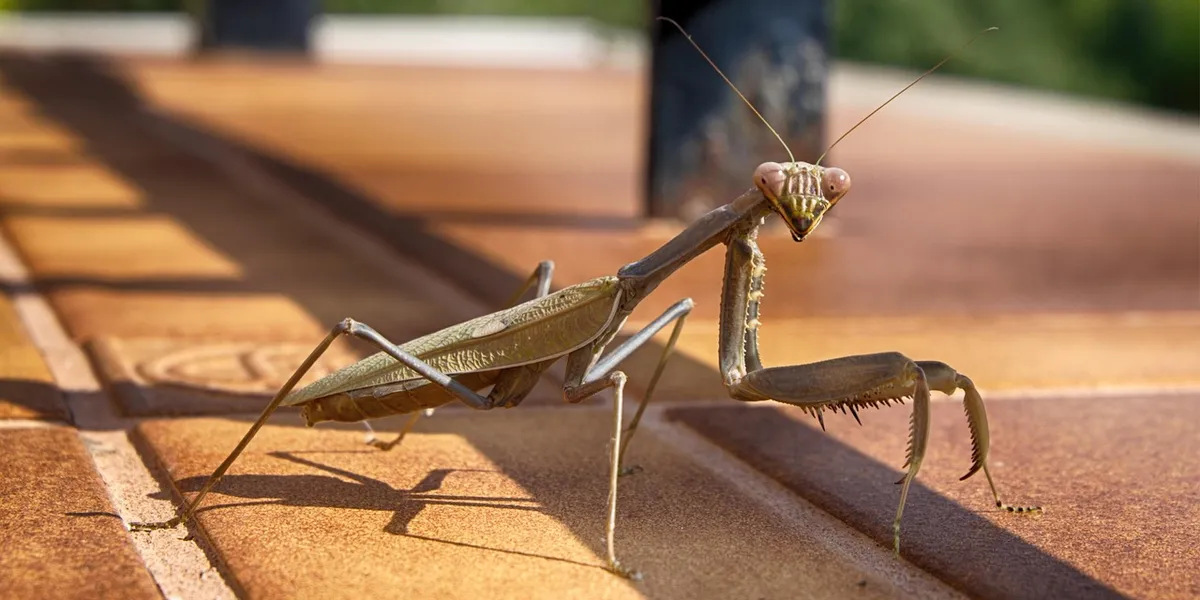
Mantises often show aggression when their surroundings feel unsettling or unsafe. Sudden changes in temperature or humidity can make your mantis feel on edge, much like how we might feel uneasy in a drafty room. For instance, if the enclosure gets too dry, my Ghost Mantis Luna would perk up defensively, her frills quivering as if sensing a storm. Extreme temperatures can be particularly stressful for mantises.
Loud noises or frequent vibrations near their space can startle them into a defensive stance. Think of it as their way of saying, “I need a quiet corner to feel secure.” A mantis that’s molting or has recently shed its skin is especially vulnerable and may lash out to protect its soft new body.
Hunger is another common trigger; a hungry mantis might mistake your fingers for prey. Keeping a regular feeding schedule helps prevent this mix-up and keeps your pet calm. Overcrowding with too many decorations or other insects can also cause stress, so a spacious, simple setup works best.
- Improper humidity levels drying out their skin
- Temperature swings outside their comfort zone
- Loud sounds or sudden movements nearby
- Molting periods when they feel exposed
- Insufficient food leading to heightened alertness
We once noticed Moss, our Giant Asian Mantis, getting snippy when his tank was near a busy hallway. Moving him to a calmer spot made all the difference, turning his feisty mood into a relaxed perch. Paying attention to these subtle cues helps you create a peaceful home for your mantis.
Safe Techniques for Handling an Aggressive Mantis
Step-by-Step Guide to Gentle Relocation
Handling an aggressive mantis requires patience and a soft touch to avoid stress on both sides. Always move slowly and predictably, as quick actions can trigger their defensive instincts. Imagine you’re a gentle breeze rustling leaves-smooth and unhurried.
Start by observing your mantis from a distance to gauge its mood. If it’s rearing up or swaying, give it space and try again later when it’s calmer. Use a soft paintbrush or your hand, but never grab or squeeze; let the mantis decide to step onto you.
- Approach from the side rather than above to avoid seeming like a predator.
- Gently place a stick or your finger near its front legs, allowing it to climb on voluntarily.
- Support its body fully once it’s on your hand to prevent falls or panic.
- Move to the new location steadily, keeping sessions short to reduce anxiety.
- Return it to its enclosure by guiding it back onto a familiar surface.
With Sprig, our shy Orchid Mantis, we found that talking softly while relocating her eased her nerves. This gentle method builds trust over time, turning fearful encounters into peaceful interactions. Remember, forcing handling can lead to bites or escapes, so always prioritise your mantis’s comfort.
After relocation, offer a light misting or a small treat to reinforce positive feelings. Rewarding calm behaviour helps your mantis associate handling with safety rather than threat. Over weeks, you might notice less defensiveness and more curious exploration from your pet.
Preventing Aggressive Behavior in Your Mantis
Creating a Calm and Comfortable Enclosure
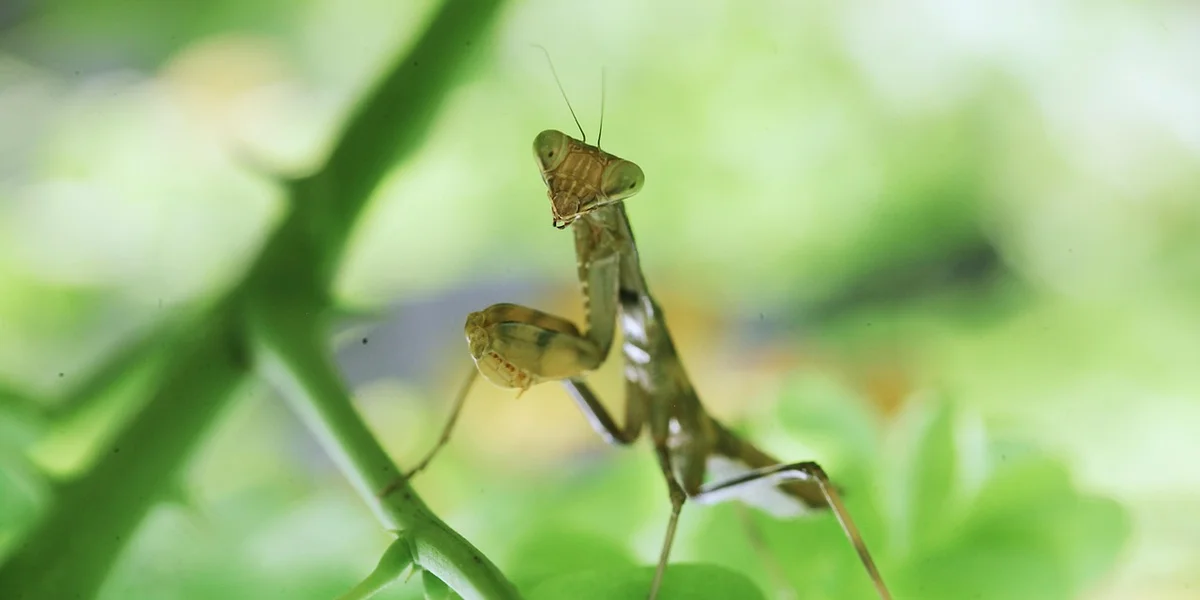
Start by choosing an enclosure that feels like a safe, leafy hideaway rather than a bare box. We recommend a tall, well-ventilated terrarium with plenty of vertical space for climbing and molting. A spacious home reduces stress by letting your mantis move freely without feeling trapped. Doing so helps create a naturalistic safe habitat for your praying mantis, encouraging natural behaviors. Line the bottom with eco-friendly substrate like coconut fiber, which holds moisture and mimics their natural habitat. Add leaves and branches to enhance realism while preserving space for climbing and molting.
Add soft, live or silk plants and twisty branches to create hiding spots and perches. My Ghost Mantis, Luna, often tucks herself into the fronds of a fern, her brown body blending seamlessly into the greenery. These elements provide security and encourage natural, relaxed behaviors like gentle swaying or patient hunting. Avoid overcrowding the space-keep it open enough for easy movement but cluttered enough to feel cozy.
Place the enclosure in a quiet corner away from loud noises, direct sunlight, and vibrations from electronics or foot traffic. Mantises are sensitive to disturbances; even a passing shadow can startle them. Positioning their home in a low-traffic area helps maintain a peaceful atmosphere that discourages defensive reactions. I’ve noticed Moss, my Giant Asian Mantis, stays calmer when his tank is nestled on a stable shelf away from daily hustle.
Maintain consistent humidity and temperature levels tailored to your mantis species. Use a small spray bottle to mist the enclosure lightly each morning, creating a gentle dew that mimics dawn moisture. Regular misting not only hydrates your mantis but also supports healthy molting, which can reduce irritability. Aim for humidity around 60-70% for most species, and keep temperatures between 72-82°F (22-28°C) using a low-wattage heat mat if needed.
Handle your mantis with slow, predictable movements to build trust over time. Offer your hand palm-up and let them step onto you voluntarily. Rushing interactions can trigger defensive postures, so patience is key to fostering a calm relationship. If your mantis raises its arms or sways, give it space and try again later. With Sprig, my Orchid Mantis, I wait until she’s perched quietly before offering a finger to climb.
When to Seek Help from a Mantis Expert
If your mantis shows persistent aggression, like repeatedly striking at the enclosure walls or refusing food for more than a few days, it might signal an underlying issue. Chronic defensive behavior can stem from health problems, improper enclosure conditions, or stress that home adjustments haven’t resolved. Watch for signs like constant hissing, frantic movements, or a hunched posture that doesn’t ease with time.
Consult an expert if you notice physical symptoms paired with aggression, such as discoloration, lethargy, or difficulty molting. These could indicate parasites, infections, or nutritional deficiencies that require specialized care. For example, a mantis struggling to shed its skin might need a humidity boost or veterinary assessment to prevent injury.
Reach out to experienced keepers through online forums, local reptile shops, or invertebrate veterinarians if you’re unsure about your mantis’s behavior. Seeking advice early can prevent minor issues from escalating and ensure your mantis receives the best possible care. Many communities have dedicated mantis enthusiasts who share tips based on years of hands-on experience, often contributing to comprehensive guides like how to care for a pet praying mantis.
Keep a simple journal of your mantis’s behavior and enclosure conditions to share with experts. Note feeding times, temperature fluctuations, and any changes in aggression. Detailed records help pinpoint triggers and make it easier for others to offer targeted solutions. This approach helped me identify that Moss’s restlessness was linked to a drafty spot in the room, which we quickly fixed.
FAQs on Mantis
Are praying mantis aggressive?
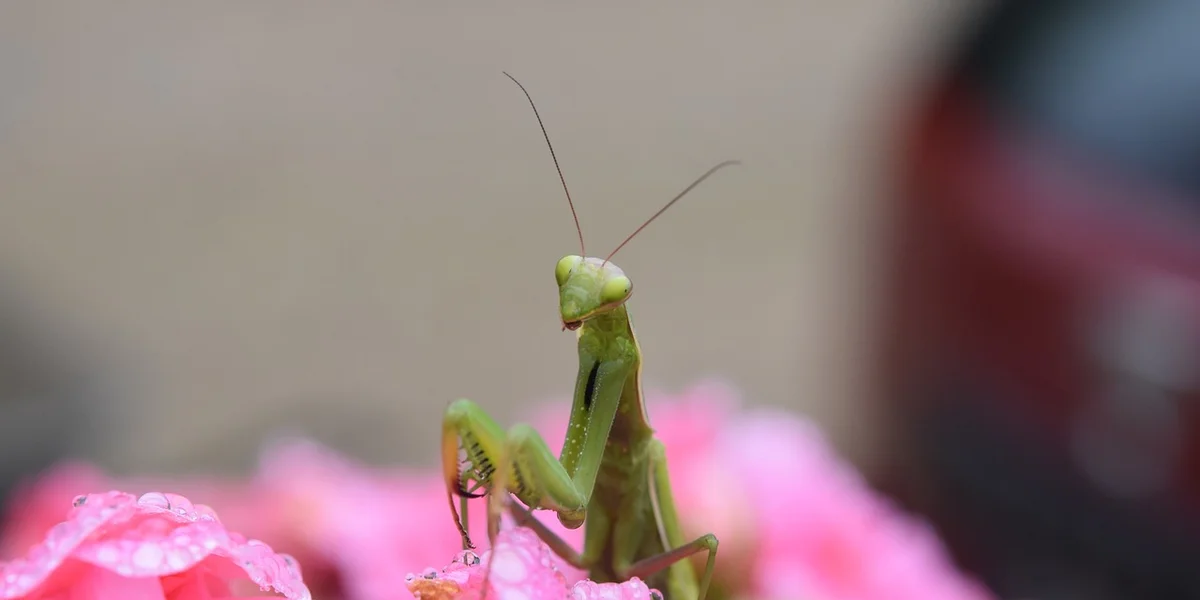
Praying mantises are not typically aggressive by nature; their behavior is often defensive when they feel threatened or stressed. They defend themselves with tactics like camouflage, sudden strikes with their forelegs, or evasive postures. Understanding these defense mechanisms explained helps explain their defensive behavior, even in captivity. In captivity, providing a calm environment can help reduce any signs of aggression.
Is an aggressive praying mantis dangerous?
An aggressive praying mantis is not dangerous to humans, as they lack venom and cannot cause serious injury. However, their defensive postures might startle you, so it’s best to handle them gently to avoid stress.
What happens if an aggressive praying mantis bites?
A bite from a praying mantis is uncommon and usually feels like a slight pinch, with no lasting effects. This behavior is a defensive response, often triggered if they mistake your hand for prey or feel cornered. People often ask whether mantises bite humans and how painful their bites are. In general, mantis bites are rare and feel more like a quick pinprick than a sharp wound, with little to no lasting pain.
Your Calm Companion Awaits
We always recommend moving gently and observing your mantis’s body language to avoid triggering defensive reactions. Creating a secure, enriched habitat reduces stress and helps your mantis feel at ease in your care. Recognizing signs of stress—such as erratic movement, lethargy, or altered appetite—helps you know when to adjust the habitat. Adjusting enclosure factors like space, hiding places, humidity, and temperature can often reduce stress and restore your mantis’s calm.
As mantis keepers, we embrace the responsibility of providing a safe and nurturing environment for these fascinating creatures. Stay curious and connected with fellow enthusiasts to keep growing in your pet care knowledge and skills. For new owners, your first week with a mantis is crucial. Our week-by-week mantis care guide will walk you through setup, feeding, and daily care.
Further Reading & Sources
- Praying Mantis: Predator-Prey Interactions, Fights, and Aggressive Behaviors | Animal Matchup
- r/whatsthisbug on Reddit: A praying mantis? i am scared of them because i don’t know what are their capabilities and what they do. can someone give some info on them?
- Do Praying Mantis Attack Humans? Praying Mantis vs. Humans! | AttackHumans
- How Do Praying Mantis Defend Themselves? – Insects Authority
Rowan Hale is a lifelong insect enthusiast who fell in love with mantises for their calm presence, alien elegance, and surprising personalities. After years of keeping and raising a variety of species, Rowan shares practical tips, creative insights, and real-world experience to help others enjoy the quiet magic of mantis care. From setting up the perfect enclosure to understanding their subtle behaviors, Rowan invites readers into a gentle, curious world where every tiny movement feels like a discovery.
Predatory Threats