
5 Fatal Mistakes That Cause Failed Molts in Praying Mantises
Published on: December 30, 2025 | Last Updated: December 30, 2025
Written By: Rowan Hale
Hello there, mantis friend. Picture this: your mantis hangs upside down, skin beginning to split, poised for that magical transformation-then something goes wrong. The new body hardens before it’s fully free, leaving your mantis trapped in its old shell.
Failed molts almost always trace back to five preventable husbandry errors, and by understanding them, you can dramatically increase your mantis’s chance of a clean, successful shed.
Molting is a breathtakingly complex process. It demands perfect coordination of internal hormones and external conditions. When just one element falters, the entire delicate operation can fail.
Here are the key takeaways we’ll explore:
- Incorrect humidity levels at critical moments
- Handling or disturbing a mantis in pre-molt
- An enclosure lacking proper molting surfaces
- Poor nutrition weakening the mantis beforehand
- Environmental stressors disrupting the molting cycle
Understanding the Molting Process and Its Risks
Molting is when your praying mantis sheds its old exoskeleton to grow larger, much like a snake sloughing off its skin. This natural process leaves them incredibly vulnerable, as they can barely move and are exposed to threats in their environment. We’ve watched our Ghost Mantis, Luna, become still and thoughtful days before her molt, reminding us how delicate this phase is.
The molting journey unfolds in three key stages. Pre-molt begins with subtle changes: your mantis may stop eating, cling tightly to branches, and its skin might appear dull or tight. Shedding is the active phase where the old exoskeleton splits, and the mantis carefully wriggles out. Post-molt recovery involves resting while the new exoskeleton hardens, a time when they’re soft and need peace.
A failed molt isn’t just a setback-it can be deadly. If the old skin doesn’t come off completely, it can trap limbs or constrict breathing, leading to permanent injury or death. Proper care during this window is vital, as a smooth molt ensures your mantis stays healthy and continues to thrive.
Mistake 1: Ignoring Humidity and Hydration Needs
Low humidity is a common culprit behind stuck molts, as it dries out the mantis’s body and makes the exoskeleton rigid. Without enough moisture in the air, the old skin can adhere stubbornly, causing dehydration and fatal complications during shedding. We learned this early with Sprig, our Orchid Mantis, whose delicate petals needed just the right dampness to molt safely.
Watch for these early signs of humidity trouble in your mantis. Lethargy, where they move slowly or stay in one spot for hours, often signals dry conditions. Dry, flaky skin or a refusal to eat are other red flags-your mantis might seem uninterested in prey it usually devours. Dehydration can show up with similar cues. To fix it, boost the enclosure’s humidity and mist regularly, and provide a shallow water source.
To keep humidity optimal, follow these simple steps. Set a misting schedule, lightly spraying the enclosure once or twice daily with warm water to mimic natural dew. These steps help you set up the perfect humidity level for mantis in your praying mantis enclosure. Use a hygrometer to monitor levels, aiming for 50-70% humidity depending on the species. Choose substrates like coconut fiber or sphagnum moss, which hold moisture well and create a gentle, humid microclimate. Keeping the humidity steady supports healthy molts and overall well-being.
Mistake 2: Overlooking Nutritional Health Before Molting
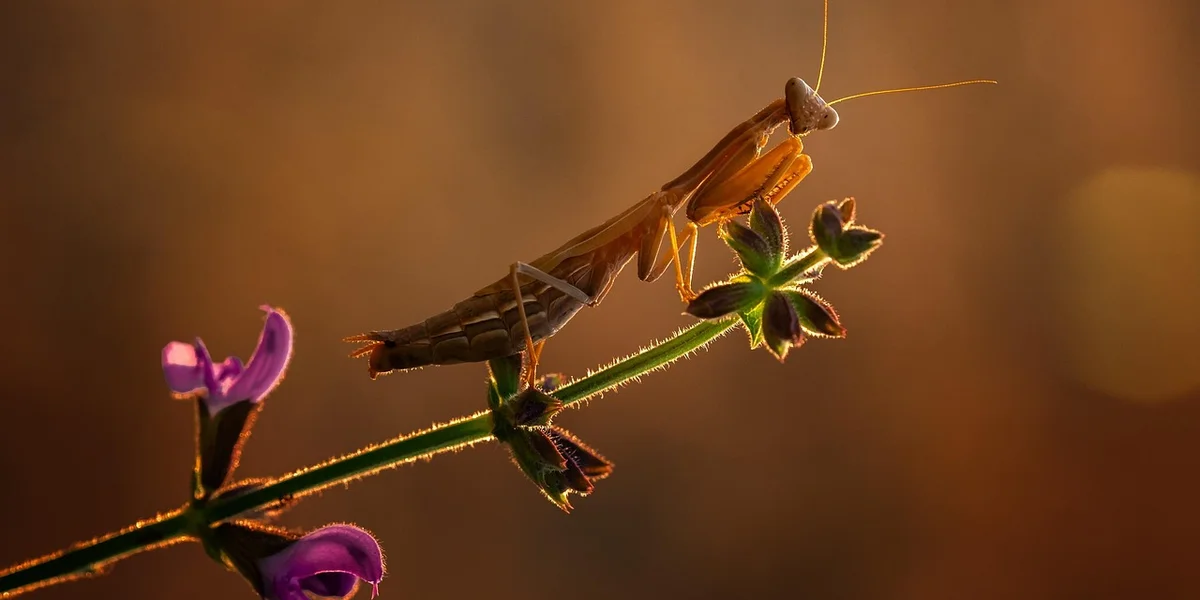
Your mantis builds its new body from the fuel you provide long before the molt begins. Think of pre-molt nutrition as stocking the pantry for a major construction project-without the right materials, the entire structure can fail.
A poorly nourished mantis simply lacks the physical reserves to power through the demanding shedding process. We’ve seen mantises become too weak to fully extract themselves from their old skin, a heartbreaking sight.
Common Feeding Mistakes That Weaken Your Mantis
- Underfeeding: Offering too few insects leaves your mantis with depleted energy stores. A hungry mantis is a weak mantis.
- Wrong Prey Size: Food that is too large can injure your mantis, while prey that is too small provides inadequate nutrition.
- Lack of Variety: Feeding only one type of insect, like crickets, can lead to nutritional gaps. A varied diet is a robust diet.
Your Pre-Molt Feeding Strategy
In the days leading up to a molt, your mantis will likely lose its appetite. Offer appropriately sized, gut-loaded feeder insects like flightless fruit flies for smaller species or roaches for larger ones until it refuses food.
Our Ghost Mantis, Luna, always gives us a clear signal by turning down her favorite black soldier flies about 24 hours before she begins her shed. Stop offering food once this happens to avoid stressing her. A well-fed mantis can comfortably fast through its molt.
Mistake 3: Setting Up an Unsuitable Enclosure
The enclosure is your mantis’s entire world, and a poorly designed one is like asking it to perform a high-wire act without a safety net. Molting is a precarious ballet where every surface and inch of space matters profoundly.
A mismanaged habitat is a primary reason mantises fall during their shed or become trapped, leading to deformities or death.
How Your Enclosure Can Hinder a Successful Molt
- Cramped Spaces: An enclosure that is too short prevents the mantis from hanging freely to complete its shed.
- Smooth Walls: Glass or plastic sides offer no grip for a mantis to right itself if it falls.
- Poor Ventilation: Stagnant, humid air can foster mold and make it difficult for the new exoskeleton to harden properly.
Building the Perfect Molting Habitat
Your goal is to create a secure, vertical environment. An ideal enclosure should be at least three times the mantis’s length in height to provide ample room for the full hanging and stretching molt. Remember that praying mantises vary by species in size and habitat needs. Choose an enclosure that is appropriate for the species you plan to keep.
We always use a fine mesh top, which gives our mantises like Moss a perfect, grippy surface to hang from. Fill the space with an array of twigs, branches, and fake plants arranged at different levels. This creates a network of safe landing spots.
A simple layer of coconut fiber substrate or even paper towel at the bottom adds a slight cushion and helps maintain humidity. By designing the enclosure like a miniature gymnasium, you give your mantis the best possible chance for a flawless performance.
Mistake 4: Causing Stress Through Handling and Disturbance
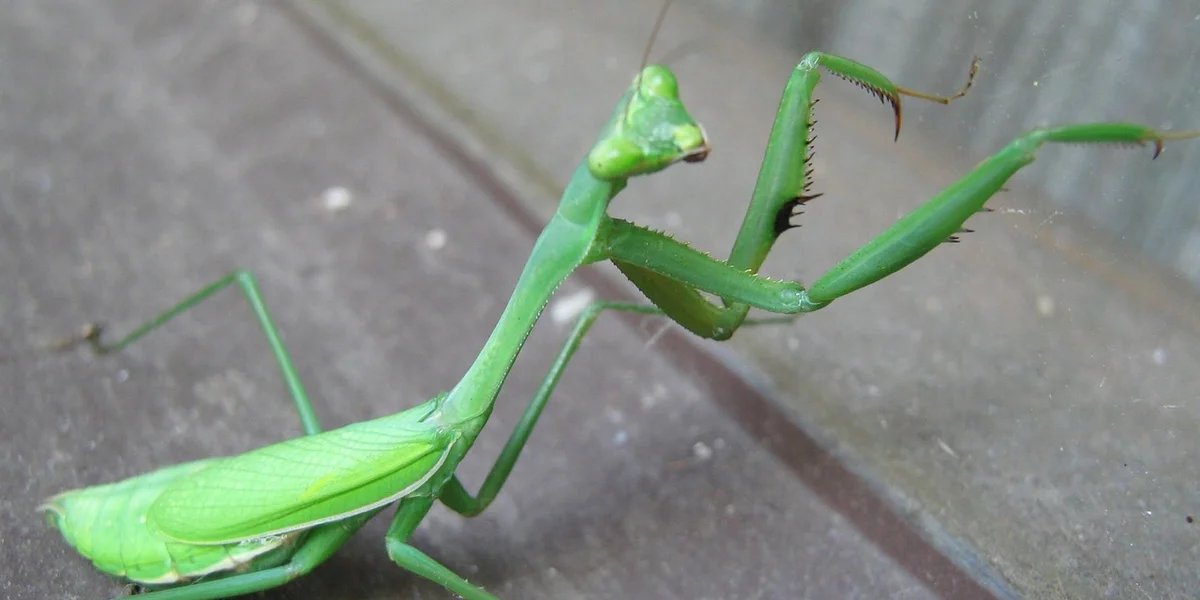
Stress from handling, loud noises, or sudden movements can throw off your mantis’s delicate molting rhythm. Molting demands intense concentration, and even minor disruptions may cause your mantis to halt the process or become trapped in its old skin. Think of it like trying to thread a needle during an earthquake—every shake matters. By recognizing the earliest signs of molting trouble, you can intervene before a molt stalls. Look for unusual stillness, a drop in appetite, or delays in shedding.
Common stressors to steer clear of include:
- Frequent handling, particularly in the days leading up to a molt when your mantis feels most fragile.
- Loud environments with constant sounds or vibrations from electronics or household activity.
- Repeated enclosure changes that unsettle their familiar territory and sense of safety.
To ease stress, choose a quiet corner for the enclosure, away from busy spots like doorways or televisions. During pre-molt, keep interactions to a bare minimum and maintain a calm, consistent routine. With Moss, my Giant Asian Mantis, I noticed he molted flawlessly when his space was undisturbed and hushed.
Mistake 5: Neglecting Health Issues and Parasite Control
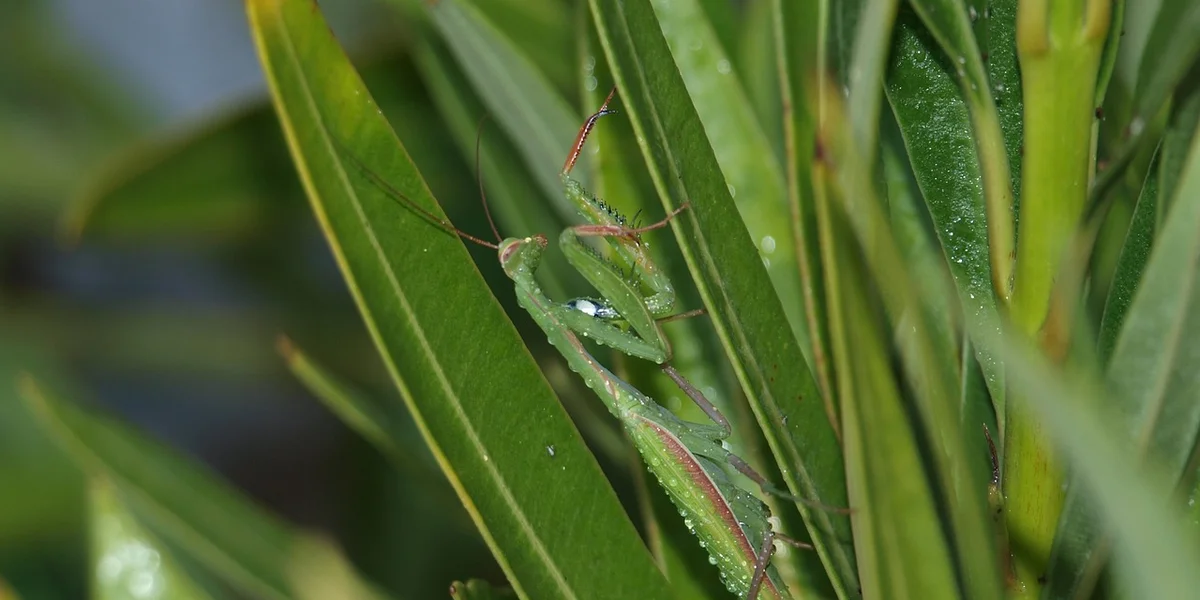
Parasites, infections, or hidden health troubles can turn molting into a life-or-death struggle for your mantis. Weak or ill mantises often lack the vitality to shed properly, increasing the risk of fatal mishaps. Genetic predispositions might add to the challenge, but attentive care can offset many dangers.
Look out for these warning signs of health problems:
- Unusual behavior, such as prolonged stillness, loss of appetite, or erratic movements.
- Discoloration on the body, like dark spots or dullness that wasn’t there before.
- General weakness, including trouble climbing or holding onto surfaces.
Preventing health issues begins with regular visual checks to catch concerns early. Always quarantine new mantises for a week or two before introducing them to your collection to avoid spreading parasites. A simple, step-by-step quarantine protocol helps guide this. Isolate the newcomer in a separate enclosure for 7–14 days, then monitor for signs of illness before reintroducing. Keep habitats clean by removing leftover food and waste promptly, much like I do for Sprig, my Orchid Mantis, whose vibrant colors stay bright in a hygienic home.
How to Prevent Failed Molts: A Step-by-Step Care Guide
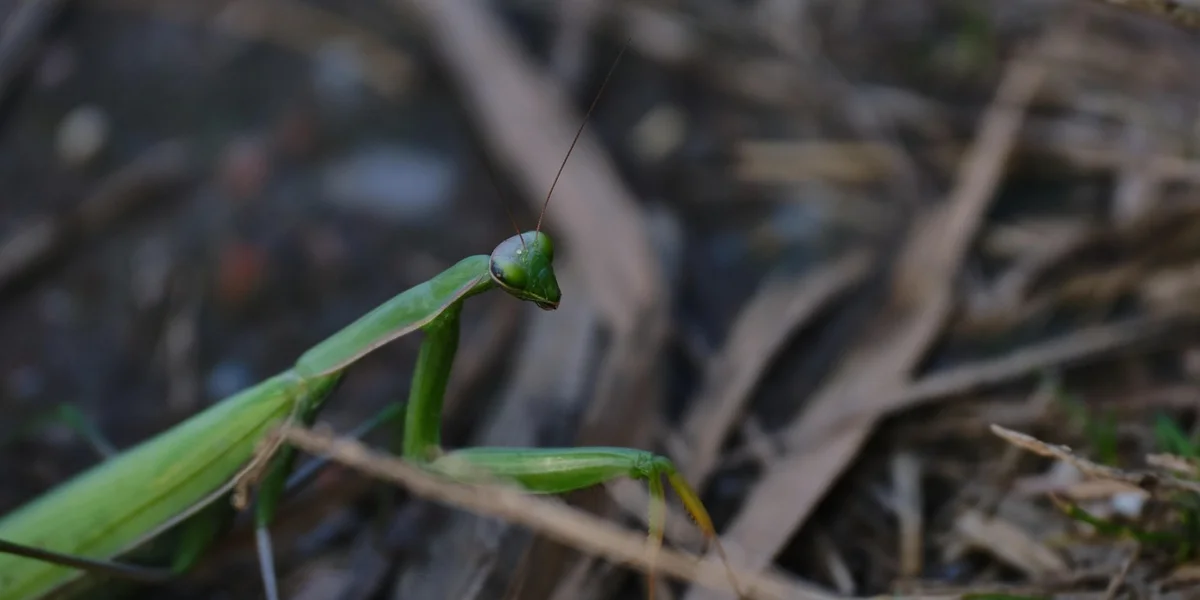
We know how worrying it can feel when your mantis prepares to molt-those quiet days when they seem to pause their usual antics. Catching the subtle cues early gives you the best chance to support a smooth, successful shed every time.
-
Monitor for early signs of molting: reduced appetite and increased stillness.
About a day or two before molting, your mantis will often stop eating and become unusually motionless-perched like a tiny, living sculpture. This stillness is their way of conserving energy for the big effort ahead, so resist the urge to offer food or disturb them. My own Ghost Mantis, Luna, will tilt her head and refuse even her favourite fruit flies, a sure signal she’s entering her pre-molt phase.
-
Adjust humidity and temperature based on species needs.
Each species has its own comfort zone-tropical types like the Orchid Mantis need humid, warm air, while others prefer it slightly drier. Use a simple hygrometer and thermometer to keep conditions just right, misting with warm water to raise humidity gently if needed. We’ve found that a light spray in the evening mimics natural dew and helps mantises like Moss, our Giant Asian, feel secure enough to begin shedding.
-
Ensure proper enclosure setup with ample climbing space.
Your mantis requires sturdy branches or mesh sides to hang from upside down-this position is non-negotiable for a safe molt. Arrange vertical climbing surfaces that are rough enough for a good grip, avoiding any slick or sharp edges that could cause a slip. A well-set enclosure lets them find that perfect spot, much like Sprig, our juvenile Orchid, who always seeks out the highest twig before she sheds her delicate skin.
-
Maintain a stress-free environment with minimal disturbances.
Loud noises, bright lights, or too much handling can startle your mantis during this fragile time. Place the enclosure in a calm corner away from household traffic, and limit any activity around it until the molt is complete. We keep our mantis habitats in quiet rooms where they can enjoy the peace, much like a sheltered nook in a garden. To create a naturalistic, safe habitat for your praying mantis, include real or artificial plants and sturdy branches for climbing. Maintain good ventilation and appropriate humidity to keep the mantis calm and healthy.
-
Provide balanced nutrition and watch for health issues regularly.
Feed a varied diet of gut-loaded insects like flies or small crickets, and observe your mantis for any signs of weakness or injury between molts. Healthy, well-fed mantises build the strength needed to wriggle free of their old exoskeleton without getting stuck. Regular checks help you spot issues early, ensuring your pet stays vibrant and active through each growth stage. This is part of a complete diet feeding guide for praying mantises, outlining what to feed and how often. It helps ensure balanced nutrition through every molt.
FAQs on Mantis
How long does the molting process typically last from start to finish?
The entire process, from pre-molt signs to full recovery, can span several days. The active shedding phase usually takes between 30 minutes to a few hours, depending on the species and conditions.
Why is it important to maintain proper temperature during molting?
Correct temperature supports metabolic and hormonal functions essential for a smooth molt. If it’s too low, the process can stall or fail, leading to serious health issues.
Is it normal for a mantis to eat its exuvia after molting?
Yes, this behavior is common and helps recycle nutrients from the old skin. It also aids in keeping the enclosure clean and reducing waste buildup.
Your Mantis’s Journey to a Healthy Molt
By maintaining correct humidity levels and refraining from handling during molts, you can steer clear of the most common pitfalls. Offering a secure, well-prepared enclosure allows your mantis to shed safely and emerge stronger each time.
We believe that responsible pet ownership means always growing in our knowledge and care for these fascinating insects. Staying engaged with mantis care communities and resources ensures you can adapt and provide the best possible life for your pet.
Further Reading & Sources
- Molting Praying mantis molting care sheet. Mismolt – USMANTIS
- Praying mantis molting care. Mismolt The Mantis Top Killer. – USMANTIS
- Praying Mantis Molting: Everything You Should Know
- Molting – mantis monarch
Rowan Hale is a lifelong insect enthusiast who fell in love with mantises for their calm presence, alien elegance, and surprising personalities. After years of keeping and raising a variety of species, Rowan shares practical tips, creative insights, and real-world experience to help others enjoy the quiet magic of mantis care. From setting up the perfect enclosure to understanding their subtle behaviors, Rowan invites readers into a gentle, curious world where every tiny movement feels like a discovery.
Common Health Issues