
Sudden Nymph Die-Off: A Checklist to Identify the Cause
Published on: December 18, 2025 | Last Updated: December 18, 2025
Written By: Rowan Hale
Hello, mantis friend! It’s a quiet, worrying moment when you peek into your nymph’s enclosure and find one has passed without warning-their tiny bodies still, the vibrant life gone in a blink.
We’ve crafted a clear, step-by-step checklist to help you uncover why your mantis nymphs might be dying suddenly and how to safeguard the rest.
Pinpointing the cause isn’t always straightforward, as it can involve subtle shifts in humidity, unseen stressors, or tiny oversights in daily care.
Here’s a quick look at what we’ll cover together:
- Spotting signs of dehydration or poor humidity levels
- Checking for temperature extremes that disrupt nymph health
- Reviewing feeding habits and prey size mistakes
- Identifying common enclosure hazards and simple fixes
Spotting the Early Warning Signs
Watch for subtle shifts in your nymph’s daily rhythm-a sudden drop in energy or a reluctance to hunt can signal trouble brewing. Lethargy often appears as your mantis staying unusually still for hours, not even responding to gentle nudges or the presence of prey. We’ve seen this with Moss, our Giant Asian Mantis, who normally dashes after flies but once lingered listlessly on a branch for a full day before we intervened.
Changes in coloration, like a dulling of their vibrant greens or browns, might indicate stress or an impending molt gone wrong. A healthy nymph should have clear, bright hues, so any fading or dark patches deserve your immediate attention. Keep an eye out for abnormal postures too, such as a mantis hanging limply or struggling to grip surfaces, which can point to weakness or dehydration.
- Reduced appetite: Nymphs that ignore food for more than a day may be dealing with internal issues or environmental discomfort.
- Difficulty molting: If you spot remnants of old skin stuck to their body, it could hinder growth and lead to fatal complications.
- Irregular movements: Twitching, falling, or an unsteady gait often reveal underlying health problems.
Notice the small details-the way a nymph’s antennae droop or how it avoids its usual perches. Early detection hinges on observing these quiet cues, much like noticing the first wilt on a plant leaf before it spreads. In Luna’s case, her slow head tilts turned into a telltale sign of molting distress, reminding us to act swiftly.
Your First Response: A Step-by-Step Action Plan
When you suspect a die-off, start by gently moving the affected nymph to a separate, clean container to prevent any potential spread of issues. Isolation helps you focus on individual care and reduces stress from tank mates, giving your mantis a calm space to recover. Use a spare jar or small enclosure with ventilation, lined with a damp paper towel for temporary humidity.
- Check the environment: Verify temperature stays between 22-28°C and humidity levels around 60-70% using a reliable hygrometer. Adjust with a warm water mist if needed.
- Inspect for parasites: Look closely for tiny mites or fungi on the nymph’s body and enclosure surfaces, removing any contaminants with a soft brush.
- Offer hydration: Provide a shallow dish of water or lightly mist the enclosure to encourage drinking, as dehydration is a common culprit in sudden declines.
- Assess feeding: Present small, easy-to-catch prey like fruit flies, and observe if the nymph shows interest-if not, it may need a vet’s advice.
- Monitor closely: Record behavior changes every few hours, noting improvements or setbacks to share with a specialist if necessary.
Acting quickly can turn the tide, so we always keep a “rescue kit” handy with spare containers and a mister. This proactive approach mirrors how we’d tend a delicate seedling, offering steady support without overwhelming the little creature. Remember, your calm response provides the stability your nymph needs to rally back to health.
Assessing the Enclosure Environment
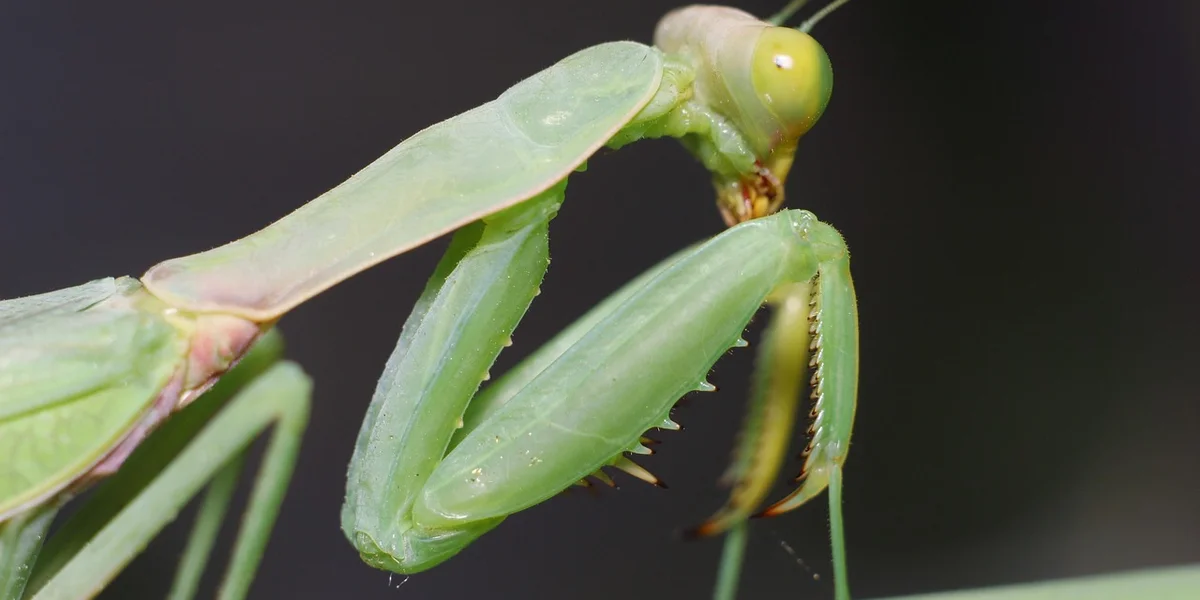
Your mantis’s home is its entire world. Small imbalances we might overlook can become life-threatening for a delicate nymph. Begin your investigation by methodically checking these four environmental pillars. Temperature and humidity are two of the most crucial, since mantis nymphs need precise ranges to molt and grow. Ensuring proper temperature and humidity can prevent stress and failed molts.
Temperature Extremes
Nymphs are incredibly sensitive to temperature shifts. A draft from a window or heat from a nearby lamp can create dangerous microclimates.
- Use a digital thermometer to check for hot or cold spots inside the enclosure.
- Ideal temperatures vary by species, but most thrive between 72°F and 82°F (22°C-28°C).
- Sudden drops at night are normal, but a consistent drop below 65°F (18°C) can halt digestion and lead to decline.
A stable, warm temperature is non-negotiable for a nymph’s metabolism and survival.
Humidity and Hydration
These tiny creatures lose moisture rapidly. Both excessive dryness and stagnant, wet conditions are hazardous.
- Check your hygrometer. Low humidity (below 50% for most species) can cause fatal dehydration during molting.
- Over-misting creates a swampy environment, promoting mold and bacterial growth on the nymph’s body.
- Ensure there are tiny water droplets on the enclosure walls or leaves for your mantis to drink.
Proper humidity acts as a lifeline, especially in the critical hours before and after a molt.
Ventilation and Airflow
Stagnant air is a silent killer. It allows harmful fumes and humidity to build up, suffocating your nymph.
- Examine the mesh or ventilation holes. Are they large enough for good air exchange but small enough to contain fruit flies?
- Is the enclosure in a stuffy cupboard or a room with decent airflow? A gentle, indirect breeze is ideal.
- Watch for condensation. A constantly foggy enclosure is a red flag for poor ventilation.
Good ventilation provides fresh air and prevents the buildup of harmful pathogens.
Cleanliness and Contaminants
A nymph’s world is at mouth-level. They explore every surface, making them vulnerable to invisible threats.
- Did you recently clean the enclosure or its decorations with soap, chemical cleaners, or even tap water with high chlorine?
- Check for mold growth on feeder insect frass (droppings), decaying leaves, or wood.
- Were any new plants, sticks, or decorations added without being properly baked or washed?
Residues from cleaners or natural molds can be toxic upon contact or ingestion. My ghost mantis, Luna, once showed signs of distress after I introduced a new branch I’d only rinsed. Now, I bake all wood at a low temperature to sterilize it first.
Checking for Health Issues and Illnesses
If the environment seems sound, we must look closer at the nymph itself. Sometimes, the cause is an internal health issue that isn’t immediately obvious. This connects to the 9 common nymph rearing mistakes that lead to high mortality, where unseen health issues drive deaths. Focusing on the nymph’s health as much as the environment can help catch these issues early and reduce mortality.
Recognizing Signs of Sickness
A healthy nymph is alert, curious, and holds its body with purpose. Subtle changes in behavior are our first clues. In the first 30 days, attentive observation guides feeding, temperature and humidity needs, and enclosure adjustments. This is the focus of the first 30 days your mantis nymph complete survival guide.
- Lethargy and Weakness: Is the nymph spending most of its time on the floor, unable to grip branches properly?
- Loss of Appetite: A nymph refusing food for more than three or four days is a major concern.
- Discoloration: Look for unusual black spots, a generally darkened abdomen, or a milky, cloudy appearance.
- Irregular Molting: Getting stuck in the old skin (dysmolt) is often a symptom of a deeper health or humidity issue.
Early detection of these subtle signs gives you the best chance to intervene and help.
Internal Parasites and Infections
Some ailments are not visible to the naked eye. They work from the inside, causing a slow or sudden decline.
- Internal parasites, like nematodes, can be introduced through wild-caught feeder insects.
- A bloated, darkened abdomen that remains enlarged for days can indicate a bacterial or fungal infection.
- Watch for regurgitation of black, foul-smelling liquid-a sign of a serious internal problem.
Prevention is key; always source feeders from reputable suppliers to avoid introducing parasites. My giant Asian mantis, Moss, had a scare with a bloated abdomen that resolved after I adjusted his diet and humidity, highlighting how interconnected these systems are.
Physical Injuries and Deformities
Nymphs are fragile. A fall from the top of a tall enclosure or a bad molt can cause injuries that limit their ability to thrive.
- Check for missing or damaged limbs, which can make hunting and molting difficult.
- A bent or kinked abdomen may indicate a fall or a congenital issue.
- Inability to right themselves after falling is a sign of neurological or muscular damage.
Providing plenty of soft, easy-to-grip surfaces like mesh and thin twigs can prevent many climbing-related accidents.
Reviewing Nutrition and Feeding Practices
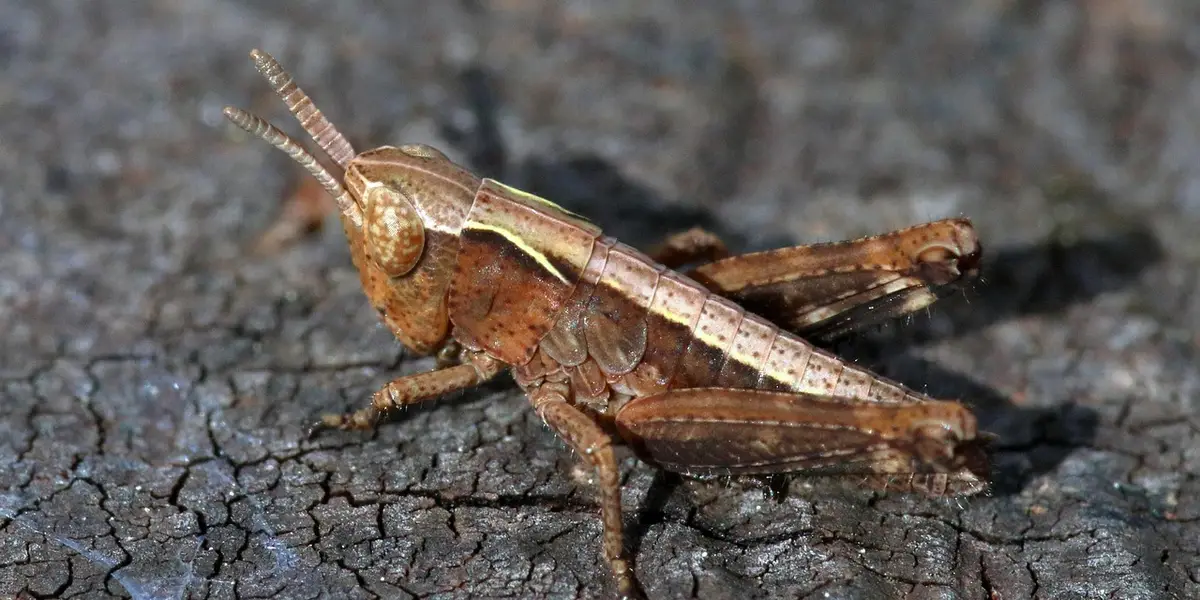
We often overlook how tiny shifts in diet can tip the scales for a growing nymph. Proper nutrition isn’t just about what you feed, but how and when you offer each meal. Think of it as crafting a gentle rhythm that matches their natural hunting instincts.
Assess Prey Size and Type
Offer food that’s no larger than the space between your mantis’s eyes. Oversized prey can cause physical strain or even injury during feeding. I’ve watched my Ghost Mantis, Luna, carefully stalk fruit flies, her movements slow and deliberate, never rushed. In a praying mantis feeding schedule and species comparative guide, you’ll see how prey size and feeding frequency vary by species. That context helps tailor care to each mantis.
- Stick to soft-bodied insects like flightless fruit flies for early instars.
- Gradually introduce small crickets or houseflies as they molt.
- Avoid hard-shelled beetles or wild-caught bugs that may carry pesticides.
Monitor Feeding Frequency
Nymphs need regular meals to support rapid growth, but overfeeding can be just as harmful as underfeeding. Aim to feed every two to three days, adjusting based on their appetite and abdomen size. That routine is part of a complete feeding schedule you can follow for mantises. By sticking to it, you ensure consistent growth without overfeeding. My Giant Asian Mantis, Moss, always has a plump, rounded belly after a good meal, which tells me he’s well-fed.
- Observe if your mantis readily strikes at prey-this signals hunger.
- Remove uneaten insects after a few hours to prevent stress.
- Note any changes in eating habits after molting, as they may fast briefly.
Check for Hydration Sources
Misting the enclosure lightly each morning provides essential water droplets. Dehydration can weaken nymphs quickly, making them susceptible to illness. I use a fine spray bottle to create a soft dew on the leaves, much like a morning in a misty forest.
Identifying Hidden Stressors and Disturbances
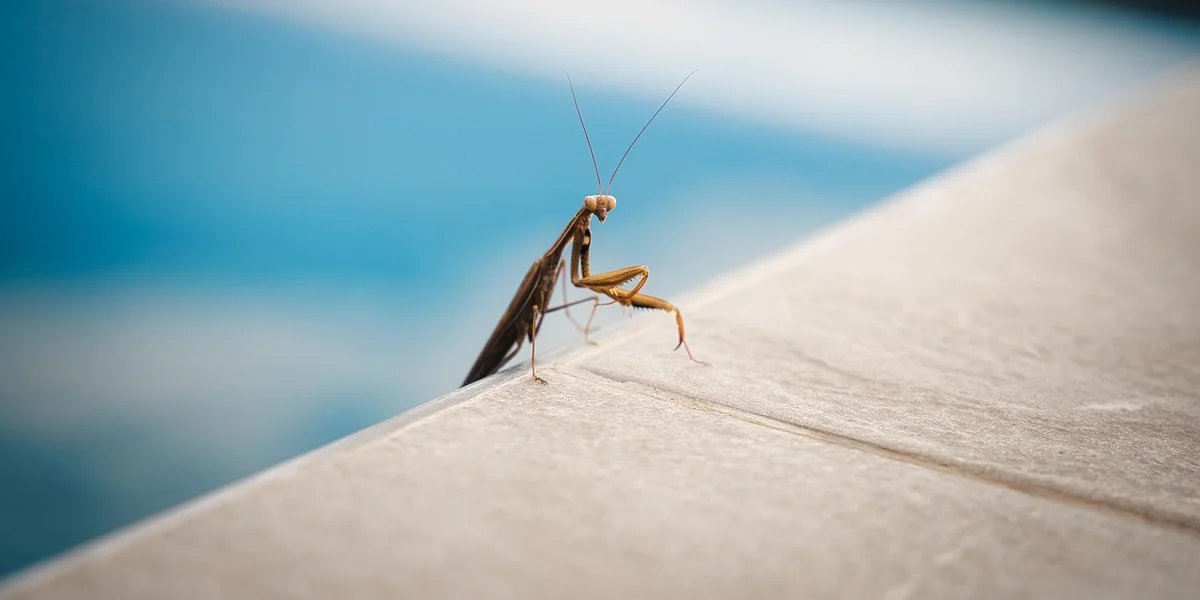
Even the most careful keepers might miss subtle environmental triggers. Stressors often build up quietly, like a background hum that gradually wears on your mantis. It’s about tuning into the small details that affect their daily comfort. Learning to read their behavior helps you tell when a mantis is stressed. Look for changes such as reduced feeding, unusual stillness or frantic movement, or defensive postures like raised forelegs.
Evaluate Handling and Enclosure Placement
Limit handling to essential moments, as nymphs are fragile and easily startled. Frequent disturbances can lead to a weakened immune system and refusal to eat. My Orchid Mantis, Sprig, stays tucked among fake flowers, only venturing out when the room is still and calm.
- Place enclosures in low-traffic areas away from loud TVs or speakers.
- Avoid direct sunlight, which can cause overheating and stress.
- Use a soft cloth to cover part of the tank if they seem consistently agitated.
Watch for Temperature and Humidity Fluctuations
Sudden drops or spikes can shock a nymph’s system. Maintain a steady environment with a thermometer and hygrometer to prevent hidden stressors. I keep Moss’s home at a consistent 75°F, with humidity around 60%, mimicking a balmy greenhouse.
- Check for drafts from windows or air vents that might chill the enclosure.
- Use a heat mat on one side to create a gentle temperature gradient.
- Mist with warm water to boost humidity without causing condensation buildup.
Consider Social and Spatial Factors
Mantises are solitary by nature and can feel threatened by nearby movement. Even the shadow of a passing hand might trigger a stress response. Luna often freezes mid-step if she senses vibration, her body tensing like a curled leaf.
- House nymphs individually to prevent cannibalism or competition.
- Provide plenty of climbing branches and hiding spots for security.
- Keep other pets, like cats or dogs, from staring into the enclosure.
When to Seek Community or Veterinary Support
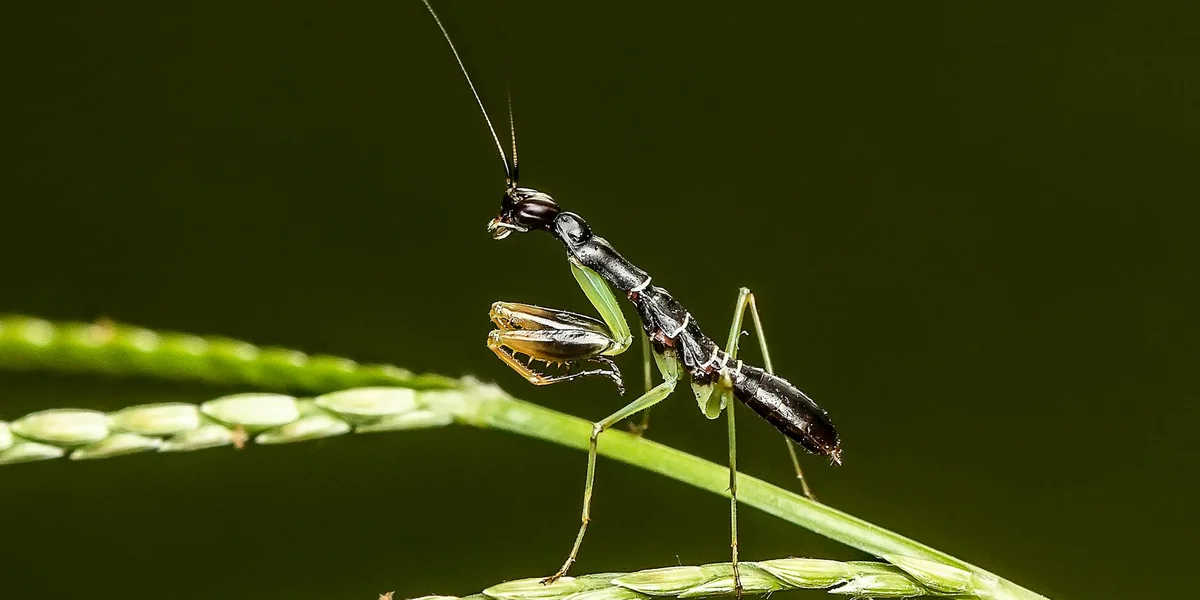
Sometimes, even after checking every detail, nymphs continue to struggle, and that’s when reaching out can make all the difference. If you’ve tried adjusting humidity, temperature, and feeding without success, it’s a clear sign to tap into wider knowledge.
Look for symptoms like persistent lethargy, refusal to eat over several days, or unusual discolouration that doesn’t match typical molting signs. When multiple nymphs show the same worrying behaviour, it often points to an underlying issue that needs expert eyes.
- Sudden, repeated deaths in the same enclosure setup
- Visible parasites or mould that home remedies haven’t cleared
- Nymphs failing to molt properly more than once
- Unusual swelling, discharge, or loss of coordination
Online mantis communities are full of seasoned keepers who’ve faced similar scares. Post clear photos and a detailed description of your setup on forums or social media groups-you’ll often get swift, practical advice from those who’ve been there.
For veterinary help, seek out exotic pet specialists with insect experience, as not all vets handle mantises. We once consulted a vet when Luna, our Ghost Mantis, had a mysterious limp; it turned out to be a minor injury that needed gentle care.
- Document symptoms and enclosure conditions with notes and pictures
- Search for reputable online communities or local exotic vets
- Share your findings clearly, including diet, humidity, and recent changes
- Follow up on suggestions and keep records for future reference
Remember, asking for help shows dedicated care, not failure. Many mantis health puzzles are solved through shared experiences, so don’t hesitate to lean on the community’s collective wisdom. For practical guidance, try the ultimate mantis health troubleshooting checklist to diagnose why my mantis is sick and find next steps.
Common Mantis Queries
How can I prepare my mantis nymph for a successful molt?
Ensure the humidity is slightly elevated and provide plenty of secure, upright surfaces for them to hang from. Avoid any disturbances during this critical time to prevent them from falling.
What is the ideal feeding schedule for a healthy mantis nymph?
Feed young nymphs every two to three days, offering an amount of prey that leaves their abdomen slightly plump but not overly distended. Always remove any uneaten live prey after a few hours to prevent stress.
What is the typical lifespan of a pet mantis?
The lifespan varies greatly by species, but most mantises live for several months to about a year in captivity. Females often live significantly longer than males after their final molt to adulthood. In captivity, the average lifespan in captivity is a practical benchmark for care and expectations. Proper conditions can help mantises reach the longer end of that range.
Your Gentle Path to Healthier Nymphs
Start by carefully checking your nymph’s enclosure for proper humidity and temperature, then ensure they’re eating live, appropriately-sized prey. Routine observation and swift adjustments to their environment can often prevent future losses and support robust growth.
We encourage all mantis keepers to treat each challenge as a learning moment, deepening your connection with these fascinating insects. Staying informed and adapting your care methods helps create a safe, thriving home for every mantis in your charge, especially by creating a naturalistic and safe habitat.
Further Reading & Sources
- Nymphs-mythagora.com
- Nymphs (Species) | Lore Olympus Wiki | Fandom
- In Greek mythology, when nymphs or other mythical creatures die, do their souls go to the underworld? – Quora
- Nymph | Mythical bestiary Wikia | Fandom
Rowan Hale is a lifelong insect enthusiast who fell in love with mantises for their calm presence, alien elegance, and surprising personalities. After years of keeping and raising a variety of species, Rowan shares practical tips, creative insights, and real-world experience to help others enjoy the quiet magic of mantis care. From setting up the perfect enclosure to understanding their subtle behaviors, Rowan invites readers into a gentle, curious world where every tiny movement feels like a discovery.
Common Health Issues