
Are Praying Mantises Good Pets? Pros and Cons Explained
Published on: December 2, 2025 | Last Updated: December 2, 2025
Written By: Rowan Hale
Greetings, mantis friend!
Have you ever watched a praying mantis sit perfectly still, its folded arms giving it that prayer-like pose, and felt a tug of curiosity about inviting one into your home?
Yes, praying mantises can be wonderful pets for the right person, offering a unique window into a quiet, fascinating world, but they do come with specific needs and limitations.
Figuring out if a mantis fits your life is more nuanced than a simple yes or no; it’s about balancing their gentle charm with the realities of insect care.
Here’s a quick glimpse of what we’ll explore together:
- The surprising benefits of their low-maintenance care and mesmerizing behaviors.
- The honest challenges, like their need for live food and relatively short lifespans.
- Practical tips for creating a safe, simple habitat using household items.
- How different species, from the ghostly Ghost Mantis to the vibrant Orchid Mantis, suit various keepers.
Understanding the Praying Mantis Pet Experience
Keeping a praying mantis is less about loud playtimes and more about quiet, shared observation. Your daily routine becomes a gentle rhythm of misting the enclosure, watching for that subtle head tilt, and appreciating the humid, earthy scent of a healthy habitat. This pet offers a slice of wild tranquility right on your desk, a living sculpture that moves with deliberate, thoughtful grace. Are they friendly? Not in the cuddly sense, but you can learn its temperament through careful observation. With patience, you’ll know when it wants space or a closer look.
You learn to read their subtle language-the way they clean their forelegs after a meal, the soft rustle of molting skin, or the still patience as they wait for prey. My ghost mantis, Luna, spends hours perched like a misty brown leaf, her frills trembling slightly with each breath. It’s a connection built on calm attentiveness, not constant interaction, which suits many modern lives perfectly.
The Bright Side: Pros of Keeping a Praying Mantis
For the right person, a mantis is a brilliant companion. Their unique care profile brings specific joys that furry or scaly pets simply cannot match. Let’s explore the key advantages that make these insects such captivating keepers.
Remarkably Low Maintenance
Praying mantises demand very little daily time from you. They don’t need walks, complex training, or constant socialisation. Their core needs are simple, predictable, and fit easily into a busy schedule. What makes them special are their unique characteristics—raptorial forelegs, keen eyes, and remarkable camouflage. Their patient, ambush-style hunting and ability to rotate their heads set them apart from other creatures.
Focus on these three easy pillars:
- Feeding: Most species eat only every few days. A diet of live insects like fruit flies or crickets is straightforward to provide.
- Housing: A well-ventilated container, some sticks for climbing, and a bit of substrate are often enough. A spare mason jar can work as a temporary home.
- Environment: A quick daily mist with warm water provides humidity, and a stable room temperature usually suffices. No expensive heat lamps are needed for common species.
My giant Asian mantis, Moss, thrives on this simplicity. His weekly clean-out takes mere minutes, leaving more time to enjoy his vibrant green presence. This low upkeep makes them ideal for first-time insect owners or those with limited space.
A Living Lesson in Insect Behavior
Owning a mantis is like having a front-row seat to a nature documentary. You witness incredible biological processes and instinctual behaviors up close. It’s an education in patience, predation, and the delicate cycles of life.
You’ll observe fascinating events that books can only describe:
- The precise, lightning-fast strike to capture prey with spiked forelegs.
- The vulnerable and miraculous molting process, where they shed their exoskeleton to grow.
- Intricate communication through body posture and slight movements, like a slow sway to mimic foliage.
Watching my juvenile orchid mantis, Sprig, hunt is a masterclass in camouflage and opportunity. Her pink-and-white petals blur against a flower, utterly still until the moment is right. This daily window into insect life fosters a deep appreciation for ecology and natural science.
Gentle on Your Wallet
Compared to most traditional pets, the financial commitment for a mantis is wonderfully modest. Initial costs are low, and ongoing expenses are minimal. You can enjoy the rewards of pet ownership without straining your budget.
Consider these typical costs, which are often one-time or infrequent:
- Enclosure: A suitable terrarium or net cage can cost less than a fancy dinner out.
- Food: Culturing your own feeder insects or buying small quantities is very affordable.
- Supplies: Substrate (like coconut fibre), misting bottle, and decor are inexpensive and last ages.
There are no vet bills for vaccinations or routine check-ups, and you won’t need to budget for grooming or boarding. This affordability allows you to focus resources on creating a beautiful, enriching habitat rather than on costly upkeep.
The Other Side: Cons and Challenges of Mantis Ownership
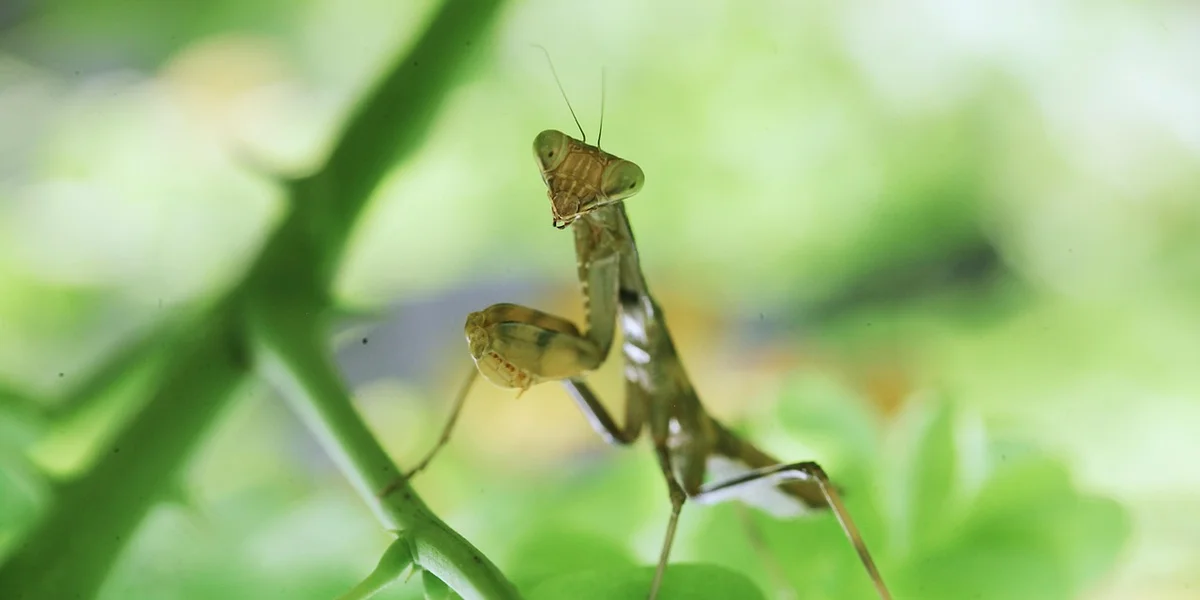
While their quiet grace is captivating, keeping a mantis is not like caring for a hamster or a cat. To welcome one into your home is to accept a set of specific, non-negotiable rules dictated entirely by their biology. Let’s gently turn the leaf and look at the realities that require thoughtful consideration.
Fragile Bodies and Handling Limits
Their elegant form is also their greatest vulnerability. A mantis is not a pet you can cuddle or play with. Their exoskeleton, while armoured, is surprisingly delicate and can be cracked by even a small fall from your hand or a piece of furniture. Their limbs, designed for precise hunting, are fine and can be damaged.
Handling must be minimal, always on their terms, and done with immense care. You learn to offer your hand as a moving branch, letting them step on, not being picked up. My Ghost Mantis, Luna, will sometimes perch on my finger for minutes, a light, papery presence, but I never move quickly or far with her.
This fragility extends to their home. Sharp edges, hot lights, or sticky residues from fruit flies can all pose risks. Their environment must be a carefully curated safe zone, not just a container.
The Bittersweet Reality of a Short Lifespan
This is often the most poignant challenge for new keepers. Depending on the species and sex, a mantis may live for only 6 to 18 months as an adult. Males typically have shorter lives than females. You are committing to the full, beautiful arc of a life that, by nature’s design, is brief.
This short timeline teaches profound lessons in care and observation. You learn to notice the subtle signs of a successful molt, the growing appetite of a subadult, and the dignified slowing of an elder. The farewell is quiet. One day, they may simply cease moving, often clinging to their favourite perch as if in rest.
For some, this transient nature is a pro-a chance to experience a pet’s entire lifecycle without a decade-long commitment. But it absolutely requires an emotional preparedness for a goodbye that comes sooner than with most pets.
The Live Prey Requirement
A mantis is an obligate carnivore. They will not, and cannot, eat pre-killed insects or plant matter. Their hunting instinct is triggered by movement, making a diet of live feeder insects an inescapable part of ownership. For a complete diet feeding guide, you’ll find specifics on which live prey to offer and how often. This kind of guide helps ensure your mantis receives a balanced, appropriate diet. This is a deal-breaker for some, and it’s a responsibility that must be planned for.
You become a manager of a tiny food chain. This means maintaining a separate culture of appropriate feeders, like fruit flies for hatchlings or crickets for larger species. It requires a comfort level with handling these insects yourself. There’s a practical rhythm to it: feeding the mantis, then feeding the feeders their own nutritional diet (a process called “gut-loading”) to keep your pet healthy.
| Common Feeder | Best For | Consideration |
|---|---|---|
| Flightless Fruit Flies | Hatchlings & tiny nymphs | Easy to culture, but can escape into your home. |
| Pinhead Crickets | Small to medium nymphs | Nutritious, but can stress or even bite a molting mantis. |
| Green Bottle Fly Spikes | Subadult & adult mantises | You raise flies from larvae; very stimulating prey. |
| Waxworms (as occasional treat) | Adult mantises | High in fat, not for everyday meals. |
It’s a hands-on process. You’ll learn to tweezers-feed a wiggling fly to a hesitant juvenile or drop a cricket into the enclosure, watching the mantis track it with that iconic, calculating turn of the head. This isn’t a chore, but a fundamental part of the connection-you are providing the spark that engages their wildest instinct.
Essential Mantis Care: A Beginner’s Guide
Stepping into mantis care feels less like traditional pet-keeping and more like curating a tiny, living ecosystem. Your primary role is that of a habitat steward, creating a stable micro-world where your mantis can thrive securely and naturally. Think of it as creating a naturalistic, safe habitat your mantis can explore. This approach helps your mantis thrive securely and naturally. We’ll walk through the fundamental pillars every new keeper needs to establish.
Setting Up a Safe and Comfortable Enclosure
Think of the enclosure as your mantis’s entire universe. Its design directly impacts their safety, hunting, and ability to molt successfully.
Size, Ventilation, and Substrate Choices
A common new keeper mistake is choosing a home that’s too large. A mantis is a visual predator that hunts by sight, and vast spaces can make locating food stressful.
- Enclosure Size: A good rule is an enclosure at least three times the mantis’s length in height and twice its length in width. For most common species, a 1-gallon glass jar or a small terrarium around 15cm x 15cm x 20cm is perfect.
- Ventilation is Vital: Stagnant, humid air invites mold and respiratory trouble. Always ensure mesh or perforated panels on at least two sides of the enclosure to promote a gentle cross-flow of fresh air.
- Substrate Simplicity: The floor covering is for humidity, not for digging. A thin layer of coconut fibre, peat moss, or even plain paper towel works beautifully. It’s easy to replace and helps maintain moisture levels without risk.
Managing Temperature and Humidity
Mantises are exothermic, relying on their environment to regulate body heat. Consistency here prevents most health issues.
- Temperature Sweet Spot: Most popular pet species enjoy room temperatures between 20°C to 26°C. A small, low-wattage heat mat placed on one side of the enclosure (never underneath) can create a gentle warmth gradient. Your mantis will move to find its comfort zone.
- Humidity Without Drenching: Humidity supports molting and general wellbeing. Use a simple hand mister to lightly spray the enclosure walls and foliage once or twice a day, aiming for a fine dew, not puddles. The substrate should feel lightly damp, never wet.
Feeding and Hydration Routines
Watching a mantis hunt is a lesson in precision. Their diet is exclusively live prey, and their hydration comes from droplets you provide.
My Ghost mantis, Luna, will often wait motionless for an hour before making her move. Feed your mantis prey that is no larger than the space between its eyes to avoid injury or refusal.
- Food Sources: Flightless fruit flies for tiny nymphs, moving to small crickets, roaches, or moths for larger juveniles and adults. Always source feeders from pet shops to avoid pesticides.
- Feeding Schedule: Young nymphs may eat daily, while adults often do well with one appropriately-sized meal every two to four days. A plump abdomen indicates a well-fed mantis.
- Providing Water: Mantises drink from droplets on leaves and netting. Your daily light misting provides their primary hydration. Never place an open water dish inside.
Supporting the Critical Molting Process
Molting is when your mantis grows, shedding its old exoskeleton like a tight suit. This is the most vulnerable period in its life.
You’ll know it’s coming when your mantis stops eating and hangs motionlessly from the top of the enclosure for a day or more. The absolute rule during this time is complete and utter non-interference; do not touch, feed, or disturb the enclosure.
- Ensure the humidity is slightly elevated to help the old skin split easily.
- Verify there are plenty of textured surfaces up high for them to hang from securely.
- After the molt, wait at least 24-48 hours for their new exoskeleton to harden before offering food again.
Routine Health Checks and Enclosure Cleaning
A few minutes of attentive observation each day is your best tool for preventative care. Look for clear eyes, active antennae, and a general alertness.
Spot cleaning the enclosure weekly maintains a healthy environment without causing your mantis undue stress from a complete overhaul. Use tweezers to remove old prey remains and dried molts.
- Gently move your mantis to a secure temporary container with a lid and air holes.
- Remove and replace the substrate, wipe the glass with warm water (no soaps or chemicals), and rinse any artificial plants.
- Let everything dry completely before returning your mantis to its fresh, clean home.
This routine, performed every few weeks, keeps their world fresh and gives you a chance to ensure all their needs are being met perfectly.
Practical Considerations for New Mantis Owners
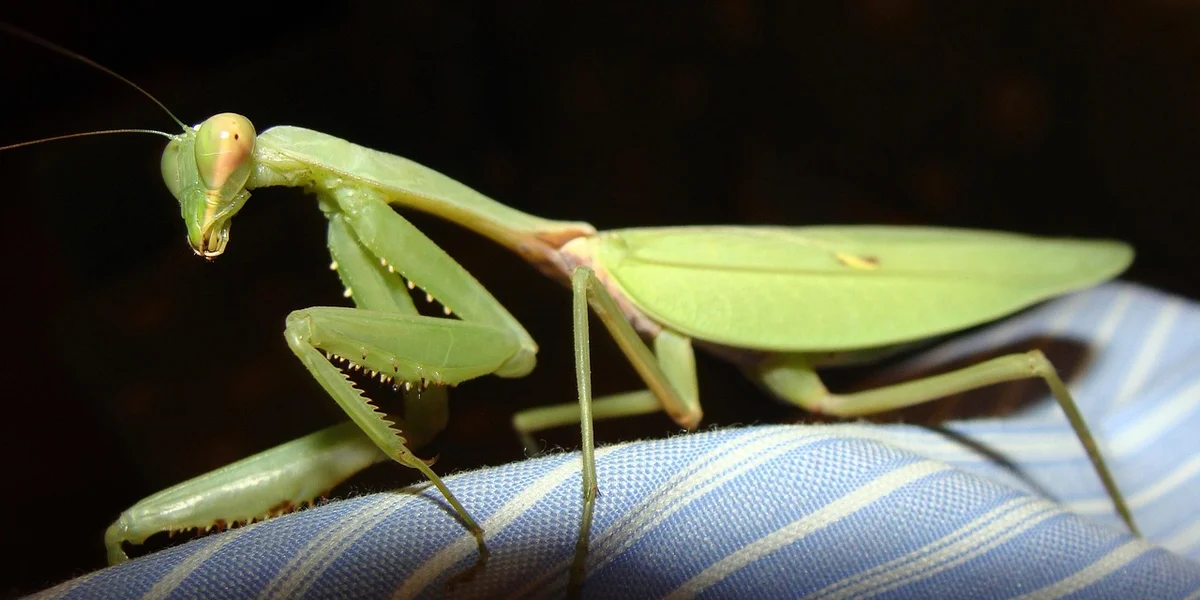
Stepping from the ‘why’ into the ‘how’ is where the real journey begins. Bringing a mantis into your home is a quiet commitment, one built on preparation and gentle observation rather than constant hands-on play. Let’s walk through the practical groundwork needed to start this relationship well.
Breaking Down the Costs: Startup and Ongoing
Unlike a dog or cat, a mantis won’t break the bank, but thoughtful setup is key to their wellbeing. The initial investment is mostly a one-time affair, focused on creating the right micro-world for your insect to thrive. Think of it as crafting a living art piece that also happens to be a home.
- Enclosure: A simple mesh or acrylic terrarium, often between 1-3 gallons, is perfect. You can repurpose a large mason jar with a mesh lid for a tiny nymph, upgrading as they grow. Cost is typically $20-$50.
- Husbandry Supplies: This includes substrate (coconut fibre or soil), decor like sticks and fake plants for climbing and hiding, a small mister for humidity, and a thermometer/hygrometer. These basics can be gathered for $30-$40.
- Food: Your main ongoing cost. Live feeder insects like flightless fruit flies for babies, and later crickets or roaches, are needed. A weekly supply may cost a few dollars. Cultivating your own feeder colony can save money long-term.
| Cost Area | Startup (One-Time) | Ongoing (Monthly) |
|---|---|---|
| Housing & Setup | $50 – $90 | Minimal |
| Food & Supplements | $10 – $20 (initial stock) | $5 – $15 |
| Veterinary Care | N/A (Specialist vets are rare) | N/A |
| Replacements (plants, substrate) | N/A | $0 – $10 (occasionally) |
The true expense isn’t monetary, but measured in consistent attention to humidity, temperature, and the subtle signs of your mantis’s health. For my ghost mantis Luna, her well-being hinges entirely on that daily misting that beads on her enclosure walls like morning dew.
Finding Your Pet Mantis: Sources and Ethics
Where you get your mantis matters deeply for their health and for conservation. Always choose a reputable breeder or invertebrate specialty shop over catching one from the wild. Wild mantises can carry parasites, are stressed by captivity, and their removal impacts local ecosystems.
Reputable breeders are your best source. They offer healthy, captive-bred nymphs, often with known species and approximate age. You might find them at reptile expos or through dedicated online forums and shops. Captive-bred mantises are accustomed to enclosure life and generally hardier, giving you a much better start together. When my giant Asian mantis, Moss, arrived as a tiny green L3 nymph from a breeder, he was already a confident eater, ready to settle in.
- Do: Research breeders with positive keeper reviews. Ask about the mantis’s current feeding schedule and molt history.
- Don’t: Purchase from vendors who cannot identify the species or who keep mantises in poor, overcrowded conditions.
- Consider: Common beginner-friendly species like the Giant Asian, Ghost, or Carolina mantis are often more readily available and forgiving.
Are They Beginner-Friendly or Suitable for Children?
Praying mantises can be wonderful first pets for patient, observant beginners and supervised children. They teach profound lessons about life cycles, predator-prey dynamics, and the value of quiet care, but they are not cuddly or playful in a traditional sense. Learn more about how to care for a pet praying mantis in our complete handling and behavior guide.
For adults new to insect keeping, mantises are ideal. Their care is straightforward once the habitat is right. Their fascinating behaviour rewards patience. For children, the answer depends entirely on adult involvement. A mantis can spark a lifelong interest in biology for a child, but the responsibility for the insect’s welfare must remain with an engaged adult. The child can help with misting (under supervision) and watch feedings, but handling should be minimal, gentle, and always guided.
- Best for: Observant beginners, those with limited space, individuals seeking a low-maintenance but engaging pet.
- Requires Caution: Very young children who might be tempted to grab or poke. The mantis is fragile.
- Key Rule: Interaction is on the mantis’s terms. If it shows defensive poses or retreats, it wants to be left alone.
A Note on Breeding and Reproduction
Breeding mantises is a complex, advanced area of the hobby with one very famous caveat. The natural world’s drama is fully present in mantis reproduction, including the potential for female cannibalism of the male. This isn’t a guarantee, but it’s a real risk rooted in survival biology. Why does it happen? Some researchers propose that females gain nutrients that boost egg production, and that hunger level and timing play a role in whether cannibalism occurs.
Attempting to breed requires separate, mature adults of the same species, precise conditioning with abundant food, and a careful, controlled introduction. If you decide to pursue breeding, you should first learn how to safely introduce a male and female mantis in a controlled environment. This helps protect both animals and increases the likelihood of a successful pairing. We never recommend a new owner purchase mantises with the immediate goal of breeding. The focus should first be on mastering the care of one individual through its entire, remarkable lifespan.
If you later choose to explore breeding, it’s a commitment to potentially hundreds of tiny nymphs needing individual housing and microscopic food. For now, simply appreciate your mantis as a complete individual. Watching my orchid mantis Sprig grow through each delicate molt is fulfillment enough, a private audience with one of nature’s most precise and beautiful predators.
Dispelling Common Myths About Pet Mantises
When you first consider a mantis as a pet, a few persistent ideas might flutter through your mind. Let’s gently clear the air on these common misunderstandings, so you can see your potential new friend for what it truly is.
Myth: They Are Dangerous or Poisonous
The image of a mantis can seem fierce, but the reality is far more peaceful. Mantises pose no toxic threat to people or other pets. They are predatory towards their insect prey, but to us, they are simply delicate, observant creatures.
You might wonder about their famous “praying” arms. Could they hurt? A mantis may pinch if it feels extremely threatened and mishandled, but it’s a defensive gesture, not an attack. The sensation is more of a surprising squeeze than a painful bite. My ghost mantis, Luna, has gently tested my finger with her forearms during rare, clumsy transfers-it feels like a firm tap from a tiny twig, a reminder of her strength relative to her size, but it has never broken skin.
The true “danger” is entirely one-sided: from us to them. Their fragility means a fall from even a modest height or an overly tight grip can be catastrophic, which is why gentle, grounded handling is the golden rule.
Myth: They Require Complex or Expensive Setups
If you picture elaborate terrariums with humming machinery, think again. A mantis habitat is a study in elegant simplicity. For many species, a well-ventilated container, something as simple as a large mason jar or a modified plastic enclosure, forms a perfect starter home. Appropriate species-specific enclosures can be more intricate but are rarely bulky.
The key ingredients are vertical space for molting, a secure lid, and something to climb on. A few sticks, some fake foliage, and a substrate like coconut fibre or paper towel are often all you need. Heating is usually unnecessary for common species kept at room temperature, and lighting is just the natural cycle from your window. Your initial investment is more likely measured in spare change from around the house than in a major pet store haul.
My first mantis, Moss, lived happily for weeks in a large, clean deli cup with a mesh lid and a branch from the garden. His world was small, but it was complete-humid, climbable, and safe. Upgrades can come later, but the basics are wonderfully accessible.
Myth: They Form Bonds Like Mammals
This is perhaps the sweetest myth to untangle. We naturally want to connect with our pets. A mantis will not seek your affection, learn its name, or greet you at the door. What they offer instead is a fascinating, silent companionship based on calm observation and routine.
They may learn to recognize you as the large, non-threatening creature that brings food. You might see a curious head tilt as you approach, or a willingness to step onto your hand because it’s become a familiar pathway. My orchid mantis, Sprig, remains shy, but she will now calmly watch my movements from her perch instead of fleeing, a small sign of settled trust.
This relationship is not about mutual emotional bonding, but about providing a perfect slice of wilderness in your home and bearing witness to its quiet rhythms. The reward is the privilege of watching a perfect predator exist in stillness, a living piece of art whose care becomes a mindful, daily meditation.
FAQs on Mantis Care
Can I find praying mantis pets for sale at Petsmart or other pet shops?
Praying mantises are seldom available at large chain stores like Petsmart, as they are not commonly stocked. For reliable sources, look to specialized online invertebrate breeders or reptile expos where captive-bred mantises are offered. For a trusted buyers guide on where to buy a pet praying mantis, see our recommendations for reputable sellers.
What praying mantis pet species are best for beginners?
Ideal starter species include the hardy Ghost Mantis and the robust Giant Asian Mantis, which tolerate minor care fluctuations. Their manageable size and predictable behavior make them excellent choices for those new to mantis keeping.
How can I find praying mantis pets for sale near me, such as in Detroit, MI, or across the USA?
Search online on invertebrate-specific marketplaces or join mantis enthusiast forums to connect with breeders in your region, including localized areas like Detroit. Reputable sellers across the USA often ship captive-bred nymphs, ensuring you receive a healthy pet without resorting to wild capture.
Your Mantis Journey Begins
Keeping a praying mantis offers a window into a quiet, fascinating world, perfect for those who appreciate patient observation over constant interaction. The key is matching your lifestyle with a suitable species and committing to their specific needs for habitat, food, and gentle handling.
Responsible ownership means watching your mantis closely, learning its unique behaviours, and respecting its brief, remarkable life. We encourage every keeper to keep asking questions, connect with fellow enthusiasts, and always seek out care guides from trusted, experienced sources.
Further Reading & Sources
- Garden Dilemmas, Delights & Discoveries, Ask Mary Stone Praying Mantises Beneficial or Bad – Garden Dilemmas, Delights & Discoveries, Ask Mary Stone
- Should You Keep a Praying Mantis as a Pet?
- Should I Release Praying Mantis into My Garden? | Extension
- Praying Mantis: Friend or Foe? – The Observant Gardener
Rowan Hale is a lifelong insect enthusiast who fell in love with mantises for their calm presence, alien elegance, and surprising personalities. After years of keeping and raising a variety of species, Rowan shares practical tips, creative insights, and real-world experience to help others enjoy the quiet magic of mantis care. From setting up the perfect enclosure to understanding their subtle behaviors, Rowan invites readers into a gentle, curious world where every tiny movement feels like a discovery.
First-Time Mantis Owners