
Are Praying Mantises Good Pets? Pros and Cons Explained
Published on: December 2, 2025 | Last Updated: December 2, 2025
Written By: Rowan Hale
Hello, fellow mantis friend! Picture this: a delicate creature, perched with serene patience on a twig, its folded forearms giving it that iconic prayerful stance-until, in a blur of motion, it snatches a fly from the air.
Yes, praying mantises can make wonderfully rewarding pets, especially if you appreciate quiet, observational companionship, but they suit some lifestyles far better than others.
Their care is a gentle dance of simplicity and specific need, full of quiet joys and a few sobering realities we should chat about honestly.
To help you decide, here’s a quick glimpse at what we’ll cover:
- Their surprisingly low daily upkeep, perfect for apartments or busy schedules.
- The sheer wonder of watching their behaviors, from meticulous grooming to dramatic molts.
- The emotional preparation needed for their relatively brief, season-spanning lifespans.
- Key husbandry needs, like maintaining proper humidity without making the enclosure soggy.
Welcoming a Tiny Hunter: What to Expect
Bringing a praying mantis home is like inviting a quiet, miniature sculptor into your space. You won’t get cuddles or playful fetch, but you’ll gain a front-row seat to a world of precise, patient movement. Your mantis will spend much of its time perfectly still, observing its domain with a calm that feels almost meditative. You might find yourself pausing just to watch it, a green or brown statue among the leaves. If you want to interact safely with your mantis, do so with slow, gentle motions and support its body on a stable surface. Keep handling brief, and wash your hands before and after to keep both you and your mantis safe.
Feeding time reveals their true nature. We offer live insects like fruit flies or small crickets, and the strike is a blur of speed followed by serene chewing. My Ghost Mantis, Luna, has a particular grace, tilting her head with what seems like calculation before she pounces. This routine is less about messy meals and more about witnessing a flawless natural instinct in action.
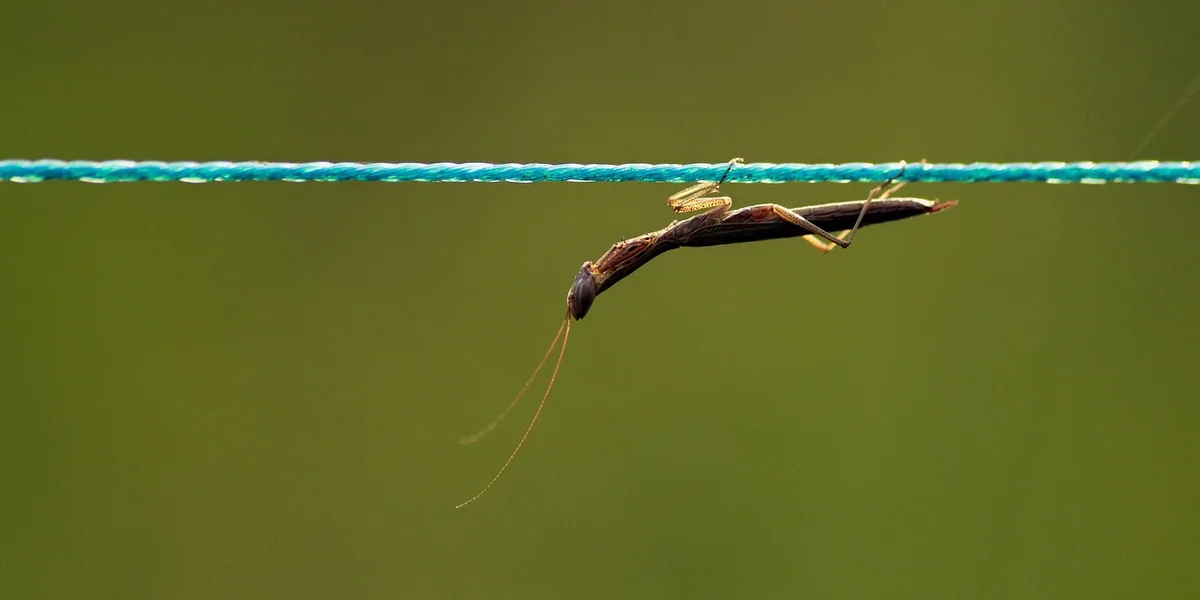
Then comes molting, a vulnerable and fascinating process. Your mantis will hang upside down and slowly wriggle free of its old skin. The enclosure needs extra humidity, and you must avoid any disturbance. Providing this quiet, safe space for molting is one of the most critical care responsibilities you’ll have. It’s a silent, tense few hours that ends with a brand-new, larger mantis, soft and pale before its colors harden.
- Daily Interaction: Mostly observation. Gentle handling is possible but brief and always supervised.
- Key Behaviours: Perching, grooming with their forelegs, tracking movement with their head, and the dramatic, occasional molt.
- Your Role: Provider of food, keeper of humidity, and respectful audience to a tiny, wild performance.
The Bright Side: Delightful Perks of Pet Mantises
For the right person, a praying mantis offers joys that are quiet, profound, and surprisingly simple. They turn a corner of your room into a living diorama, full of subtle drama and beauty. Let’s walk through the brightest parts of sharing your home with these insects. Are praying mantises friendly? Understanding their temperament—how they react to movement, handling, and enclosure—helps you gauge if they will harmonize with your home.
They Are Mesmerizing Live-in Art
Every mantis is a masterpiece of evolution. Their forms are sculptures in leaf, twig, or flower. My Orchid Mantis, Sprig, looks like a blush-pink blossom come to life, each limb a delicate petal. You’ll notice new details daily-the intricate vein patterns on their wings, the way light catches their huge, compound eyes. Their movement is a slow, deliberate dance, a study in patience and economy of motion that no screen can replicate.
Setting up their enclosure becomes an act of creation. We choose branches for climbing, live plants for humidity, and backgrounds that make their colours pop. This tiny biome is a constantly changing piece of art that you curate and they inhabit. It’s a creative outlet that blends gardening, design, and animal care into one tranquil hobby.
Simpler Care Than You Might Think
Compared to a dog or even a hamster, mantis care is wonderfully straightforward. Their needs are specific but minimal. Once you master the basics of housing, feeding, and moisture, the weekly routine is light and predictable. You won’t need walks, vaccinations, or complex training.
Here’s a simple breakdown of core needs:
- Housing: A well-ventilated tank or terrarium, about three times their height. A spare large jar can work for youngsters.
- Feeding: Live insects appropriate to their size, fed every few days. A culture of fruit flies or a tub of crickets from the pet shop covers it.
- Environment: Most species need gentle warmth (room temperature often suffices) and a daily light misting for humidity.
The simplicity is liberating; it allows you to focus on the pleasure of observation rather than the stress of constant maintenance. You can go away for a weekend without arranging complex pet-sitting, provided their humidity is stable.
A Wonderful Window into Nature
A mantis connects you directly to the rhythms of the insect world. You become a witness to behaviours most people never see. You’ll learn the difference between a hungry stance and a contented perch, the pre-molt lethargy, and the meticulous cleaning ritual after a meal. It’s a daily lesson in biology happening on your desk.
Watching my Giant Asian mantis, Moss, explore a new vine teaches me about curiosity in creatures we seldom credit with it. This close-up view fosters a deep appreciation for ecosystems and the role every creature plays. It’s a quiet education for all ages, showing how life adapts, survives, and thrives in miniature.
For children and adults alike, this window builds empathy and wonder. Caring for such a delicate life teaches responsibility through gentle, attentive action rather than chore lists. You’re not just keeping a pet; you’re safeguarding a tiny, wild heart that beats on its own ancient schedule.
The Other Side of the Leaf: Realities to Consider
The Brief, Poignant Lifespan
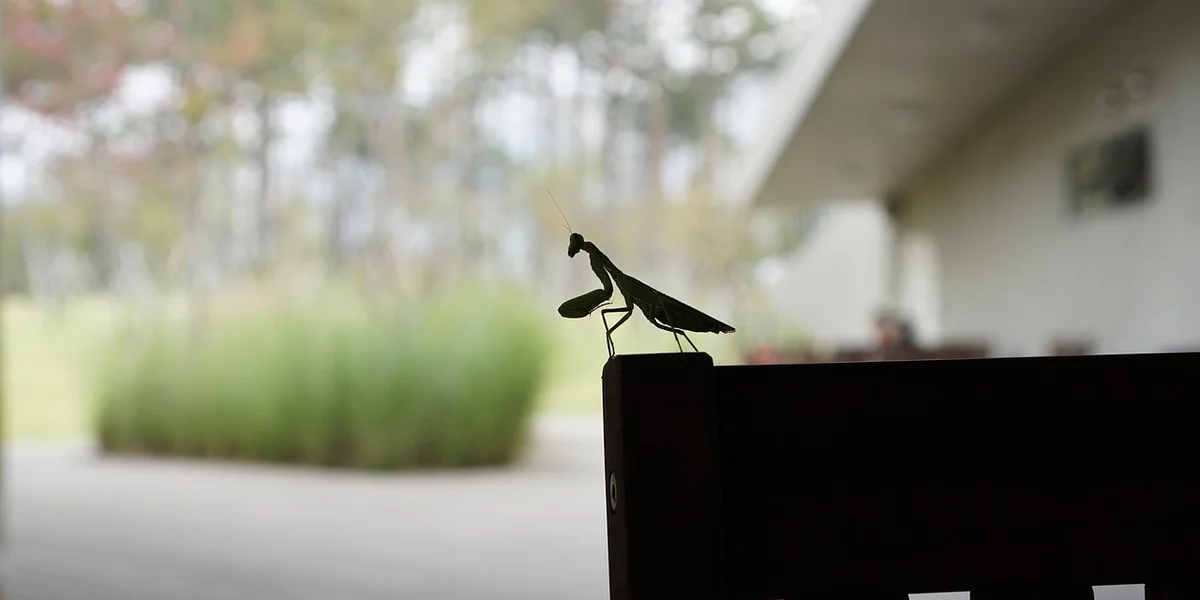
Keeping a praying mantis means embracing a pet whose entire life often fits within a single calendar year. This condensed timeline offers a profound, if tender, lesson in cherishing each growth stage, from tiny nymph to majestic adult. As they mature, their behavior changes. Nymphs chase tiny prey and stay hidden; adults hunt larger prey and court mates. Many species, like common garden mantises, live only six to eight months after hatching, with males frequently passing sooner than females.
Their journey is marked by molts, each one a risky rebirth. Our Ghost Mantis, Luna, would become still and pale for days before shedding her skin, reminding us how fragile these moments are. After her final molt to adulthood, we had just three short months with her in full, leaflike glory.
- Expect a Fast Cycle: The egg (ootheca) hatches in spring, adulthood arrives by late summer, and natural decline often follows by autumn.
- Males vs. Females: Adult males may live only 2-3 months, focused on mating, while females can survive longer to guard or lay eggs.
- No Longevity Shortcuts: Perfect care cannot extend their life greatly; it simply ensures they reach their natural, brief peak.
Specialist Care and Fragile Moments
Mantises are not low-maintenance; they require a keeper’s attentive eye to mimic the precise conditions of their native habitats. Small errors in humidity or temperature can lead to failed molts, where a mantis becomes trapped in its old skin. We learned this the hard way with an early enclosure that was too dry, leaving a nymph with a crooked limb.
Their diet is exclusively live food, which demands its own routine. You must raise or purchase appropriate feeders, like flightless fruit flies for hatchlings or gut-loaded crickets for adults, ensuring they are the right size to prevent injury. Our Giant Asian Mantis, Moss, once refused a cricket that was too large, ignoring it for a full day until we offered a smaller one.
- Molt Watch: Increase humidity slightly and never disturb a mantis hanging upside down to shed.
- Enclosure Balance: Use a fine mist spray for moisture but ensure cross-ventilation to prevent stagnant, mould-prone air.
- Handling Limits: Their exoskeleton offers little cushion against falls; hold them over a soft surface and let them walk onto you, never grab.
Even their water needs are specific. They drink from droplets on leaves and walls, so daily misting is better than a water dish, which could drown them.
Natural Behaviors That Can Surprise
These insects are wild predators at heart, and their instincts can be startling if you are not prepared. Cannibalism is a well-known reality, especially in crowded conditions or during mating, so solitary housing is non-negotiable from the very first instar. We once made the mistake of placing two nymphs together briefly and found only one by morning.
Their hunting is a silent, motionless wait followed by a lightning strike. You might see your mantis sway rhythmically, as if a leaf in the wind, a hypnotic behaviour called deimatic display used to confuse both prey and predators. Sprig, our Orchid Mantis, would perch perfectly still for hours, then lunge at a moth with startling speed.
- The Mating Dance: Males may approach females with slow, cautious steps, and post-mating consumption is a natural, if grim, possibility.
- Feigning Death: When severely threatened, some species will drop to the ground and remain rigid, playing dead until danger passes.
- Territorial Clashes: Even alone, a mantis may strike at its own reflection in glass, perceiving it as a rival.
These actions are not misbehaviour but deep-rooted survival traits. Observing them without alarm allows you to appreciate your pet’s authentic nature, creating a richer keeping experience.
Choosing Your Perfect Mantis Companion
We find selecting a mantis is like choosing a leaf from a gentle, living tree-each one offers a unique shape and rhythm to your day. Your ideal companion balances their innate stillness with your ability to provide a secure, mimicking slice of their natural world. We will guide you through some wonderfully beginner-friendly species and where to find them in good health.
Best Beginner Species for Pet Mantis Care
Starting with a resilient species builds your confidence as a keeper. These mantises are generally hardy, tolerant of beginner learning curves, and possess a calm disposition that makes handling a quiet joy. Their care routines are straightforward, letting you focus on the pleasure of observation.
Consider the light, humidity, and space you can offer. A small, well-ventilated terrarium on a shelf can become a perfect home for one of these forgiving species. Here are our top recommendations for your first foray into mantis keeping.
- Ghost Mantis (Phyllocrania paradoxa): Delicate and leaflike, they sport misty browns and intricate frills. My ghost mantis, Luna, moves with a slow, thoughtful grace, often pausing as if listening. They thrive at typical room temperatures and appreciate a light daily mist.
- Giant Asian Mantis (Hierodula membranacea): Vibrant green and robust, these mantises grow quite large and display charming curiosity. Moss, my male, was always the first to investigate a new twig. Their hearty appetites and simple needs make care very manageable.
- European Mantis (Mantis religiosa): A classic, dignified species often seen in gardens. They adapt readily to captivity, requiring just a tall enclosure for molting and regular moisture. Their poised stance brings a touch of wild grace indoors.
Each species whispers its own small needs. Ghost mantises enjoy slightly higher humidity, while giant Asians relish a taller enclosure for climbing and molting. Matching their subtle requirements to your home environment sets the stage for a contented pet.
Where to Find a Healthy Pet Mantis
Sourcing your mantis is the first act of care. Choosing a healthy individual from a reputable source prevents early heartache and gives your pet the best start. We prefer captive-bred mantises for their predictable health and adaptability.
Look for breeders or sellers who provide clear information. A trustworthy source will happily share details about the mantis’s age, last meal, and molting history. This transparency is a green flag for their overall welfare standards, especially when it comes to line breeding and selective breeding practices.
- Specialist Online Breeders: Many dedicated breeders operate online, shipping nymphs safely. Examine their website for detailed care guides and photos of active mantises. I have found breeders who answer questions promptly are often the most reliable.
- Insect or Reptile Expos: These events let you see many mantises up close. You can watch how they move and interact directly with the breeder. It is a splendid way to assess health and temperament on the spot.
- Local Pet Shops (With Careful Inspection): Some stores carry mantises. Check that the enclosures are clean and the mantises look alert. A healthy mantis will have clear eyes, all limbs intact, and no signs of old, clinging skin.
When you first see your potential pet, watch for a few key signs. A healthy nymph or adult will hold itself upright, track movement with its head, and react calmly to a gentle breath near its enclosure. Avoid any that seem limp, disinterested, or have difficulty clinging.
Whilst you may see mantises in your own garden, wild-caught adults can harbour parasites. For a harmonious beginning, we always recommend starting with a captive-bred mantis from a caring breeder. This choice supports ethical keeping and gives you a clearer, calmer story together.
The Essentials of Happy Mantis Keeping
Keeping a praying mantis content revolves around three simple pillars: a safe home, stable climate, and regular meals. Healthy habitat choices are essential for a healthy mantis. Proper space, humidity, and airflow directly affect its well-being. Think of it as crafting a tiny, living diorama where every detail supports your mantis’s natural rhythms and quiet dignity. We’ll walk through each element, using plain steps and keeper-tested advice to build your confidence.
Creating a Perfect Mini-Habitat
Your mantis’s enclosure is its entire world. A proper habitat mimics the nooks and crevices of their natural environment, offering security and surfaces for climbing and molting. For my Ghost Mantis, Luna, a taller terrarium with mesh siding lets her cling and observe her surroundings with that thoughtful, head-tilting curiosity.
Start with an enclosure at least three times the mantis’s height. Good ventilation is non-negotiable to prevent stale, damp air. Proper ventilation is essential for the mantis’s health, preventing mold and stress from stagnant air. It should promote gentle airflow while avoiding direct drafts. Here’s a simple setup checklist:
- Container: A well-ventilated glass or acrylic terrarium, or a large mesh cage for active species.
- Substrate: A inch or two of coconut fiber or peat moss holds humidity and gives a natural, earthy floor.
- Furnishings: Twigs, bamboo sticks, or artificial plants provide climbing frames. Ensure everything is secure.
- Ceiling: A mesh or textured lid is crucial-mantises hang upside-down to shed their skin safely.
Arrange branches at different angles. This creates a stimulating landscape for hunting and resting, much like the gentle chaos of a garden bush. Avoid sharp edges and overcrowding; you want a spacious feel where your mantis can move like a green statue coming to life.
Climate Control: Heat and Humidity
Mantises are ectotherms, relying on their environment to regulate body temperature. Getting the climate right prevents failed molts and keeps your mantis actively foraging. Imagine the warm, dappled sunlight of a late spring morning-that’s the steady comfort we aim for.
Most common species, like my energetic Giant Asian Mantis Moss, thrive between 22°C to 28°C (72°F to 82°F). Humidity needs vary; tropical orchids like Sprig require more mist, whilst desert types need less. Use a small digital thermometer and hygrometer to monitor conditions.
- Heating: A low-wattage heat mat on one side of the enclosure creates a gentle gradient. Never use heat lamps directly overhead, as they can dry out your mantis.
- Humidity: Lightly mist the enclosure sides with warm water every day or two. Listen for the soft hiss of the spray-it should dampen, not drench.
- Adjustments: In drier homes, place a small water dish near the heat source to boost humidity naturally.
Watch for clues. If your mantis drinks droplets from leaves after misting, you’ve hit the sweet spot for humidity. A consistently damp substrate or condensation on walls means cut back; we want humid air, not a wet cage.
The Feeding Routine: Live Prey
Praying mantises are obligate predators, meaning they only eat live food. In nature, mantises help regulate insect populations, playing an ecological role by keeping pest numbers in check. This routine is less about gruesome spectacle and more about providing essential exercise and mental stimulation. Offering prey is like presenting a moving puzzle for them to solve with precise strikes.
Feed juveniles every day or two, adults every three to four days. Prey should be no larger than the mantis’s head. Here are common feeder options:
- Fruit flies: Ideal for hatchlings and small species. Culture them at home for a steady supply.
- Pinhead crickets: A staple for larger nymphs. Gut-load them with vegetables for extra nutrition.
- Green bottle flies: Excellent for adults; their movement triggers strong hunting instincts.
Always supervise feeding. Remove uneaten prey after a few hours to prevent stress or injury to your mantis, especially during delicate molting periods. Use soft-tipped tweezers to offer insects if your mantis is shy, mimicking natural movement. After a meal, you might see a gentle cleaning of forearms-a sign of a satisfied, content predator.
Variety matters. Rotating feeder types ensures a balanced diet and keeps your mantis engaged with its environment. Notice how your mantis reacts; some, like Moss, will eagerly pursue anything that moves, whilst others prefer slower, deliberate approaches.
Beginning Your Journey as a Mantis Keeper
Starting with a mantis feels less like adopting a traditional pet and more like inviting a tiny, graceful wild visitor into your space. Your first and most important decision is choosing a species that matches your experience level and the amount of time you can dedicate to care. A beginner-friendly choice sets you both up for success.
Choosing Your First Mantis
For your first foray, look for species known for their hardiness and calm temperament. They are forgiving of small learning curves and let you build confidence.
- Ghost Mantis (Phyllocrania paradoxa): Our ghost mantis, Luna, is a perfect example. With her leaflike camouflage and slow, deliberate movements, she’s incredibly low-stress. Ghost mantises are small, peaceful, and their fascinating appearance feels like keeping a piece of moving art.
- Giant Asian Mantis (Hierodula membranacea): This was our Moss’s species. They are larger, vibrant green, and wonderfully curious. They are robust eaters and bold climbers, offering more interactive engagement without being overly delicate.
- Chinese Mantis (Tenodera sinensis): Commonly found in gardens, these are very adaptable and large. They are excellent for learning the full life cycle, from ootheca to adult.
We suggest admiring species like the stunning Orchid Mantis from a distance until you’ve mastered humidity and feeding routines with a hardier type. Their care is more specialised.
The Simple Setup: A Miniature Ecosystem
Your mantis doesn’t need a vast tank. A well-prepared enclosure is a secure, comfortable micro-habitat. A tall glass or mesh container, about three times the mantis’s height, works beautifully.
- Ventilation and Security: Ensure the lid is escape-proof but allows for excellent air flow. A fine mesh top is ideal.
- Climbing Structures: Add several branches, twigs, or fake plants that reach the top. Mantises hang upside-down to molt and sleep. Our Moss would spend hours surveying his domain from the highest vine.
- Substrate: A simple layer of coconut fibre or peat moss on the bottom helps maintain humidity. It also makes cleaning easier.
- Humidity Management: This is vital. A small spray bottle with warm water lets you gently mist one side of the enclosure daily. Your mantis will drink the droplets. The air should feel faintly damp, not wet.
A proper setup prevents most common health issues and gives your mantis the terrain it needs to behave naturally. Watching them explore their carefully arranged branches is a true joy.
The Rhythm of Daily Care
Caring for a mantis becomes a quiet, mindful part of your day. The routine is simple but requires gentle attention.
- Feeding: Offer live prey like fruit flies for youngsters or crickets and locusts for larger mantises. Food should be no larger than the space between your mantis’s eyes to avoid injury. Feed every two to three days, removing any uneaten prey to avoid stress.
- Water: They do not drink from bowls. A light misting on the leaves and walls provides their hydration. Watch as they carefully wipe droplets from their faces-it’s a delicate, charming behaviour.
- Observation: This is the heart of keeping mantises. Spend time just watching. Notice how your mantis tracks movement, cleans its forearms, or sways gently in a breeze you can’t feel. It’s wonderfully calming.
This daily check is less about chore and more about connection, a moment to ensure your tiny ward is content and healthy.
Handling with Respect
You can hold your mantis, but always on their terms. Move slowly and let them walk onto your hand. Never grab them. Their bodies are fragile.
A calm mantis will often stroll across your fingers, its tiny feet tickling your skin. Always handle them over a soft surface like a bed or table, in case they decide to leap. Our Sprig, the orchid mantis, would occasionally take a sudden, graceful flight to the nearest curtain.
Limit handling to a few minutes and always wash your hands first. Their world is one of patience and stillness; handling is a privilege, not a right.
Common Mantis Queries
Can I purchase a praying mantis from common pet stores like Petsmart?
Large chain stores such as Petsmart rarely carry praying mantises due to their specialized care requirements. It’s more reliable to source them from dedicated exotic pet shops or reputable online breeders who prioritize their health. For those unsure where to buy praying mantises, see our trusted buyers guide. It helps you evaluate breeders and vendors for health and responsible care.
What is the typical price range for a pet praying mantis?
Prices generally vary from $10 to $50, depending on the species’ rarity and the mantis’s age or size. Additional costs often include shipping fees for online orders and initial setup supplies for their habitat.
How can I find praying mantis pets for sale in the USA or near Detroit, MI?
Search online breeder listings and mantis keeper forums for nationwide sellers in the USA who offer shipping. For the Detroit area, check local reptile expos or connect with regional insect enthusiast groups for leads on nearby availability.
Your Mantis Companion: A Gentle Conclusion
Keeping a praying mantis is a unique joy, perfect for those who find peace in quiet observation and the rhythm of simple, attentive care. By focusing on a secure habitat, consistent feeding with live insects, and respectful, infrequent handling, you create a world where your mantis can flourish. It’s essential to create a naturalistic and safe habitat for your praying mantis to thrive.
Every mantis keeper steps into a role of gentle stewardship, a promise to provide for a fascinating life in their care. We warmly invite you to continue learning, share stories with fellow enthusiasts, and let each day with your mantis deepen your appreciation for these remarkable creatures.
Further Reading & Sources
- Garden Dilemmas, Delights & Discoveries, Ask Mary Stone Praying Mantises Beneficial or Bad – Garden Dilemmas, Delights & Discoveries, Ask Mary Stone
- Should You Keep a Praying Mantis as a Pet?
- Should I Release Praying Mantis into My Garden? | Extension
- Praying Mantis: Friend or Foe? – The Observant Gardener
Rowan Hale is a lifelong insect enthusiast who fell in love with mantises for their calm presence, alien elegance, and surprising personalities. After years of keeping and raising a variety of species, Rowan shares practical tips, creative insights, and real-world experience to help others enjoy the quiet magic of mantis care. From setting up the perfect enclosure to understanding their subtle behaviors, Rowan invites readers into a gentle, curious world where every tiny movement feels like a discovery.
First-Time Mantis Owners