
Are Praying Mantises Good Pets? Pros and Cons Explained
Published on: December 2, 2025 | Last Updated: December 2, 2025
Written By: Rowan Hale
Hello there, fellow mantis friend-pull up a chair and let’s chat about these quiet, captivating creatures that might just become your next pet.
Picture this: a delicate green form perched on a branch, motionless yet utterly aware, with arms folded as if in deep thought. Praying mantises can be wonderful pets for those who seek a low-noise, observational companion, but they come with a unique set of care requirements that aren’t for everyone.
It’s not a simple yes or no answer; it’s about balancing their serene beauty with the practicalities of their insect lifestyle. From my time caring for mantises like Sprig, my shy Orchid Mantis, I’ve learned that their world is one of subtlety and specific needs.
To give you a quick sense of what’s ahead, here are the core points we’ll explore:
- Mantises are budget-friendly and space-efficient, ideal for flats or busy lives.
- They thrive in controlled environments with careful humidity and warmth, much like a personal terrarium.
- Their lifespans are often short, typically under a year, which shapes the keeper experience.
- Observing their behaviors-from silent strikes to gentle molts-offers a peaceful, educational joy.
Getting to Know Your Potential Pet Mantis
Forget the idea of a simple garden insect. A pet praying mantis is more like a living piece of natural art, a quiet ambassador from the world of leaves and stems. These creatures are predators, yes, but in your care, they transform into captivating observers of their own small world. In the wild, they help regulate insect populations, acting as natural pest controllers. Their presence reminds us that even remarkable predators serve a purposeful role in ecosystems. Picture one perched on a twig, its front legs folded as if in quiet thought, its head tilting to follow your movement with an ancient, calculating grace. Welcoming a mantis means inviting a slice of wild wonder into your home, contained within the glass walls of a terrarium.
Your role shifts from bystander to steward, providing a safe, comfortable habitat where their natural behaviors can unfold peacefully. It’s a unique relationship built on quiet respect rather than cuddles. The core question isn’t just about whether you can care for one, but whether their particular brand of serene, predatory charm aligns with what you seek in a pet.
The Welcoming Pros: Why a Mantis Can Be a Wonderful Pet
For the right person, a mantis is not just a good pet-it’s a deeply rewarding one. Their unique advantages offer a pet-keeping experience unlike any other.
Fascinating Behavior and Observation Value
The daily life of a mantis is a masterclass in patience and precision. You’ll witness the slow, deliberate stalk before a lightning-fast strike, and the meticulous grooming where they clean their antennae and forelegs like a cat. Their curious head-tilts, as they track a fly or simply watch you, make them feel startlingly aware and present. I’ve spent countless peaceful minutes watching my Giant Asian mantis, Moss, methodically explore every leaf and seam of a new branch, his movements a blend of careful inspection and sudden, acrobatic leaps.
Surprisingly Low Maintenance Care
Compared to the relentless schedule of a dog’s walks or a cat’s demands for attention, mantis care is beautifully simple. Their core needs—feeding every few days, gentle misting for humidity, and occasional enclosure tidying—fit into even the busiest lifestyles. A proper habitat can be as compact as a large jar or a small terrarium, living comfortably on a bookshelf or desk corner. The weekly deep clean is a quick affair, more like refreshing a miniature landscape than a chore. To keep that balance, regular cleaning and maintenance of your praying mantis habitat is essential. A quick wipe-down of surfaces and periodic substrate refresh will help it stay clean and healthy.
Educational and Mindfulness Benefits
Caring for a mantis is a gentle lesson in biology and responsibility. You become attuned to the signs of an impending molt, learn the intricacies of an insect’s life cycle, and gain a new respect for predator-prey dynamics. There’s a profound calm that comes from simply sitting with your terrarium, focusing on its quiet, green world-a perfect antidote to a noisy, digital day. It teaches observation, patience, and the subtle art of providing care without interference.
Quiet, Clean, and Space-Efficient Companions
Your mantis will never bark, meow, or make a single sound. They produce no noticeable odour if their enclosure is kept tidy. This makes them ideal for apartments, dorms, or quiet homes where space and peace are precious. Their entire universe is a self-contained biome on your desk, a living diorama that asks for nothing more than a watchful eye and a gentle hand with a spray bottle.
The Honest Cons: Challenges Every Keeper Should Know
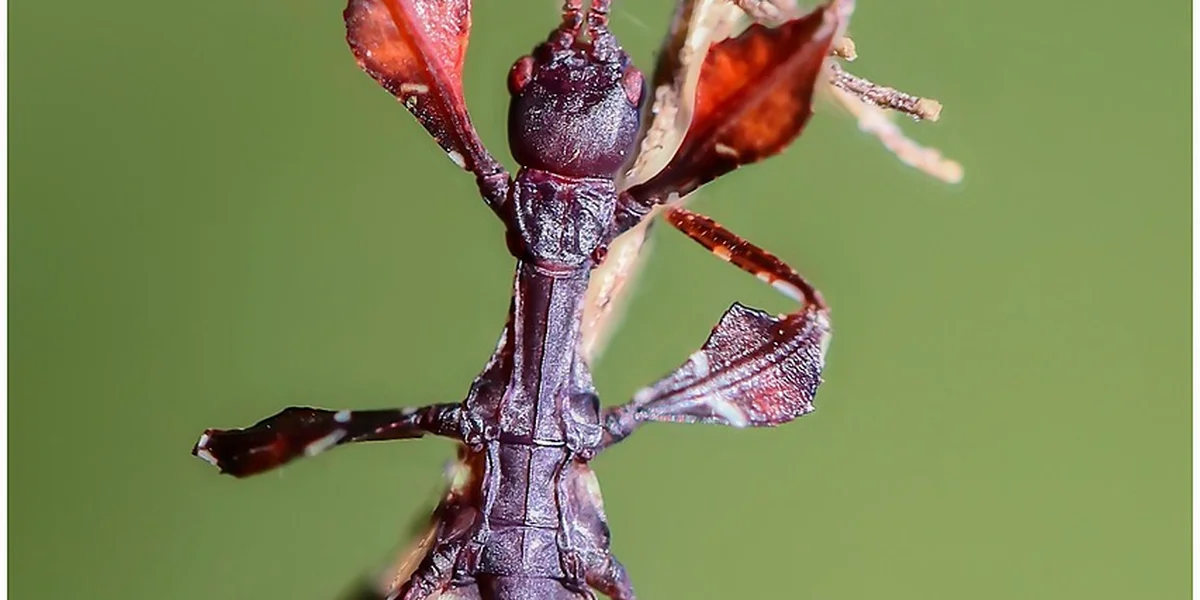
Choosing a praying mantis means welcoming a unique pet with some very particular needs. We find it helps to view these not as faults, but as honest features of their wild nature—factors that allow us to make a truly informed and caring choice. Understanding these points upfront means you can provide a comfortable life without surprise, turning potential hurdles into part of the keeper’s mindful routine. These traits—camouflage, patient ambush hunting, and swift foreleg strikes—are what make praying mantises so special. Appreciating their distinctive characteristics helps guide thoughtful care.
A Naturally Short Lifespan
From nymph to adult, a mantis’s journey is often measured in a single year. This condensed timeline invites us to find depth in brevity, cherishing each stage as we would a favourite seasonal bloom. In my time with mantises like Luna, my Ghost mantis, her quiet presence from delicate juvenile to statuesque adult was a gentle lesson in transient beauty. We learn to mark time not by years, but by successful molts and the quiet dignity of a life lived completely.
Handling Limits and Predatory Nature
These insects are born observers and patient hunters, not tactile companions. Regular handling can stress them, as their world is built on stillness and sudden, precise movement rather than cuddles. While a bite is uncommon and feels like a slight pinch, their escape risk is real; a mantis loose in a room can be difficult to locate and may see very small pets, like a hamster or finch, as prey. For their safety and yours, interactions are best kept to necessary transfers, done with calm, slow movements.
The Need for Live Insect Prey
A mantis’s diet is strictly carnivorous and reliant on movement to trigger a feeding response. This means you become a manager of small, live food cultures, which is a practical commitment every keeper faces. If you’re compiling a comprehensive list of what mantises eat, insects are the core prey. Here are the most common feeder insects, typically introduced as your mantis grows:
- Fruit flies (Drosophila): Essential for hatchlings and tiny nymphs, though their size means containing them is a skill itself.
- Pinhead crickets: A standard food source for juveniles, but they can be noisy and may nibble on a resting mantis if left in the enclosure too long.
- Dubia roaches or calciworms: Excellent for subadults and adults, as they are nutritious, less aggressive, and easier to contain than crickets.
Maintaining this live food supply requires a separate setup or regular purchases, which can be a hurdle for those uneasy with insects. I remember the focused ritual of offering fruit flies to a young Sprig-it’s a hands-on part of care that becomes second nature.
Specific and Delicate Care Requirements
Their health hinges on recreating a slice of their natural habitat within your home. This isn’t about complex gadgets, but about consistent, attentive stewardship of their micro-environment. You’ll need to monitor humidity with a simple gauge, as too little can cause a fatal stuck molt, while too much encourages mould. Temperature needs to stay within a stable, warm range, much like a sunny windowsill. The molting process is especially delicate, requiring peace, perfect humidity, and something soft to climb onto-a time when your role shifts from observer to guardian.
Core Care Simplified: The Mantis Keeper’s Foundation
Imagine your mantis’s world as a miniature greenhouse, a self-contained haven where humidity lingers like a soft morning fog and warmth encourages quiet activity. Building this foundation is about simplicity and observation, creating a stable environment where your mantis can thrive without fuss. We’ll guide you through the key elements, drawing from calm afternoons spent with mantises like Luna, my ghost mantis, who molts with the delicate patience of a unfolding leaf.
Your Mantis’s Home: Terrarium Setup Basics
- Select an enclosure that breathes. A height of at least three times your mantis’s length is ideal, with good ventilation. Mesh cages are excellent for airflow, mimicking a breezy garden, but they may require more frequent misting. Glass terrariums retain humidity beautifully, creating that steady mini greenhouse effect, though ensure cross-ventilation to avoid stale air. Acrylic options are clear and lightweight, but can be prone to scratching over time. For a starter home, a simple mesh or glass container with a secure lid offers a perfect balance.
- Create a simple, safe landscape. Use a plain substrate like coconut coir or sterile peat moss; it holds moisture safely and is harmless if nibbled. Add a few clean, dry branches for climbing-hazel or apple twigs work wonderfully after a quick bake in a low oven to remove pests. Avoid anything with sharp bark. A single silk plant or a piece of cork bark provides a hiding spot, making your mantis feel secure. My giant Asian mantis, Moss, treats every new twig as an adventure, his green form poised like a living jewel.
Climate Control: Humidity and Temperature
- Keep the temperature consistently gentle. Most mantises enjoy a range of 20°C to 28°C. A small, low-wattage heat mat placed on one side of the enclosure creates a subtle warmth gradient, letting your mantis choose its comfort. Often, a spot in a warm room, away from radiators or drafts, provides all the heat needed.
- Manage humidity with everyday ease. Aim for 50% to 70% humidity, which feels like a soft, damp cloth to the touch. Light misting with lukewarm water once or twice daily replicates natural dew. For a simple hack, place a shallow jar of water inside the terrarium; its slow evaporation gently boosts moisture. You’ll know the climate is right when the air carries a faint, earthy scent after misting, much like a forest after a light rain.
The Feeding Routine: Offering Live Prey
- Match feeding frequency to growth. Tiny nymphs need daily or every-other-day meals of fruit flies or micro crickets. Juveniles do well with food every three to four days, and adults typically eat once a week. A slightly rounded abdomen signals a content mantis. My juvenile orchid mantis, Sprig, hesitates at first but strikes with surprising speed when a feeder moves.
- Present food with care to prevent stress. Use blunt-ended tweezers to offer live insects, holding them gently to avoid pinching your mantis. Always remove any uneaten prey after a few hours to keep the peace. Gut-load your feeders by giving them nutritious scraps like carrot slices or oatmeal 24 hours before feeding; this turns each meal into a vitamin boost for your mantis.
Best First Mantis: Beginner-Friendly Pet Species
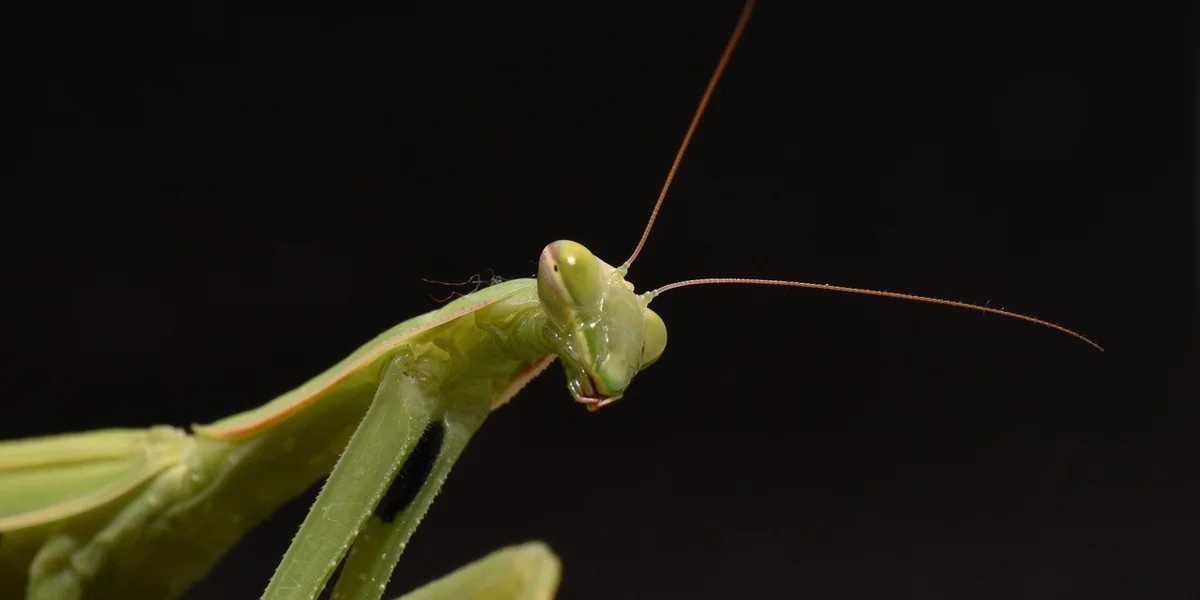
Choosing your first mantis feels like picking a quiet companion for a shared adventure. We always suggest starting with a species known for its hardy nature and calm disposition, as this builds your confidence and their comfort. Three wonderful candidates stand out for new keepers, each bringing a unique charm to your care routine. Choosing the right mantis species is essential for beginners. It helps ensure a smoother start and a more rewarding experience.
| Species | Typical Size | Temperament | Care Level |
|---|---|---|---|
| Ghost Mantis | Small (1.5-2 inches) | Peaceful, slow-moving | Easy |
| Giant Asian Mantis | Large (3-4 inches) | Curious, active | Easy to Moderate |
| Chinese Mantis | Medium to Large (3-5 inches) | Adaptable, vigilant | Easy |
Ghost Mantis (Phyllocrania paradoxa)
Imagine a tiny, living leaf that moves with thoughtful grace. The Ghost Mantis wins hearts with its delicate, crumpled appearance and a temperament that suits quiet observation perfectly. Their misty brown or green bodies sport leaflike frills, helping them vanish against branches.
My own Ghost Mantis, Luna, spends her days perched like a delicate sculpture, tilting her head with a quiet intelligence. They rarely show aggression, making them a superb choice if you enjoy gentle handling sessions.
- Their small size means a compact enclosure is sufficient.
- They thrive in warm, humid environments similar to a terrarium’s soft embrace.
- Feed them small flightless fruit flies or pinhead crickets.
Giant Asian Mantis (Hierodula species)
For keepers who love a vibrant, engaging pet, the Giant Asian Mantis is a joyful handful. These mantises boast a robust size and often a dazzling emerald green color that shimmers under the light. They are naturally curious and will often be the first to explore a new stick or flower in their home.
I think of Moss, my adult male, whose energetic climbs and attentive stares made every feeding time a small event. Their active curiosity means you will rarely have a dull moment watching them patrol their territory.
- Provide a taller enclosure to accommodate their climbing nature.
- Their diet progresses to larger prey like houseflies or small moths.
- Mist their home lightly each morning to maintain the humidity they adore.
Chinese Mantis (Tenodera sinensis)
This species is a classic starter mantis for very good reason. The Chinese Mantis is widely available and remarkably adaptable, handling slight variations in care with resilient ease. They often display lovely tan or green stripes, standing tall and vigilant in their space.
You might find them in garden centres or online, ready to begin life with you. Their widespread nature means a wealth of care advice is at your fingertips, making your first steps smoother.
- They are excellent hunters, readily accepting crickets and other feeder insects.
- A roomy mesh or glass enclosure supports their healthy growth.
- Keep their environment warm with a gentle heat pad placed on one side.
Finding Your Mantis: A Guide to Responsible Sourcing
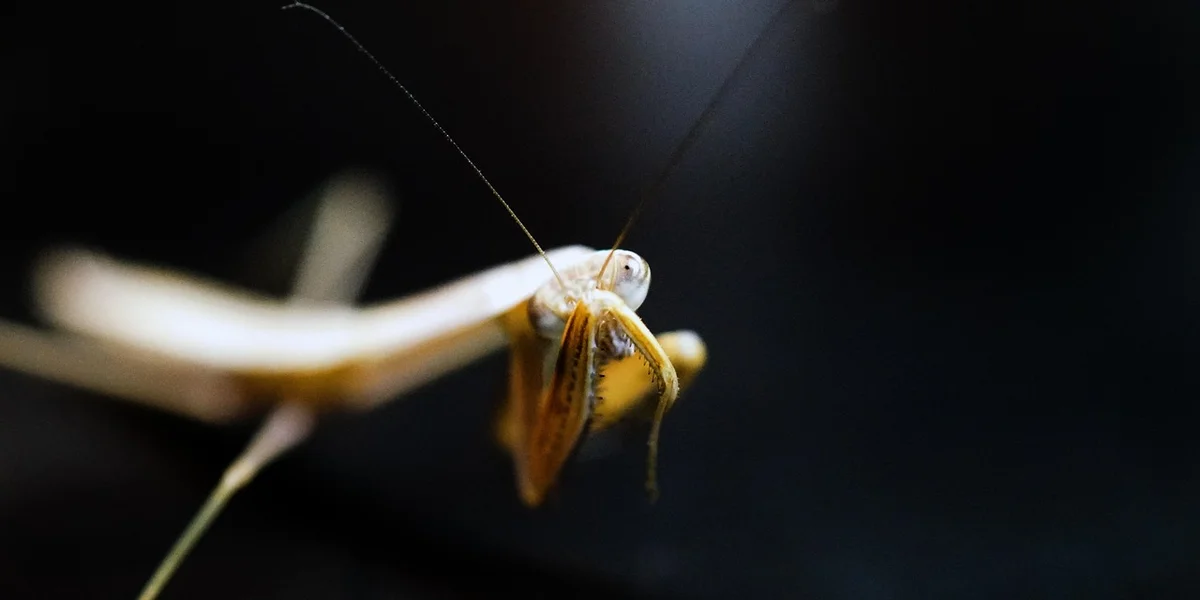
Typing “praying mantis pets for sale” into a search engine often leads to a mix of exciting offers and questionable sources. Your first act as a new keeper should be choosing a supplier who treats these delicate insects with the same care you aim to provide. We firmly steer clear of wild capture, as taking mantises from their natural habitat can introduce stress, parasites, and harm local ecosystems. Once you’ve secured a reputable source, your next step is to create a naturalistic safe habitat that mimics its native environment. This includes a well-ventilated enclosure, appropriate humidity, and plenty of branches and foliage for climbing and hiding.
- Focus exclusively on captive-bred individuals from the established pet trade.
- Ethical sourcing gives your mantis the best start, coming from a controlled environment where its health is monitored.
Reputable Online Retailers and Breeders
The digital marketplace is a shimmering window into the mantis world, offering everything from the familiar Chinese mantis to the breathtakingly ornate orchid mantis. Dedicated breeders often provide a depth of knowledge and personal connection that large retailers cannot match. When my Moss, a Giant Asian Mantis, was just a nymph, his breeder sent along a small vial of his favorite fruit flies and notes on his last successful molt.
- Assess seller credibility through detailed customer reviews that mention safe arrival, active behavior, and accurate species identification.
- The best online sources offer transparent communication, clear photos of actual stock, and thorough care guides for your specific mantis.
Local Pet Shops and Exotic Expos
Nothing compares to seeing a potential pet mantis in person, its colours vivid under the light as it surveys its temporary home. Specialist exotic pet shops and reptile expos let you observe the insect’s condition and interact directly with the keeper. You might watch a mantis like my Sprig gently clean her forearms, a sign of comfort and good health in a calm setting.
Costs here can vary as widely as the species on display. A common mantis nymph might only cost a few pounds, while rarer sub-adults or females can command a higher price due to their longer lifespans and breeding potential. The price reflects factors like the breeder’s reputation, the mantis’s age, and the complexity of its care needs.
- Look for clear, alert eyes, a full abdomen, and a strong, confident grip on branches or mesh.
- Engage with sellers; ask about the mantis’s feeding schedule and last molt to gauge their attentiveness.
Stewarding Their Health: Preventative Care and Common Issues
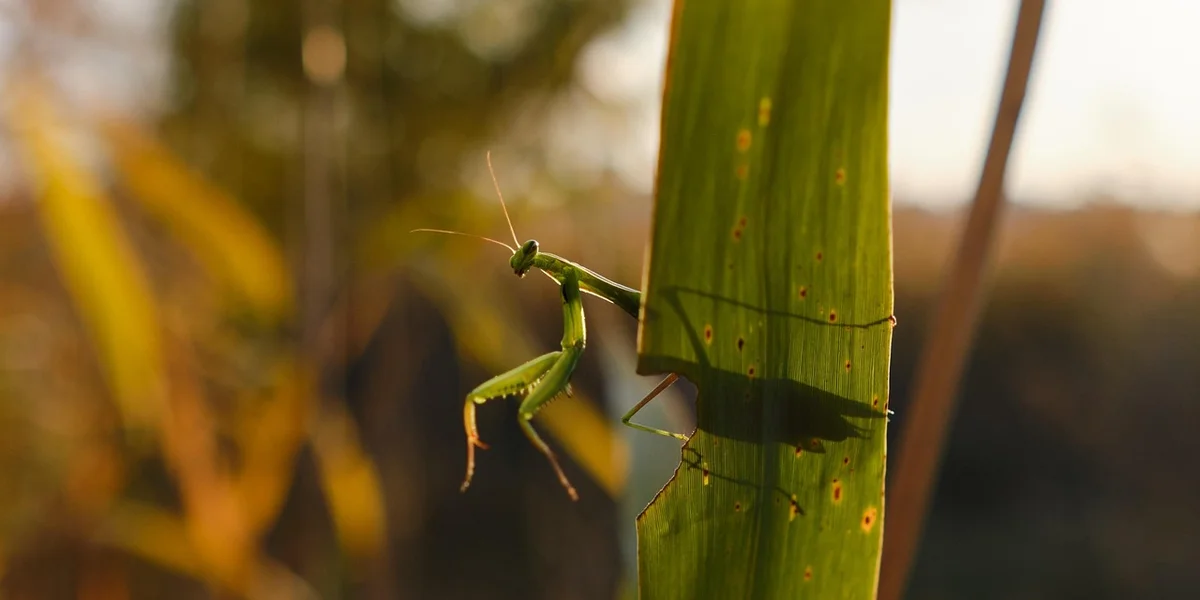
Moving from the broader pros and cons into daily practice, your focus shifts to fostering resilience. Your attentive care is the gentle foundation that prevents most common problems, turning ownership into a peaceful stewardship.
We build wellness through consistent, quiet observation and small, thoughtful adjustments to their environment. Catching a potential issue early often means a simple, non-invasive solution that keeps your mantis content.
Supporting a Successful Molt
Molting is a mantis’s most delicate rebirth. In the days prior, they grow still and refuse food, often hanging from a secure branch. The process itself is a hushed spectacle-a soft rustle as the old skin splits, followed by an almost statuesque stillness as they carefully extract each limb. Providing the right conditions for this natural event is one of your most important caring acts, especially when you recognize the signs that a praying mantis is about to molt.
Here are crucial pre-molt care steps to follow:
- Gently raise the humidity by misting the enclosure walls lightly the evening before you suspect a molt.
- Ensure multiple sturdy anchoring points, like twigs or mesh, are available from the top of the habitat.
- Stop offering food at least two days prior, as a full abdomen can complicate the process.
- Dim the lights and minimise any vibrations or disturbances near the enclosure.
- Resist the urge to touch or move your mantis for at least 48 hours after the molt, whilst their new exoskeleton hardens.
I recall my Giant Asian mantis, Moss, during his final molt; the quiet confidence of his slow, precise movements in the humid dawn air was a lesson in patience. A successful molt leaves your mantis vibrant, hungry, and ready for its next life stage.
Recognizing Signs of Distress
Even in the best care, mantises can show signs of discomfort. Learning these signals lets you respond with calm, effective support. Early intervention is often a matter of adjusting their immediate surroundings with a keeper’s gentle hand.
Look for these clear indicators and pair them with these first-response actions:
- Dehydration: Sunken eyes, lethargy, or a crinkled abdomen. Offer a single, large water droplet on the enclosure wall or a leaf tip using a misting bottle.
- Injury: A bent or dangling limb, often from a fall. Ensure the habitat has soft landing spots like live plants and reduce climbing height temporarily to prevent further harm.
- Illness: Black spots on the body, persistent lack of appetite, or unusual fluid discharge. Immediately isolate the mantis in a clean, simple quarantine setup and consult a specialist invertebrate community or vet.
- Stress: Frequent, frantic pacing or striking at the enclosure walls. Check for excessive heat, too much direct light, or territorial reflections in the glass, and provide more visual barriers with foliage.
My Orchid mantis, Sprig, once showed a slight lethargy that worried me; a slight boost in humidity and a drop of honey-water offered on a stick revived her within hours. Your watchful eye is their first and best line of defence, turning worry into practical, loving care.
Common Mantis Queries
Where can I find praying mantises for sale near my location?
Local exotic pet shops and reptile expos are reliable places to find mantises for sale. Additionally, many online breeders offer local pickup options in various cities. For praying mantis eggs specifically, consult a guide to reliable sources to identify reputable sellers and avoid wild-collected eggs. Always check care requirements and legality in your area before purchasing.
How much does a pet praying mantis typically cost?
Costs generally range from $10 to $50, influenced by species rarity and age. Captive-bred nymphs are often affordable, while adult females or rare varieties may command higher prices.
Does Petsmart sell praying mantises as pets?
Petsmart may occasionally carry praying mantises, but stock varies by location and season. Always contact your local store directly or check their website for current availability before visiting. For a trusted buyers guide on where to buy a pet praying mantis, see our recommendations of reputable sellers and buying tips.
Finding Your Fit with a Praying Mantis
Welcoming a mantis into your home is about appreciating a pet that observes the world with still, curious eyes, requiring a habitat tuned to humidity and hunt. These essential habitat requirements help keep a healthy praying mantis, supporting proper molting and active feeding. A well-balanced setup reduces stress and promotes natural behavior. Success hinges on a well-ventilated enclosure, consistent misting for moisture, and a reliable source of appropriate live food like flightless fruit flies or pinhead crickets.
Your role as a keeper is a quiet pledge to mirror the gentle rhythms of their natural world, from monitoring molts to offering sturdy twigs for perch. Let each quiet moment with your mantis, perhaps watching your own like Moss explore a new leaf, deepen your understanding and commitment to their subtle, fascinating care.
Further Reading & Sources
- Top 5 Praying mantis as pets, for beginners and for those who want the best experience
- Should You Keep a Praying Mantis as a Pet?
- How to Care for a Pet Praying Mantis – PetHelpful
- 4 Ways to Keep a Praying Mantis As a Pet – wikiHow
Rowan Hale is a lifelong insect enthusiast who fell in love with mantises for their calm presence, alien elegance, and surprising personalities. After years of keeping and raising a variety of species, Rowan shares practical tips, creative insights, and real-world experience to help others enjoy the quiet magic of mantis care. From setting up the perfect enclosure to understanding their subtle behaviors, Rowan invites readers into a gentle, curious world where every tiny movement feels like a discovery.
First-Time Mantis Owners