
Your First Pet Mantis: A Week-by-Week Care Guide for New Owners
Published on: December 6, 2025 | Last Updated: December 6, 2025
Written By: Rowan Hale
Hello, mantis friend! Imagine the quiet thrill of watching a mantis perch like a living jewel, its head tilting with curious intelligence. We’ve felt that same wonder with our own mantises, like Luna, our ghost mantis, who observes the world with slow, thoughtful grace.
In this guide, we walk you through every step of caring for your new pet mantis, week by week, from setup to settling in. You’ll learn how to create a safe, comfortable home for your tiny predator.
Caring for a mantis involves more than just feeding; it’s about crafting a miniature ecosystem. We break down the process into simple, manageable weeks, so you can build confidence as your mantis grows.
Here’s a peek at your journey ahead:
- Week 1: Setting up the perfect enclosure with the right humidity and perches.
- Week 2: Establishing a feeding routine and learning to read your mantis’s hunger cues.
- Week 3: Monitoring growth and preparing for the delicate molting process.
- Week 4 and beyond: Adjusting care as your mantis matures and building a gentle bond.
Week 1: Setting Up and Welcoming Your Mantis
There’s a quiet magic in those first hours, like watching a tiny leaf unfurl in slow motion. We remember Luna, our Ghost Mantis, pausing on the edge of her travel cup, her frilled arms testing the air of her new home before she stepped onto a waiting twig.
Preparing the space before your mantis arrives transforms a potentially stressful introduction into a peaceful welcome. Follow this simple sequence to build a secure first habitat.
- Choose a stable location away from loud noises, direct sun, and breezy windowsills.
- Assemble your core supplies: enclosure, substrate, climbing decor, and climate tools.
- Set up the interior, securing all branches and plants to create a rich climbing network.
- Calibrate your heat and humidity sources to match your specific mantis species.
- Let the environment settle for a day, checking for any hazards like gaps or sharp edges.
Before Your Mantis Arrives: Habitat Setup
Think of this as crafting a miniature world tailored just for them. Having everything ready means you can focus on the gentle excitement of their arrival, not on frantic shopping.
A complete setup checklist is your best tool for a smooth first week. Gather these items so everything is at hand.
- A ventilated enclosure, such as a mesh cage or a glass terrarium with a secure lid.
- Substrate like coconut fibre or unbleached paper towels for the floor.
- A fine-mist spray bottle dedicated to your mantis care.
- A small digital thermometer and a hygrometer to monitor conditions.
- An assortment of twigs, fake foliage, or mesh for climbing and hiding.
- A low-wattage heat mat or cable for creating a gentle warm area.
Choosing and Preparing the Enclosure
Your enclosure is your mantis’s entire universe, so selection matters. Mesh cages offer superb airflow, perfect for species like our Moss who relish movement in the air. Glass tanks better retain moisture, a boon for humidity-loving types. That said, the glass vs mesh enclosures choice is all about trade-offs: mesh enclosures boost airflow and humidity control but can raise the risk of escapes. Glass tanks keep humidity steadier but may limit ventilation and lead to condensation if not well vented.
The right enclosure balances your mantis’s natural needs with the ease of your daily care. This quick cost-benefit look at DIY mantis habitats vs. commercial kits helps you weigh price against habitat quality. Here’s a quick comparison to guide your choice.
- Mesh or Screen Cages: Pros include excellent ventilation and light weight. Cons are they may dry out faster in arid rooms.
- Glass or Plastic Terrariums: Pros are stable humidity and clear viewing. Cons can be condensation and poorer air flow if not vented well.
Preparation is straightforward. Add a shallow layer of substrate, then arrange your climbing structures. Ensure everything is stable-a fallen branch can startle a delicate mantis. The final touch is a secure, fitted lid; these clever climbers are masterful escape artists.
Regulating Temperature and Humidity
Climate control is less about precision machinery and more about creating a comfortable gradient. A heat mat on one side lets your mantis choose its perfect spot, much like finding sun or shade in a garden.
Daily misting with lukewarm water replicates the gentle dew of their native environment, crucial for healthy skin and molting. Use this table as a starting point for common beginner friends.
| Mantis Species | Ideal Temperature (°C) | Ideal Humidity (%) |
|---|---|---|
| Ghost Mantis | 22-26 | 60-70 |
| Giant Asian Mantis | 24-28 | 50-60 |
| Orchid Mantis | 25-30 | 70-80 |
A simple digital hygrometer takes the guesswork out of humidity. If the readings dip, an extra light mist in the evening often does the trick.
The First Days: Acclimation and Observation
The initial 48 hours are a time for quiet adjustment. Your mantis is mapping its new territory, learning the smells, sights, and textures of its home.
Your primary role is to be a calm, observant presence, letting the mantis settle at its own pace. Use this short list to guide your gentle checks.
- Morning: Glance at the thermometer and hygrometer without disturbing the enclosure.
- Afternoon: Watch from a distance for five minutes. Note posture and activity level.
- Evening: Offer a light mist to the enclosure walls if needed, and assess if feeding might be welcomed.
How to Introduce Your Mantis to Its New Home
The transfer is a moment of quiet trust. Always open the shipping container inside the prepared enclosure, letting your mantis walk out independently. If you need to move a stressed mantis between enclosures, ensure the destination is ready and the route is calm. Keep movements slow and avoid unnecessary handling.
This hands-off approach minimizes stress and empowers your mantis to explore when it feels secure. You might see a curious head tilt, a sign they are processing their new world, just as Luna often does.
- Place the unopened travel container gently inside the prepared habitat.
- Dim the room lights to create a calming atmosphere.
- Carefully open the container and step back, allowing your mantis to exit on its own.
- After it has moved away, quietly remove the empty container and secure the lid.
Initial Feeding and Handling Tips
Wait about 24 hours before offering the first meal, allowing time for initial exploration. For tiny nymphs, flightless fruit flies are the perfect, manageable size.
Using soft-tipped tweezers to present food helps build a positive association with your presence. Hold the prey still, just within striking distance, and let your mantis do the rest.
- For hatchlings: Flightless fruit flies or springtails are ideal first foods.
- For larger juveniles: Small crickets or dubia roach nymphs offer more substance.
If you wish to try handling, keep it brief. Let your mantis walk onto your offered hand or a stick. Limit these first sessions to just a minute or two, always ending by letting it return to a familiar branch.
Week 2: Establishing a Feeding and Care Routine
Now a rhythm begins to form. Your mantis recognises the soft hiss of the mister and the familiar shape of your hand. This consistency is comforting, like the reliable turn of the seasons.
A predictable routine reduces anxiety for your mantis and makes care feel like second nature for you. This week we focus on building those daily and weekly habits.
Creating a Weekly Feeding Schedule
Mantises don’t need daily meals, but a regular schedule supports steady growth. Juvenile mantises typically eat every two to three days, depending on their size and appetite. For a complete feeding schedule, plan meals around these intervals and adjust as they grow. Keeping a simple log helps ensure they stay on track and don’t go hungry.
Gut-loading your feeder insects turns a simple meal into a vitamin-rich feast for your mantis. Here’s a sample weekly plan for a growing juvenile. This post is part of the ultimate guide to gut-loading feeder insects for mantises, with practical tips on nutrition, timing, and insect selection. For the full approach, consult the complete guide for best results.
- Day 1: Two gut-loaded fruit flies or one small cricket.
- Day 3: A different prey item, like a black soldier fly larva.
- Day 5: A lightly dusted cricket or another fruit fly offering.
Observe your mantis’s abdomen; a slightly plump shape indicates a well-fed insect. A skinny abdomen means you can offer food a bit sooner.
Suitable Prey for Juvenile Mantises
Variety is the spice of a mantis’s life, providing a range of nutrients. Flightless fruit flies are excellent for tiny nymphs, while pinhead crickets offer more protein for growing muscles.
Offering different prey types stimulates natural hunting behaviours and prevents dietary boredom. Our Sprig becomes notably more active when she spies a wiggling moth versus a cricket.
- Fruit Flies: High in moisture, aid hydration.
- Pinhead Crickets: Good protein source, encourage vigorous strikes.
- Curly-Wing Flies: Provide enrichment through flight simulation.
Source feeders from specialist breeders to ensure they are healthy and free from pesticides that could harm your mantis.
Tips for Gut-Loading and Offering Food
Gut-loading is simply feeding the feeders well before they become a meal. A slice of carrot, a leaf of kale, or a piece of apple 24 hours prior works wonders.
This simple step transfers essential nutrients from the vegetable to your mantis, boosting its overall health. It’s an easy habit with a big impact.
- Keep your feeder insects in a small container with fresh vegetable scraps.
- Select the most active feeders for offering; they’re more likely to catch your mantis’s eye.
- Use tweezers for precision feeding, or release a few prey into the enclosure for a natural hunt.
Remove any uneaten prey after a few hours to prevent them from bothering your mantis, especially before a molt.
Daily Care Tasks and Socialization
Your daily routine is a short, peaceful ritual. It’s a time for connection and quiet observation, a chance to note the subtle changes in your mantis’s behaviour or colour.
These consistent, gentle interactions are the foundation of a trusting bond. Moss now often ambles to the front of his mesh home when we approach, a silent greeting we cherish.
- Light misting each morning to spike humidity.
- A quick temperature and humidity check with your digital readers.
- Five minutes of quiet observation to monitor health and behaviour.
Misting and Humidity Checks
Proper misting is an art. Aim your spray at the leaves and sides of the enclosure, creating a fine rain that settles like morning dew.
Always use room-temperature, dechlorinated water to avoid shocking your mantis’s delicate system. You can check humidity by feel—the substrate should be slightly damp, not soggy, and the air should feel fresh, not stagnant. To set up the perfect humidity level for your praying mantis enclosure, use a hygrometer to monitor the humidity and adjust misting to keep it steady. Keep adjustments within a stable range suited to your mantis species.
- Fill your spray bottle with prepared water the night before so it reaches room temperature.
- Spray upwards and let the mist fall gently into the habitat, avoiding direct hits on your mantis.
- Check your hygrometer reading immediately after misting and again later in the day.
- Adjust frequency based on your species’ needs and how quickly the water evaporates.
Safe Handling Practices for Bonding
Handling is about invitation, not capture. The goal is to let your mantis choose to interact with you, building confidence on both sides.
Move with slow, deliberate motions and always let your mantis walk onto you, rather than you picking it up. Watch its body language; front legs raised in a defensive pose means it needs space.
- Wash your hands thoroughly with unscented soap to remove any lingering smells.
- Open the enclosure and rest your hand calmly on the substrate near your mantis.
- Gently touch its hind legs with a soft paintbrush to encourage it to step forward onto your hand.
- Keep sessions short, under five minutes, and always return it to a favourite perch.
With patience, these moments can become a peaceful part of your shared routine.
Weeks 3 & 4: Monitoring Growth and the First Molt
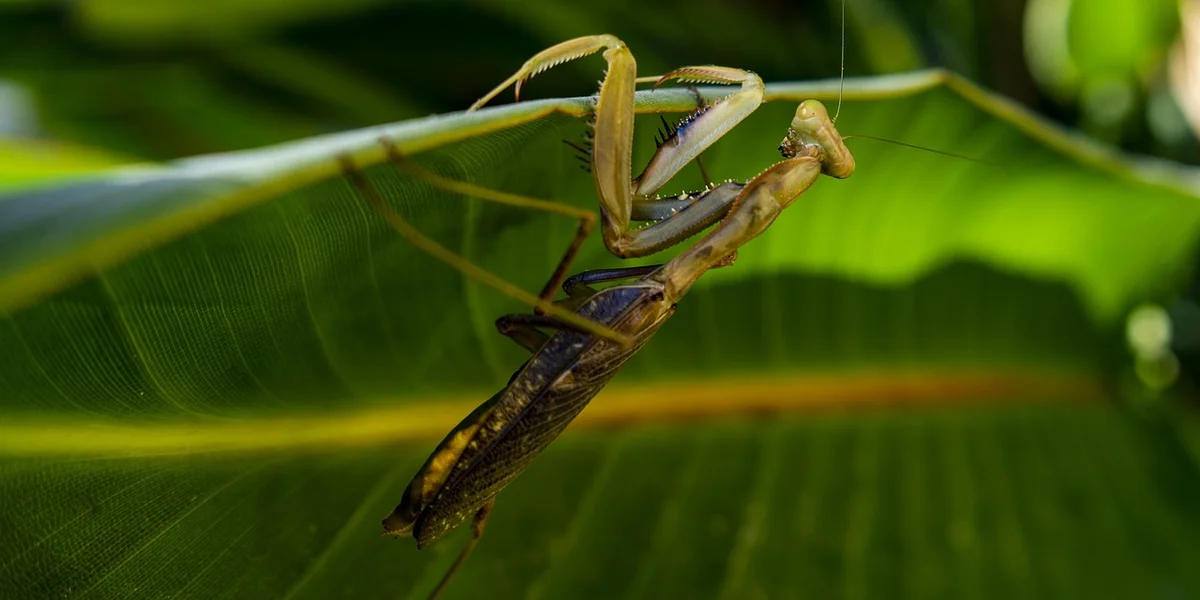
Around this time, your mantis enters a hushed, introspective phase-its daily buzz softening into a still, watchful calm. You might notice a decreased appetite and a more thoughtful posture, like Luna, my Ghost Mantis, who would perch for hours with her leaflike frills barely rustling in the humid air. This is the pre-molt period, a magical window where your role shifts to gentle, watchful support.
Understanding the Mantis Molting Cycle
Molting, or ecdysis, is how your mantis grows; its hard exoskeleton cannot expand, so it must be shed like a too-tight suit. Picture this cycle as a delicate, private transformation, unfolding from pre-molt stillness to post-molt recovery over a few days. It is a critical process where any disturbance can risk injury, so patience becomes your best tool.
Signs That Molting is Imminent
Your mantis will show clear tells that shedding is near. Watch for these subtle signs:
- A sudden refusal of food, even favoured treats like fruit flies or pinhead crickets.
- Long periods hanging upside down from the enclosure ceiling or a branch, motionless.
- The exoskeleton looks duller or cloudy, losing its usual vibrant sheen.
- Gentle abdominal pulsations as it pumps fluid to separate from the old skin.
When you spot these clues, slightly increase humidity by misting with warm water to ease the skin’s release, but avoid drenching the space.
How to Assist During and After Molting
During the molt, your mantis is incredibly vulnerable. Follow these simple dos and don’ts:
- Do not disturb: Keep the enclosure quiet and resist touching or moving your mantis-any jolt can cause a fall.
- Ensure a safe hanging spot: Provide plenty of textured branches or mesh for a secure grip.
- Offer extra moisture: Lightly mist the walls, not directly on the mantis, to maintain humidity.
After shedding, give it time. The new skin is soft and pliable, so wait 24 to 48 hours before offering food to allow it to harden properly. Your mantis may seem lethargic; this is a normal part of post-molt recovery.
Tracking Development from Baby to Juvenile
These weeks bring a visible growth spurt, transforming your tiny nymph into a more defined juvenile. We find it helpful to keep a simple journal or take weekly photos-it lets you cherish each small change, from size increases to colour shifts. You will witness a remarkable journey, much like watching a seedling unfurl its first true leaves.
What to Expect in Size and Behavior Changes
After a successful molt, your mantis may nearly double in size, with sharper features and more coordinated movements. Feeding frequency often changes; juveniles typically eat every two to three days, showing bolder strikes at prey. Behaviourally, they become more explorative-my Giant Asian mantis, Moss, would always climb to the highest perch after molting, his emerald body gleaming as he surveyed his terrarium with renewed curiosity.
Weeks 5 to 8: Ensuring Long-Term Health and Happiness
By now, the initial newness has softened into a comfortable routine. These weeks are about finding a gentle, sustainable rhythm that fits seamlessly into your life, turning care from a task into a quiet pleasure. We will focus on simple enclosure upkeep and proactive health checks, helping you settle into your role as a confident keeper.
Weekly Health and Habitat Maintenance
A short, dedicated session each week keeps the habitat fresh and prevents problems. This weekly touch-base maintains that lovely, earthy aroma of damp moss and clean air, which is a sure sign of a thriving environment. Here is a simple checklist to follow every seven days.
- Carefully remove any uneaten or deceased feeder insects using soft tweezers.
- Spot-clean the substrate around the water dish and feeding areas where waste accumulates.
- Empty, rinse, and refill the water dish with fresh, dechlorinated or bottled water.
- Check humidity levels with a hygrometer and mist lightly if the air feels too dry.
- Gently inspect all leaves, branches, and ventilation for signs of mold or wear.
Cleaning the Enclosure: A Step-by-Step Guide
Every four to six weeks, a full clean refreshes the entire space. Your mantis’s safety comes first, so always prepare a secure temporary home like a large, ventilated jar with a paper towel liner before you start. We recommend using only warm water or a drop of pet-safe, fragrance-free soap.
- Gently coax your mantis into the holding container and secure the lid.
- Remove all décor, dishes, and any artificial plants from the main enclosure.
- Dispose of all the old substrate-it’s easier to start fresh.
- Wash the empty tank with warm water, scrubbing gently with a soft cloth. Rinse it thoroughly to remove any residue.
- Dry the interior completely with a clean towel to discourage mildew.
- Add a new layer of substrate, reposition your décor, and give a light mist before returning your mantis to its clean home.
Regular Health Observations and What to Look For
Daily observation is your most powerful tool for catching issues early. Take a moment each day to watch your mantis’s behaviour; a healthy one moves with deliberate calm and shows keen interest in its surroundings. My ghost mantis, Luna, has a particular way of tilting her head when she’s curious-it’s a small sign of her well-being.
Keep an eye on these key indicators during your quiet watches:
- Alertness: They should follow your finger’s movement with their head and react to gentle vibrations.
- Appetite: A consistent willingness to eat is a strong positive sign. Note any sudden disinterest.
- Clean Eyes and Exoskeleton: Eyes should be dark and clear. The body should be free of discoloured patches or old skin stuck from molting.
- Intact Limbs: All legs and raptorial arms should be present and used without hesitation.
To check for dehydration, offer a droplet of water on a clean paintbrush near their mouth. If they drink readily, it’s a good sign, but if they ignore it and their abdomen looks thin, a light misting session can help. For potential injury, look for any favouring of one limb or an unusual posture, which may need a specialist’s advice.
Adjusting Care as Your Mantis Grows
Your mantis’s needs will evolve as it matures, requiring small tweaks to your routine. Juveniles are often insatiable, but adults like my male Giant Asian, Moss, become more measured in their habits, eating less frequently. Anticipating these changes keeps your pet comfortable.
Changes in Feeding and Space Requirements
When your mantis reaches its subadult or adult stages, its prey must grow with it. Switch from fruit flies to larger feeders like houseflies, blue bottle flies, or small crickets once the mantis is robust enough to tackle them. A good rule is to offer prey no wider than the space between your mantis’s eyes.
Space is critical for molting, even for adults who melt less often. Ensure the enclosure height is always at least three times your mantis’s length from head to abdomen tip. If your pet seems cramped or cannot hang freely, it is time for a taller terrarium. Adult mantises may only require a substantial meal every three to five days, a peaceful shift from the juvenile’s eager hunger.
Choosing the Right Mantis Species for Beginners
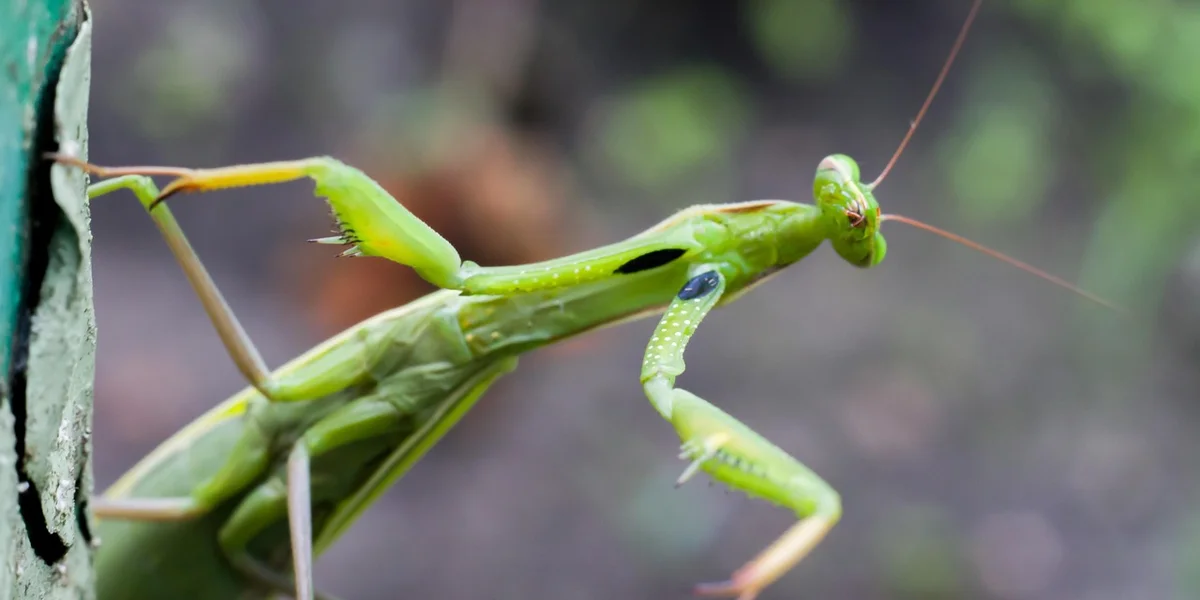
Picking your first mantis feels a bit like selecting a new houseplant-you want something resilient, beautiful, and suited to your routine. We find that beginner-friendly species share a calm temperament, straightforward care needs, and a hardy nature that forgives the occasional learning curve. Focus on mantises known for their gentle disposition and adaptability; they’ll grow with you as you learn the rhythms of care. Choose the right species to start your journey.
Top Pet Mantis Species for New Owners
Here’s a quick look at three wonderful starter species. This table compares their core traits to help you decide which little guardian might be your perfect match.
| Species Name | Key Traits | Adult Size |
|---|---|---|
| Ghost Mantis | Exceptionally calm, cryptic leaf-like appearance, low humidity needs | 4-5 cm (1.6-2 inches) |
| Giant Asian Mantis | Very hardy, curious and observant, handles slight temperature variations well | 7-10 cm (2.8-4 inches) |
| European Mantis | Widely available, adaptable to various climates, simple feeding regimen | 6-8 cm (2.4-3.1 inches) |
Ghost Mantis: Calm and Easy-Care
With frills that mimic a crumpled leaf and a preference for slow, deliberate movement, the Ghost Mantis (Phyllocrania paradoxa) is a masterpiece of quiet observation. Their gentle nature means they rarely display threat postures, making them ideal for hands-off watching and reducing owner anxiety. My own Ghost Mantis, Luna, spends her days perched like a tiny brown sculpture, tilting her head with patient curiosity at passing fruit flies. They thrive at room temperature and don’t demand high humidity, so a light misting every other day is often enough.
Giant Asian Mantis: Hardy and Observant
If you fancy a pet that seems to watch the world with you, the Giant Asian Mantis (Hierodula membranacea) is a brilliant choice. Their robust, emerald-green bodies can handle the occasional missed misting or slight drop in temperature. You’ll notice their engaging behaviour quickly-they often track your movement and eagerly explore new branches added to their enclosure. My male, Moss, was always the first to investigate a freshly placed twig, his antennae twitching with energy. Their size and confidence make feeding time straightforward, as they readily take larger prey like crickets.
Other Recommended Species
Beyond our top two, the common European Mantis (Mantis religiosa) is a classic, sturdy beginner. You might find them in garden centres or online; their care mirrors simple wild conditions. Their widespread availability means you can often start your journey without a long search or complicated shipping. Just provide a spacious net cage, regular moisture, and a diet of common feeder insects. Meeting their essential habitat requirements—adequate space, proper humidity, good ventilation, and access to live prey—helps keep them healthy. When these conditions are met, they stay robust and exhibit natural behaviors with that classic praying posture.
Troubleshooting Common Issues in Mantis Care
Every new mantis keeper faces a few wobbles. It’s a natural part of learning the quiet language of your new pet. The key is to respond with calm observation, as panic helps neither you nor your delicate green friend. Here, we’ll walk through some frequent worries and their gentle, practical solutions.
What to Do If Your Mantis Won’t Eat
You’ve offered a plump fruit fly or a small cricket, and your mantis just turns its head away. This can be worrying, but it’s often a temporary phase with a simple explanation. An adult mantis may only eat every 3-4 days, and juveniles can sometimes skip a meal, so don’t immediately assume the worst. The first step is always to watch and wait for a day, observing for other clues.
Possible Causes and Solutions
Think of this as a quiet checklist. Work through these possibilities one by one, and you’ll likely find the answer.
- Premolt Preparation: This is the most common reason. A mantis gearing up to shed its skin will often stop eating for 2-4 days beforehand. You might notice it hanging upside down more, looking slightly swollen, or its colours becoming duller. If you suspect a molt is near, simply stop offering food, ensure humidity is perfect, and do not disturb the enclosure at all. Prey insects can stress or even injure a soft, newly molted mantis.
- Environmental Stress: Is the enclosure too bright, too loud, or shaken by frequent vibrations? Is the temperature consistently below 70°F (21°C)? My ghost mantis, Luna, once went off her food for a week when I placed her enclosure too close to a busy speaker. Move the habitat to a calmer, warmer spot, ensure a stable day/night cycle, and you’ll often see their appetite return.
- Unappetising or Intimidating Prey: The prey might be too large, too fast, or simply not what your mantis fancies. A shy juvenile might be terrified of a hyperactive cricket. Try offering a different, smaller feeder-like switching from crickets to flightless fruit flies or freshly molted, softer crickets. Sometimes, hand-feeding with tweezers (waving the prey gently) can spark their interest.
- Underlying Illness or Injury: This is rare but possible. Look for other signs: lethargy, difficulty climbing, a bent abdomen, or discoloured spots. If fasting persists for over a week in a non-molting mantis, accompanied by other symptoms, the priority is to keep it hydrated with gentle daily misting and seek advice from experienced breeders.
Handling Escapes and Safety Concerns
The heart-stopping moment you notice the lid isn’t quite secured and your mantis is nowhere to be seen. Breathe. Mantises are masters of stillness and camouflage, but they are also fragile. A successful recovery depends on a slow, methodical, and gentle approach-never on chasing or grabbing.
Prevention Tips and Recovery Steps
An ounce of prevention is worth a pound of careful searching. Start with these habits to keep your explorer safe at home.
- Secure the Fort: Always double-check that mesh or vented lids are firmly snapped or clipped on. For particularly clever climbers like my Giant Asian, Moss, a small piece of masking tape over the latch can add extra security. Ensure any ventilation holes are smaller than your mantis’s head.
- Create a Safe Zone: When you do open the enclosure for maintenance or feeding, do it in a contained space. Over a large table, inside a bathtub, or on a floor with no nearby shelves gives you a clear boundary if a quick dash happens.
If the great escape has already occurred, follow this calm recovery plan.
- Stay Calm and Close the Room: Shut the door to the room immediately. Turn off ceiling fans and ask others to be still. Your mantis is likely within a few feet of its enclosure, often on a vertical surface.
- Search with Soft Eyes: Don’t look for the whole insect; look for parts of it. A single folded leg, the silhouette of a head, or the slight movement of antennae against a curtain. Check walls, window frames, curtains, and the undersides of furniture.
- Use Gentle Encouragement: Once spotted, never swipe or pick it up directly. Place a clear container (like a tall plastic cup) slowly in front of it. Use a soft artist’s brush or a piece of paper to very gently coax it backwards into the container. You can also place the open container near it and guide it in from behind.
- Let Light Guide You: Mantises often move towards light at night. If the search is taking a while, darken the room and leave a small lamp on near the floor with its empty enclosure nearby. They may journey toward the light, making them easier to find.
Patience is your greatest tool in a recapture mission; a slow, predictable movement will always work better than a sudden grab that could cause injury.
Common Mantis Queries
Where can I find a reliable praying mantis care sheet PDF?
Many reputable breeders and enthusiast websites offer free, downloadable PDF care sheets tailored to specific species. These printable guides are excellent quick-reference tools to complement the detailed weekly routines in our main guide.
Is the advice on praying mantis care subreddits trustworthy?
Subreddits like r/mantids are fantastic communities for seeing photos, asking specific questions, and learning from collective experience. Always cross-reference any advice you find there with established care guides, as experiences can vary.
How does praying mantis care for babies differ in winter?
Baby mantises (nymphs) require extra attention to consistent warmth and humidity during dry winter months, as indoor heating can rapidly dry out their enclosure. You may need to mist more frequently and ensure their prey is readily available, as metabolism can slow in cooler temperatures. Temperature and humidity are essential for mantis nymphs, which need steady warmth and moisture to molt and thrive.
Your Journey Begins Here
Week by gentle week, you build a quiet partnership with your mantis, a routine of observant feeding, mindful handling, and consistent habitat care that forms the steady heartbeat of their world. This guide is your starting map, but the truest knowledge comes from watching your own mantis, learning its unique rhythms and preferences from the tilt of its head to the flick of its forearms.
Responsible keeping means committing to their well-being, ensuring their home is a sanctuary of humidity, warmth, and safety, and always seeking to understand their natural behaviors better. Your care evolves as they do, a continuous, rewarding learning curve where every molted skin is a lesson learned and every successful hunt a shared victory.
Further Reading & Sources
- Mantis Care Sheet | Mantid Forum – Mantis Pet & Breeding Forum
- General Mantis Care – Praying mantis care sheet and feeding
- How to Care for a Praying Mantis : 4 Steps – Instructables
- Terrarium Instructions and Mantis Care
Rowan Hale is a lifelong insect enthusiast who fell in love with mantises for their calm presence, alien elegance, and surprising personalities. After years of keeping and raising a variety of species, Rowan shares practical tips, creative insights, and real-world experience to help others enjoy the quiet magic of mantis care. From setting up the perfect enclosure to understanding their subtle behaviors, Rowan invites readers into a gentle, curious world where every tiny movement feels like a discovery.
First-Time Mantis Owners