
15 Critical Beginner Mantis Keeper Mistakes (And How to Fix Them)
Published on: December 1, 2025 | Last Updated: December 1, 2025
Written By: Rowan Hale
Hello there, mantis friend.
Bringing home your first praying mantis is a moment of pure wonder, a mix of excitement and that quiet worry of getting things just right for your delicate new companion.
While these captivating insects seem low-maintenance, many common beginner errors stem from simple misunderstandings about their unique needs, and nearly all of them are easily avoided with a little know-how.
Caring for a mantis is a subtle art, balancing humidity, temperature, and feeding in a miniature world you create. It’s less about complex gear and more about thoughtful, consistent attention to detail.
Before we explore the fifteen critical pitfalls, here are the core areas we’ll cover to set you and your mantis up for success:
- Choosing the wrong enclosure size or type for your specific mantis species.
- Overlooking the critical importance of proper humidity and hydration.
- Making simple but dangerous mistakes with feeding and feeder insects.
Mistakes in Choosing Your Mantis and Enclosure
Many new keepers rush into picking a mantis or tank without considering how species traits and space affect daily care. Choosing the wrong mantis or enclosure can lead to stress, failed molts, or a shorter lifespan for your tiny companion. We often see beginners gravitate toward flashy species that demand precise conditions, when a hardy type would offer a smoother start.
- Beginner-friendly mantis species: Ghost Mantis, Giant Asian Mantis, and Chinese Mantis.
- Measure your mantis from head to abdomen tip to gauge adult size.
- Select an enclosure with height at least three times the mantis’s length for safe molting.
- Ensure the width allows easy movement but isn’t so vast it causes hunting difficulties.
Selecting an Unsuitable Mantis Species
Some mantises, like Orchid Mantises, need constant high humidity and can be fragile, while others thrive with minimal fuss. Beginners often overlook a species’ temperament and environmental needs, leading to frustration and health issues for the mantis. For instance, our Ghost Mantis Luna is calm and forgiving, but an Orchid Mantis might struggle in a dry home.
- Easy species: Ghost Mantis (docile, low humidity), Giant Asian Mantis (hardy, adaptable).
- Challenging species: Orchid Mantis (sensitive to humidity), Devil’s Flower Mantis (requires expert handling).
Before buying, research online care sheets and chat with experienced breeders to match a species to your lifestyle. Spending a few hours reading up can prevent months of corrective care and heartache.
Picking an Enclosure That’s Too Small or Large
A cramped space restricts molting room, causing deformities, while an oversized one makes feeding and perching stressful. Mantises rely on proper enclosure dimensions to shed their skin safely and feel secure in their territory. We learned this with Moss, our Giant Asian Mantis, who molted perfectly in a tall jar but grew anxious in a vast terrarium.
- Calculate enclosure height as 3x the mantis’s length for nymphs and adults.
- Choose a width that lets the mantis reach prey without excessive climbing.
- Verify the setup has vertical surfaces for hanging during molts.
| Species Age | Recommended Enclosure Size (H x W x D in cm) |
|---|---|
| Nymph (L1-L3) | 15 x 10 x 10 |
| Subadult | 20 x 15 x 15 |
| Adult | 30 x 20 x 20 |
Adjust sizes based on species; larger mantises like the Giant Asian may need more room. A well-sized home supports natural behaviors and reduces the risk of injury during delicate life stages.
Using Poor Quality or Unsafe Equipment
Rough substrates or sharp decor can cut delicate legs, and toxic materials may harm your mantis over time. Investing in safe, smooth equipment prevents accidents and keeps your pet healthy and active. We once used a rough bark piece that scratched Sprig’s petals, reminding us to test every item for smoothness.
- Safe materials: Coconut fiber substrate, untreated wood branches, silk or plastic plants.
- Avoid: Painted decor, sharp rocks, and chemically treated items.
- Inspect all decor for sharp edges by running a finger over surfaces.
- Rinse new items in warm water to remove dust or residues.
- Place climbing surfaces at angles to encourage natural perching.
Stick to natural, untreated elements to mimic a mantis’s wild habitat. Simple choices like coconut fiber instead of gravel make the enclosure safer and easier to clean.
Errors in Habitat Environment and Setup
Setting up the perfect home goes beyond the enclosure-it’s about creating a stable microclimate. Neglecting humidity, temperature, or ventilation can quickly lead to health declines, especially during molting when mantises are most vulnerable. We keep a small toolkit handy to monitor conditions daily, ensuring our mantises stay comfortable.
- Essential tools: Hygrometer for humidity, thermometer for temperature, and a fine mist spray bottle.
- Place tools inside the enclosure for accurate readings away from direct heat or light.
- Check levels each morning and evening to spot trends early.
- Adjust settings gradually to avoid shocking your mantis with sudden changes.
Ignoring Humidity and Temperature Needs
Low humidity dries out molting skin, causing it to stick, while wrong temperatures slow digestion or cause overheating. Maintaining species-specific ranges supports smooth growth and prevents common issues like dehydration or lethargy. For example, Ghost Mantises like Luna prefer 60-80% humidity, while Orchid Mantises need nearer 80%.
- Boost humidity by misting the enclosure walls with warm water once or twice daily.
- Use a small heating pad on one side of the tank to create a gentle temperature gradient.
- Monitor with a digital hygrometer and adjust based on your mantis’s behavior.
Aim for temperatures between 20-25°C for most species, tweaking for tropical types. Temperature also influences growth rate and how often a mantis molts. Too high or too low temperatures can slow development or cause molting issues. Consistent conditions help your mantis feel secure and ready for each life stage, from nymph to adult.
Overlooking Ventilation and Lighting
Stagnant air encourages mold growth, and improper light disrupts feeding and resting cycles. Good ventilation balances humidity without drafts, and natural light rhythms keep your mantis active and healthy. We use enclosures with mesh tops to allow air flow while blocking strong drafts that could chill our pets.
- Common errors: Sealed lids, direct sunlight causing overheating, and artificial lights left on overnight.
- Ensure cross-ventilation with small mesh panels on opposite sides of the enclosure.
- Place the tank in indirect natural light or use a low-wattage LED for 10-12 hours daily.
- Avoid placing enclosures near windows or heaters to prevent sudden temperature swings.
Proper lighting mimics dawn and dusk, encouraging natural behaviors. A well-ventilated space reduces respiratory risks and keeps the environment fresh for your mantis to thrive.
Neglecting Substrate and Enclosure Hygiene
Dirty substrates harbor bacteria and mold, which can lead to infections or stress. Regular cleaning prevents disease and makes the enclosure a pleasant, odor-free home for your mantis. We change Sprig’s substrate every few weeks, noticing how she explores her fresh setup with renewed curiosity.
- Eco-friendly substrate options: Coconut fiber, sphagnum moss, or peat-free soil.
- Spot clean daily by removing uneaten prey and waste with tweezers.
- Perform a full substrate change every 3-4 weeks, depending on enclosure size.
- Disinfect decor with a vinegar-water solution during deep cleans to kill germs.
Stick to a schedule to maintain a clean environment without disturbing your mantis too often. Fresh substrate not only looks tidy but also supports humidity levels and overall well-being.
Feeding and Hydration Blunders
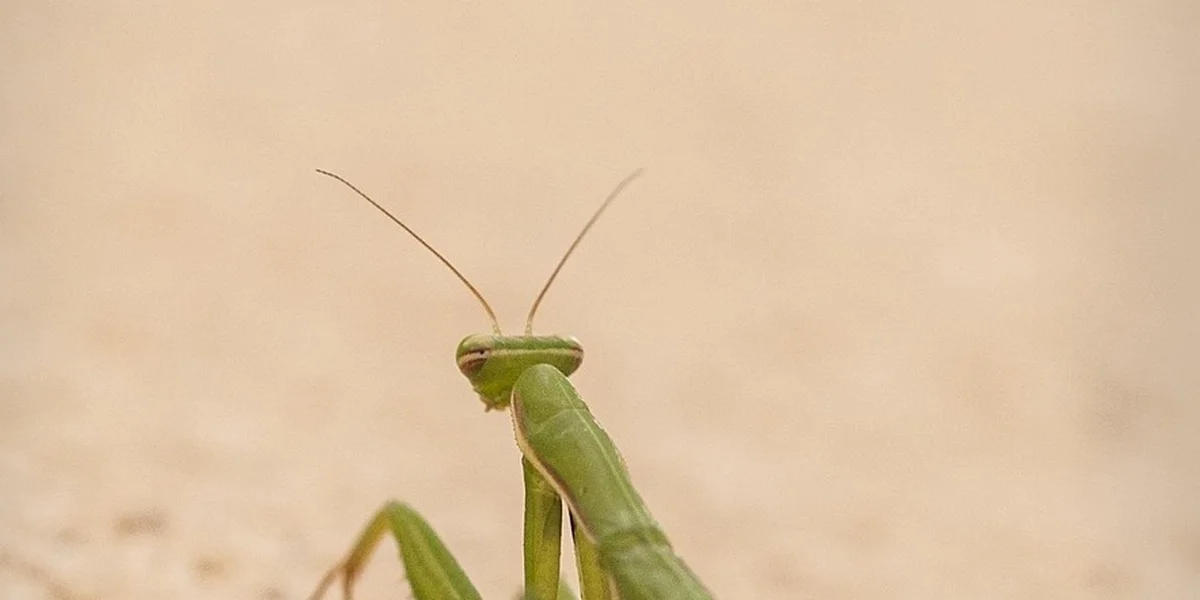
Getting the basics of diet and water right can make all the difference in your mantis’s health and happiness. We often see new keepers stumble with feeding schedules or prey choices, but a little observation and care can prevent common pitfalls. Understanding what to feed your mantis is key.
- Suitable feeder insects include fruit flies for tiny nymphs, small crickets for juveniles, and appropriately sized roaches or moths for adults.
- Start with a feeding schedule of every 2-3 days for nymphs and adjust to once a week for adults, always watching for signs of hunger or fullness.
- Always observe your mantis after feeding; a well-fed one will have a slightly rounded abdomen without appearing bloated.
Offering the Wrong Diet or Prey Size
Choosing the wrong food can lead to nutritional deficiencies or even injury. Wild-caught insects might carry pesticides or parasites, so we stick to captive-bred feeders for safety.
Prey that is too large can overwhelm your mantis, while tiny prey may not provide enough nutrition. Our Giant Asian Mantis, Moss, thrives on gut-loaded crickets that match his size, ensuring he gets the energy he needs without stress.
| Mantis Life Stage | Recommended Prey Size |
|---|---|
| Early Nymph (L1-L3) | Pinhead crickets or fruit flies |
| Late Nymph (L4-L6) | Small crickets or flightless fruit flies |
| Subadult | Medium crickets or small roaches |
| Adult | Large crickets, moths, or appropriately sized roaches |
- Gut-load feeder insects by feeding them nutritious greens or commercial gut-load diets 24 hours before offering them to your mantis.
- Dust insects with calcium or vitamin powders lightly, using a small bag or container to coat them evenly before feeding.
- Avoid over-dusting; a fine layer is enough to supplement without making the prey unappetizing.
Overfeeding or Underfeeding Your Mantis
It is easy to misjudge how much your mantis needs, leading to health issues. Signs of overfeeding include a swollen abdomen and lethargy, whilst underfeeding shows as a thin body and increased aggression.
Adjust feeding based on age and activity level. Young mantises like our Orchid Mantis, Sprig, eat more frequently to support growth, but adults benefit from slower-paced meals.
- For nymphs under L4, offer food every 2-3 days, using small prey like fruit flies or pinhead crickets.
- Subadults can be fed every 4-5 days with slightly larger insects, monitoring for molting signs where feeding should pause.
- Adults typically eat once a week, but reduce frequency if the abdomen looks full or during molting periods.
- During molting, withhold food for a day before and after to prevent stress or injury from prey interference.
- Always remove uneaten prey after a few hours to avoid bothering your mantis or contaminating the enclosure.
Failing to Provide Adequate Hydration
Mantises get most of their water from droplets on surfaces, not from bowls. Dehydration can cause lethargy, wrinkled skin, or difficulty molting, so regular misting is key.
We use a gentle spray bottle to mist the enclosure walls and leaves, creating tiny water beads for drinking. Our Ghost Mantis, Luna, often perches near freshly misted areas, sipping droplets with delicate precision.
- Mist the enclosure lightly once or twice a day, depending on humidity levels, using lukewarm water to avoid shocking your mantis.
- Watch for dehydration signs like sunken eyes or reduced activity, and increase misting if needed.
- Avoid open water dishes to prevent drowning; mantises are not strong swimmers and can easily get trapped.
- Ensure good ventilation after misting to prevent mold growth, which can harm your mantis and the habitat.
Health, Molting, and Disease Oversights
Keeping your mantis healthy means paying close attention to subtle changes in their behavior and environment. Early detection of issues like sickness or molting troubles can prevent minor problems from becoming serious setbacks. We often notice that new keepers miss the quiet signals their mantis gives, so let’s walk through what to watch for and how to create a safe space for molting and recovery.
Start by regularly checking for these common health symptoms—catching them early helps your mantis stay vibrant and active. Knowing the signs of a healthy mantis versus signs that something is off helps you act quickly. We’ll cover clear indicators of health and when to worry.
- Lethargy or reduced movement, like staying in one spot for hours
- Loss of appetite, ignoring food for more than a day or two
- Discoloration or unusual spots on the body, such as white fuzz for fungi
- Abnormal posture, like hanging upside down weakly or not gripping well
- Visible parasites, such as tiny mites crawling on the exoskeleton
For molting, a stress-free setup is key to a smooth process. Maintaining steady humidity and minimizing disturbances gives your mantis the calm it needs to shed its old skin safely. Follow these steps to support them during this delicate time.
- Increase enclosure humidity by misting with warm water daily before the molt
- Ensure plenty of vertical space and sturdy footholds for hanging
- Reduce handling and loud noises to avoid startling your mantis
- Check that temperatures stay consistent, around 75-85°F for most species
- Observe from a distance once pre-molt behaviors start, and avoid feeding until after the molt
Not Recognizing Early Signs of Sickness or Parasites
Mantises can fall ill quietly, so learning to spot early warnings saves lives. Fungal infections often appear as a cotton-like growth, while mites look like moving specks that stress your mantis by feeding on them. From our time with Moss, our Giant Asian Mantis, we saw how a slight tilt in his head could signal discomfort-prompt action helped him bounce back quickly.
Watch for these symptoms to catch problems before they escalate.
- Refusing food for extended periods, even with favorite prey like fruit flies
- Unusual lethargy, such as not reacting to movement nearby
- Changes in coloration, like dark patches or a dull, dusty appearance
- Difficulty moving or climbing, with legs seeming weak or uncoordinated
- Swelling or discharge around the mouth or body joints
If you notice any of these, isolate your mantis right away to prevent spread. Move them to a clean, separate enclosure with similar conditions and monitor closely for a day or two. For persistent issues or visible parasites, contact a vet experienced with invertebrates-they can offer targeted treatments that home remedies might miss.
Ignoring Molting Conditions and Assistance
Molting is a vulnerable time when your mantis sheds its exoskeleton to grow, and the enclosure setup directly impacts success. Inadequate humidity or disturbances can lead to stuck sheds, where the old skin doesn’t fully come off, risking injury or death. Recognizing the earliest signs of molting trouble—slower movement, staying near the shed site, or reduced feeding—lets you intervene before a shed stalls. We recall Luna, our Ghost Mantis, pausing for days before her molt—her stillness was a cue to boost misting and step back.
Increase humidity and reduce stress with these straightforward steps to support a smooth molt.
- Mist the enclosure lightly with lukewarm water once or twice daily as the molt approaches
- Provide vertical branches or mesh for secure hanging, ensuring no sharp edges
- Keep the room quiet and avoid sudden lights or vibrations near the habitat
- Maintain stable temperatures; a drop below 70°F can slow the process dangerously
- Do not offer food during the molt, as prey can disturb or injure your mantis
Before molting, mantises show clear behaviors that hint at what’s coming. Observing these pre-molt signs helps you prepare the environment in advance for a stress-free experience. These are exactly the signs that a praying mantis is about to molt. Recognizing them helps confirm the molt is imminent, so you can adjust care and space accordingly. Look for reduced appetite, increased stillness, and frequent hanging upside down—these are nature’s way of saying a big change is near.
Skipping Quarantine for New or Sick Mantises
Quarantining new or ill mantises stops diseases from spreading to your other pets, much like how we isolate sick family members. Even a healthy-looking new arrival can carry hidden parasites or fungi that thrive in shared spaces. When Sprig, our Orchid Mantis, joined us, a two-week quarantine revealed no issues, but it gave peace of mind that she wouldn’t affect others.
Follow this simple step-by-step procedure to set up an effective quarantine enclosure.
- Choose a separate, small container like a spare jar or plastic critter keeper
- Add basic supplies: a paper towel substrate, a small branch for perching, and a light misting bottle
- Place the mantis inside and keep it in a different room from other enclosures
- Monitor for symptoms daily, and avoid sharing tools like tweezers between habitats
- After 1-2 weeks with no signs of illness, you can introduce them to their permanent home
Gather these supplies to make quarantine hassle-free and secure. Having a dedicated set of items on hand means you’re always ready to protect your mantis family from unexpected health risks. You’ll need a separate enclosure, clean substrate, a water mister, and perches-simple household items work perfectly for this temporary setup.
Handling, Observation, and Behavioral Mistakes
We often forget that mantises are delicate creatures who thrive on routine and calm. Simple mistakes in handling or observation can lead to stress, illness, or missed breeding opportunities. By focusing on gentle interactions and daily checks, you create a safe space where your mantis can flourish.
Start with slow movements and quiet observation to build a bond. Your patience pays off in a mantis that feels secure and shows natural behaviors. We will explore how to handle them without fear, what to watch for each day, and how to navigate the tricky world of nymphs and oothecae.
Causing Stress Through Improper Handling
Rough handling can frighten your mantis, leading to dropped limbs or refusal to eat. Always approach with soft, deliberate motions to avoid startling them. I learned this with Moss, my Giant Asian Mantis, who would freeze if I moved too quickly.
Use these steps to pick up your mantis safely and build trust over time:
- Wash your hands with warm water to remove scents and ensure they are dry.
- Place your hand slowly in the enclosure, allowing the mantis to step onto you voluntarily.
- Support their body gently, avoiding pressure on the abdomen or legs.
- Keep handling sessions short, under five minutes, to prevent exhaustion.
Follow this list of dos and don’ts for stress-free interaction:
- Do handle in a calm, enclosed space to prevent escapes.
- Do use a soft brush or stick as an alternative if they seem hesitant.
- Don’t grab or squeeze the mantis, as this can cause injury.
- Don’t handle during molting or right after feeding, when they are most vulnerable.
With consistent, gentle contact, your mantis may become more curious and less skittish. Building trust takes time, but it rewards you with a calmer, healthier pet.
Neglecting Regular Observation and Behavior Checks
Daily observation lets you spot small changes before they become big problems. Missing these signs can mean overlooking illness or stress early on. I make it a habit to watch Luna, my Ghost Mantis, for even subtle shifts in her posture.
Use this checklist each day to monitor your mantis’s health and behavior:
- Appetite: Note if they accept food or ignore it.
- Activity level: Watch for normal movement versus lethargy.
- Posture: Check for unusual positions or difficulty climbing.
- Molting signs: Look for cloudy eyes or hanging behavior.
- Enclosure conditions: Ensure humidity and temperature are stable.
Record changes with these simple steps to detect issues early:
- Keep a small notebook or digital log near the enclosure.
- Jot down daily observations, like feeding responses or any odd behaviors.
- Compare notes weekly to spot trends, such as decreased appetite.
- Act quickly if you notice consistent deviations from normal patterns.
Regular checks help you understand your mantis’s unique rhythms. This attentive care fosters a deeper connection and quicker response to health needs.
Mishandling Mantis Babies or Breeding Setup
Nymphs and oothecae require extra care to prevent cannibalism or failed hatches. Overcrowding or poor setup can lead to lost babies and stressed parents. When Sprig, my Orchid Mantis, was a juvenile, I had to separate her quickly to ensure safety.
Follow these steps to separate mantis babies and set up a breeding enclosure properly:
- Prepare individual small containers with ventilation and climbing surfaces.
- Gently transfer nymphs using a soft brush to avoid injury.
- Set up a breeding tank with ample space, hiding spots, and proper humidity.
- Introduce the female first, then the male, and monitor closely for aggression.
Avoid these common pitfalls when dealing with nymphs and oothecae:
- Don’t leave babies together too long, as they may eat each other.
- Don’t mishandle oothecae; keep them in a humid, stable environment.
- Don’t breed mantises without researching species-specific needs.
- Don’t ignore signs of stress in the female after mating, like reduced appetite.
Proper care from the start gives nymphs the best chance to thrive. Handling babies with care ensures a healthy start to their life cycle.
Common Mantis Queries
What is the typical lifespan of a pet praying mantis?
The lifespan of a mantis varies significantly by species, with many living for about 6 to 12 months from hatching to adulthood. In captivity, the average praying mantis lifespan in captivity generally falls within that range, though some species can live a bit longer with optimal care. Females often outlive males, especially after their final molt, so your commitment level depends on the species you choose.
How often should I handle my praying mantis?
Handling should be infrequent and always gentle to avoid causing stress or injury to your delicate pet. It is best to limit handling to a few minutes at a time and always allow the mantis to walk onto your hand voluntarily. For detailed tips, check out how to handle and interact with your praying mantis safely.
Where is the best place in my home to put the mantis enclosure?
Place the enclosure in a quiet, low-traffic area away from direct sunlight, drafts, and loud noises to minimize stress. A spot with consistent, indirect natural light helps maintain a stable day/night cycle for your mantis’s well-being. To support a naturalistic, safe habitat for your praying mantis, add foliage, branches, and hiding spots that mimic its wild environment. Choose non-toxic plants and safe substrates so the enclosure stays secure while the mantis can explore.
Stepping Forward with Your Mantis
By sidestepping errors like cramped enclosures and irregular feeding, you create a secure space where your mantis can thrive. Common mistakes to avoid when setting up your first mantis habitat include cramped cages, inconsistent temperatures, and improper humidity. A thoughtful setup and gentle daily rhythms make all the difference in their well-being.
Caring for a mantis is a rewarding responsibility that calls for your ongoing attention and curiosity. We hope you’ll keep nurturing your knowledge and enjoy every quiet moment with your tiny green companion.
Further Reading & Sources
- How to Care for a Praying Mantis : 4 Steps – Instructables
- r/mantids on Reddit: Advice on caring for mantises
- How to Take Care of a Praying Mantis (with Pictures) – wikiHow
- General Mantis Care – Praying mantis care sheet and feeding
Rowan Hale is a lifelong insect enthusiast who fell in love with mantises for their calm presence, alien elegance, and surprising personalities. After years of keeping and raising a variety of species, Rowan shares practical tips, creative insights, and real-world experience to help others enjoy the quiet magic of mantis care. From setting up the perfect enclosure to understanding their subtle behaviors, Rowan invites readers into a gentle, curious world where every tiny movement feels like a discovery.
First-Time Mantis Owners