
How Many Ears Does a Praying Mantis Have? A Sensory Guide
Published on: November 3, 2026 | Last Updated: November 3, 2026
Written By: Rowan Hale
Hello, fellow mantis friend. We often watch these captivating predators strike with impossible speed, their heads tilting as if tracking sounds in the air. But how do they actually hear the world around them?
A praying mantis has just one ear, located in a surprising spot on its underside.
Their hearing isn’t like ours, built for conversation or music. It’s a specialized, single-purpose system tuned to a very specific frequency. This guide explores that unique auditory world and the other remarkable senses that guide a mantis through its life.
Here are the key things we’ll cover:
- The exact location of a mantis’s single ear and what it detects.
- How this hearing differs completely from human hearing.
- The other vital senses, like sight and touch, that a mantis relies on.
- How all these senses work together for survival.
The Surprising Truth About Mantis Ears
A praying mantis does have ears, but they are nothing like our own. They possess a single, highly specialized ear located on their underside, a unique adaptation among insects. This solitary ear allows them to detect specific sounds crucial for their survival and to understand what purpose praying mantises serve in nature.
Location and Shape of the Mantis Ear
You won’t find a mantis’s ear on its head. The ear is a tiny, pale slit called a tympanal organ, situated in a deep groove on the underside of its thorax, right between its second pair of legs. It looks less like an ear and more like a delicate, vertical incision. If you gently hold a mantis and look at its chest, you might just spot this faint line. On my Ghost Mantis, Luna, it’s a subtle, almost translucent mark nestled in her brown, textured plating.
Common Myths About Mantis Ears
Many misconceptions surround how mantises perceive their world. Let’s clear a few up.
- Myth: Mantises have ears on their heads or antennae. Their antennae are for touch and smell, not hearing. All their auditory processing happens in that one chest ear.
- Myth: They can hear you talking to them. The frequencies of human speech are far outside their range of hearing. They live in a much higher-pitched soundscape.
- Myth: They are completely deaf. This was a long-held belief, but we now know they are finely tuned to listen for one thing above all else: the echolocation calls of hunting bats.
How Mantis Hearing Works: The Tympanal Organ in Action
This single ear operates like a sophisticated biological alarm system. The mantis ear is not for casual listening; it’s a dedicated early-warning device for aerial predators. It functions on a simple but effective principle, triggering an immediate evasive maneuver.
Step-by-Step: How Sound Travels to a Mantis Ear
The process is a marvel of evolutionary engineering.
- A high-frequency sound wave, like a bat’s chirp, travels through the air.
- The wave enters the deep cleft on the mantis’s chest and strikes the tympanal membrane.
- This membrane vibrates, stimulating attached sensory cells and nerves.
- The nerve sends an urgent signal directly to the mantis’s ganglia, bypassing the brain for speed.
- The mantis instantly reacts, often by stopping all movement or executing a power dive to the ground.
This entire lifesaving chain reaction happens in a fraction of a second, a testament to its efficiency.
Performance and Limits of Mantis Hearing
Mantis hearing is a specialist skill, not a general-purpose one.
- Frequency Range: They are most sensitive to ultrasonic frequencies between 25 and 50 kilohertz, which is the exact range used by echolocating bats.
- Directional Hearing: Having only one ear means they cannot pinpoint where a sound is coming from. They simply know danger is present and must act.
- Selective Listening: They largely ignore the low-frequency sounds of the everyday world, like rustling leaves or our voices. My Giant Asian Mantis, Moss, remains utterly unfazed by household noises but would instantly freeze if a bat were near.
This highly tuned sense perfectly illustrates how evolution shapes an animal’s senses to meet its most critical survival needs.
Why Hearing Matters: Predator Avoidance and Pree Detection
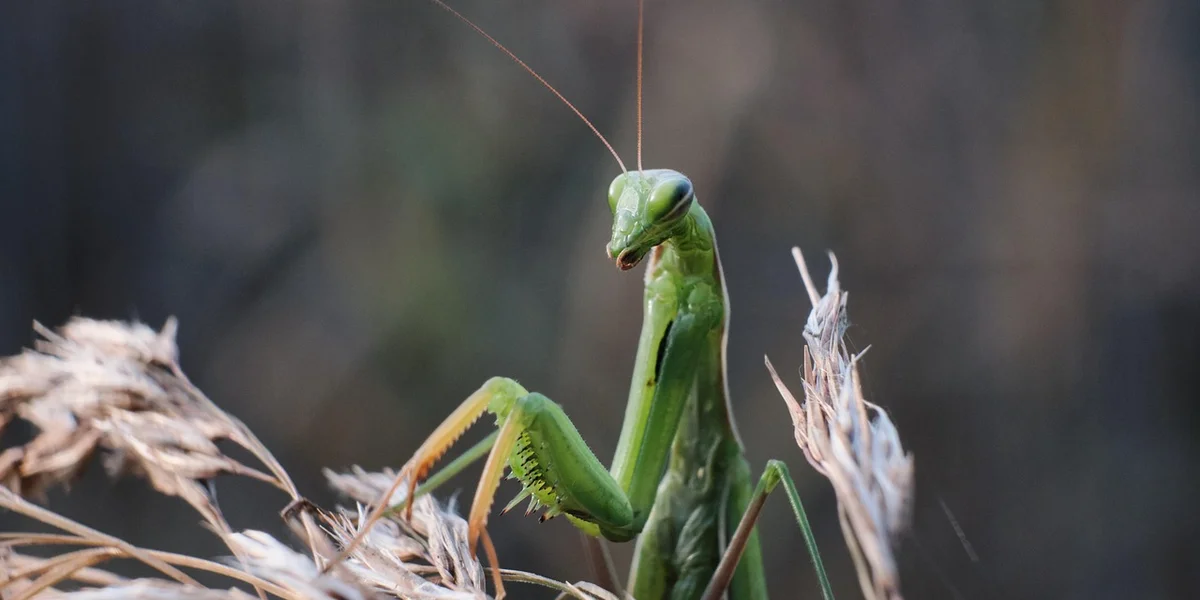
Your praying mantis relies on its hearing to stay safe and find food in the wild. This single ear helps them detect the high-pitched sounds of bats, a common predator, allowing them to dive out of the way just in time. Imagine your mantis perched quietly, then suddenly twisting its body to avoid danger-it’s all thanks to that keen auditory sense.
We’ve watched our own mantis, Moss, freeze mid-movement when a bird chirps nearby. His ability to hear subtle noises means he can assess threats without needing to see them first. For pet owners, this highlights why a calm, low-stress environment matters so much.
Acoustic Communication in Mantises
Some mantis species use sound to communicate, especially during courtship. Males might produce soft clicks or rasps by rubbing their wings or abdomen to attract females. This isn’t loud chatting, but a delicate series of vibrations that carry through the air.
In our terrarium, Luna sometimes responds to gentle tapping with a slight head tilt. While not all mantises vocalise, those that do create a hidden layer of interaction in their world. You might notice your pet reacting to certain tones, showing how attuned they are to acoustic cues.
Vibration Detection and Mechanoreceptors
Beyond airborne sounds, mantises excel at feeling vibrations through surfaces. Specialised cells called mechanoreceptors in their legs and body pick up even the faintest tremors, like a cricket’s footsteps. This lets them “hear” through touch, adding another dimension to their sensory toolkit. This nervous-system savvy shows why mantises are often described as a smart pet insect. For keepers, learning to read their subtle cues—from vibrations to posture—can improve how you care for your pet and enrich its environment.
When Sprig hunts, she often stays perfectly still until prey disturbs a leaf. Keeping enclosures on stable surfaces helps your mantis use this vibration sense effectively, reducing false alarms from household shakes. It’s a reminder that their hearing isn’t just about ears-it’s a full-body experience.
Beyond Hearing: Other Key Senses in Your Pet Mantis
While hearing is vital, your mantis navigates its world through a blend of senses. Understanding these helps you create a habitat that supports their natural behaviours and well-being. From sharp vision to delicate touch, each sense plays a role in daily life.
We’ve seen how Moss combines sight and sound to track flies with precision. By appreciating this sensory symphony, you can better meet your pet’s needs and observe their fascinating reactions.
Vision and Hearing Integration
Mantises have incredible eyesight, with large compound eyes that detect movement and depth. Recent studies reveal just how sharp their vision really is. When hearing picks up a sound, vision quickly pinpoints the source, making them efficient hunters. This integration means they rarely miss a chance to strike. For more information on their remarkable visual capabilities, check out how good is mantises’ eyesight.
Luna often cocks her head toward a buzz before lunging. Providing varied perches in the enclosure lets your mantis use both senses to survey their territory confidently. It’s like giving them a front-row seat to their own little ecosystem.
Smell, Taste, and Touch Sensations
Your mantis uses smell and taste through antennae and mouthparts to identify food and mates. They might gently tap surfaces with their legs to “taste” the environment, gathering chemical clues. Touch sensations help them navigate and feel secure on different textures.
In our care, Sprig avoids rough branches, preferring smooth leaves. Offering a mix of natural materials enriches their tactile experience and encourages exploration. Here’s a quick list of senses and how they support your pet:
- Smell: Detects pheromones for mating and recognises safe food sources.
- Taste: Ensures prey is palatable before consuming it.
- Touch: Helps with climbing, grooming, and sensing vibrations.
Notice how your mantis investigates new items with cautious touches. This multisensory approach keeps them engaged and responsive in their home space.
Species Variation in Sensory Perception
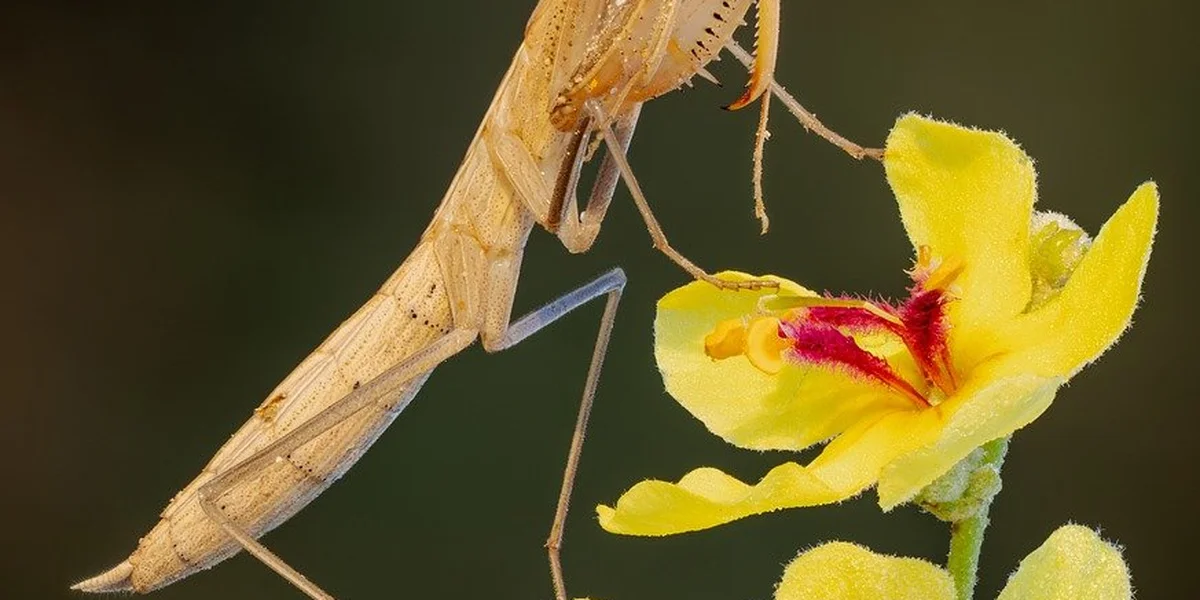
Different mantis species have evolved unique ways to sense their world, shaped by their lifestyles and habitats. This variation means your pet’s sensory needs can differ based on whether they hail from dense rainforests or open grasslands.
Nocturnal vs. Diurnal Sensory Adaptations
Nocturnal mantises, like my Ghost Mantis Luna, often rely more on hearing and touch in dim light. Their ears might pick up faint rustles from prey or predators. Diurnal species, such as Moss the Giant Asian Mantis, depend heavily on sharp vision for hunting. You’ll notice nocturnal types may freeze and listen intently, while diurnal ones track movement with quick head turns.
- Nocturnal adaptations: Enhanced low-frequency hearing, slower movements to conserve energy in the dark.
- Diurnal adaptations: Keen eyesight for detecting motion, vibrant colors for camouflage or mating displays.
- Hybrid traits: Some crepuscular species active at dawn or dusk blend both sensory strengths.
Observing Luna at dusk, she barely moves, her frilled body blending into shadows as she listens for crickets. Moss, in contrast, scans his enclosure boldly under daylight, reacting to every flutter. These behaviors highlight how evolution tailors senses to fit each mantis’s daily rhythm.
Caring for Your Mantis’s Senses: Practical Pet Tips
As keepers, we can support our mantis’s natural senses through thoughtful care. A well-tuned environment helps them thrive and reduces stress, much like a cosy nook for a quiet companion. Understanding essential habitat requirements is key to a healthy praying mantis, guiding decisions about enclosure, humidity, and prey. Regular checks help ensure those needs stay met.
Creating a Calm Auditory Environment
Mantises detect vibrations and sounds, so a peaceful setup prevents startling noises. Place enclosures away from TVs or loud appliances. We use soft background hums, like a gentle fan, to mask sudden disturbances that might spook them.
- Position the habitat in a low-traffic area, perhaps on a shelf with a bit of foliage for sound absorption.
- Avoid high-pitched sounds; mantis ears are sensitive to certain frequencies, which can cause them to hide or refuse food.
- Mist the enclosure with warm water to maintain humidity; the soft patter mimics natural rain, soothing their senses.
With Sprig the Orchid Mantis, I’ve found that a quiet corner with indirect light keeps her petals relaxed and her antennae alert. Simple adjustments, like adding a cloth drape, can turn a noisy room into a sensory sanctuary.
Observing Sensory Behaviors in Pets
Watching your mantis’s reactions teaches you about their sensory world. Note how they respond to feeding, handling, or environmental changes to gauge their comfort. These cues also help you tell if your mantis is stressed. Look for signs like guarding or defensive postures, rapid movements, or refusing to eat when disturbed.
- During feeding, watch for head tilts or antennae twitches-signs they’re homing in on prey through sound or movement.
- After misting, observe if they groom their antennae; this helps clear debris and maintain sensitivity.
- At rest, check for stillness or slight swaying; diurnal mantises might “sunbathe” under a lamp, while nocturnal ones prefer shadows.
Moss often perks up when I hum softly, turning his emerald head as if curious. Luna, though, stays motionless until a fly buzzes nearby. These small moments reveal how attuned they are to their surroundings, guiding us to better care.
FAQs on Mantis
What should I do if my praying mantis’s ear appears swollen?
Swelling near the ear slit could signal an infection or injury requiring prompt attention. Always seek advice from an exotic pet vet to ensure proper care and avoid home remedies.
Can a praying mantis really eat a hummingbird?
Yes, larger mantis species have been known to catch and consume hummingbirds in the wild, as seen in National Geographic reports. For pet mantises, stick to appropriate-sized insects to prevent health issues. They can’t kill and eat birds, despite some myths suggesting otherwise.
Is it common for praying mantises to eat lizards?
In natural habitats, some mantises may prey on small lizards if they are accessible. As a pet owner, avoid offering lizards due to risks of injury and stick to feeder insects for safety.
Your Mantis’s Hearing: A Quick Recap
Praying mantises rely on a single ear to detect ultrasound, helping them stay safe from predators like bats. By keeping their habitat quiet and free from jarring sounds, you support their natural instincts and reduce stress. This is just one of many ways praying mantises are special.
Caring for a pet mantis invites you to grow alongside them, learning from each subtle behavior and molt. We encourage you to stay curious, observe closely, and deepen your knowledge to ensure your mantis thrives in your care by following this complete handling and behavior guide.
Further Reading & Sources
- How the Praying Mantis Hears
- Why do Mantids Only Have One Ear? | Ask an Entomologist
- r/Awwducational on Reddit: A praying mantis has two eyes, but only one ear, located on the underside of its belly, just forward of its hind legs. https://www.thoughtco.com/praying-mantid-facts-1968525
- The cyclopean ear: a new sense for the praying mantis – PubMed
Rowan Hale is a lifelong insect enthusiast who fell in love with mantises for their calm presence, alien elegance, and surprising personalities. After years of keeping and raising a variety of species, Rowan shares practical tips, creative insights, and real-world experience to help others enjoy the quiet magic of mantis care. From setting up the perfect enclosure to understanding their subtle behaviors, Rowan invites readers into a gentle, curious world where every tiny movement feels like a discovery.
Common Health Issues