
My Mantis Nymphs Aren’t Growing: Troubleshooting Guide
Published on: January 29, 2026 | Last Updated: January 29, 2026
Written By: Rowan Hale
Hello there, mantis friend. You’ve been watching your tiny nymphs day after day, waiting for that magical moment when they shed their skin and grow just a little bigger. But the days turn into weeks, and nothing changes. That quiet worry starts to creep in-are you doing something wrong?
The most common reason mantis nymphs stop growing is a mismatch in their core environmental needs: temperature is too cool, humidity isn’t right, or they simply aren’t getting enough food.
Getting a nymph to thrive is a delicate dance. It’s not just one thing, but the subtle interplay of their entire world. We’ll walk through the key areas to check, one by one.
- Fine-tuning the warmth and moisture levels in their enclosure.
- Ensuring your feeding routine provides enough nutrition.
- Spotting the subtle signs that a molt is on its way.
- Creating a stress-free home that encourages healthy development.
Understanding Healthy Mantis Nymph Growth
Watching a mantis nymph grow is a lesson in quiet patience, a slow unfolding of life that rewards careful attention. Healthy growth follows a natural rhythm, a series of molts where your nymph sheds its old skin to reveal a larger, more detailed version of itself underneath.
For common starter species like the Ghost Mantis or the Giant Asian Mantis, you can expect a molt roughly every two to four weeks, depending on temperature and food supply. My Ghost Mantis, Luna, was a perfect example of this steady pace; she would become very still for a day or two, her colors turning slightly dull, before performing her delicate transformation overnight. To learn more about how often mantises molt and what to expect during the process, check out this guide.
From a tiny, almost ant-like hatchling (L1), a mantis will progress through several instar stages (L2, L3, etc.) before reaching adulthood. This is a journey through the mantis’s adulthood stages—an ongoing, stage-by-stage guide to the mantis instars. Keep reading to learn what to expect at each instar as it grows toward maturity.
- L1 to L3: These are the fragile, early days. Your nymph is tiny, perhaps only 5-10mm long, and focused on hunting minute prey like fruit flies.
- L4 to L6: This is a period of rapid growth. You’ll notice significant size increases with each successful molt, and they’ll graduate to larger food like house flies or small crickets.
- Subadult (one molt before adult): Your mantis is nearly its full size, and wing buds are clearly visible on its back, promising the wings of adulthood.
- Adult: The final form, with fully developed wings (in most species) and reproductive capabilities. This is when their magnificent colours and patterns are fully displayed.
| Mantis Species | Average Time to Adulthood | Number of Molts |
|---|---|---|
| Ghost Mantis | 4 – 5 months | 6 – 7 molts |
| Giant Asian Mantis | 4 – 6 months | 7 – 8 molts |
| Orchid Mantis | 5 – 7 months | 6 – 7 molts |
Spotting the Signs of Stunted Growth
While we must be patient, there is a clear difference between a slow, steady grower and a nymph in genuine distress. Stunted growth often announces itself through a combination of physical changes and odd behaviours that break from their normal routine.
A healthy nymph is alert, curious, and ready to hunt. It will perch with a characteristic upright posture, its head swiveling to track movement. Compare this to a nymph that seems listless, stays low in the enclosure, and shows no interest in food-these are your first subtle warnings.
- Lethargy and Hiding: While mantises can be still for long periods, a nymph that consistently hides and refuses to come out for food or misting is communicating that something is wrong.
- Refusal to Eat: Missing one meal isn’t a crisis, but a nymph that consistently ignores appropriately sized, live prey is a major red flag.
- Abnormal Molting: This is one of the most telling signs. Look for a nymph that seems “stuck” in its old skin for more than a day, or one that falls during the process and emerges with crumpled, malformed limbs.
- Pale or Dull Coloration: A slight darkening before a molt is normal, but a consistently pale, almost washed-out body colour can indicate poor health or dehydration.
- Failure to Gain Size: After a successful molt, your nymph should be noticeably larger. If several weeks pass with no molt and no visible growth, development has likely halted.
Remember, a happy, growing mantis nymph has a certain vibrant energy-it’s not that they’re dancing the cha-cha, but there’s a palpable sense of life and readiness. When that lively presence fades and is replaced by a prolonged stillness, it’s time to look closer at their living conditions.
Common Causes of Growth Problems
Feeding and Nutrition Issues
-
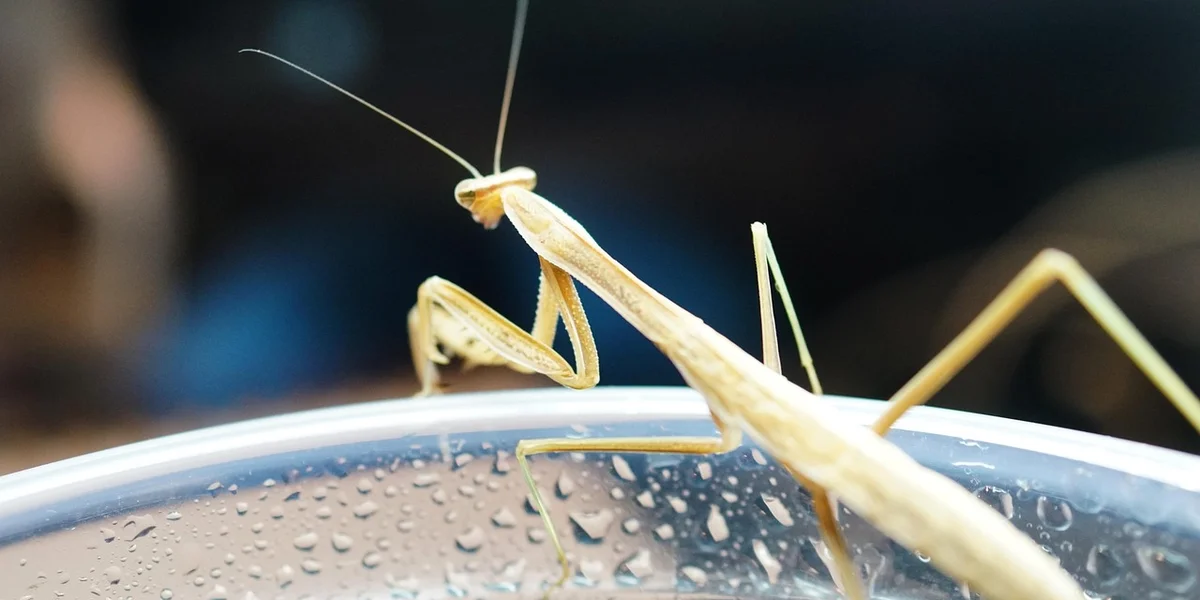
Nymphs need prey that matches their size-aim for insects no larger than the space between their eyes to prevent choking or refusal. Offering variety, like fruit flies, pinhead crickets, and small moths, keeps meals exciting and packed with protein for steady development. We rotate foods for our mantises; Luna, our Ghost Mantis, adores flightless fruit flies, while Moss prefers gut-loaded crickets for an extra nutrient boost. Feeding baby mantis nymphs requires even smaller prey to ensure they can handle their meals.
-
Calcium strengthens the exoskeleton and supports muscle function during growth spurts. Lightly dusting prey with calcium powder once a week helps nymphs build resilient bodies without over-supplementing. Sprinkle it like a fine mist over their food-just a pinch does the trick to avoid imbalances.
-
Follow this simple schedule based on our routine: feed young nymphs every two days, subadults every three to four days, and adjust if they leave leftovers. Watch for plump abdomens as a sign they are eating well, and reduce frequency if they seem uninterested. For instance, Sprig, our Orchid Mantis, gets fruit flies on Mondays and small crickets on Thursdays to keep her diet diverse.
Environmental Factors
-
Temperature, humidity, and airflow must mimic their natural habitat to avoid stress. Keep the enclosure warm and slightly humid, with gentle ventilation to prevent mold while supporting hydration. A stuffy tank can slow growth, so we use small mesh lids for our setups to let air circulate like a soft breeze.
Factor Ideal Range Temperature 22-28°C (72-82°F) Humidity 50-70% Ventilation Moderate, with daily air exchange Enclosure size matters too-cramped spaces limit movement and molting room. Choose a tall container with branches for climbing, giving nymphs space to stretch and explore safely. We use gallon jars for juveniles, adding twigs and leaves to create a mini jungle they can call home.
Molting Difficulties
-
Failed molts halt growth because the old exoskeleton doesn’t shed properly. Ensure vertical space for hanging upside down, as a tight fit can cause limbs to get stuck during the process. We’ve seen Moss pause for days before molting, needing a clear drop zone to emerge successfully.
-
Recognize pre-molt signs like reduced appetite, lethargy, and dulling skin color. Increase humidity slightly and avoid disturbances to help your mantis feel secure as it prepares to grow. Luna often rests motionless for hours, her frills looking paler-a quiet signal she is getting ready to shed.
Health and Husbandry Oversights
-
Parasites or illness can sap energy, and overcrowding spreads stress and disease. Isolate new additions and check for mites or unusual spots to catch problems early. A clean environment reduces risks, so we wipe surfaces weekly and remove uneaten prey promptly.
-
Hydration is vital beyond misting-offer water droplets on leaves or through gut-loaded prey. Daily light sprays and fresh food keep nymphs perky and support overall health. We mist in the mornings, watching Sprig sip delicately from dewy petals in her enclosure.
Feeding Fixes for Optimal Growth
-
Select prey species that are easy to catch and nutrient-dense, like Drosophila flies or small roaches. Match the insect size to your mantis’s head width to ensure comfortable swallowing and digestion. We avoid large prey for nymphs, sticking to options that wiggle just enough to trigger their hunting instinct. You can find a comprehensive list of suitable prey on My Pet Mantis.
-
Try this weekly plan: Monday-fruit flies, Wednesday-pinhead crickets, Friday-small moths or aphids. Rotating foods prevents boredom and provides a balanced mix of proteins and fats for robust growth. Our mantises thrive on this routine, with Moss eagerly pouncing on crickets midweek for a hearty meal.
-
Hydrate through gut-loading by feeding prey water-rich veggies like cucumber before offering them. This method delivers moisture internally, supplementing misting and reducing dehydration risks. We prep crickets with sliced carrots overnight, ensuring our nymphs get a hydrating bite with every catch.
Creating the Perfect Habitat
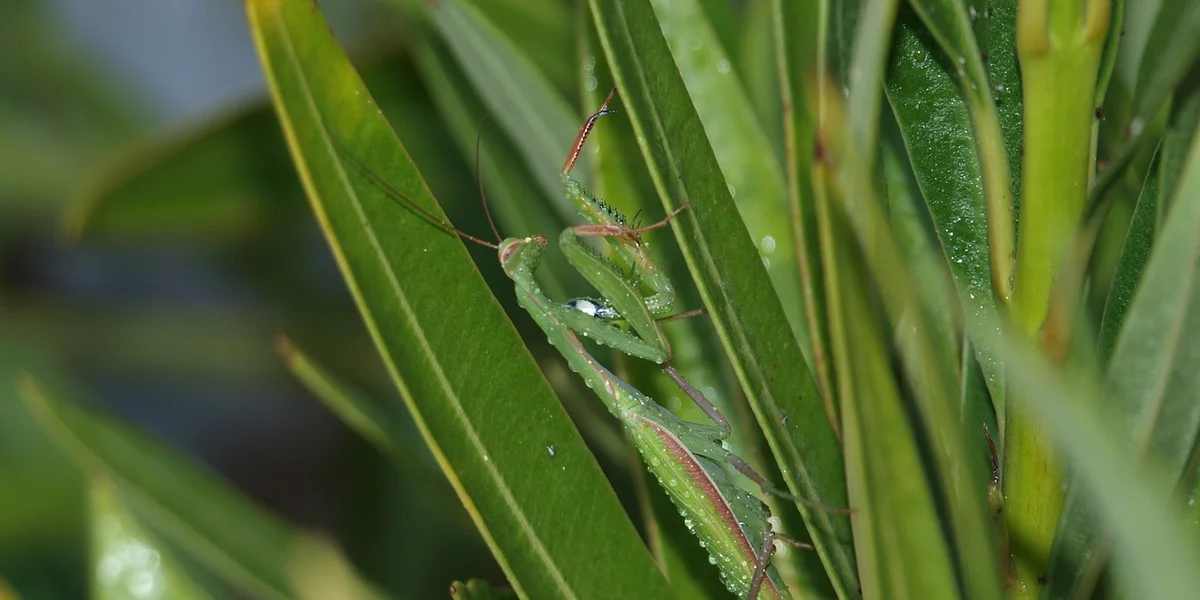
Setting up the right home for your mantis nymphs makes all the difference in their growth. We always start with a snug enclosure that feels secure, like a small plastic deli cup or a mini glass terrarium, to prevent them from feeling overwhelmed. Aim for a height of at least twice their body length, so they have room to climb and molt safely. However, as they grow, you’ll want to transition them into a graduated enclosure system to accommodate their increasing size.
Materials should be gentle and non-toxic to avoid harm. Choose smooth-sided containers with fine mesh lids for excellent airflow, mimicking the breezy feel of their natural surroundings. Glass or food-safe plastic works beautifully, and we avoid any sharp edges that could snag delicate limbs.
Layout tips focus on creating a vertical playground. Add slender branches, silk plants, or even curled bark to give nymphs plenty of perches and hiding spots, which reduces stress and encourages natural behaviors. This setup lets them explore just like Moss, our Giant Asian mantis, who zestfully tests every new twig we introduce.
Lighting Needs for Healthy Nymphs
Mantises thrive with a gentle day-night cycle, but they don’t need intense lighting. Natural indirect light from a nearby window provides a soft glow that regulates their activity without risking overheating. We position enclosures away from direct sunbeams, which can dry out the air and harm tender nymphs.
Artificial options are handy for dim rooms or winter months. A simple LED bulb on a low setting, timed for 10-12 hours daily, offers a consistent rhythm that keeps nymphs alert and content. It’s like giving them a tiny sunrise and sunset indoors, without the harshness of bright lamps.
Quick Setup Checklist from Moss’s Adventures
- Pick a small, well-ventilated container with a secure lid.
- Place a vertical branch or stick for climbing and molting support.
- Include soft artificial leaves or real pesticide-free plants for cover.
- Mist lightly with warm water to boost humidity gently.
- Set the enclosure in a quiet spot, free from drafts and vibrations.
Supporting Successful Molting
-
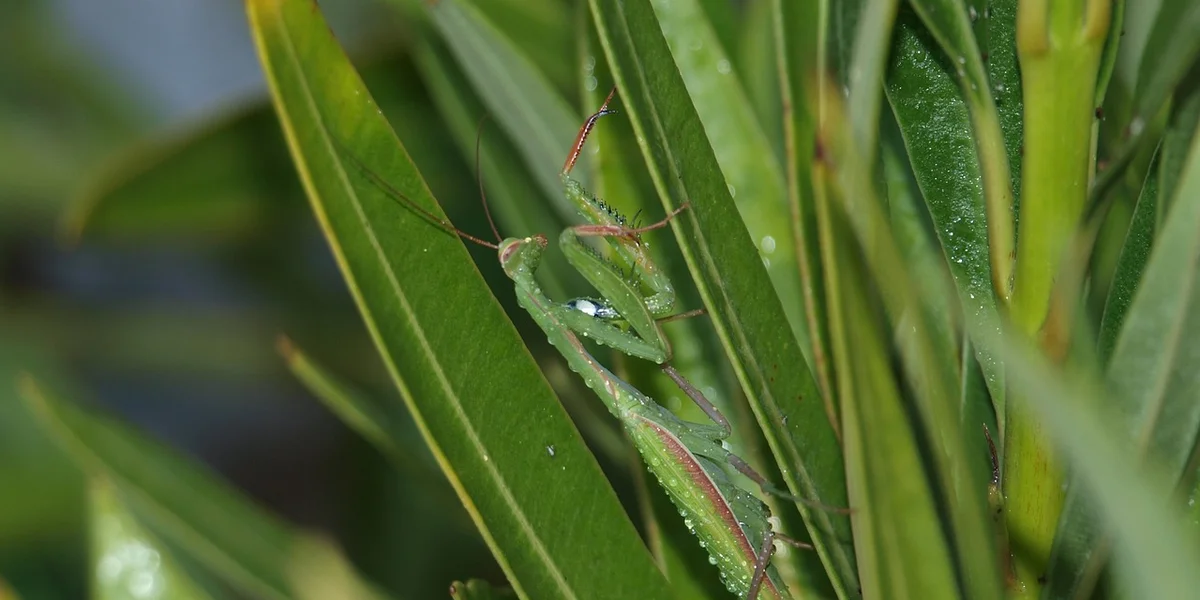
Pre-molt care is all about anticipation and gentle adjustments. Increase humidity by misting the enclosure more often, as the added moisture helps soften the old skin for a smoother shed. We also pause handling and keep disturbances low, letting nymphs sense the coming change in peace.
-
During the molt, your mantis is incredibly fragile—observe quietly from a distance. Do not touch or offer food while they’re suspended upside down, as any interruption can cause falls or injuries. After they’ve shed, wait until their new exoskeleton hardens over a few hours before offering a small, soft prey item. Learn more about how to care for a praying mantis after molting.
-
Personal stories bring these moments to life. Sprig, our shy orchid mantis, would tuck herself under a broad leaf before molting, then emerge with a bold new confidence and shimmering pink hues. Watching her taught us to trust their timing and provide a serene, humid haven for each transformation.
When to Seek Expert Help
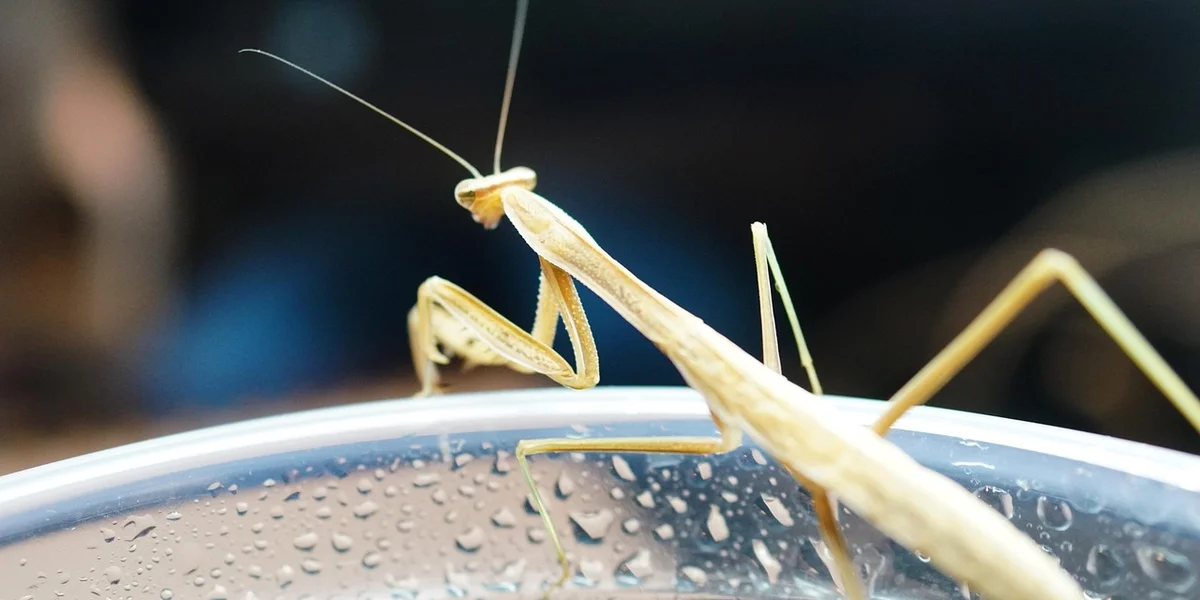
We know how worrying it can feel when your tiny mantis nymph seems stuck in its growth, and sometimes, a little extra guidance is what we all need. Recognising when to call in a vet or experienced keeper can make all the difference for your mantis’s health and happiness. If you’re wondering why your mantis nymphs are dying, understanding common problems and practical solutions can help you act quickly. We’ll cover the most frequent issues and how to fix them.
Warning Signs That Need a Vet
Keep a close watch for behaviours that stray from the norm, as these can signal deeper issues. If your nymph remains unusually still for days on end, not even twitching when prey passes by, it’s a red flag that shouldn’t be ignored.
- Persistent lethargy, where your mantis avoids movement and feeding for over 48 hours, especially if it’s not near a molt.
- Visible parasites, like tiny mites clinging to the exoskeleton or unusual discolourations that don’t fade.
- Difficulty molting, such as being stuck in old skin for more than a day, which can lead to injury.
- Loss of appetite coupled with weight loss, making the abdomen look shrunken and frail.
From my own experience with Moss, my Giant Asian Mantis, I once noticed him listless and refusing food; a quick vet visit revealed a minor infection that cleared up with care. Trust your instincts-if something feels off, it often is.
Simple First-Aid Measures Before Professional Care
Before rushing to a vet, try these gentle steps to provide immediate comfort and assess the situation. Start by isolating your mantis in a quiet, warm spot to reduce stress and observe its behaviour more closely.
- Check the enclosure’s humidity and temperature-aim for a misty, tropical feel, around 60-80% humidity, using a spray bottle with warm water.
- Offer easy-to-eat prey, like small fruit flies or pinhead crickets, to encourage feeding without pressure.
- Gently clean the area with a soft, damp cloth if you spot debris or mites, avoiding any harsh chemicals.
- Monitor for improvements over 24 hours; if there’s no change, it’s time to seek expert advice.
When Sprig, my Orchid Mantis, had a rough molt, a slight increase in humidity helped her ease out of it. These small actions can soothe your mantis while you prepare for professional help.
Remember, reaching out for assistance is a sign of a caring keeper, not a failure. We’ve all been there, feeling uncertain, but asking questions in online forums or consulting a vet shows how much you value your mantis’s well-being.
Questions from Fellow Mantis Friends
How often is it safe to handle my mantis nymphs?
Handling should be kept to a minimum to prevent stress, ideally only when necessary for health checks or enclosure cleaning. Limit interactions to brief sessions once a week, and always ensure your hands are clean and movements are gentle.
What is the best way to clean the enclosure without causing stress?
Perform daily spot cleaning by removing uneaten prey and waste with soft tools like tweezers to maintain hygiene. For deeper cleans, temporarily relocate your nymph to a secure container and use warm water without chemicals, then fully dry the enclosure before reintroducing them.
Do different mantis species have unique care requirements for nymphs?
Yes, species such as Orchid Mantis often need higher humidity and more delicate prey than common types like the Ghost Mantis. Research your specific species’ ideal temperature, diet, and habitat setup to support healthy development and avoid growth issues.
Supporting Your Mantis Nymphs’ Healthy Development
Focus on providing consistent, appropriately sized prey and maintaining stable temperature and humidity to encourage steady growth. Watch closely for molting signs and keep their environment calm and secure to avoid disruptions in their development cycle.
We believe responsible mantis care means staying attentive to your pet’s changing needs and seeking out new insights from fellow enthusiasts. Embrace the learning journey by observing your nymphs daily and adjusting your approach based on their unique behaviors and responses. This approach is especially crucial during the initial stages; your first few weeks with a pet mantis are critical for its development and trust-building.
Further Reading & Sources
- Praying Mantis Care Lifespan, Growth and Molting Mis-molting – USMANTIS
- Life Cycle of a Praying Mantis – Insect Lore
- Praying Mantis | Yard and Garden
- Mantis Care “For Dummies” – USMANTIS
Rowan Hale is a lifelong insect enthusiast who fell in love with mantises for their calm presence, alien elegance, and surprising personalities. After years of keeping and raising a variety of species, Rowan shares practical tips, creative insights, and real-world experience to help others enjoy the quiet magic of mantis care. From setting up the perfect enclosure to understanding their subtle behaviors, Rowan invites readers into a gentle, curious world where every tiny movement feels like a discovery.
Common Health Issues