
Dark Fluid from a Mantis: Vomit, Feces, or Something Else?
Published on: February 11, 2026 | Last Updated: February 11, 2026
Written By: Rowan Hale
Hello fellow mantis friend, if you’ve ever spotted a mysterious dark fluid in your pet’s enclosure, your heart might have skipped a beat-we’ve been there too, watching our own mantis, Luna, with that same concerned curiosity.
This dark fluid is usually regurgitation, not vomit or feces, and it’s often a natural defense mechanism or stress response.
Figuring out what’s going on isn’t always straightforward, as mantises have subtle ways of communicating discomfort, and the fluid can resemble other bodily wastes at a glance. Here are the key points we’ll explore to put your mind at ease:
- What regurgitation looks like and why it happens
- How to tell it apart from feces or true illness
- Simple steps to help your mantis feel safe and healthy
Identifying the Dark Fluid: What Could It Be?
When you spot a dark, mysterious fluid in your mantis enclosure, it can feel like a puzzle waiting to be solved. We often see this with our own mantises, like Luna, whose gentle nature makes any change in her behaviour worth noting. Observing the colour, consistency, and where it appears helps narrow down whether it’s vomit, feces, or something more unusual.
Is It Mantis Vomit or Regurgitation?
Vomit or regurgitation in mantises usually stems from digestive upset, much like when we feel queasy after eating something off. With Moss, our Giant Asian mantis, we’ve noticed he might bring up dark fluid if he’s eaten too quickly or had prey that didn’t agree with him. This fluid often has a watery or semi-liquid texture and may smell slightly sour, indicating it’s partially digested food.
Signs of Fluid Regurgitation in Mantises
Look for these telltale signs to confirm regurgitation:
- Fluid appears near the mouth or on perches shortly after feeding
- Your mantis might act lethargic or avoid food for a while
- The colour ranges from brown to black, depending on what was eaten
- It dries into a sticky residue, unlike the powdery look of feces
In Sprig’s case, her shy demeanour meant she’d hide after regurgitating, a quiet signal she needed a break. Spotting these clues early lets you adjust care before minor issues escalate.
Could It Be Mantis Feces?
Mantis feces, or frass, is typically small, dry, and pellet-like, not the liquid dark fluid that causes concern. We’ve cleaned many enclosures where Luna’s droppings were easy to distinguish-they crumble like tiny bits of soil. If the dark substance is runny and spreads, it’s unlikely to be normal feces and points toward digestive troubles.
Other Possibilities: Defensive Fluids or Health Issues
Some mantis species release dark fluids as a defence mechanism, similar to how a startled insect might play dead. Orchid mantises like Sprig can exude a dark liquid when stressed, meant to deter predators. This defensive fluid is usually accompanied by other signs, like raised forelegs or a sudden change in posture.
Health issues, such as internal infections or parasites, might also cause dark discharge. We once nursed a mantis through a mild infection where the fluid had a foul odour and the insect became listless. Monitoring for additional symptoms, like loss of appetite or unusual movements, helps rule out serious conditions.
Common Causes of Dark Fluid in Pet Mantises
Understanding why this happens can ease your mind and guide your response. From diet mishaps to environmental shifts, we’ve seen it all in our years of keeping mantises. Pinpointing the cause often starts with reviewing recent changes in feeding or habitat conditions.
Diet-Related Triggers
What your mantis eats plays a big role in digestive health. Overfeeding or offering prey that’s too large can overwhelm their system, leading to regurgitation. For example, Moss once regurgitated dark fluid after a hefty cricket meal-we learned to size his food to match his appetite. Stick to appropriately sized, gut-loaded insects to reduce the risk of dietary upsets.
- Avoid feeding wild-caught prey that might carry pesticides
- Space out meals to prevent overeating; mantises don’t need daily feeding
- Offer a variety of prey, like fruit flies or small roaches, for balanced nutrition
Environmental Stressors
Mantises are sensitive to their surroundings, and stress from improper conditions can trigger fluid issues. Sudden temperature drops or excessive handling might cause regurgitation, as we saw with Luna during a cold snap. Maintaining a stable, humid environment mimics their natural habitat and supports digestive comfort.
- Keep temperatures between 20-30°C, avoiding drastic fluctuations
- Ensure humidity levels are consistent; mist lightly with warm water
- Minimize handling to reduce stress, especially after molting
Underlying Health Problems
Sometimes, dark fluid signals deeper health concerns, like bacterial infections or parasitic infestations. In one instance, a mantis we cared for had a persistent issue that required isolating her and adjusting her diet. Regular health checks, including watching for weight loss or discolouration, help catch problems early.
- Look for signs of weakness or inability to grip surfaces
- Consult a vet experienced with invertebrates if symptoms persist
- Quarantine new mantises to prevent spreading illnesses
Immediate Steps to Care for Your Mantis
Step 1: Safely Isolate and Assess
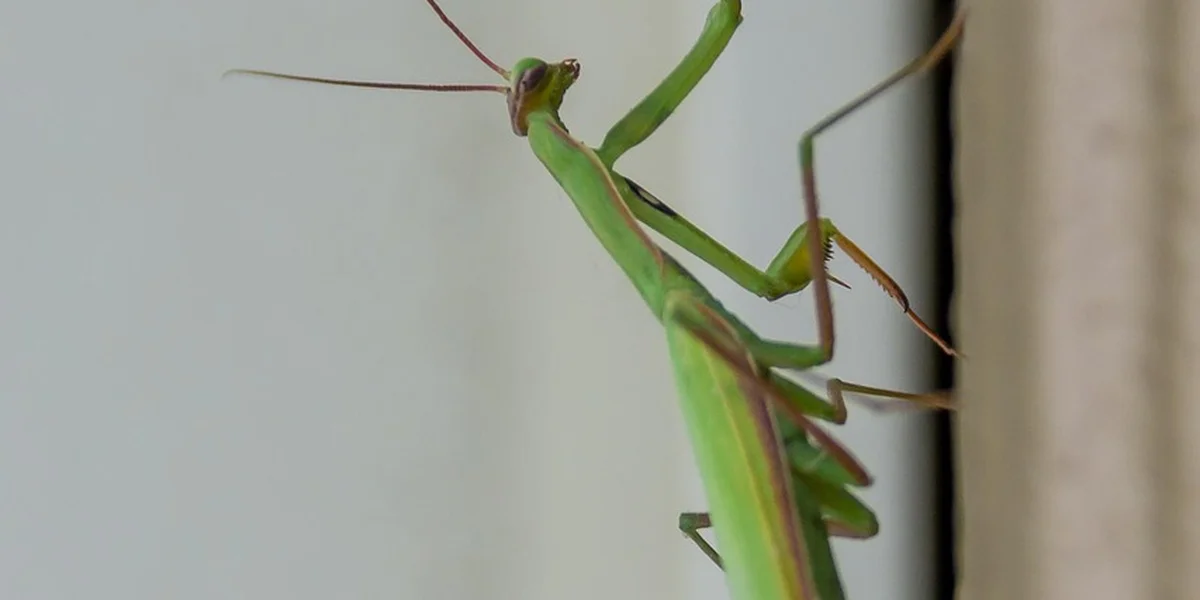
Gently move your mantis to a temporary, clean container like a spare mason jar with air holes punched in the lid. This quick isolation helps prevent further stress and lets you monitor its condition without distractions from the main enclosure. Feel the warmth of the container with your hands to ensure it’s not too cold, as sudden temperature drops can worsen their state (temperature stress can be harmful). Watch for signs like lethargy or unusual posture-my mantis Moss once perched oddly after a scare, and a calm assessment revealed he just needed a quiet moment.
Check if the mantis is responsive by offering a soft touch or observing its antennae movements. Keeping the temporary space simple with a small twig or leaf mimicry encourages natural resting behavior while you figure things out. Avoid handling too much; a gentle approach reduces the risk of injury and helps your pet feel secure. For more tips on handling and understanding their behavior, check out our complete guide.
Step 2: Clean the Enclosure Gently
Remove any soiled substrate or decorations from the main habitat using warm water and a mild, eco-friendly soap. A thorough clean eliminates potential contaminants that could irritate your mantis or lead to infections. Regular cleaning is part of clean maintenance for your praying mantis habitat, helping keep the enclosure safe and healthy for your pet. It also makes routine checks and feeding easier. Rinse everything well to avoid soap residue, and let it air dry completely—dampness can invite mould, which we’ve seen cause issues in humid setups.
Replace old substrate with fresh, sterile materials like coconut fibre or paper towel. This fresh start mimics the natural reset of a forest floor after rain, giving your mantis a cleaner, healthier space to return to. If you spot dark fluid stains, wipe them with a damp cloth and dispose of the waste safely to prevent reinfection.
Step 3: Provide Supportive Care
Offer a drop of lukewarm water on a clean surface or via a soft dropper to help with hydration. Proper hydration supports recovery by easing internal stress and flushing out toxins, much like a gentle mist revitalises a weary plant. Hold off on feeding until your mantis shows steady movement and interest—overloading their system too soon can trigger more issues. For detailed irrigation advice, check out our hydration guide.
Maintain stable humidity and temperature in the temporary container by misting lightly or using a small heat mat. Consistent environmental cues, like the humid scent of damp earth, reassure your mantis and promote healing without added pressure. Observe quietly for a day or two; patience here often reveals whether the fluid was a one-off or part of a bigger problem.
How to Diagnose the Source of the Fluid
Step 1: Observe Mantis Behavior Closely
Watch for specific actions like regurgitation, defecation, or unusual twitching over several hours. Noting these details helps distinguish between vomit, which might follow a disturbed meal, and feces, which typically occurs after digestion. My Ghost Mantis Luna, for instance, would tilt her head thoughtfully before spitting up, a subtle clue that pointed to digestive upset.
Pay attention to feeding responses and activity levels. A mantis that avoids prey or stays unusually still could be signalling internal discomfort, much like how a wilting leaf hints at root issues. Recognizing stress signals from its behavior helps you tell when a mantis is stressed. Look for changes in posture, movement, or responsiveness to prey. Keep a small journal of behaviors; this record makes it easier to spot patterns and share with experts if needed.
Step 2: Check for Physical Clues
Examine the fluid’s color, consistency, and smell-dark, watery fluid might indicate vomit, while thicker, pellet-like substances are often feces. Identifying these traits narrows down causes, from simple indigestion to more serious infections. Gently inspect your mantis’s body for wounds or swelling, using a magnifying glass if possible; even tiny abrasions can leak fluids under stress.
Look for residue around the mouth or abdomen. Fresh clues like sticky patches or discolouration provide direct evidence of where the fluid originated, guiding your next steps in care. If the fluid has a foul odour, it could point to bacterial issues, similar to how rot smells in overwatered soil.
Step 3: Review Your Care Routine
Reflect on recent feedings, enclosure conditions, and handling frequency. Overfeeding or offering prey that’s too large is a common trigger for regurgitation, as their delicate systems can’t process excess easily. We once learned this with Sprig, our Orchid Mantis, who spat up after a overly ambitious cricket meal.
Assess humidity, temperature, and cleanliness in the habitat. Imbalances here, like stagnant air or dirty surfaces, often lead to stress-related fluid issues that mimic more severe illnesses. Noting signs of stress—like reduced appetite or sluggish movement—is a cue that the habitat needs fixes. When you see these signs, address humidity, temperature, and cleanliness to restore balance. Adjust routines gradually—small changes, like switching to smaller prey or increasing ventilation, can prevent recurrences and keep your mantis thriving.
Preventing Dark Fluid Issues in Your Mantis
Optimizing Diet and Feeding
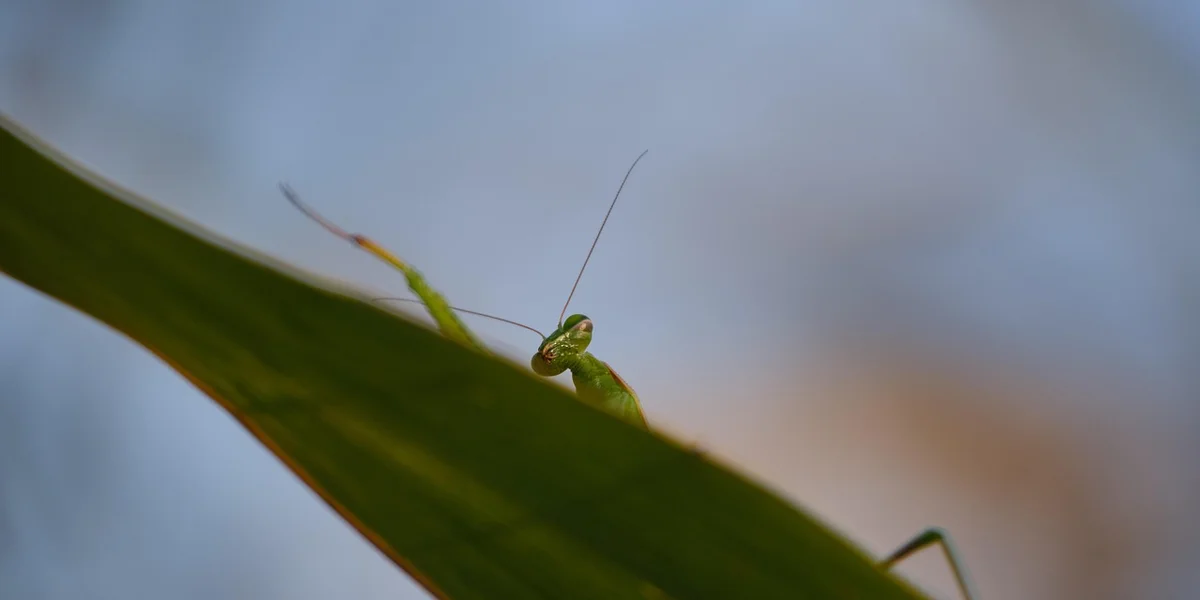
Feeding your mantis the right foods in the proper amounts can prevent many digestive troubles, including that unsettling dark fluid. Stick to live prey like fruit flies, small crickets, or moths, as these mimic their natural diet and are easy to digest. Also, avoid live prey that’s too large or spiky. Choose insects from reliable, pesticide-free sources to prevent added risks. We’ve noticed that our Ghost Mantis, Luna, thrives on a mix of fruit flies and the occasional waxworm, which keeps her energetic and reduces any gut stress.
Offer food every two to three days for adults, and daily for growing nymphs, but avoid overfeeding to prevent regurgitation. Remove uneaten prey within a few hours to stop it from bothering your mantis or contaminating the enclosure. If you see dark fluid after feeding, it might be a sign the prey was too large or hard-shelled-opt for softer, smaller insects instead.
- Choose prey that’s no larger than the space between your mantis’s eyes.
- Gut-load insects with nutritious greens before feeding to boost your mantis’s health.
- Avoid wild-caught insects, as they can carry pesticides or parasites.
Watch how your mantis eats; a slow, deliberate strike is normal, but frantic movements could mean the prey is stressing them. Variety in diet helps mimic the wild, reducing the risk of nutritional deficiencies that lead to fluid issues. With Moss, our Giant Asian Mantis, we rotate between crickets and flies, and he’s never had a problem with dark discharge.
Maintaining Ideal Humidity and Hydration
Humidity levels play a big role in your mantis’s comfort and digestion, as dry conditions can cause dehydration and dark fluid from stress. Aim for 50-70% humidity, which you can measure with a simple hygrometer from a pet shop. The earthy scent of a freshly misted enclosure feels like a damp morning in a woodland, soothing for both you and your mantis. To set up the perfect humidity level in your mantis enclosure, place a reliable hygrometer at mantis height and establish a regular misting routine. If needed, adjust airflow or misting duration to keep 50-70% steady.
Mist the sides and decorations lightly once or twice a day, using distilled or filtered water to avoid mineral buildup. Never spray directly on your mantis, as this can startle them and lead to fluid release. For hydration, some mantises will drink droplets from leaves, while others might need a shallow water dish with pebbles to prevent drowning. Over-misting can harm your praying mantis by throwing off its humidity and hydration balance. Aim for careful, light misting to support hydration without creating a consistently damp enclosure.
- Check humidity daily and adjust misting based on your home’s climate.
- Use a spray bottle with a fine mist setting for gentle coverage.
- Add live plants like pothos to help maintain moisture naturally.
In drier months, we place a small container of water near the heat source to boost humidity for Sprig, our Orchid Mantis, and it keeps her pink petals looking vibrant. Proper hydration supports molting, reducing the chance of fluid issues during this vulnerable time.
Choosing and Managing Substrate
The substrate in your mantis’s home affects cleanliness and health, as a dirty floor can harbour bacteria that trigger dark fluid. Select a substrate that holds moisture well, like coconut fibre or organic potting soil, to help maintain humidity without mould. We use coconut fibre for Luna’s terrarium, and its soft texture makes it easy for her to move around without irritation.
Change the substrate every few weeks, or sooner if you spot waste or damp patches. A clean substrate prevents harmful microbes from building up and causing digestive upsets. When cleaning, gently remove your mantis to a temporary container-a mason jar with ventilation holes works perfectly-to keep them safe.
- Avoid substrates with chemicals or sharp particles that could injure your mantis.
- Layer it about 1-2 inches deep for burrowing species, though most mantises prefer minimal substrate.
- Spot-clean daily by removing any visible frass or leftover food.
Managing substrate is like tending a tiny garden; it needs regular attention to stay fresh. This simple habit can prevent many health issues, including those mysterious dark fluids. With Moss, we’ve found that a monthly full clean keeps his enclosure smelling like fresh earth and him feeling content.
When to Seek Help from an Expert
Signs That Warrant Professional Advice
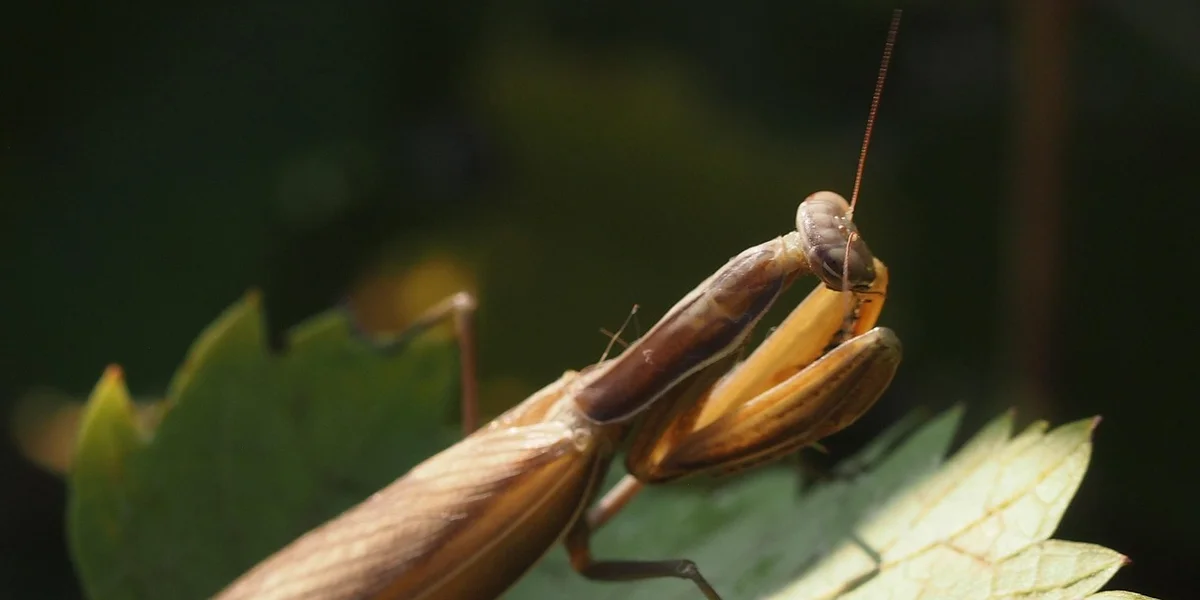
If your mantis shows persistent dark fluid along with other symptoms, it’s time to consult an expert to rule out serious conditions. Look for lethargy, such as your mantis staying still for hours without their usual alert posture. We once saw Sprig drooping and releasing dark fluid, which turned out to be a sign of impaction needing vet care.
Other red flags include refusal to eat for more than a few days, discoloured skin, or difficulty moving. Dark fluid that smells foul or is accompanied by swelling could indicate an infection or internal injury. Trust your instincts; if something feels off, it’s better to seek help early.
- Repeated regurgitation or vomiting after meals.
- Abnormal posture, like curling oddly or struggling to grip surfaces.
- Sudden weight loss or a shrivelled appearance.
Monitoring these signs helps you act quickly, much like noticing a plant wilting before it’s too late. Catching issues early can make all the difference in your mantis’s recovery.
How to Find a Mantis-Savvy Veterinarian
Locating a vet who understands mantises might take some effort, but it’s worth it for their specialised care. Start by searching online for exotic pet veterinarians or those who list insects or invertebrates in their services. When Moss had a scare, we found a local clinic through a reptile enthusiast group, and the vet was wonderfully knowledgeable.
Ask for recommendations in online forums or social media groups dedicated to mantis keeping. Prepare a brief history of your mantis’s symptoms, diet, and enclosure setup to share with the vet. This saves time and helps them diagnose accurately. Use the ultimate mantis health troubleshooting checklist to guide what details to collect when you’re asking, “why is my mantis sick?” Keeping notes of symptom onset and changes helps you and your vet pinpoint potential causes more efficiently.
- Call ahead to confirm the vet has experience with mantises.
- Bring photos or a short video of the concerning behaviour.
- Check if they offer remote consultations for initial advice.
Finding the right vet feels like discovering a trusted gardener for your precious plants-it brings peace of mind. Don’t hesitate to reach out; many vets are happy to help even with less common pets like mantises.
Monitoring Your Mantis and Expected Outcomes
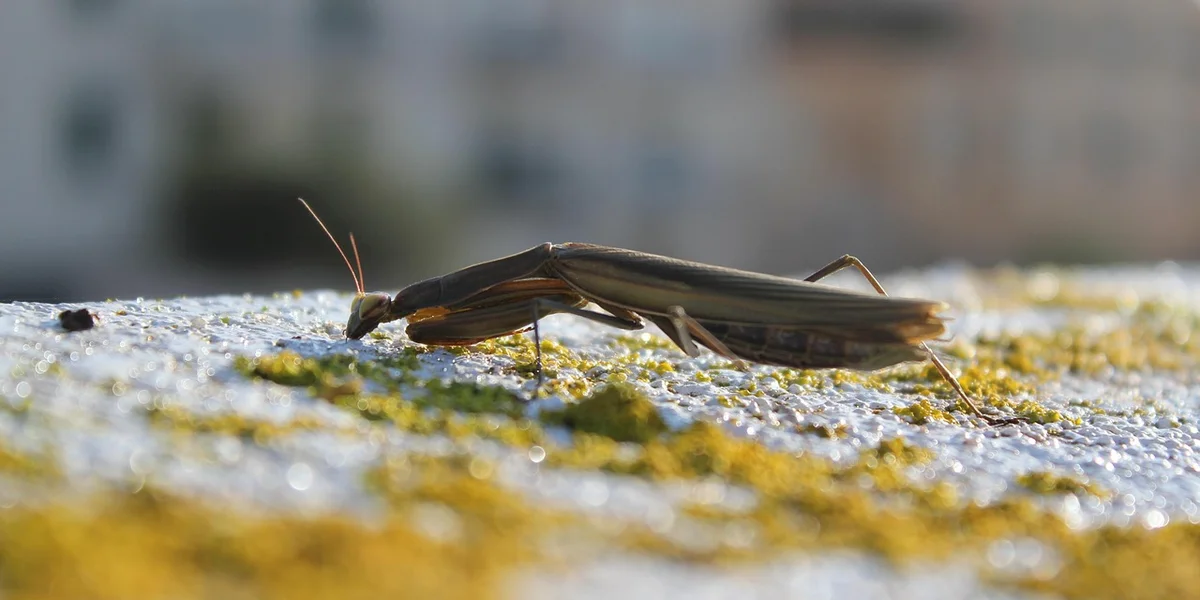
After you’ve identified the cause of the dark fluid, your focus shifts to supportive care and vigilant observation. Your consistent, gentle monitoring now provides the safety net your mantis needs to fully recover.
What Normal Recovery Looks Like
A mantis on the mend will show clear, positive signs within the first 24 to 48 hours. You are looking for a return to their baseline behaviour and energy levels.
- They will begin to show interest in their surroundings again, perhaps turning their head to watch you or slowly exploring their perch.
- Their posture will improve, holding themselves upright rather than hanging low or clinging weakly to the enclosure walls.
- You might notice them meticulously cleaning their forearms and antennae, a classic sign of a content and healthy mantis.
My Ghost Mantis, Luna, was always a slow, thoughtful creature, but after a similar incident, her recovery was marked by that familiar, curious head tilt returning. This gradual re-engagement with the world is the most encouraging signal you can hope to see.
Appetite will likely be the last thing to return. Do not be concerned if they refuse food for a couple of days. Their system is taking a necessary rest.
Ongoing Monitoring Tips
Effective monitoring is about quiet, non-intrusive checks that do not add stress to your recovering pet. We want to be observant guardians, not hovering worries.
- Conduct a Daily Enclosure Check: Each morning, briefly look for any new dark spots on leaves or the enclosure floor. A clean environment confirms the event has passed.
- Observe from a Distance: Spend a few minutes at different times of day watching their general demeanour. Are they holding their grip firmly? Is their abdomen a normal, plump shape?
- Offer Tiny, Easy Prey: After 48 hours, try offering a very small, freshly shed cricket or a flightless fruit fly. Do not leave live prey unsupervised with a still-weak mantis.
- Monitor Hydration: Gently mist the enclosure as usual and watch for drinking behaviour. Seeing them sip water droplets is a fantastic sign of returning health.
Keeping a simple, brief log of these observations can help you track progress and spot any concerning patterns early. Note the date, their behaviour, and whether they accepted food or water.
Watch for any recurrence of the dark fluid or a sudden loss of grip, which would warrant a revisit of potential causes. With Moss, my Giant Asian mantis, his vibrant green colour and energetic curiosity were my daily reassurance that he was back to his old self.
Common Mantis Queries
Is the dark fluid a sign my mantis is sick?
Not necessarily. This fluid is often just regurgitation, a natural response to stress or digestive upset.
Could the dark fluid be a defensive secretion?
Yes, some species release it as a deterrent when threatened. This is typically accompanied by a defensive posture like raising their forelegs.
Should I be worried if the dark fluid keeps happening?
Yes, repeated occurrences warrant concern. It could indicate a persistent health issue that requires a review of your care routine or a vet consultation.
Final Insights on Mantis Health and Care
Dark fluid from your mantis is typically regurgitated food or feces, so observe for other symptoms like sluggishness before assuming the worst. Regularly clean their enclosure and offer appropriately sized prey to minimize stress and digestive upsets.
Responsible mantis keeping means dedicating time to watch their habits and tweak care as they grow. We find that continuous learning through trusted sources helps you respond calmly to any health changes.
Further Reading & Sources
- r/mantids on Reddit: My mantis is spraying some liquid… Should I be worried?
- Praying mantis vomiting? | Arachnoboards
- Black liquid from abdomen? | Mantid Forum – Mantis Pet & Breeding Forum
- I captured a praying mantis and kept it. I gave her bugs to eat and water. A few days later, she was dead, lying near some black liquid that may have come out of her mouth. What happened? – Quora
Rowan Hale is a lifelong insect enthusiast who fell in love with mantises for their calm presence, alien elegance, and surprising personalities. After years of keeping and raising a variety of species, Rowan shares practical tips, creative insights, and real-world experience to help others enjoy the quiet magic of mantis care. From setting up the perfect enclosure to understanding their subtle behaviors, Rowan invites readers into a gentle, curious world where every tiny movement feels like a discovery.
Common Health Issues