
Your Mantis First Aid Kit: A Caretaker’s Guide
Published on: January 23, 2026 | Last Updated: January 23, 2026
Written By: Rowan Hale
Hello there, fellow mantis friend. Even in our calmest moments, we know a keeper’s peace can be shattered by a sudden slip during a molt or an unexpected injury.
A well-stocked mantis-specific first aid kit is your best tool for providing immediate, effective care when your pet needs you most.
While the idea of treating such a delicate creature can feel daunting, preparing a few key supplies turns panic into purposeful action.
Your kit should focus on a few core areas:
- Supplies for cleaning and treating minor wounds
- Tools to assist with difficult molts
- Emergency hydration and feeding aids
- A safe, temporary enclosure for recovery
Why a Mantis First Aid Kit is a Keeper’s Best Friend
We keep a first aid kit handy because our mantises, like delicate garden visitors, can face sudden troubles that need quick attention. Having a dedicated kit transforms worry into calm action, letting you respond to minor injuries or stress with confidence and care.
When my Ghost Mantis Luna once stumbled during a molt, her soft body needed immediate support to prevent further harm. A prepared kit means you are never caught off guard, turning potential panic into a gentle, steady-handed rescue.
Think of it as your quiet ally in creating a safe, nurturing space for these fascinating insects. This small collection of supplies empowers you to handle everyday hiccups, from a dropped limb to dehydration, with the reassurance of a seasoned keeper.
Core Supplies for Your Mantis First Aid Kit
Essential Tools for Handling and Care
Start with tools that make delicate tasks simple and stress-free for both you and your mantis. Soft-tipped tweezers are perfect for offering food or gently guiding a mantis without causing fear or injury.
- A small, soft paintbrush for coaxing mantises onto your hand or moving them safely.
- Magnifying glass to inspect tiny details like leg joints or mouthparts for early signs of issues.
- Clean, shallow containers for temporary housing during enclosure clean-ups or emergencies.
My Giant Asian Mantis Moss often explores new branches with curiosity, and these tools help me assist him without disruption. Keeping these items within reach ensures every interaction remains calm and controlled, reducing stress for your pet.
Wound Care and Cleaning Basics
Minor cuts or abrasions can happen, especially after molting when the new exoskeleton is still soft. Clean wounds promptly with a mild saline solution to prevent infection and support healing.
- Use cotton swabs dipped in sterile saline to gently dab the affected area.
- Apply a tiny amount of raw honey as a natural antiseptic-it soothes and protects.
- Keep the mantis in a quiet, humid space to aid recovery and minimise movement.
I have seen Sprig, my Orchid Mantis, benefit from this approach when she nicked a leg on a sharp edge. Simple cleaning routines can make a big difference in helping your mantis bounce back quickly and comfortably.
Medications and Hydration Support
Dehydration is a common issue, and having hydration aids on hand can be a lifesaver. Offer plain water or an electrolyte solution via a small dropper to gently rehydrate a lethargic mantis. Look for signs of dehydration in praying mantises—such as a sunken or wrinkled abdomen or reduced activity. If you spot these signs, rehydrate promptly with plain water or an electrolyte solution.
- Pedialyte or a homemade mix of water with a pinch of sugar and salt for electrolyte balance.
- Beneficial supplements like calcium powder to dust on prey for stronger molts.
- Avoid over-the-counter medications unless advised by a vet, as mantises are sensitive to chemicals.
When Moss showed signs of weakness after a dry spell, a drop of electrolyte water perked him right up. Staying proactive with hydration and simple supplements keeps your mantis vibrant and resilient through each life stage.
Step-by-Step Guide to Assembling Your Kit
Choosing Your Kit Container and Layout
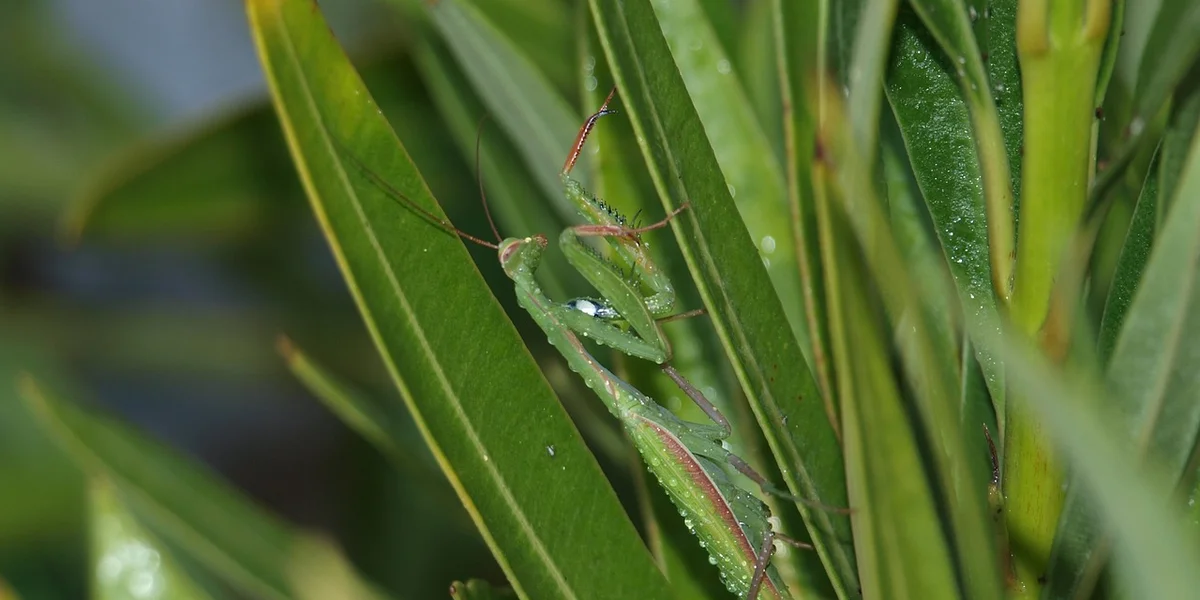
Pick a small, clear plastic container with a snug lid to keep everything dry and visible. A transparent box lets you spot supplies quickly during a stressful moment, much like how we check on our mantis Luna’s delicate frills without disturbing her. Divide the interior into sections using foam or small dividers for organized access.
Place frequently used items like tweezers and cotton swabs in the front for easy reach. This layout mimics the thoughtful arrangement of branches in a mantis enclosure, ensuring everything has its place and purpose. Label each section with a waterproof marker to avoid confusion when you are in a hurry.
Opt for a container that fits in your hand or a small bag for portability. We have found that a compact kit encourages regular checks and updates, just like tending to Sprig’s orchid-like habitat with gentle care.
Gathering and Checking Your Supplies
Start by collecting these essentials in your kit, and verify each item is clean and functional. Regularly inspecting your supplies ensures they are ready when your mantis needs them most, similar to how we monitor humidity levels before a molt. These supplies are part of a healthy pet mantis complete checklist. Keeping them ready helps ensure your mantis stays healthy and stress-free.
- Fine-tipped tweezers for precise handling of injured limbs or debris.
- Sterile cotton swabs and pads to apply treatments without contamination.
- A small bottle of reptile-safe antiseptic solution for cleaning wounds.
- Soft paintbrushes to gently guide a weak mantis or remove stuck molt pieces.
- A magnifying glass to inspect small injuries or signs of infection closely.
- Spare deli cups or small containers for temporary isolation if needed.
- A notebook to log symptoms, treatments, and recovery progress.
Check expiration dates on liquids and replace any worn-out tools monthly. This habit builds confidence, much like the calm we feel when Moss explores his enclosure with curious energy.
Common Mantis Emergencies and How to Respond
Treating Limb Injuries and “Mantis Fist” Issues
Gently examine the injured limb for swelling or unusual bending, using a soft brush to avoid stress. Immediate, calm handling can prevent further harm, just as we approach Luna with slow movements to keep her at ease. For “mantis fist,” where a leg remains clenched, lightly mist the area with warm water to encourage relaxation.
If a limb is broken or detached, clean the area with a damp cotton swab and antiseptic. We have seen mantises like Moss recover well with minimal intervention, relying on their natural resilience. Avoid attempting to reattach limbs; focus on keeping the enclosure clean to prevent infection.
Provide extra perches and reduce climbing height to ease strain. Offering low, stable surfaces helps your mantis conserve energy during healing, much like arranging a calm space for Sprig after feeding.
Managing Molting Problems and Weakness
Increase humidity by misting the enclosure with lukewarm water if your mantis seems stuck in its old skin. Higher moisture softens the exoskeleton, aiding a smooth molt like the gentle rustle of leaves in a humid terrarium. Use a soft brush to carefully loosen any clinging pieces, but never pull forcefully. After helping your mantis, make sure to care for it properly post-molt.
For weakness post-molt, offer shallow water droplets on leaves or your finger for drinking. We keep a close watch during this vulnerable time, similar to how we observe Sprig’s delicate movements after she sheds. Ensure the mantis has a secure grip on a branch to prevent falls.
Monitor for signs of improvement over 24 hours. Patience and a stable environment often lead to recovery, echoing the quiet confidence we feel when our mantises regain their strength.
Addressing Infections and Internal Concerns
Look for discoloration, lethargy, or unusual discharge as potential signs of infection. Early detection allows for swift action, much like noticing the subtle changes in Luna’s posture before she molts. Isolate the affected mantis in a clean container to prevent spread.
Clean visible wounds with a reptile-safe antiseptic applied via cotton swab. We rely on gentle, consistent care to support healing, avoiding harsh chemicals that could stress your pet. For internal issues, such as digestive problems, offer smaller, easily digestible prey like fruit flies.
Consult a vet experienced with invertebrates if symptoms persist. Seeking professional advice ensures the best outcome, reflecting our commitment to the well-being of every mantis in our care. Additionally, our ultimate mantis health troubleshooting checklist can help identify why your mantis is sick. It provides practical steps and checks you can use alongside veterinary guidance.
Special Considerations for Different Mantis Types

Not all mantises are the same, and their first aid needs can vary based on size, species, and age. We tailor our approach to match each mantis’s unique traits, ensuring their comfort and safety during any health issue. This personalized care helps prevent stress and promotes faster recovery. Many keepers encounter common myths about mantis care. Our guide debunks 11 myths and reveals the truth to guide proper mantis care.
Care Tips for Nymphs and Delicate Species
Nymphs and delicate species, like Ghost or Orchid Mantises, require extra gentleness due to their fragile bodies and small size. Handling them feels like cradling a dew-kissed leaf-soft and cautious to avoid damage. For instance, our Ghost Mantis Luna, with her misty brown frills, taught us that slow movements and minimal contact reduce the risk of injury.
Keep these tips in mind for their first aid kit:
- Use fine-tipped tweezers for precise handling of tiny wounds or debris.
- Include a small, soft-bristled brush to gently clean delicate exoskeletons without scratching.
- Store diluted antiseptic in a dropper bottle for easy, controlled application on minor cuts.
- Add a mini magnifying glass to spot issues like mites or tiny fractures early on.
When misting their enclosure, aim for a fine spray that mimics morning dew rather than a heavy shower. Avoid over-handling nymphs, as their molting skin is especially tender and easily torn. We’ve found that placing a small, damp cotton ball nearby can provide hydration without direct contact, much like how Sprig, our shy Orchid Mantis, prefers to drink from droplets on petals.
Handling Active or Larger Mantises
Active or larger mantises, such as Giant Asian species, are sturdier but can be more energetic and require secure handling to prevent escapes or stress. Their movements are quick and deliberate, like a sudden breeze rustling through tall grass, so we prepare for their agility with confident, calm actions. Moss, our emerald Giant Asian Mantis, often explores new branches with curiosity, reminding us to support his full body weight during checks.
Incorporate these elements into your first aid routine:
- Use thicker, non-slip gloves to protect both you and the mantis from accidental nips or falls.
- Keep a small, ventilated container on hand for temporary restraint during treatments.
- Include stronger adhesive tapes or bandages for securing larger injuries, but test for skin sensitivity first.
- Have a soft cloth or towel ready to gently wrap around active mantises, calming them without restricting breathing.
When examining them, let the mantis walk onto your hand rather than grabbing them. This method builds trust and reduces the chance of defensive postures, which can lead to self-harm. We always work in a quiet, enclosed space to minimize distractions, much like the still corner of a garden where Moss feels most at ease.
Keeping Your First Aid Kit Ready and Effective
A well-maintained first aid kit is your best ally in emergencies, so we make it a habit to check and refresh supplies regularly. Set a monthly reminder to inspect items for expiration or damage, just as you would tend to a thriving terrarium to keep it lush and healthy. This proactive approach ensures everything is within reach when your mantis needs it most.
Follow these steps to keep your kit in top shape:
- Store the kit in a cool, dry place away from direct sunlight to prevent materials from degrading.
- Label all containers clearly with dates and contents, so you can quickly identify what’s needed.
- Rotate perishable items like antiseptic wipes or diluted solutions every few months to maintain potency.
- Keep a small notepad and pen inside to jot down observations or treatment notes during incidents.
We also recommend doing a quick “practice run” every season to familiarize yourself with the kit’s layout. This rehearsal helps you act swiftly under pressure, turning a potential crisis into a manageable moment of care. For example, we once used this method to calmly assist Luna after a minor fall, and having everything organized made the process smooth and stress-free.
Consider adding eco-friendly options, like reusable cloth strips instead of single-use bandages, to align with a sustainable mindset. Small touches like this not only benefit your mantis but also reflect the gentle, earth-conscious approach we cherish in pet care.
Common Mantis Queries
What is the best way to approach a mantis for first aid without causing more stress?
Move slowly and use a soft paintbrush to gently guide the mantis into a stable position for examination. Avoid direct handling and loud noises to minimize fear and prevent additional injury. Handling your pet mantis carefully is essential for its well-being.
How can I prevent my mantis from developing a ‘mantis fist’?
Maintain consistent humidity and provide secure, varied perches to reduce falls and physical strain. Regularly check the enclosure for sharp edges or obstacles that could lead to limb clenching or injuries.
What should I do if my mantis’s claws appear damaged or infected?
Inspect the claws for swelling, discoloration, or debris, and clean gently with a saline solution on a cotton swab. Isolate the mantis in a clean, quiet space and seek veterinary advice if the condition worsens or doesn’t improve.
Your Mantis Care Companion
Keep your first aid kit stocked with soft-tipped tweezers, a magnifying glass, and safe disinfectants to swiftly address minor injuries or molting troubles. Also prioritize a naturalistic, safe habitat with appropriate plants and hiding spots. Regularly inspect your mantis and its habitat to catch potential issues early, ensuring a calm and prepared response.
Responsible mantis keeping thrives on a commitment to learning and adapting your care techniques as your pet grows. We encourage you to stay curious, connect with fellow enthusiasts, and deepen your understanding of these fascinating creatures for a rewarding pet-keeping journey. For practical guidance, explore our complete care, handling, and behavior guide for pet praying mantises to ensure safe and humane interactions.
Further Reading & Sources
- Salewa first aid kit – The Official Escape from Tarkov Wiki
- Everything You Should Bring In Your Range Bag To Maximize Training, Fu | Mantis
- Shop MEDICAL SUPPLIES | RESCUE ESSENTIALS | IFAK – Bulletproof Zone
- r/liberalgunowners on Reddit: Has anyone tried one of the Mantis Laser Academy kits?
Rowan Hale is a lifelong insect enthusiast who fell in love with mantises for their calm presence, alien elegance, and surprising personalities. After years of keeping and raising a variety of species, Rowan shares practical tips, creative insights, and real-world experience to help others enjoy the quiet magic of mantis care. From setting up the perfect enclosure to understanding their subtle behaviors, Rowan invites readers into a gentle, curious world where every tiny movement feels like a discovery.
Preventative Care