
Are Praying Mantises Good Pets? Pros and Cons Explained
Published on: December 2, 2025 | Last Updated: December 2, 2025
Written By: Rowan Hale
Hello mantis friend,
Have you ever sat quietly, watching a praying mantis hold its ground like a miniature green statue, and felt a spark of curiosity about inviting one into your home? That moment of wonder is where many of us begin our journey into mantis keeping, a hobby filled with quiet rewards and gentle lessons.
Praying mantises can be excellent pets for people who enjoy observing nature up close and prefer a low-maintenance, silent companion, but they are not cuddly or interactive in the way a dog or cat might be.
This question doesn’t have a simple yes or no answer-it hinges on what you’re looking for in a pet and how much you value the unique experience they offer. From my own mantises, like Luna the ghost mantis with her thoughtful pauses, I’ve learned that success comes from understanding both their charms and their demands.
To give you a clear picture right away, here are the core takeaways we’ll explore in detail:
- Mantises are captivating to watch and need minimal space, making them ideal for small homes or offices.
- Their care is straightforward but requires attention to specific humidity, temperature, and feeding routines.
- They have relatively short lifespans, often under a year, which can be a poignant part of the experience.
- Handling is possible but must be done with extreme care to avoid stressing or injuring these delicate insects.
Introducing Praying Mantis Pets: A Serene Insect Companion
Forget the barking and the scratching at the door. The world of insect pets offers a different kind of companionship, one built on quiet observation and a profound connection to nature’s smaller rhythms. Keeping a praying mantis is less about active play and more about sharing a space with a living piece of wild artistry. They are the still point in a turning room, a green statue perched on a branch, reminding you to slow down and watch.
Compared to furry friends, their needs are minimalist, their presence meditative. You won’t take them for walks, but you will find yourself pausing by their enclosure simply to see what they’re about. This makes them a wonderfully accessible pet for beginners, offering a deep dive into animal care without overwhelming demands on time or space. They are perfect for quiet homes, curious minds, and anyone who finds joy in the subtle details.
- They are living examples of patience and precision, turning everyday feeding into a breathtaking display of natural instinct.
- Their enclosures become tiny, manageable ecosystems you curate, from the type of branch to the humidity in the air.
- Caring for them teaches responsibility through gentle, consistent routines like misting and offering food.
- They offer a front-row seat to incredible life cycles, from fragile nymph to magnificent adult, complete with the delicate drama of molting.
Weighing the Pros: The Joys of Mantis Ownership
Deciding on a mantis friend brings a host of quiet rewards. Their care aligns beautifully with a calm, observant lifestyle. For those seeking a pet that fits into existing routines without upheaval, the mantis is a champion of simplicity. The benefits extend far beyond just being easy, touching on education, fascination, and a unique sense of companionship.
Pros of Low Maintenance and Cost: Simple daily routines and budget-friendly setup.
You do not need a second mortgage to create a beautiful home for your mantis. A suitable enclosure can often be a repurposed large jar or a modest terrarium, with decorations foraged safely from your garden. Their startup cost is remarkably low, and their ongoing expenses are mostly just their food-small feeder insects you can raise yourself or buy from a pet shop for pennies.
- Daily care revolves around a light misting for humidity and checking if they’re hungry, often just a few minutes of your time.
- No need for expensive vet visits or vaccinations; their healthcare is primarily about maintaining perfect husbandry.
- They require no walks, no litter training, and won’t chew your favourite shoes.
- Their small size means you can create a lovely habitat on a shelf, desk, or bedside table, bringing nature indoors without clutter.
My own Moss, a Giant Asian mantis, lived happily for months in a spacious mesh cage that cost less than a fancy dinner. His world was simple, clean, and complete, which in turn simplified a small part of mine.
Pros of Behavior and Observation: Fascinating hunting, molting rituals, and peaceful presence.
This is where the true magic happens. A mantis is not a pet you cuddle, but one you study and admire. Watching them hunt is a lesson in biomechanical precision; they track their prey with an almost thoughtful tilt of the head before a strike faster than you can blink. Then comes the molting, a vulnerable and awe-inspiring process where they literally step out of their old skin to emerge larger and more vibrant.
- Their varied personalities shine through-some are bold and curious, others methodical and shy, like my Ghost mantis Luna who moves with deliberate, leafy grace.
- They exhibit fascinating behaviours like grooming their forearms like a cat, or swaying gently to mimic vegetation in a breeze.
- Their silent, stationary nature makes them ideal for studies, reading nooks, or any space where calm is cherished.
- They serve as a living science project, demonstrating concepts of camouflage, metamorphosis, and predator-prey relationships right before your eyes.
The joy is in these details. You become attuned to the soft rustle of a successful molt left in the foliage, or the specific way your mantis turns its head to follow your movement-a quiet acknowledgment of your shared space. It is a subtle, deeply rewarding form of connection.
Considering the Cons: Honest Challenges for Keepers
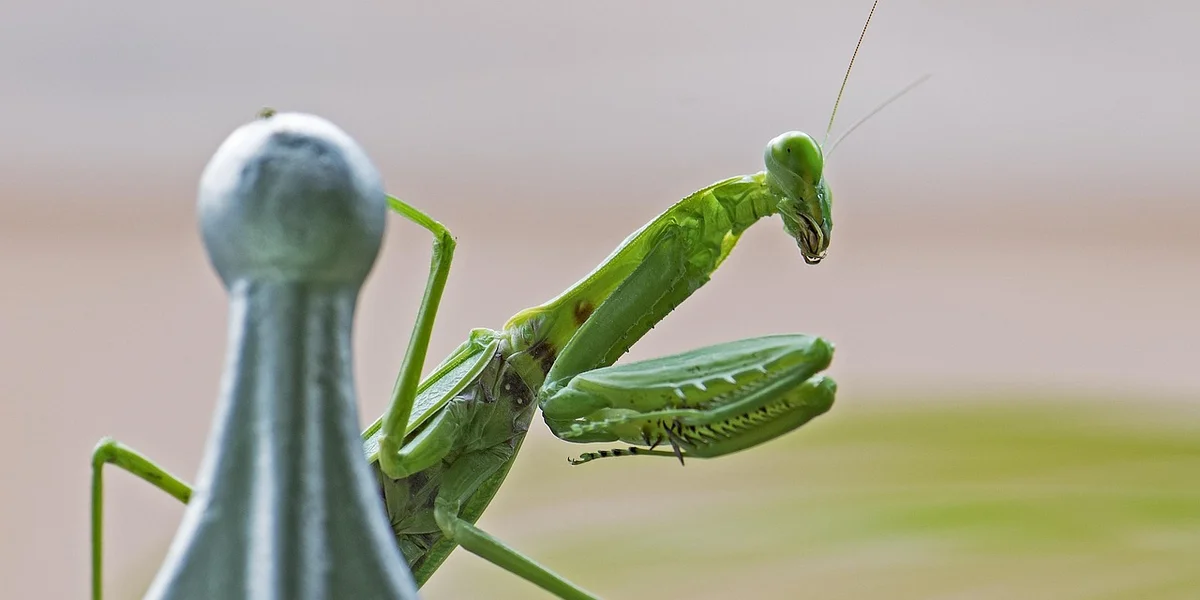
Bringing a praying mantis into your life is a uniquely gentle adventure, but it’s wise to look at the whole picture with clear eyes. These elegant insects require a keeper who embraces both their beauty and their specific, sometimes delicate, needs. We’ll explore the hurdles not to discourage you, but to prepare you for a rewarding journey. A mantis-friendly garden designed to attract beneficial insects can provide reliable prey and support a healthier ecosystem. We’ll cover simple plant choices and habitat tips to get you started.
A Reassuring Look at Common Drawbacks
Every pet has its quirks, and mantises are no different. Knowing these challenges beforehand transforms them from surprises into manageable parts of your routine. We’ll cover the most common health and behavior issues pet mantises face. This knowledge helps you prevent problems and maintain a healthy terrarium. Let’s list the main points you’ll navigate.
- Short lifespan: Most species live under a year, making their time with us brief but intense.
- Specific humidity and temperature needs: Their health hinges on a stable, climate-controlled environment.
- Diet of live feeder insects: You become a caretaker for two colonies: the mantis and its food.
- Limited handling: They are observational pets, preferring to be admired from a gentle distance.
Emotional preparation is just as important as the physical setup. We find joy in being quiet stewards, learning the rhythm of a life that moves differently from our own.
Cons of Lifespan and Attachment: Managing Expectations for Their Natural Life Cycle
The passing seasons feel different when measured in a mantis’s molts. My ghost mantis, Luna, graced us for just shy of a year, her misty brown form a quiet constant until her final, peaceful stillness. This natural brevity asks us to cherish the present without fear of the future.
Here’s how to foster a healthy perspective:
- Mark the milestones: Each successful molt is a celebration, a sign of thriving care.
- Create a memory log: Jot down notes or take photos; these become a heartfelt record of their unique personality.
- Redirect attachment into care: Pour your affection into perfecting their habitat, knowing you’re giving them their best possible life.
It’s a poignant partnership. By accepting the finite timeline, we learn to observe more deeply, finding wonder in everyday moments like a careful grooming session or a patient hunt.
Cons of Specialized Care: Needs for Precise Environment and Live Food Like Crickets
Mantis care is a practice in attentive detail. Whilst they don’t need walks or toys, they do demand a consistent micro-world tailored just for them. This specialised care is where your role as a keeper truly shines.
The two primary areas require a steady hand:
- Climate Control: A digital hygrometer and thermometer are your best friends. For my Giant Asian mantis Moss, I maintain 75-80°F with 60% humidity, misting with warm water each dawn.
- Live Food Management: You’ll need a reliable source of appropriate feeders, like crickets or fruit flies, and a system for gut-loading them with nutrition.
Handling is minimal to keep stress low. My orchid mantis Sprig, for all her boldness during feeding, much prefers to be a living jewel in her enclosure rather than in my hand. This isn’t a lack of bond, but a different kind of respect.
Embrace these tasks as calming rituals. The daily check of temperature, the careful offering of a feeder insect-these small acts build a routine that is both mindful and deeply connecting.
Essential Mantis Care Basics: From Enclosure to Environment
Let’s talk about building a comfortable, safe world for your mantis. A well-planned home is the single biggest factor in your mantis’s health and happiness, turning basic survival into a thriving, fascinating life. We’ll walk through the key pieces, from picking your first mantis to creating its miniature landscape.
Choosing Your Pet Mantis Species
Your journey begins with a choice. Some mantises are hardy explorers, while others are delicate artists. For your first mantis, we always recommend starting with a resilient, forgiving species that builds your confidence. They are just as captivating as their rarer cousins but far more understanding of a new keeper’s learning curve. Choosing the right species can make all the difference in your experience.
Beginner-Friendly Mantis Champions
Here are a few wonderful species to consider. Their care requirements are straightforward, and their personalities are a joy.
| Species | Key Traits | Why They’re Great for Beginners |
| Ghost Mantis (Phyllocrania paradoxa) |
Small, leaf-like appearance with frills and bumps. Colors range from mottled brown to dry-leaf grey. Calm and slow-moving. | Incredibly docile, rarely defensive. Their modest size means a smaller enclosure works perfectly. My ghost mantis, Luna, moves with a thoughtful, almost meditative grace. |
| Giant Asian Mantis (Hierodula membranacea) |
Large, vibrant green, and strikingly athletic. Curious and often quite interactive. | Very hardy and adaptable to a range of conditions. They eat enthusiastically, which makes feeding simple. My male, Moss, is a bold climber who surveys his territory like a tiny, emerald-scaled knight. |
| European Mantis (Mantis religiosa) |
Classic green or brown with distinctive “bullseye” spots on the inside forearms. Widely available. | Extremely robust and commonly found, making them a classic choice. They are excellent hunters and showcase classic mantis behaviour. |
Setting Up the Perfect Home
Think of the enclosure as a vertical studio apartment. Mantises are climbers who live in the upward spaces. Your primary goal is to create a secure, textured landscape that allows for climbing, molting, and perching with ease. You can build this DIY mantis enclosure from everyday materials around the house. It’s designed to be simple, secure, and climb-friendly. Follow these steps to build a foundation for a healthy life.
Your Step-by-Step Setup Guide
- Select the Right Tank. A mesh or well-ventilated acrylic terrarium is ideal. For most beginner species, a container about 3 times the mantis’s length in height and twice in width is perfect. A simple 12-inch tall enclosure is a great start.
- Ensure Safe Ventilation. Cross-ventilation (mesh on at least two sides) is better than just a top screen. It prevents stagnant, overly damp air pockets which can cause health issues.
- Add a Secure Substrate. A inch or two of coconut fibre, peat moss, or even plain paper towels at the bottom helps maintain humidity and gives a natural look. It’s also easy to spot-clean.
- Build the Climbing Framework. This is the most critical step. Use safe branches, twigs (baked to kill pests), twisty vines, or mesh panels attached to the sides. Create pathways that reach all the way to the top.
- Provide an Elevated Perch. Mantises love to survey their domain. Ensure the highest point of your climbing frame is near the top-center of the enclosure, giving them a prime lookout spot.
- Include Foliage for Security. Silk or live safe plants (like pothos) offer hiding spots. This reduces stress, especially after molting when your mantis feels soft and vulnerable.
- Finish with a Ceiling Grip. Make sure the very top of the enclosure, usually the mesh lid, is accessible. Your mantis will often hang upside-down from it to molt successfully.
Managing Humidity and Temperature
Recreating their native climate is simpler than it sounds. Consistency is far more valuable than perfection; wild swings in humidity or temperature are the real culprits behind most health troubles. With a few simple tools, you can create a stable, comfortable microclimate.
Creating a Gentle Climate
Think of this as setting a pleasant, spring-like day, every day.
- Humidity is About Misting. Use a fine mist spray bottle with plain, dechlorinated water. A light spritz on the enclosure walls and foliage once a day is usually sufficient. Watch the behaviour of your mantis and the enclosure-if water droplets vanish quickly, a second light misting might be needed. The goal is damp air, not a wet, dripping environment.
- Temperature Relies on Gentle Heat. Most mantises thrive between 22°C to 28°C (72°F to 82°F). Room temperature often works. If your home is cooler, use a small, low-wattage heat mat placed on the side of the enclosure, never underneath. Always monitor with a small thermometer inside the tank.
- Hydration Comes from Droplets. Mantises drink from water beads on leaves and mesh. They rarely use a water dish. Your daily misting provides their fresh water. For my orchid mantis Sprig, I mist the delicate pink petals of her favourite silk flower, and she’ll delicately drink from them moments later.
- Trust the Signs. A mantis drinking frequently may need higher humidity. Difficulty shedding its old skin (a bad molt) is often a direct sign the humidity was too low in the critical hours before the molt.
The Daily Rhythm: Feeding, Handling, and Health
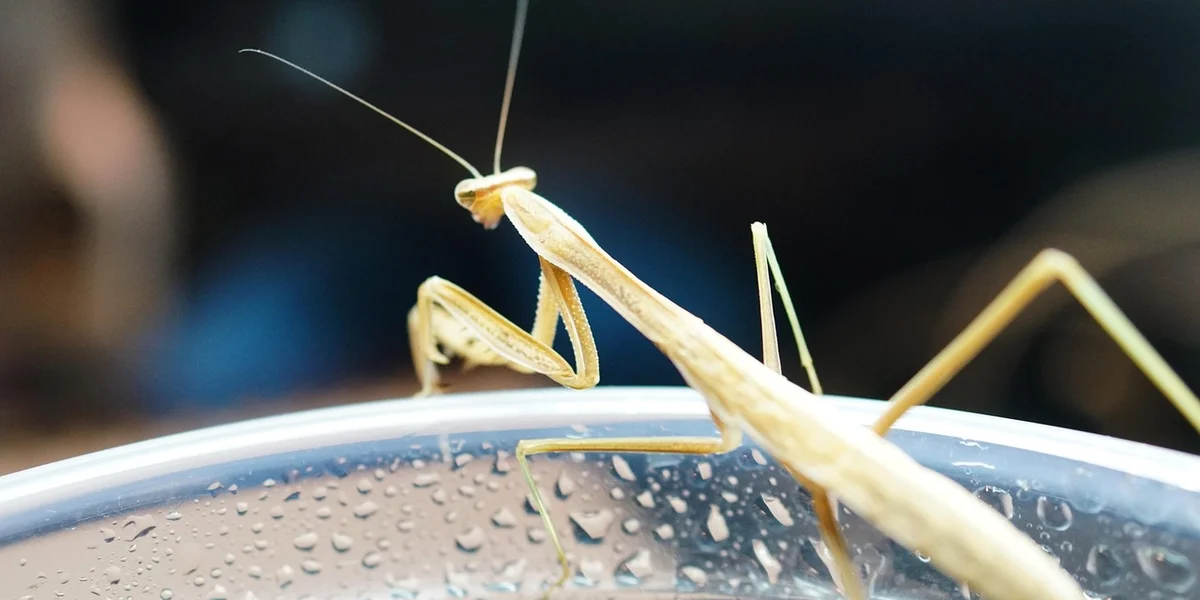
Caring for a praying mantis brings a serene, observant rhythm to your day. Their world revolves around quiet patience, from the gentle hunt for food to the still moments of rest between molts. We’ll explore the daily beats of feeding, safe interaction, and health checks that keep your tiny companion thriving. Managing handling and understanding behavior is essential to fostering trust with your pet.
Guidance: Guide through daily routines. Include feeding schedules, suitable diets, safe handling techniques for temperament, and health monitoring tips. Stress safety for both mantis and owner.
Think of daily care as a gentle ritual that keeps your mantis content and allows you to notice subtle changes. Consistency in these routines builds trust and helps you act quickly if something feels amiss. Always prioritise safety, protecting your pet’s delicate exoskeleton and your own skin during any contact.
Feeding Your Pet Mantis: Lists of feeder insects, frequency, and feeding methods.
A mantis meal is a live performance, a burst of natural instinct in a small space. Choosing the right feeder insects at the proper intervals is the cornerstone of good health. Their diet must be live to trigger that iconic predatory strike.
Here is a simple guide to mantis meals:
- Best Feeder Insects: Start with fruit flies for tiny nymphs, then move to house flies, blue bottle flies, small crickets, or dubia roaches. The occasional waxworm is a fatty treat. Steer clear of wild-caught bugs and never offer fireflies, which are toxic.
- How Often to Feed: Young nymphs need food daily or every other day. Adults do well with a meal every three to four days. Watch their abdomen-a rounded, plump shape means they’re full, while a skinny one signals hunger.
- Feeding Techniques: Use soft-tipped tweezers to offer insects, or release feeders into the enclosure. Always stay nearby to ensure the mantis catches its prey and the feeder doesn’t bother them. My ghost mantis Luna prefers I place a fruit fly right on her leaf, where she’ll seize it with thoughtful grace.
Lightly mist the enclosure before feeding to provide drinking water. Remove any uneaten prey insects after a few hours to prevent stress or accidental injury to your mantis.
Safe Handling and Understanding Temperament: Tips for gentle interaction and reading mantis behavior.
Handling a mantis is less about holding and more about inviting. Their tolerance for interaction varies wildly by species and individual personality. My energetic Moss, a giant Asian male, will readily explore a hand, while orchid Sprig much prefers to be admired from her flower perch.
Follow these steps for calm, safe handling:
- Invite, Don’t Grab: Gently place your hand or a soft paintbrush in front of them and let them step on at their own pace. Their legs are fragile and can break if pulled.
- Read the Room: A content mantis moves slowly or sits still. If they rear up, sway, or spread their forearms, they feel threatened. That’s your cue to back off.
- Keep it Brief and Low: Limit handling to five minutes or less, and always do so over a soft surface like a bed or table. They are accomplished jumpers.
- Clean Hands are a Must: Wash your hands without soap residue before and after to protect their sensitive skin from oils and chemicals.
Regular, gentle contact can build familiarity. Let your mantis’s behaviour be the ultimate guide-if they seem agitated, give them space and try again another day.
Monitoring Health and Common Issues: Signs of well-being and troubleshooting problems.
Your daily observations are the first line of defense for your mantis’s health. A healthy mantis possesses a keen alertness, with clear, dark eyes and a strong, confident grip on its perch. Get to know their normal patterns so you can spot when something shifts.
Look for these positive signs and be ready to address common hiccups:
- Signs of a Happy Mantis: Regular feeding responses, successful molts where the old skin comes off cleanly, and normal, pellet-like droppings (frass). After molting, you might notice a day of quiet rest, much like Luna’s post-molt stillness.
- Common Health Concerns:
- Stuck Molts: Often due to low humidity. Maintain proper misting and include twigs or mesh for them to hang from during this vulnerable time.
- Lethargy or Refusing Food: Can mean an upcoming molt, old age, or environmental issues. Double-check your temperature and humidity gauges.
- Physical Injury: Falls can cause limb damage. Ensure the enclosure has a secure lid, adequate climbing surfaces, and a soft substrate like coconut fibre at the bottom.
- Dehydration: Signs include a wrinkled abdomen or sluggish movement. Increase misting frequency or offer a water droplet on a leaf.
For persistent issues, seek advice from experienced keepers in online forums. Most problems are preventable with a well-set-up habitat and your attentive, daily glance into their green world.
Finding Your Mantis: Acquisition and Ethical Considerations
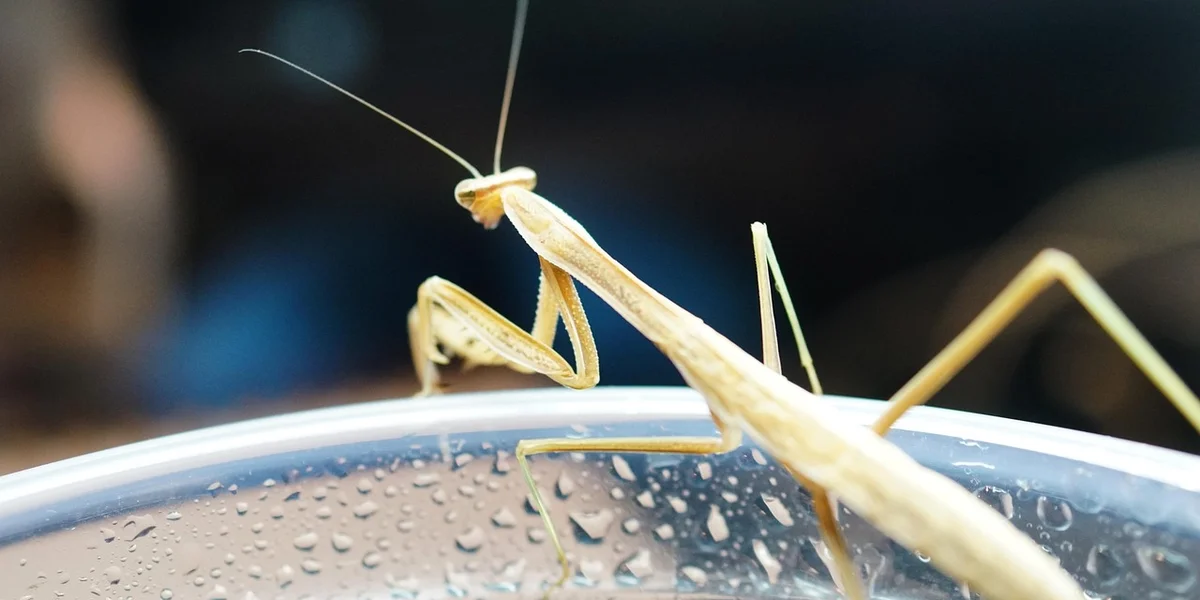
Starting your mantis journey begins with finding your new companion. Knowing where to look and what questions to ask ensures you bring home a healthy mantis from a responsible source. The process can feel exciting, and with a few guiding points, you can navigate it with confidence.
Where to Buy a Pet Mantis: Options from local stores to reputable online retailers.
You have several avenues for finding a mantis, each with its own rhythm. A simple online search for terms like “praying mantis pets for sale near me” can reveal local possibilities, but it’s just the first step in a thoughtful search.
Local Pet and Exotic Shops
Some specialised reptile or invertebrate shops stock common mantis species. The benefit here is seeing the insect’s health and size in person before you commit. You can ask the keeper about its feeding schedule and last molt. Availability is often limited to popular starter species like the Giant Asian or European mantis.
Online Sellers and Specialised Breeders
This is where your options truly blossom. Reputable online breeders offer a stunning variety, from the leaf-like Ghost mantis to the breathtaking Orchid mantis.
- Reputable Breeders: These are your best source for healthy, captive-bred nymphs (babies) and adults. They can provide detailed lineage, precise age, and expert care advice specific to that species.
- Online Marketplaces: Sites dedicated to invertebrates or exotic pets host listings from many breeders. Look for sellers with detailed photos, clear species identification (scientific name is a good sign), and positive reviews about packaging and communication.
Price ranges are as varied as the mantises themselves. Common species may start from just £5 for a young nymph, while rarer, more delicate species like Orchid mantises can cost £30-£50 or more for a juvenile. Always factor in shipping costs, which should include a live arrival guarantee-a mark of a seller who prioritises the animal’s welfare.
Ethical Sourcing and Conservation: Advice on responsible purchase and supporting sustainable practices.
Bringing a mantis into your home comes with a quiet responsibility for the wider species and ecosystem. Choosing a captive-bred mantis is the single most impactful ethical decision you can make as a new keeper.
Wild-caught mantises face immense stress during capture and transport, often arriving with hidden parasites or injuries. Their removal can also disrupt local garden ecosystems where they play a vital pest-control role. My own Ghost mantis, Luna, was captive-bred; her calm demeanor is a testament to never knowing the pressures of the wild.
Supporting Sustainable Practices
By purchasing from dedicated breeders, you support a hobby that values conservation and animal welfare. These breeders sustain populations in captivity, reducing any demand for wild collection. Ask your breeder about their practices-good ones will be transparent about their breeding groups and care standards.
Be aware of species protected under CITES (the Convention on International Trade in Endangered Species). While most common pet mantises aren’t listed, it’s good practice to ensure your chosen species is ethically sourced and legally traded.
A final, crucial point: never release a pet mantis into your local environment. Even if it was locally sourced, a captive-bred insect may introduce diseases or cannot compete, leading to a slow, stressful end. Our care is a lifelong commitment, from that first delicate nymph in its deli cup to a majestic adult perched on a branch, watching the world with ancient, curious eyes.
Lifespan and Lifecycle: What to Expect as an Owner
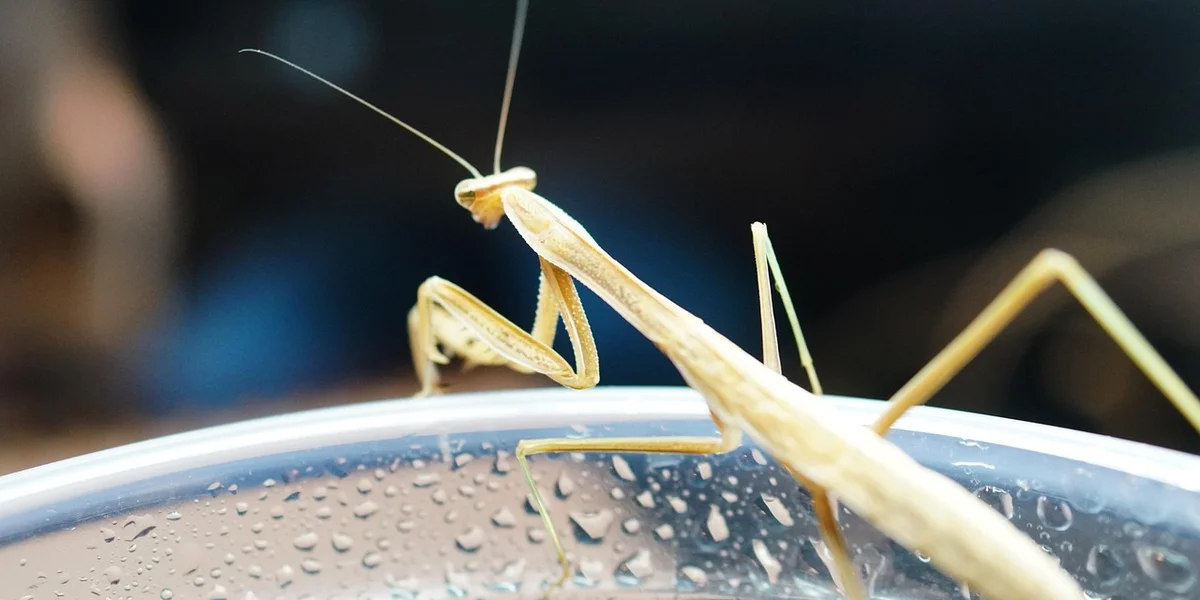
Welcoming a mantis into your home means embracing their brief, brilliant life cycle. Their journey from a tiny nymph to a magnificent adult is a privilege to witness, but it requires us to understand its natural timeline.
Understanding Mantis Lifespan: Average durations for common species and factors affecting longevity.
A mantis’s life is measured in seasons, not years. For most common pet species, the entire lifecycle from hatching to a natural end spans about 6 to 12 months. This varies greatly between species and, interestingly, between the sexes.
Females, being larger and built for egg production, generally live longer than males. A male’s primary purpose is to find a mate, and his adult life is often measured in mere weeks. A female, however, will often live for several months as an adult, long enough to produce and lay her ootheca (egg case).
Here’s a quick glance at what you might expect:
| Species | Average Total Lifespan | Notes |
|---|---|---|
| Ghost Mantis | 8-10 months | Slower growing, often less frantic. |
| Giant Asian Mantis | 10-12 months | Robust, a common beginner choice. |
| Orchid Mantis | 6-8 months | More delicate, shorter lived. |
| European Mantis | ~12 months | Follows a full seasonal cycle. |
Several key factors directly influence how long and how well your mantis lives. Consistent, appropriate warmth is vital; a mantis kept too cool will metabolize food slowly and grow lethargically. A safe, stress-free environment with proper humidity for molting is non-negotiable. Lastly, a reliable diet of gut-loaded feeder insects provides the building blocks for a strong exoskeleton and healthy development.
The Growth Journey: From Nymph to Adult
Your mantis will grow not by getting steadily larger, but through a series of dramatic sheds called molts. A freshly hatched mantis is called a nymph or L1. They look like tiny, wingless versions of their parents and are incredibly active hunters from day one. If you’re curious about how big they can get, this size growth guide for praying mantises will walk you through the milestones and what influences final size. Understanding molts is a key part of that guide, helping you anticipate growth and care needs as your mantis matures.
Molting is the most critical and vulnerable time in a mantis’s life. In the days leading up to a molt, they will stop eating and hang motionlessly upside down. You must never disturb a mantis during this process; a fall or interruption can be fatal, resulting in deformities. After the molt, they emerge soft, pale, and incredibly fragile, needing a full day or two for their new exoskeleton to harden and darken (learn more about the molting process here).
Most species will molt between 5 to 8 times before reaching adulthood. The final molt is the most spectacular, when they unfurl their full-sized wings (if their species has them) and reach sexual maturity. My male Giant Asian, Moss, became a vivid emerald explorer after his final molt, suddenly obsessed with climbing to the highest point of his enclosure to scan for mates.
The Mating Process and Considerations: Explaining mating rituals and whether breeding is advisable for beginners.
Mantis mating is a topic surrounded by myth. While cannibalism can occur, it is not the inevitable drama often portrayed. With careful management, successful pairings are possible, but it requires preparation and a clear understanding of the risks. Does the praying mantis mating process actually work in practice? Understanding the steps and timing can help separate fact from fiction.
The ritual often begins with cautious, visual signalling. The male may perform a slow, rocking dance to approach the female. If she is receptive and well-fed, she will allow him to mount. Copulation can last for hours. The greatest risk of cannibalism actually comes after mating, when the male dismounts, not during. A prepared keeper will have a second enclosure ready to swiftly separate the pair once they are finished.
So, is breeding advisable for beginners? In most cases, we would suggest waiting. Breeding introduces significant variables:
- You must source a compatible, unrelated pair at the correct maturity window.
- You need space and resources to house dozens, if not hundreds, of hatchling nymphs, which require minute live food like fruit flies.
- You must be emotionally prepared for the potential loss of the male and the immense responsibility of rehoming or caring for the offspring.
For your first journey as a mantis keeper, the richest experience often lies in nurturing a single individual through its complete, natural life. Observe the quiet dignity of their final days, often marked by slowing movements and a peaceful refusal of food. Caring for a mantis to its natural end teaches a gentle, profound lesson about the beauty of transient lives.
Common Mantis Queries
Where is the best place to buy a pet praying mantis?
The best sources are specialized online breeders and reputable invertebrate shops. Local pet stores like PetSmart may occasionally carry common species, but selection is often limited.
How do I choose the right mantis species as a beginner?
Start with hardy, forgiving species like the Ghost, Giant Asian, or European mantis. These species have straightforward care requirements and are more adaptable for new keepers.
How much does a pet praying mantis typically cost?
Price varies greatly by species and rarity, generally ranging from $5 for a common nymph to over $50 for a delicate, sought-after species like an Orchid mantis. Always factor in shipping costs from online retailers.
A Quiet Farewell to Your Green Companion
Keeping a praying mantis is a rewarding practice in mindful observation, perfect for those who find joy in life’s quieter moments. Success hinges on matching your lifestyle to their needs—providing a secure enclosure, appropriate food, and respecting their solitary, delicate nature. To handle and interact with your praying mantis safely, keep movements slow and gentle and let it choose when to come onto your hand. Limit handling to short sessions and observe from a calm distance whenever possible.
Embrace the role of a gentle keeper by continually observing and learning from your pet’s behavior and molting cycles. This dedicated, attentive approach ensures your mantis, much like our own Moss or Luna, lives a full, contented life in your care.
Further Reading & Sources
- Garden Dilemmas, Delights & Discoveries, Ask Mary Stone Praying Mantises Beneficial or Bad – Garden Dilemmas, Delights & Discoveries, Ask Mary Stone
- Should You Keep a Praying Mantis as a Pet?
- Should I Release Praying Mantis into My Garden? | Extension
- Praying Mantis: Friend or Foe? – The Observant Gardener
Rowan Hale is a lifelong insect enthusiast who fell in love with mantises for their calm presence, alien elegance, and surprising personalities. After years of keeping and raising a variety of species, Rowan shares practical tips, creative insights, and real-world experience to help others enjoy the quiet magic of mantis care. From setting up the perfect enclosure to understanding their subtle behaviors, Rowan invites readers into a gentle, curious world where every tiny movement feels like a discovery.
First-Time Mantis Owners