
Are Praying Mantises Good Pets? Pros and Cons Explained
Published on: December 2, 2025 | Last Updated: December 2, 2025
Written By: Rowan Hale
Hello, mantis friend! Have you ever found yourself mesmerized by a praying mantis-its poised stillness, those keen eyes watching the world from a leaf, or the gentle way it cleans its forelegs like a tiny, green samurai?
Praying mantises can be wonderful, low-maintenance pets for curious minds, but they suit a specific kind of keeper who values observation over cuddles. My Ghost Mantis, Luna, with her leaf-like frills and deliberate movements, showed me how much joy there is in caring for such a deliberate creature.
The answer isn’t a simple yes or no-it’s a balance of quiet rewards and honest limitations that we’ll unpack together. Think of it as deciding if a living piece of art, with its own tiny routines, fits into your life.
Here are the key points we’ll cover to help you choose wisely:
- Their surprisingly simple daily care versus the need for precise humidity and temperature.
- The fascination of watching their natural behaviors against their short, predictable lifespans.
- How affordable and space-efficient they are compared to more traditional pets.
- The gentle responsibility of feeding live insects and maintaining a safe enclosure.
The Quiet World of a Pet Mantis
Step into the hushed realm of a mantis enclosure, where the air feels still and carries a faint, earthy dampness from freshly misted leaves. A praying mantis might be perched on a slender branch, its body a tapestry of greens and browns that melts into the foliage, moving only with the slow, deliberate grace of a living statue. I often watch my Ghost Mantis, Luna, who tilts her head with a thoughtful air before extending a spindly foreleg into the quiet space around her. Praying mantises are predatory insects, celebrated for their prayer-like stance and kept not for cuddles, but for the profound quiet and fascination they bring to a room.
Their appeal lies in this serene observation; they are pets that teach us to slow down and notice the minute dramas of nature. Understanding a few core traits helps you appreciate their unique charm and care needs from the start.
- Predatory Nature: They are silent hunters, relying on camouflage and lightning-fast reflexes to capture live prey like flies or small crickets.
- Profound Stillness: Mantises can remain motionless for hours, embodying a patience that turns their terrarium into a living diorama.
- Delicate Molting Process: As they grow, they shed their exoskeleton in a vulnerable act that requires stable humidity and peace.
They are insect pets in the truest sense, offering a window into a world of instinct and elegant survival.
The Bright Side: Pros of Keeping a Praying Mantis
Embracing a mantis as a pet opens a door to numerous practical and personal rewards. These benefits make them a standout choice for beginners, busy households, or anyone seeking a low-fuss connection to the natural world.
- Low Initial Cost: Start-up needs are modest-a suitable container, some basic decor, and feeder insects cost far less than traditional pet supplies.
- Simple Habitat Setup: A well-ventilated terrarium or large jar with sticks for climbing and a damp paper towel substrate often suffices, much like Moss’s spacious setup he explores each day.
- Minimal Daily Upkeep: Routine care involves brief feeding sessions a few times weekly and light misting to maintain humidity, taking just minutes of your day.
- Excellent for Beginners: Their straightforward care sheet and resilient nature provide a confident first step into pet keeping.
- High Educational Value: Witnessing their life cycle, from molt to hunt, offers a hands-on lesson in ecology and animal behavior.
- Unique and Novel: Their exotic appearance and tranquil demeanor make them a captivating, conversation-starting presence in any home.
- Inherently Calming Influence: The quiet ritual of their care and their poised stillness can lower stress and promote mindfulness.
Living Art in a Terrarium
Your mantis is less a pet to hold and more a masterpiece to observe. They engage in a silent theatre of posture and predation, from the careful cleaning of their antennae to the sudden, precise strike at an unsuspecting cricket. My Orchid Mantis, Sprig, becomes a blossom of pink and white marbling, utterly still until she moves with a soft rustle against a leaf. This is living art, where every angled limb and tilted head composes a scene of natural beauty. You learn to appreciate the subtle details-the way light catches on a shed skin, the gentle sway as they test the air. It is a hobby of quiet wonder, not active play.
Kind to Your Wallet and Schedule
When stacked against the costs of a dog or even a guinea pig, mantis care is remarkably gentle on your finances and calendar. Your initial setup can be wonderfully thrifty, using a repurposed large jar with a mesh lid, foraged branches, and a bag of inexpensive substrate like coconut fibre. A purpose-bought small terrarium might set you back £25 to £50, with decorative plants or bark adding another £15. Ongoing costs are primarily for feeder insects; a culture of fruit flies or a tub of crickets lasts ages and costs just a few pounds. Time commitment is equally light-feeding takes moments every two to three days, and a daily spritz of warm water for humidity is a quick, soothing ritual. This makes them perfect for flats, busy professionals, or families wanting a manageable first pet.
The Honest Truth: Cons and Challenges of Mantis Ownership
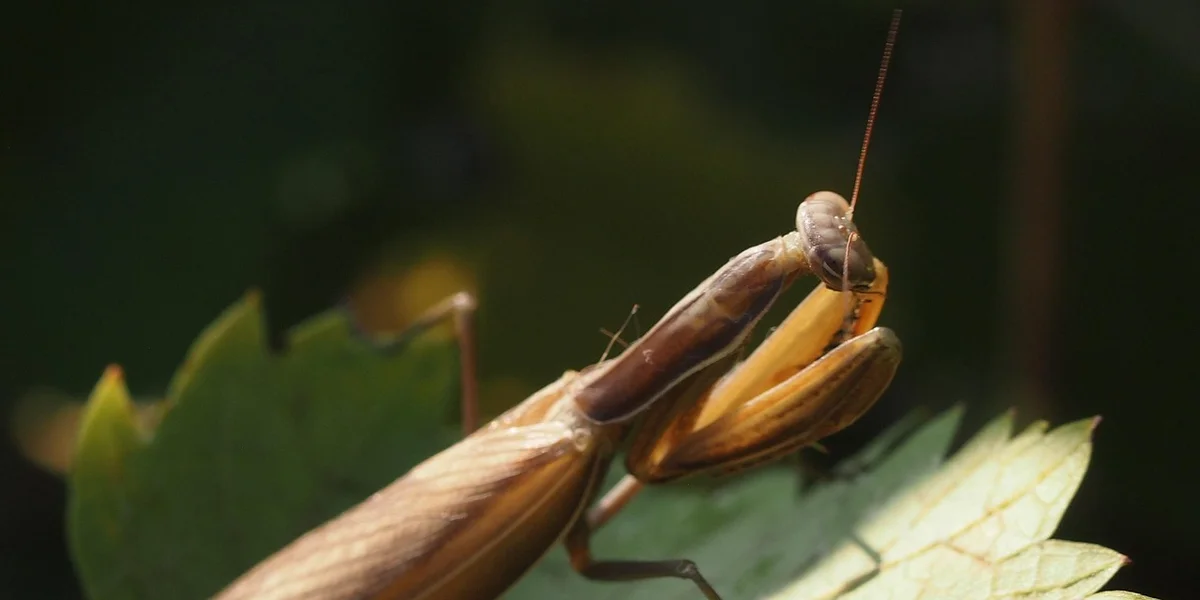
We adore our mantises, but keeping one means accepting some real limitations. Honesty about these challenges helps you prepare and ensures your mantis has the best life possible.
- Their lifespan is short, often measured in seasons, not years. Most pet mantises live 6 to 12 months total. This brevity teaches us to cherish each day. We learned this watching Sprig, our orchid mantis, transform from a tiny nymph to a flowing, flowery adult.
- They demand precise temperature and humidity levels. These aren’t pets you can leave in a chilly room. Their health hinges on a stable, warm, and humid microclimate, which requires daily attention.
- Handling is minimal and always on their terms. Their bodies are delicate and stress easily. Think of them as living art to observe, not hold. We enjoy Luna’s thoughtful poses from outside her terrarium.
- Safety is a two-way street. You must protect the fragile mantis from falls or escapes, and also keep small children or pets from disturbing their calm world.
A few more practical hurdles round out the picture:
- Their diet is strictly live insects. You become a keeper of feeder colonies, like fruit flies or crickets, which is its own responsibility.
- They are expert escape artists. A gap barely visible to you is an open door to a determined nymph. Secure latches are non-negotiable.
- They offer no affection in the traditional sense. A mantis will not seek your company. Their reward is the quiet wonder they inspire through their beauty and behaviour.
A Fleeting Companion: Understanding Lifespan and Molting
A mantis’s life is a series of elegant, vulnerable transformations. From hatching to adulthood, their time is both brief and beautiful.
Most species reach adulthood in 4 to 6 months, with males like our Moss often passing sooner than females. The entire arc, from nymph to final molt, typically fits within a single year. This fleeting nature makes every stage precious.
Molting is the critical process where they grow. They suspend themselves upside down and literally step out of their old skin. It’s a vulnerable time that requires perfect conditions.
Watch for these signs a molt is near: loss of appetite, staying very still, and a cloudy, dull appearance. When you see these clues, shift into gentle keeper mode.
Follow this simple guide to support a safe molt:
- Cease feeding at least a day beforehand. Any live prey in the enclosure could injure your soft, vulnerable mantis during the process.
- Gently raise the humidity with a light mist. This softens the old exoskeleton, helping it split cleanly. Avoid spraying water directly on the mantis.
- Ensure absolute stillness in their space. Do not touch, tap, or move the enclosure. Any disturbance can cause a fall.
- Provide ample, secure hanging points. Sturgy branches or mesh tops give them the anchor they need to dangle freely.
- After the molt, offer peace and quiet. Wait 24 to 48 hours before feeding. Their new body needs time to harden and darken to its full colour.
Each successful molt is a testament to your careful stewardship, a silent milestone in their short life.
Precision Care: Habitat Climate and Safety
Creating the right environment is your most important job. Think of it as building a tiny, perfect world where every detail matters.
Stable temperature and humidity prevent failed molts and illness. Sudden changes are far more dangerous than being slightly off a perfect number. A simple digital hygrometer and thermometer are your best friends.
Use this table as a starting point for common pet species:
| Species | Temperature Range (°C) | Humidity Range (%) |
|---|---|---|
| Ghost Mantis | 22 – 26 | 60 – 70 |
| Giant Asian Mantis | 24 – 30 | 50 – 60 |
| Orchid Mantis | 25 – 28 | 70 – 80 |
Good ventilation works hand-in-hand with humidity. Stagnant air leads to mould and respiratory issues. An enclosure with mesh panels allows fresh air to circulate without dropping humidity too fast.
Safety begins inside the habitat. Remove any sharp edges and ensure all decorations are firmly anchored. Substrate like coconut fibre provides a soft landing for the occasional tumble.
In your home, placement is key. Choose a quiet spot away from direct sunlight, drafts, and the hustle of other pets. If you have curious cats or eager toddlers, a high shelf or a room with a closed door adds a layer of security.
A secure, climate-controlled enclosure is the foundation of a mantis’s contentment, letting their unique personality shine through.
Is a Pet Mantis Right for You? A Personal Checklist
After weighing the ups and downs, the real question settles in your daily life. This quiet checklist is your space to reflect, without pressure, on whether a mantis’s gentle world aligns with your own. We’ll walk through key questions together, with a nod to beginners, families, and multi-pet homes.
-
Does your lifestyle have room for small, consistent rituals? Mantises don’t need walks, but they do rely on your daily eye for misting and feeding. A stable routine is the invisible thread that weaves their wellbeing, much like the soft humidity that keeps Luna’s terrarium feeling like a dewy morning. Beyond daily care, essential habitat requirements—proper humidity, temperature, ventilation, and a clean enclosure—are key to a healthy praying mantis. When these conditions are right, the mantis can thrive just as Luna’s terrarium does. If your days are unpredictable or you travel often, a pet with lower maintenance might be a kinder fit.
-
Are you genuinely fascinated by insects, not just intrigued by a novel pet? The joy comes from patient observation-the way Moss cleans his forearms after a meal or the barely-there rustle of a molt. If you prefer cuddly interaction, a mantis’s still, watchful nature might feel too quiet.
-
Can your heart embrace a pet with a lifespan often measured in months? Their transient beauty teaches us to find wonder in brief, brilliant chapters, from Sprig’s first delicate climb to an adult’s final, poised rest. This acceptance is a fundamental part of the keeper’s journey.
-
Are you ready to learn and provide specific care for humidity, temperature, and safe molting spaces? Creating the right environment is a hands-on act of care, like tuning the air in a tiny, living greenhouse. It asks for attention but rewards you with a thriving mantis.
-
For beginners: does starting with a hardy species feel like a comfortable first step? Choosing a resilient mantis, such as a Giant Asian, builds your confidence as you learn the rhythms of care without fear of easily making a fatal error. It’s a gentle introduction to the insect-keeping world.
-
For families: are children able to observe with calm, gentle hands? Supervised time with a mantis can be a profound lesson in respect, teaching little ones to move slowly and appreciate life in miniature. Ensure everyone understands that this pet is for watching, not for frequent handling. It’s important to understand their temperament before introducing them to children.
-
If you have other pets, can you guarantee a peaceful, secure spot for the enclosure? A mantis needs a sanctuary away from the jostles and stares of curious cats or dogs-a high shelf or a quiet room corner makes all the difference. Their stress levels drop when their world feels still and safe.
-
Let’s evaluate your daily time: can you spare five to ten minutes for feeding and misting? These small acts are the heartbeat of daily care, simple yet vital for maintaining that earthy, moist scent of a healthy habitat. Consistency matters more than lengthy sessions.
-
Finally, assess your comfort with handling live insects like fruit flies or small crickets for their diet. Offering live prey is a direct encounter with the natural cycle, and witnessing the precise strike is part of the raw, real beauty of keeping a hunter. If this idea causes significant unease, a mantis may not be the right pet for your household.
Essential Care Basics for a Healthy Mantis
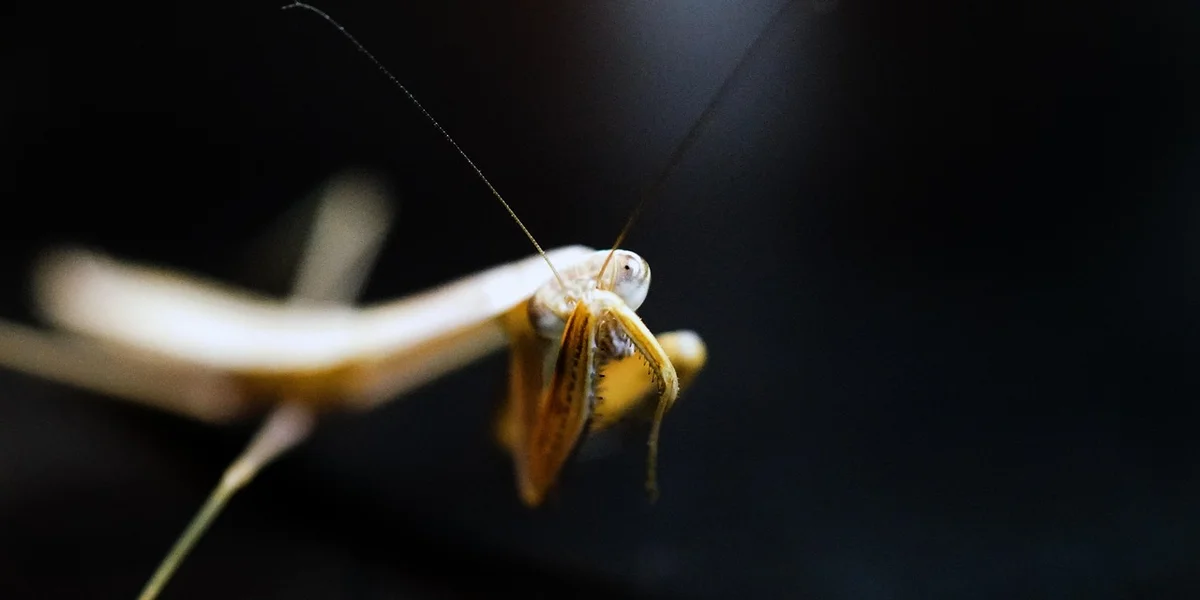
Keeping a mantis happy revolves around a few simple, thoughtful principles. Think of their care as creating a miniature, living world that mimics the gentle rhythms of nature. We’ll walk through the key pillars: where they live, the air they breathe, what they eat, and how we can interact with them.
Building a Good Home: Enclosure Setup
Your mantis’s enclosure is its entire world, so getting it right is the first step to a content pet. The perfect home is less about fancy gadgets and more about providing security, space to climb, and fresh air.
Choose a terrarium that is taller than it is wide, as mantises are climbers and need height for successful molting. A good rule is an enclosure at least three times the mantis’s length in height. Our ghost mantis, Luna, thrives in her 12-inch tall mesh cage, which gives her plenty of room for her delicate, leaflike frills to unfold during a shed.
Focus on safe, simple decor that serves a purpose:
- Ventilation: Mesh or acrylic cages with side vents are ideal to prevent stagnant, humid air that can lead to mold.
- Substrate: A simple layer of coconut fibre or paper towel at the bottom helps with humidity and makes spot-cleaning easy.
- Climbing Structures: Thin branches, twigs, or fake plants provide essential perches. Ensure all materials are clean and pesticide-free.
For a budget-friendly start, a large, well-ventilated glass jar with mesh lid can work temporarily for a young nymph. Just add a few sticks reaching to the top and mist lightly, and you have a simple, secure nursery.
Climate Control: Temperature and Humidity
Mantises are sensitive to their environment, but their needs are easy to meet with a little attention. Creating the right climate is like tending a small, personal greenhouse for your insect companion, ensuring it receives the correct temperature and humidity.
Most common pet mantis species do well at room temperature, between 20°C to 26°C (68°F to 78°F). Avoid placing the enclosure in direct sunlight or near drafts. A small, low-wattage heat mat on one side of the tank can create a gentle warmth gradient if your home is cool.
Humidity is crucial for healthy molting. The needed level varies by species, but a light daily misting with warm water usually suffices.
- Monitor with a simple hygrometer; many mantises enjoy 50-60% humidity.
- Mist the enclosure walls and decor, not the mantis directly, to simulate morning dew.
- Good ventilation prevents moisture buildup, keeping the air fresh and reducing mould risk.
They need a regular day-night cycle, but no special UV lighting. Place their home in a room with natural, indirect light, and they will settle into a calm, predictable rhythm.
Feeding Your Predator: Diet and Routine
Watching a mantis hunt is a quiet marvel of nature. Their diet is straightforward: live, moving insects that are smaller than their head or thorax. Offer food every two to three days for adults, and daily for fast-growing nymphs. For a complete diet feeding guide, you’ll learn how to balance prey types and sizes across life stages, and how to vary prey to ensure nutrition. It also covers practical tips for different mantis species and how to adjust feeding as they grow.
Feeder insects should be healthy and gut-loaded (fed nutritious foods) before being offered. Suitable options include:
- Flightless fruit flies (for young nymphs)
- Small crickets
- Black soldier fly larvae
- Occasional treats like waxworms or moths
Use feeding tongs to introduce prey or simply release it into the enclosure. Our giant Asian mantis, Moss, has a particular curiosity and will often step forward to inspect a cricket held gently in tweezers. Remove any uneaten prey after a day to avoid stress.
Here’s a simple feeding guide based on life stage:
| Life Stage | Frequency | Best Food Items |
|---|---|---|
| Young Nymph (L1-L3) | Daily | Flightless fruit flies |
| Older Nymph (L4+)) | Every 2-3 days | Small crickets, black soldier fly larvae |
| Adult | Every 3-4 days | Medium crickets, moths, occasional waxworm |
Gentle Hands: Safe Handling Tips
Mantises can be observed for hours, but sometimes you may wish for a closer connection. Handling is possible with immense patience and a respect for their delicate nature. Their temperament varies; some are calm, while others are more skittish.
Always let the mantis walk onto you. Gently place your hand or a stick in front of it and allow it to step on. Avoid grabbing or picking it up from above, as this mimics a predator. Keep handling sessions short-just a few minutes-and close to a soft surface in case they fall.
Watch for signs of stress, like a defensive pose with forearms raised or rapid movement. Our orchid mantis, Sprig, is shy but will sometimes perch on a finger if approached slowly when she’s calm. Remember, they are living ornaments to be admired, not played with, and their well-being always comes first.
Top Beginner-Friendly Pet Mantis Species
Starting your mantis-keeping journey with a forgiving species builds confidence and joy. We look for mantises that combine a calm disposition with straightforward care, turning those first steps into a smooth, rewarding experience.
-
Giant Asian Mantis (Tenodera sinensis): Reaching up to 10 centimetres, this vibrant green mantis is remarkably hardy. It enjoys room temperatures of 20-25°C and moderate humidity, offering new keepers a visible, interactive pet with minimal fuss.
-
European Mantis (Mantis religiosa): A classic, medium-sized species around 6-8 centimetres, it adapts well to slight fluctuations in heat and moisture. With a gentle temperament, it perches quietly, teaching the art of patient observation. If you’re wondering how big praying mantises can grow, check out our size growth guide. It explains the factors that influence final size, including feeding, age, and molting.
-
Ghost Mantis (Phyllocrania paradoxa): Known for its leaf-like camouflage and serene nature, this species needs lower humidity and warmer temps of 22-28°C. It is ideal for keepers drawn to subtle beauty and calm behaviour.
From personal experience, my Ghost mantis Luna is a master of stillness, while my Giant Asian Moss displays cheerful curiosity. Choosing one of these species means you are supported by their resilience as you learn.
Ghost Mantis (Phyllocrania paradoxa)
This mantis resembles a cluster of dried leaves, with intricate frills and a misty brown colour that shimmers in soft light. Their peaceful demeanor makes them excellent for observational keeping, as they move with a slow, deliberate grace.
Ghost mantises stay relatively small, usually between 5-7 centimetres, which suits compact enclosures. They thrive in warmer spots, around 22-28°C, and require only modest humidity levels of 50-60%, reducing the need for frequent misting.
My Ghost mantis, Luna, will sit for hours, her head tilting softly as she watches the world. Her quiet presence and lower moisture needs make her care routine simple, perfect for a calming first pet.
Giant Asian Mantis (Tenodera sinensis)
With a striking emerald body and pale green bands, this mantis commands attention in any habitat. Their size and bold colour make them a centrepiece pet, and their hardy nature forgives common beginner oversights.
Adults can grow to 10 centimetres, needing a spacious enclosure with good ventilation. They are comfortable at standard room temperatures of 20-25°C with moderate humidity, so you will not need extra heating in most homes.
My male, Moss, is always exploring, climbing branches with energetic curiosity. His vibrant personality and robust health offer a dynamic, engaging introduction to mantis keeping.
Questions from Fellow Mantis Friends
What are praying mantis prosthetic legs?
Praying mantis prosthetic legs are tiny, artificial limbs crafted to replace legs lost to injury or bad molts. They are seldom used, as mantises often adapt well and may regenerate limbs during subsequent molts.
How much do praying mantis prosthetic legs cost?
Custom prosthetics can range from $20 to over $100, depending on complexity and materials. Most pet keepers prioritize optimal habitat care to prevent injuries, making prosthetics a rare consideration.
How do you pronounce praying mantis?
It is pronounced “PRAY-ing MAN-tiss,” emphasizing the first syllable in each word. This name reflects their characteristic pose, where folded forelegs resemble hands in prayer.
Your Final Mantis Decision
If you seek a pet that teaches patience through its quiet, predatory grace, a praying mantis can be a deeply rewarding choice. Success comes from matching your lifestyle to their needs: a secure enclosure, proper humidity, and a steady supply of appropriate live food. To help you navigate this path, the care pet praying mantis complete handling behavior guide offers practical tips on safe handling and daily care. It also helps you read your mantis’s cues and keep handling calm and respectful.
Embrace the keeper’s journey with a commitment to observing and responding to your mantis’s changing needs, much like we do with our own. Stay curious, connect with fellow enthusiasts, and let each day with your mantis, from a juvenile Sprig to an adult, be a lesson in attentive, compassionate care.
Further Reading & Sources
- r/mantids on Reddit: Can you keep a Mantis as a pet?
- Should You Keep a Praying Mantis as a Pet?
- How to Care for a Praying Mantis : 4 Steps – Instructables
- Mantis Care Sheet | Mantid Forum – Mantis Pet & Breeding Forum
Rowan Hale is a lifelong insect enthusiast who fell in love with mantises for their calm presence, alien elegance, and surprising personalities. After years of keeping and raising a variety of species, Rowan shares practical tips, creative insights, and real-world experience to help others enjoy the quiet magic of mantis care. From setting up the perfect enclosure to understanding their subtle behaviors, Rowan invites readers into a gentle, curious world where every tiny movement feels like a discovery.
First-Time Mantis Owners