
Can a Female Praying Mantis Die From Being Egg-Bound?
Hello, mantis friend. You’ve noticed your female mantis looking unusually plump and perhaps a bit restless, and a quiet worry has settled in your mind. Is she just gravid, or could something more serious be happening?
The simple, sobering answer is yes, a female praying mantis can die from complications related to being egg-bound.
While producing an ootheca is a natural and expected part of her life cycle, the process is not without its risks. It’s a complex interplay of her physical health, her environment, and a little bit of luck.
Let’s gently explore the key points we’ll cover to help you understand and potentially prevent this:
- What being “egg-bound” actually means for a mantis.
- The most common reasons this dangerous situation occurs.
- Clear signs to watch for in your own mantis.
- Actionable steps you can take to help her.
What Is Egg-Binding and How Does It Affect Your Mantis?
Egg-binding, or dystocia, occurs when a female mantis can’t lay her ootheca-the frothy, protective case that cradles her eggs. This retention of eggs can create internal pressure and discomfort, much like a backed-up system in nature.
In captivity, egg-binding often stems from environmental stress, such as inconsistent humidity or temperature swings that disrupt her natural cycles. Poor nutrition, particularly a diet low in calcium, weakens her ability to form and expel the ootheca properly.
Molt timing issues can also play a role; if she’s not fully recovered from a recent molt, her body might struggle with egg-laying. We’ve seen this with Moss, our Giant Asian Mantis, who needed extra care after molting to avoid such hiccups.
Imagine a tree that can’t shed its ripe fruit because the weather’s too harsh-it’s a natural process stuck in place. Similarly, an egg-bound mantis faces a blockage that requires gentle, attentive care to resolve.
Spotting the Symptoms: How to Tell If Your Mantis Is Egg-Bound
Look for abdominal swelling, where her belly appears unusually round and firm, almost like a tiny, overfilled pouch. This visual cue is often the first sign something’s amiss, and it might feel taut if you observe her closely.
Lethargy sets in, with your mantis moving less and perching for long periods, her usual curiosity fading into stillness. Changes in egg-laying behavior, like repeated attempts without success or ignoring ideal surfaces, signal distress. Are signs of stress in a praying mantis fixable by adjusting its habitat? In many cases, yes—making proper changes to temperature, humidity, lighting, and enclosure size can reduce stress and restore normal behavior.
Reduced movement and unusual postures, such as hunching or tilting oddly, can indicate she’s uncomfortable. From my experience with Luna, her slow, deliberate head tilts were a subtle hint she needed help.
- Abdominal swelling: Her belly looks bloated and may feel hard to the touch.
- Lethargy: She becomes less active, with minimal hunting or exploration.
- Changes in egg-laying: Attempts to lay an ootheca fail, or she shows no interest.
- Unusual posture: She might hunch over or hold her body in awkward positions.
- Loss of appetite: Refusing food she’d normally devour with enthusiasm.
Immediate Care: Steps to Help an Egg-Bound Mantis
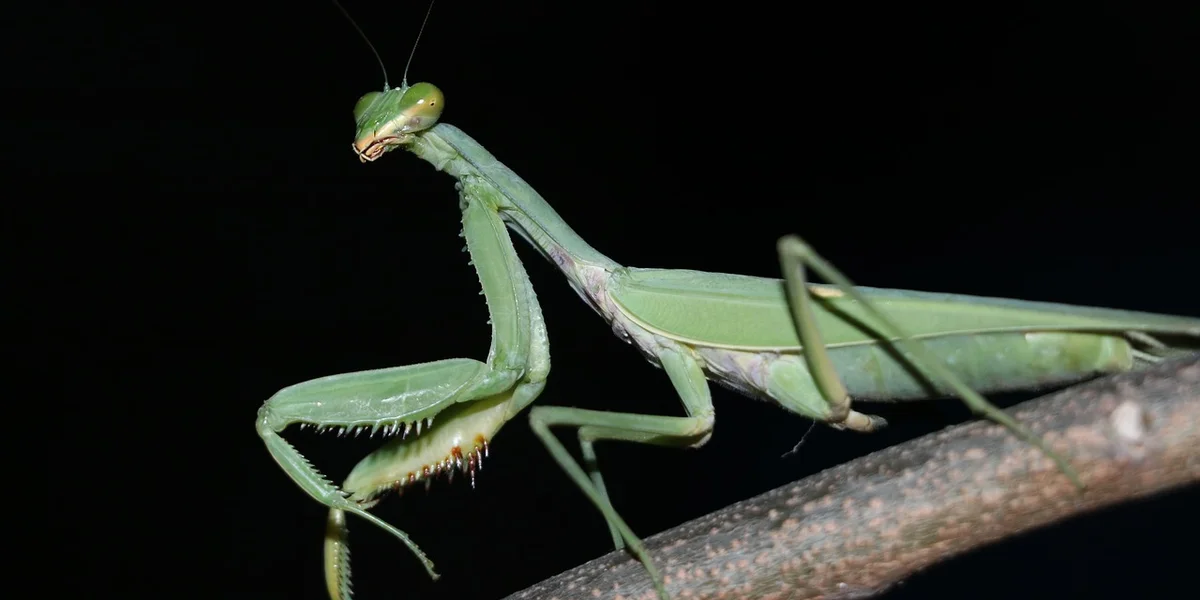
Step 1: Assess the Situation and Habitat
We start by taking a gentle look at your mantis and her living space to spot any hidden stressors. A quiet observation session can uncover small environmental tweaks that make a big difference in her comfort. By watching for signs like reduced movement, unusual postures, or changes in appetite, you can tell if she’s stressed. These behavioral clues help guide any further adjustments to her habitat.
- Check your mantis for unusual behaviors like hunching or stillness, and scan the enclosure for overcrowding, sharp edges, or poor ventilation that could cause stress.
- Verify the temperature stays between 75-85°F (24-29°C), humidity levels hover near 60-70%, and there are cozy hiding spots such as dried leaves or twigs where she can feel secure.
Step 2: Boost Warmth and Humidity
Gently raising the heat and moisture in her habitat can soothe her muscles and encourage egg passage. A warm, humid environment often mirrors the natural conditions that prompt ootheca laying in the wild. For an ootheca care guide, you’ll learn to maintain these conditions to support healthy egg case development. Consistent care can improve hatch success.
- Increase warmth by placing a heat mat on the outside of the enclosure or misting with lukewarm water-aim for the air around her, not directly on her body, to avoid startling her.
- Use household items like a desk lamp for indirect heat or a moist towel over part of the cage lid to quickly boost humidity without fancy equipment.
Step 3: Monitor and Adjust Nutrition
Focus on hydrating foods and a balanced diet to support her through this delicate time. Proper fluid intake helps prevent ovary blockages and keeps her energy levels stable.
- Offer juicy prey like fruit flies or small crickets, and consider adding a drop of water or fruit puree to her diet to ensure she stays well-hydrated.
- Maintain variety in her meals with gut-loaded insects to provide essential nutrients, as good hydration plays a key role in reducing reproductive strain.
Step 4: When to Wait and When to Act
Balancing patience with timely action is essential for her recovery. Watching for subtle changes over a day or two helps you decide if she needs more help or is on the mend.
- Practice patience if she shows slight improvements like increased movement or interest in food, but intervene if she remains lethargic or her abdomen swells further.
- Look for positive signs such as reduced bloating or resumed hunting, while worsening symptoms like inability to climb or prolonged immobility signal it’s time for veterinary care.
When to Seek Veterinary Help for Your Mantis
If your home efforts don’t lead to progress, professional help may be necessary. Consulting a vet experienced with invertebrates can provide solutions that home care alone cannot offer.
- Scenarios where home care falls short include severe abdominal swelling that persists, extreme lethargy where she stops moving entirely, or signs of infection like unusual discoloration.
- Veterinary care might involve gentle manual assistance to help pass eggs or, in rare cases, minor surgical procedures to relieve blockages-always performed by a specialist.
- Red flags that demand immediate professional attention:
- Hard, distended abdomen that feels tense to the touch
- Refusal to eat or drink for over two days
- Visible discharge, bleeding, or labored breathing
Preventing Egg-Binding: Best Practices in Mantis Care
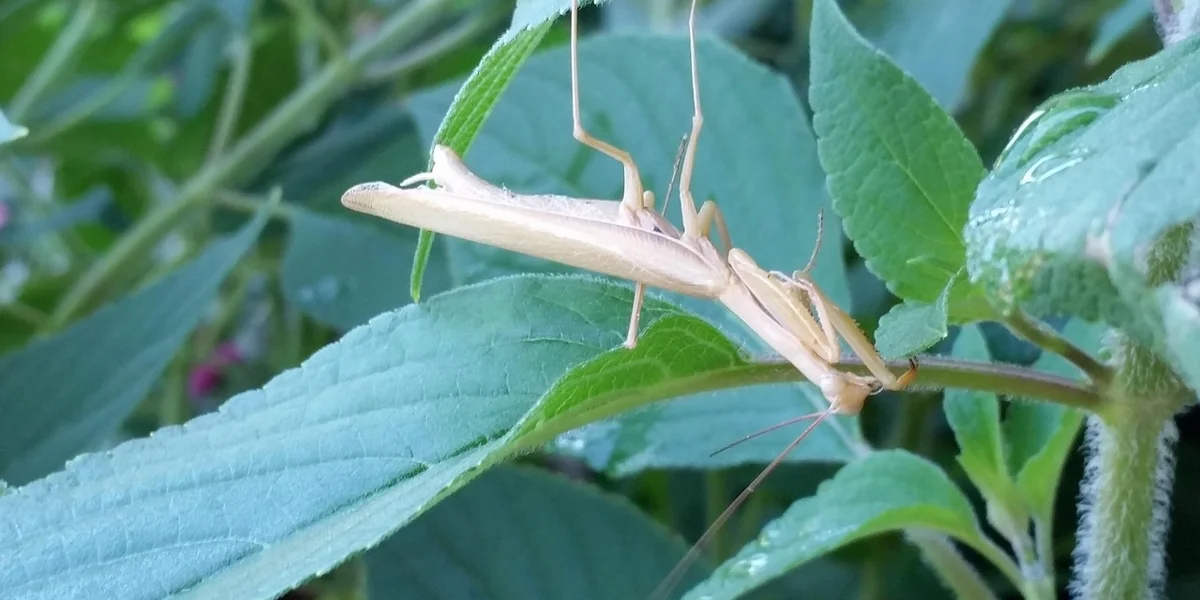
Optimizing Habitat and Environment
Creating a comfortable home for your mantis starts with getting the basics right. A well-balanced habitat reduces stress, which is a key factor in preventing egg-binding issues. We aim for temperatures between 22-28°C, as sudden drops or spikes can disrupt her natural rhythms. If the temperature gets too cold, she may become lethargic or stop eating; if it gets too hot, she can overheat and become stressed.
Humidity levels should mimic her native environment, often around 50-70% for many species. Regular misting with lukewarm water keeps the air moist and supports healthy egg development. Think of it as giving her a gentle, daily shower that she can sip from leaves. To set up the perfect humidity level in your praying mantis enclosure, use a hygrometer to monitor humidity and adjust misting as needed.
Enclosure size matters more than you might realise. Choose a tall terrarium with ample vertical space for climbing and hanging, as this encourages natural behaviours like perching and laying oothecae. For our mantis Moss, we use a 30cm tall setup with live plants and twigs. Choosing the right enclosure size is crucial for the well-being of any praying mantis species.
- Maintain steady temperatures with a small heat mat or lamp, avoiding direct heat sources.
- Use a hygrometer to monitor humidity, adjusting misting frequency based on species needs.
- Select enclosures that are 2-3 times the mantis’s length in height for freedom to move.
- Add natural decor like bark, silk plants, or branches to provide hiding spots and egg-laying surfaces.
Nutrition and Hydration Strategies
Feeding your mantis a varied diet is like offering a balanced meal plan that supports her whole body. A mix of feeder insects ensures she gets diverse nutrients, which can prevent reproductive complications. We’ve seen our Orchid Mantis, Sprig, become more vibrant with this approach. Curious if mantises truly have a complete diet? Our feeding guide covers what to feed, how often, and at which life stages to keep her thriving.
Hydration goes hand-in-hand with nutrition. Light misting each morning not only quenches her thirst but also softens the environment, making egg-laying less strenuous. Always use dechlorinated water to avoid irritating her delicate system.
- Offer feeder insects like fruit flies, crickets, and small moths to provide protein and fats.
- Dust prey with calcium powder weekly to support strong eggshell formation.
- Include gut-loaded insects (fed nutritious foods) for an extra vitamin boost.
- Mist the enclosure daily, focusing on leaves and sides where she can drink droplets.
Managing Reproduction and Stress
Breeding should be a careful choice, not a frequent event. Limiting mating to once or twice in her lifetime lowers the physical toll and reduces egg-binding risks. We wait until our females are fully mature and healthy before considering it.
A calm setting makes a world of difference. Place the enclosure in a quiet spot away from loud noises and vibrations to help her feel secure. Even small changes, like avoiding sudden movements near her space, can prevent stress-induced issues.
- Space out breeding attempts by several months to allow her body to recover fully.
- Keep handling to a minimum, especially when she’s gravid (carrying eggs).
- Use soft, indirect lighting to mimic natural day cycles without causing agitation.
- Introduce new decor slowly to avoid startling her during sensitive periods.
Species-Specific Risks and Long-Term Health Considerations
Not all mantises face the same challenges with egg-binding. Ghost Mantises, like our Luna, often have lower risks due to their slender builds and slower metabolisms. In contrast, larger species such as the Giant Asian Mantis may need extra vigilance especially after they lay their eggs.
Molt timing plays a big role in reproductive health. If a mantis is due to molt while gravid, it can lead to complications, so we watch for signs like lethargy or colour changes. Recognizing the earliest signs of molting trouble—such as slowed movement, reluctance to shed, or changes in appetite—lets us intervene early. Coordinating care around her life cycle helps avoid overlaps.
- Ghost Mantises: Lower risk; thrive in moderate humidity and smaller enclosures.
- Orchid Mantises: Moderate risk; require high humidity and delicate handling during egg-laying.
- Giant Asian Mantises: Higher risk; benefit from spacious setups and reduced breeding frequency.
- Adjust care by species: Increase misting for humidity-loving types and provide more climbing space for active climbers.
Common Mantis Queries
How often should I check my female mantis for signs of egg-binding?
Inspect her weekly for any changes in abdomen size or activity levels. Early monitoring helps catch issues before they become severe.
Can diet alone prevent egg-binding in mantises?
No, a balanced diet is just one factor; proper habitat and stress management are equally important. Focus on varied nutrition and environmental stability for overall health.
What should I do if my mantis lays an ootheca but still seems unwell?
Provide extra hydration and a quiet resting area to support her recovery. Monitor for persistent symptoms like lethargy and consult a vet if she doesn’t improve.
Caring for Your Egg-Bound Mantis
To support a potentially egg-bound female, always provide a suitable laying site, maintain proper hydration through regular misting, and observe her closely for any signs of distress. If you suspect she is struggling, a gentle warm misting or a shallow, lukewarm bath can sometimes help encourage laying.
Being a thoughtful mantis keeper means watching for subtle changes in behaviour and creating an environment where your pet can thrive naturally. We encourage you to keep learning; the more you understand their unique needs, the better you can care for these fascinating creatures. To turn this into practical steps, see our care pet praying mantis complete handling behavior guide. It covers safe handling, stress signals, and enclosure tips.
Further Reading & Sources
- Praying Mantis Eggs: What Do Praying Mantis Egg Sacs Look Like | Gardening Know How
- Ootheca Life Cycle Praying Mantis Egg – USMANTIS
- This Is What a Praying Mantis Egg Case Looks Like – Birds and Blooms
- Fall finds: praying mantis egg cases | Flowers, Fruits, and Frass | Illinois Extension | UIUC
Rowan Hale is a lifelong insect enthusiast who fell in love with mantises for their calm presence, alien elegance, and surprising personalities. After years of keeping and raising a variety of species, Rowan shares practical tips, creative insights, and real-world experience to help others enjoy the quiet magic of mantis care. From setting up the perfect enclosure to understanding their subtle behaviors, Rowan invites readers into a gentle, curious world where every tiny movement feels like a discovery.
Egg Care