
The First 30 Days with Your Mantis Nymph: A Complete Survival Guide
Published on: January 12, 2026 | Last Updated: January 12, 2026
Written By: Rowan Hale
Hello fellow mantis friend! Have you ever held your breath as a tiny mantis nymph perched on your finger, its delicate form a whisper of green and curiosity? This guide is your trusted companion, walking you step-by-step through the essentials to keep your mantis nymph healthy and happy in its first month.
Those initial weeks can feel like a delicate dance-balancing humidity, feeding just right, and noticing the subtle signs of growth. We’ve distilled the key lessons from our own mantis-keeping journey into a clear, easy-to-follow plan.
Here’s a quick peek at what we’ll cover together:
- Setting up a cozy, escape-proof habitat that mimics their natural world
- Feeding schedules and prey sizes to match your nymph’s tiny appetite
- Handling tips to build trust without stress
- Spotting early health cues, from successful molts to potential troubles
Preparing for Your Mantis Nymph’s Arrival
Finding a Healthy Mantis Nymph
When you start your search, look for nymphs that move with purpose and curiosity. A healthy mantis nymph will often tilt its head and antennae, showing alertness to its surroundings. We always check for clear, undamaged limbs and a plump abdomen, which indicates good feeding habits.
- Active and responsive to gentle stimuli
- No visible injuries or stuck shed skin
- Bright eyes and intact antennae
- Steady grip on surfaces without slipping
Choose reputable breeders who share details about the nymph’s lineage and care history. Avoid sources that cannot confirm the nymph’s last meal or molting stage, as this hints at neglect. Our Ghost Mantis, Luna, arrived from a breeder who noted her subtle brown frills and calm demeanor, traits we now cherish.
Essential Supplies Checklist
Gather these items before your nymph arrives to ensure a smooth transition. Having everything ready prevents stress and lets you focus on bonding with your new tiny friend. We keep a small kit handy for quick adjustments.
- Ventilated enclosure, like a plastic deli cup or small terrarium
- Soft substrate, such as coconut fibre or paper towel
- Misting bottle for gentle humidity boosts
- Thermometer and hygrometer to monitor conditions
- Small branches or fake plants for climbing and hiding
- Appropriate food, like flightless fruit flies or pinhead crickets
- Spare container for temporary housing during clean-ups
We find that a simple mason jar works well as a backup home. This eco-friendly approach reduces waste and keeps costs low whilst ensuring safety. Remember, a well-stocked setup mimics the natural security of a leafy habitat.
Setting Up the Perfect First Home
Choosing the Right Enclosure
Select an enclosure that balances space and security for your growing nymph. A container with mesh or fine vents allows air flow without letting tiny prey escape. We prefer clear plastic or glass so you can watch your mantis explore its world.
- Small deli cups for early instars, upgraded as they grow
- Enclosures with vertical height for molting and climbing
- Smooth walls to prevent leg damage and easy escapes
- Lids that seal firmly but allow for misting and feeding
Our Giant Asian Mantis, Moss, adored his first home in a repurposed sweet jar. Adding a few twigs and leaves creates a mini jungle that comforts your nymph. The enclosure should feel like a cosy nook, not a vast empty space.
Balancing Temperature and Humidity
Maintain a steady temperature between 22°C and 28°C for most species. Use a low-wattage heat mat placed on one side to create a gentle warmth gradient. This lets your nymph choose its perfect spot, much like basking in dappled sunlight.
Humidity levels should hover around 50% to 70%, depending on the species. Light misting once or twice a day mimics morning dew and helps with molting. We check our hygrometer daily, adjusting with a warm water spray if the air feels too dry.
- Place a thermometer inside the enclosure away from direct heat
- Mist lightly in the morning and evening, avoiding the nymph directly
- Use a shallow water dish or damp substrate to boost humidity naturally
- Watch for condensation on walls as a sign of balanced moisture
Lighting and Placement Tips
Position the enclosure in a spot with indirect natural light. Avoid direct sunlight, which can overheat the space and harm your delicate nymph. We like to set ours on a shelf where soft daylight filters through, creating a calm rhythm for feeding and rest.
- Use LED or low-heat bulbs if extra light is needed
- Keep away from noisy areas to reduce stress
- Ensure the enclosure is stable and won’t be knocked over
- Rotate decor occasionally to stimulate curiosity
Our Orchid Mantis, Sprig, perches contentedly under a warm lamp for a few hours each day. This gentle lighting highlights her pink petals and encourages natural behaviours. A quiet corner with a view of the room lets your nymph feel part of your world without disturbance.
Daily Feeding and Nutrition Routines
Selecting Prey Insects
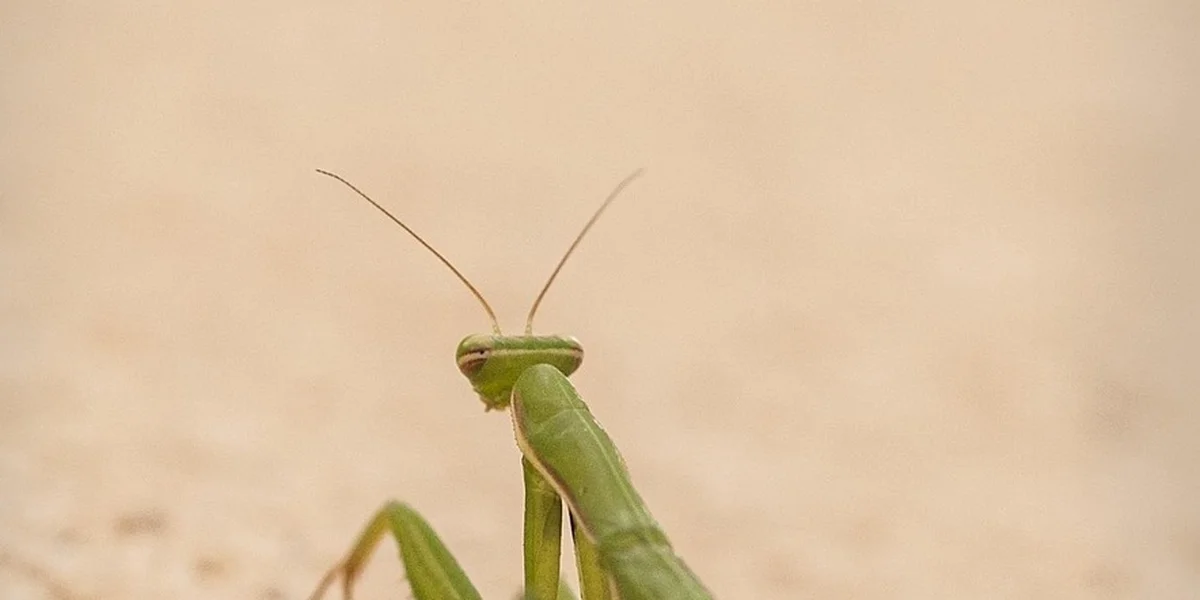
Your mantis nymph’s health depends entirely on the prey you offer. Choose insects no larger than the space between your nymph’s front claws to prevent dangerous struggles. We prefer flightless fruit flies for the first few weeks, then progress to small pinhead crickets or bean weevils. As they grow, phase out fruit flies and transition to larger prey to match their expanding mouthparts. This gradual transition helps strengthen their feeding response and supports steady growth.
Always source feeder insects from reputable suppliers to avoid pesticides. Wild-caught insects can carry parasites or chemical residues that are fatal to a delicate nymph. If a mantis eats a poisonous insect, it may become sick or die from toxins. This risk emphasizes why sticking to reputable, known prey is important. A varied diet of different prey types helps ensure your mantis gets a full spectrum of nutrients for robust growth.
- First instars: flightless fruit flies (melanogaster species)
- Second-third instars: larger hydei fruit flies or springtails
- Fourth instar onward: pinhead crickets, small bean beetles, or housefly larvae
Feeding Schedule and Techniques
Young nymphs need consistent nourishment to fuel their rapid development. Offer appropriately-sized prey every one to two days, watching for that distinctive abdominal plumpness that signals a good meal. Remove any uneaten insects after a few hours to prevent stress.
We gently introduce prey using soft-tipped tweezers, holding the insect near our mantis’s front legs. This hand-feeding technique builds trust and ensures your nymph eats while the food is freshest. Our Moss, a particularly curious giant Asian mantis, now readily approaches the tweezers at feeding time.
- Select a lively, appropriately-sized feeder insect
- Gently introduce it using soft-tipped feeding tweezers
- Allow your mantis to strike naturally – never force feeding
- Remove uneaten prey after 2-3 hours to reduce stress
- Observe the abdomen – it should appear slightly rounded after eating
Understanding Molting and Growth Stages
Recognizing Molt Signs
Molting is the most vulnerable process in your mantis’s life. About 24-48 hours before a molt, your nymph will stop eating and hang motionless from the top of the enclosure. This stillness is perfectly normal as they conserve energy for the coming transformation during molting.
You might notice their skin appears duller or that they actively avoid food. Our ghost mantis Luna becomes particularly reclusive, finding a high perch and remaining perfectly still for days beforehand. The most telling sign is that slight separation you can see between the old and new skin around the head and thorax.
- Loss of appetite 1-2 days before molting
- Increased hanging time from enclosure ceiling or branches
- Dull, cloudy appearance to the exoskeleton
- Slight trembling or abdominal pulsing as molt approaches
Post-Molt Care
Freshly molted mantises are incredibly soft and vulnerable. Do not offer food for at least 24-48 hours after molting, as their new exoskeleton needs time to harden properly. Even the gentlest prey insect could cause serious injury during this period. Proper post-molt care is essential to ensure your mantis stays healthy.
Maintain slightly higher humidity for the first day after molting to support the hardening process. A gentle mist away from your mantis helps without directly spraying their delicate new skin. We often see our orchid mantis Sprig carefully stretching each new limb, testing her increased size and flexibility.
- Do not disturb your mantis for 24-48 hours post-molt
- Withhold food until the exoskeleton hardens completely
- Maintain slightly elevated humidity through light misting
- Ensure proper hanging space for the next molt cycle
- Resume feeding with smaller prey initially
Health Monitoring and Common Issues
Daily Observation Tips
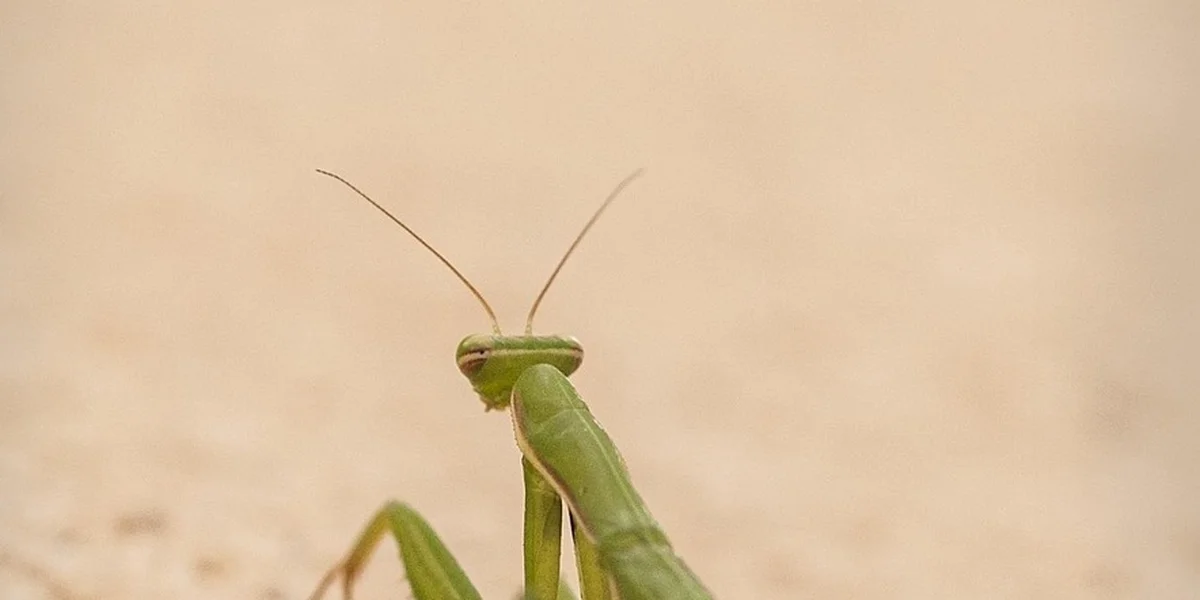
Spend a few quiet moments each day watching your mantis nymph’s behaviour and appearance. Regular observation lets you notice subtle changes in activity, appetite, or posture that signal everything is well or needs attention. Look for these key points in a quick daily check-up.
- Watch how your nymph moves-smooth, deliberate steps show comfort, while frantic pacing may mean stress.
- Note feeding responses; a healthy nymph will eagerly target small prey like fruit flies.
- Check for clean, intact limbs and a plump abdomen, which indicates good hydration and nutrition.
- Observe resting spots; they often favour certain leaves or branches, and shifts can hint at discomfort.
Keep a simple journal or mental notes to track patterns over time. This habit helps you bond and spot issues like missed meals or unusual lethargy before they worsen. From my time with Sprig, the Orchid Mantis, I learned that her pale pink colour would deepen slightly when she felt secure-a tiny detail that reassured me daily.
Identifying Stress and Illness
Recognise early signs of trouble to keep your nymph thriving. Stress often shows through changes in colour, movement, or feeding habits, while illness may involve physical symptoms like swelling or difficulty molting. Here’s how to tell them apart and what to do.
- Stress indicators: darkening of the body, frequent hiding, or refusing food for more than a day.
- Illness clues: discoloured spots, limp posture, or a failure to shed skin completely during molts.
- Common issues: dehydration (sunken abdomen), mites (tiny moving dots), or injuries from falls.
If you spot these, adjust the environment first-boost humidity with a light mist or move the enclosure to a quieter area. Acting quickly with gentle corrections, like offering water droplets on a leaf, can prevent minor worries from becoming serious. Luna, my Ghost Mantis, once stayed unusually still for days; a slight uptick in misting restored her usual curious head tilts without any fuss.
Safe Handling and Interaction
When and How to Handle
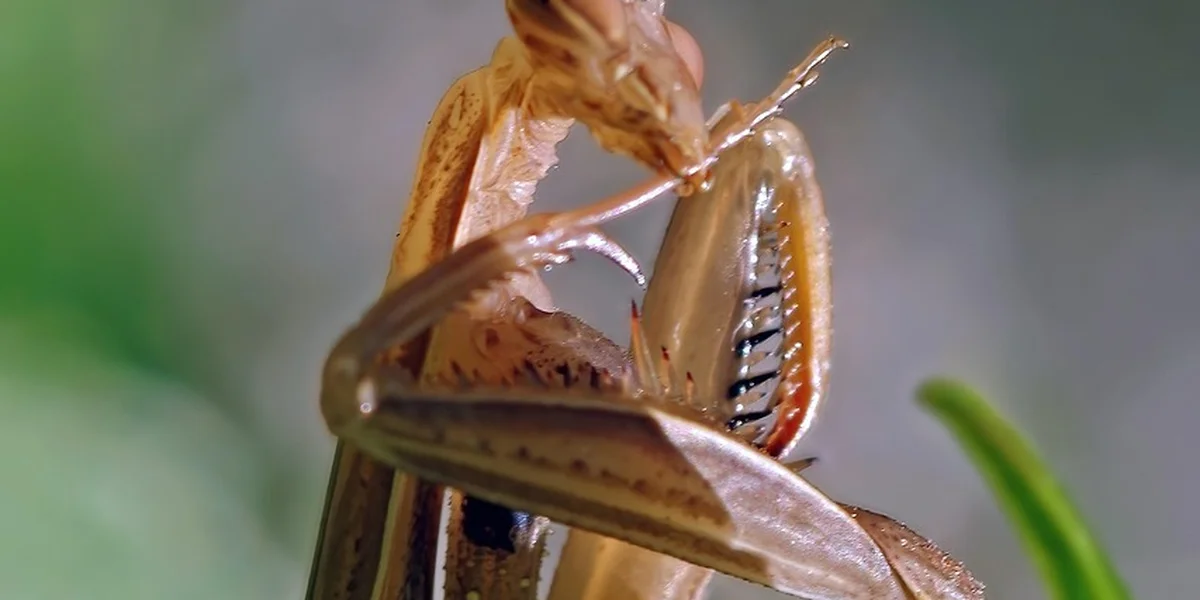
Handle your mantis nymph only when necessary and with great care to avoid injury. Choose calm moments, like after a successful feed or during their active daytime hours, to minimise stress for both of you. To handle and interact with your praying mantis safely, use slow, gentle movements and support its body. Follow these steps for safe interaction every time.
- Wash your hands with warm water to remove scents and ensure they’re dry but not cold.
- Approach slowly from the front, letting the nymph see your hand to avoid startling it.
- Gently encourage it onto your finger or a soft brush-never grab or lift by the limbs.
- Keep handling sessions short, under five minutes, and always close to a soft surface in case of jumps.
Avoid handling right before or after molting, as the nymph is fragile then. Short, positive experiences build confidence and reduce the risk of falls or escapes. Moss, my Giant Asian Mantis, taught me that a steady hand and patience made him more willing to explore new perches during our brief chats.
Building Trust with Your Nymph
Develop a trusting relationship through consistent, gentle interactions that respect your nymph’s boundaries. Trust grows from routine and positive associations, like hand-feeding or simply sitting near the enclosure daily. Try these methods to foster a bond over time.
- Offer food from tweezers or your fingertips, allowing the nymph to associate you with good things.
- Speak in a soft voice while nearby; the vibrations and tone can soothe and familiarise them with your presence.
- Maintain a predictable schedule for feeding and misting, which creates a sense of security.
- Observe without touching often, so your nymph learns you’re not a threat but a calm part of its world.
Remember, each nymph has its own personality-some may never enjoy handling, and that’s perfectly fine. Respecting their comfort level leads to a happier, healthier pet and a deeper connection for you. With Sprig, I found that just watching her delicate movements during feeding time built more trust than any forced interaction ever could.
Troubleshooting and Emergency Care

Even with perfect planning, your tiny mantis might face a few hurdles. Recognizing the signs of distress early gives you the best chance to help your nymph thrive. If your mantis nymphs are dying, common issues include humidity, temperature, and nutrition. Fixing these can improve their survival.
Quick Fixes for Common Problems
Your mantis can’t tell you what’s wrong, so you must become a gentle detective. Watch for small changes in posture, appetite, and behavior—they are your first clues. When stress signs appear—such as a tense stance, flared wings, or sudden changes in eating—check its environment. Learning these signs will help you tell when your mantis is stressed.
Dehydration
A dehydrated nymph may appear lethargic, sunken, or have a wrinkled abdomen.
- Gently mist the enclosure walls and leaves, creating fine droplets for drinking.
- Offer a drop of water on a clean paintbrush tip held near its mouthparts.
- Check that your room’s humidity isn’t too low; a small humidifier nearby can help.
A quick misting session often revives a parched nymph within minutes, restoring its perky demeanor.
Failed Molt
Molting is the most vulnerable time in a nymph’s life. A bad shed, where the old skin sticks, is a true emergency.
- Do not touch or pull at the stuck skin-you risk severe injury.
- Immediately increase humidity to around 80% by heavily misting with warm water.
- Ensure the nymph has a secure, upside-down grip on a textured surface like twine or mesh.
High humidity softens the old exoskeleton, giving your mantis its best shot at wriggling free. My ghost mantis, Luna, once had a leg stuck; a steamy bathroom for ten minutes provided the moisture she needed to complete her delicate undressing.
Loss of Appetite
A nymph refusing food for more than four days needs attention.
- Check prey size-the food item should be smaller than the mantis’s head.
- Try a different feeder; fruit flies might be ignored, but a pinhead cricket could trigger a strike.
- Assess the temperature; a cool nymph is an inactive, non-hunting nymph.
A slight boost in enclosure warmth can kickstart a sluggish metabolism and restore a healthy appetite.
Predator and Pest Management
Your home holds unseen dangers for a creature so small. Vigilance is your greatest tool for keeping your nymph safe from harm.
Household Threats
Common pets and chemicals pose the most immediate risks.
- Cats and dogs: Keep the enclosure in a room they cannot access unsupervised.
- Aerosols: Never use hairspray, air fresheners, or cleaners near the mantis habitat.
- Direct sunlight: Even through glass, it can rapidly overheat and cook a nymph.
Treat your mantis room like a quiet sanctuary, free from bustling activity and chemical fumes.
Enclosure Invaders
Small pests can sneak in and cause big problems.
- Mites: Appear as tiny moving dots. Isolate the enclosure, remove all substrate, and wash decor in hot water.
- Mold: Grows from excess moisture and leftover prey. Improve ventilation and spot-clean daily.
- Ants: Can swarm a nymph. Create a moat by placing the enclosure’s legs in dishes of water.
A weekly, thorough inspection of every leaf and corner helps you catch an infestation before it takes hold. I once found a small spider sharing Moss’s home; a gentle relocation ensured his safety.
Preventing Escape
A lost nymph is incredibly difficult to find and seldom survives.
- Always double-check that mesh lids are securely snapped shut.
- When handling, do so over a large, open container or a soft bed in the center of a room.
- Ensure any ventilation holes are smaller than your mantis’s head.
Creating a failsafe routine for enclosure access is the simplest way to prevent a heartbreaking disappearance.
Common Mantis Queries
How often should I offer water to my mantis nymph?
Your nymph will drink water droplets from the enclosure walls and leaves. Lightly mist the habitat once or twice daily to provide hydration and maintain humidity.
How do I clean my mantis nymph’s enclosure without causing stress?
Gently move your nymph to a temporary holding container using a soft brush. Quickly remove any old prey and wipe down the walls with a damp paper towel before returning your mantis to its clean home. For more tips on keeping your mantis’ environment clean, check out how to clean and maintain your praying mantis habitat.
What is the maximum amount of time I should handle my nymph?
Limit handling sessions to just a few minutes at a time. Always supervise interactions closely to prevent accidental falls or escapes, as nymphs are incredibly fragile.
Your Mantis Nymph’s First Month in Review
We’ve walked through setting up a cozy, humid home and offering tiny, nutritious meals to support healthy growth. Gentle handling and keen observation during molting periods help your nymph feel safe and secure in its new environment.
Your dedication to learning and adapting makes all the difference in your mantis’s well-being. For first-time mantis owners, this week-by-week care guide helps you start strong. It’s designed for your first pet mantis week, covering setup, feeding, and basic care. Stay curious, connect with fellow keepers, and enjoy every moment of this unique pet-keeping journey.
Further Reading & Sources
- Praying Mantid caresheet – Amateur Entomologists’ Society (AES)
- Observing the Praying Mantis Life Cycle with Your Children – Connecting with Littles
- Praying Mantis Care Guide – The Critter Depot
- Mantis Nymph care question. | Arachnoboards
Rowan Hale is a lifelong insect enthusiast who fell in love with mantises for their calm presence, alien elegance, and surprising personalities. After years of keeping and raising a variety of species, Rowan shares practical tips, creative insights, and real-world experience to help others enjoy the quiet magic of mantis care. From setting up the perfect enclosure to understanding their subtle behaviors, Rowan invites readers into a gentle, curious world where every tiny movement feels like a discovery.
First-Time Mantis Owners