
Praying Mantises as Pets: A Simple Guide to the Pros and Cons
Published on: December 2, 2025 | Last Updated: December 2, 2025
Written By: Rowan Hale
Hello, fellow insect lover.
Picture a quiet afternoon, a gentle mist settling on the enclosure glass, and your mantis perched like a tiny, watchful guardian-still as stone yet alive with quiet purpose.
Yes, praying mantises can make captivating pets, offering a unique blend of low-maintenance care and mesmerizing behavior, but their suitability truly depends on your willingness to meet their specific, delicate needs.
This isn’t a simple yes-or-no question. It’s about matching their ancient rhythms to your modern life. Think of it like choosing a pet that’s part living art, part science project-deeply rewarding for a patient keeper.
To help you decide, here’s a quick glance at what we’ll explore together:
- The surprising ease of their habitat setup and minimal space requirements.
- The profound joy of observing their silent, predatory grace up close.
- The honest challenges of managing humidity and sourcing live food.
- Embracing their natural, often short, lifecycle as part of the experience.
The Unique Appeal of a Pet Mantis
There is a quiet magic in sharing your space with a praying mantis. Unlike more boisterous pets, a mantis offers a captivating presence that unfolds in stillness and subtle motion. We find ourselves drawn to their prayer-like posture, a pose of perfect patience that seems to hold ancient wisdom. Their movements are not hurried but graceful, a slow, deliberate dance of limbs as they navigate their world. These unique characteristics make them truly special companions.
Observing a mantis feels like being let in on a gentle secret of the natural world, one where every tilt of the head or adjustment of grip is a story. You might notice the soft rustle as they shift on a leaf, or the way they track your movement with those large, compound eyes, processing the room with an observant calm. My Ghost Mantis, Luna, has a particular way of tilting her misty brown head before accepting a fly, a moment of pure, focused intention that never fails to captivate.
People are drawn to them not for cuddles or play, but for connection. They are living art, a piece of the wild brought indoors that teaches us to appreciate the beauty in quietude and the complexity of simple, instinctual behaviors.
Pros: Why a Mantis Might Be Your Perfect Pet
-
Their care routine is wonderfully undemanding, making them ideal for busy lives or small living spaces. A mantis needs only a modest enclosure, fresh water from gentle misting, and food every few days. You will not be tied to daily walks or complex feeding schedules.
-
They are the epitome of a quiet companion, producing no sound beyond the faint stir of leaves or substrate. This makes them perfect for flats, studios, or any environment where peace is cherished. Their serene demeanor is a calming influence.
-
Watching a mantis offers a front-row seat to fascinating natural behaviors, from meticulous grooming to the incredible process of molting. I recall watching Moss, my Giant Asian Mantis, shed his old skin-a silent, delicate transformation that felt like a private lesson in resilience and growth.
-
Their space requirements are minimal; a well-set-up jar or small terrarium is often sufficient. This low footprint means you can create a beautiful, naturalistic habitat without sacrificing room for other things.
-
Mantises provide genuine educational value for all ages, demonstrating predator-prey dynamics and insect biology in real-time. Seeing a mantis use its lightning-fast reflexes to hunt is a captivating display of nature’s precision that sparks curiosity.
-
There is a unique joy in observing their natural hunting instincts during feeding time. It is a clean, efficient process that highlights their role as a beneficial predator. My Orchid Mantis, Sprig, with her petal-like camouflage, turns each meal into a ballet of patience and strike.
Cons: The Realities and Challenges
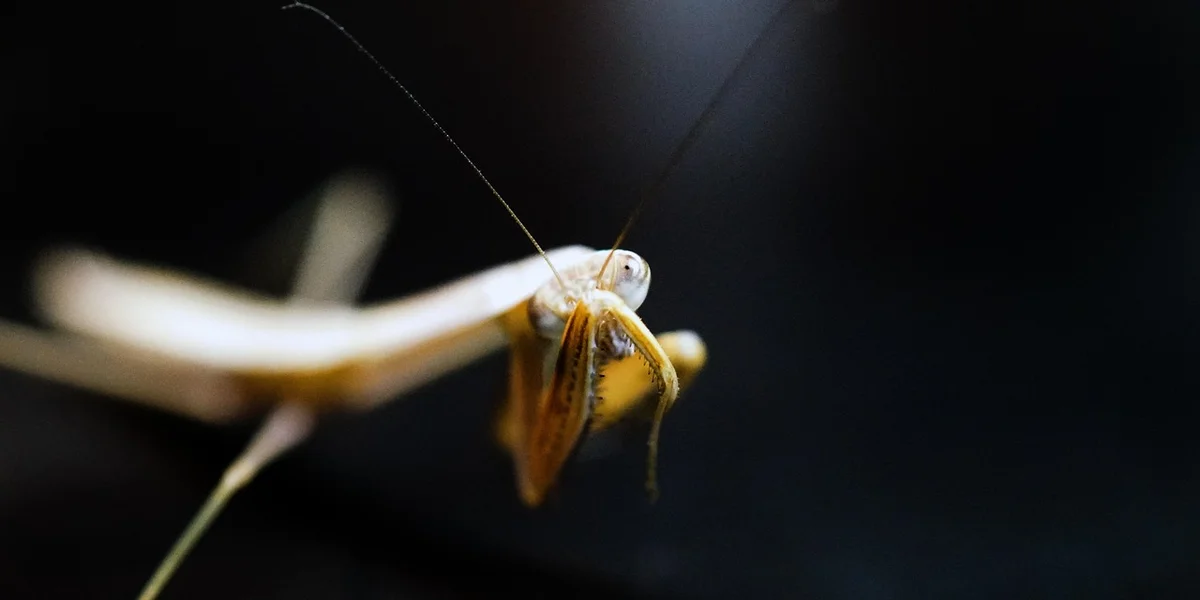
While mantises offer quiet wonder, they are not the pet for everyone. We owe it to these remarkable insects to be honest about the commitments and natural realities that come with their care. Looking at these challenges clearly helps you decide if you’re the right keeper for them. A big part of those realities is their diet—the insects mantises eat can form a comprehensive list that varies by species and size. Understanding what they can and can’t eat helps you plan feeding and ensure their health.
Natural Lifecycles and Practical Needs
Their brief, brilliant lives top the list of considerations. Most common pet mantis species live for 6 to 18 months, with males often having shorter lifespans than females. This condensed timeline means you witness their entire life story, from fragile nymph to majestic adult, in a single season or year. It’s a poignant, beautiful cycle that requires emotional preparedness for a goodbye that comes sooner than with a hamster or goldfish.
Their diet is another non-negotiable reality. Mantises are obligate carnivores, requiring live, moving prey. You will need a reliable source of appropriate feeders, like fruit flies for tiny nymphs and crickets or roaches for larger mantises. If you’re after a complete diet feeding guide, vary prey by life stage and keep a steady supply of appropriately sized feeders. That approach helps ensure all nutritional needs are met as mantises mature. For some, managing and feeding out live insects is a deal-breaker; for others, it becomes a fascinating part of the ecosystem they curate.
Handling and Interaction Expectations
If you dream of a pet you can cuddle or play with, a mantis will reshape that vision. They are observational jewels, not interactive companions. Handling should be infrequent, always calm, and entirely on the mantis’s terms to prevent stress or injury. A fall from even a modest height can be fatal for their delicate bodies.
My male Giant Asian, Moss, was always eager to walk onto my hand for exploration. My Orchid mantis, Sprig, however, prefers her flowers to my fingers-a reminder that each has its own personality and boundaries we must respect.
Practical Keeper Concerns
- Escape Artists: Nymphs are tiny and agile. Always work over a contained area and double-check enclosure lids. A loose fruit fly culture is a nuisance; a lost mantis is a tragedy.
- The Rare Bite: A frightened or hungry mantis may pinch a finger with its spiked forearms. It’s more surprising than painful, akin to a mild pinprick, but it underscores the need for gentle, mindful interaction.
- Habitat Maintenance: Their enclosures need regular misting for humidity and spot-cleaning. It’s simple but requires daily attention, much like watering a delicate houseplant.
How They Compare to Other Common Pets
Context helps. A betta fish also lives a relatively short life (2-5 years) and requires specific water conditions, but it doesn’t need live food. A leopard gecko lives much longer (10-20 years) and eats insects, but it often enjoys more consistent, calm handling. A praying mantis asks for less daily time than a dog but more specific, attentive care than a spider in a terrarium. Their charm lies in that unique balance-a deep connection built on observation rather than touch, and a care routine that feels more like gardening than traditional pet-keeping.
Core Care Simplified: Housing, Climate, and Food
We can manage mantis care by focusing on three pillars: where they live, the air around them, and what they eat. Breaking it down this way turns a big task into a series of small, peaceful routines you and your mantis will settle into.
Housing Your Mantis: A Safe and Comfy Enclosure
Think of the enclosure as your mantis’s private studio flat-it needs space to climb, molt, and observe its world. A proper home prevents stress and injury, letting their natural behaviors shine through.
- Choose the Right Size: For most species, the enclosure height should be at least three times your mantis’s length, with width about double. My ghost mantis, Luna, happily resides in a tall container that lets her climb her twigs without crowding.
- Ensure Good Ventilation: Cross-ventilation is key. Use a mesh lid or drilled holes on opposite sides to stop stale, damp air from settling. It feels like a gentle, continual breeze through a sunroom.
- Select a Safe Substrate: Line the bottom with something soft and absorbent. Unbleached paper towels or coconut fiber work beautifully, catching drips and providing a secure footing.
- Add Climbing Furniture: Twigs, thin branches, or artificial plants give your mantis places to perch and hang upside-down for molting. Arrange them like a miniature jungle gym.
For a simple start, a large, clean mason jar with a mesh-covered top makes a fine temporary nursery. Just ensure any household container is thoroughly rinsed and free of chemical residues to keep your tiny friend safe.
Temperature and Humidity: Creating a Cozy Microclimate
Mantises come from specific climates, and replicating that stability is your secret to a healthy pet. Imagine crafting a mini greenhouse on your shelf-a tiny, self-contained world with its own gentle weather.
Most common pet mantises enjoy room temperatures between 70-80°F (21-27°C). A small, low-wattage heat mat placed on one side of the enclosure can create a warm gradient. My mantis Moss often basks on the warmer side after a meal, like a cat in a sunbeam.
Humidity is about the moisture in the air, not wetness. A light misting of warm water on the enclosure walls once or twice a day maintains the humid, earthy scent they need for easy breathing and molting. Use a clean spray bottle and avoid directly spraying your mantis. For a simple check, the air should feel like a fresh morning dew, not a tropical rainforest.
Diet and Feeding: The Live Prey Necessity
Praying mantises are obligate predators—they must hunt live food. This isn’t a gruesome detail but a fascinating natural dance, where feeding becomes a moment of quiet observation. In ecosystems, praying mantises help regulate insect populations and contribute to ecological balance. They occupy a key position as both predator and prey within their habitats.
Suitable prey varies by your mantis’s size and life stage:
- For nymphs (babies): Flightless fruit flies or pinhead crickets are perfect. They’re tiny moving targets that trigger hunting instincts.
- For juveniles and adults: Larger prey like houseflies, crickets, or dubia roaches work well. My orchid mantis, Sprig, prefers a plump cricket every few days.
Feed adults every 3-4 days, while growing nymphs may need food every 1-2 days. Watch for a slightly plump abdomen as a sign they’re well-fed, but never let prey items roam unsupervised in the enclosure, as they can stress or injure your mantis.
Gut-loading your feeder insects is a vital, eco-friendly step. This means feeding your crickets or roaches nutritious vegetables like carrot or commercial gut-load food 24 hours before offering them. This is a key part of the ultimate guide to gut-loading feeder insects for mantises. Mastering this step helps ensure your mantis gets the nutrients it needs for healthy growth. It passes vital nutrients to your mantis, creating a healthier food chain right in your home. Source feeders from reputable breeders to avoid pesticides and parasites.
Choosing Your First Mantis: Beginner-Friendly Species

Picking your first mantis feels like choosing a walking companion for a tranquil afternoon-opt for one that moves at your speed and feels approachable. Starting with a forgiving species means you can focus on the joy of care, not the stress of troubleshooting.
We see many newcomers drawn to the most colourful or exotic mantises, but patience here pays off. Beginner-friendly species typically have a calm disposition, hardy constitution, and simple habitat needs, making your first foray into keeping them a calm success. For beginners, choosing the right mantis species matters. Look for calm, hardy varieties with simple care needs.
Ghost Mantis (Phyllocrania paradoxa)
With delicate, leaflike frills and a misty brown colour, the Ghost Mantis is a serene and captivating pet. My Ghost Mantis, Luna, has a thoughtful, slow way about her, often pausing to tilt her head before accepting food with gentle precision. They rarely show aggression, thrive at room temperature with occasional misting, and their small size suits compact enclosures.
Chinese Mantis (Tenodera sinensis)
Long, slender, and often found in gardens, the Chinese Mantis is a familiar and robust choice. These mantises are enthusiastic hunters that readily accept common feeder insects, which keeps your weekly routine wonderfully simple. Their green or tan colour provides natural camouflage, and they adapt easily to typical household conditions.
Giant Asian Mantis (Hierodula membranacea)
If you fancy a larger, more interactive presence, the Giant Asian Mantis is a splendid beginner option. My male, Moss, is a vibrant emerald explorer, always the first to investigate a new vine or branch placed in his home. They are hearty eaters, quite tolerant of minor humidity fluctuations, and their size makes observing their behaviour particularly engaging.
We gently steer new keepers away from starting with very delicate species like the stunning Orchid Mantis. Their precise requirements for humidity and temperature can be a steep learning curve, and a simpler first pet lets you build skills without worry.
Stick with these confident choices for your first mantis. A hardy species gives you the space to learn feeding rhythms, moulding signs, and that special quiet bond, all while your mantis thrives.
Getting Started: Cost, Acquisition, and Legality
Finding your first mantis feels a bit like seeking a quiet, living gem. We often start by looking at online breeders who specialize in healthy nymphs and adults. These reputable sources are wonderful for accessing a variety of species, from common Chinese mantises to exquisite orchids like my Sprig. A quick search for “praying mantis pets for sale” will open up a world of dedicated breeders whose care and packaging ensure your new friend arrives safely. Whilst less common, some local pet shops or exotic insect fairs might have mantises, too, offering a chance to see your potential pet in person before bringing it home. If you’re a first-time mantis keeper, your first week is especially important. A short week-by-week care guide for new owners can help you plan feeding, enclosure setup, humidity, and safe handling as you settle in.
Let’s talk numbers. A mantis itself is often the smallest expense. Nymphs of common species might cost between £5 to £20, while rarer adults like orchid mantises can be £30 or more. The real investment is in their home. For my mantis Moss, a simple setup kept him content for months. Here’s a basic list of what you’ll need and typical starting costs:
- Enclosure: A well-ventilated terrarium or a large glass jar with mesh lid (£10 – £40).
- Substrate: Coconut fibre or peat moss for humidity (£5 – £10).
- Decor: Twigs, fake plants, and climbing surfaces (£5 – £15).
- Food: A culture of flightless fruit flies or small crickets (£5 – £10 per week).
- Misting bottle: For gentle hydration and humidity (£3 – £8).
All in, a respectful starter kit for a mantis like Luna, my Ghost, can be assembled for around £30 to £50, not including the insect itself. It’s a modest upfront cost for months of quiet companionship.
Before you get too excited about a particular species, take a quiet moment to check your local regulations. Laws on keeping mantises can vary by region, with some places restricting non-native species to protect local ecosystems. A quick call to your local wildlife agency or a search online will clarify any permits needed, ensuring your pet-keeping journey begins on solid, legal ground. It’s a simple step that protects both you and the delicate balance of our environment.
FAQs on Mantis
Can I find praying mantises for sale at big-box pet stores like Petsmart?
Large chain pet stores such as Petsmart typically do not carry praying mantises due to their niche care requirements. You are better off sourcing from specialized online breeders or local exotic pet shops that cater to insect enthusiasts. For a trusted purchase, check our buyers guide on where to buy pet praying mantis to compare reputable sellers. It covers indicators of legitimacy, shipping practices, and care guarantees.
What are some ideal praying mantis pet species for beginners?
Excellent starter species include the Ghost Mantis, Chinese Mantis, and Giant Asian Mantis for their resilience and straightforward habitat needs. These species offer captivating behaviors and are forgiving of minor care fluctuations as you learn.
How can I locate praying mantis pets for sale in my local area or a specific city like Detroit, MI?
Use online searches with terms like “praying mantis breeders near Detroit, MI” or explore regional exotic pet forums and Facebook groups. Additionally, attending reptile and insect expos in your region often provides direct access to trusted local sellers and stock. For those specifically seeking praying mantis eggs, consult our reliable sources guide to identify reputable suppliers. It also covers how to verify legitimacy and avoid common scams.
Your Mantis Journey: A Gentle Conclusion
Choosing a praying mantis means embracing a pet that is more a living sculpture than a cuddle buddy, valuing observation over interaction. Their care is a lesson in attentiveness, where success is found in the details-a properly misted enclosure, the right size of feeder insect, and a peaceful perch from which they can watch the world. Understanding and meeting essential habitat requirements is what keeps a praying mantis healthy. A healthy mantis depends on proper enclosure conditions, humidity, and space that reflect its natural needs.
Caring for these insects is a quiet pact with nature, one that asks for patience and a willingness to learn from each delicate molt. We invite you to continue this education, to connect with fellow keepers, and to let the serene rhythm of mantis life bring a new, green calm to your own.
Further Reading & Sources
- Garden Dilemmas, Delights & Discoveries, Ask Mary Stone Praying Mantises Beneficial or Bad – Garden Dilemmas, Delights & Discoveries, Ask Mary Stone
- Should You Keep a Praying Mantis as a Pet?
- Praying Mantis: Friend or Foe? – The Observant Gardener
- Should I Release Praying Mantis into My Garden? | Extension
Rowan Hale is a lifelong insect enthusiast who fell in love with mantises for their calm presence, alien elegance, and surprising personalities. After years of keeping and raising a variety of species, Rowan shares practical tips, creative insights, and real-world experience to help others enjoy the quiet magic of mantis care. From setting up the perfect enclosure to understanding their subtle behaviors, Rowan invites readers into a gentle, curious world where every tiny movement feels like a discovery.
First-Time Mantis Owners