
Your First Pet Mantis: A Week-by-Week Care Guide for New Owners
Published on: December 6, 2025 | Last Updated: December 6, 2025
Written By: Rowan Hale
Hello, fellow mantis friend! Imagine the soft rustle of delicate legs against glass, the focused stillness of a green statue perched on a branch-your journey into keeping these graceful insects begins with moments of quiet awe.
This guide walks you through each of the first critical weeks, offering a clear, step-by-step path to ensure your new pet mantis thrives from day one.
While mantises are often considered easy pets, their care requires a gentle touch and attentive eyes. From my own experience with mantises like Luna, whose molts taught me the value of perfect humidity, I know those early weeks set the tone for a healthy, happy life.
We will cover all the essentials in this guide, starting with these key takeaways:
- Setting up a secure, humid enclosure using simple, accessible materials.
- Establishing a reliable feeding routine that matches your mantis’s growth stage.
- Recognizing and supporting your mantis through its first vital molts.
- Monitoring for subtle health cues to prevent common issues early on.
Before Your Mantis Arrives: Preparation Is Key
Bringing a mantis home is a quiet thrill, but a little planning makes the transition smooth for both of you. Choosing an ethical breeder or responsible seller ensures your new friend starts life healthy and well-cared for, which is the foundation of a long, happy partnership. Look for breeders who communicate openly about the mantis’s age, lineage, and feeding history, avoiding wild-caught specimens to support conservation and reduce stress on your pet.
For your first venture, we recommend species known for their calm dispositions and forgiving care requirements. These beginner-friendly mantises adapt well to life in a terrarium, offering you a chance to learn their rhythms without undue pressure. Here are a few excellent starters:
- Ghost Mantis (Phyllocrania paradoxa): With delicate, leaflike frills and a misty brown colour, they are slow-moving and remarkably peaceful, perfect for observing delicate behaviours.
- Giant Asian Mantis (Hierodula membranacea): A vibrant green, robust species that is curious and hardy, often more outgoing and eager to explore new branches in its home.
- European Mantis (Mantis religiosa): A classic, slender green or brown mantis that is widely available and teaches you the fundamentals of care with straightforward needs.
Your mantis’s world is its enclosure, so getting the basics right from the start prevents common hiccups. A proper terrarium acts as a miniature ecosystem, providing security, climbing space, and the right climate for your insect to thrive. You will need a tall, well-ventilated container (a mesh or acrylic terrarium about 3 times the mantis’s length in height), a safe substrate like coconut fibre or peat moss, and tools like a small mister, a digital thermometer, and a hygrometer to monitor conditions.
Selecting Your First Mantis Species
Diving into the world of mantids, the variety can feel overwhelming, but focusing on a few reliable friends simplifies your choice. Your first mantis should feel like a gentle teacher, one whose needs are clear and whose temperament matches your desire for observation or occasional interaction. You might wonder, are praying mantises friendly, and can humans understand their temperament? Reading their body language—posture, slow movements, and response to approach—helps you gauge their mood and boundaries. I’ve found that species like my Ghost Mantis, Luna, with her thoughtful, slow strikes, offer a serene introduction, while Moss, my Giant Asian, brings cheerful energy to daily checks.
To help you compare, here’s a quick guide to three ideal beginner species:
| Species | Adult Size | Temperament | Humidity Preference |
|---|---|---|---|
| Ghost Mantis | 2 inches | Very calm, docile | Moderate to High (60-70%) |
| Giant Asian Mantis | 3-4 inches | Curious, bold | Moderate (50-60%) |
| European Mantis | 2-3 inches | Observant, adaptable | Moderate (50-60%) |
Each species has its own charm, but they share a common thread of resilience for new keepers. Consider starting with a Ghost or Giant Asian mantis, as their care routines are well-documented and their behaviours are a delight to watch unfold from day one.
Gathering Your Mantis Care Toolkit
Think of this toolkit as your mantis-keeping essentials, each item serving a clear purpose in creating a comfortable home. Having these supplies ready before arrival eliminates last-minute scrambles and lets you focus on your mantis’s gentle acclimation. You can often repurpose household items, like a large glass jar for a temporary enclosure or a spray bottle for misting, but dedicated tools offer more precision.
- Enclosure: A tall terrarium or mesh cage with secure ventilation to prevent mould and allow airflow, giving your mantis space to climb and molt safely.
- Climbing Branches and Foliage: Twigs, fake or pesticide-free real plants, and mesh sides for gripping, which are crucial for exercise and providing perches for hunting and resting.
- Mister: A fine spray bottle for misting the enclosure with dechlorinated water, which hydrates your mantis and maintains humidity without creating puddles.
- Thermometer and Hygrometer: Digital tools to monitor temperature and humidity levels, helping you maintain the sweet spot for your species’s health.
- Feeder Insects: A small supply of appropriate live prey, like flightless fruit flies for nymphs or small crickets for adults, ensuring they are gut-loaded for nutrition.
- Substrate: Coconut fibre, peat moss, or paper towel to line the bottom, aiding in humidity retention and making cleanup straightforward.
With this kit assembled, your mantis’s new home will feel ready and welcoming. This preparation turns the first week from a stressful adjustment into a calm settling-in period, building your confidence as a keeper.
Week One: Gentle Acclimation and Habitat Setup
The first seven days are a quiet dance of observation and minimal intervention, allowing your mantis to adjust to its new surroundings at its own pace. Resisting the urge to handle your mantis immediately reduces stress and builds trust, letting it learn the sights and smells of its terrarium without fear. We will walk through a daily routine that prioritises hydration, feeding, and habitat fine-tuning, all while keeping disturbances low.
Start by placing the unopened shipping container in the prepared enclosure for an hour, letting temperatures equalise. This simple step prevents thermal shock and gives your mantis a moment of stillness after its journey, a small kindness that sets a positive tone when handling your new pet. Then, gently open the container and allow it to walk out onto a provided branch, avoiding any direct contact with your hands.
Day-by-Day Acclimation Steps
Follow these seven steps to guide your mantis through its first week with care and patience. Each day builds gently on the last, focusing on basic needs while your mantis explores its territory and begins to feel at home. It’s also important to understand their behavior and how to handle them properly.
- Day One: The Quiet Introduction. After the temperature equalisation, let your mantis explore the enclosure undisturbed. Do not offer food; just provide a light mist on one side of the terrarium for drinking.
- Day Two: First Hydration. Mist the enclosure again in the morning, aiming for fine droplets on leaves or mesh. Watch for your mantis drinking-a delicate, rhythmic movement of its mouthparts.
- Day Three: Offering a Small Meal. Introduce one or two appropriate prey insects, like fruit flies, placed gently into the enclosure. Observe from a distance to see if hunting occurs.
- Day Four: Monitoring and Misting. Continue daily misting. Check if the prey was eaten; if not, remove uneaten insects to prevent them from bothering your mantis.
- Day Five: Habitat Check. Assess temperature and humidity with your tools. Adjust heat mat placement or misting frequency if needed, ensuring the environment stays stable.
- Day Six: Second Feeding. Offer prey again, perhaps slightly larger if the first was taken. This reinforces feeding routines and lets you gauge appetite.
- Day Seven: Establishing Rhythm. By now, your mantis should be perching comfortably. Maintain daily misting and plan a regular feeding schedule, like every two to three days for nymphs.
This gradual approach mirrors the slow, deliberate pace of mantis life itself. By week’s end, you will have a settled mantis that recognises its enclosure as a safe space, paving the way for more interactive care.
Setting Up the Perfect Terrarium
Assembling the terrarium is a bit like crafting a miniature jungle gym, with every element serving your mantis’s natural instincts. A well-structured enclosure prevents falls during molting and provides enriching perches that encourage natural behaviours, from hunting to basking. Start with a clean, dry container and layer from the bottom up.
- Add Substrate: Spread a one-inch layer of coconut fibre or similar substrate evenly across the bottom. This helps with humidity and gives a natural feel.
- Arrange Climbing Structures: Secure branches, twigs, and silk or live plants to the sides and top, creating a network of paths. Ensure they reach various heights but avoid overcrowding.
- Position Lighting: Place the enclosure in a room with indirect natural light or use a low-wattage LED bulb on a 12-hour timer to simulate a natural day-night cycle, avoiding direct sunlight which can overheat.
- Install Monitoring Tools: Attach your thermometer and hygrometer to a side wall, away from misting areas, for accurate readings of the general environment.
Take a moment to view the setup from your mantis’s perspective-look for secure anchor points and open spaces for movement. This thoughtful arrangement reduces stress and injuries, making the terrarium a true sanctuary where your mantis can flourish.
Balancing Temperature, Humidity, and Ventilation
Getting the climate right is perhaps the most nuanced part of mantis care, but simple tools and regular checks make it manageable. Proper temperature, humidity, and airflow work together to support healthy molting, digestion, and overall vitality, acting as the invisible pillars of your mantis’s world. For most beginner species, aim for these ranges, but be aware that different temperature and humidity targets can vary by species. Always check species-specific guidelines to tailor conditions for your mantis.
- Temperature: 72-82°F (22-28°C) during the day, with a slight drop at night. Use a small heat mat on one side of the enclosure if your room is cool, never placing it underneath.
- Humidity: 50-70%, depending on species. Mist once or twice daily with warm water, targeting foliage rather than the mantis directly, and use a hygrometer to avoid soggy conditions.
- Ventilation: Ensure mesh panels or small vents allow air exchange without creating drafts. Good ventilation prevents mould and keeps the air fresh, mimicking a gentle breeze.
Listen to your enclosure-the soft rustle of leaves after misting, the steady warmth from a heat mat. These subtle cues, combined with your tools, help you maintain a stable microclimate where your mantis can shed its skin smoothly and hunt with confidence.
Week Two: Establishing Routines and Building Trust
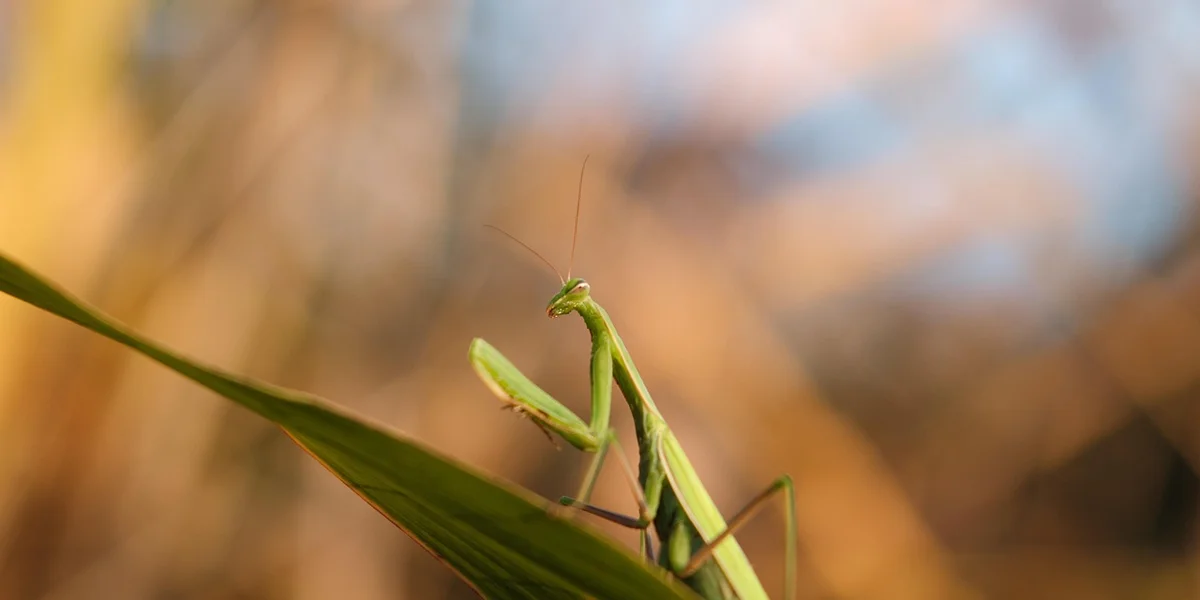
Now that your mantis has settled in, we shift our focus to the gentle rhythm of daily care. Consistency is your secret weapon this week, turning uncertainty into calm confidence for both you and your tiny green companion. Think of it as learning the quiet language of your pet’s world-the soft patter of mist, the deliberate hunt for food, the slow, trusting climb onto your hand. My own mantis, Moss, with his vibrant emerald coloring, taught me that a predictable routine makes him more curious and less skittish, always eager to explore after a morning misting.
This phase is about blending nutrition with nurture. We’ll craft a simple feeding schedule using gut-loaded insects and a misting routine that mimics the dew of their natural habitat, keeping hydration just right. Beyond basics, we gently introduce the art of handling, watching for those subtle signs of comfort as you build a bond of quiet trust.
Creating a Feeding and Hydration Schedule
A steady schedule prevents overfeeding and stress. For most juvenile to adult mantises, feeding every two to three days is perfect, while misting the enclosure lightly once or twice daily maintains vital humidity. Here’s a sample weekly plan that worked wonders for my orchid mantis, Sprig, during her growth spurts.
- Monday & Thursday: Feeding day. Offer one or two appropriately-sized, gut-loaded prey items like fruit flies or small crickets.
- Tuesday, Friday, Sunday: Hydration focus. Lightly mist one side of the enclosure early in the morning, allowing droplets to form on leaves or netting for drinking.
- Wednesday & Saturday: Observation days. No feeding or misting needed; simply check on your mantis and spot-clean any debris.
Gut loading transforms ordinary prey into a nutrient-packed meal. Simply feed your crickets or roaches fresh vegetables like carrot slices or leafy greens for 24 hours before offering them to your mantis. This passes on vitamins, making your pet’s diet richer and more natural—I always do this for Luna, my ghost mantis, and her molts have been smooth and strong. This step is central to the ultimate guide on gut loading feeder insects for mantises. Mastering gut loading boosts vitamins and overall health for your mantis.
First Handling Sessions: Step-by-Step
Handling is a dance of patience, not a grab. Always wait at least 48 hours after a molt, when the new exoskeleton has hardened, to avoid serious injury. Watch for calm, perching behaviour-a mantis that is actively hunting or cleaning its forearms is often receptive. If it sways or raises its arms defensively, give it space and try another day.
- Wash your hands with warm water and avoid lotions, as chemicals can harm your mantis.
- Slowly open the enclosure and place your hand, palm up, near the mantis without touching it.
- Gently nudge its hind legs with a soft paintbrush or your other hand to encourage stepping onto you.
- Let it walk freely on your hand or arm, keeping sessions short-just three to five minutes at first.
- Stay seated in a quiet, enclosed space to prevent falls or sudden flights.
- To return your mantis, slowly guide it back onto a branch or enclosure wall using the same brush.
Positive body language includes a relaxed posture, slow walking, and antennal exploration. If your mantis clings comfortably, like Moss often does on my sleeve, you’re building a beautiful, trusting connection. Remember, skipping handling before a molt is a non-negotiable rule for their safety.
Week Three: Understanding Molting and Deepening Care
By week three, your relationship with your mantis is settling into a comfortable rhythm, but nature is about to introduce its most delicate performance: the molt. Molting is the process where your mantis sheds its old, rigid exoskeleton to reveal a larger, softer one underneath, which then hardens over several hours. It’s a vulnerable and miraculous transformation that defines their growth.
Each successful molt is called an instar. A mantis hatches from its egg as a first instar nymph, looking like a tiny, wingless adult. Every time it molts, it progresses to the next instar number. Monitoring these instars is the most accurate way to track your mantis’s development, far more telling than simply counting weeks or months. My own Moss, a Giant Asian mantis, went from a cautious third instar to a bold, lanky fifth instar in what felt like a blink, each molt adding to his size and confidence.
Recognizing Molt Signs and Behaviors
Your mantis will tell you a molt is coming, but you have to listen with your eyes. The signs are subtle but unmistakable once you know them. Are these signs reliable indicators that a molt is near? Look for a dull color, slowed movement, and a shed skin in the enclosure. For more details, check out the Signs of an upcoming molt.
- Reduced or Stopped Appetite: This is often the first clue. A mantis that eagerly pounces one day may completely ignore food for 24-48 hours before a molt. Don’t be alarmed; forcing food can cause stress.
- Lethargy and Stillness: You’ll notice a significant drop in activity. Your normally curious pet may sit in one spot for hours, conserving energy for the big event.
- Hanging Upside Down: In the final hours, your mantis will seek a high point in the enclosure and suspend itself from the mesh lid or a branch. This inverted position is non-negotiable-gravity is their helper in slipping out of the old skin.
- A Swollen, Opaque Abdomen: Look closely at the rear end. It may appear fuller, and the skin can look dull or cloudy, especially on the wing buds of older nymphs.
When my Ghost mantis, Luna, enters pre-molt, her usually graceful movements slow to a near-statue stillness, a quietude that always fills me with a protective focus.
Care During and After a Molt
When you see your mantis hanging in that tell-tale pose, your care shifts from active to quietly supportive. Here is your step-by-step guide.
- Ensure a Safe, Uninterrupted Hanging Spot. Check that the branch or mesh it has chosen is secure. This is not the time to rearrange the enclosure or even offer a gentle mist directly on the mantis-any disturbance can be catastrophic.
- Boost the Humidity Gently. Misting the sides and foliage of the enclosure about an hour before you suspect the molt will begin creates a slightly more humid microclimate. This higher humidity makes the old exoskeleton more pliable, helping it split cleanly along the back.
- Observe from a Distance and Do Nothing. The actual molt can take anywhere from ten minutes to over an hour. It is a tense, silent ballet. Watch, but do not touch, tap, or intervene unless the mantis is clearly stuck and has stopped moving entirely-a rare occurrence with proper humidity.
- Wait to Feed After the Molt Completes. Once free, your mantis will hang limply, its new body pale and soft. It needs at least 24-48 hours for its new exoskeleton to harden and darken. Attempting to feed before this can injure their tender mouthparts and is the most common post-molt mistake new owners make. Offer a small, easy prey item like a fruit fly after this hardening period.
When Sprig, my young Orchid mantis, completed her last molt, she remained perfectly still for a full day, her brilliant pink and white colors slowly deepening like a flower opening at dawn-a patient reminder that some of the best care is simply giving space for nature to work.
Week Four and Beyond: Monitoring Health and Enrichment

By the fourth week, the newness settles into a comforting rhythm. Your care shifts from initial setup to the steady, observant practice of long-term guardianship. We begin to notice the subtle language of their well-being-the alert stillness of a healthy mantis versus the dull posture of one feeling poorly.
Health monitoring becomes part of your weekly glance. Watch for signs like lethargy, where your mantis clings in one spot for days, lacking the curious energy of my male Giant Asian, Moss, who would rather explore than rest. Other cues include difficulty shedding, loss of appetite, or a discolored abdomen, all whispers that something in their world needs adjusting.
This is also the time to weave in enrichment. Think of it as crafting a dynamic miniature landscape that engages their senses and natural instincts. A simple change in scenery or prey can spark noticeable interest, turning routine into a quiet adventure for them and for you.
Weekly Cleaning and Maintenance Routine
Dedicate a short, calm session each week to these tasks. A consistent routine prevents mold growth and keeps the enclosure smelling like fresh earth after a light rain.
- Remove uneaten prey: Clear out any dead feeder insects within a day to avoid decay and attract pests.
- Spot-clean the substrate: Use tweezers to gently pick out frass (droppings) and old molted skin, which looks like delicate, translucent ghost.
- Check equipment function: Test that your mister produces a fine spray, your hygrometer reads true, and any heat sources maintain a stable, gentle warmth without hotspots.
- Refresh water sources: Drip clean water onto leaves or mist again, ensuring hydration without creating puddles.
Enrichment Ideas for a Happy Mantis
Enrichment is about gentle novelty, not overhaul. Small, safe changes can stimulate their hunting and climbing behaviors, adding spark to their daily life.
- Rotate climbing structures: Swap branches, twigs, or silk vines every few weeks. My Ghost Mantis, Luna, would slowly trace new pathways with her spindly legs, her leaf-like frills quivering with interest.
- Introduce safe, live plants: Add a small pot of pothos or spider plant. They purify air, boost humidity, and offer real leaves to hide behind, just like in the wild.
- Offer varied feeder insects: Alternate between gut-loaded crickets, flightless fruit flies, or small roaches. The different movements can trigger more active hunting.
- Create a changing view: Occasionally move the enclosure to a new quiet spot where light patterns differ, but always away from direct sun or drafts. It gives them a fresh perspective.
Troubleshooting Common Beginner Challenges
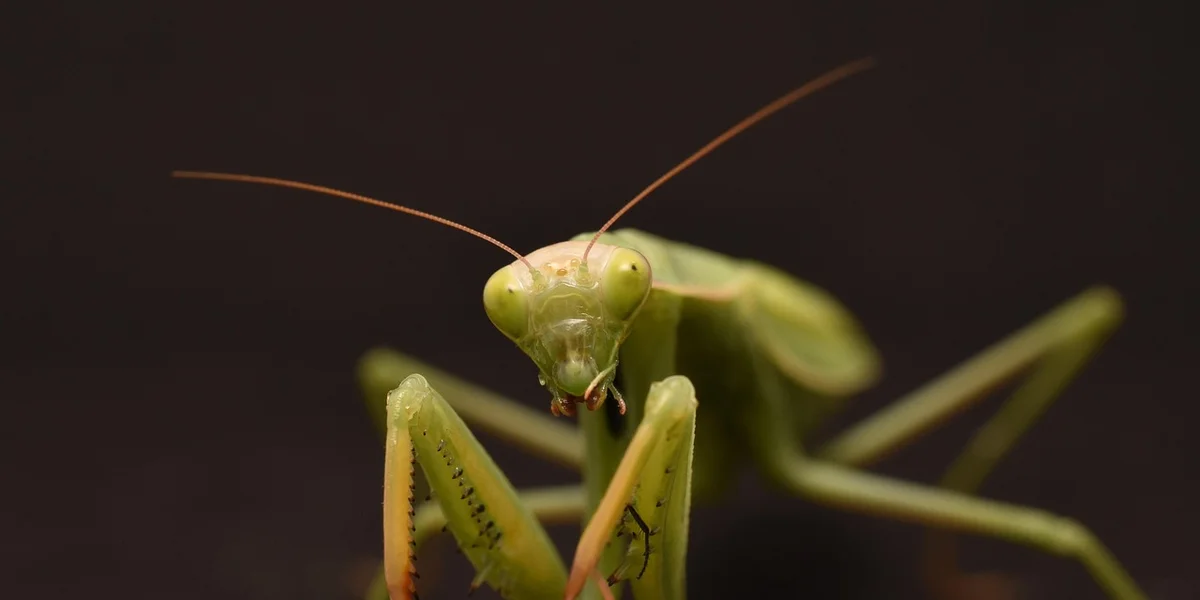
Every new mantis keeper faces a few wobbles, and that’s perfectly normal. Seeing your mantis behave differently can feel worrying, but most issues have simple fixes rooted in their basic needs. We’ve all been there-watching quietly as a mantis turns away from food or struggles during a delicate molt. With a calm approach and a bit of keeper intuition, you can gently guide your pet back to health.
Let’s start with a quick-reference guide to common symptoms. This table helps you spot early signs and take swift, confident action to support your mantis.
| Symptom | Possible Cause | Immediate Action |
|---|---|---|
| Not eating for 3-4 days | Impending molt, low temperature, stress | Check humidity, raise ambient heat slightly, offer smaller prey |
| Lethargic or clinging low in enclosure | Temperature too cool, dehydration | Gently mist the enclosure walls and move heat source closer |
| Frequent falls or difficulty climbing | Slick surfaces, lack of grip-friendly décor | Add mesh or cork bark for footing, ensure perches are secure |
| Rubbing face repeatedly | Mite irritation or leftover molt skin | Use a soft, damp brush to very gently wipe the area |
| Remaining still for hours after molt | Normal hardening process; vulnerable period | Do not disturb, maintain high humidity, withhold food for 24 hours |
What to Do If Your Mantis Won’t Eat
A fasting mantis can puzzle any new owner. Remember, short hunger strikes are common and often linked to natural cycles or tiny environmental shifts. My ghost mantis, Luna, once went four days without a bite simply because her terrarium was a shade too drafty. Here are the usual suspects behind a loss of appetite.
- Pre-molt readiness: Mantises often stop eating 24-48 hours before shedding to avoid being weighed down.
- Low enclosure temperature: Cooler air slows their metabolism, reducing hunger.
- Prey size mismatch: Food that’s too large can intimidate; too small might not trigger a hunting response.
- Stress from recent changes: A new enclosure, loud noises, or excessive handling can cause temporary refusal.
- Dehydration: Sometimes, they need a drink before they feel like eating.
Follow these steps to troubleshoot methodically. Start with the simplest adjustments and observe your mantis for subtle improvements over a few hours. This is part of the ultimate mantis health troubleshooting checklist, including guidance on why your mantis might be sick. Track symptoms to pinpoint causes and decide when to seek further care.
- Check the temperature with a reliable gauge. Aim for a warm 75-80°F (24-27°C) for most common species.
- Offer a light misting on the enclosure netting or leaves. Watch to see if your mantis drinks the droplets.
- Present a different, smaller prey item. Try a fruit fly if you’ve been offering crickets, or vice versa.
- Ensure the feeding area is calm. Dim the lights and limit movement around the enclosure for a while.
- If all else fails, wait patiently. Provide fresh water and check again in another day-unless your mantis appears visibly weak.
Handling Molting Problems Safely
Molting is a vulnerable time, a silent ballet where your mantis sheds its old skin to grow. Most molts happen smoothly, but occasionally a leg or piece of skin gets stuck, leaving your mantis in a precarious spot. I recall Moss, my giant Asian mantis, once had a bit of old exoskeleton clinging to his antenna after a shed. The key is to intervene only if absolutely necessary, with hands as steady as a resting leaf.
If you notice your mantis struggling to free itself after several hours, follow these cautious steps. Always prioritize creating a humid, quiet environment over physical manipulation, which risks injury.
- First, increase the humidity immediately. Gently mist the enclosure with warm water to create a soft, steamy atmosphere that helps soften the stuck skin.
- Offer a secure perch. Ensure your mantis has a firm, textured grip like a twig or mesh to brace itself during the final push.
- If a small piece remains attached after 12 hours, use a clean, damp cotton swab. Lightly dab the area-do not pull-to moisten the fragment.
- For limbs that seem trapped, never tug. Instead, provide a shallow dish of lukewarm water beneath the mantis, letting the steam do the work.
- Know when to step back. If the mantis is active and the stuck part is minor, it may resolve on its own. Seek advice from an experienced keeper if movement is impaired.
After a difficult molt, give your mantis ample space. Their new exoskeleton needs time to harden and cure, a process that can take a full day or more. Keep the enclosure humid and serene, much like a misty morning in a quiet forest glade.
Supplementary Resources and Next Steps
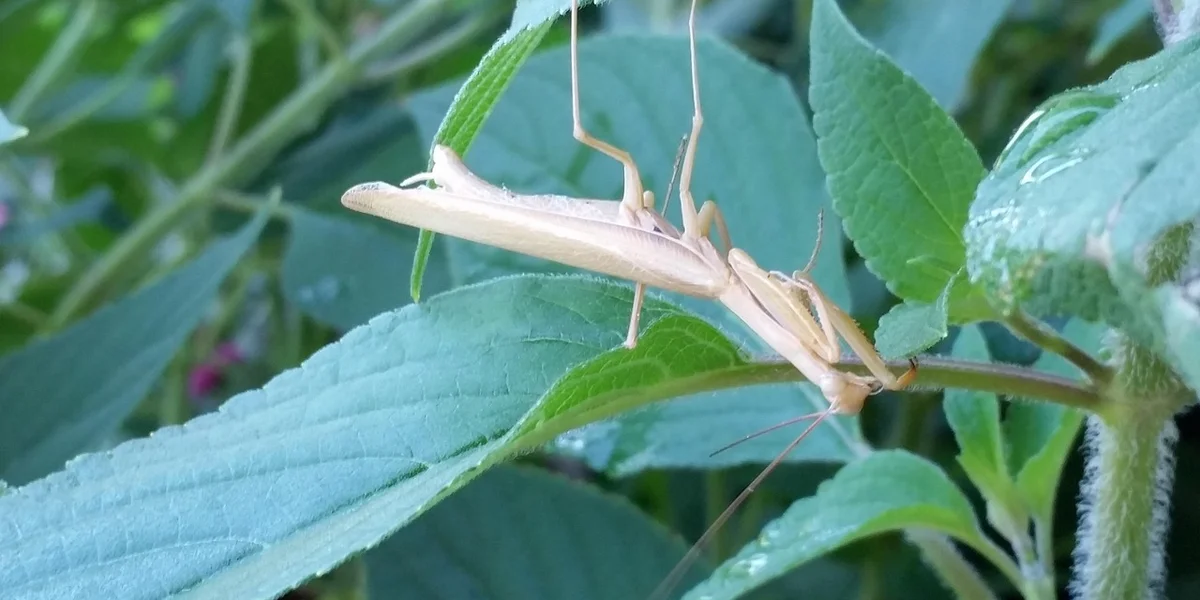
Your first seven days build a foundation, but the journey with your mantis unfolds over months. We gently encourage you to look beyond the basics and tap into the rich support networks that make this hobby so rewarding. Connecting with fellow enthusiasts and considering the road ahead will deepen your confidence and care.
- Seek out online forums or local hobbyist groups for real-time advice and shared stories.
- Begin to ponder long-term aspects, like the transition to adult care and the natural lifespan of your species.
Joining the Mantis-Keeping Community
Never underestimate the warmth and wisdom found in a community of keepers. These spaces turn solitary care into a shared experience, where you can celebrate successes and navigate worries together. I often pop into a forum when my Orchid Mantis, Sprig, behaves in a new way-it’s like having a dozen friendly experts in your pocket.
- Mantid Forum: A deeply knowledgeable hub with archives full of care sheets and thoughtful discussions on everything from breeding to health.
- Reddit’s r/mantids: A vibrant, welcoming subreddit where you can post photos of your setup for quick, friendly feedback.
- The Mantis Den Facebook Group: A visual and active community perfect for seeing how others design enclosures and manage daily care.
Planning for the Future: Adult Care and Lifespan
Watching your mantis mature is a quiet privilege, and a little preparation makes it smooth. Their needs evolve subtly, requiring small adjustments to their home and your routine. Most pet mantises live between 6 and 18 months, with females generally outlasting males. In captivity, lifespan varies by species and care. Knowing the average helps you plan for your mantis’s needs throughout its life.
- Adult enclosures often need more height for successful molts and ample climbing room.
- Feeding rhythms shift; adult males may eat less frequently, whilst females require consistent meals, especially if they produce an ootheca (egg case).
- The final molt to adulthood is a vulnerable time-ensure high humidity and no disturbances.
My Ghost Mantis, Luna, required a slightly drier environment as an adult to keep her delicate frills healthy. By anticipating these stages, you create a stable world for your mantis to thrive in its entirety.
Questions from Fellow Mantis Friends
What size enclosure is best for an adult Praying Mantis?
An enclosure should be at least three times the mantis’s length in height and twice its length in width to allow for proper molting and climbing. Adequate vertical space is more critical than floor space to accommodate their natural hanging behaviors. Choose the enclosure with the specific mantis species in mind, as different species have distinct space and habitat needs. A species-appropriate enclosure supports natural behavior and health.
Is a Mantis Shrimp care guide relevant for my pet Praying Mantis?
No, mantis shrimp are completely different marine crustaceans and their care is not relevant to terrestrial praying mantises. This is a common point of confusion, but the care requirements for housing, feeding, and environment are entirely separate.
Do I need to adjust care for a Praying Mantis if I live in a dry climate like California?
Yes, you will likely need to mist more frequently to maintain proper humidity levels against the dry air. Closely monitoring your hygrometer is essential, and you may need to use a moisture-retaining substrate and partially cover ventilation to stabilize the enclosure’s climate.
Stepping Forward with Your Mantis Companion
Your first weeks together teach that consistent, attentive care-a proper enclosure, timely feedings, and watching for molts-builds a foundation for a healthy mantis. Observing those quiet moments, like your mantis perched with still grace or gently exploring a new vine, turns routine into a shared, mindful rhythm.
Responsible ownership means embracing this role as a gentle guardian, always ready to learn and adapt to your mantis’s needs. Let your curiosity grow with each passing week; the more you understand their world, the more rewarding your quiet partnership becomes.
Further Reading & Sources
- How to Care for a Praying Mantis : 4 Steps – Instructables
- General Mantis Care – Praying mantis care sheet and feeding
- r/mantids on Reddit: Advice on caring for mantises
- Mantis Care Sheet | Mantid Forum – Mantis Pet & Breeding Forum
Rowan Hale is a lifelong insect enthusiast who fell in love with mantises for their calm presence, alien elegance, and surprising personalities. After years of keeping and raising a variety of species, Rowan shares practical tips, creative insights, and real-world experience to help others enjoy the quiet magic of mantis care. From setting up the perfect enclosure to understanding their subtle behaviors, Rowan invites readers into a gentle, curious world where every tiny movement feels like a discovery.
First-Time Mantis Owners