
Your First Pet Mantis: A Week-by-Week Care Guide for New Owners
Published on: December 6, 2025 | Last Updated: December 6, 2025
Written By: Rowan Hale
Hello there, fellow insect lover! There’s a quiet magic in watching a praying mantis-the way it turns its head with thoughtful precision, or the soft rustle as it explores a fresh branch. Bringing one into your home is like inviting a tiny, green-swathed statue to life, full of gentle curiosity.
This guide will walk you through each of those initial, crucial weeks, turning uncertainty into confident, attentive care for your new six-legged friend. We’ll cover everything from that first day jitters to settling into a peaceful routine, all from the perspective of a keeper who’s been right where you are now.
Caring for a mantis is wonderfully straightforward, but it does ask for a specific kind of attention to detail-it’s less about constant effort and more about creating the right, consistent environment. Think of it as learning the rhythm of a small, fascinating life, where your watchfulness makes all the difference. Here’s what you can expect to learn:
- How to set up a safe, comfortable enclosure from day one, using simple items you might already have.
- A clear, week-by-week schedule for feeding, misting, and observing your mantis’s health and behavior.
- Practical tips for gentle handling and spotting those all-important molting signs, so you can offer support without stress.
- Ways to build a trusting bond, noticing the unique personality of your mantis as it grows.
Week 1: Choosing and Welcoming Your New Mantis
Bringing home your first mantis feels like welcoming a quiet, leafy sprite into your space. We always suggest starting with a forgiving species like the Chinese Mantis or the elegant Ghost Mantis, as they handle new keeper nerves with graceful patience. Look for a mantis that holds itself with alert curiosity, its eyes clear and limbs all present and correct.
Source your mantis from dedicated breeders or reputable insect shops that champion ethical practices. Captive-bred individuals, like my Ghost Mantis Luna, often settle quicker and face fewer health hurdles than their wild-caught cousins. Once you’ve made your choice, those first hours together set the tone for your whole journey.
Your mantis’s arrival day is about gentle simplicity, not grand gestures. Prepare a temporary home using a spacious jar or a small plastic container with a mesh-covered lid for air. Line the bottom with a paper towel, add a slender stick for climbing, and offer a light mist. Here is a simple checklist for that crucial first day:
- Position the temporary enclosure in a calm, warm area away from drafts and direct sunlight.
- Provide a fine spray of lukewarm water on the container walls for drinking.
- Withhold food and handling entirely; let your mantis acclimate undisturbed.
- Spend time observing its behaviour, noting how it moves and rests.
Selecting the Right Species for Beginners
Picking your first mantis is like choosing a garden companion—some thrive with casual care, while others need a dedicated greenhouse. Hardy species forgive minor mistakes and help you build confidence as a new keeper. This quick comparison highlights a few excellent starters known for their resilient nature. For beginners, choosing the right mantis species is key. Start with beginner-friendly, hardy types to simplify learning.
| Species | Temperament | Care Level | Keeper Notes |
|---|---|---|---|
| Chinese Mantis | Generally placid, can become quite bold | Easy | Large and robust; does well at typical room temperatures. |
| Ghost Mantis | Deliberate, peaceful, master of disguise | Easy | Smaller with leaf-like frills; enjoys slightly higher humidity. |
| Giant Asian Mantis | Energetic, inquisitive, a hearty eater | Easy to Moderate | Vivid green, like my male Moss; appreciates consistent, gentle warmth. |
Your First Day Together: The Quiet Introduction
Acclimation is a silent ritual of respect and observation. Place the temporary enclosure in a low-traffic spot where your mantis can feel secure without constant disturbance. A bookshelf or a quiet table corner works perfectly.
Gently mist one side of the enclosure with warm water to create drinking droplets and a hint of humidity. Watch as your mantis may delicately sip or clean its forelegs-a sure sign it’s settling in. Resist any urge to handle it; let this first day be about it learning the sounds and rhythms of its new home from behind the glass.
Week 2: Building the Perfect Mantis Habitat
Now, we craft a lasting palace fit for your miniature predator. A well-built terrarium replicates the mantis’s natural world, providing vertical space for climbing and foliage for security. Aim for an enclosure that is tall rather than wide, giving plenty of room to hang and hunt.
Good ventilation prevents stagnant, muggy air that can encourage mould. Proper ventilation is essential for maintaining a healthy microclimate in your mantis enclosure. It ensures air can circulate and helps prevent mould buildup. Use enclosures with mesh panels or lids, and decorate with safe, non-toxic items like bendy vines, silk plants, and smooth bark. Every choice, from the substrate to the top branch, supports your mantis’s wellbeing.
Step-by-Step Terrarium Assembly
Building the habitat is a satisfying, step-by-step project. Follow this sequence to create a secure and enriching environment from the ground up.
- Select a tall enclosure: A glass or acrylic terrarium, roughly 30 cm tall for most beginners, offers clear viewing and stable conditions.
- Layer the substrate: Add a shallow bed of coconut coir or orchid bark to help manage humidity naturally.
- Arrange decor for climbing: Secure an assortment of sticks, fake leaves, and vines to create a network of perches.
- Verify a secure, ventilated lid: Ensure the lid fits tightly but is made of mesh or has mesh sections to allow airflow.
- Find the right light: Position the finished terrarium in a spot with bright, indirect light, never in direct sun which can cook the interior.
Mastering Temperature and Humidity
Creating the right microclimate is your most important task this week. Mantises rely on external heat and moisture to digest food, moult, and stay active. A small digital thermometer and hygrometer are your best friends for daily checks.
This table shows the ideal ranges for common starter species:
| Species | Temperature Range (°C) | Humidity Range (%) |
|---|---|---|
| Chinese Mantis | 20-26 | 50-60 |
| Ghost Mantis | 22-28 | 60-70 |
| Giant Asian Mantis | 24-30 | 60-70 |
For warmth, a small heat mat placed on one side of the enclosure creates a gentle temperature gradient. Lightly mist the terrarium decor once or twice daily with warm water, avoiding spraying the mantis directly to prevent stress. This routine mimics natural dew and keeps the air comfortably humid.
Solving Common Climate Challenges
You might notice the air becoming too dry or see condensation fogging the glass. If humidity drops too low, try misting an extra time each day or place a small cup of water with pebbles inside the enclosure. For persistent condensation and stuffiness, increase ventilation by slightly propping open the lid or adding more mesh.
Your mantis’s behaviour offers the clearest feedback. A mantis that constantly seeks out the moistest corner likely needs more humidity, while one that avoids misted areas might prefer it a bit drier. Tiny, thoughtful adjustments often restore perfect balance.
Week 3: Feeding Routines and Hydration
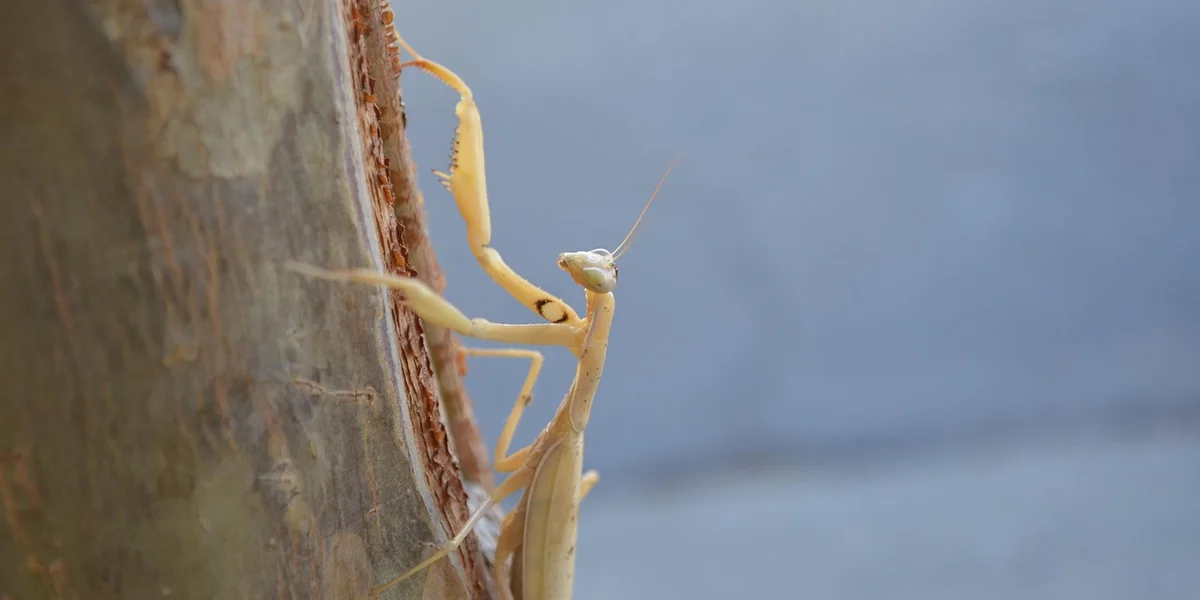
By week three, your initial awe settles into a gentle rhythm. This is the week we shift from simply housing our mantis to truly nourishing it. Establishing a reliable feeding routine is the cornerstone of your mantis’s health and helps you understand its unique personality. A well-fed mantis is an active, observant, and confident pet.
For very young nymphs, flightless fruit flies (Drosophila melanogaster) are the perfect starter prey. They’re tiny, relatively slow, and nutritious. My Ghost mantis, Luna, would spend thoughtful minutes tracking a single fly before her delicate, precise strike. As your mantis grows, you’ll graduate to larger prey like pinhead crickets, blue bottle flies, or small moths. To phase out fruit flies, transition nymphs gradually to these larger offerings as they approach successive instars. This staged shift supports growth and keeps prey sizes appropriate for developing mantises. Never offer prey wider than the space between your mantis’s eyes.
Hydration goes hand-in-hand with feeding. While misting the enclosure provides humidity, your mantis drinks from the tiny droplets left behind on leaves, mesh, and decor. A healthy, hydrated mantis will have a plump abdomen and will readily drink from these droplets, often turning its head to sip delicately. Watch for a sunken abdomen or lethargy—these are whispers of signs of dehydration needing immediate attention. If you notice these signs, boost humidity and keep a steady supply of droplets to help the mantis rehydrate. Addressing dehydration promptly improves recovery.
What and How Often to Feed
Mantises are not daily eaters like mammals. Their metabolism is slower, and overfeeding can be as harmful as underfeeding. Think of them as gourmands who enjoy a substantial meal, then need time to digest. A simple rule is to offer food every 2-3 days for nymphs and every 3-4 days for sub-adults and adults, adjusting based on how eagerly they hunt.
Here is a simple guide for the first critical weeks:
- Weeks 1-3 (Tiny Nymph): 2-3 flightless fruit flies, offered every 2 days.
- Weeks 4-6 (Growing Juvenile): 1-2 small crickets or 3-4 blue bottle flies, offered every 3 days.
- Week 7+ (Sub-adult/Adult): 1 appropriately-sized cricket or roach, offered every 3-4 days. Adult males often eat less than females.
Nutrition starts with the prey. We ‘gut-load’ feeder insects by feeding them nutritious greens, carrots, or commercial bug food 24 hours before offering them to our mantis. This passes vital vitamins onward. It’s a small step that makes a world of difference, turning a simple cricket into a wholesome meal for your green companion.
The Art of Offering Water
Forget water dishes—they’re a drowning risk and mantises simply don’t drink from them. Hydration is a subtle, atmospheric art. Effective misting means creating a constellation of tiny, drinkable beads across the enclosure, not a drenching downpour. Use a fine spray bottle with clean, lukewarm water. When weighing hydration methods, compare misting, water bowls, gels—each has pros and cons. Misting delivers fine droplets without pooling, while water bowls risk drowning and mold; gels can provide steady moisture with less handling but may not offer as readily drinking droplets.
Aim for the sides of the enclosure and the leaves of any plants. Watch as your mantis approaches, its antennae quivering. You might see it bend forward, using its front legs to guide a droplet to its mouth. Mist lightly once a day, typically in the morning, to mimic fresh dew. In drier climates, a second light evening mist can help.
My Giant Asian mantis, Moss, has his favourite drinking leaf. He’ll position himself there after each misting, waiting for the droplets to form. The goal is a lightly glistening environment that dries out within a few hours, preventing mould and maintaining perfect humidity. It’s this quiet, daily ritual that truly connects you to the gentle needs of your pet.
Week 4: The First Molt – A Delicate Transition
Around this time, your mantis will prepare for its first molt with you, a quiet but profound act of growth where it sheds its tight exoskeleton. This process, called ecdysis, happens several times from nymph to adult, with younger mantises molting every three to four weeks like clockwork. You might notice a sudden stillness in the enclosure, a shift in energy that tells you something is about to change. People often wonder: how long does a molt take for a praying mantis? The actual shedding can be brief, often just a few hours, though the full molt cycle may unfold over a day or two as they rest and harden after the shed.
Watch for two critical signs: a marked loss of interest in food and long periods spent hanging upside down from the ceiling or a branch. My ghost mantis, Luna, always refuses her crickets for a full day beforehand, perching motionless with a thoughtful, inward focus. To help your friend through this, we have a simple pre-molt checklist to run through now.
- Double-check the humidity gauge; a slight increase is often needed.
- Remove any uneaten live prey that could disturb or nibble on your vulnerable mantis.
- Ensure the top of the habitat has a secure mesh or grid for hanging.
- Dim the lights in the room and resist the urge to handle or move the enclosure.
Supporting a molting mantis is about gentle stewardship. Your role is to create a calm, stable bubble where the ancient script of shedding can unfold without a hitch. Mist the enclosure lightly with warm water to raise humidity, then step back and trust the process. Do not touch or assist your mantis during the molt itself, as even a well-meaning nudge can cause fatal missteps. After the molt, give your mantis time to harden its new exoskeleton in a quiet, undisturbed space. For more information on the care required after the molt, check out this guide on After the molt. Once it has hardened, resume feeding gradually and avoid handling for a day or two.
Recognizing Pre-Molt Signals
Your mantis will speak through subtle body language in the days leading up to the shed. Behavioral changes come first: expect a drop in activity and a complete refusal of food, as their body is busy preparing the new skin underneath. My giant Asian mantis, Moss, becomes uncharacteristically sedentary, turning from an explorer into a green statue.
Physical signs are equally telling. The abdomen may appear slightly swollen or rounded, and the exoskeleton can look dull or cloudy, especially over the eyes. You might see them practicing their hang, gripping the ceiling with determined focus. Remember the soft rustle of papery old skin? That sound is the finale of a successful molt, a moment of quiet triumph in your care.
Creating a Safe Molting Environment
When the signals are clear, a few thoughtful adjustments make all the difference. Optimising the habitat for molting is your best way to ensure a smooth transition and prevent the dreaded “bad molt.” Follow these steps to build a secure haven.
- Cease feeding immediately. Offer no live insects once pre-molt signs appear, as a mantis cannot eat during this time and prey poses a real risk.
- Gently raise humidity with a fine mist. Use a spray bottle with lukewarm water to dampen the enclosure sides and foliage, mimicking a dewy morning that softens the old exoskeleton.
- Verify ample climbing space vertically. Your mantis needs room to hang freely upside down; ensure branches or mesh reach the top without clutter below.
- Minimise disturbances completely. Move the enclosure to a quiet spot, avoid sudden vibrations, and keep the lid closed-this is a time for privacy and peace.
Week 5: Health Checks and Early Problem-Solving
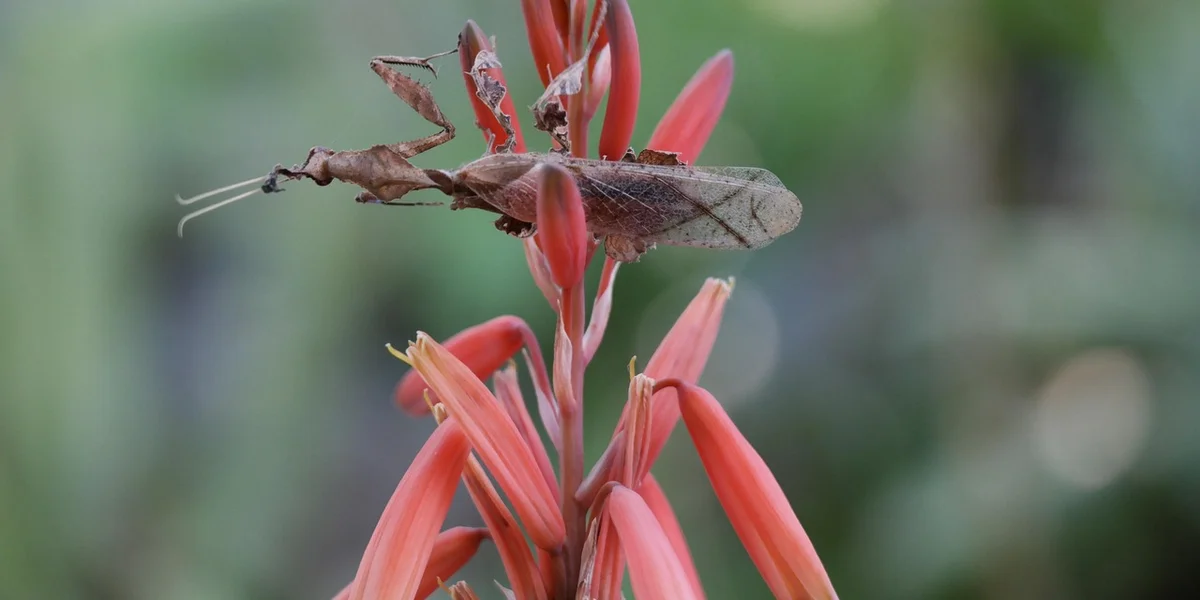
By week five, your mantis is settling into a rhythm, and so are you. This is the perfect time to establish a simple, weekly health observation routine. Think of it less like a medical exam and more like a quiet gardener’s check—a moment to observe, appreciate, and ensure everything in your tiny ecosystem is thriving. A consistent, watchful eye is your most powerful tool for catching small issues before they ever become big worries. Best: Keeping a mantis journal can help you track what to watch for and when, turning observations into actionable steps to support optimal health. A few quick notes each week—feeding, molts, activity, and enclosure conditions—can reveal trends and help you intervene early when needed.
Preventive care is truly the heart of good mantis keeping. It’s built on the steady, simple habits you’re already learning: removing uneaten prey the same day, misting with clean water, and keeping the enclosure tidy. This consistent maintenance creates a stable foundation that supports your mantis’s health far more than any emergency intervention ever could.
Your Weekly Mantis Health Checklist
Set aside five minutes each week for this quick scan. I do mine every Sunday morning, with a cup of tea in hand, simply watching. It’s become a peaceful ritual.
- Activity Level: Is your mantis holding its normal posture? A healthy mantis is alert, often turning its head to follow movement. Note any unusual lethargy or constant clinging to the top mesh.
- Appetite & Feeding: Did it accept food this week? A temporary slow-down before a molt is normal, but a complete refusal for several days in an active mantis needs attention.
- Physical Condition: Gently observe all limbs for full mobility. Check for any black spots (which could be mites) or visible injuries. Look at the abdomen; it should be plump but not grossly distended.
- Enclosure Environment: Scan for mold on leaves or substrate. Check that ventilation is clear and the water droplets from misting are evaporating within a few hours.
- Molting Evidence: If a molt occurred, was the shed skin complete? Finding the entire, delicate exoskeleton is a great sign of a successful molt.
Addressing Frequent Health Hiccups
Even with perfect care, small challenges can pop up. The key is not to panic, but to respond with calm, simple actions.
Loss of Appetite
My Ghost Mantis, Luna, once went five days ignoring fruit flies. It turned out she was simply bored of them. A change in prey type or size can often rekindle a mantis’s hunting interest. Try offering a small cricket or a different fly species. Always ensure the prey is appropriately sized-no larger than the space between your mantis’s eyes. If refusal continues alongside lethargy, review your habitat’s temperature and humidity with a gauge.
Incomplete or “Bad” Molts
Finding your mantis stuck part-way out of its old skin is a heart-stopping moment. This usually happens when humidity is too low. Do not try to pull the mantis free; you will cause serious injury. Instead, immediately increase humidity by misting the enclosure walls lightly with warm water and draping a slightly damp, breathable cloth over part of the lid. This creates a localised humid microclimate that can soften the old skin, allowing the mantis to work itself free. For future molts, boost your regular misting routine in the days leading up to the shed.
Week 6: Gentle Handling and Building Trust
-
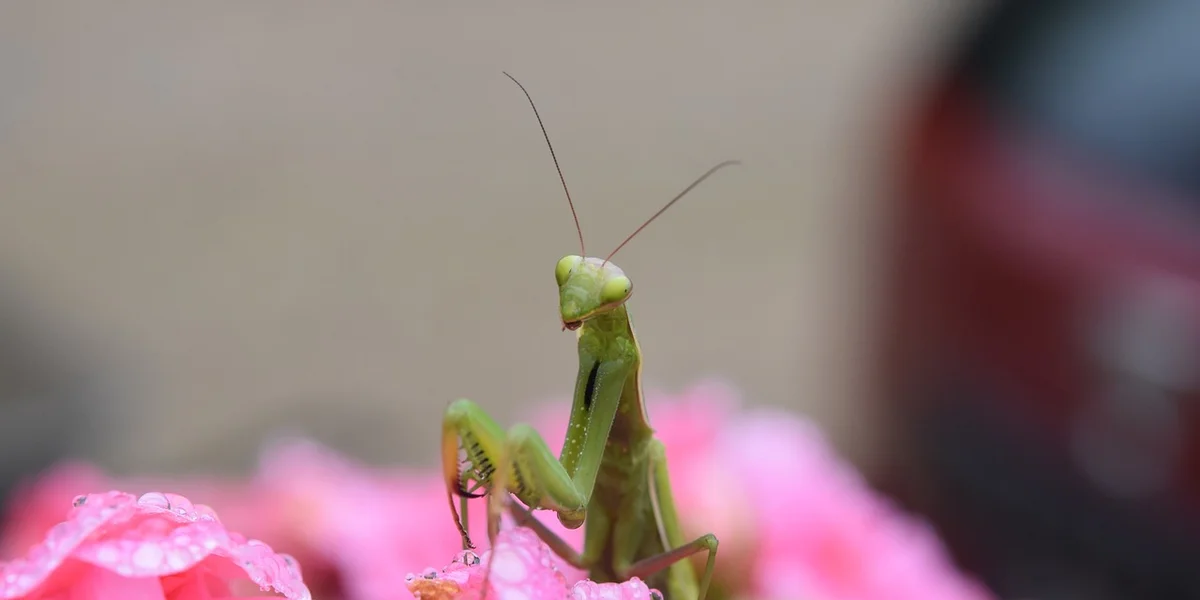
Start handling your mantis only after it has fully acclimated to its enclosure, typically around this sixth week. Choose a quiet time late in the day, when your mantis is alert but not hungry, and use your hand as a slow-moving perch introduced from the front. Keep initial sessions brief-under five minutes-to avoid stress and build positive associations.
Look for subtle bonding signs like your mantis willingly stepping onto your skin or performing gentle grooming motions while near you. With my Ghost Mantis, Luna, I found her slow, deliberate climb onto my finger, followed by a soft antennae tap, was her way of saying she felt secure.
-
Avoid these common handling pitfalls to keep your mantis safe and your bond strong. Never grab your mantis from above or by its limbs, as this can cause injury and shatter trust. Handling during a molt is especially dangerous, as their new exoskeleton is soft and fragile.
Steer clear of other mistakes:
-
Handling a hungry mantis can lead to defensive strikes, mistaking your hand for prey. Always offer food a few hours before interaction.
-
Sudden movements or loud sounds startle mantises, making them retreat or freeze. Move with a calm, steady rhythm.
-
Holding your mantis too high risks a harmful fall if it jumps. Keep sessions close to a soft surface, like a table.
-
Step-by-Step Introduction to Handling
-
Ensure your mantis is calm and recently fed. A satisfied mantis is more curious than defensive, viewing your hand as an interesting landscape rather than a threat.
-
Approach from the front at its eye level. This allows your mantis to see you coming and maintains its sense of control, reducing fear.
-
Place your hand gently near its front legs and let it walk onto you. Patience rewards you; allow it to explore your skin at its own pace, without any pushing or prodding.
-
Limit first sessions to five minutes or less. Short, positive encounters build a foundation of trust much faster than longer, stressful ones. My Giant Asian Mantis, Moss, would often end our sessions by calmly flying back to his branch, a sign he was done.
Understanding Your Mantis’s Body Language
Reading your mantis’s posture is like learning a quiet, visual language. Each tilt of the head or shift in stance reveals its comfort level and intentions. Pay close attention to these common signals to handle your mantis safely and respectfully.
-
A calm, curious mantis stands tall with antennae forward, often swaying gently like a leaf in a breeze. This posture invites gentle interaction, as seen with Luna’s thoughtful head tilts before she steps out.
-
Raised forelegs with spines exposed and a hunched back signal defense or stress. If you notice this, pause your approach and give your mantis space to relax.
-
A perfectly still, coiled posture with eyes locked on a target means your mantis is in hunting mode. This is not a time for handling, as its focus is entirely on prey.
-
Grooming behaviors, like cleaning face or forelegs, show your mantis feels safe and content. After her evening mist, my Orchid Mantis, Sprig, would shimmer while delicately wiping her petals, a sure sign of ease.
Common Beginner Mistakes and How to Sidestep Them
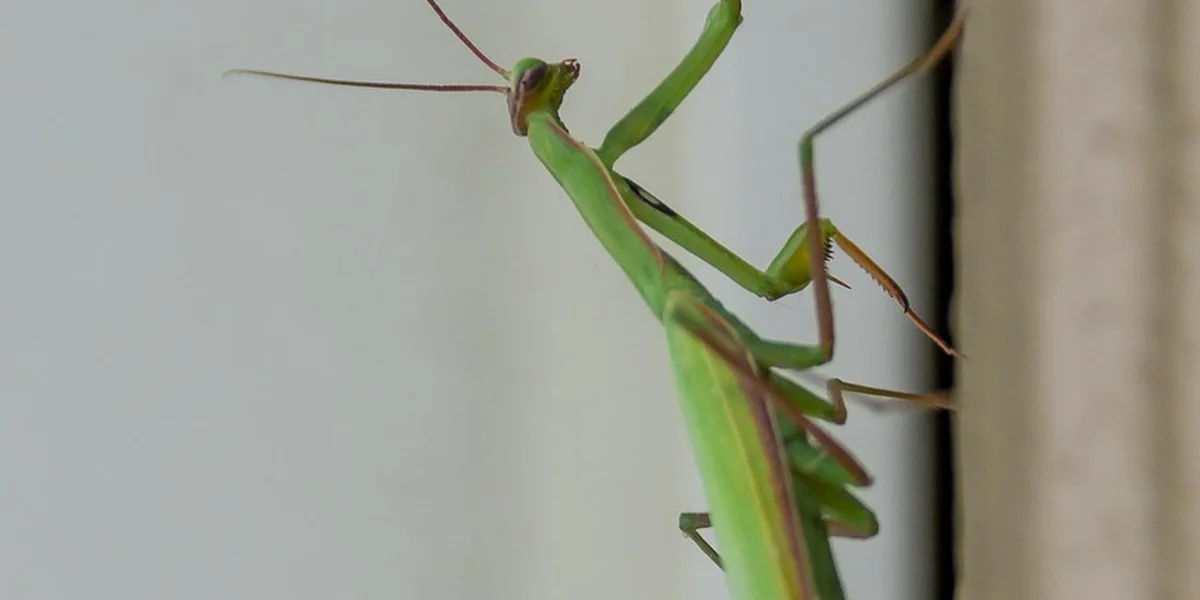
Welcoming a pet mantis into your home is a gentle adventure, and a few stumbles are simply part of the journey. Every keeper, myself included, has learned through quiet observation and the occasional hiccup-your mantis is wonderfully adaptable, and so are you. We’ll walk through the most frequent oversights new owners make, pairing each with a straightforward solution to keep your companion content.
- Over-misting the enclosure: Creating a perpetually damp environment encourages harmful mold and can overwhelm your mantis. A light, once-daily mist on the enclosure walls, allowing it to fully dry between sprays, maintains perfect humidity without the risk.
- Introducing toxic or sharp décor: Painted wood or certain plants can leach chemicals, while rough edges risk injury during delicate molts. Choose untreated, natural materials like birch twigs or sphagnum moss for a safe and beautiful habitat.
- Offering incorrect prey size: Food that is too large can damage your mantis’s raptorial arms or cause regurgitation. Prey should be no larger than the space between your mantis’s eyes for a comfortable, safe meal.
- Disturbing during molting: This is a vulnerable time where movement can cause fatal falls or deformities. When you see your mantis hanging still and upside-down, cease all feeding and handling until its new exoskeleton hardens.
- Neglecting ventilation: Stagnant, humid air fosters bacterial growth and respiratory issues. An enclosure with a mesh top or side vents ensures a fresh, healthy airflow your mantis will thrive on.
I recall Luna, my Ghost Mantis, once residing in a jar with poor airflow-a quick switch to a well-ventilated net cage made her posture more alert and active. Simple corrections often yield the most profound improvements in your mantis’s daily life.
Top Pitfalls in Enclosure Setup
Creating the right home is about foresight, preventing problems before they start. A thoughtfully arranged space minimizes stress and mirrors the safe, textured world a mantis instinctively seeks. Here are specific setup errors and how to elegantly avoid them.
- Choosing an enclosure with inadequate ventilation: Solid plastic or glass boxes without airflow become stuffy and damp. Fix this by selecting a terrarium with mesh panels or carefully drilling small holes in a plastic container for cross-ventilation.
- Using abrasive or slippery surfaces: Bare glass floors can cause slipping, while coarse sandpaper-like substrates irritate tender feet. Line the bottom with a gentle, grippy material like coconut fibre or a simple paper towel for secure footing.
- Overcrowding with decorations: While a jungle gym looks fun, too many obstacles limit hunting lanes and open space for molting. Provide two or three sturdy climbing branches and one leafy hide, leaving ample room for movement.
- Placing the habitat in direct sunlight or drafty areas: Sudden temperature spikes or chills can shock your mantis’s system. Position the enclosure in a spot with consistent, indirect light and away from open windows or vents.
- Forgetting a secure lid: Mantises are expert climbers and escape artists. Ensure your lid fits snugly, preferably with a fine mesh that also supports their weight when hanging from the top.
Feeding and Handling Missteps
These daily interactions build your bond, but common missteps can fray that connection. With a patient hand and a watchful eye, you’ll soon learn the subtle rhythms of your mantis’s appetite and comfort. Let’s untangle frequent errors and replace them with kinder practices.
- Overfeeding your mantis: Constant meals can shorten lifespan and lead to a lethargic pet. Feed nymphs every two to three days and adults every three to four days, pausing if their abdomen looks rounded and full.
- Handling with abrupt movements: Scooping or grabbing from above triggers a defensive strike reflex. Always offer your open hand at their level and let them step onto you voluntarily, moving slowly like a passing branch.
- Relying on wild-caught insects for food: Outdoor prey may carry pesticides, parasites, or diseases. Source nutritious, captive-bred feeders like flightless fruit flies or pinhead crickets from reputable suppliers.
- Feeding immediately after a molt: Their new exoskeleton is soft and their jaws are weak. Wait a full 48 hours after molting before offering a small, soft prey item to prevent injury.
- Leaving uneaten prey in the enclosure: Crickets or worms can nibble on a resting or molting mantis. Remove any uneaten live food after 15-20 minutes to ensure your pet’s safety overnight.
My mantis Moss taught me about gentle patience after a clumsy feeding attempt left him startled. Now, I observe his calm, perched posture before offering food, and our interactions are peaceful for both of us.
Common Mantis Queries
How do I care for baby mantis nymphs during the winter?
Winter care for nymphs primarily involves ensuring consistent warmth and humidity despite dry indoor heating. You may need to use a small heat mat and mist more frequently to counteract the arid environment and support their growth and molts.
Where can I find a reliable mantis care sheet in PDF format?
Reputable mantis breeders, specialized invertebrate forums, and entomological society websites often offer free, downloadable PDF care sheets. These documents provide a concise, at-a-glance reference to complement detailed guides like this one.
How often is it safe to handle my pet mantis?
For most species, brief handling sessions of 5-10 minutes, once or twice a week, is a safe frequency to build trust without causing stress. Always observe your mantis’s body language and avoid handling entirely in the 48 hours before and after a molt.
Your Mantis Adventure Awaits
Taking things week by week gives you a gentle structure to follow, letting you focus on one stage of care at a time while your mantis settles in. The best approach is simply to watch, learn from their quiet signals, and provide a safe, stable home where they can thrive. This mindset aligns with a complete care, handling, and behavior guide for pet praying mantises. By observing their signals and keeping handling minimal, you support their wellbeing and reduce stress.
Being a good mantis keeper means committing to consistent, attentive care and embracing the journey of learning alongside your pet. There’s a quiet joy in this responsibility, and each day offers a new chance to observe the fascinating little world you’re helping to create.
Further Reading & Sources
- How to Care for a Praying Mantis : 4 Steps – Instructables
- General Mantis Care – Praying mantis care sheet and feeding
- r/mantids on Reddit: Advice on caring for mantises
- Mantis Care Sheet | Mantid Forum – Mantis Pet & Breeding Forum
Rowan Hale is a lifelong insect enthusiast who fell in love with mantises for their calm presence, alien elegance, and surprising personalities. After years of keeping and raising a variety of species, Rowan shares practical tips, creative insights, and real-world experience to help others enjoy the quiet magic of mantis care. From setting up the perfect enclosure to understanding their subtle behaviors, Rowan invites readers into a gentle, curious world where every tiny movement feels like a discovery.
First-Time Mantis Owners